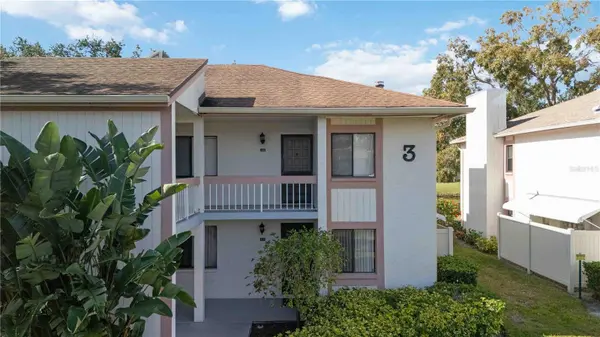
Siesta Key Vacation Rental Returns, A Practical Guide to Cap Rates, Occupancy, and Expenses

Is a Siesta Key Vacation Rental a Good Real Estate Investment?
A Siesta Key vacation rental may be a good investment when the property has legal rental eligibility, realistic revenue potential, manageable expenses, and a purchase price that supports the buyer's financial goals.
Beach access, property condition, guest capacity, private outdoor space, parking, management quality, and rental restrictions can all affect performance. A property near Siesta Beach or Siesta Key Village may operate very differently from a condominium with longer minimum stays or a home that requires substantial maintenance.
Investors should evaluate each address individually. Rental projections, appreciation, occupancy, and resale value are never guaranteed.
Why Do Investors Consider Siesta Key Vacation Rentals?
Investors consider Siesta Key because it combines recognizable beaches, visitor amenities, multiple property types, and convenient access to Sarasota.
The official Visit Sarasota County guide to Siesta Key highlights Siesta Beach, public beach facilities, the island trolley, restaurants, shops, and other visitor amenities.
Depending on the property, buyers may find:
- Beachfront and beach-access condominiums
- Single-family homes with private pools
- Canal-front homes with docks
- Duplexes and other multi-unit properties
- Homes near Siesta Key Village
- Properties near Crescent Beach or Turtle Beach
Location alone does not determine profitability. Investors should compare rental rules, operating costs, physical condition, insurance considerations, management requirements, and realistic income projections before purchasing.
How Do You Calculate the Cap Rate on a Siesta Key Rental?
Cap rate measures a property's estimated annual net operating income relative to its purchase price.
Cap rate = annual net operating income divided by purchase price.
Net operating income, commonly called NOI, is calculated by subtracting ordinary operating expenses from gross operating income. Mortgage principal and interest are generally excluded from a standard cap rate calculation.
A simplified calculation may include:
- Gross rental revenue
- Additional guest or property income
- Minus management and booking expenses
- Minus utilities and routine maintenance
- Minus association fees
- Minus property taxes and insurance
- Minus other ordinary operating expenses
For an illustrative example, assume a property produces $120,000 in annual gross revenue and has $50,000 in annual operating expenses.
- Gross annual revenue: $120,000
- Operating expenses: $50,000
- Estimated NOI: $70,000
- Purchase price: $1,200,000
- Illustrative cap rate: approximately 5.83%
This example is for education only and does not represent the expected performance of a particular Siesta Key property.
What Does a Vacation Rental Cap Rate Leave Out?
Cap rate is useful for comparing properties, but it does not provide a complete picture of an investor's return.
A standard cap rate does not normally account for:
- Mortgage payments
- Loan fees and financing costs
- Income taxes
- Depreciation or other tax treatment
- Major future renovations
- Personal use of the property
- Potential appreciation or depreciation
- Sale costs
Investors may also evaluate cash-on-cash return, annual cash flow, reserve requirements, debt coverage, and total acquisition costs.
A qualified accountant, financial professional, lender, and real estate attorney can help evaluate the financial and legal consequences of a specific purchase.
How Should You Estimate Vacation Rental Revenue?
Revenue should be estimated using verified property records, realistic nightly or weekly rates, expected vacancy, owner-use dates, and the property's legal rental schedule.
A simple gross revenue formula is:
Booked nights multiplied by average nightly revenue = estimated lodging revenue.
For example, 200 booked nights at an average of $450 per night would produce $90,000 in illustrative gross lodging revenue before expenses.
That calculation should not be treated as a forecast until the assumptions are tested against:
- Documented rental statements for the property
- Reservation calendars and cancellation history
- Seasonal rate differences
- Required minimum stays
- Owner-blocked dates
- Management and booking agreements
- Association rental restrictions
- Applicable local regulations
Projected revenue should not be based only on the strongest weeks of the year or advertised rates from unrelated properties.
Why Is Occupancy Not Enough to Measure Performance?
Occupancy shows how often a property is booked, but it does not show how much revenue or profit the property produces.
A heavily discounted rental may achieve higher occupancy while producing less income than a property with fewer bookings and stronger rates. Owner stays, complimentary bookings, maintenance closures, and hurricane-related interruptions can also affect the calculation.
Investors should evaluate occupancy alongside:
- Average daily or weekly revenue
- Revenue per available night
- Seasonal pricing
- Length of stay
- Cancellation rates
- Booking platform costs
- Cleaning and turnover expenses
- Net income after operating costs
Historical occupancy can be helpful, but it does not guarantee future bookings.
Which Expenses Should a Siesta Key Investor Include?
A reliable analysis should include routine operating expenses, periodic replacements, professional services, taxes, insurance, and reserves for unexpected repairs.
Potential expenses may include:
- Property management fees
- Booking platform and payment-processing fees
- Cleaning and linen service
- Electricity, water, internet, and waste service
- Pool and landscaping maintenance
- Pest control
- Association fees and assessments
- Property taxes
- Property, wind, flood, and liability insurance
- Licensing and registration expenses
- Accounting and legal services
- Repairs and replacement reserves
- Furniture, appliances, housewares, and guest supplies
- Marketing and professional photography
Investors should obtain property-specific insurance quotes and review available policy terms before the inspection or due diligence period expires.
Should You Include Major Repairs in the Investment Analysis?
Yes. Large repairs and replacements should be evaluated separately from routine operating expenses.
A rental may appear profitable during years without major projects, but coastal properties can require significant spending on structural components, mechanical systems, and exterior materials.
Potential capital expenses may include:
- Roof replacement
- Air-conditioning systems
- Windows and exterior doors
- Pool resurfacing and equipment
- Elevators
- Plumbing and electrical systems
- Exterior paint and waterproofing
- Seawalls, docks, lifts, and pilings
- Condominium special assessments
- Furniture and interior renovations
A professional inspection, association document review, permit search, and contractor evaluation can help investors estimate near-term costs.
Can Every Siesta Key Property Be Used as a Short-Term Rental?
No. Rental eligibility depends on the property's jurisdiction, zoning, condominium or homeowners association rules, deed restrictions, existing approvals, and the proposed rental schedule.
Investors should not assume that a property can be rented nightly, weekly, monthly, or for any advertised duration simply because nearby homes are used as vacation rentals.
Parts of the greater Siesta Key area may be governed by different local requirements. For properties subject to City of Sarasota jurisdiction, the City of Sarasota vacation rental registration and compliance page states that qualifying vacation rentals may require registration and inspections. The city also identifies a minimum stay of seven full days and seven full nights for vacation rentals within city limits.
Those city requirements do not automatically describe every property on Siesta Key. Buyers should confirm the governing jurisdiction and current rules for the specific parcel with the appropriate local authority and a qualified real estate attorney.
What Rental Restrictions Should Condo Buyers Review?
Condominium documents can impose rental restrictions that are more limiting than local law.
Before purchasing a Siesta Key condominium, review:
- Minimum rental periods
- Maximum number of rentals per year
- Approval and application procedures
- Waiting periods before an owner may rent
- Guest registration requirements
- Occupancy and parking rules
- Pet restrictions
- Transfer fees and security deposits
- On-site management requirements
- Pending amendments to the governing documents
Buyers should also review budgets, reserve funding, milestone or structural reports when applicable, insurance responsibilities, recent meeting minutes, litigation, and current or proposed special assessments.
Do Vacation Rentals Have Tax Collection Requirements?
Vacation rental income may be subject to state and local transient rental taxes, depending on the rental arrangement and applicable law.
The Florida Department of Revenue guide to rental accommodations explains that rental charges for qualifying accommodations rented for six months or less are generally subject to Florida sales tax and applicable surtaxes.
The Florida Department of Revenue sales tax page also explains that counties may impose local transient rental taxes.
Collection and filing responsibilities can depend on the property, booking platform, management agreement, length of stay, and current law. Investors should consult qualified tax professionals and the appropriate government agencies for property-specific guidance.
Is Self-Management Better Than Professional Vacation Rental Management?
Self-management may reduce management fees, while professional management may reduce the owner's day-to-day workload.
Self-management commonly requires the owner to handle:
- Pricing and reservation calendars
- Guest communication
- Check-in and access procedures
- Cleaning and inspections
- Maintenance calls
- Reviews and guest complaints
- Tax and licensing coordination
- Emergency response
A professional manager may coordinate these responsibilities, but services, fees, contract terms, revenue controls, and maintenance markups vary.
Before signing a management agreement, review:
- Management and booking fees
- Contract length and termination rights
- Owner-use restrictions
- Maintenance approval limits
- Marketing and platform policies
- Guest refund authority
- Insurance requirements
- Control of listings and reviews
- Transfer procedures if the property is sold
Which Siesta Key Property Features May Influence Guest Appeal?
Features that improve convenience, comfort, and access may influence how guests compare one rental with another.
Property-specific features may include:
- Walking access to the beach
- Proximity to Siesta Key Village
- A private or community pool
- On-site parking
- Outdoor dining and living areas
- Water views or boating access
- Updated kitchens and bathrooms
- Flexible sleeping arrangements
- In-unit laundry
- Storage for beach equipment
According to the Visit Sarasota County Siesta Key guide, visitors can access public beaches, restaurants, shops, and the island trolley. The value of proximity to these amenities depends on the guest profile and the property's rental strategy.
How Do Condos and Single-Family Rentals Compare?
Condos may offer shared amenities and exterior maintenance, while single-family homes may provide more privacy, space, and control.
| Property Type | Points to Evaluate |
|---|---|
| Condominium | Rental restrictions, association fees, reserves, shared amenities, insurance responsibilities, assessments, parking, and management rules |
| Single-Family Home | Exterior maintenance, pool care, landscaping, utilities, storm preparation, parking, occupancy, and local rental regulations |
| Duplex or Multi-Unit Property | Legal use, zoning, separate utilities, parking, operating complexity, maintenance, and rental eligibility for each unit |
The best property type depends on the investor's budget, management preferences, intended use, risk tolerance, and financial objectives.
What Records Should You Request From the Seller?
Investors should request documentation that helps verify income, expenses, physical condition, and rental eligibility.
Relevant records may include:
- Rental statements and reservation history
- Management and booking agreements
- Tax returns or schedules provided by the seller's advisers
- Utility and maintenance expenses
- Insurance declarations and claim history
- Licenses, registrations, and permits
- Association documents and rental rules
- Surveys and elevation certificates
- Inspection and engineering reports
- Invoices for repairs and renovations
- Future reservations, deposits, and cancellation obligations
- Furniture and inventory lists
All financial information should be independently verified. Past performance does not guarantee future income or occupancy.
Frequently Asked Questions About Siesta Key Vacation Rentals
Can I rent any Siesta Key property by the night?
No. Minimum stays and rental eligibility depend on jurisdiction, zoning, association rules, deed restrictions, and the individual property.
What is a good cap rate for a Siesta Key vacation rental?
There is no universal target. An acceptable cap rate depends on the investor's objectives, financing, risk tolerance, property condition, expected expenses, personal use, and available alternatives.
Does cap rate include mortgage payments?
No. A standard cap rate uses net operating income before mortgage principal and interest.
Can I rely on the seller's rental projections?
No. Projections should be tested against documented rental history, current restrictions, realistic expenses, competing rentals, and independent professional advice.
Are Siesta Key rental condos easier to manage than houses?
They may be. Associations often maintain common areas and exterior components, but owners must consider fees, assessments, rental rules, insurance responsibilities, and shared-facility restrictions.
Should I include personal-use weeks in my revenue estimate?
Yes. Dates reserved for personal use reduce rental availability and may affect financial and tax calculations.
Do booking platforms collect every required tax?
Not necessarily. Collection practices can vary by platform, property, jurisdiction, and tax type. Owners should verify their responsibilities with qualified tax professionals and government agencies.
Can rental income cover all ownership costs?
It may or may not. Income depends on bookings and rates, while expenses may include financing, management, taxes, insurance, association fees, repairs, vacancies, and capital projects.
Can a vacation rental investment appreciate over time?
It is possible, but not guaranteed. Property values can rise or fall based on market conditions, property condition, regulations, insurance costs, location, and other factors.
Should I buy a Siesta Key vacation rental without professional advice?
No purchase should be based on rental projections alone. Investors should consider guidance from qualified real estate, legal, tax, insurance, lending, inspection, and property-management professionals.
How Can Hunt Brothers Realty Help You Evaluate a Siesta Key Investment?
A careful Siesta Key investment analysis should combine property research, rental eligibility, documented financial information, physical inspections, and professional due diligence.
Hunt Brothers Realty helps buyers compare Siesta Key condominiums, single-family homes, waterfront properties, and vacation-home opportunities based on their individual goals.
Our team can assist with:
- Identifying available Siesta Key properties
- Comparing property types and locations
- Reviewing seller-provided rental information
- Coordinating property tours and inspections
- Gathering association and property records
- Connecting buyers with qualified local professionals
Contact Hunt Brothers Realty for practical guidance before purchasing a vacation home or rental property on Siesta Key.
Sources
- Visit Sarasota County: Siesta Key
- City of Sarasota: Vacation Rental Registration and Compliance
- Florida Department of Revenue: Sales and Use Tax on Rental Accommodations
- Florida Department of Revenue: Sales and Use Tax
Hunt Brothers Realty
46 N Washington Blvd, Ste #3
Sarasota, Florida 34236
Phone: (941) 388-7017
Email: info@huntbrothersrealty.com
Categories
- All Blogs 823
- Bradenton 2
- Buying a Home 126
- Casey Key 1
- Clearwater 1
- Condos & HOA Living 2
- Ellenton 1
- Englewood 1
- First Time Homebuyers 114
- Foreclosures 3
- Homeownership 92
- Lakewood Ranch 1
- Longboat Key 3
- Luxury/Waterfront Properties 10
- Market Updates & Trends 15
- Mortgages & Financing 2
- Move-Up Buyers 14
- Neighborhood Guides 9
- New Construction 1
- Port Charlotte 2
- Real Estate Investing 12
- Relocation to Florida 12
- Safety Harbor 1
- Sarasota - Downtown 7
- Selling a Home 110
- Siesta Key 1
- Tierra Verde 1
- Vacation & Second Homes 107
- Venice 2
- Wellen Park 1
Recent Posts