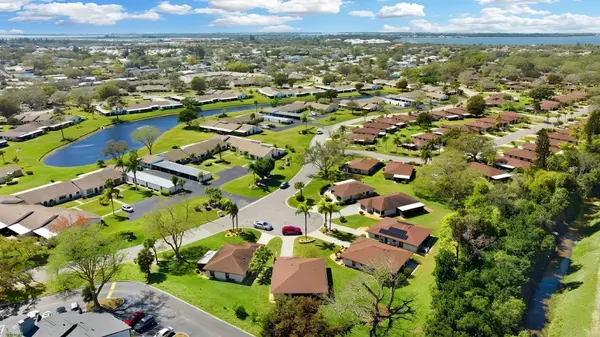
Smart Condo Buying in Florida Starts Before the Offer
Buying a condominium in Florida can be a great way to enjoy low-maintenance living, coastal locations, and shared amenities. But smart condo buying starts before you ever write an offer, because condos come with shared financial, legal, and building responsibilities that can impact your monthly costs, your rental flexibility, and your long-term value.
If you are relocating, buying a second home, or shopping for a Florida condo near the coast, the most important work happens during document review, not during the showing.
Start With the Condo Association, How Decisions Are Made, and Who Manages It
Every condominium is governed by a condominium association, often called an HOA or condo association. This group maintains common areas, enforces rules, manages contracts, and oversees the association’s budget and reserves.
Before submitting an offer, buyers should learn:
- Who manages the property, professional management company or resident-managed
- How the board communicates with owners
- Whether recent meeting minutes show ongoing disputes, deferred maintenance, or major upcoming projects
A well-run association typically shows consistent communication and organized operations. Poor governance can lead to surprise expenses, maintenance delays, and quality-of-life issues that affect owners and resale value.
Review Financial Health, Budget, Reserves, and Special Assessments
One of the most critical condo steps is reviewing the association’s financials, not just the unit. Ask for:
- Current budget and year-to-date financials
- Reserve funding levels and reserve schedule, if available
- Any known or anticipated special assessments, and what they cover
- Delinquency rates, which can affect cash flow and stability
Reserves matter because they fund major repairs like roofs, elevators, concrete restoration, plumbing systems, and paving. Strong reserves usually reduce the likelihood of large, sudden special assessments. Underfunded reserves can signal that owners may face higher costs later.
Florida condo safety laws add an extra due diligence layer
Florida now has additional building-safety requirements for many older condo buildings. Milestone inspections generally apply to buildings three stories or more, required by the year the building reaches 30 years of age, or 25 years if within three miles of the coastline, and then every 10 years thereafter.
Also, Florida’s Structural Integrity Reserve Study requirements, often called SIRS, affect how many associations plan and fund reserves, and these requirements have been updated and refined in recent years.
Buyer takeaway, if a building is older or coastal, ask whether a milestone inspection is required or completed, whether a SIRS exists, and whether the findings could lead to major repairs or increased fees.
Confirm Your Lifestyle Fit, Rules, Restrictions, and Rental Limits
Condo communities have rules that can affect daily life and future plans. Before making an offer, review restrictions such as:
- Rental rules, minimum lease terms, application approvals, caps on rentals
- Short-term rental limitations
- Pet policies, size limits, breed restrictions, number of pets
- Renovation guidelines and approval process
- Parking rules, guest policies, storage, and use of amenities
If you plan to rent the unit later, or travel and use it seasonally, these rules can make or break the purchase.
Evaluate Building Condition and Maintenance Quality
Beyond financials and rules, pay attention to the building itself. The condition of common areas often reflects the association’s planning and maintenance standards.
Look for signs of proactive upkeep:
- Clean, maintained hallways and elevators
- Updated roofs, windows, railings, and exterior paint
- Well-kept pool, clubhouse, fitness center, and landscaping
- Visible repair work that looks consistent, not patchwork
Also confirm what the HOA covers versus what the owner maintains, because responsibilities vary widely by community and can change your true cost of ownership.
Know Your Document Review Rights and Timeframes
Condo purchases typically involve document delivery and review periods. Florida has rules that can affect a buyer’s right to cancel after receiving required documents, and recent law updates have increased transparency for buyers, including expanding a buyer’s right to cancel in certain situations.
Practical tip, make sure your offer and timelines give you enough room to review the condo documents, financials, meeting minutes, inspection summaries if applicable, and any reserve study information before you are fully committed. For legal interpretation of rights and deadlines, consult your real estate attorney or closing professional.
Why This Due Diligence Matters for Florida Condo Buyers
Florida condos offer incredible variety, but shared ownership means the association’s finances, rules, and building conditions directly affect you. Reviewing the association documents, reserves, inspections, and restrictions is just as important as inspecting the unit itself.
When buyers do this upfront, they avoid unpleasant surprises and gain confidence that the condo fits both their lifestyle and their long-term plans.
Guidance Makes the Process Clearer
Condo documents can feel overwhelming, especially for first-time buyers or buyers relocating to Florida. Working with experienced local professionals helps you interpret the records, spot red flags, and understand how a community truly operates beyond the listing description.
Contact Hunt Brothers Realty
Hunt Brothers Realty
46 N Washington Blvd, Ste #3
Sarasota, Florida 34236
Phone: (941) 388-7017
Email: info@huntbrothersrealty.com
Categories
- All Blogs 1406
- Anna Maria Island 66
- Bird Key 3
- Bradenton 44
- Buying a Home 562
- Casey Key 2
- Clearwater 5
- Condos & HOA Living 472
- Ellenton 4
- Englewood 5
- First Time Homebuyers 634
- Foreclosures 3
- Homeownership 610
- Lakewood Ranch 15
- Lido Key 24
- Longboat Key 65
- Luxury/Waterfront Properties 548
- Market Updates & Trends 276
- Mortgages & Financing 27
- Move-Up Buyers 20
- Neighborhood Guides 416
- New Construction 21
- Palmetto 2
- Parrish 4
- Port Charlotte 7
- Punta Gorda 11
- Real Estate Investing 481
- Relocation to Florida 532
- Safety Harbor 2
- Sarasota - Downtown 110
- Selling a Home 134
- Siesta Key 87
- St. Petersburg 3
- Tierra Verde 3
- Vacation & Second Homes 665
- Venice 20
- Wellen Park 7
Recent Posts