Anna Maria Island by Boat: What Future Homeowners Should Experience From the Water
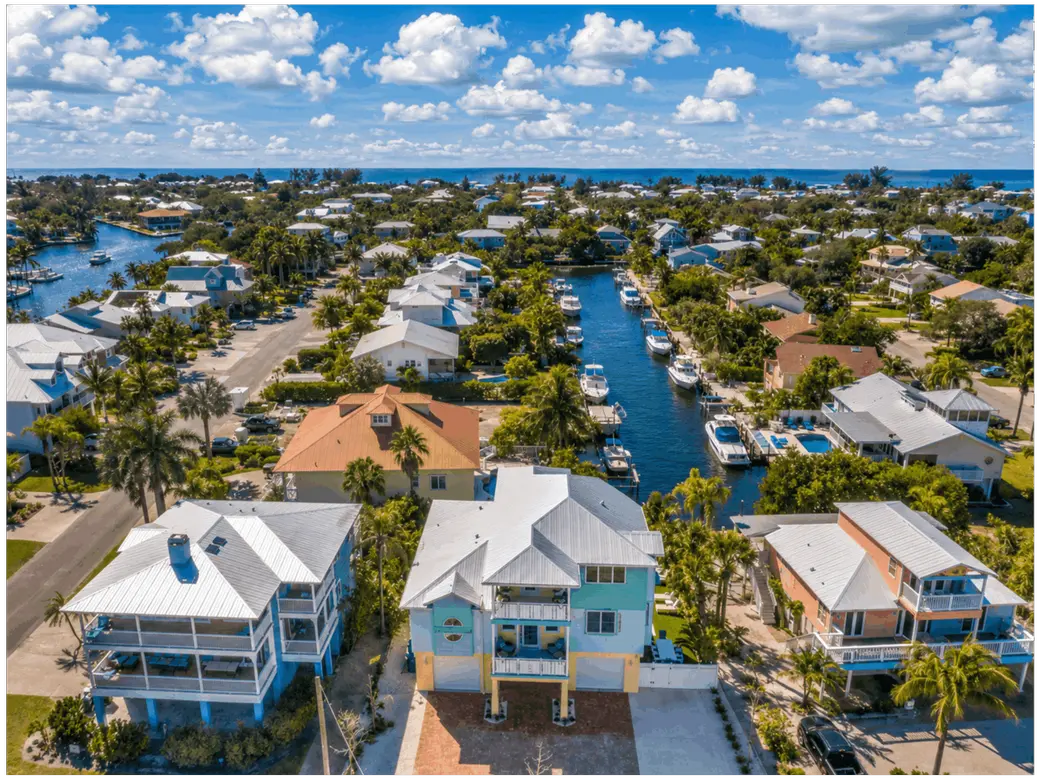
Seeing Anna Maria Island by boat gives future homeowners a perspective that a road tour cannot provide. From the water, buyers can better understand the relationship among Tampa Bay, Anna Maria Sound, Bimini Bay, residential canals, docks, bridges, and the island’s Gulf Coast setting. For anyone considering Anna Maria Island real estate, especially a waterfront home, a boating tour can reveal an important distinction: being near the water is not the same as owning a property with boating access that works for your particular vessel and lifestyle.
The island includes three municipalities, the City of Anna Maria at the north end, Holmes Beach in the center, and Bradenton Beach to the south. From a boat, those municipal boundaries may not be obvious, but the differences among open bayfront property, protected canals, interior homes, bridges, docks, and direct Gulf frontage become much easier to appreciate.
Quick Answers About Anna Maria Island by Boat
Why should a waterfront homebuyer see Anna Maria Island from a boat?
A boating tour helps buyers understand how individual waterfront neighborhoods connect to larger waterways. It can also make issues such as bridges, canal width, shoreline exposure, dock configurations, and navigation routes easier to understand before evaluating individual properties.
Are all Anna Maria Island waterfront homes equally suitable for boats?
No. Waterfront describes a property’s relationship with the water, not its suitability for a particular boat. Water depth, tides, bridge clearance, dock dimensions, lift capacity, canal width, navigation routes, and shoreline conditions can vary significantly by property.
Which Anna Maria Island neighborhoods should boating buyers know?
On the north end of the island, boating-oriented searches can include areas such as Bimini Bay Estates, Luana Isles, Wells Bay Harbor, and Villa Rosa. Individual properties within these areas can have very different boating characteristics, so neighborhood names should never substitute for property-specific investigation.
Does bridge clearance matter when buying a canal home?
Yes. A fixed bridge can determine whether a taller powerboat or sailboat can use a particular route. Luana Isles, for example, requires special attention because published neighborhood information identifies a low fixed bridge on a route from portions of its canal system toward Anna Maria Sound.
Is a private dock enough to make a home boat-ready?
No. Buyers should evaluate the dock, pilings, electrical service, water connections when present, permits, lift capacity, depth, maneuvering room, seawall, and the complete route to navigable water. The boat’s length, beam, draft, height, and weight should be part of that evaluation.
Is Gulf-front property the best choice for a boater?
Not necessarily. Direct Gulf frontage emphasizes beach access and Gulf views, while a protected canal or bay-oriented property may offer a more practical private-docking setup. The appropriate choice depends on whether the buyer prioritizes boating, beach frontage, views, protected water, or a combination of those characteristics.
What should buyers verify before purchasing an Anna Maria Island boating property?
Verify the exact navigation route, water depth, tidal conditions, bridge clearance, dock and lift condition, permits, seawall condition, flood information, insurance availability, title and waterfront rights, and current governmental requirements. Material questions should be reviewed with the appropriate marine professional, inspector, contractor, engineer, surveyor, insurance professional, title professional, attorney, and local permitting authority before a purchase decision.
Start by Understanding Anna Maria Island From the Water
Anna Maria Island is a barrier island in Manatee County, west of Bradenton on Florida’s Gulf Coast. The Gulf of Mexico defines its western shoreline, while Anna Maria Sound, Tampa Bay, Bimini Bay, canals, and other connected waterways shape much of its eastern side and boating environment.
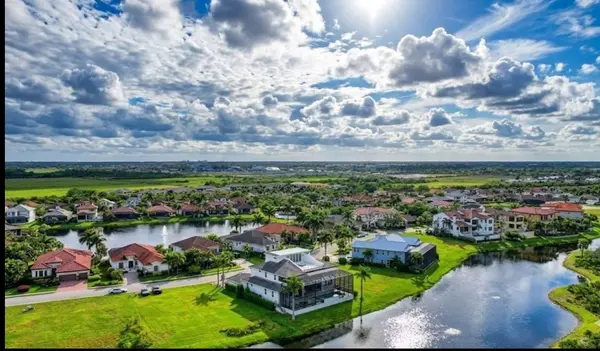
That geography helps explain why two homes only a short distance apart can offer completely different waterfront experiences. One property may emphasize direct beach frontage. Another may sit along a protected residential canal with a private dock. A third may provide broader bay views, while an interior island home can deliver beach access without the responsibility of maintaining marine infrastructure.
Seeing those relationships from a boat makes the term “waterfront” much more specific. Future homeowners can begin thinking in terms of how they expect to use the water rather than simply how close a property is to it.
What Should You Notice Around Bimini Bay?
Bimini Bay is particularly relevant for buyers interested in boating-oriented homes on the northern part of Anna Maria Island. Residential canals and waterfront neighborhoods connect this side of the island with larger waterways, creating opportunities for private docking at individual properties.
A boat tour helps illustrate why Bimini Bay Estates deserves attention from boating buyers. Individual homes can offer saltwater canal frontage, docks, boat lifts, seawalls, pools, and water views, although none of those features should be assumed to apply uniformly across the neighborhood.
From the water, look beyond attractive backyards. Notice the width of canals, turning areas, dock placement, neighboring vessels, shoreline infrastructure, and how the residential waterways connect with the broader boating route.
Why Should Buyers See Wells Bay Harbor From the Water?
Wells Bay Harbor is another north-end residential pocket where canal and waterfront-oriented properties can put boating close to home. Current property information demonstrates docks, seawalls, and access toward Bimini Bay and larger waterways at individual residences.
For a future homeowner, the important lesson is that access must be evaluated from the individual dock outward. Some property marketing in Wells Bay Harbor has identified routes without fixed bridges, which can be meaningful for taller vessels, but bridge clearance alone does not determine whether a property works for a boat.
Depth, tides, canal width, dock configuration, turning room, and the intended vessel’s dimensions still matter. A boating tour provides useful context, but buyers should obtain property-specific measurements and professional verification rather than estimating these conditions visually.
What Makes Luana Isles Different for Boaters?
Luana Isles demonstrates exactly why boating buyers should investigate the route rather than focusing only on the dock. Many homes in this established City of Anna Maria neighborhood are positioned along saltwater canals, but published information identifies a low fixed bridge near Crescent Drive on a route toward Anna Maria Sound.
That does not mean the neighborhood is unsuitable for boating. It means suitability depends on the boat. A vessel with a low profile may face a very different set of constraints from a taller powerboat or sailboat.
Luana Isles also currently requires additional legal and title attention. Hunt Brothers Realty’s detailed neighborhood guide discusses pending litigation involving disputed ownership of portions of the canal system. Because litigation can change after publication, prospective purchasers should obtain current information and have title, survey, waterfront rights, recorded documents, and any property-specific implications reviewed by qualified Florida legal and title professionals.
What Can Villa Rosa Show a Serious Boating Buyer?
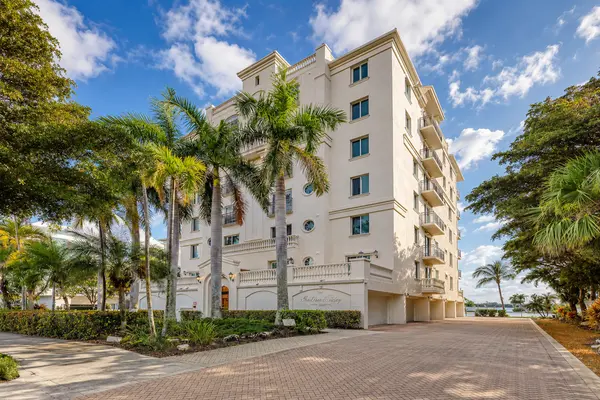
Villa Rosa, also within the City of Anna Maria, provides another useful comparison. Current and historical property information identifies canal-front residences along Villa Rosa Way, and recent property marketing has described protected deep-water canal frontage and bridge-free access at individual residences.
This illustrates why buyers should compare specific waterways instead of assuming every canal operates the same way. A property with an unobstructed route toward larger water can have a substantially different boating profile from a home where vessel height is constrained by a fixed bridge.
Even where marketing describes deep water or bridge-free access, buyers should independently confirm the claim for the exact property and intended vessel. Review depth, tides, channel conditions, dock configuration, lift capacity, and navigation with appropriate marine and waterfront professionals.
Watch How Private Docks Actually Function
From the street, a private dock can look like one more attractive feature on a waterfront listing. From a boat, it becomes easier to see that a dock is working infrastructure. Its position, dimensions, approach, neighboring structures, pilings, lift, and relationship with the channel can all affect how useful it is.
If boating is central to the purchase, bring your vessel specifications into the real estate search. Important measurements include:
- Overall boat length
- Beam
- Draft
- Overall height
- Loaded vessel weight when evaluating a boat lift
- Required maneuvering room
A dock that works for one center-console boat may not work for a deeper-draft or taller vessel. Buyers should also verify permits and approvals for existing marine improvements and investigate what would be required before assuming a dock or lift can be replaced, enlarged, or modified.
Look at the Seawalls, Not Just the Boats
A seawall is easy to overlook when the view includes boats, palms, pools, and waterfront homes, but it can be one of the most consequential pieces of infrastructure associated with a canal-front property. Material, age, condition, maintenance history, and legal responsibility can differ by property.
Visible cracking, movement, separation, erosion, or soil loss can warrant further evaluation, but a casual visual inspection from a boat is not a substitute for professional assessment. Material seawall concerns should be evaluated by an appropriately qualified marine contractor, structural engineer, or other waterfront professional before a buyer makes a property decision.
Experience the Difference Between Protected Water and Open Water
One of the most useful parts of touring Anna Maria Island by boat is experiencing the transition between protected residential waterways and broader open-water environments. Canal-front living can offer a very different relationship with wind, wake, boat traffic, and exposure than a property directly on a bay or other larger body of water.
Neither setting is automatically preferable. A buyer focused on keeping a boat behind the house may prioritize a protected canal and practical dock arrangement. Another buyer may place greater value on expansive water views. Someone primarily interested in stepping onto the beach may prefer direct Gulf-front Anna Maria Island real estate.
Seeing these settings during the same boating trip can make the tradeoffs much more tangible.
Pay Attention to Tides and Water Depth
Water depth is one of the most important boating variables and one of the easiest to oversimplify. A canal or dock that appears comfortably navigable during one trip does not establish the depth available under different tidal conditions.
If a property is being purchased specifically for boating, buyers should investigate depth at the dock, along the canal, and throughout the intended route. Shoaling and changing marine conditions can also affect navigation over time.
Do not rely on a listing phrase such as “deep water” without property-specific verification. Vessel draft, tides, channel conditions, and the complete route should be evaluated with reliable current information and appropriate boating or marine expertise.
Follow the Route You Would Actually Use as a Homeowner
A productive boating tour should not simply circle the island. If possible, focus on the waterways associated with the neighborhoods and properties you are seriously considering. The question is not only what Anna Maria Island looks like from the water, but how you would use that water after purchasing a home.
Consider the practical sequence: leave the dock, maneuver through the canal, pass any bridge or constrained area, enter the larger waterway, and continue toward the places you expect to boat. Then think about the return trip, including lower-water conditions, darkness, changing weather, and vessel traffic.
The route itself can be as important as the waterfront view from the house.
Compare Boating Access With Beach Access
Anna Maria Island gives buyers an unusual opportunity to compare boating and beach priorities within a relatively compact area. A canal home may put the boat directly behind the residence but require a walk, bicycle ride, or drive to a preferred Gulf beach access. A direct beachfront home reverses that relationship by putting the sand and Gulf immediately outside while potentially offering less practical private docking.
Future homeowners should decide how often they realistically expect to use each feature. Someone who boats several times a week may evaluate a protected canal and private lift very differently from someone who expects to spend most mornings walking the Gulf shoreline.
There is no universally superior form of island waterfront property. The appropriate choice depends on how the home will actually be used.
What Should You Ask When You Return to the Dock?
After seeing Anna Maria Island from the water, turn the observations from the trip into property-specific questions. A serious boating buyer should investigate:
- What is the verified water depth at the dock and along the route?
- How do tides affect practical access?
- Are there fixed bridges between the property and larger waterways?
- What is the verified bridge clearance?
- Does the dock legally belong with the property, and are relevant permits available?
- What is the dock’s current physical condition?
- Is the boat lift properly sized and rated for the intended vessel?
- What is the seawall or shoreline condition?
- Who is responsible for waterfront maintenance?
- Are there navigation, title, riparian-rights, or permitting issues that require professional review?
- What flood and property-specific insurance considerations apply?
- What are the expected long-term costs of maintaining the dock, lift, seawall, and waterfront improvements?
These questions help separate the emotional appeal of seeing a boat behind the house from the practical realities of waterfront ownership.
A Boat Tour Should Complement, Not Replace, Waterfront Due Diligence
Seeing Anna Maria Island by boat is valuable because it gives context to a waterfront property search. It is not a technical inspection, survey, title review, navigation study, or determination that a particular vessel can safely use a particular property.
Before purchasing, buyers should independently verify marine and property conditions. Dock, lift, seawall, structural, depth, and navigation questions may require appropriately qualified inspectors, marine contractors, engineers, surveyors, or other waterfront professionals. Flood coverage and other insurance issues should be reviewed through property-specific quotes with a qualified insurance professional.
Questions involving title, riparian rights, canal ownership, easements, permits, or other legal rights should be reviewed with qualified title professionals and a Florida real estate attorney as appropriate. Buyers should also confirm current permitting requirements with the governmental authority having jurisdiction before assuming existing waterfront structures can be altered or replaced.
See Anna Maria Island as Both a Homebuyer and a Boater
The most useful lesson from seeing Anna Maria Island by boat is that waterfront homes cannot be evaluated by view alone. A beautiful canal, dock, or bayfront setting is only the beginning. For a boating homeowner, the route from the backyard to larger water is part of the property.
Bimini Bay, Wells Bay Harbor, Luana Isles, Villa Rosa, and other waterfront areas illustrate how much conditions can vary within one island. Some buyers may ultimately decide that protected canal frontage is their priority. Others may prefer broad bay views, direct Gulf frontage, or an interior home without marine-maintenance responsibilities.
Seeing the island from both land and water makes those differences easier to understand before narrowing the search to a particular property.
Explore Anna Maria Island Waterfront Real Estate
If boating is part of your Anna Maria Island home search, Hunt Brothers Realty can help you compare waterfront and non-waterfront properties according to the way you intend to use the island. Start with the Anna Maria Island real estate buyer’s guide, then explore detailed guides to Bimini Bay Estates, Wells Bay Harbor, and Luana Isles.
This article provides general real estate and lifestyle information only. Boating conditions, navigation, marine infrastructure, flood exposure, insurance, title matters, waterfront rights, permitting, and property conditions are specific to each property and can change. Buyers should verify material information with the appropriate licensed real estate professional, marine professional, inspector, contractor, engineer, surveyor, insurance professional, title professional, Florida real estate attorney, and governmental authority before making a purchasing decision.
Sources
- Hunt Brothers Realty, Anna Maria Island Real Estate: A Buyer’s Guide
- Hunt Brothers Realty, Bimini Bay Estates: Luxury Homes on Anna Maria Island
- Hunt Brothers Realty, Wells Bay Harbor: Waterfront Homes on Anna Maria Island
- Hunt Brothers Realty, Luana Isles: Waterfront Homes and Boating on Anna Maria Island
- Hunt Brothers Realty, Anglers Cove at Villa Rosa: Canal-Front Living in Anna Maria
- City of Anna Maria, Official Municipal Information
Hunt Brothers Realty
Hunt Brothers Realty
46 N. Washington Blvd, Ste 3
Sarasota, FL 34236
Phone: (941) 388-7017
Email: info@huntbrothersrealty.com
Website: HuntBrothersRealty.com
Categories
- All Blogs 1566
- Anna Maria Island 70
- Bird Key 3
- Bradenton 123
- Buying a Home 705
- Casey Key 2
- Clearwater 5
- Condos & HOA Living 612
- Ellenton 4
- Englewood 5
- First Time Homebuyers 785
- Foreclosures 3
- Homeownership 769
- Lakewood Ranch 15
- Lido Key 25
- Longboat Key 68
- Luxury/Waterfront Properties 706
- Market Updates & Trends 370
- Mortgages & Financing 33
- Move-Up Buyers 20
- Neighborhood Guides 517
- New Construction 27
- Palmetto 2
- Parrish 4
- Port Charlotte 7
- Punta Gorda 11
- Real Estate Investing 639
- Relocation to Florida 689
- Safety Harbor 2
- Sarasota 8
- Sarasota - Downtown 136
- Selling a Home 138
- Siesta Key 87
- St. Petersburg 3
- Tierra Verde 4
- Vacation & Second Homes 821
- Venice 21
- Wellen Park 7
Recent Posts