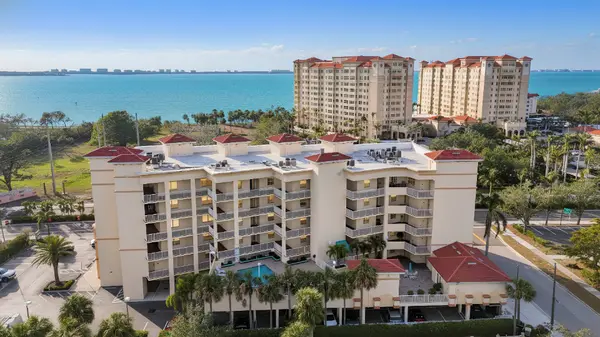
Are HOA Fees Negotiable in Florida?

Regular HOA fees generally are not individually negotiable when you buy a home in a Florida homeowners association. The association assesses owners according to its governing documents and applicable Florida law, so a buyer normally cannot ask the HOA to charge that particular home less. What may be negotiable is the real estate transaction itself. A buyer and seller may negotiate purchase price, concessions or responsibility for certain transaction-related costs, subject to the contract, lender requirements and applicable law. Buyers should verify the current assessment, special assessments and other association charges before purchasing rather than relying only on the HOA amount shown in a listing.
Quick Answers About Negotiating HOA Fees in Florida
Can a home buyer negotiate the monthly HOA fee?
Generally, no. Regular HOA assessments normally apply according to the association's governing documents rather than being individually negotiated with each buyer. Purchasing a home for a lower price does not ordinarily reduce the assessment assigned to that parcel.
Can I negotiate with the seller because the HOA fee is high?
Potentially. Buyers and sellers can negotiate the economics of a purchase, including price and certain concessions, subject to their contract, applicable law and any lender restrictions. A seller concession does not change the HOA's assessment itself.
Can the seller pay my HOA fees?
Certain transaction terms may potentially be negotiated between buyer and seller, but the permitted structure depends on the purchase contract, closing requirements and, when financing is involved, lender rules. Buyers should have any proposed credit or payment structure confirmed by their real estate and lending professionals before relying on it.
Can a special assessment be negotiated?
The association's special assessment generally is not individually renegotiated simply because a property is being sold. However, buyer and seller responsibility for an assessment around a sale may depend on the purchase contract, timing, governing documents and closing circumstances. Transaction-specific questions should be reviewed with the appropriate closing professional or qualified Florida real estate attorney.
Can HOA fees increase after I buy?
Yes. Purchasing a home generally does not freeze its HOA assessment at the amount charged at closing. Association budgets, expenses and properly authorized assessments can change over time according to applicable law and the governing documents.
How do I verify the real HOA cost before buying?
Review current association information rather than relying solely on a real estate listing. Florida's HOA estoppel process can confirm the regular assessment, payment status, certain amounts owed, scheduled assessments and specified transfer-related fees for the parcel.
Are HOA fees and CDD fees the same?
No. A homeowners association is a private association, while a Community Development District is a special-purpose local government. Some Florida properties have both HOA assessments and CDD assessments, so buyers should identify each cost separately.
Are condo fees negotiable in Florida?
Regular condominium association assessments also generally apply according to the condominium's governing framework rather than being individually negotiated with a buyer. Florida condominium associations are primarily governed by Chapter 718, however, so buyers should not assume that every rule applying to a Chapter 720 HOA applies identically to a condominium.
Why Aren't Regular HOA Fees Usually Negotiable?
Regular HOA assessments are community obligations established through the association's governing framework, not a price individually quoted to each new buyer. For communities created after October 1, 1995, Florida Statute 720.308 requires the governing documents to describe how expenses are shared and specify a member's proportional share.
That structure is fundamentally different from negotiating the purchase price of the house. A seller can agree to accept a different price for real estate, but an individual sale does not ordinarily give the buyer and seller authority to rewrite how the association allocates its assessments.
Florida's required disclosure summary for covered HOA purchases reinforces this distinction. Florida Statute 720.401 states that a purchaser will be obligated to pay association assessments and, when applicable, special assessments, and that assessments can be subject to periodic change.
What Can You Negotiate When Buying a Home With an HOA?
You may be able to negotiate the purchase transaction even though you cannot individually negotiate the HOA's regular assessment. The distinction is between changing what the association charges and negotiating how the buyer and seller structure their real estate transaction.
Depending on the transaction, market conditions, financing and contract, negotiations might address:
- Purchase price
- Seller concessions toward permitted buyer expenses
- Certain closing costs
- Treatment of particular association-related transaction costs
- Responsibility for a known special assessment, when the contract and circumstances permit negotiation
- Other negotiated terms permitted by the contract and applicable requirements
For example, a buyer might decide that a home's total ownership cost is higher than expected after reviewing the HOA assessment. The buyer could potentially account for that information when negotiating the real estate purchase, but the resulting contract does not reduce the assessment that the association is authorized to levy against the parcel.
The permitted form and amount of seller concessions can also be affected by financing. Buyers using a mortgage should confirm any proposed concession with their lender or loan professional before assuming it can be applied in a particular way.
Can the Seller Pay HOA Fees or Give You a Credit?
A buyer and seller may be able to negotiate certain credits or transaction expenses, but that is not the same as negotiating the HOA fee itself. Any arrangement must be consistent with the purchase contract, closing requirements and applicable lender rules.
Suppose an HOA assessment is $300 per month. The buyer generally cannot negotiate directly with the association and make the assessment $200 for that property. The buyer and seller could potentially negotiate other economic terms of the purchase, subject to the contract and applicable requirements.
How a proposed credit can legally and practically be structured is transaction-specific. Buyers and sellers should confirm the details with their licensed real estate professionals, lender when applicable, and title or closing professional. Contract interpretation or legal-rights questions should be directed to a qualified Florida real estate attorney.
Can You Negotiate a Florida HOA Special Assessment?
A special assessment levied by the HOA generally is not something an individual buyer can simply bargain down with the association, but who bears its economic cost during a sale can be a transaction issue. Responsibility may depend on the purchase contract, when the assessment was approved or becomes due, the governing documents and other circumstances.
This distinction matters. An association may still be entitled to the full assessment applicable to the parcel even when a buyer and seller negotiate between themselves about who will bear some or all of that cost as part of their transaction.
Buyers should investigate both approved assessments and significant projects under discussion. An HOA could have no special assessment payable on the day a buyer tours the property while still considering a project that could affect future ownership costs.
Questions about contractual responsibility for an assessment should be reviewed with the title or closing professional and, when legal interpretation is required, a qualified Florida real estate attorney.
What Does an HOA Estoppel Certificate Tell You?
A Florida HOA estoppel certificate provides transaction-specific information about the association obligations connected with a particular parcel. It is one of the most useful documents for verifying current HOA amounts around closing.
Under Florida Statute 720.30851, the HOA estoppel certificate must include information such as:
- The regular periodic assessment and payment frequency
- The date through which the regular assessment has been paid
- The next installment due and its amount
- Assessments, special assessments and other amounts currently owed
- Certain additional assessments or special assessments scheduled to become due during the certificate's effective period
- Whether specified capital contribution, resale, transfer or other fees are due
- Certain information about open noticed violations
- Other associations applicable to the parcel
An estoppel is valuable for confirming current obligations, but it is not a guarantee that the association's assessments will never change after closing. Hunt Brothers Realty's guide to HOA fee increases after buying a Florida home explains why the current assessment should not be treated as a permanent ownership cost.
Can HOA Fees Increase After You Close?
Yes. Buying a Florida home generally does not lock the HOA assessment at its closing-date amount. Association expenses and financial needs can change, and future assessments are governed by applicable law and the community's governing documents.
Florida Statute 720.303 requires a homeowners association subject to Chapter 720 to prepare an annual budget setting out its annual operating expenses, estimated revenues and expenses, and estimated surplus or deficit.
Depending on the association's responsibilities, its budget can be affected by expenses involving landscaping, amenities, management, utilities, repairs, insurance, reserve funding and other community obligations.
There is not one universal percentage increase that should be assumed for every Florida HOA. Buyers should review the governing documents and current financial information for the specific association rather than relying on a general rule about how much fees can change.
Does a Lower HOA Fee Mean a Better Deal?
No. A lower HOA assessment does not automatically make one Florida community financially better than another. The fee only becomes meaningful when you understand what the association is responsible for and what the homeowner must pay separately.
One HOA may maintain only neighborhood entrances and common landscaping. Another could be responsible for pools, clubhouses, gates, private roads, recreational facilities, association insurance, landscaping and other shared assets.
Comparing the two assessments without comparing the associations' responsibilities would provide an incomplete picture. Hunt Brothers Realty's guide to what an HOA actually does in Florida explains how association responsibilities can differ between communities.
What Should You Compare Instead of Just the HOA Fee?
Compare total ownership cost, association responsibilities and financial information rather than selecting a community based solely on the lowest assessment. A fee that initially appears expensive may cover expenses that a homeowner would otherwise pay separately.
Before buying, determine:
- The current regular assessment
- How frequently the assessment is paid
- What the HOA maintains
- Which expenses remain the individual owner's responsibility
- Whether special assessments are currently approved
- Whether significant projects are being discussed
- Available reserve information
- Recent budgets and financial reports
- Association insurance responsibilities
- Transfer, capital contribution or other applicable fees
- Whether another association also applies to the property
- Whether a CDD or other separate assessment applies
For more context on typical association expenses, see Hunt Brothers Realty's 2026 guide to HOA fees in Florida.
Should You Review the HOA Budget Before Buying?
Yes. The current HOA fee tells you what owners are being assessed now, while the budget helps explain what the association expects to spend and how its obligations are being funded.
Florida Statute 720.303 addresses association budgets, financial reporting and official records. Depending on the association and records available, buyers may want to investigate the current budget, financial reports, reserve information, recent meeting minutes, major contracts and current insurance information.
Meeting records can be particularly useful when a community is discussing a major repair or capital project that has not yet resulted in an approved special assessment. Discussion of a project does not mean an assessment will necessarily occur, but it can identify questions worth investigating before purchasing.
Buyers who need an individualized evaluation of an association's financial condition should review the relevant records with an appropriately qualified financial, association or legal professional rather than relying solely on a listing description.
Are HOA Fees and CDD Fees Negotiated the Same Way?
No. HOA assessments and CDD assessments come from different entities and should be evaluated separately. A homeowners association is a private association, while a Community Development District is a special-purpose local government governed primarily by Chapter 190 of the Florida Statutes.
This distinction is especially relevant in newer master-planned Florida communities, where a property may be subject to both an HOA assessment and a CDD assessment. A listing that advertises an HOA fee does not necessarily tell a buyer every community-related cost associated with the property.
Hunt Brothers Realty's guide to the difference between HOA and CDD fees in Florida explains why buyers should identify these obligations separately when calculating total ownership cost.
Are Florida Condo Fees the Same as HOA Fees?
Not exactly. Buyers often use the phrase "HOA fee" informally for condominium assessments, but Florida condominium associations and homeowners associations operate under different statutory frameworks. Condominiums are primarily governed by Chapter 718, while homeowners associations covered by the Florida Homeowners' Association Act are governed by Chapter 720.
The difference is important because a condominium association can have building-level maintenance, insurance, reserve and structural obligations that do not exist in the same form in many single-family HOA communities.
Regular condominium assessments generally are not individually negotiated with a purchaser either, but condo buyers should perform condominium-specific due diligence. Hunt Brothers Realty's Florida condo buyer guide explains the additional documents, reserves, insurance and assessment considerations that can apply.
Can You Avoid HOA Fees by Buying a Different Home?
Yes, buyers who do not want a mandatory HOA can search for Florida properties that are not subject to mandatory homeowners association membership. The property's actual status should always be verified rather than assumed from neighborhood appearance or a listing field.
A non-HOA home is not automatically less expensive to own. Expenses handled collectively in an HOA community may become the individual owner's responsibility in a non-HOA property. The home may also be subject to deed restrictions, local regulations or other obligations even when there is no mandatory HOA.
The better comparison is total ownership cost and the type of property control or community services the buyer wants, not simply whether an HOA fee exists.
What Should You Check Before Making an Offer in a Florida HOA?
Before making a purchasing decision, verify the association's current costs, governing documents, financial information and restrictions that matter to your intended use of the property. The current monthly or quarterly assessment is only one part of HOA due diligence.
Important questions can include:
- Is membership mandatory for this parcel?
- What is the current regular assessment?
- What does that assessment cover?
- Have assessments changed recently?
- Are special assessments currently approved?
- Are significant projects or additional assessments being discussed?
- What do the current budget and available financial reports show?
- What reserve funds exist when applicable, and what are they intended to fund?
- Are transfer, capital contribution or other transaction fees applicable?
- Does another association also apply to the parcel?
- Is there a separate CDD assessment?
- What rental, pet, parking or architectural restrictions apply?
Hunt Brothers Realty's 2026 guide to buying a home in a Florida HOA provides a broader due-diligence checklist for buyers evaluating association-governed properties.
Should a High HOA Fee Stop You From Buying?
Not automatically. A high HOA assessment should trigger a closer look at what the association provides and its overall financial obligations, not an automatic decision to reject the property.
A community with extensive amenities, private infrastructure or broader maintenance responsibilities may reasonably cost more to operate than an association with limited common property. Conversely, a low current assessment should not automatically be interpreted as evidence that an association is financially stronger.
The question is whether the total ownership cost and association structure make sense for the particular property and buyer. When association finances materially affect a purchasing decision, the buyer should have the relevant information reviewed by the appropriate qualified professional.
The Bottom Line: Are HOA Fees Negotiable in Florida?
Regular Florida HOA assessments generally are not individually negotiable between a buyer and the association. The assessment applicable to a parcel is determined through the association's governing framework rather than through the buyer's negotiation of the home's purchase price.
The real estate transaction can still contain negotiable terms. Depending on the contract, financing and circumstances, buyers and sellers may negotiate price, concessions and responsibility for certain transaction expenses. Known special assessments can also become an important negotiation issue, even though the parties cannot simply erase an association's valid assessment by agreement between themselves.
Before deciding whether an HOA home fits your budget, verify the current assessment, what it covers, known special assessments, association financial information, applicable CDD charges and other ownership costs. The best comparison is the total cost and obligations of ownership, not the HOA fee by itself.
Compare Florida HOA Communities With Hunt Brothers Realty
Hunt Brothers Realty helps buyers compare Sarasota and Florida Gulf Coast homes based on the full ownership picture, including association assessments, community amenities, property characteristics and other real estate considerations.
Before buying in an association, explore our guides to Florida HOA fees, HOA fee increases, what Florida HOAs actually do, the difference between HOA and CDD fees and buying a home in a Florida HOA.
If you are comparing homes and want help understanding how association costs fit into the real estate decision, contact Hunt Brothers Realty.
Informational notice: This article provides general real estate and educational information only and is not individualized legal, financial, lending, tax, insurance, title, closing or association advice. HOA obligations, assessments, concessions and responsibility for transaction expenses depend on the specific property, governing documents, purchase contract, financing and circumstances. Buyers and sellers should verify current association information with the applicable HOA and closing professionals. Financing questions should be reviewed with a qualified lender, and questions involving contractual rights, assessment responsibility, liens or other legal matters should be reviewed with a qualified Florida real estate attorney or other appropriate legal professional.
Sources
- 2026 Florida Statutes, Section 720.308, Assessments and Charges
- 2026 Florida Statutes, Section 720.303, Association Powers, Records and Budgets
- 2026 Florida Statutes, Section 720.30851, Estoppel Certificates
- 2026 Florida Statutes, Section 720.401, Prospective Purchaser HOA Disclosure
- Hunt Brothers Realty, How Much Are HOA Fees in Florida?
- Hunt Brothers Realty, Can HOA Fees Increase After You Buy a Home in Florida?
- Hunt Brothers Realty, Buying a Home in a Florida HOA
Hunt Brothers Realty
46 N. Washington Blvd, Ste 3, Sarasota, FL 34236
Phone: (941) 388-7017
Email: info@huntbrothersrealty.com
Website: HuntBrothersRealty.com
Categories
- All Blogs 2734
- Anna Maria Island 93
- Bird Key 6
- Bradenton 243
- Buying a Home 1744
- Casey Key 4
- Clearwater 17
- Condos & HOA Living 1683
- Ellenton 9
- Englewood 16
- First Time Homebuyers 1869
- Foreclosures 4
- Home Selling 12
- Homeownership 1918
- Lakewood Ranch 38
- Lido Key 29
- Longboat Key 81
- Luxury/Waterfront Properties 1861
- Market Updates & Trends 1360
- Mortgages & Financing 91
- Move-Up Buyers 25
- Neighborhood Guides 1489
- New Construction 48
- Palmetto 4
- Parrish 39
- Port Charlotte 36
- Punta Gorda 165
- Real Estate Investing 1774
- Relocation to Florida 1802
- Safety Harbor 4
- Sarasota 178
- Sarasota - Downtown 177
- Selling a Home 149
- Siesta Key 95
- St. Petersburg 13
- Taxes and Homestead 7
- Tierra Verde 7
- Vacation & Second Homes 1967
- Venice 225
- Wellen Park 24
Recent Posts