The Best Beaches for Winter Walks and Shell Collecting (Siesta Key, Venice Beach, Manasota Key
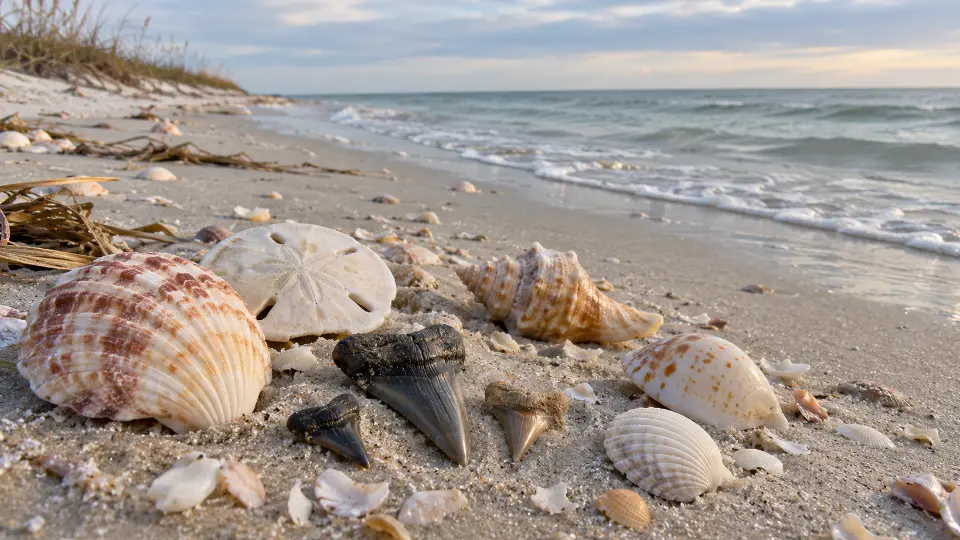
Florida's Gulf Coast offers three distinctly different choices for winter beach walking and beachcombing. Siesta Key is the standout for long walks on broad, quartz-rich sand. Venice adds the excitement of searching for fossilized shark teeth along with shells. Manasota Key, particularly Stump Pass Beach State Park, offers a more natural beachcombing experience, and Florida State Parks specifically identifies winter as a prime shelling season there. The best choice depends on whether your priority is walking, shells, fossils or a quieter natural shoreline, and daily finds always depend on changing Gulf conditions.
Quick Answers About Winter Beach Walks and Shell Collecting
Which beach is best for a long winter walk?
Siesta Beach is an excellent choice when the walk itself is the priority. Its broad shoreline and famously fine quartz-rich sand create a different walking experience from the darker, shellier beaches farther south.
Which area is best for fossilized shark teeth?
The Venice area is the clear choice for visitors specifically interested in fossilized shark teeth. South Brohard Beach Park is identified by the City of Venice as a place to collect shells and discover prehistoric shark teeth, while nearby Caspersen Beach is also well known for fossil hunting.
Where is the best winter shelling on Manasota Key?
Stump Pass Beach State Park is a strong choice. Florida State Parks specifically notes that seashells and shark teeth wash ashore along its mile of beach and identifies winter as the best season for shelling.
Can you collect live shells?
Do not assume that every shell on the beach can be taken home. Florida State Parks specifically prohibits taking live shells at Stump Pass Beach State Park, so beachcombers should inspect shells carefully and follow the rules for the particular beach or park they are visiting.
When is the best time of day to look for shells and shark teeth?
Lower water levels can expose more of the shoreline, and fresh material may appear after waves or changing weather rearrange the beach. Check local tide and weather information before going, but remember that no tide, season or weather pattern guarantees a particular find.
Why is winter a good season for Gulf Coast beach walks?
Winter can make shoreline walking especially appealing because visitors can explore the beach without relying on swimming as the main activity. At Stump Pass, Florida State Parks specifically identifies winter shelling and bird-watching as popular seasonal activities.
Which beach has the easiest combination of walking and visitor facilities?
Siesta Beach and Venice Beach are convenient choices when facilities matter along with shoreline walking. Siesta Beach provides extensive public beach amenities, while Venice Beach has restrooms, a pavilion, snack facilities and daytime lifeguards.
Should visitors check beach conditions before leaving home?
Yes. Parking, erosion, restoration projects, storm recovery, water conditions and individual access points can change. This is particularly important on Manasota Key, where shoreline recovery and a major beach-renourishment project are current considerations.
Siesta Key: Best for Long Walks on Soft Quartz Sand
If your ideal winter beach morning begins with a long shoreline walk, Siesta Key deserves a place near the top of the list. Siesta Beach is known for its quartz-rich sand and exceptionally broad shoreline, providing plenty of room to walk along the Gulf.
The experience here is less about finding the greatest concentration of shells and more about the quality of the walk itself. The light-colored sand creates a very different shoreline from the coarser shell and fossil material encountered around Venice and southern Manasota Key.
For residents, that difference is part of the appeal of living on Siesta Key. The island offers multiple public access points, so a winter walk can range from a visit to the main public beach to exploring other sections of shoreline where public access is available.
Is Siesta Beach Good for Shell Collecting?
Shells can certainly wash ashore on Siesta Key, but shell abundance varies from day to day. Anyone visiting specifically to build a shell collection should keep expectations flexible and treat whatever appears along the tide line as part of the experience rather than a guaranteed haul.
Siesta Key's biggest advantage for winter walkers is the shoreline itself. A beachcomber can cover substantial ground while scanning the waterline for shells, drift material and other natural objects deposited by the Gulf.
Sarasota County maintains multiple public beach access points on Siesta Key, but parking availability varies significantly. Several accesses are pedestrian-only, so checking the access and parking arrangement before leaving can save time during the busy winter season.
What About Turtle Beach on South Siesta Key?
Visitors who want to see a different side of Siesta Key can continue south to Turtle Beach. The shoreline experience is distinct from the expansive central portion of Siesta Beach, and the surrounding park adds opportunities for picnicking and paddling.
Turtle Beach Park includes Gulf beach access as well as boat ramps and canoe or kayak access to the lagoon side. It can work well for visitors who want a beach walk to be only one part of a broader outdoor day.
Hunt Brothers Realty's guide to the best public parks near Siesta Key compares Siesta Beach, Turtle Beach and additional outdoor destinations around the island.
Venice Beach: Combine a Gulf Walk With Fossil Hunting
Venice adds something different to the winter beachcombing experience: fossilized shark teeth. The Venice coastline is strongly associated with shark-tooth hunting, making a shoreline walk feel a little like a treasure hunt.
Venice Beach itself is at the western end of Venice Avenue and offers a convenient public Gulf access point close to Historic Downtown Venice. The City of Venice lists picnic facilities, a snack shop, pavilion, volleyball, restrooms and daytime lifeguards at the beach.
That makes Venice Beach particularly useful when you want to combine a morning shoreline walk with restaurants, shops or a stroll through downtown later in the day. Hunt Brothers Realty's Sarasota versus Venice guide explains how the beach and downtown relationship is part of Venice's broader coastal lifestyle.
Where Should You Look for Shark Teeth in Venice?
You do not have to limit the search to the main Venice Beach. South Brohard Beach Park is particularly relevant because the City of Venice park system specifically identifies it as a beach for collecting shells and discovering prehistoric shark teeth.
Caspersen Beach, farther south, is another well-known fossil-hunting location. Its more natural shoreline provides a different walking experience from the main Venice Beach area.
Access conditions at Caspersen have been affected by storm damage and restoration work in recent years. Visitors planning a dedicated fossil-hunting trip should check current Sarasota County access and parking information before making Caspersen the day's primary destination.
How Do You Spot a Fossilized Shark Tooth?
Many fossilized shark teeth found around Venice are dark rather than bright white. When scanning shell deposits, look for small triangular shapes and the recognizable outline of a tooth rather than focusing only on size.
Shell fragments, pebbles and organic material can make the search challenging, which is part of the fun. Some beachcombers simply walk and scan exposed shell lines, while others use a sand scoop or sifter where permitted.
Finding a tooth is never guaranteed. Waves, tides, storms and beach-restoration work continually rearrange shoreline material, so a productive location one morning can look completely different on another visit.
Manasota Key: Best for a More Natural Beachcombing Experience
Manasota Key stretches south from the Sarasota County line toward Englewood and offers several public shoreline experiences. Compared with Siesta Beach, parts of the key have a more natural beachcombing character, making it a strong choice when shells, fossils and coastal scenery matter more than having extensive commercial activity nearby.
Manasota Beach Park at 8570 Manasota Key Road provides public beach access, restrooms, picnic facilities, fishing, swimming and a boat ramp. Sarasota County currently lists park hours from 6 a.m. to 10 p.m.
Farther south, visitors can explore Englewood Beach and Stump Pass Beach State Park. Each has a different character, making Manasota Key especially useful for beachcombers who like exploring more than one shoreline during the winter season.
Why Stump Pass Is a Standout for Winter Shelling
Stump Pass Beach State Park provides the strongest official endorsement for winter shelling among these destinations. Florida State Parks states that its mile-long beach receives both seashells and shark teeth and specifically notes that shelling is best during winter.
The park sits at the southern end of Manasota Key and offers walking, swimming, fishing, wildlife viewing and beachcombing. Its location and natural shoreline make the journey itself part of the experience, particularly for visitors who enjoy walking beyond the immediate beach entrance.
As of October 2026, Stump Pass uses a remote kiosk for its $3 per-vehicle entrance fee. The park is open from 8 a.m. to sunset, 365 days a year. Fees, access and operating details can change, so checking the park's official page before visiting is recommended.
Can You Take Shells Home From Stump Pass?
Florida State Parks specifically reminds Stump Pass visitors that taking live shells is prohibited. A shell that contains a living animal should remain where it belongs.
Beachcombers should also distinguish ordinary empty shells from fossils or artifacts that may be subject to different rules. Florida State Parks states that fossils and artifacts encountered during scuba-diving activities at Stump Pass must not be disturbed or removed.
When there is any uncertainty about whether an object can legally be collected, leave it in place and confirm the current rule with park staff or the appropriate managing agency.
What Should Visitors Know About Current Manasota Key Conditions?
Manasota Key has experienced substantial shoreline impacts from recent hurricane seasons. Charlotte County reports that hurricanes including Ian, Nicole, Idalia, Debby, Helene and Milton caused extensive erosion and damage to dunes and shoreline infrastructure.
A major Manasota Key beach-renourishment project is currently scheduled for construction from January through April 2027. Beach conditions and access may therefore change during the winter and spring period.
Charlotte County also reports that the Englewood Beach parking lot has reopened, although parking remains limited. Anyone planning a winter beachcombing trip should check current county and state-park notices shortly before leaving home rather than relying on an older beach guide.
Siesta Key vs. Venice vs. Manasota Key: Which Is Best?
| Beach Area | Best For | Beachcombing Character | Main Consideration |
|---|---|---|---|
| Siesta Key | Long shoreline walks | Fine quartz-rich sand with changing shell finds | Winter parking and access-point differences |
| Venice | Fossilized shark-tooth hunting | Shells, fossil material and multiple beach choices | Access conditions vary by individual beach |
| Manasota Key | Natural beachcombing and winter shelling | Shells, shark teeth and less-developed shoreline | Check storm recovery, parking and restoration work |
There is no single best beach for every winter outing. Siesta Key is particularly strong for the simple pleasure of walking. Venice adds fossil hunting to the experience. Manasota Key, especially Stump Pass, is a compelling choice when the goal is to slow down and search a more natural shoreline.
How to Improve Your Chances of Finding Shells
Beachcombing rewards observation more than speed. Walk near the waterline and look closely at places where waves have deposited lines of shells, pebbles and other material.
- Check current tide information before your walk.
- Scan newly exposed shell lines as the water recedes.
- Look carefully after changing wave or weather conditions.
- Walk slowly enough to distinguish small shark teeth from dark shell fragments.
- Bring a small container or mesh bag for permitted empty shells.
- Leave living shells and wildlife undisturbed.
- Follow the collecting rules of the specific park or beach.
The most important expectation is simple: nature decides what washes ashore. Shelling conditions can change in hours, so no beach guide can promise a particular shell or fossil on a particular day.
What Should You Bring for a Winter Beach Walk?
A winter Gulf Coast walk can begin cool and become much warmer as the sun rises. Light layers, sun protection and water make it easier to stay out longer without overpacking.
- Comfortable beach or walking footwear
- A light layer for cooler mornings
- Hat and sunscreen
- Drinking water
- Small mesh bag or container for permitted finds
- A sand scoop or sifter where its use is permitted
- Phone or camera for shells and wildlife you leave behind
Weather and Gulf conditions can change quickly. Visitors should check current forecasts, beach flags and local advisories and make decisions based on the conditions they actually encounter.
Winter Beach Walks as Part of Gulf Coast Living
For people considering a move to Florida's Gulf Coast, these beaches illustrate how much the coastal experience changes over a relatively short distance. Siesta Key, Venice and Manasota Key all provide Gulf access, yet each supports a different kind of beach routine.
Someone who wants broad sand for regular walks may prioritize access to Siesta Key. A buyer who enjoys fossil hunting and combining the beach with a traditional downtown may look closely at Venice. Those who prefer Manasota Key's more natural shoreline may compare Englewood, southern Venice and nearby communities.
Hunt Brothers Realty's guide to living near Florida beaches without buying directly beachfront explores how communities such as mainland Venice, South Sarasota, Palmer Ranch, Osprey and Englewood can provide beach access with different housing and ownership considerations.
Explore Florida Gulf Coast Communities Near the Beach
The best beach for a winter walk is ultimately the one that matches the experience you want. Siesta Key excels when soft sand and a long walk are the priority. Venice adds the distinctive experience of searching for fossilized shark teeth. Manasota Key offers multiple natural shoreline options, with Stump Pass standing out for winter shelling.
If beach access is part of a home search, compare the actual route from each prospective property to the beach you expect to use. Bridge traffic, seasonal parking, public access points and whether you plan to walk, bicycle or drive can matter just as much as the straight-line distance to the Gulf.
Hunt Brothers Realty can help buyers compare coastal and near-coastal communities throughout Sarasota and southern Sarasota County. Explore Siesta Key beachfront homes for sale, learn more about Sarasota and Venice, browse Florida Gulf Coast communities, or contact Hunt Brothers Realty for help comparing homes near the beaches you plan to enjoy most.
Informational notice: This article provides general recreational and real estate information for educational purposes. Beach access, parking, park rules, water conditions, restoration projects and collecting regulations can change. Visitors should verify current conditions and rules with the appropriate county, municipality or state park before visiting. Buyers evaluating coastal or near-coastal property should obtain property-specific flood, insurance and ownership information and consult the appropriate licensed real estate, insurance, inspection, legal or other qualified professionals before making a purchasing decision.
Sources
- Sarasota County, Public Beach Access Directory
- Sarasota County, Manasota Beach Park
- City of Venice, Venice Park System
- Florida State Parks, Stump Pass Beach State Park
- Florida State Parks, Stump Pass Experiences, Amenities and Collecting Rules
- Charlotte County, Englewood Beach at Chadwick Park
- Charlotte County, Manasota Key Beach Renourishment
- Hunt Brothers Realty, Living on Siesta Key
- Hunt Brothers Realty, Beaches Near Wellen Park
Hunt Brothers Realty
Hunt Brothers Realty
46 N. Washington Blvd, Ste 3, Sarasota, FL 34236
Phone: (941) 388-7017
Email: info@huntbrothersrealty.com
Website: HuntBrothersRealty.com
Categories
- All Blogs 2473
- Anna Maria Island 88
- Bird Key 4
- Bradenton 239
- Buying a Home 1510
- Casey Key 2
- Clearwater 14
- Condos & HOA Living 1434
- Ellenton 6
- Englewood 13
- First Time Homebuyers 1625
- Foreclosures 4
- Home Selling 7
- Homeownership 1659
- Lakewood Ranch 29
- Lido Key 29
- Longboat Key 80
- Luxury/Waterfront Properties 1601
- Market Updates & Trends 1109
- Mortgages & Financing 73
- Move-Up Buyers 24
- Neighborhood Guides 1232
- New Construction 42
- Palmetto 4
- Parrish 19
- Port Charlotte 36
- Punta Gorda 164
- Real Estate Investing 1514
- Relocation to Florida 1547
- Safety Harbor 4
- Sarasota 109
- Sarasota - Downtown 168
- Selling a Home 146
- Siesta Key 93
- St. Petersburg 9
- Taxes and Homestead 3
- Tierra Verde 7
- Vacation & Second Homes 1707
- Venice 215
- Wellen Park 22
Recent Posts