Cherokee Park: Historic Charm and Luxury Living West of the Trail
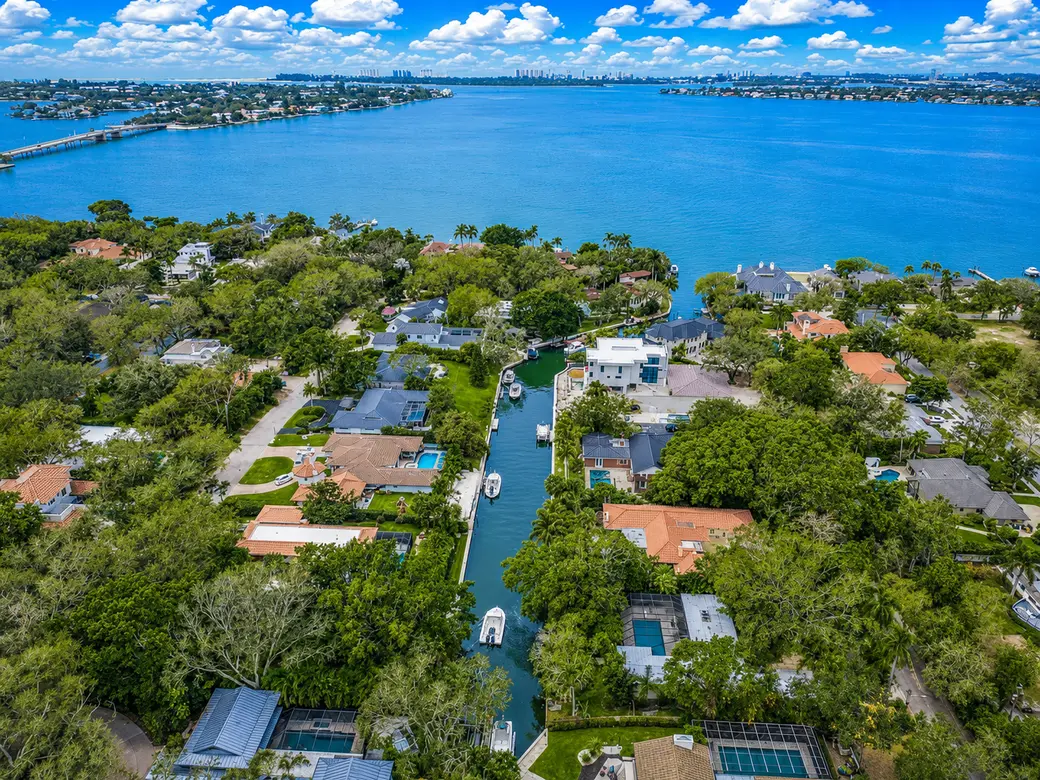
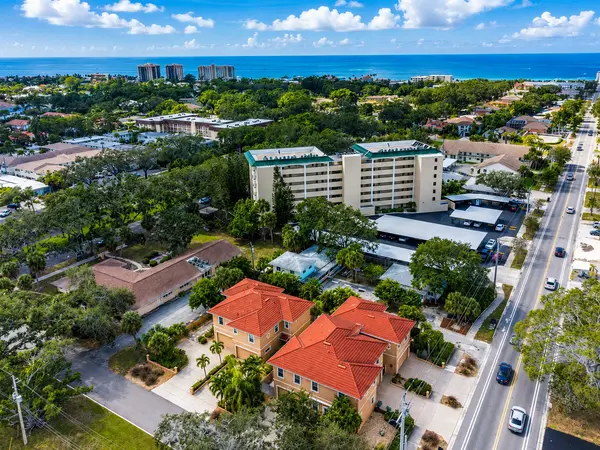
Cherokee Park is an established luxury neighborhood in Sarasota's sought-after West of the Trail area, just south of Downtown Sarasota. Platted during the 1920s Florida land boom, the neighborhood combines wide streets, mature trees and unusually substantial homesites with architecture spanning multiple generations. Buyers can encounter historic residences, mid-century homes, extensively renovated properties and contemporary custom estates within the same neighborhood. Cherokee Park is not a gated master-planned development and Hunt Brothers Realty currently identifies it as having no HOA. Its location near Southside Village, Sarasota Memorial Hospital, Sarasota Bay and downtown adds to its appeal, while the diversity of its housing makes property-specific due diligence especially important.
Buyers interested in the neighborhood can explore Cherokee Park homes and community information with Hunt Brothers Realty and compare the neighborhood with other established West of the Trail Sarasota neighborhoods.
Quick Answers About Cherokee Park
Where is Cherokee Park in Sarasota?
Cherokee Park is located south of Downtown Sarasota and west of Tamiami Trail, U.S. 41. It is part of Sarasota's broader West of the Trail residential area, near Southside Village, Sarasota Memorial Hospital and Sarasota Bay.
When was Cherokee Park developed?
Cherokee Park traces its origins to Sarasota's 1920s land boom. Historical accounts identify James C. Brown as the developer and document the neighborhood's platting in 1926. Development continued over many decades, which helps explain the wide range of architectural periods represented today.
Does Cherokee Park have an HOA?
Hunt Brothers Realty's current Cherokee Park community information identifies the neighborhood as having no HOA. Buyers should still review the title, recorded restrictions, easements, zoning and other requirements affecting the individual parcel rather than assuming the absence of an HOA means there are no property restrictions.
What kinds of homes are in Cherokee Park?
Cherokee Park has substantial architectural variety. Buyers can find older revival-era residences, postwar homes, ranch properties, examples of modernist architecture, extensively renovated houses and newer custom luxury construction. It is not a neighborhood of uniform homes or one architectural period.
Are there waterfront homes in Cherokee Park?
Select properties have waterfront or water-oriented settings, but most Cherokee Park homes should not be assumed to have direct Sarasota Bay access. Waterfront frontage, docks, canals, seawalls, water depth and boating access are property-specific and should be verified individually.
Is Cherokee Park close to Southside Village?
Yes. Cherokee Park is near Southside Village, the commercial district centered around Hillview Street. The City of Sarasota identifies Southside Village as a district with dining, boutiques and entertainment. Actual walking convenience varies by property, route and individual preference.
Is Cherokee Park a historic district?
Cherokee Park has significant neighborhood history and individual architecturally notable properties, but buyers should not assume that the entire neighborhood has the same historic designation or preservation restrictions. Historic status and development requirements should be verified for the specific parcel with the City of Sarasota and appropriate qualified professionals.
Is Cherokee Park gated?
No. Cherokee Park is an established residential neighborhood with public streets rather than a gated master-planned community. Historic entrance walls and gateposts are part of the neighborhood's architectural identity, but they should not be interpreted as controlled-access security gates.
Where Is Cherokee Park in Sarasota?
Cherokee Park sits west of Tamiami Trail and south of Downtown Sarasota in the 34239 area. In Sarasota real estate, Tamiami Trail, or U.S. 41, is the road referenced when a property is described as being West of the Trail.
The phrase West of the Trail describes a collection of Sarasota neighborhoods rather than one subdivision. Cherokee Park is one of those distinct neighborhoods, along with nearby communities such as McClellan Park.
Cherokee Park's location puts it near several major Sarasota destinations without placing the neighborhood directly in the downtown commercial core. That combination of residential streets and central access is a major part of its real estate identity.
How Did Cherokee Park Begin?
Cherokee Park emerged during Sarasota's dramatic 1920s development period. Sarasota History Alive, with material credited to the Sarasota County History Center, identifies Scottish-born silk manufacturer James C. Brown as the neighborhood's developer and states that Cherokee Park was platted in 1926.
Brown envisioned an upscale residential community with architecture influenced by Spanish, Moorish and Italian traditions. He developed the streets and constructed the distinctive stucco entrance wall and gateposts decorated with Cherokee rose tilework.
His own residence, Cherokee Lodge, was designed by architect Thomas Reed Martin and completed during the neighborhood's early development. The lodge was eventually demolished as portions of the property were redeveloped, but the neighborhood continued evolving through later periods of Sarasota's growth.
What Happened to the Original Architectural Vision?
Brown's original concept was more architecturally controlled than the Cherokee Park buyers see today. Historical accounts explain that early restrictions sought masonry construction and particular architectural influences, along with minimum construction values that were substantial for the era.
The economic collapse following Sarasota's 1920s land boom slowed development dramatically. Over time, restrictions were modified and Cherokee Park grew across multiple architectural periods instead of becoming a neighborhood composed entirely of Mediterranean-inspired estates.
That history created one of the neighborhood's defining characteristics today: architectural variety.
What Architectural Styles Can Buyers Find in Cherokee Park?
Cherokee Park should not be described as a uniformly Mediterranean neighborhood. Its housing stock developed over too many decades for that characterization to be accurate.
Depending on the property, buyers may encounter:
- Mediterranean and revival-era influences
- Art Moderne and Art Deco examples
- Postwar residences
- Mid-century and ranch-style homes
- Modernist architecture
- Substantially renovated older residences
- Contemporary custom estates
- Recent luxury rebuilds
One documented 1936 Cherokee Park residence, for example, has been recognized for its Art Moderne design, including horizontal lines and corner windows. The presence of architecturally significant individual homes is different from saying every property is historic or subject to identical preservation requirements.
Why Are Cherokee Park's Homesites Important?
Land is an important part of Cherokee Park's luxury real estate appeal. The neighborhood is known for wide streets and larger homesites than buyers commonly encounter in many newer, higher-density Sarasota developments.
Large parcels can provide room for substantial residences, private pools, outdoor living spaces, mature landscaping and greater separation between homes. Some properties may also offer redevelopment or expansion potential, subject to current zoning, setbacks, tree requirements, floodplain regulations, easements and other applicable rules.
Buyers purchasing primarily for land value should verify what can actually be built before assuming an existing home can be replaced with a particular size or style of residence.
What Does Luxury Living Mean in Cherokee Park?
Cherokee Park's luxury character comes primarily from land, location, architecture, privacy and individual residential features rather than shared resort amenities.
Depending on the property, luxury features can include:
- Estate-sized homesites
- Custom architecture
- Private swimming pools and spas
- Covered lanais and outdoor kitchens
- Guest accommodations
- Multiple-car garages
- Extensive landscaping
- Renovated historic or mid-century architecture
- Newer custom construction
- Waterfront or water-oriented settings on select properties
None of those features should be generalized to every Cherokee Park home. The neighborhood's variety is precisely why buyers need to compare properties individually.
Does Cherokee Park Have an HOA?
Hunt Brothers Realty currently identifies Cherokee Park as having no HOA. That distinguishes it from many newer Sarasota luxury developments where a homeowners association manages common amenities and enforces community-wide rules.
No HOA does not mean no rules. Properties remain subject to applicable City of Sarasota zoning, building codes, permitting requirements, recorded easements, deed restrictions and other legal requirements that may affect renovation, redevelopment, fences, accessory structures, trees or other improvements.
Questions about recorded restrictions, easements, title rights or the legal ability to modify a property should be reviewed with a qualified Florida real estate attorney, title professional and the appropriate local permitting authority before a buyer relies on a proposed plan.
Is Cherokee Park a Historic District?
Cherokee Park has genuine historical significance, but neighborhood history and formal historic designation are not the same thing.
Buyers should determine whether the individual property has a historic designation, is listed in a local historic resource inventory or is otherwise subject to special review before planning substantial alterations or demolition. An older construction date alone does not establish the legal restrictions applicable to a property.
Anyone purchasing a Cherokee Park property with renovation, expansion or redevelopment plans should confirm current requirements directly with the City of Sarasota and appropriate design, legal and construction professionals.
How Close Is Cherokee Park to Southside Village?
Southside Village is one of the major lifestyle destinations near Cherokee Park. The City of Sarasota describes the Southside Village District along Hillview Street as a neighborhood commercial area offering dining, boutiques and entertainment.
For some Cherokee Park addresses, proximity to Southside Village can make restaurants and services practical walking or bicycling destinations. Other homes may feel more driving-oriented.
Buyers who prioritize walkability should test the exact route from a prospective home, considering distance, sidewalks, road crossings, traffic, shade and personal mobility rather than relying on a neighborhood-wide walkability claim.
How Close Is Sarasota Memorial Hospital?
Cherokee Park is also near Sarasota Memorial Hospital's main Sarasota campus. Sarasota Memorial identifies its Sarasota campus at 1700 S. Tamiami Trail, Sarasota, FL 34239.
The hospital district's proximity is a practical location characteristic of Cherokee Park and neighboring West of the Trail communities. It should be described as geographic convenience rather than as suggesting the neighborhood is intended for any particular occupation or type of resident.
How Convenient Is Cherokee Park to Downtown Sarasota?
Cherokee Park sits just south of Sarasota's downtown core, giving residents relatively convenient access to downtown dining, arts, entertainment, shopping and the bayfront while retaining a detached single-family residential setting.
That location distinguishes Cherokee Park from newer luxury communities farther east or south. Buyers can obtain a substantial homesite and private residence while remaining close to Sarasota's central urban destinations.
Is Cherokee Park a Waterfront Neighborhood?
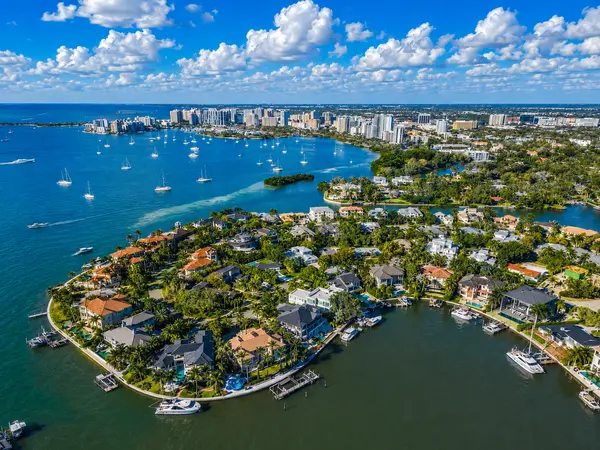
Cherokee Park is near Sarasota Bay and includes select water-oriented properties, but it would be inaccurate to describe every Cherokee Park home as waterfront.
Interior residences make up a substantial portion of the neighborhood. Where a property does have water frontage, buyers should separately verify the type of frontage, seawall condition, dock rights, water depth, bridge clearance, navigability and route to open water.
A waterfront address also does not guarantee suitability for a particular boat. A qualified marine contractor, surveyor, dock professional or other appropriate specialist should evaluate property-specific boating infrastructure when it is material to the purchase.
What Should Buyers Know About Flood Risk?
Being West of the Trail does not establish a property's flood exposure. Flood conditions can differ substantially between an interior Cherokee Park parcel and a property closer to Sarasota Bay or another water feature.
Buyers should review the current FEMA flood information for the specific address, along with elevation information when relevant, historical drainage conditions and any property-specific flood disclosures. Current mapping can be researched through the FEMA Flood Map Service Center.
Flood maps are only one component of property evaluation. Buyers should discuss property-specific flood insurance availability, coverage and premiums with a qualified insurance professional before making a purchasing decision.
What Should Buyers Know About Older Cherokee Park Homes?
An older Cherokee Park residence may offer architecture, proportions and materials that are difficult to reproduce, but its age also makes careful inspection important.
Depending on construction year and renovation history, buyers may need to investigate:
- Roof age and condition
- Windows and exterior doors
- Electrical systems and panels
- Plumbing materials
- HVAC systems
- Foundation or structural conditions
- Moisture intrusion
- Previous additions and renovations
- Permit history
- Storm-protection improvements
- Drainage and grading
- Pool and outdoor structures
Inspection findings should be evaluated with the appropriate licensed inspector, engineer, contractor or qualified tradesperson before the buyer makes decisions about condition, repairs or renovation costs.
What About New Construction in Cherokee Park?
Cherokee Park is not frozen in one historical period. Newer custom residences and substantial rebuilds have become part of its architectural mix, allowing buyers to pursue newer construction while retaining an established West of the Trail location.
A newer home may provide contemporary layouts, current building methods, impact-rated openings and modern outdoor living features, but none of those characteristics should be assumed without reviewing the actual specifications and permits.
Buyers considering a vacant lot or an older property primarily for redevelopment should confirm zoning, setbacks, lot coverage, height, tree requirements, drainage, floodplain regulations and permitting before determining what can be built.
Why Do Mature Trees Matter in Cherokee Park?
Mature trees and established landscaping contribute substantially to Cherokee Park's visual character. They help distinguish the neighborhood from newer communities where landscaping is still developing.
Trees can also affect construction, renovation and ongoing maintenance. A buyer planning an addition, pool, driveway modification or complete rebuild should not assume every tree can be removed or relocated.
Tree condition and risk should be evaluated by an appropriate arborist when material, while removal and development requirements should be confirmed with the City of Sarasota before plans are finalized.
How Does Cherokee Park Compare With McClellan Park?
McClellan Park is another established West of the Trail neighborhood south of Downtown Sarasota. Like Cherokee Park, it offers mature trees, substantial homesites, historic character and a mix of older residences and luxury redevelopment.
The neighborhoods should still be evaluated separately. Street patterns, lot dimensions, architectural history, waterfront opportunities and proximity to specific destinations differ. Even within one neighborhood, two properties a few blocks apart can offer very different ownership experiences.
Buyers comparing the two can start with Hunt Brothers Realty's West of the Trail buyer guide and then evaluate current listings at the property level.
What Should Buyers Review Before Purchasing in Cherokee Park?
Cherokee Park's combination of older homes, renovated residences, newer construction and valuable land makes property-specific due diligence essential.
Important questions include:
- When was the home originally constructed?
- What renovations and additions have been completed?
- Were applicable permits obtained and closed?
- What is the condition of the roof and major systems?
- What storm-protection features are present?
- What current flood information applies to the parcel?
- What property-specific insurance is available and at what cost?
- How does the lot drain during heavy rainfall?
- Are significant trees likely to affect renovation or redevelopment plans?
- Are there recorded easements or restrictions?
- Does the property have any historic designation or related requirements?
- What does current zoning allow?
- For waterfront property, what is the condition of the seawall or dock?
- For boating property, is the route appropriate for the buyer's intended vessel?
- How does the property compare with renovated and newer luxury homes nearby?
Who Might Consider Cherokee Park?
Cherokee Park can be worth comparing for buyers whose property search emphasizes:
- An established West of the Trail location
- Large homesites
- Mature landscaping
- Architectural variety
- Historic or architecturally distinctive homes
- Renovated luxury properties
- Newer custom construction
- Private pools and outdoor living
- Proximity to Southside Village
- Proximity to Sarasota Memorial Hospital
- Convenient access to Downtown Sarasota
- Sarasota Bay proximity
- A neighborhood without a conventional mandatory HOA structure
Buyers who prefer a gated entrance, uniform architecture, a community clubhouse or association-maintained resort amenities may want to compare newer master-planned luxury communities as part of their search.
Is Cherokee Park Worth Considering?
Cherokee Park offers a combination that is increasingly difficult to reproduce in new development: substantial homesites, mature trees, nearly a century of neighborhood history, architectural diversity and a central Sarasota location.
Its luxury market is not defined by one floor plan, one builder or one architectural style. An older architecturally significant residence, a renovated mid-century property, a contemporary custom estate and a waterfront home can all be part of Cherokee Park while presenting completely different considerations for a buyer.
That variety makes Cherokee Park most useful to evaluate one property at a time. Location, lot quality, architecture, construction, condition, flood and insurance profile, outdoor space, renovation potential and ownership costs should all be considered together.
Explore Cherokee Park With Hunt Brothers Realty
If you are considering Cherokee Park, start with the Hunt Brothers Realty Cherokee Park community page to review current neighborhood information and available properties. Contact Hunt Brothers Realty to compare Cherokee Park homes with McClellan Park and other West of the Trail options. Buyers can also review the Hunt Brothers Realty West of the Trail buyer guide or browse additional Florida Gulf Coast communities.
Informational notice: This article provides general real estate and educational information only and is not individualized legal, financial, tax, insurance, lending, inspection, engineering, construction, title, zoning, historic-preservation or other professional advice. Flood conditions, insurance, zoning, permitting, historic status, tree requirements, redevelopment potential, easements, restrictions, waterfront rights and property condition can vary substantially by parcel. Buyers should verify information for the specific property before making a purchasing or redevelopment decision. Legal and title questions should be reviewed with a qualified Florida real estate attorney or appropriate title professional, insurance with a qualified insurance professional, construction and redevelopment plans with the appropriate architect, engineer, contractor and local permitting authorities, and property-condition concerns with the appropriate licensed inspector or other qualified professional.
Sources
- Hunt Brothers Realty, Cherokee Park Sarasota
- Hunt Brothers Realty, Living West of the Trail in Sarasota
- Hunt Brothers Realty, McClellan Park Sarasota
- Sarasota History Alive and Sarasota County History Center, Cherokee Park, A Dream Fulfilled
- City of Sarasota, Southside Village District
- Sarasota Memorial Health Care System, Sarasota Campus
- FEMA Flood Map Service Center
Contact Hunt Brothers Realty
46 N. Washington Blvd, Ste 3, Sarasota, FL 34236
Phone: (941) 388-7017
Email: info@huntbrothersrealty.com
Website: HuntBrothersRealty.com
Categories
- All Blogs 2152
- Anna Maria Island 86
- Bird Key 4
- Bradenton 236
- Buying a Home 1211
- Casey Key 2
- Clearwater 11
- Condos & HOA Living 1127
- Ellenton 6
- Englewood 11
- First Time Homebuyers 1320
- Foreclosures 5
- Home Selling 6
- Homeownership 1344
- Lakewood Ranch 25
- Lido Key 28
- Longboat Key 80
- Luxury/Waterfront Properties 1283
- Market Updates & Trends 804
- Mortgages & Financing 51
- Move-Up Buyers 23
- Neighborhood Guides 919
- New Construction 36
- Palmetto 3
- Parrish 6
- Port Charlotte 10
- Punta Gorda 17
- Real Estate Investing 1200
- Relocation to Florida 1239
- Safety Harbor 3
- Sarasota 86
- Sarasota - Downtown 163
- Selling a Home 146
- Siesta Key 92
- St. Petersburg 8
- Tierra Verde 5
- Vacation & Second Homes 1393
- Venice 209
- Wellen Park 20
Recent Posts