Do Florida Home Prices Change During Snowbird Season?
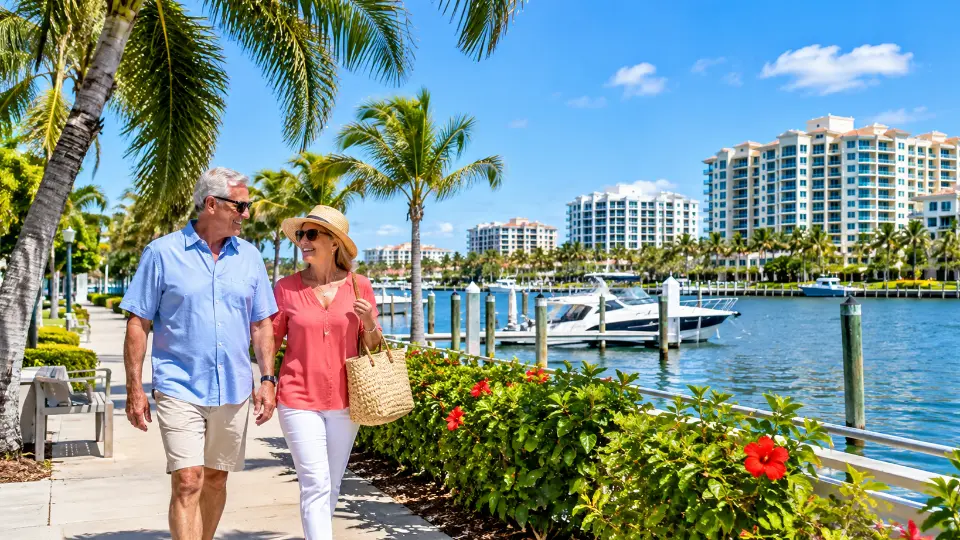
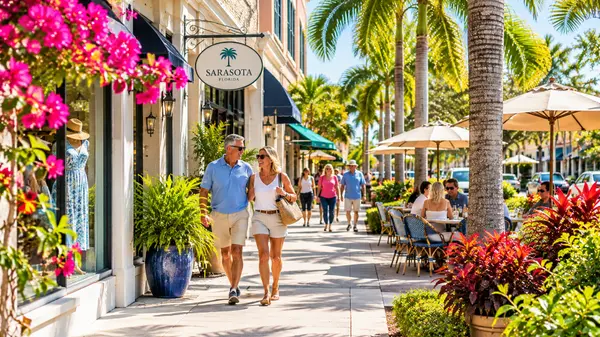
Florida home prices can change during snowbird season, but they do not automatically rise simply because seasonal residents arrive. Winter visitors often increase interest in Florida real estate, particularly in coastal communities, condominium developments, golf neighborhoods, and popular retirement destinations. However, actual sale prices depend on housing inventory, mortgage rates, buyer competition, property condition, insurance costs, and broader market trends. In Sarasota, Bradenton, Lakewood Ranch, Venice, and other Gulf Coast communities, winter can bring more property tours and seasonal buyers without producing a predictable increase in prices. Understanding the difference between seasonal demand and actual home-price appreciation can help buyers and sellers make more informed decisions.
Quick Answers About Florida Home Prices During Snowbird Season
Do Florida Home Prices Go Up During Snowbird Season?
Sometimes, but not consistently. Seasonal buyers may increase demand for certain homes, yet prices can remain stable or decline when inventory is plentiful, financing becomes more expensive, or buyers have concerns about insurance and ownership costs.
When Is Snowbird Season in Florida?
Florida's winter visitor season generally runs from approximately November through April, with January, February, and March representing especially popular months for seasonal residents. The exact timing varies by destination and individual travel plans.
Is Winter a Good Time to Buy a Florida Home?
Winter can be an excellent time to explore Florida neighborhoods because buyers can experience the communities during their most active seasonal period. However, attractive properties may receive more attention. Whether it is a favorable time to purchase depends on current listings, comparable sales, and negotiating conditions.
Are Florida Homes Cheaper in Summer?
Not necessarily. Some sellers may become more flexible during quieter periods, but reduced seasonal activity does not guarantee lower prices. Summer buyers may also face different inventory levels, competition, and financing conditions.
Do Snowbirds Affect Florida Condo Prices?
Seasonal buyers can be an important source of demand for condominiums, especially near beaches, golf courses, and resort amenities. However, association fees, reserves, insurance, building inspections, and special assessments can influence condo prices independently of seasonal demand.
Is Snowbird Season the Best Time to Sell a Florida Home?
It may be advantageous for properties that appeal to seasonal residents, because more potential buyers are physically present. Nevertheless, higher showing activity does not guarantee a higher sale price. Accurate pricing and competition from similar listings remain critical.
What Matters More Than the Time of Year?
Current inventory, recent comparable sales, days on market, financing conditions, insurance costs, and the property's individual features are generally more useful than assuming a predictable seasonal price pattern.
What Is Snowbird Season in Florida?
Snowbird season refers to the period when part-time residents and extended-stay visitors travel to Florida to escape colder weather elsewhere.
Many visitors arrive in late fall or early winter and return to their primary residences in spring. Others stay for shorter periods, including several weeks or a few months.
For the real estate market, this seasonal population increase can create additional opportunities for property tours, open houses, and conversations with prospective buyers.
Some winter visitors are simply vacationing. Others are considering purchasing a second home, relocating permanently, or preparing for retirement.
The important distinction is that more people visiting Florida does not necessarily mean more people purchasing homes at higher prices.
How Snowbird Season Can Affect Florida Real Estate
1. More Seasonal Buyers May Tour Properties
Winter visitors have the opportunity to explore neighborhoods firsthand, compare condominium communities, and experience local amenities during the season when they expect to use a property.
This may increase inquiries and showing requests for properties that appeal to second-home buyers.
2. Sellers May List Homes to Reach Winter Visitors
Some owners choose to market their properties when seasonal buyers are present. This can increase the number of available listings at the same time buyer interest rises.
If new listings increase faster than demand, buyers may have more choices and greater negotiating flexibility.
3. Certain Property Types May Attract More Attention
Properties that may appeal to seasonal buyers include:
- Beachfront and coastal condominiums.
- Low-maintenance villas and attached homes.
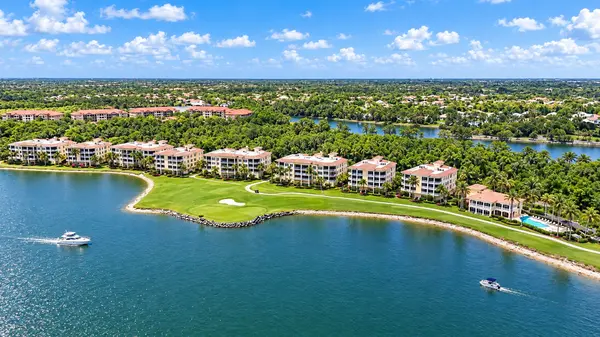
- Golf and country club residences.
- Gated communities with resort-style amenities.
- Homes in established retirement destinations.
- Properties near shopping, restaurants, and recreation.
- Residences suitable for extended seasonal stays.
Not every property benefits equally. A home primarily marketed to year-round residents may experience different demand patterns than a condominium near a popular beach.
4. More Competition Can Affect Negotiations
When multiple qualified buyers pursue a limited number of desirable properties, sellers may have greater negotiating leverage.
However, that outcome depends on the specific home and current inventory. A property that has been listed for several months may still require a price adjustment or offer concessions during the busiest winter period.
Why Higher Winter Demand Does Not Guarantee Higher Prices
Home prices are influenced by the balance between buyers and available properties, not simply the number of people visiting Florida.
Several factors can offset increased seasonal interest:
- More listings: Additional sellers can increase buyer choice.
- Mortgage rates: Higher financing costs may reduce purchasing power.
- Insurance expenses: Property-specific premiums can affect affordability.
- HOA and condo assessments: Recurring costs may discourage some buyers.
- Property condition: Needed repairs can affect offers and negotiations.
- Economic conditions: Employment, investment markets, and consumer confidence influence demand.
- Local competition: Similar homes listed nearby can limit pricing flexibility.
Seasonality is one influence among many. It should not be used as a substitute for current market analysis.
What Does the 2026 Sarasota and Manatee Housing Market Show?
The most recent available local data provides useful context for buyers and sellers approaching the 2026-2027 winter season.
According to the REALTOR Association of Sarasota and Manatee's October 2026 market report, local single-family prices and inventory conditions differed between the two counties.
| October 2026 Metric | Sarasota County | Manatee County |
|---|---|---|
| Median single-family sale price | $490,000 | $499,000 |
| Year-over-year median price change | +10.1% | +3.7% |
| Closed single-family sales | 633 | 601 |
| Active single-family listings | 2,824 | 2,704 |
| Months of inventory | 4.0 | 4.1 |
These figures describe October 2026 single-family market activity, not the upcoming winter season's results. They also should not be interpreted as proof that seasonal demand caused the reported price changes.
The association specifically noted that higher-priced transactions contributed to Sarasota County's median-price increase. This illustrates an important statistical issue: a higher median sale price can reflect a different mix of homes selling rather than an equivalent increase in the value of every property.
Understanding Seasonal Housing Market Patterns
The following table describes possible seasonal patterns rather than guaranteed market outcomes.
| Season | Potential Market Characteristics |
|---|---|
| Winter, December to February | Seasonal visitors tour properties; interest in second homes and resort communities may increase. |
| Spring, March to May | Seasonal buyers may finalize decisions; year-round buyers and sellers also participate in the market. |
| Summer, June to August | Seasonal visitor activity may decline; local buyers, relocating households, and new-construction purchasers remain active. |
| Fall, September to November | Some sellers prepare for winter visitors, while buyers monitor inventory and pricing ahead of the season. |
Florida's housing market does not follow the same seasonal schedule in every city or neighborhood. Coastal condos, inland single-family homes, and new-construction communities can behave differently.
Why Median Home Prices Can Be Misleading
A monthly median sale price represents the middle transaction price among homes sold during that period. It does not directly measure how much the same home appreciated or depreciated.
For example, imagine that a coastal market records more luxury-home closings in February than in August. The February median sale price could be higher even if comparable individual homes have not increased in value.
This is why buyers and sellers should examine multiple indicators together:
- Recent sales of genuinely comparable homes.
- Active and pending inventory.
- Price reductions.
- Median days to contract.
- Sale price relative to original asking price.
- Months of housing supply.
- Property type and price range.
- Year-over-year changes rather than only month-to-month changes.
Comparing the same month across multiple years can help account for recurring seasonality, although it does not eliminate the effects of changes in the types of homes sold.
Do Sarasota and Lakewood Ranch Experience the Same Seasonal Trends?
Not necessarily. Sarasota's coastal and condominium markets may attract a different buyer mix than inland master-planned neighborhoods in Lakewood Ranch.
Sarasota and the Barrier Islands
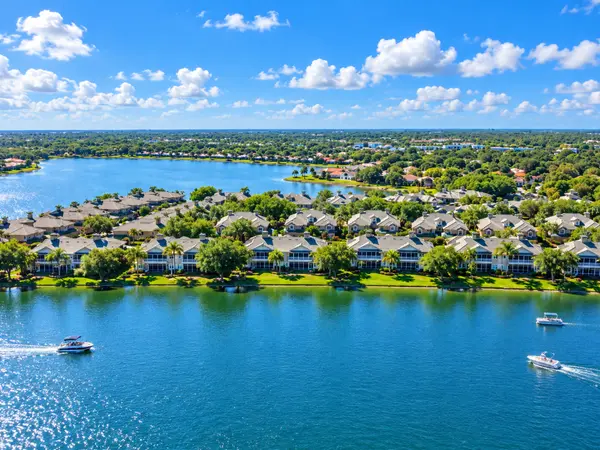
Sarasota, Siesta Key, and Longboat Key attract buyers interested in beach access, waterfront settings, and seasonal condominium living.
These markets can be sensitive to seasonal demand, but coastal insurance expenses, flood exposure, building condition, condominium reserves, and association assessments can materially influence buyer decisions.
Lakewood Ranch
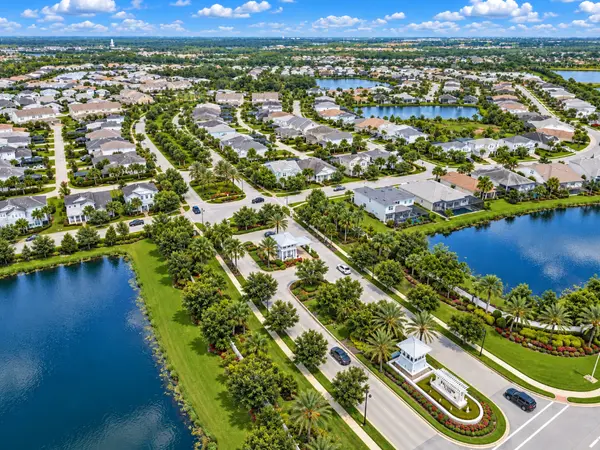
Lakewood Ranch appeals to both year-round and seasonal buyers. Its mix of golf communities, gated neighborhoods, condominiums, and single-family homes means different villages may experience different levels of winter activity.
For example, buyers may compare resort-style neighborhoods such as Polo Run with established residential communities such as Greenbrook. Their property types, amenities, and buyer audiences differ.
Bradenton, Venice, Nokomis, and North Port
These communities also attract seasonal residents, but local housing conditions vary by neighborhood, proximity to beaches, available inventory, and property type.
A buyer should not assume that a seasonal trend observed in a Sarasota beachfront condominium building applies to a single-family home in North Port or an inland Bradenton subdivision.
Do Condos Experience Different Winter Price Patterns Than Houses?
Condominiums often appeal to seasonal residents who prefer shared amenities and reduced responsibility for certain exterior maintenance tasks.
However, condominium pricing involves considerations that may be less prominent for detached single-family homes.
- Monthly or quarterly association assessments.
- Master insurance coverage and deductibles.
- Building inspection findings.
- Structural integrity reserve studies, where applicable.
- Reserve funding and planned repairs.
- Special assessments.
- Rental restrictions and approval requirements.
- Elevator, roof, and common-element maintenance.
A desirable condo may attract winter buyers but still face pricing pressure if ownership costs increase or significant building repairs are anticipated.
Buyers should obtain current association documents and review inspection or engineering concerns with qualified professionals before purchasing. Questions about governing documents, assessments, or legal obligations may require review by a Florida real estate attorney.
Is It Better to Buy Before, During, or After Snowbird Season?
There is no universally best month to buy Florida real estate. Each period presents potential advantages and tradeoffs.
Buying Before Snowbird Season
Fall buyers may have an opportunity to explore properties before the busiest winter visitor months. Some sellers may be motivated to complete a transaction before year-end.
However, there is no guarantee that inventory will be greater or prices lower.
Buying During Snowbird Season
Winter buyers can evaluate Florida communities while seasonal residents are present, making it easier to observe traffic, neighborhood activity, amenities, and local services.
Competition may increase for desirable homes, but buyers may also benefit from additional listings introduced for the seasonal market.
Buying After Snowbird Season
Late spring and summer may offer opportunities to negotiate with sellers whose homes did not sell during winter.
Nevertheless, buyers should not assume every remaining listing is overpriced or that sellers will automatically accept substantial discounts.
How Buyers Can Evaluate a Winter Listing
Instead of focusing exclusively on the season, buyers should evaluate the individual property and the surrounding market.
- Compare recent closed sales of similar homes in the same community.
- Review how long the property has been listed.
- Check for previous price reductions.
- Compare active competing listings.
- Review HOA, condominium, and CDD assessments.
- Obtain property-specific insurance quotes.
- Evaluate the roof, HVAC, plumbing, and other major systems.
- Verify flood exposure and any relevant building inspections.
- Understand financing and closing requirements.
- Consider the total cost of ownership rather than only the asking price.
A licensed real estate professional can help buyers interpret comparable sales and current competition. Property-specific financial, insurance, legal, or inspection questions should be reviewed with the appropriate qualified professional.
Should Sellers Wait Until Snowbird Season to List?
Waiting for winter may make sense for some sellers, particularly when their property appeals to seasonal buyers. However, delaying a listing solely because snowbird season is approaching may not produce a better result.
Sellers should consider:
- Current competition from comparable listings.
- Recent neighborhood sales.
- Whether inventory is increasing or declining.
- The property's condition and presentation.
- Expected holding costs while waiting.
- Any planned repairs or association assessments.
- Personal relocation or financial timelines.
- How seasonal buyers are likely to use the property.
A well-presented, accurately priced home may attract qualified buyers outside the winter season. Conversely, an overpriced property may remain unsold even during months of elevated visitor activity.
Can Cash Buyers Influence Snowbird Season?
Some seasonal buyers purchase with cash, which can change the structure of a transaction. A cash purchase may avoid certain mortgage-related requirements, but it does not automatically eliminate inspections, title review, insurance considerations, or closing expenses.
In October 2026, cash transactions represented approximately 40.9% of Sarasota County's single-family closed sales and 32.4% of Manatee County's, according to the regional REALTOR association.
These percentages describe all cash transactions during the reporting month. They do not identify how many purchasers were snowbirds, second-home buyers, or permanent residents.
Buyers considering cash versus financing should evaluate liquidity, borrowing costs, and their individual financial circumstances with qualified financial and lending professionals.
Five Mistakes to Avoid When Timing a Florida Home Purchase
Mistake 1: Assuming Every Winter Brings Higher Prices
Seasonal demand can increase without producing higher sale prices. Buyers should examine actual market data rather than relying on a general rule.
Mistake 2: Waiting for a Guaranteed Summer Discount
Summer may provide negotiating opportunities, but desirable homes can still attract strong offers.
Mistake 3: Using Countywide Median Prices to Value One Home
Countywide figures combine many neighborhoods, property conditions, sizes, and price ranges. Individual property comparisons should be much more specific.
Mistake 4: Ignoring Insurance and Association Expenses
A lower purchase price may not result in a lower total cost of ownership if insurance, maintenance, or association obligations are substantial.
Mistake 5: Confusing Visitor Activity With Closed Sales
More property tours do not necessarily translate into completed purchases. Pending sales and closings are important indicators of actual market activity.
Florida Snowbird Season: Buyer and Seller Checklist
| For Buyers | For Sellers |
|---|---|
| Review comparable closed sales | Price against current comparable listings and sales |
| Compare inventory and days on market | Monitor competition and buyer activity |
| Verify insurance and ownership expenses | Prepare accurate property disclosures |
| Review HOA and condo documents | Gather association and maintenance information |
| Schedule appropriate inspections | Address presentation and known condition concerns |
| Avoid relying on seasonal price predictions | Avoid assuming winter demand guarantees a premium |
Final Thoughts: Does Snowbird Season Really Change Florida Home Prices?
Snowbird season can influence Florida's housing market by bringing more seasonal visitors, increasing interest in certain property types, and affecting the timing of listings and showings.
However, seasonal activity does not create a reliable rule that prices always rise in winter or fall in summer. Actual market conditions depend on supply, demand, financing, insurance, property characteristics, and local economic factors.
For buyers, the best opportunity is often a well-priced home that meets their needs and has manageable ownership costs. For sellers, accurate pricing and strong presentation are more dependable than relying on the calendar alone.
Whether you are considering Sarasota, Lakewood Ranch, Bradenton, Venice, or another Gulf Coast community, local market data provides a stronger foundation for real estate decisions than seasonal assumptions.
Explore Florida Real Estate With Hunt Brothers Realty
Buying or selling during Florida's winter season requires an understanding of current listings, comparable sales, and neighborhood-specific market conditions.
Hunt Brothers Realty helps buyers and sellers explore real estate opportunities throughout Sarasota, Bradenton, Lakewood Ranch, Venice, Nokomis, North Port, and surrounding Florida Gulf Coast communities.
Visit HuntBrothersRealty.com to explore available properties and connect with a local real estate professional.
Informational Notice: This article is provided for general informational and educational purposes only. It does not constitute individualized legal, financial, tax, insurance, lending, inspection, engineering, construction, title, association, or investment advice. Market conditions and property values can change, and historical data does not guarantee future results. Buyers and sellers should verify current property-specific information with a licensed real estate professional and consult appropriate qualified professionals regarding financing, insurance, taxes, inspections, legal obligations, and other individualized decisions.
Sources
- REALTOR Association of Sarasota and Manatee, October 2026 Market Report, county-level prices, sales, inventory, and market trends.
- October 2026 Sarasota and Manatee Housing Statistics, detailed monthly MLS statistics.
- REALTOR Association of Sarasota and Manatee, Third Quarter 2026 Report, regional sales and inventory trends.
- Florida Realtors, 2025 Year-End Housing Market Review, statewide sales, inventory, and seasonal market context.
- Florida Realtors, Third Quarter 2026 Single-Family Housing Statistics, statewide market performance.
- Lakewood Ranch Official Website, master-planned community information.
- Hunt Brothers Realty, Sarasota and Manatee County real estate resources.
Contact Hunt Brothers Realty
46 N. Washington Blvd, Ste 3, Sarasota, FL 34236
Phone: (941) 388-7017
Email: info@huntbrothersrealty.com
Website: www.huntbrothersrealty.com
Categories
- All Blogs 2894
- Anna Maria Island 98
- Bird Key 6
- Bradenton 247
- Buying a Home 1881
- Casey Key 6
- Clearwater 20
- Condos & HOA Living 1827
- Ellenton 10
- Englewood 17
- First Time Homebuyers 2022
- Foreclosures 5
- Home Selling 14
- Homeownership 2077
- Lakewood Ranch 56
- Lido Key 29
- Longboat Key 81
- Luxury/Waterfront Properties 2020
- Market Updates & Trends 1517
- Mortgages & Financing 91
- Move-Up Buyers 25
- Neighborhood Guides 1649
- New Construction 48
- Palmetto 4
- Parrish 41
- Port Charlotte 36
- Punta Gorda 166
- Real Estate Investing 1933
- Relocation to Florida 1961
- Safety Harbor 5
- Sarasota 209
- Sarasota - Downtown 179
- Selling a Home 149
- Siesta Key 96
- St. Petersburg 18
- Taxes and Homestead 7
- Tierra Verde 7
- Vacation & Second Homes 2126
- Venice 229
- Wellen Park 26
Recent Posts