Florida Wildlife Experiences Every Resident Should Enjoy
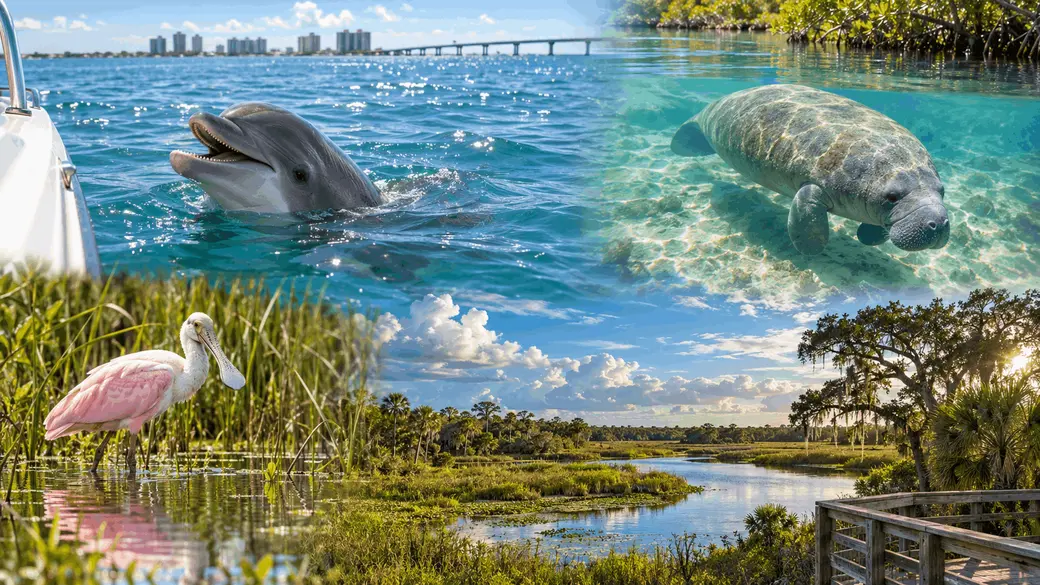
One of the rewards of living on Florida's Gulf Coast is having remarkable wildlife experiences close to home. Around Sarasota, residents can watch dolphins in coastal waters, look for manatees, photograph wading birds, paddle through mangrove habitat and spend a morning exploring wetlands, prairie and pine flatwoods. Places such as Sarasota Bay, Myakka River State Park, The Celery Fields and Sarasota County's extensive network of natural areas make nature part of the local lifestyle. Wildlife sightings are never guaranteed, which is part of the experience. The best encounters happen when animals are observed responsibly from an appropriate distance in their natural habitat.
For people considering a move to the area, these experiences reveal a side of Sarasota that goes well beyond beaches, restaurants and cultural attractions. Hunt Brothers Realty helps buyers explore Sarasota and Florida's Gulf Coast with the understanding that choosing a community is also about deciding how you want to spend your time outside your home.
Quick Answers About Florida Wildlife Experiences Near Sarasota
Can you see dolphins around Sarasota?
Yes, bottlenose dolphins inhabit Florida's coastal waters, and residents may encounter them around Sarasota Bay and other Gulf Coast waterways. A boat or kayak can provide opportunities to observe dolphins, but sightings are never guaranteed and wildlife should be given plenty of space.
Can you see manatees near Sarasota?
Manatees use many Florida waterways and can sometimes be seen in coastal and inland waters around Southwest Florida. The Florida Fish and Wildlife Conservation Commission recommends passive observation and keeping your distance rather than approaching or disturbing a manatee.
Where is a good place for birdwatching in Sarasota?
The Celery Fields and Myakka River State Park are two notable options. Myakka's wetlands support wading birds, raptors, songbirds, migratory birds and ducks, while The Celery Fields provides an accessible wetland environment east of Sarasota.
What wildlife can you see at Myakka River State Park?
Visitors may see alligators, turtles, wading birds, raptors and other native wildlife, with sightings varying by season, water conditions and chance. Myakka River State Park encompasses more than 37,000 acres and protects wetlands, prairie, hammocks and pinelands.
Can residents explore Sarasota wildlife by kayak?
Yes. Sarasota County maintains numerous places with canoe and kayak access, and its Blueways Paddling Guide identifies 11 area waterways with suggested paddling routes. Ted Sperling Nature Park, Myakka River State Park and several county natural areas provide opportunities to experience local habitat from the water.
Are there nature preserves throughout Sarasota County?
Yes. Sarasota County Parks, Recreation and Natural Resources manages more than 50,000 acres of natural areas. Residents can explore environments ranging from pine flatwoods and prairie hammocks to wetlands, coastal habitat and mangrove systems.
Do you need to be an experienced birder or paddler to enjoy Sarasota wildlife?
No. Some wildlife experiences require little more than binoculars, comfortable shoes and patience. Residents can start with an established boardwalk, county park or guided outing and choose experiences appropriate for their own ability and comfort level.
1. Watch Dolphins in Sarasota's Coastal Waters
Seeing a dolphin surface in Sarasota Bay can turn an ordinary day on the water into something memorable. Residents may encounter bottlenose dolphins while boating, paddling or spending time along Sarasota's coastal waterways.
Living near Sarasota Bay also means wildlife watching does not always require planning a special vacation. An afternoon on the water, a paddle through an appropriate coastal route or time spent overlooking the bay can create opportunities to observe marine life as part of everyday Gulf Coast living.
The important word is observe. Dolphins are wild animals, and responsible viewing means allowing them to continue their natural behavior without being chased, crowded or encouraged to approach people.
2. Experience a Manatee Encounter From a Respectful Distance
Few animals are as closely associated with Florida as the manatee. These large aquatic mammals use waterways throughout the state, although where and when they are visible varies with season and environmental conditions.
According to the Florida Fish and Wildlife Conservation Commission's manatee information, manatees tend to seek warm-water areas during colder winter periods and are more widely dispersed through Florida waterways during the remainder of the year.
You may first notice a swirl, snout, back, flipper or tail at the surface. FWC recommends keeping your distance and passively observing. If a manatee changes its behavior because of your presence, paddlers are advised to move farther away.
3. Spend a Morning Birdwatching at The Celery Fields
You do not need to maintain a life list or recognize every bird call to appreciate birdwatching. For Sarasota residents, The Celery Fields at 6893 Palmer Boulevard provides a convenient introduction to the region's wetland environment.
The experience changes throughout the year. Migration, rainfall, water levels, time of day and seasonal behavior all influence what visitors might observe. That variation is exactly why a nature area can remain interesting after dozens of visits.
Bring binoculars or a camera with a zoom lens, slow down and give yourself time to watch. A bird that appears ordinary at first glance may suddenly begin hunting, feeding or interacting with another species.
4. Explore the Birdwalk at Myakka River State Park
For a deeper look at Florida's freshwater wetlands, visit the Birdwalk at Myakka River State Park. The walkway begins in the floodplain's hydric hammock and extends toward the marsh, giving visitors a chance to experience different wetland environments without needing an extensive backcountry hike.
Florida State Parks describes the Birdwalk as a wildlife-viewing destination for everyone from children seeing an alligator for the first time to experienced birders. Seating and interpretive signs along the walkway make it an approachable way to spend time observing the marsh.
The scene is never exactly the same twice. Water levels and seasons reshape the landscape, while birds, alligators and other wildlife move through the habitat on their own schedules.
5. Make Myakka River State Park a Regular Day Trip
Myakka deserves more than a single visit. At more than 37,000 acres, the park protects a vast landscape of wetlands, prairie, hammocks and pinelands surrounding the Myakka River, Florida's first state-designated wild and scenic river.
According to Florida State Parks, the park's habitat supports wading birds, raptors, songbirds, migratory birds and ducks. Visitors may also encounter alligators, turtles, otters and other native wildlife.
Hiking, bicycling, birding, paddling and wildlife viewing provide different ways to experience the park. Residents have the advantage of returning in different seasons rather than trying to experience everything in one day.
6. Paddle Through Mangroves Near Lido Key
A kayak changes your perspective on Sarasota's coastal environment. Instead of looking toward the water from shore, you move through it quietly at eye level, with mangroves, birds and marine habitat surrounding you.
Ted Sperling Nature Park on Lido Key provides birding, canoe and kayak access, fishing and wildlife-viewing opportunities. For residents who enjoy paddling, it can become a repeat destination rather than a one-time tourist activity.
Paddlers should account for weather, tides, boating traffic, personal ability and changing water conditions before setting out. Wildlife should never be pursued for a photograph or closer encounter.
7. Explore Sarasota County's Nature Preserves
Some of the best wildlife experiences do not involve a famous attraction. Sarasota County reports managing more than 50,000 acres of natural areas, giving residents an extensive network of places to hike, paddle, birdwatch and experience native habitat.
Options include Carlton Reserve near Venice, county preserves along the Myakka River corridor, coastal natural areas and smaller neighborhood preserves. Sarasota County's Natural Areas Guide is a useful resource for discovering places beyond the best-known parks.
Exploring several preserves also gives residents a better understanding of how dramatically Florida habitat can change over relatively short distances. Pine flatwoods, wetlands, prairie, hammocks, mangroves and coastal environments support different plants and animals.
8. Discover Wildlife From Sarasota County's Blueways
For residents who enjoy kayaking or canoeing, Sarasota County's waterways provide another way to connect with the landscape. The county's Blueways Paddling Guide covers 11 area waterways and identifies suggested paddling trails.
Paddling can create opportunities to see fish, shorebirds, wading birds and other wildlife while experiencing estuaries, mangrove shorelines and inland waterways. Which species appear depends on the location, season and conditions.
Choose a route appropriate for your experience, check current weather and water conditions, use appropriate safety equipment and follow all applicable boating and park regulations.
9. Look for Coastal Birds at Sarasota's Beaches and Bays
Wildlife watching does not have to mean heading deep into a preserve. Sarasota County's beaches, bays and coastal parks can provide opportunities to observe shorebirds and other coastal species while enjoying the waterfront.
Sarasota County Parks identifies birding and wildlife viewing among the amenities at multiple coastal locations, including Caspersen Beach Park, Nokomis Beach Park and Palmer Point Beach Park.
Give nesting, resting and feeding birds appropriate space and respect posted closures or protected areas. Binoculars and telephoto lenses allow close-looking experiences without requiring close physical proximity.
10. Experience the Same Natural Area in Different Seasons
Visitors often have one opportunity to see a park. Residents can experience the same landscape throughout the year, and that is one of the advantages of living here.
Florida's rainfall patterns, migration, temperatures and changing water levels affect what a preserve looks like and which wildlife may be active. At Myakka's Birdwalk, for example, the floodplain changes significantly between wetter conditions and the dry season, which Florida State Parks describes as approximately November through April.
Returning to a favorite preserve every few months can be more rewarding than trying to collect a checklist of destinations. You begin noticing changes in water, vegetation, bird activity and the rhythms of the habitat itself.
How to Watch Florida Wildlife Responsibly
The goal of a wildlife encounter should be to observe natural behavior, not change it. A memorable photograph is never more important than giving an animal the space it needs.
- Observe wildlife from an appropriate distance.
- Use binoculars or a zoom lens instead of moving closer.
- Never pursue wildlife to create a photograph or video.
- Do not disturb animals that are feeding, resting or caring for young.
- Follow posted park, preserve and protected-area rules.
- Give manatees room to move freely and observe them passively.
- Keep appropriate distance from alligators and other potentially dangerous wildlife.
- Stay on designated trails and boardwalks where required.
- Leave natural areas as you found them.
For marine wildlife in particular, consult current FWC wildlife-viewing guidance and follow applicable state and federal protections.
What Should You Bring for a Sarasota Wildlife Day?
You do not need specialized equipment for many local wildlife experiences. A few practical items can make the day more comfortable and help you observe animals without getting too close.
- Binoculars
- Camera or phone with zoom capability
- Water
- Sun protection
- Weather-appropriate clothing
- Comfortable walking shoes
- Insect protection when appropriate
- A field guide or bird-identification app
Before visiting a park or preserve, check the managing agency's current page for hours, access conditions, fees, closures and facility information. Conditions can change because of weather, maintenance, restoration projects or other circumstances.
Frequently Asked Questions About Sarasota Wildlife
Are dolphin or manatee sightings guaranteed?
No. These are wild animals moving through natural waterways, so no particular sighting should be expected or guaranteed. Season, water conditions, location and simple chance all affect what you may encounter.
What is a good first wildlife destination for a new Sarasota resident?
Myakka River State Park is a strong introduction because it combines multiple Florida habitats with birding, hiking, paddling and wildlife-viewing opportunities. The Celery Fields is another convenient option for residents who want to begin with a shorter birdwatching or wetland outing.
Where can I find less familiar Sarasota nature areas?
Sarasota County maintains an extensive directory of natural areas and nature centers. Exploring that network is an easy way to find preserves and trails beyond the area's best-known destinations.
Is birdwatching only worthwhile during migration?
No. Sarasota-area habitats support resident birds as well as seasonal and migratory species. Migration can change the variety of birds present, but wetlands, beaches, preserves and waterways can provide birdwatching opportunities throughout the year.
Can I explore Sarasota's nature without owning a boat?
Absolutely. Boardwalks, trails, beaches, parks and preserves provide many land-based wildlife experiences. Some destinations and local operators also offer rental or guided options for people who want to experience the waterways without owning their own equipment.
Florida Wildlife Is Part of the Sarasota Lifestyle
Sarasota's natural environment is not something residents have to save for vacation. You can spend one morning watching birds over a wetland, another paddling near mangroves and another exploring the Myakka River landscape. On a different day, a dolphin or manatee may appear when you were not looking for one at all.
That variety is one of the defining characteristics of life along Florida's Gulf Coast. Beaches may receive much of the attention, but wetlands, rivers, mangroves, bays, preserves and native wildlife add another dimension to living in the Sarasota area.
Explore the Sarasota Lifestyle With Hunt Brothers Realty
Where you live can influence how easily you incorporate beaches, boating, paddling, parks and nature into your routine. If you are considering a move to Sarasota or Florida's Gulf Coast, Hunt Brothers Realty can help you compare communities and properties based on the real estate characteristics and lifestyle priorities that matter to you. Contact Hunt Brothers Realty to discuss your Sarasota-area home search.
Informational notice: Park access, wildlife activity, water conditions, operating hours, fees and regulations can change. Wildlife sightings are not guaranteed. Before boating, paddling, hiking or participating in another outdoor activity, review current conditions and applicable guidance from the park, preserve, Florida Fish and Wildlife Conservation Commission or other appropriate managing authority. Choose activities appropriate for your experience and abilities and follow current wildlife-protection and outdoor-safety requirements.
Sources
- Florida Fish and Wildlife Conservation Commission, Manatee Viewing Guidelines
- Florida Fish and Wildlife Conservation Commission, Where Can I See Manatees in Florida?
- Florida State Parks, Myakka River State Park
- Florida State Parks, The Birdwalk at Myakka
- Sarasota County Parks, Natural Areas and Nature Centers
- Sarasota County Parks, Guides and Maps
Contact Hunt Brothers Realty
46 N. Washington Blvd, Ste 3
Sarasota, FL 34236
Phone: (941) 388-7017
Email: info@huntbrothersrealty.com
Website: HuntBrothersRealty.com
Categories
- All Blogs 2192
- Anna Maria Island 86
- Bird Key 4
- Bradenton 237
- Buying a Home 1249
- Casey Key 2
- Clearwater 11
- Condos & HOA Living 1163
- Ellenton 6
- Englewood 11
- First Time Homebuyers 1358
- Foreclosures 5
- Home Selling 6
- Homeownership 1383
- Lakewood Ranch 25
- Lido Key 28
- Longboat Key 80
- Luxury/Waterfront Properties 1323
- Market Updates & Trends 843
- Mortgages & Financing 59
- Move-Up Buyers 25
- Neighborhood Guides 958
- New Construction 37
- Palmetto 3
- Parrish 6
- Port Charlotte 10
- Punta Gorda 30
- Real Estate Investing 1240
- Relocation to Florida 1278
- Safety Harbor 3
- Sarasota 91
- Sarasota - Downtown 163
- Selling a Home 146
- Siesta Key 92
- St. Petersburg 8
- Tierra Verde 5
- Vacation & Second Homes 1432
- Venice 209
- Wellen Park 20
Recent Posts