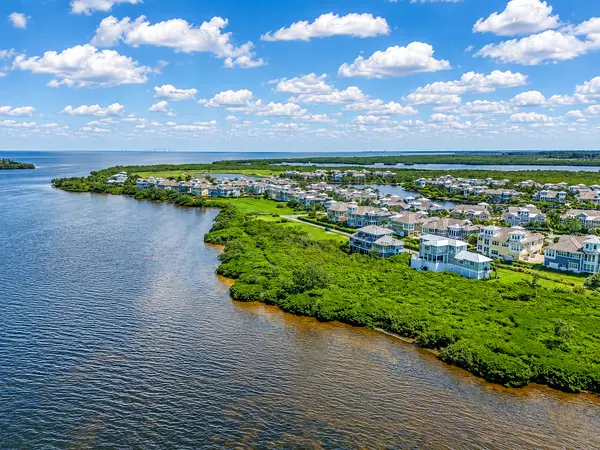
Why Boating Culture Is Part of Everyday Life on the Gulf Coast
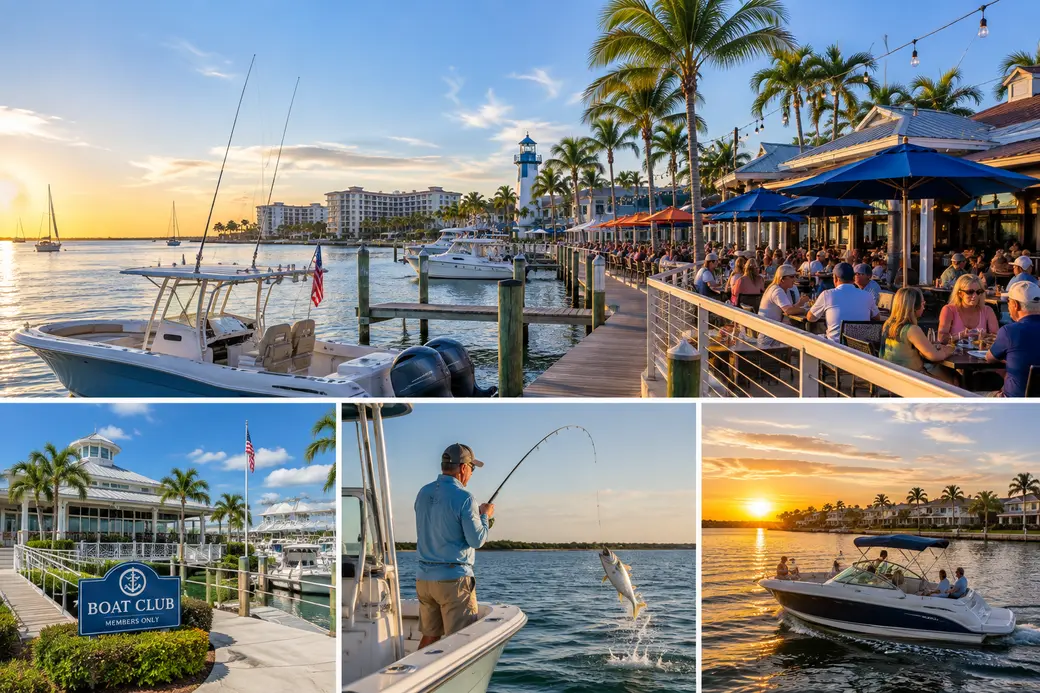
Boating culture is part of everyday life on Florida's Gulf Coast because the water is not simply scenery. Around Sarasota, Sarasota Bay, the Intracoastal Waterway, canals, passes, marinas, boat ramps, and the Gulf of Mexico create a network that shapes recreation and waterfront real estate. In communities such as Bird Key and Emerald Harbor on Longboat Key, boating access can even influence how buyers evaluate a home. Understanding the Gulf Coast boating lifestyle therefore means understanding both the waterways and the practical realities of owning property around them.
Quick Answers About Gulf Coast Boating Culture
Why Is Boating So Connected to Life Around Sarasota?
Sarasota is surrounded and interconnected by waterways, including Sarasota Bay, the Intracoastal Waterway, coastal passes, canals, and the Gulf of Mexico. That geography makes boating, fishing, paddling, and other forms of water recreation a natural part of the area's coastal lifestyle.
Do You Need a Waterfront Home to Participate in Sarasota's Boating Lifestyle?
No. Sarasota County provides public water access, including motorized boat launches and numerous non-motorized launches. Marina storage, boat clubs, dry storage, public ramps, kayak launches, and other options can make boating accessible without owning a private residential dock.
Which Sarasota-Area Communities Are Closely Connected to Boating?
Several Sarasota-area communities have strong relationships with the water, but the type of access varies. Bird Key includes bayfront and canal-front properties, while parts of Longboat Key, Siesta Key, Lido Key, Osprey, Nokomis, Venice, and other coastal areas provide different combinations of docks, canals, marinas, bay access, and public launches.
Does Every Waterfront Home Have Good Boating Access?
No. Waterfront and boat-friendly are not automatically the same thing. Water depth, tides, bridge clearance, dock configuration, lift capacity, channel access, permits, and the dimensions of a particular boat can determine whether a property actually works for a buyer.
Why Do Private Docks Matter to Some Gulf Coast Buyers?
A private dock can make boating part of a homeowner's daily routine by keeping the vessel at the residence rather than at an off-site facility. Buyers should still confirm the dock's legal status, condition, water access, dimensions, lift specifications, and suitability for their particular vessel.
What Should Boaters Verify Before Buying Gulf Coast Waterfront Property?
Boaters should verify the entire route from the property to their intended waterway, not merely the presence of a dock. Dock permits, seawall condition, water depth, bridge clearance, lift capacity, navigation restrictions, insurance, flood considerations, and association rules can all matter.
Why Does Geography Make Boating Part of the Gulf Coast Lifestyle?
Geography is the foundation of Gulf Coast boating culture. Sarasota's coastal landscape includes Sarasota Bay, barrier islands, tidal waterways, canals, passes, the Intracoastal Waterway, and access toward the Gulf of Mexico. Water separates some communities while simultaneously connecting them by boat.
That creates a different relationship with the coast than simply living near a beach. A resident might see the bay while driving across a causeway, launch a kayak from a county park, keep a center-console boat at a marina, or step from a backyard onto a private dock. The water becomes part of the physical layout of the community.
Sarasota County's water-access system illustrates how widespread that connection is. The county identifies 13 motorized boat launches and 29 non-motorized launch locations for kayaks, canoes, and paddleboards.
What Does Everyday Boating Actually Look Like?
Everyday Gulf Coast boating is broader than owning a large yacht. It can mean fishing in the morning, taking a small boat across the bay, kayaking through coastal waterways, paddleboarding, cruising at sunset, or spending part of a weekend exploring the region from the water.
Sarasota County specifically identifies boating, swimming, paddleboarding, fishing, waterskiing, wakeboarding, tubing, kiteboarding, kayaking, and canoeing among the recreational opportunities available on local waterways. That variety helps explain why "boating culture" is really a larger water culture rather than one narrowly defined activity.
How Does Boating Influence Gulf Coast Real Estate?
Boating can influence which properties a buyer considers because two waterfront homes can provide completely different levels of usable water access. For a serious boater, the route from the backyard to open water may be as important as the home's kitchen, pool, or interior finishes.
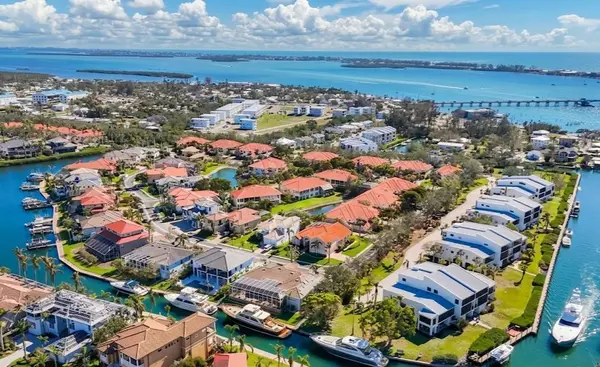
This is especially visible in Bird Key real estate. The island sits in Sarasota Bay between Downtown Sarasota and the barrier islands, and its waterfront properties can include private docks and canal or bay access. Boating is therefore not an abstract neighborhood amenity. For certain properties, it is directly connected to the residence.
The same principle applies to portions of Longboat Key. Emerald Harbor, for example, is a Longboat Key waterfront community characterized by canal-front homes, private docks, and boating access. Buyers can also explore broader Longboat Key waterfront living to compare bayside boating with Gulf-front and beach-oriented properties.
Is Waterfront Property Automatically Boater-Friendly?
No. A waterfront address tells you that a property meets the water, but it does not tell you whether your boat can successfully travel from the dock to your destination. That distinction is one of the most important concepts for boating-oriented Gulf Coast buyers.
A property may look ideal in photographs yet have limitations related to water depth, tides, bridges, channel conditions, dock dimensions, or lift capacity. A sailboat owner may have very different requirements from someone operating a shallow-draft center-console boat.
Hunt Brothers Realty's buyer guide to Gulf Coast waterfront homes explains why docks, seawalls, water depth, access, and flood considerations should be investigated as part of waterfront due diligence.
Why Do Docks Change the Way a Waterfront Home Functions?
A usable private dock can turn boating from an activity that requires advance logistics into something accessible from home. Instead of transporting a boat to a ramp or traveling to an off-site marina, an owner may be able to walk outside and board the vessel from the property.
The important word is "usable." A dock should be evaluated for both legal status and practical suitability. Buyers should confirm permits where applicable and investigate the condition of pilings, decking, electrical service, lifts, and other components with appropriate professionals.
What Should You Know About Boat Lifts?
A boat lift should be matched to the vessel rather than assumed to be suitable because one is already installed. Buyers should verify rated capacity, dimensions, configuration, condition, permitting where applicable, and compatibility with the boat they intend to keep at the property.
Why Do Water Depth and Bridges Matter?
Water depth and bridge clearance can determine whether a boat can actually use a waterfront property. A canal may connect to a larger bay, but that connection does not guarantee that every vessel can navigate the route under all relevant conditions.
Buyers should investigate controlling depth along the intended route, tidal conditions, fixed bridges, bridge clearance, channel conditions, and the vessel's draft and height. These measurements are too important to estimate from listing photographs or generalized neighborhood descriptions.
For a boating-oriented buyer, due diligence should follow the entire route. The relevant question is not simply, "Does this home have a dock?" It is, "Can my specific boat travel safely and legally from this dock to the places I want to go?"
Can Condo Buyers Be Part of the Boating Lifestyle?
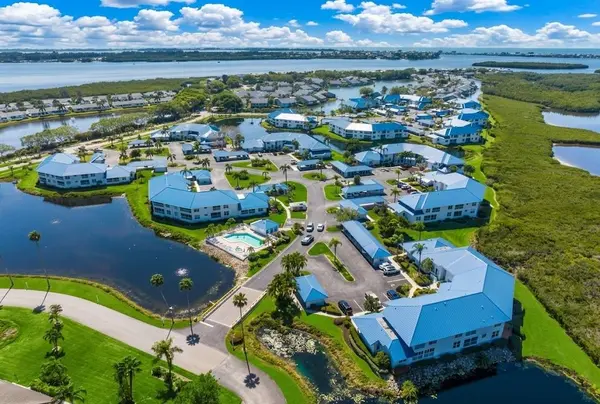
Yes. Gulf Coast boating is not limited to owners of canal-front single-family homes. Some condominium communities have marina facilities, docks, fishing piers, or other forms of water access, while condo owners can also use independent marinas and public launch facilities.
On Siesta Key, for example, Windward Passage is a bayfront condominium community with marina access. Longboat Key also offers bay-oriented condominium options, including Dock on the Bay.
Condo buyers should never assume that a marina visible on the property means a slip automatically transfers with a residence. Boat-slip rights may be separately assigned, deeded, leased, waitlisted, limited by vessel dimensions, or governed by association rules. Current rights should be independently verified for the specific unit.
Do You Have to Live on the Water to Own a Boat?
No. Public access is an important reason boating reaches beyond waterfront neighborhoods. Sarasota County maintains numerous motorized and non-motorized water-access locations, allowing residents to reach local waterways without owning waterfront property.
For buyers, this creates more housing flexibility. Someone who wants to boat regularly may choose a non-waterfront home and use a marina, storage facility, or public ramp instead of paying specifically for residential waterfront access. The right choice depends on the boat, frequency of use, storage preferences, budget, and how much convenience matters.
What Should New Gulf Coast Boaters Know About Florida Rules?
Boating on Florida waters comes with legal and safety responsibilities. Operators should understand applicable navigation rules, required safety equipment, local restrictions, speed zones, and Florida boating education requirements before getting underway.
The Florida Fish and Wildlife Conservation Commission states that, subject to exemptions, a person born on or after January 1, 1988 who operates a vessel powered by 10 horsepower or more must complete an approved boating safety course and carry the required boating safety education identification along with photographic identification.
Requirements and local waterway conditions can change. Boat operators should consult current official information and navigational resources rather than relying on an older summary.
What Should Waterfront Buyers Investigate Before Making an Offer?
Waterfront buyers should investigate the house and the water access as two related parts of the same purchase. A beautiful residence may not satisfy a buyer's boating requirements if the dock, canal, bridge route, or association rules do not work for the intended vessel.
- What is the water depth at and beyond the dock under relevant tidal conditions?
- Are there fixed bridges between the property and the intended destination?
- What are the applicable bridge clearances?
- Is the existing dock permitted and in appropriate condition?
- Is the boat lift properly sized and rated for the intended vessel?
- What is the seawall condition, and who is responsible for maintaining it?
- Are there association or community restrictions affecting boats or docks?
- What flood and property insurance considerations apply?
- Does the entire navigation route work for the buyer's specific vessel?
These questions should be answered with current property-specific information and, where appropriate, inspections, permit research, surveys, insurance guidance, and professional marine expertise.
Why Boating Culture Matters When Choosing a Gulf Coast Home
Boating culture matters to real estate because it changes the meaning of location. For one buyer, being close to a beach may be the priority. For another, the defining feature may be a private dock with a workable route to Sarasota Bay. Someone else may prefer a downtown condominium and keep a boat at a marina.
That is why boating-oriented buyers should begin with lifestyle questions before comparing properties. How large is the boat? How frequently will it be used? Is backyard access important? Is marina storage acceptable? Is fishing the priority, or is the goal recreational cruising? The answers can narrow the search far more effectively than simply asking for "waterfront property."
Finding the Right Gulf Coast Property for a Boating Lifestyle
The Gulf Coast's boating culture grows naturally from its geography. Sarasota Bay, the Intracoastal Waterway, the barrier islands, canals, public launches, marinas, and Gulf access give residents many ways to make the water part of everyday life. The result is a coastal real estate market where water access can be as important as the residence itself.
If boating is part of your Gulf Coast home search, Hunt Brothers Realty can help you compare Sarasota-area waterfront communities and identify the questions that need to be verified for a specific property. Start with the firm's Gulf Coast waterfront buyer guide, explore Bird Key waterfront real estate, or compare Longboat Key boating properties in Emerald Harbor.
Sources
- Sarasota County Parks, Recreation and Natural Resources, Water Access
- Sarasota County Parks, Recreation and Natural Resources, Boating and Paddling
- Florida Fish and Wildlife Conservation Commission, Boating Regulations
- Hunt Brothers Realty, Bird Key Real Estate
- Hunt Brothers Realty, Emerald Harbor
- Hunt Brothers Realty, A Buyer's Guide to Waterfront Homes on Florida's Gulf Coast
Contact Hunt Brothers Realty
46 N. Washington Blvd, Ste 3, Sarasota, FL 34236
Phone: (941) 388-7017
Email: info@huntbrothersrealty.com
Website: HuntBrothersRealty.com
Categories
- All Blogs 1706
- Anna Maria Island 81
- Bird Key 3
- Bradenton 190
- Buying a Home 826
- Casey Key 2
- Clearwater 6
- Condos & HOA Living 726
- Ellenton 4
- Englewood 5
- First Time Homebuyers 912
- Foreclosures 3
- Homeownership 907
- Lakewood Ranch 16
- Lido Key 27
- Longboat Key 76
- Luxury/Waterfront Properties 844
- Market Updates & Trends 440
- Mortgages & Financing 37
- Move-Up Buyers 20
- Neighborhood Guides 585
- New Construction 28
- Palmetto 2
- Parrish 5
- Port Charlotte 9
- Punta Gorda 13
- Real Estate Investing 774
- Relocation to Florida 823
- Safety Harbor 2
- Sarasota 35
- Sarasota - Downtown 146
- Selling a Home 140
- Siesta Key 88
- St. Petersburg 4
- Tierra Verde 4
- Vacation & Second Homes 959
- Venice 22
- Wellen Park 7
Recent Posts