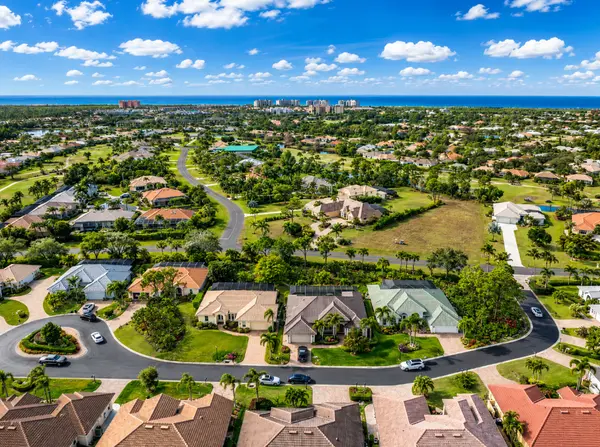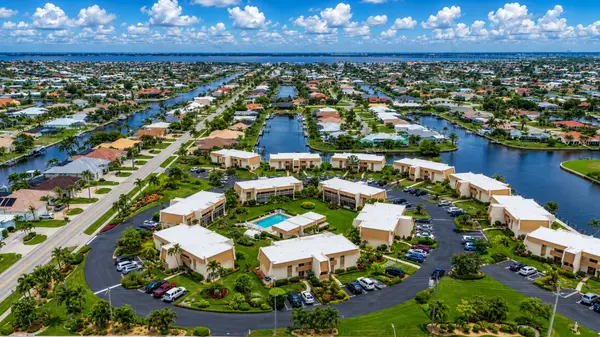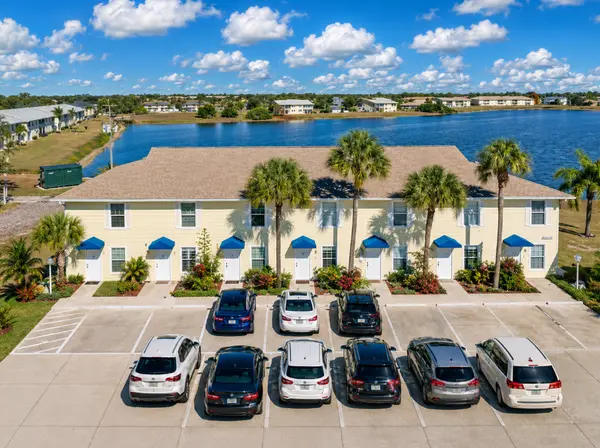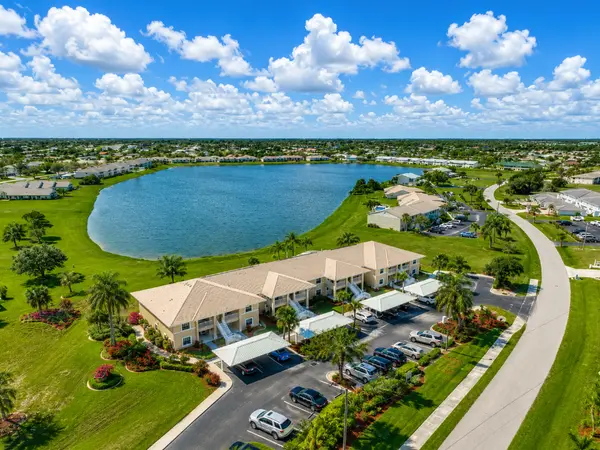
How Do I Know if I’m Buying in a Good Neighborhood?
A good neighborhood is one that fits your priorities, budget and daily routine while holding up under objective research. Before buying, evaluate the specific location for commute times, nearby land uses, schools when relevant, publicly available crime data, flood exposure, insurance costs, HOA or condominium obligations, future development and the condition of surrounding properties. Visit at different times and test the routes you will actually use. Avoid relying on reputation alone. Two homes in the same ZIP code can have very different surroundings, ownership costs and practical advantages, so neighborhood research should be address-specific whenever possible.
Quick Answers About Choosing a Good Neighborhood
What makes a neighborhood good?
There is no single definition that works for every homebuyer. A useful evaluation considers the home's surroundings, commute, access to destinations you use, housing characteristics, ownership costs, flood exposure, association obligations and other factors that matter to your household.
Should I visit a neighborhood before making an offer?
Yes. When practical, visit more than once and at different times. Traffic, lighting, parking, commercial activity, road noise and other location characteristics can look different on a weekday morning, evening or weekend.
Can I research crime information before buying?
Yes. Buyers can review available information from local law enforcement agencies and other official sources. Crime statistics require context, however, so review the geographic area, reporting period and type of incident rather than relying on a broad label about a neighborhood.
How should I research schools?
Verify the assigned schools for the specific property through the applicable school district, then research the programs and objective information that matter to you. Do not assume an address belongs to a particular school based on a listing, neighborhood name or ZIP code because attendance boundaries can change.
Does a nice-looking neighborhood automatically mean it is a good purchase?
No. Appearance is only one factor. Flood exposure, insurance, taxes, HOA obligations, future development, traffic and the condition of the individual home can materially affect whether a property fits your budget and priorities.
Should I assume an expensive neighborhood is better?
No. A higher purchase price does not establish that a location is better for you. A less expensive home with a practical commute and manageable ownership costs may fit one buyer better than a higher-priced property with features that buyer does not value.
Can my real estate agent tell me whether a neighborhood is good?
A real estate professional can help you research objective property and location information, but the final judgment should reflect your own priorities. Instead of asking only whether an area is "good," identify what matters to you and compare neighborhoods using those criteria.
Start by Defining What “Good” Means to You
The most important first step is to replace the broad question "Is this a good neighborhood?" with specific questions that can actually be researched.
Your priorities might include:
- Travel time to work
- Access to shopping and healthcare
- Proximity to beaches, boating, parks or golf
- A larger yard
- Condominium or lower-maintenance living
- Sidewalks or trail access
- School assignment or particular educational programs
- Distance from an airport or major highway
- HOA amenities
- Waterfront or water access
- Flood exposure
- Total monthly ownership costs
Once you define those priorities, comparing locations becomes much more objective. A neighborhood can be an excellent match for one buyer and an impractical choice for another without either conclusion being universally correct.
Should You Drive Through the Neighborhood at Different Times?
Yes. Visiting the location repeatedly is one of the simplest ways to understand how it functions in everyday life. A showing provides only a snapshot.
When practical, visit during periods such as:
- Morning commute
- Midday
- Evening commute
- After dark
- A weekday
- A weekend
Pay attention to objective conditions such as traffic volume, road access, parking, street lighting, nearby businesses, construction, aircraft noise where relevant, train crossings and how long it actually takes to reach the roads and destinations you expect to use.
If you cannot visit personally, mapping tools can help with an initial review, but they should not be treated as a complete substitute for experiencing the location when that is feasible.
How Do You Test the Commute Before Buying?
Test the route at approximately the same time you expect to travel after moving. A mileage estimate alone does not tell you how practical a location will be.
A home may appear close to an employment center on a map but require travel through a congested intersection, bridge, school zone or heavily traveled commercial corridor. In Florida coastal areas, bridges and limited-access routes can be especially relevant to daily travel.
Do the same exercise for destinations that matter regularly, not just work. That might include healthcare providers, grocery stores, airports, beaches, marinas, parks, golf courses or other places you expect to visit frequently.
How Should Homebuyers Research Crime Information?
Buyers can research available crime information through local law enforcement and other official public sources, but statistics should be evaluated carefully and in context.
Current U.S. Department of Housing and Urban Development guidance states that real estate professionals do not violate the Fair Housing Act merely by providing crime-rate or school-quality information when it is shared consistently and without discriminatory intent. Fair Housing laws still prohibit steering buyers toward or away from housing because of protected characteristics.
Rather than asking someone to label a neighborhood as "safe" or "unsafe," buyers can examine the underlying information themselves. Useful questions include:
- What geographic area does the data cover?
- What reporting period is being shown?
- What categories of incidents are included?
- Is the source an official law enforcement agency?
- Are you comparing equivalent geographic areas and time periods?
Crime statistics can change over time and do not predict what will happen to an individual property. Buyers who consider this information important should review current data from the appropriate local authorities.
How Should You Evaluate Schools When Buying a Home?
Start by verifying the actual school assignment for the property's address through the applicable school district. Then research objective information and programs that are relevant to your priorities.
School boundaries can change, and the school named in a real estate listing may not necessarily establish future attendance eligibility. Magnet, charter, choice and specialized programs may also operate under separate admissions or assignment procedures.
Depending on what matters to you, research might include:
- Current attendance boundaries
- Available academic programs
- Extracurricular offerings
- Transportation policies
- Enrollment procedures
- State and district performance information
- Programs relevant to the student's individual needs
No real estate article or listing should promise future school assignment or performance. Verify current information directly with the school district before relying on it in a purchasing decision.
What Can Nearby Properties Tell You?
Nearby properties can help you understand the physical character of the immediate area, but appearance should be evaluated alongside more substantive research.
Look objectively at:
- General exterior maintenance
- Road and sidewalk condition
- Drainage features
- Street parking patterns
- Vacant lots
- Active construction
- Housing types and lot sizes
- Nearby commercial or industrial uses
- Utility infrastructure
Remember that a neighborhood can contain significant property-to-property variation. A well-renovated home does not establish the condition of surrounding homes, and an older neighborhood should not automatically be assumed to be poorly maintained.
Why Should You Check Zoning and Future Development?
Current surroundings do not necessarily show what may be permitted nearby in the future. Local zoning, comprehensive plans and active development applications can provide important context before you buy.
For example, an undeveloped parcel behind a home might be zoned for residential development, commercial activity or another use. A road may have a planned improvement project. Nearby land may already have an approved development application.
Buyers concerned about surrounding land should check with the appropriate city or county planning department. Zoning indicates what may be allowed under applicable rules, but it does not guarantee that a particular project will or will not be built. Questions about development rights or land-use regulations should be verified with the applicable local authority and, when legal interpretation is needed, an appropriate qualified professional.
Why Does Flood Risk Matter When Evaluating a Neighborhood?
Flood exposure can affect insurance, financing, building requirements and a buyer's assessment of a particular property, so it should be researched by address rather than assumed from the neighborhood's reputation.
FEMA's Flood Map Service Center allows users to search official flood-hazard information by location. Local governments may also provide floodplain maps, elevation information, storm-surge resources and drainage information.
Properties outside a designated high-risk flood area can still experience flooding. In coastal Florida, buyers may also need to distinguish between a FEMA flood zone and a hurricane evacuation zone because they address different issues.
Flood conditions and insurance requirements are property-specific. Buyers should verify official mapping and obtain property-specific insurance information before making a purchasing decision.
Can Insurance Costs Change Whether a Neighborhood Fits Your Budget?
Yes. Two similarly priced homes can have materially different insurance costs because underwriting is based on the individual property as well as its location.
In Florida, factors that may affect insurability or premiums can include construction characteristics, roof condition, wind mitigation features, electrical and plumbing systems, flood exposure and other property-specific factors.
That is why neighborhood research should include the cost of owning the actual home, not merely the purchase price. Insurance availability, coverage, deductibles and premiums can vary substantially by property. Buyers should obtain property-specific quotes and review coverage with a qualified insurance professional before making a purchasing decision.
How Important Are HOA or Condominium Rules?
Association rules can be extremely important because they may affect costs, maintenance responsibilities and how a property can be used. A neighborhood that looks appealing may not fit your plans if its governing documents conflict with how you intend to own or use the home.
Depending on the community, buyers may need to investigate:
- Regular assessments
- Special assessments
- Maintenance responsibilities
- Rental restrictions
- Pet restrictions
- Parking rules
- Vehicle restrictions
- Architectural controls
- Association insurance
- Reserve information when applicable
- Amenities and what the assessment actually includes
Review current association documents rather than relying solely on listing summaries. Questions about legal rights, restrictions or governing-document interpretation should be reviewed with a qualified Florida real estate attorney or other appropriate professional when individualized legal guidance is needed.
Should You Talk to People Who Already Live There?
Conversations with current residents can provide useful personal perspectives, but treat them as opinions rather than verified facts. One person's experience does not necessarily represent an entire neighborhood.
Questions about practical matters can be particularly useful. You might ask about traffic patterns, utility reliability, association operations, construction activity or other day-to-day characteristics.
Material facts should still be independently verified through appropriate records, professionals or government sources rather than relying on a neighbor's recollection.
How Do You Evaluate Neighborhood Noise?
Visit the property at different times and identify nearby sources that could affect your use of the home. Noise tolerance is personal, so experiencing the location is more useful than accepting someone else's description.
Potential sources include:
- Major roads
- Airports and flight paths
- Rail lines
- Commercial properties
- Entertainment districts
- Schools and athletic facilities
- Construction sites
- Golf-course maintenance activity
Also consider where bedrooms, patios and outdoor living areas sit relative to those sources. Two homes on the same street can have different exposure because of orientation, vegetation and setbacks.
Does Walkability Matter?
Walkability matters if it is part of how you expect to use the neighborhood. Instead of relying only on a general score, examine the routes you would actually take.
Look for features relevant to your priorities, such as sidewalks, trail connections, crosswalks, road crossings, distance to shops and parks, and whether the route is practical for your intended use.
The same principle applies to cycling, boating, golf and beach access. A neighborhood should be evaluated according to the activities you actually expect to use, not simply the amenities mentioned in marketing materials.
Can You Tell Whether a Neighborhood Will Appreciate?
No one can reliably guarantee that a particular neighborhood or property will appreciate. Historical sales data can show what has already happened, but it cannot establish future market performance.
Buyers can still examine objective real estate information, including recent comparable sales, inventory, property condition and local development. Those factors can help a buyer understand the current market without turning historical trends into a promise about future value.
A purchasing decision should also make sense based on the home's present-day fit and complete ownership costs rather than depending on a particular future appreciation rate.
How Do You Compare Two Neighborhoods Objectively?
Use the same criteria for both locations and compare them side by side. This reduces the chance that one attractive feature will overshadow more important differences.
A simple comparison can include:
- Purchase price: How do comparable homes differ?
- Taxes: What might the buyer's property taxes look like after purchase?
- Insurance: What do property-specific quotes show?
- Flood: What is the official flood information for each property?
- Association: What are the fees, rules and responsibilities?
- Commute: How long does the actual route take?
- Daily destinations: Which location better fits the places you regularly use?
- Property condition: What major repairs or updates may be needed?
- Surrounding uses: What is nearby now, and what may be permitted?
- Lifestyle priorities: Which location better supports the activities that matter to you?
Hunt Brothers Realty's guide to comparing two homes before deciding which one to buy provides a broader framework for evaluating both the location and the individual property.
What Are Red Flags to Research More Closely?
A red flag does not necessarily mean you should reject a neighborhood, but it does mean you should gather more information before committing to the purchase.
Issues worth additional research can include:
- Unexpectedly heavy traffic near the property
- Visible drainage problems
- Nearby vacant land with unknown future use
- Major planned road construction
- Unclear HOA or condominium obligations
- Pending or recently imposed special assessments
- Difficulty obtaining acceptable property insurance
- Flood information you do not fully understand
- Renovations without readily available permit information when permits were required
- A commute that becomes substantially longer during normal travel hours
- Conflicting information from listings, public records or association documents
The appropriate response is verification. Depending on the issue, that may involve a licensed real estate professional, insurance agent, home inspector, engineer, contractor, lender, attorney, association, surveyor, title professional or local government authority.
What Should You Research Before Making an Offer?
Before making an offer, separate what you like emotionally from the facts that still need verification. Hunt Brothers Realty's guide to making an offer on the first house you love uses the same principle: liking the home matters, but excitement should not replace due diligence.
A practical neighborhood checklist includes:
- Visit the area at different times
- Drive your likely commute
- Map your regular destinations
- Review nearby land uses
- Check current zoning and development activity when relevant
- Verify school assignment when relevant
- Review official crime information if it matters to your decision
- Research official flood information
- Obtain property-specific insurance quotes
- Review HOA or condominium documents when applicable
- Estimate taxes and complete ownership costs
- Evaluate the individual home's condition
The Hunt Brothers Realty Florida Buyer Resource Center provides additional educational resources on inspections, financing, insurance, contracts, associations and other Florida homebuying considerations.
How Do You Make the Final Neighborhood Decision?
Choose based on the combination of location, property and ownership costs that best fits your verified priorities. Do not let one attractive feature make the entire decision.
A beautiful house with an impractical commute may not be the right fit. A desirable location with ownership costs that stretch the budget may create a different problem. Likewise, an area that receives less attention online may work particularly well for a buyer whose priorities align with its location and housing options.
The goal is not to identify a universally "good" neighborhood. It is to determine whether a specific property and its surroundings meet your needs after you have investigated the facts that matter to your decision.
Compare Florida Neighborhoods With Hunt Brothers Realty
Hunt Brothers Realty helps buyers compare Florida homes and communities using objective factors such as property characteristics, location, association structure, ownership costs and access to the destinations and amenities that matter to the buyer.
Explore the Florida Buyer Resource Center for additional homebuying information, or contact Hunt Brothers Realty to discuss the neighborhoods, property types and locations that match your home search.
This article provides general informational and educational guidance and is not individualized legal, financial, tax, insurance, lending, inspection, engineering, zoning or other professional advice. Neighborhood and property conditions can change, and many purchasing considerations are address-specific. Buyers should verify material information with the appropriate government agency, association or qualified professional before making a purchasing decision. Hunt Brothers Realty provides real estate brokerage services and does not replace the individualized advice of attorneys, insurance professionals, lenders, inspectors, engineers, tax professionals or other specialists when their expertise is required.
Sources
- U.S. Department of Housing and Urban Development, Fair Housing Rights and Obligations
- U.S. Department of Housing and Urban Development, Fair Housing Act Overview
- U.S. Department of Housing and Urban Development, 2026 Guidance on Neighborhood Crime and School Information
- FEMA, Flood Map Service Center
- Hunt Brothers Realty, Should I Make an Offer on the First House I Love?
- Hunt Brothers Realty, How Do I Compare Two Homes Before Deciding Which One to Buy?
- Hunt Brothers Realty, Florida Buyer Resource Center
Hunt Brothers Realty
46 N. Washington Blvd, Ste 3, Sarasota, FL 34236
Phone: (941) 388-7017
Email: info@huntbrothersrealty.com
Website: HuntBrothersRealty.com
Categories
- All Blogs 2274
- Anna Maria Island 87
- Bird Key 4
- Bradenton 237
- Buying a Home 1323
- Casey Key 2
- Clearwater 13
- Condos & HOA Living 1243
- Ellenton 6
- Englewood 12
- First Time Homebuyers 1435
- Foreclosures 5
- Home Selling 7
- Homeownership 1463
- Lakewood Ranch 25
- Lido Key 28
- Longboat Key 80
- Luxury/Waterfront Properties 1404
- Market Updates & Trends 921
- Mortgages & Financing 68
- Move-Up Buyers 25
- Neighborhood Guides 1037
- New Construction 38
- Palmetto 3
- Parrish 6
- Port Charlotte 12
- Punta Gorda 81
- Real Estate Investing 1319
- Relocation to Florida 1355
- Safety Harbor 3
- Sarasota 95
- Sarasota - Downtown 165
- Selling a Home 146
- Siesta Key 92
- St. Petersburg 8
- Tierra Verde 5
- Vacation & Second Homes 1514
- Venice 209
- Wellen Park 20
Recent Posts