How Much Are HOA Fees in Florida?
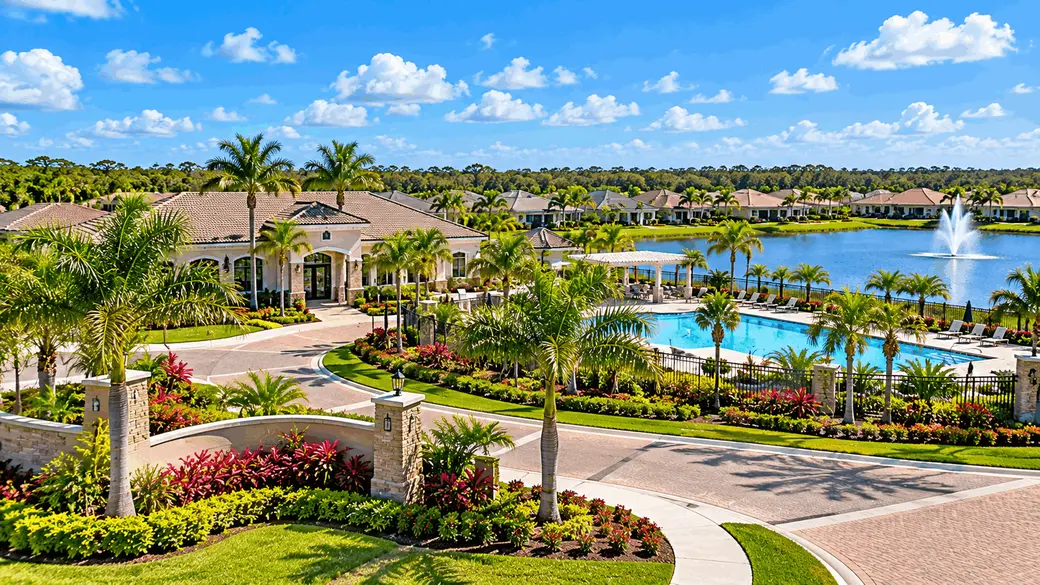
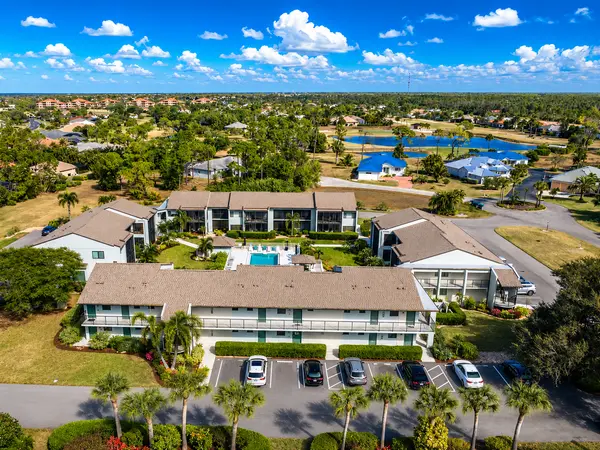
How much are HOA fees in Florida? There is no single statewide amount that accurately represents every community. Some homeowners associations charge less than $100 per month, while amenity-rich or maintenance-included communities may charge several hundred dollars or more. Condominium assessments can be substantially higher because the association may pay for building insurance, exterior maintenance, elevators, structural components, reserves, and other shared expenses. Buyers should focus on the specific property's current assessments, what those payments include, the association's finances, and whether additional costs such as special assessments, master-association fees, club charges, or Community Development District assessments apply.
Quick Answers About HOA Fees in Florida
What is the average HOA fee in Florida?
There is no single statewide average that buyers should rely on for all Florida properties. Single-family neighborhoods, gated communities, villas, townhomes, golf communities, and condominiums can have very different expenses and maintenance responsibilities. Property-specific figures are more useful than a statewide average.
How much are monthly HOA fees in Florida?
Some Florida homeowners associations charge less than $100 per month, while others charge several hundred dollars or more. Maintenance-included, golf, country-club, and highly amenitized communities can cost more. These are broad illustrations, not verified statewide averages, and actual fees can fall below or above those amounts.
Why are Florida condo fees often higher than single-family HOA fees?
A condominium association may be responsible for shared building components, exterior maintenance, association insurance, elevators, roofs, recreational facilities, utilities, management, and reserve funding. A traditional single-family HOA may maintain much less physical property. Buyers should compare what each assessment actually pays for rather than comparing the dollar amounts alone.
Are CDD fees included in Florida HOA fees?
Usually not. A Community Development District is a governmental special-purpose district, while an HOA is generally a private association. A Florida property can be subject to both HOA dues and separate CDD assessments, so buyers should calculate both when estimating ownership costs.
Can Florida HOA fees increase?
Yes. Association expenses can change as insurance, landscaping, utilities, management, repairs, contracts, reserve contributions, and other costs change. The governing documents and applicable Florida law determine how assessments are established, so buyers should not assume the current fee will remain unchanged indefinitely.
Can I pay a special assessment in addition to regular HOA fees?
Yes. A homeowners association may impose an authorized special assessment in addition to regular assessments. Before buying, investigate existing assessments and review recent association records for major projects or expenses that could result in additional owner costs.
Is a low HOA fee always better?
No. A low fee can simply mean the association maintains fewer things and homeowners pay more expenses individually. Buyers should compare the fee, services, maintenance responsibilities, reserves, financial condition, and potential future expenses together.
Typical Florida HOA Fee Ranges: Illustrative Examples
Florida association costs vary too much for one number to describe the entire market accurately. A more useful way to budget is to consider how the association's responsibilities affect its expenses.
| Community Example | Illustrative Monthly Cost | Possible Services and Expenses |
|---|---|---|
| Single-family neighborhood with limited common areas | $50 to $150 | Entrance landscaping, administration, limited common-area maintenance |
| Neighborhood with moderate amenities | $150 to $350 | Pool, common areas, landscaping, management, recreational facilities |
| Amenity-rich or maintenance-included community | $350 to $700+ | Extensive amenities, gates, landscaping, selected home maintenance, management |
| Condominium association | $400 to $1,000+ | Building maintenance, association insurance, reserves, amenities, management |
| Luxury or service-intensive condominium | $1,000+ | Extensive building services, staffing, insurance, amenities, reserves, common facilities |
Important: These ranges are illustrative budgeting scenarios, not a statistical survey, statewide average, or quotation for any particular association. Actual Florida association fees can fall below or substantially above these examples. Buyers should obtain the current assessment directly from the applicable association and verify the amount before making a purchasing decision.
What Do HOA Fees Usually Cover in Florida?
HOA assessments pay expenses assigned to the association under its governing documents. The scope of those responsibilities is one of the biggest reasons fees vary from one community to another.
Depending on the community, HOA assessments may contribute toward:
- Common-area landscaping
- Community pools
- Clubhouses
- Fitness centers
- Tennis and pickleball facilities
- Community gates
- Private roads
- Street or community lighting
- Lakes and stormwater facilities
- Management and administration
- Insurance for association property
- Reserve or deferred-expenditure funding, where applicable
- Community events or recreational programs
Some associations also maintain individual-home landscaping, irrigation, exterior painting, roofs, or other components. Those responsibilities must be verified for the specific community because they are not standard across Florida HOAs.
Why Can One Florida HOA Cost $100 and Another Cost $500 or More?
Think about the association as an operating organization. A neighborhood that maintains an entrance monument and a small amount of landscaping has a very different budget from a gated community operating multiple pools, a clubhouse, fitness center, staffed gate, sports facilities, lakes, extensive landscaping, and private roads.
The fee can also reflect how many owners share those expenses. A large community may spread certain costs among many properties, while a smaller association may divide significant expenses among fewer owners.
For that reason, comparing two HOA fees without comparing the underlying budgets can be misleading.
Are Florida Condo Fees the Same as HOA Fees?
Buyers often use the phrase "HOA fee" for almost any community assessment, but Florida condominiums operate under a different legal and ownership structure from traditional homeowners associations.
A condominium association may be responsible for significant portions of the building and common property. Depending on the condominium, assessments may fund:
- Association property insurance
- Roof and exterior maintenance
- Elevators
- Common-area utilities
- Pools and recreational facilities
- Security or building access systems
- Management and staffing
- Reserve contributions
- Shared structural and capital expenses
Florida condominiums are generally governed by Chapter 718, while many traditional homeowners associations are governed by Chapter 720. Their reserve requirements and financial structures are not interchangeable. Buyers comparing a condo with a single-family HOA home should evaluate the total expenses and maintenance responsibilities associated with each property rather than simply choosing the lower monthly assessment.
How Do HOA Reserves Affect the Fee?
Reserve funding can influence current assessments because the association may collect money today for future capital expenditures and deferred maintenance.
Under Florida's 2026 Chapter 720 framework, HOA budgets may include reserve accounts for capital expenditures and deferred maintenance for which the association is responsible. The statute also addresses how certain reserve accounts are established and provides required financial-report disclosures in circumstances where an HOA responsible for capital improvements does not maintain fully funded statutory reserves.
A lower current assessment is therefore not automatically evidence of a stronger financial position. Buyers should examine the budget, reserve information, association responsibilities, and expected capital projects together. Questions about reserve adequacy or the legal requirements applying to a particular association should be reviewed with the appropriate financial or legal professional.
What Is a Florida HOA Special Assessment?
A special assessment is an additional charge imposed for an authorized association expense beyond the regular assessment structure. Florida Chapter 720 specifically addresses regular and special assessments.
Potential reasons can include major repairs, storm-related work, road projects, insurance expenses, amenity improvements, drainage work, or other significant association obligations.
Before buying, investigate both approved special assessments and major projects being discussed. If an assessment exists, buyers should determine the amount, payment schedule, remaining balance, and how the purchase contract allocates responsibility between buyer and seller. Contractual and legal questions should be reviewed with the appropriate Florida real estate attorney or closing professional.
What Is a CDD Fee, and Is It Part of the HOA?
A Community Development District, commonly called a CDD, is different from a homeowners association. This distinction matters in many Florida master-planned communities.
A CDD is a governmental special-purpose district that can finance, construct, operate, and maintain certain community infrastructure and services. CDD assessments are often collected through the county property tax bill as non-ad valorem assessments, although buyers should verify the collection method for the specific district.
A property can have both HOA dues and CDD assessments. Hunt Brothers Realty's Florida CDD fee guide explains how these assessments work, while the HOA vs. CDD guide compares the two structures.
How much are CDD fees in Florida?
There is no statewide standard amount. CDD assessments depend on the individual district's debt, infrastructure, services, annual budget, and the assessment assigned to the specific property. Buyers should verify the current amount through the district and applicable county records.
Can a Property Have More Than One HOA Fee?
Yes. Some Florida homes belong to a neighborhood or sub-association plus a larger master association. A property might also have separate recreational, club, condominium, or other mandatory charges depending on its ownership structure.
This is why buyers should ask for the total mandatory association cost rather than asking only, "What is the HOA fee?"
In Sarasota National, for example, Hunt Brothers Realty's Sarasota National community guide notes that assessments vary by unit type and lot size and that multifamily properties can carry additional sub-association assessments. This is a useful example of why one advertised community fee may not tell the whole story.
Are Golf and Country Club Fees Included in the HOA?
Sometimes, but buyers should never assume they are. Florida golf communities use several different financial structures.
Depending on the community, golf or club costs might involve:
- Property-linked golf privileges
- Separate country-club membership
- Initiation charges
- Annual club dues
- Food and beverage minimums
- Cart or trail fees
- Social membership charges
- Community association assessments
Golf buyers should calculate the entire required ownership package rather than treating the base HOA assessment as the total community cost.
Why Can Maintenance-Included Communities Have Higher Fees?
A maintenance-included community may charge more because the association is paying expenses that an owner in another neighborhood would pay separately.
Depending on the governing documents, the association might provide individual-lot lawn care, irrigation services, shrub maintenance, exterior painting, roof-related maintenance, pest-control services, or other responsibilities.
The correct comparison is therefore not simply $150 per month versus $350 per month. It is the total cost and responsibility that remains with the homeowner after the assessment is paid.
Does a High HOA Fee Mean the Community Is Expensive to Own?
Not necessarily. A higher fee may replace expenses you would otherwise pay directly. Conversely, a low HOA assessment does not mean total ownership costs are low.
Consider two hypothetical homes:
| Expense | Community A | Community B |
|---|---|---|
| HOA assessment | Lower | Higher |
| Individual lawn care | Owner pays separately | Included |
| Community pool | None | Included |
| Fitness center | Owner purchases separate membership if desired | Included |
| Gate and common-area maintenance | Limited or none | Included |
Neither arrangement is inherently better. The question is which combination of cost, maintenance responsibility, amenities, and community structure fits the buyer.
Can HOA Fees Change After I Buy?
Yes. Buyers should treat the current assessment as today's figure, not a permanent guarantee.
Association expenses may increase because of:
- Insurance premiums
- Utility costs
- Landscaping contracts
- Management expenses
- Labor costs
- Reserve contributions
- Amenity maintenance
- Road, gate, drainage, or infrastructure expenses
- Storm-related repairs
- Other association obligations
Florida Chapter 720 requires an HOA to prepare an annual budget setting out estimated revenues and expenses. Reviewing that budget is one of the most useful ways to understand the current assessment and the costs driving it.
How Should Buyers Compare HOA Fees?
Instead of sorting homes from lowest to highest HOA fee, compare the entire ownership structure.
For each property, determine:
- The current regular HOA assessment
- Whether payments are monthly, quarterly, semiannual, or annual
- Exactly what the assessment includes
- Which expenses remain the homeowner's responsibility
- Whether a master or sub-association applies
- Whether a CDD assessment applies
- Whether club or golf charges are mandatory
- Current reserve or deferred-expenditure information
- Approved special assessments
- Major projects currently under discussion
- Recent assessment increases
- Association insurance expenses and responsibilities
Hunt Brothers Realty's guide to buying a home in a Florida HOA provides a broader due-diligence checklist covering budgets, governing documents, assessments, restrictions, insurance, maintenance responsibilities, and other buyer considerations.
How Do You Convert HOA Fees to a Monthly Cost?
Florida associations do not all bill on the same schedule. Converting assessments to a monthly equivalent makes property comparisons easier.
- Annual assessment: Divide by 12.
- Semiannual assessment: Multiply by 2, then divide by 12.
- Quarterly assessment: Multiply by 4, then divide by 12.
For example, a hypothetical $900 quarterly assessment equals $3,600 per year, or a $300 monthly equivalent. That calculation does not mean the association bills $300 each month. It simply makes comparison easier.
What Should I Ask Before Buying in a Florida HOA?
The advertised assessment is only the beginning. Before purchasing, buyers should consider asking:
- What is the exact current assessment for this property?
- What does the assessment include?
- When was the assessment last increased?
- Are additional increases already approved?
- Are there current special assessments?
- Are major projects or new assessments being discussed?
- Does the property belong to more than one association?
- Is there a CDD?
- Are club memberships or recreational charges mandatory?
- What reserve or deferred-expenditure accounts exist?
- What does the homeowner maintain separately?
- What do recent budgets, financial reports, and meeting minutes show?
How Much HOA Fee Can You Afford?
The answer depends on your overall housing budget, financing, taxes, insurance, maintenance costs, utilities, CDD assessments, and other recurring expenses. A $400 monthly HOA assessment affects a household differently depending on the purchase price, mortgage structure, income, and services included.
Buyers using financing should provide the actual association charges to their mortgage professional because mandatory housing expenses can affect loan qualification. A qualified lender can explain how a particular HOA, condominium, CDD, or other mandatory assessment is treated for the buyer's specific financing.
Are Florida HOA Fees Worth It?
Whether an HOA fee represents value depends on what the buyer wants from the community and what the association provides. A household that regularly uses a community pool, fitness center, pickleball courts, clubhouse, gated entrance, and maintenance services may evaluate the expense differently from a buyer who does not want those amenities.
The same principle applies to maintenance. Some buyers prefer paying an association to coordinate landscaping and community upkeep. Others prefer lower mandatory assessments and greater individual responsibility.
There is no universally correct fee level. The goal is to understand what you are paying for and whether the entire ownership structure fits your priorities and budget.
The Bottom Line on Florida HOA Fees
Florida HOA fees can range from relatively modest annual assessments to substantial monthly expenses. The difference usually reflects the property type, association responsibilities, amenities, maintenance structure, insurance costs, reserves, and other community expenses.
For buyers, the most useful number is not a statewide average. It is the total mandatory cost attached to the specific property you are considering.
That means adding the regular HOA or condominium assessment, applicable master or sub-association charges, CDD assessments, mandatory club costs, and known special assessments, then comparing what those payments cover with the expenses you will still pay directly.
Compare Florida HOA Communities with Hunt Brothers Realty
Hunt Brothers Realty helps buyers compare Florida Gulf Coast communities based on more than the listing price. HOA and condominium assessments, CDDs, amenities, maintenance responsibilities, insurance considerations, community rules, and location can all affect the practical cost and experience of ownership.
Before making an offer, ask for the current property-specific association information rather than relying on an old listing, an online estimate, or another home's fee. Association assessments and community expenses can change.
This article is provided for general informational and educational purposes only and is not individualized legal, financial, tax, insurance, lending, title, association, accounting, or other professional advice. HOA and condominium assessments, budgets, reserves, special assessments, CDD charges, club fees, insurance expenses, and governing documents vary by property and can change. Buyers should obtain current association and property-specific information and consult the appropriate licensed real estate professional, Florida real estate attorney, mortgage professional, insurance agent, CPA or tax professional, title or closing professional, association representative, CDD representative, or other qualified professional before making a purchasing or financial decision.
Sources
- Florida Legislature, 2026 Florida Statutes, Chapter 720, Homeowners' Associations
- Florida Statutes Section 720.303, HOA Budgets, Financial Reporting and Reserves
- Florida Statutes Section 720.308, HOA Assessments and Charges
- Florida Legislature, 2026 Florida Statutes, Chapter 718, Condominiums
- Hunt Brothers Realty, How Much Are HOA Fees in Florida?
- Hunt Brothers Realty, What to Know Before Buying a Home in a Florida HOA
- Hunt Brothers Realty, What Is a CDD Fee in Florida?
- Hunt Brothers Realty, HOA vs. CDD in Florida
Contact Hunt Brothers Realty
46 N. Washington Blvd, Ste 3, Sarasota, FL 34236
Phone: (941) 388-7017
Email: info@huntbrothersrealty.com
Website: HuntBrothersRealty.com
Categories
- All Blogs 2192
- Anna Maria Island 86
- Bird Key 4
- Bradenton 237
- Buying a Home 1249
- Casey Key 2
- Clearwater 11
- Condos & HOA Living 1163
- Ellenton 6
- Englewood 11
- First Time Homebuyers 1358
- Foreclosures 5
- Home Selling 6
- Homeownership 1383
- Lakewood Ranch 25
- Lido Key 28
- Longboat Key 80
- Luxury/Waterfront Properties 1323
- Market Updates & Trends 843
- Mortgages & Financing 59
- Move-Up Buyers 25
- Neighborhood Guides 958
- New Construction 37
- Palmetto 3
- Parrish 6
- Port Charlotte 10
- Punta Gorda 30
- Real Estate Investing 1240
- Relocation to Florida 1278
- Safety Harbor 3
- Sarasota 91
- Sarasota - Downtown 163
- Selling a Home 146
- Siesta Key 92
- St. Petersburg 8
- Tierra Verde 5
- Vacation & Second Homes 1432
- Venice 209
- Wellen Park 20
Recent Posts