How to Choose the Right Sarasota Neighborhood Before You Move
Choosing where to live in Sarasota is not simply a matter of finding the neighborhood with the best reputation. The better goal is finding the part of Sarasota that fits the way you actually expect to live.
One buyer may dream about walking to restaurants and the Sarasota bayfront. Another may prioritize being minutes from the beach. Someone else may want a newer home, golf, a gated community, room for a pool, access to boating, or a quieter suburban setting.
Those priorities can lead to completely different parts of the Sarasota area—and that is precisely why choosing the neighborhood should come before falling in love with an individual house.
If you are planning a move, Hunt Brothers Realty can help you compare Sarasota neighborhoods and current homes based on the lifestyle, property type, location and budget that matter to you.
Quick Answer: How Do You Choose the Best Sarasota Neighborhood for You?
Start by deciding what you want everyday life to look like, then compare Sarasota neighborhoods using the factors that will affect that routine most: housing type, budget, commute, beach access, walkability, schools if relevant, boating or golf access, association structure, flood considerations and insurance.
Do not begin with a list of supposedly "best" neighborhoods. Begin with your priorities. Sarasota has barrier islands, downtown condominiums, historic neighborhoods, established mainland communities, golf developments and large master-planned communities. The right choice depends on which tradeoffs work for you.
Start With Lifestyle, Not Listings
Online home searches make it tempting to start by scrolling through properties. A beautiful kitchen or swimming pool can quickly distract from a location that does not work particularly well for your daily routine.
Reverse the process. Before looking seriously at homes, write down what you expect an ordinary Tuesday to look like after you move.
- Will you commute to work?
- How often will you actually go to the beach?
- Do you want to walk to restaurants and coffee shops?
- Will you play golf several times a week?
- Do you own a boat?
- Do you want a condominium or single-family home?
- Do you prefer established neighborhoods or newer construction?
- How much exterior maintenance do you want?
- Will you live in Sarasota year-round or seasonally?
- How important is proximity to the airport, healthcare, shopping or family?
The answers usually eliminate some locations and make others much more logical.
Sarasota Neighborhoods at a Glance
| Area | Lifestyle to Explore | Housing to Expect |
|---|---|---|
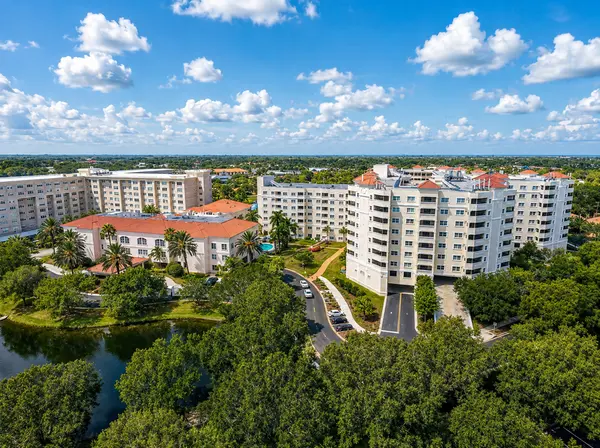
| Downtown Sarasota | Walkability, restaurants, arts, bayfront and urban living | Primarily condominiums, including luxury high-rises and newer developments |
| Southside / West of Trail | Established neighborhoods close to downtown, dining and Sarasota Bay | Older homes, renovated residences and newer luxury construction |
| Siesta Key | Beach lifestyle, boating and island atmosphere | Condos, cottages, single-family homes and waterfront properties |
| Lido Key | Beach living with St. Armands and downtown nearby | Beachfront condos, luxury residences and distinctive single-family homes |
| Longboat Key | Quieter island living, Gulf and bay waterfront, golf and boating | Condos, villas and luxury waterfront homes |
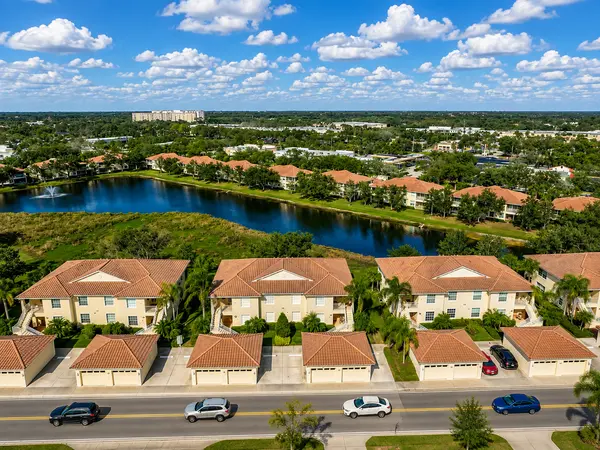
| Palmer Ranch | Master-planned living, trails, golf and convenient mainland location | Condos, villas, townhomes and single-family communities |
| The Meadows | Established community setting with recreation and mature landscaping | Condos, villas and single-family residences |
| Lakewood Ranch | Newer master-planned lifestyle, trails, town centers and recreation | New and resale homes across numerous villages and housing types |
These descriptions are starting points rather than rankings. Even within one part of Sarasota, individual communities can differ substantially in housing, association rules, amenities and overall feel.
1. Decide How Close You Really Want to Be to the Beach
For many people relocating to Sarasota, beach access starts near the top of the wish list. The important question is what "close to the beach" actually means to you.
Do you want to walk onto the sand from your condominium? Would a short drive work? Or do you simply want the beach available for occasional weekends?
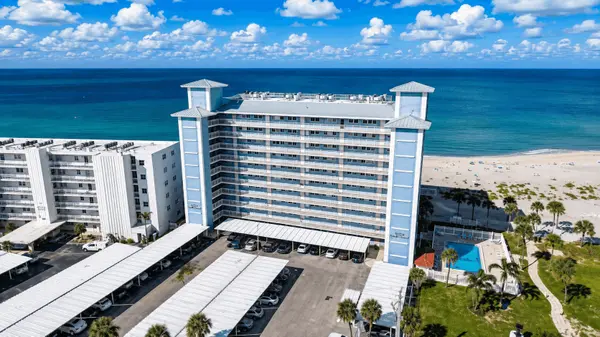
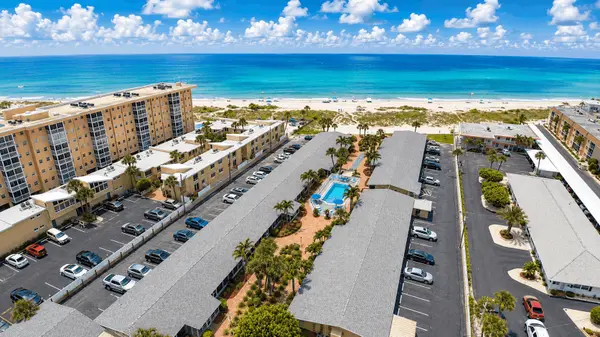
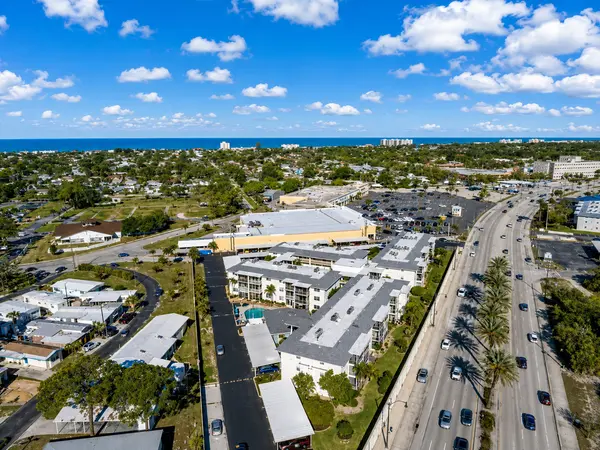
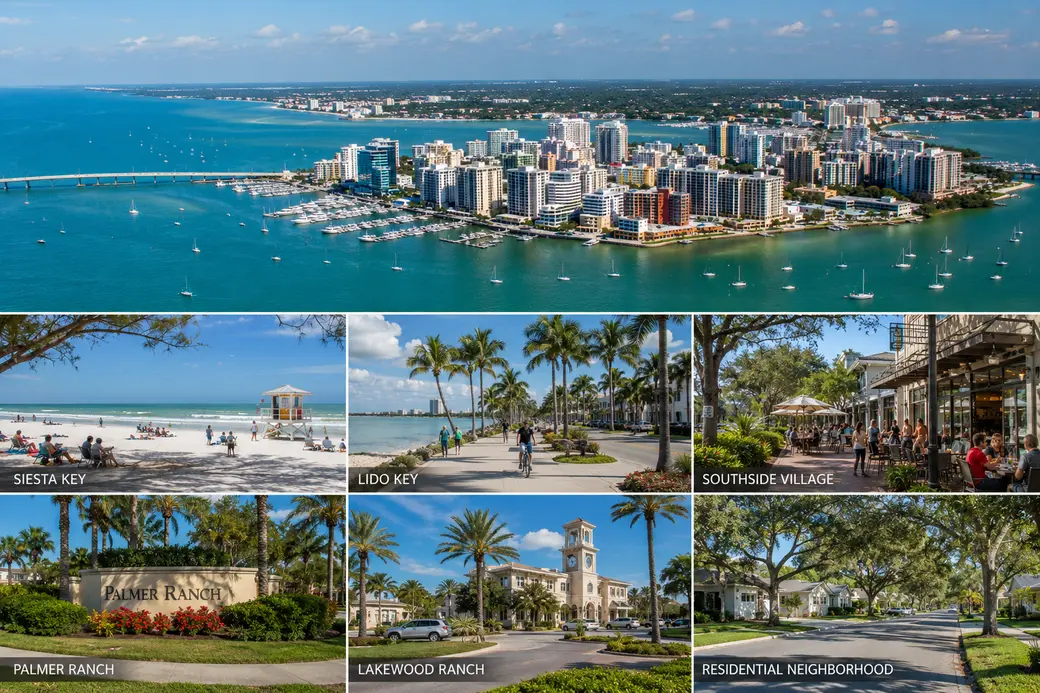
If beach access is central to everyday life, Siesta Key, Lido Key and Longboat Key deserve consideration. Siesta Key has three principal beach areas—Siesta Beach, Crescent Beach and Turtle Beach—while Lido Key combines its beaches with nearby St. Armands Circle. Longboat Key generally offers a more tranquil island environment. :contentReference[oaicite:2]{index=2}
If you expect to visit the beach only occasionally, paying a substantial location premium simply to live on a barrier island may not match your actual lifestyle.
2. Decide Whether Walkability Is a Priority
Walkability varies dramatically across the Sarasota area. If being able to leave the car at home for restaurants, entertainment or coffee matters, focus your search accordingly.
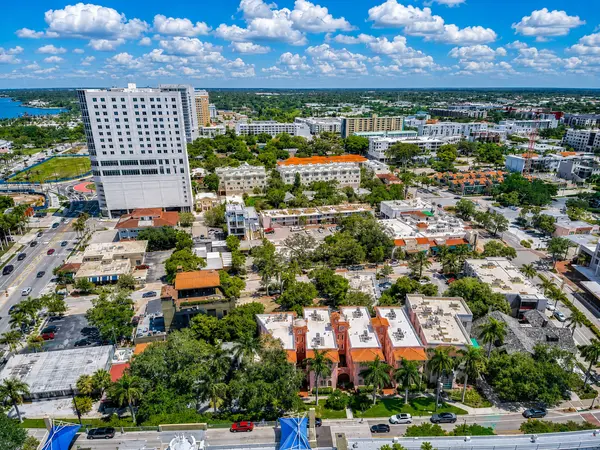
Downtown Sarasota is the obvious place to investigate for an urban lifestyle. Visit Sarasota County highlights its bayfront, restaurants, Rosemary District and performing arts environment. Southside Village provides a smaller neighborhood commercial district south of downtown, while St. Armands Circle offers shopping and dining close to Lido Key. :contentReference[oaicite:3]{index=3}
Siesta Key Village offers another walkable concentration of dining, shops and entertainment near the northern part of Siesta Key. Visit Sarasota County currently describes the Village as having more than 100 shops, bars, restaurants and hotels. :contentReference[oaicite:4]{index=4}
3. Test the Commute Before You Buy
A location that looks convenient on a map can feel very different during actual Sarasota traffic. Barrier-island bridges, seasonal visitor activity, major intersections and the distance between east-west destinations can all affect a routine.
Before buying, drive your likely commute at approximately the time you would normally make it. Test the trip to work, healthcare, grocery stores, family, the airport and any destination you expect to visit frequently.
Someone working near downtown may reach a very different neighborhood conclusion from someone commuting east of Interstate 75. Likewise, a buyer who flies frequently may weigh access to Sarasota-Bradenton International Airport differently from someone who rarely travels.
4. Choose Between Island, Urban, Established Suburban and Master-Planned Living
One useful way to simplify a Sarasota search is to divide potential locations into broad lifestyle categories.
Island Living
Consider Siesta Key, Lido Key or Longboat Key if proximity to Gulf or bay water is fundamental to the reason you are moving to Sarasota. Expect tradeoffs involving traffic, coastal exposure, insurance considerations and, depending on the property, association fees.
Urban Living
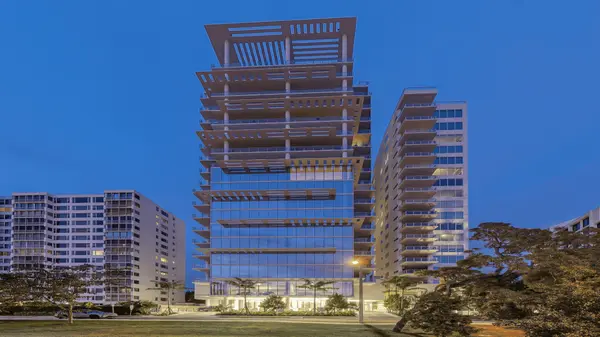
Downtown Sarasota can appeal to buyers who prioritize restaurants, cultural venues, the bayfront and condominium living over a large yard or suburban setting.
Established Mainland Neighborhoods
Areas such as Southside, South Gate, Arlington Park and West of Trail neighborhoods can appeal to buyers who like mature landscaping, established streets and proximity to central Sarasota. Housing age and renovation history can vary widely within these locations.
Master-Planned Communities
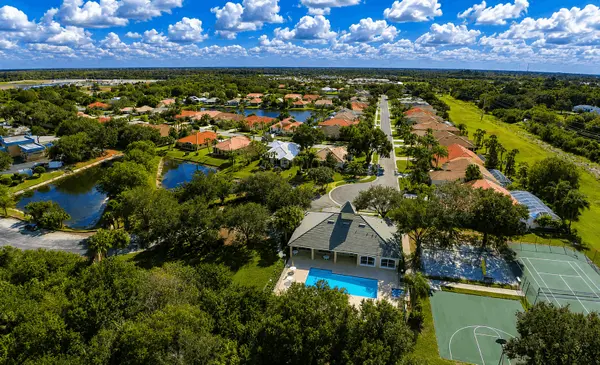
Palmer Ranch and Lakewood Ranch offer a different model. Visit Sarasota County describes Palmer Ranch as a 10,000-acre master-planned community with more than 20 neighborhoods and convenient access to the Legacy Trail. Lakewood Ranch is much larger and includes numerous villages, parks, extensive trails and multiple town centers. :contentReference[oaicite:5]{index=5}
5. Match the Neighborhood to the Home You Want
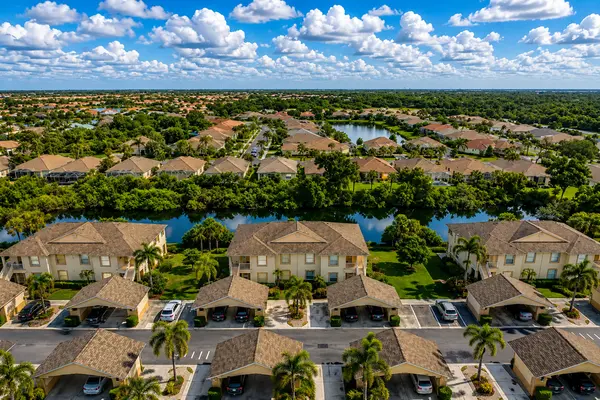
Neighborhood and property type are closely connected. If you want a high-rise condominium with extensive amenities, downtown and selected waterfront areas may produce more choices. If you want a newer single-family home, eastern Sarasota-area master-planned communities may provide a broader selection.
Buyers looking for older Florida architecture, renovation opportunities or mature lots may prefer established neighborhoods closer to Sarasota's urban core.
Instead of asking, "Where is the nicest neighborhood?" ask, "Where am I most likely to find the kind of home I want in the setting I want?"
6. If Schools Matter, Verify the Address Before You Buy
Families often include school access in their location decision, but buyers should avoid relying on a listing, neighborhood name or assumptions about attendance boundaries.
Sarasota County Schools instructs families to determine their attendance zone using the residential address and the district's current school-zone tools. The district's 2026–2027 materials also address attendance zones and school-choice options. :contentReference[oaicite:6]{index=6}
School assignments, programs and boundaries can change. Buyers for whom a particular public school is important should verify the current assignment directly with Sarasota County Schools for the specific property address before making a purchasing decision.
7. Understand Flood Risk at the Property Level
Do not assume that two homes in the same Sarasota neighborhood have identical flood considerations. Flood mapping should be reviewed for the individual property.
Sarasota County reports that FEMA issued new flood maps affecting county property owners on March 27, 2024. The county explains that Flood Insurance Rate Maps identify Special Flood Hazard Areas and insurance risk zones and notes that flood risk can change over time. :contentReference[oaicite:7]{index=7}
Also remember that flood zones and hurricane evacuation levels are not the same thing. Sarasota County specifically notes that the 2024 flood-map changes do not alter hurricane evacuation levels. :contentReference[oaicite:8]{index=8}
Buyers should verify current property-specific flood information through official sources and, where appropriate, review elevation, flood history and related questions with qualified insurance, inspection, engineering or other professionals.
8. Price Insurance Before You Fall in Love With the House
Purchase price is only one part of housing affordability in coastal Florida. Insurance can materially affect the cost of owning two otherwise similarly priced properties.
Construction type, roof age, wind-mitigation features, elevation, location, claims history and other property characteristics may affect available coverage and premiums. Condominium buyers also need to understand the relationship between association master coverage and individual unit coverage.
Insurance availability, coverage and premiums can vary substantially by property. Buyers should obtain property-specific quotes and review coverage with a qualified insurance professional before making a purchasing decision.
9. Decide How Much Association Structure You Want
Some buyers appreciate a community with architectural standards, landscaping programs, recreational facilities and organized maintenance. Others prefer fewer restrictions and greater control over their property.
Neither approach is inherently better. What matters is knowing which environment you prefer before narrowing the search.
For a condominium or homeowners association, review current fees, rules, financial information, rental provisions, pet policies, vehicle restrictions and other applicable documents. Questions involving the legal effect of association documents or an owner's rights and obligations should be reviewed with a qualified Florida real estate attorney when individualized legal guidance is needed.
10. Think About the Age of the Neighborhood and Home
Sarasota gives buyers a wide range of construction eras. Established neighborhoods can provide mature trees, distinctive architecture and central locations, but individual homes may also require more investigation of roofs, plumbing, electrical systems, windows, HVAC equipment and prior renovations.
Newer communities can offer contemporary floor plans and construction, but buyers may encounter association structures, community development fees or other ongoing costs depending on the property.
Inspection findings and questions about structural or building systems should be evaluated with the appropriate licensed inspector, contractor, engineer or other qualified professional before making a property-specific decision.
11. Golfers Should Choose the Community Before the House
If golf is a major reason for moving to Sarasota, investigate the club structure before buying the residence. Golf communities can differ in membership arrangements, initiation costs, dues, amenities, course access and whether membership is tied to property ownership.
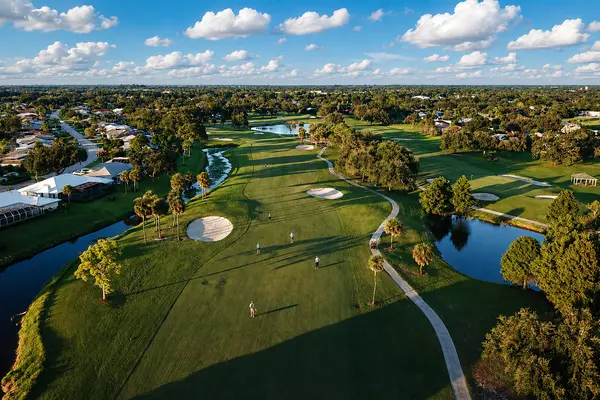
Sarasota-area buyers can investigate communities in and around Palmer Ranch, Lakewood Ranch, The Meadows, Laurel Oak and other golf-oriented locations. But current membership terms should always be confirmed directly with the applicable club before purchasing based on expected access.
12. Boaters Need to Look Beyond "Waterfront"
A waterfront property is not necessarily a suitable boating property. If you plan to keep a boat at home, evaluate the specific water access rather than the listing description alone.
- Water depth
- Bridge clearance
- Distance and route to open water
- Dock configuration
- Lift capacity
- Seawall condition
- Permitting and applicable restrictions
Buyers should verify these matters with the appropriate marine contractor, surveyor, engineer, local permitting authority or other qualified professional before determining whether a property is suitable for a particular vessel.
13. Consider Where You Will Spend Your Free Time
Where you spend Saturday morning can be just as important as where you commute Monday morning.
If your ideal weekend means walking downtown, attending a performance and having dinner nearby, central Sarasota may make sense. If it means beach mornings, investigate the barrier islands or mainland areas with convenient beach access. If you want trails and recreational amenities integrated into the community, Palmer Ranch or Lakewood Ranch may rise on the list.
Visit Sarasota County's relocation guide illustrates how different these choices can be: Downtown Sarasota emphasizes bayfront and cultural amenities; Longboat Key emphasizes island and waterfront living; Palmer Ranch combines numerous neighborhoods with access to the Legacy Trail; and Lakewood Ranch incorporates parks, trails and multiple town centers. :contentReference[oaicite:9]{index=9}
14. Visit Your Shortlist More Than Once
A neighborhood should be experienced at different times before you decide to live there.
Visit in the morning. Come back during the afternoon. Drive through around dinner. If possible, see the area on both a weekday and weekend.
Listen to traffic. Walk the streets. Drive to the grocery store. Test your commute. Go to the restaurant you think you will frequent. If the beach is important, make the actual trip from the neighborhood to the beach.
The goal is to stop experiencing the neighborhood as a visitor and start imagining it as part of an ordinary routine.
15. Separate Must-Haves From Nice-to-Haves
Most buyers cannot maximize every variable simultaneously. The beachfront property may mean less interior space. The larger newer home may put you farther from downtown. The highly walkable condominium may not provide the yard you imagined.
A simple three-column list can make the decision clearer:
| Must Have | Would Like | Can Compromise |
|---|---|---|
| Features that genuinely affect whether the move works | Features that improve the lifestyle but are not essential | Preferences you would trade for the right location or property |
Then rank the neighborhood using the must-haves before comparing individual houses.
A Practical Sarasota Neighborhood Checklist
Before putting a Sarasota neighborhood on your final shortlist, ask:
- Lifestyle: Does this location support what I actually expect to do every week?
- Housing: Does the area contain the property type and size I want?
- Budget: Have I considered ownership costs beyond the purchase price?
- Commute: Have I driven my normal routes at realistic times?
- Beach: How often will I realistically use it, and how easy is access?
- Walkability: Can I reach the places I care about the way I want?
- Schools: If relevant, have I verified the specific address with the school district?
- Flood: Have I reviewed current property-specific flood information?
- Insurance: Have I obtained a property-specific quote?
- Association: Do I understand the current fees and restrictions?
- Condition: Does the age and maintenance profile of homes here fit my expectations?
- Recreation: Are golf, boating, trails, beaches or other priorities convenient?
- Seasonality: Have I considered how the location may feel at different times of year?
Frequently Asked Questions About Choosing a Sarasota Neighborhood
What Is the Best Neighborhood in Sarasota?
There is no single best Sarasota neighborhood for every buyer. Downtown may be attractive to someone prioritizing walkability and culture, while Siesta Key may make more sense for a beach-focused buyer and Palmer Ranch or Lakewood Ranch may appeal to someone who prefers master-planned living. The right neighborhood depends on the buyer's housing needs, budget and lifestyle.
Where Should I Live if I Want to Walk to Restaurants?
Downtown Sarasota is one of the first areas to investigate. Other possibilities include neighborhoods near Southside Village, St. Armands Circle, Siesta Key Village and the town centers within Lakewood Ranch, depending on the type of home and overall setting you prefer.
Where Should I Look if I Want to Live Near the Beach?
Siesta Key, Lido Key and Longboat Key are obvious places to begin, but mainland neighborhoods can also provide convenient access to Gulf beaches without requiring barrier-island living. Compare the actual driving route and access point from any property you are considering.
Should I Choose the Neighborhood Before the House?
Usually, it is useful to narrow the location first. A home can often be remodeled, but its distance from the beach, downtown, work or other daily destinations cannot be changed.
How Can I Check the School Zone for a Sarasota Home?
Sarasota County Schools provides an address-based school-zone tool and instructs families to determine attendance zones using the residential address. Verify the current assignment directly with the district rather than relying on a real estate listing. :contentReference[oaicite:10]{index=10}
Is a Flood Zone the Same as a Hurricane Evacuation Zone?
No. Sarasota County specifically distinguishes FEMA flood mapping from hurricane evacuation levels. Buyers should check both separately for the property they are considering. :contentReference[oaicite:11]{index=11}
The Best Sarasota Neighborhood Is the One That Fits Your Routine
Sarasota's variety is one of its strengths. Within the broader area, buyers can choose urban condominium living, established residential streets, beach communities, golf neighborhoods, waterfront homes and newer master-planned developments.
The challenge is not finding a good place to live. It is deciding which version of Sarasota matches the life you intend to build after the moving boxes are unpacked.
Start with lifestyle. Narrow the geography. Compare ownership costs. Visit repeatedly. Then evaluate the individual homes within the locations that survive that process.
Explore Sarasota Neighborhoods With Hunt Brothers Realty
A relocation search becomes easier when you compare neighborhoods before comparing dozens of individual properties. A local real estate professional can help identify communities that fit your preferred housing type, price range, commute, beach access and lifestyle and then narrow the search to current listings.
Hunt Brothers Realty can help buyers explore Sarasota homes and neighborhoods, compare current listings and understand how different parts of the area fit their relocation priorities. When you are ready to begin narrowing your search, contact Hunt Brothers Realty to discuss your move.
Informational notice: This article provides general real estate and educational information only and is not individualized legal, financial, tax, insurance, lending, inspection, engineering, construction, title, association or other professional advice. Neighborhood conditions, school assignments, association rules and fees, insurance availability, flood information, development plans and ownership costs can change and vary by property. Buyers should verify information for the specific property and consult the appropriate licensed real estate professional, insurance agent, lender, Florida real estate attorney, tax professional, home inspector, engineer, contractor, association, school district, local government or other qualified professional before making a purchasing decision.
Sources
- Visit Sarasota County — Guide to Sarasota Neighborhoods
- Visit Sarasota County — Sarasota Relocation Guide
- Visit Sarasota County — Sarasota Area Beaches
- Sarasota County — FEMA Flood Maps
- Sarasota County Schools — Registration and School Zones
- Hunt Brothers Realty — Sarasota Real Estate
Contact Hunt Brothers Realty
Hunt Brothers Realty
46 N Washington Blvd, Ste #3
Sarasota, Florida 34236
Phone: (941) 388-7017
Email: info@huntbrothersrealty.com
Website: HuntBrothersRealty.com
Categories
- All Blogs 1889
- Anna Maria Island 82
- Bird Key 4
- Bradenton 234
- Buying a Home 963
- Casey Key 2
- Clearwater 8
- Condos & HOA Living 873
- Ellenton 5
- Englewood 9
- First Time Homebuyers 1066
- Foreclosures 3
- Homeownership 1086
- Lakewood Ranch 20
- Lido Key 27
- Longboat Key 78
- Luxury/Waterfront Properties 1024
- Market Updates & Trends 563
- Mortgages & Financing 38
- Move-Up Buyers 20
- Neighborhood Guides 697
- New Construction 29
- Palmetto 3
- Parrish 6
- Port Charlotte 10
- Punta Gorda 15
- Real Estate Investing 943
- Relocation to Florida 989
- Safety Harbor 2
- Sarasota 65
- Sarasota - Downtown 157
- Selling a Home 142
- Siesta Key 89
- St. Petersburg 6
- Tierra Verde 4
- Vacation & Second Homes 1136
- Venice 72
- Wellen Park 9
Recent Posts