Moving to Florida’s Gulf Coast: A New Resident’s Guide
Moving to Florida’s Gulf Coast involves more than finding a home near beautiful beaches, waterfront communities and tropical landscapes. New residents in Sarasota, Bradenton, Venice, Lakewood Ranch, Nokomis, North Port and surrounding communities must also establish utilities, understand local government services, prepare for seasonal weather and become familiar with regional traditions. From setting up electricity and water service to exploring farmers markets, recreational trails, cultural attractions and volunteer opportunities, settling into Gulf Coast life involves both practical responsibilities and exciting discoveries. This guide introduces the essential resources, everyday routines and community experiences that can help new residents become more comfortable in their Florida surroundings.
Quick Answers About Moving to Florida’s Gulf Coast
What should new Florida Gulf Coast residents do first?
New residents should establish electricity, water, wastewater, internet and waste collection services, update their mailing address and confirm property insurance coverage. Learning local emergency procedures and identifying the government agencies responsible for their specific address are also important early priorities.
Who provides electricity on Florida’s Gulf Coast?
Florida Power & Light serves many properties throughout Sarasota and Manatee counties, while other providers, including Peace River Electric Cooperative, serve portions of the surrounding region. Residents should confirm the electricity provider assigned to their individual property address.
How do new residents establish water and sewer service?
Water and wastewater services may be provided by a county, municipality, private utility or community association. Some properties rely on private wells and septic systems. Buyers should identify the property's existing arrangements before establishing accounts.
When is hurricane season on Florida’s Gulf Coast?
The official Atlantic hurricane season runs from June 1 through November 30. Residents should understand their evacuation level, review flood information, establish an emergency plan and register for local emergency notifications before storms develop.
What recreational activities are available on Florida’s Gulf Coast?
Regional recreation includes swimming, boating, fishing, kayaking, paddleboarding, cycling, golfing, pickleball, nature walks and wildlife observation. Residents also have access to museums, botanical gardens, performing arts venues and numerous public parks.
What local traditions are popular along Florida’s Gulf Coast?
Popular regional traditions include sunset gatherings, farmers markets, beach drum circles, holiday boat parades, seafood festivals, outdoor concerts and community celebrations. These activities reflect the region's connection to its coastal environment, agricultural heritage and cultural institutions.
How can new residents become involved in their communities?
Residents can participate in neighborhood gatherings, volunteer organizations, library programs, recreational leagues, environmental conservation projects and local government meetings. Community associations and civic organizations also provide opportunities to meet neighbors and contribute to local initiatives.
Is living on Florida’s Gulf Coast different from vacationing here?
Yes. Permanent and seasonal residents must consider household maintenance, insurance, transportation, seasonal population changes, weather preparedness and neighborhood responsibilities. Understanding these practical aspects can complement the recreational and cultural experiences that attract visitors to the region.
Understanding Florida’s Gulf Coast Communities
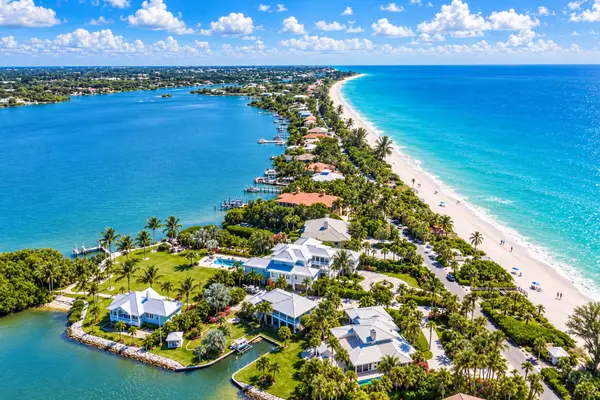
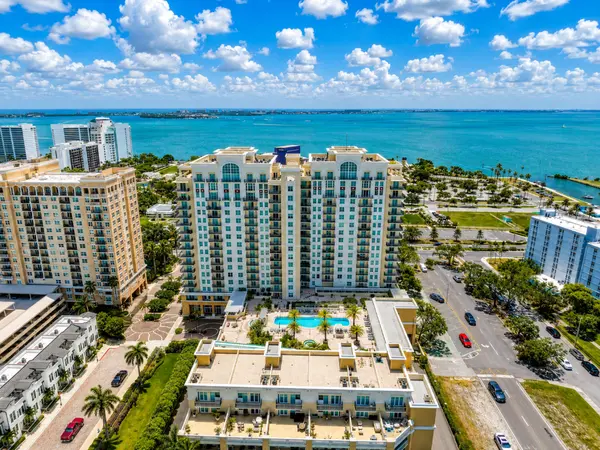
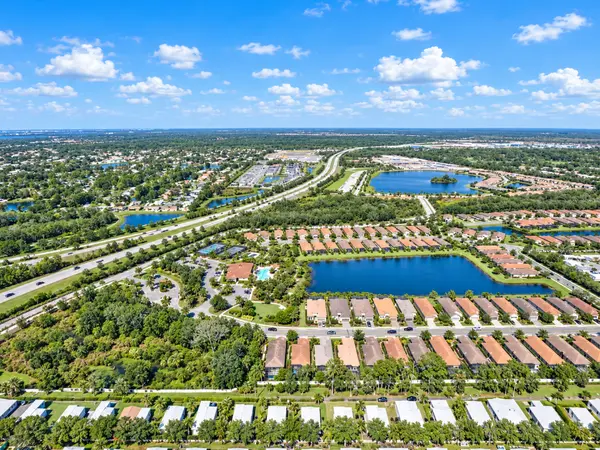
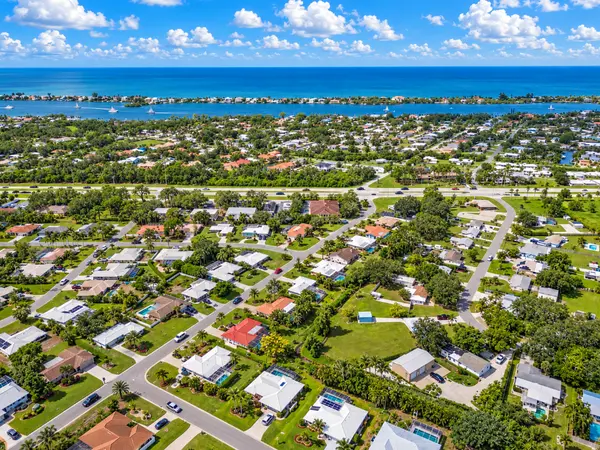
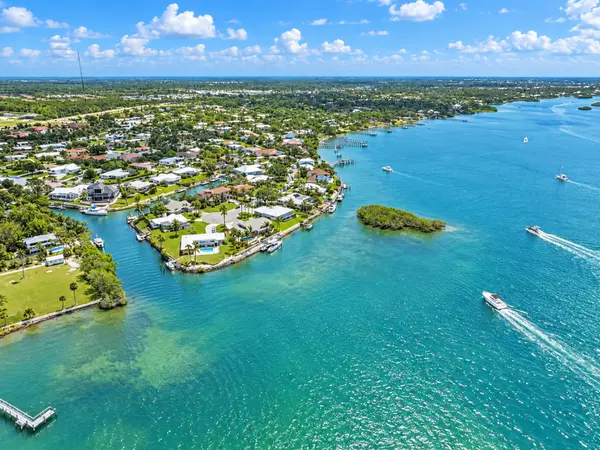
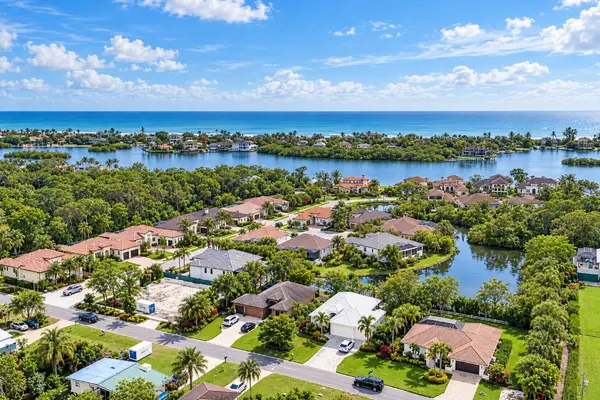
Florida’s Gulf Coast encompasses numerous cities, counties, barrier islands and residential communities, each with its own characteristics and local government arrangements. Within Sarasota and Manatee counties, residents can choose from downtown condominiums, established suburban neighborhoods, waterfront estates, golf communities, coastal villas and newer master-planned developments.
Understanding the differences between these settings can help newcomers make informed decisions about their daily routines, transportation needs, recreational interests and household responsibilities.
Sarasota and surrounding coastal communities
The Sarasota area combines downtown residential living, established neighborhoods, cultural institutions, waterfront parks and nearby barrier islands. Longboat Key, Lido Key and Siesta Key provide different coastal residential environments, while mainland neighborhoods offer a wide variety of housing styles and ownership arrangements.
Bradenton, Lakewood Ranch and Manatee County
Manatee County includes established residential neighborhoods, riverfront communities, agricultural areas and newer developments. Lakewood Ranch extends across portions of Manatee and Sarasota counties, making it especially important for residents to identify the jurisdiction responsible for their individual property.
Bradenton and the surrounding area also provide access to the Manatee River, regional preserves, cultural destinations and the beaches of Anna Maria Island.
Venice, Nokomis, Osprey and southern Sarasota County
Southern Sarasota County offers historic downtown districts, established coastal neighborhoods, waterfront properties, newer residential developments and access to beaches along Casey Key and the Venice coastline.
North Port and Wellen Park introduce additional residential opportunities with different combinations of newer construction, established neighborhoods, natural areas and community amenities.
New residents can compare regional housing options through the Hunt Brothers Realty Florida Gulf Coast community directory.
Setting Up Utilities After Moving to Florida’s Gulf Coast
Establishing household utilities is one of the most immediate responsibilities after purchasing or leasing a Gulf Coast residence. Electricity, water, wastewater, internet and waste collection arrangements depend on the property's location and ownership structure.
Whenever possible, contact the appropriate providers before moving day to confirm account requirements and service activation arrangements.
Electricity service
Florida Power & Light, commonly known as FPL, provides electricity to many residential properties throughout the region. Peace River Electric Cooperative serves certain areas, particularly within portions of Manatee County and neighboring counties.
New residents establishing electrical service should confirm:
- The electricity provider assigned to the property.
- The requested service activation date.
- Account identification and deposit requirements.
- Available electronic billing and payment options.
- Outage reporting procedures.
- Storm-related notifications and account alerts.
- Available energy efficiency programs.
Air conditioning represents an important component of household electricity consumption in Florida. Actual utility expenses depend on home size, insulation, equipment efficiency, occupancy patterns, weather conditions and applicable electricity rates.
Water and wastewater services
Water and wastewater service boundaries do not always correspond directly with mailing addresses or municipal boundaries. A property with a Sarasota mailing address, for example, may receive services from a different jurisdiction than a residence located within the City of Sarasota.
Regional government and utility resources include:
- Sarasota County Public Utilities Customer Service
- Manatee County Government and Utilities
- City of Sarasota
- City of Bradenton
- City of Venice
- City of North Port
- Town of Longboat Key
Sarasota County Public Utilities requires documentation establishing ownership or tenancy when opening new residential service accounts. Other providers may have different application requirements, processing schedules and deposit policies.
Private wells and septic systems
Not every Gulf Coast property is connected to centralized water and wastewater infrastructure. Private wells and septic systems are found throughout portions of North Port, rural Manatee County and other established residential areas.
These arrangements introduce different maintenance responsibilities, including water quality testing, treatment equipment servicing, septic system inspections and potential future connection requirements where public infrastructure becomes available.
Homeowners should consult qualified well and septic professionals regarding their particular systems. Environmental health resources are available through the Florida Department of Health.
Internet, television and telephone services
Internet availability varies by neighborhood and individual building. Cable, fiber-optic, fixed wireless and other broadband services may be available depending on existing infrastructure.
Residents who work remotely should verify actual service availability, upload and download speeds, installation requirements and equipment compatibility before relying on advertised neighborhood coverage.
Some condominiums and homeowners associations maintain bulk internet or cable agreements included within association fees. Residents should review their community arrangements before purchasing separate subscriptions.
The FCC National Broadband Map provides an additional starting point for researching service providers by address.
Natural gas and propane
Many Florida homes rely entirely on electricity, while others use natural gas or propane for cooking, water heating, outdoor kitchens, pool heaters or standby generators.
Where natural gas is available, providers may include Peoples Gas. Properties with propane tanks may have separate supply agreements, equipment ownership arrangements and inspection requirements.
Residents should confirm fuel service arrangements and consult qualified professionals regarding equipment operation, servicing and safety requirements.
Garbage, recycling and yard waste collection
Residential waste collection procedures differ among municipalities, counties and private communities. Collection providers, approved containers, pickup days, recycling requirements and bulk-item disposal arrangements should be confirmed for the individual property.
New residents should become familiar with:
- Regular household garbage collection days.
- Accepted recyclable materials.
- Container placement requirements.
- Yard waste and landscape debris procedures.
- Furniture and appliance disposal arrangements.
- Household hazardous waste collection facilities.
- Holiday-related collection adjustments.
- Post-storm debris collection instructions.
Condominium residents may instead use shared refuse facilities managed through their association. Applicable instructions should be included in the community's resident orientation materials.
Essential Utility and Government Resources for New Residents
Saving relevant service providers and government websites can simplify the process of establishing a household and resolving routine questions after moving.
| Service | Resource | Purpose |
|---|---|---|
| Electricity | FPL or PRECO | Account activation, billing and outage reporting. |
| Water and wastewater | Sarasota County or Manatee County | Identify applicable county or municipal utility services. |
| Internet | FCC Broadband Map | Research address-specific broadband availability. |
| Driver licenses and vehicles | FLHSMV | Licensing, vehicle titles and registration. |
| Mail forwarding | USPS | Change of address and postal services. |
| Flood information | FEMA Flood Map Service Center | Official flood mapping resources. |
| Emergency preparedness | Florida Division of Emergency Management | State preparedness and emergency information. |
| Property records | Sarasota County Property Appraiser or Manatee County Property Appraiser | Property records and exemption information. |
Establishing Florida Residency and Updating Important Records
Residents relocating from another state should review the administrative responsibilities associated with establishing Florida residency. Driver licenses, vehicle registration, mailing addresses, insurance arrangements and property tax exemptions may require attention after a move.
Florida driver licenses and vehicle registration
New Florida residents generally must obtain a Florida driver license within 30 days of establishing residency. Vehicle registration and titling requirements may apply within shorter periods, including a 10-day timeframe following certain residency-related events.
Required documentation, insurance arrangements and applicable exceptions should be reviewed through the Florida Department of Highway Safety and Motor Vehicles before scheduling an appointment.
Local services are also available through the Sarasota County Tax Collector and Manatee County Tax Collector.
Mailing addresses and household accounts
A change of address through the United States Postal Service is useful, but forwarding mail does not automatically update every financial, government or commercial account.
Residents should separately update relevant banks, employers, insurance companies, healthcare providers, subscription services, government agencies and professional contacts.
Florida homestead exemptions and property taxes
Eligible Florida homeowners who establish a qualifying permanent residence may be entitled to homestead property tax benefits and other applicable exemptions. Eligibility generally depends on ownership, residency and statutory filing requirements.
The regular homestead exemption application deadline is generally March 1, with eligibility ordinarily determined as of January 1 of the applicable tax year.
Homeowners should confirm current requirements with their county property appraiser. Tax consequences, residency classifications and legal protections can depend on individual circumstances and should be reviewed with a qualified tax professional or Florida attorney when appropriate.
Voter registration and civic records
Eligible residents can register to vote or update their existing registration through Florida's official voter registration website.
Learning which municipality, county commission district and other local jurisdictions serve a property can also help residents understand how decisions affecting their neighborhood are made.
Understanding Florida’s Seasonal Climate and Everyday Home Maintenance
Florida’s Gulf Coast has a subtropical climate characterized by warm temperatures, humid summers, seasonal rainfall and generally milder winter conditions. These characteristics influence household maintenance, utility consumption, outdoor recreation and daily routines.
Winter and the busy seasonal months
The cooler months are popular for outdoor recreation, community festivals, performing arts and extended seasonal visits. The arrival of seasonal residents and visitors can also increase demand for restaurant reservations, recreational facilities, roadways and professional services.
Year-round residents often adjust their routines by visiting popular destinations during less congested periods, allowing additional travel time and scheduling services in advance.
Summer heat, humidity and afternoon thunderstorms
Summer brings higher temperatures, increased humidity and frequent thunderstorms. Residents often plan outdoor activities during cooler morning hours or later portions of the day when weather conditions permit.
Air conditioning, indoor humidity management, drainage maintenance and weather awareness become particularly relevant during these months.
Outdoor recreation should be postponed when lightning or dangerous weather threatens. Regional forecasts and severe weather information are available through the National Weather Service.
Routine maintenance for Florida homes
Florida's climate introduces maintenance considerations that may be unfamiliar to homeowners relocating from cooler or drier regions.
Routine household planning may include:
- Air-conditioning equipment servicing.
- Indoor humidity and moisture monitoring.
- Roof and drainage system maintenance.
- Pest and termite prevention.
- Landscape and irrigation system upkeep.
- Swimming pool and screen enclosure maintenance.
- Exterior paint and sealant monitoring.
- Storm protection equipment inspections.
- Salt-related corrosion monitoring near coastal waterways.
- Seawall, dock and boat lift maintenance where applicable.
Maintenance requirements vary by building age, construction type, exposure and ownership structure. Qualified inspectors, contractors and other appropriate professionals should evaluate property-specific conditions and establish suitable maintenance arrangements.
Florida-friendly landscaping and water conservation
Florida-friendly landscaping emphasizes appropriate plant selection, efficient irrigation, responsible fertilization and reduced environmental impacts. Native and well-adapted plants can contribute to landscapes suited to local soil, rainfall and climate conditions.
The University of Florida's Florida-Friendly Landscaping Program offers educational resources for homeowners interested in understanding regional gardening practices.
Watering schedules and restrictions may change according to local regulations and water supply conditions. Residents should consult their utility provider and the Southwest Florida Water Management District before establishing irrigation schedules.
Hurricane Preparedness for New Gulf Coast Residents
Hurricane preparedness is a fundamental aspect of living along Florida’s Gulf Coast. Residents should establish household emergency plans before hurricane season, understand property-specific risks and follow current instructions from local emergency management officials.
The official Atlantic hurricane season extends from June 1 through November 30, although tropical weather can occur outside this period.
Understanding flood zones and evacuation levels
Flood zones and hurricane evacuation levels are different classifications serving different purposes. FEMA flood maps address mapped flood hazards, while local evacuation levels are used by emergency management officials when planning and issuing storm-related evacuation instructions.
A property's flood zone should not be used as a substitute for determining its evacuation level. Storm surge, rainfall flooding and other hazards can affect properties beyond the immediate coastline.
Residents can access flood mapping through the FEMA Flood Map Service Center and evacuation information through their local emergency management agencies.
Registering for local emergency alerts
Local emergency notifications provide important information concerning evacuation instructions, severe weather, road closures and other emergency conditions.
Useful resources include:
- Sarasota County Emergency Preparedness
- Alert Sarasota County
- Manatee County Government and Emergency Management
- Florida Division of Emergency Management
- National Hurricane Center
- Ready.gov Emergency Preparedness Resources
Creating a household emergency plan
A household emergency plan should account for every occupant, including pets, and address transportation, communications, temporary accommodations and essential supplies.
- Identify your property's evacuation level.
- Establish an evacuation destination and transportation arrangements.
- Maintain essential food, water and household supplies according to official guidance.
- Keep necessary medications and medical information accessible.
- Store important documents securely and maintain electronic copies.
- Prepare appropriate arrangements for pets.
- Understand association-specific emergency procedures.
- Maintain current emergency contacts and insurance information.
- Follow official evacuation orders and emergency instructions.
Residents requiring additional medical or transportation assistance should investigate available county emergency support programs in advance rather than waiting until a storm approaches.
Homeowners insurance and flood coverage
Standard homeowners insurance generally does not cover flooding. Separate flood coverage may be necessary or required depending on the property, financing arrangements and individual insurance circumstances.
Residents should review hurricane deductibles, flood coverage, personal property protection, association master policies and other relevant insurance provisions with a qualified insurance professional.
Educational resources are available through the National Flood Insurance Program and the Florida Office of Insurance Regulation.
Exploring the Beaches of Florida’s Gulf Coast
One of the most enjoyable aspects of becoming a Gulf Coast resident is discovering the region's diverse beaches beyond the traditional vacation experience. Each shoreline offers different scenery, recreational opportunities, access arrangements and nearby amenities.
Siesta Key Beach
Siesta Key Beach is internationally recognized for its fine, predominantly quartz sand and expansive public shoreline. Its recreational facilities and proximity to Siesta Key Village make it a prominent destination for both residents and visitors.
Lido Beach and St. Armands Circle
Lido Key combines Gulf-front recreation with access to the restaurants, boutiques and commercial destinations surrounding St. Armands Circle. Nearby parklands also provide opportunities to experience mangrove habitats and coastal natural areas.
Longboat Key
Longboat Key extends across portions of Sarasota and Manatee counties, offering residential coastal scenery and designated public beach access locations. Residents should distinguish public access points from private beachfront property and community-controlled facilities.
Nokomis Beach and Casey Key
Nokomis Beach and nearby North Jetty Park provide access to the southern portion of Casey Key, combining Gulf shoreline recreation with views of surrounding coastal waterways and Venice Inlet.
Venice Beach and Caspersen Beach
The Venice coastline is closely associated with fossilized shark tooth hunting. Searching for shark teeth and other naturally occurring shoreline treasures is a longstanding recreational activity that contributes to the area's distinctive coastal identity.
Anna Maria Island
Anna Maria Island includes the cities of Anna Maria, Holmes Beach and Bradenton Beach. Its coastal communities feature public beaches, local dining destinations and traditional island residential environments.
Beach access, parking, lifeguard schedules and facility availability may change due to weather, maintenance or restoration projects. Residents should check current conditions through the applicable municipality or county before visiting.
Boating, Fishing, Kayaking and Waterfront Recreation
Florida’s Gulf Coast offers extensive recreational opportunities across bays, rivers, estuaries, mangrove waterways and the Gulf itself. Residents do not necessarily need waterfront property or their own boat to participate in these activities.
Boating and regional waterways
Sarasota Bay, Little Sarasota Bay, Blackburn Bay, the Manatee River and the Intracoastal Waterway form part of the region's extensive marine environment.
Public boat ramps, commercial marinas, boat rental businesses and membership-based boating organizations provide various ways to access the water. Availability, fees and vessel restrictions depend on the individual facility.
New boaters should review Florida boating education requirements, navigation regulations, safety equipment requirements and manatee protection zones through the Florida Fish and Wildlife Conservation Commission.
Fishing and local regulations
Fishing is an established part of Gulf Coast recreation, with opportunities ranging from shoreline fishing and public piers to inshore charters and offshore trips.
Florida fishing requirements vary according to residency, age, fishing method, location and species. Residents should confirm applicable licenses, seasonal closures, size restrictions and catch limits through the Florida Fish and Wildlife Conservation Commission fishing resources.
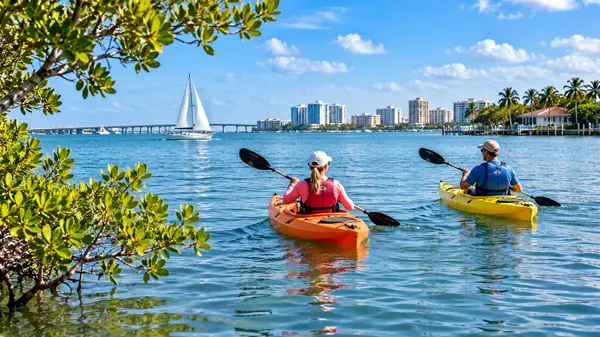
Kayaking and paddleboarding
Sheltered bays, mangrove waterways and designated paddling areas offer opportunities to experience the region's natural coastal environment. Local outfitters and public launching facilities provide access for residents with different levels of experience.
Paddlers should evaluate weather, tidal conditions, vessel traffic, personal ability and applicable safety requirements before entering the water.
Parks, Nature Preserves and Recreational Trails
The Gulf Coast's natural attractions extend beyond its beaches. Regional parks and preserves feature freshwater wetlands, pine flatwoods, mangrove forests, rivers, coastal habitats and recreational trails.
The Legacy Trail
The Legacy Trail is an important recreational corridor connecting portions of Sarasota County, including Sarasota, Nokomis and Venice. Its paved pathways support walking, bicycling and other permitted recreational uses.
Designated trailheads and connecting pathways allow residents to explore different sections of the county while experiencing neighborhoods and natural surroundings beyond major roadways.
Myakka River State Park
Myakka River State Park provides opportunities to experience Florida's inland natural environment, including wetlands, wildlife habitats and expansive landscapes distinctly different from the region's developed coastline.
Activities may include hiking, wildlife observation, cycling and other designated recreational uses, subject to current conditions and park regulations.
Oscar Scherer State Park
Oscar Scherer State Park in the Osprey area preserves important natural habitats and offers recreational trails, camping opportunities and access to South Creek.
The park is particularly relevant to residents interested in birdwatching, native habitats and the conservation of Florida scrub-jays.
Robinson Preserve
Robinson Preserve in Manatee County features restored coastal habitats, recreational pathways, observation opportunities and designated paddling areas. It provides a valuable connection between regional environmental conservation and public recreation.
The Bay Sarasota
The Bay is an evolving public waterfront park in downtown Sarasota featuring outdoor gathering spaces, programming, recreational opportunities and access to Sarasota Bay scenery.
Its public activities provide opportunities for newcomers to explore downtown Sarasota's waterfront and participate in community programming.
Nathan Benderson Park
Nathan Benderson Park provides a regional destination for rowing, paddling, walking, cycling and organized sporting events. Its location near the University Town Center area connects outdoor recreation with surrounding commercial destinations.
Golf, Pickleball, Tennis and Community Recreation
Golf, pickleball, tennis and community fitness programs are familiar elements of Gulf Coast residential living. Public facilities, private clubs and association-managed amenities provide different opportunities for participation.
Golf communities and regional courses
The Sarasota and Manatee region includes public, private and semi-private golf facilities. Some residential developments include golf memberships within their ownership arrangements, while others require separate memberships or have no mandatory golf affiliation.
Residents purchasing within golf-oriented communities should verify membership obligations, initiation fees, recurring dues, access privileges and applicable transfer requirements before committing to an individual property.
Pickleball and tennis
Pickleball and tennis facilities are available throughout many regional parks, recreation centers and residential communities. Organized leagues, instructional programs and informal group play provide opportunities to participate and meet other residents.
Court schedules, reservation systems, participation fees and membership requirements vary by location.
Community recreation programs
County recreation departments and local organizations offer activities that may include exercise classes, swimming, educational workshops, youth programs, arts instruction and recreational sports.
The official Sarasota County and Manatee County websites provide current information about public recreation facilities, program registration and seasonal schedules.
Local Traditions That Define Florida Gulf Coast Living
Florida’s Gulf Coast has an established collection of local traditions reflecting its maritime heritage, agricultural history, outdoor lifestyle and cultural institutions. Participating in these activities can help newcomers become familiar with the character of their surrounding communities.
Watching the sunset over the Gulf
Sunset viewing is one of the region's simplest and most recognizable traditions. Residents regularly gather at beaches, waterfront parks and outdoor dining locations to enjoy the changing colors of the western horizon.
For many newcomers, discovering a favorite sunset destination becomes part of establishing their own Gulf Coast routine.
Beach drum circles
Informal sunset drum circles have become familiar traditions at locations including Siesta Key Beach and Nokomis Beach. These gatherings combine percussion, music, dancing and shared enjoyment of the coastal environment.
Because these gatherings may be informally organized, schedules, attendance and locations can vary with weather, local regulations and other circumstances.
Farmers markets and locally produced foods
Farmers markets provide opportunities to purchase regional produce, prepared foods, artisan products and locally made goods while experiencing established downtown districts and neighborhood gathering spaces.
Popular regional markets include:
- Sarasota Farmers Market
- Venice Florida Farmers Market.
- Bradenton's downtown public market.
- Seasonal and community-organized markets throughout the region.
Market schedules, participating vendors and operating locations should be confirmed before visiting.
Florida stone crab and regional seafood traditions
Seafood plays a prominent role in the Gulf Coast's culinary identity. Regional restaurants and seafood markets frequently feature grouper, shrimp, stone crab and other seafood associated with Florida's commercial fishing industries.
Florida stone crab season is traditionally observed from October 15 through May 1. Current harvesting regulations and availability should be confirmed through official wildlife resources and individual seafood providers.
Local seafood festivals, waterfront restaurants and community events provide additional opportunities to experience the region's maritime food traditions.
Holiday boat parades and illuminated waterfront celebrations
Decorated boats traveling through local waterways are a distinctive holiday tradition along Florida's Gulf Coast. Sarasota, Venice and other waterfront communities have historically hosted illuminated boat parades during the holiday season.
These celebrations combine maritime culture with seasonal festivities and provide viewing opportunities from designated waterfront locations.
Historic Venice and shark tooth traditions
Venice is widely associated with fossilized shark teeth found along its coastline. This geological characteristic has inspired community celebrations, educational activities and recreational shoreline searches.
The city's historic downtown also hosts community gatherings, markets and cultural events throughout the year. Current information can be found through Venice MainStreet and the City of Venice events calendar.
A Seasonal Calendar of Gulf Coast Living
The region's annual rhythm is influenced by seasonal weather, tourism, cultural programming, wildlife activity and traditional celebrations. Understanding these patterns helps newcomers plan recreational activities and household responsibilities throughout the year.
| Season | Local Experiences | Practical Considerations |
|---|---|---|
| January to March | Arts programming, outdoor markets, golf, festivals and beach recreation. | Seasonal traffic, reservations and property tax exemption filing deadlines. |
| April to May | Spring recreation, wildlife activity and sea turtle nesting season beginning. | Hurricane preparation, air-conditioning servicing and landscape maintenance. |
| June to September | Water recreation, indoor cultural activities and early-morning outdoor exercise. | Heat, humidity, thunderstorms and hurricane season awareness. |
| October to November | Fall festivals, stone crab season and gradually cooler outdoor conditions. | Continued tropical weather awareness through November 30. |
| December | Holiday boat parades, botanical garden displays and community celebrations. | Holiday service schedules and increasing seasonal visitor activity. |
Individual event dates, weather conditions and seasonal conditions vary annually. Consult official organizers and relevant government agencies for current information.
Arts, Culture and the Gulf Coast’s Creative Heritage
The Sarasota region is frequently associated with its cultural institutions, performing arts organizations and artistic heritage. These resources contribute an important dimension to residential living beyond beaches and outdoor recreation.
The Ringling and Sarasota's circus heritage
The John and Mable Ringling Museum of Art preserves important aspects of Sarasota's artistic, architectural and circus-related history.
Its museum collections, historic Ca' d'Zan residence, circus exhibits and landscaped grounds provide opportunities to understand the historical influences that helped shape Sarasota's cultural identity.
Marie Selby Botanical Gardens
Marie Selby Botanical Gardens showcases tropical plant collections, botanical research and public educational programming through its Downtown Sarasota and Historic Spanish Point campuses.
The gardens provide opportunities to explore Florida's botanical environment while participating in seasonal exhibitions, workshops and special events.
Performing arts and live entertainment
Regional performing arts organizations offer opera, ballet, orchestral music, theater and other live entertainment throughout the year.
- Sarasota Opera
- The Sarasota Ballet
- Sarasota Orchestra
- Asolo Repertory Theatre
- Florida Studio Theatre
- Venice Theatre
- The Venice Symphony
- Manatee Performing Arts Center
Season subscriptions, individual performances, educational programming and volunteer opportunities allow residents to participate in the cultural community according to their interests.
Getting Involved in Your New Florida Community
Community involvement provides opportunities to build relationships, explore shared interests and contribute to the region beyond individual recreational activities. New residents can participate through neighborhood organizations, charitable groups, libraries, civic initiatives and environmental projects.
Neighborhood associations and residential gatherings
Many residential communities maintain social committees, neighborhood associations, organized recreational activities and periodic resident gatherings.
Attending introductory meetings, participating in community events and becoming familiar with shared facilities can help newcomers understand their neighborhood's established routines and organizational structure.
Public libraries and lifelong learning
Public libraries provide more than access to books. Regional library systems may offer educational presentations, technology assistance, book discussions, genealogy resources, children's programming and community meeting opportunities.
Residents can explore available services through Sarasota County's library system and the Manatee County Public Library System using their official county websites.
Library card eligibility, borrowing privileges and program registration requirements may differ by jurisdiction.
Volunteering with local charitable organizations
Volunteering can connect new residents with local needs while providing opportunities to contribute existing skills or develop new interests.
Regional organizations to explore include:
- All Faiths Food Bank: Food assistance and hunger-related community programs.
- Feeding Tampa Bay: Regional food distribution and community initiatives.
- Habitat for Humanity Sarasota: Community housing and related volunteer programs.
- Humane Society of Sarasota County: Animal welfare and adoption-related support.
- Mote Marine Laboratory & Aquarium: Marine science, education and conservation initiatives.
- American Red Cross: Disaster preparedness, emergency assistance and community programs.
Volunteer availability, training requirements, screening procedures and time commitments should be confirmed directly with each organization.
Environmental conservation and coastal stewardship
Environmental organizations throughout the Gulf Coast conduct educational programs, shoreline cleanups, habitat restoration activities and wildlife conservation initiatives.
Organizations such as the Sarasota Bay Estuary Program, Suncoast Waterkeeper and Sarasota Audubon Society offer opportunities to learn about regional environmental issues and conservation efforts.
Participating in local government
County commission meetings, city council meetings, planning hearings and public workshops provide opportunities to learn about issues affecting transportation, infrastructure, development, parks and community services.
Residents can review meeting agendas, public notices and participation procedures through the official websites of their local governments. Some jurisdictions also maintain citizen advisory boards and volunteer programs with specific eligibility requirements.
Supporting local businesses
Exploring independent restaurants, neighborhood markets, locally owned stores and regional service providers can help newcomers become familiar with the commercial character of their communities.
Downtown business associations, chambers of commerce and community organizations frequently maintain local event calendars and business directories that provide useful starting points.
Living Responsibly Along Florida’s Coastline
Coastal residential living involves sharing the regional environment with marine wildlife, protected habitats and recreational users. Understanding local conservation practices helps residents enjoy these resources while respecting applicable environmental regulations.
Sea turtle nesting season
Sea turtle nesting season along much of Florida's Gulf Coast generally occurs from May through October, although nesting periods can vary by species and location.
Residents and beach visitors should respect marked nesting areas, follow beachfront lighting regulations, avoid disturbing wildlife and comply with applicable beach equipment removal requirements.
Educational information is available through Mote Marine Laboratory and the Florida Fish and Wildlife Conservation Commission.
Manatees, dolphins and coastal wildlife
Manatees, dolphins, shorebirds and other wildlife are important components of the Gulf Coast's marine and coastal ecosystems.
Residents should observe wildlife without feeding, touching, pursuing or otherwise disturbing protected animals. Boaters must comply with applicable speed restrictions, wildlife protection zones and navigation regulations.
Red tide and coastal water conditions
Red tide is a naturally occurring harmful algal bloom associated with certain marine organisms. Its presence and intensity vary over time and by location and can affect marine life, beach conditions and outdoor experiences.
Residents can monitor current conditions through the Florida Fish and Wildlife Conservation Commission red tide resources and applicable public health advisories.
Individuals with respiratory conditions or other health concerns should follow public health guidance and seek advice from an appropriate healthcare professional when necessary.
Protecting local waterways from residential runoff
Residential landscaping, fertilizer use, irrigation and stormwater drainage can influence nearby waterways. Local fertilizer ordinances and water conservation requirements are designed in part to reduce environmental impacts.
Homeowners should familiarize themselves with applicable local requirements, dispose of household chemicals appropriately and consult qualified landscape professionals regarding responsible property maintenance.
Understanding Homeowners Associations, Condominiums and Community Districts
Many Florida Gulf Coast properties are situated within homeowners associations, condominium associations or community development districts. These arrangements influence community maintenance, recreational facilities, assessments and residential responsibilities.
Homeowners associations
Homeowners associations may establish requirements concerning property appearance, landscaping, parking, architectural modifications, recreational facilities and use of common areas.
New owners should obtain current governing documents, resident contact information, community access credentials and applicable association payment instructions.
Condominium associations
Condominium ownership commonly involves shared responsibility for building components, common areas, association insurance and recreational facilities. The division of maintenance responsibilities depends on governing documents and applicable law.
New condominium residents should become familiar with parking assignments, guest registration, delivery procedures, pet policies, renovation requirements and emergency arrangements.
Community development districts
Community development districts, commonly known as CDDs, are special-purpose local government entities that may finance, operate or maintain designated infrastructure and community facilities.
CDD assessments are often collected through property tax bills, although arrangements vary. These obligations are distinct from homeowners association fees, and some properties may be subject to both.
Residents should verify the applicable assessments, district responsibilities and governing documents for their individual property. Questions involving association obligations or legal interpretation should be reviewed with appropriate qualified professionals.
Healthcare, Transportation and Everyday Services
Establishing reliable access to healthcare, transportation and essential services helps new residents transition from the relocation process to regular household routines.
Healthcare and establishing local medical providers
Regional healthcare resources include hospital systems, primary care practices, specialists, pharmacies and urgent care facilities.
Healthcare organizations serving portions of the region include:
- Sarasota Memorial Health Care System
- Manatee Memorial Hospital
- Lakewood Ranch Medical Center
- HCA Florida Healthcare
Residents should confirm insurance network participation, physician availability, prescription transfer requirements and individual healthcare needs directly with appropriate providers.
Schools and educational resources
Households requiring public school enrollment should verify current attendance boundaries, registration procedures, transportation options and program availability through the appropriate school district.
Official resources include Sarasota County Schools and the School District of Manatee County.
School assignments should not be assumed solely from postal addresses, subdivision names or previous property listings.
Public transportation and regional travel
Although private vehicles are commonly used throughout the region, public transit, bicycle infrastructure, pedestrian routes and other transportation services are available in selected areas.
Sarasota County's Breeze Transit and Manatee County Area Transit provide regional transportation services with routes, operating schedules and eligibility requirements that should be reviewed according to individual travel needs.
Airports and visiting guests
Gulf Coast residents have access to several commercial airports, depending on their location and travel requirements.
- Sarasota Bradenton International Airport (SRQ)
- Tampa International Airport (TPA)
- Punta Gorda Airport (PGD)
- Southwest Florida International Airport (RSW)
Flight availability, airline destinations and ground transportation arrangements vary. Seasonal traffic and regional road conditions should also be considered when planning airport trips.
Your First 90 Days on Florida’s Gulf Coast
Breaking relocation responsibilities into manageable stages can help new residents establish their households while allowing time to discover the surrounding community. Time-sensitive legal, insurance and registration obligations should always receive priority over a general relocation schedule.
Before moving and during the first week
- Arrange electricity, water and internet activation.
- Confirm appropriate property and vehicle insurance coverage.
- Update your mailing address and essential accounts.
- Identify garbage and recycling collection procedures.
- Obtain keys, access credentials and association orientation materials.
- Locate applicable emergency shutoffs and obtain professional guidance where needed.
- Confirm flood information and evacuation levels.
- Register for emergency notifications.
- Locate nearby pharmacies, grocery stores and essential services.
During the first 30 days
- Complete driver license and vehicle registration requirements within applicable deadlines.
- Establish local healthcare and pharmacy arrangements.
- Review association documents and household maintenance responsibilities.
- Arrange necessary property inspections or maintenance services.
- Establish school enrollment arrangements where applicable.
- Obtain a local library card if eligible.
- Explore nearby parks, beaches and recreational facilities.
- Introduce yourself to neighbors and learn about community activities.
During the following 60 days
- Review initial utility expenses and household service arrangements.
- Confirm applicable property tax exemption requirements and deadlines.
- Establish a household maintenance calendar.
- Complete or update emergency preparedness arrangements.
- Attend a local farmers market or community celebration.
- Explore cultural organizations and recreational memberships.
- Investigate volunteer opportunities aligned with your interests.
- Become familiar with local government resources and neighborhood organizations.
- Discover additional Gulf Coast communities and regional destinations.
Common Assumptions New Gulf Coast Residents Should Reconsider
Several common assumptions about Florida living can lead newcomers to underestimate household responsibilities or misunderstand local services.
| Common Assumption | What New Residents Should Know |
|---|---|
| Every property has municipal water and sewer. | Some homes use private wells, septic systems or private utility providers. |
| A low-risk flood zone means no flood exposure. | Flooding can occur outside designated high-risk areas. |
| Maintenance-free homes require no owner maintenance. | Individual responsibilities remain and vary according to association documents. |
| Florida homes have low ownership costs because there is no state individual income tax. | Insurance, property taxes, utilities, maintenance and association expenses still require individual evaluation. |
| All coastal properties include beach or boating privileges. | Access rights, dock arrangements and private facilities are property-specific. |
| Every season offers the same experience. | Traffic, weather, recreational conditions and visitor activity change throughout the year. |
| Moving to Florida automatically establishes legal residency for every purpose. | Residency requirements differ depending on the applicable legal, tax or administrative purpose. |
Frequently Asked Questions About Life on Florida’s Gulf Coast
Do I need to own waterfront property to enjoy the Gulf Coast lifestyle?
No. Public beaches, waterfront parks, boat ramps, marinas, recreational trails and coastal destinations provide opportunities to enjoy the region without owning waterfront real estate. Residents can compare mainland and island communities according to their individual housing and recreational preferences.
Are utility costs generally higher during Florida summers?
Electricity consumption can increase during summer months because of additional air-conditioning and humidity management needs. Actual expenses depend on household usage, home characteristics, equipment efficiency and applicable utility rates.
Does every Florida homeowner need flood insurance?
Flood insurance requirements depend on financing, property location, insurance arrangements and other applicable conditions. Flooding can occur outside designated high-risk areas, so residents should discuss their individual exposure and coverage options with a qualified insurance professional.
Can Florida beaches be enjoyed throughout the year?
Beach recreation is generally possible throughout the year, although air temperatures, water temperatures, weather, red tide and temporary access restrictions can affect individual visits. Residents should check current conditions and official advisories before entering the water.
How can seasonal residents maintain their Florida homes while away?
Seasonal homeowners may arrange professional property monitoring, regular maintenance visits, humidity management and storm preparation services. Individual arrangements should follow applicable insurance requirements, association policies and qualified professional guidance.
Are there community activities outside private residential developments?
Yes. Public recreation departments, libraries, nonprofit organizations, museums, downtown associations and community centers offer numerous activities independent of private residential memberships. Eligibility, registration requirements and fees vary by program.
What is the best way to learn about upcoming Gulf Coast events?
Official tourism websites, municipal event calendars, local business associations, county library systems and individual cultural organizations provide updated information about regional events. Useful starting points include Visit Sarasota County and Bradenton Area tourism resources.
How can a local real estate professional assist with relocation?
A licensed real estate professional can help newcomers compare communities, identify available properties, understand different ownership arrangements and research relevant neighborhood characteristics. Legal, tax, insurance, lending and technical property questions should be reviewed with the appropriate qualified professionals.
Making Florida’s Gulf Coast Feel Like Home
The transition from visiting Florida’s Gulf Coast to becoming a resident involves discovering the region beyond its most recognizable attractions. Establishing household services, understanding seasonal weather, exploring recreational destinations and participating in community activities all contribute to developing a meaningful connection with the area.
A morning walk along the Legacy Trail, a visit to a downtown farmers market, an evening performance, a neighborhood gathering or a sunset overlooking the Gulf can gradually become part of everyday life.
At the same time, understanding property maintenance, insurance arrangements, association responsibilities and emergency preparedness helps residents approach coastal ownership with greater awareness of its practical requirements.
From the barrier islands and historic waterfront neighborhoods to newer mainland communities, Florida's Gulf Coast offers numerous ways to establish a home, pursue personal interests and become involved in the surrounding region.
Discover Your Florida Gulf Coast Home With Hunt Brothers Realty
Whether you are relocating permanently, purchasing a seasonal residence, exploring waterfront ownership or comparing Florida communities for a future move, Hunt Brothers Realty can help you navigate the region's diverse residential real estate opportunities.
Our real estate professionals assist buyers and sellers throughout Sarasota, Manatee and surrounding Gulf Coast communities, helping clients explore available properties, compare neighborhood characteristics and understand the residential options associated with their individual priorities.
From downtown condominiums and maintenance-managed villas to boating communities, golf course residences and coastal estates, we can help you identify properties that align with your preferred approach to Florida living.
Explore Florida Gulf Coast homes for sale with Hunt Brothers Realty
Discover Sarasota, Manatee and surrounding Gulf Coast communities
Contact Hunt Brothers Realty for assistance with your Florida relocation
Important information: This article is provided for general informational and educational purposes. Utility availability, government requirements, association policies, recreational facilities, emergency procedures and local events may change. Nothing in this article constitutes individualized legal, financial, tax, insurance, lending, inspection, engineering, medical or other professional advice. Residents should independently verify applicable information with the relevant government agencies, service providers, associations and qualified professionals before making decisions involving their property, finances, legal obligations, insurance coverage or personal circumstances.
Sources and Official New Resident Resources
Local government, utilities and residency
- Sarasota County Public Utilities: Customer Service and New Utility Accounts
- Sarasota County Government
- Manatee County Government
- Florida Power & Light
- Peace River Electric Cooperative
- Florida Department of Highway Safety and Motor Vehicles
- Official Florida Driver License Handbook
- Sarasota County Property Appraiser
- Manatee County Property Appraiser
Emergency preparedness and environmental resources
- Sarasota County: Be Ready Together, 2026 Hurricane Preparedness Guidance
- Sarasota County: Hurricane Preparedness for Homeowners
- Florida Division of Emergency Management
- National Hurricane Center
- FEMA Flood Map Service Center
- Florida Fish and Wildlife Conservation Commission
- University of Florida: Florida-Friendly Landscaping Program
- Southwest Florida Water Management District
Recreation, local traditions and community involvement
- Visit Sarasota County
- Bradenton Area Convention and Visitors Bureau
- City of Venice: Community Events and Farmers Market Information
- Florida State Parks
- The Bay Sarasota
- The John and Mable Ringling Museum of Art
- Marie Selby Botanical Gardens
- Sarasota Bay Estuary Program
- Hunt Brothers Realty: Florida Gulf Coast Community Directory
46 N. Washington Blvd, Ste 3, Sarasota, FL 34236
Phone: (941) 388-7017
Email: info@huntbrothersrealty.com
Website: HuntBrothersRealty.com
Categories
- All Blogs 2834
- Anna Maria Island 97
- Bird Key 6
- Bradenton 247
- Buying a Home 1825
- Casey Key 6
- Clearwater 19
- Condos & HOA Living 1769
- Ellenton 9
- Englewood 17
- First Time Homebuyers 1963
- Foreclosures 4
- Home Selling 14
- Homeownership 2017
- Lakewood Ranch 43
- Lido Key 29
- Longboat Key 81
- Luxury/Waterfront Properties 1960
- Market Updates & Trends 1458
- Mortgages & Financing 91
- Move-Up Buyers 25
- Neighborhood Guides 1589
- New Construction 48
- Palmetto 4
- Parrish 39
- Port Charlotte 36
- Punta Gorda 166
- Real Estate Investing 1873
- Relocation to Florida 1901
- Safety Harbor 4
- Sarasota 201
- Sarasota - Downtown 177
- Selling a Home 149
- Siesta Key 96
- St. Petersburg 18
- Taxes and Homestead 7
- Tierra Verde 7
- Vacation & Second Homes 2066
- Venice 228
- Wellen Park 25
Recent Posts