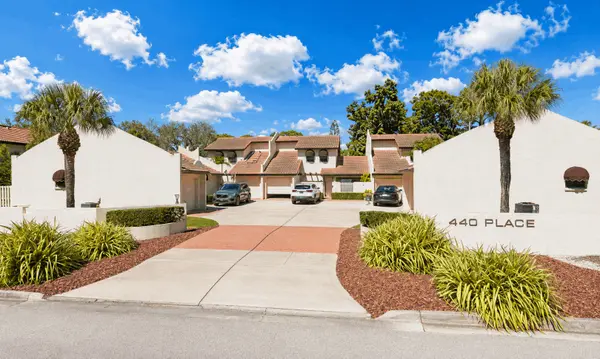
Older Florida Home vs. New Construction: Which Is Better?
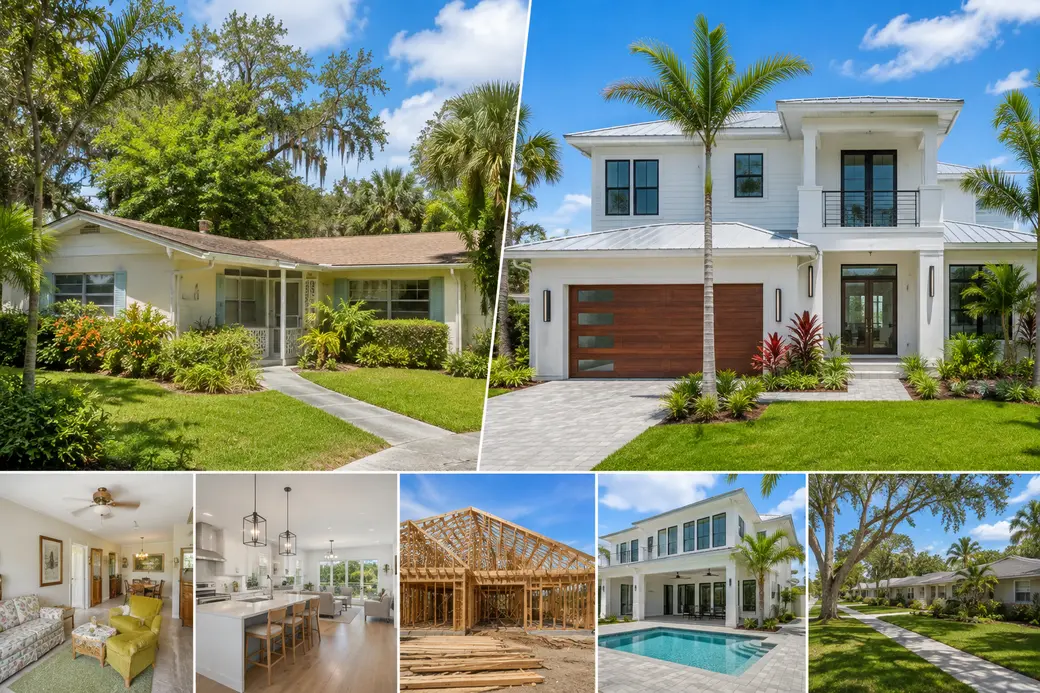
One of the first decisions many Sarasota-area buyers face is whether to purchase an established home or start fresh with new construction.
The choice can look simple. New construction offers modern finishes, current building standards and fewer years of wear. Older homes may offer established neighborhoods, larger lots, mature landscaping and locations where little or no new construction remains.
But in Florida, the comparison goes deeper. Roof age, hurricane protection, insurance, flood exposure, HVAC condition, plumbing, electrical systems, renovation history and ongoing maintenance can dramatically change the economics of either choice.
If you are exploring Sarasota real estate with Hunt Brothers Realty, the better question is not simply, "Is new construction better?" It is, "Which specific home gives me the best combination of location, condition, lifestyle and total ownership cost?"
Quick Answer: Older Home or New Construction?
Choose an older or resale home when: location, lot size, established landscaping, neighborhood character or proximity to Sarasota's established amenities matter most—and you are comfortable carefully evaluating the home's condition and renovation needs.
Choose new construction when: modern systems, current building standards, energy efficiency, contemporary floor plans and reduced near-term maintenance are higher priorities—and you are comfortable with the location, community fees, construction timeline and builder options.
For many buyers, the best value is somewhere in between: an established home that has already received substantial updates to the roof, windows, HVAC, plumbing, electrical systems and interior.
1. Start With Location, Not the Age of the House
The biggest advantage of an older home is often something that cannot be renovated into a new one: its location.
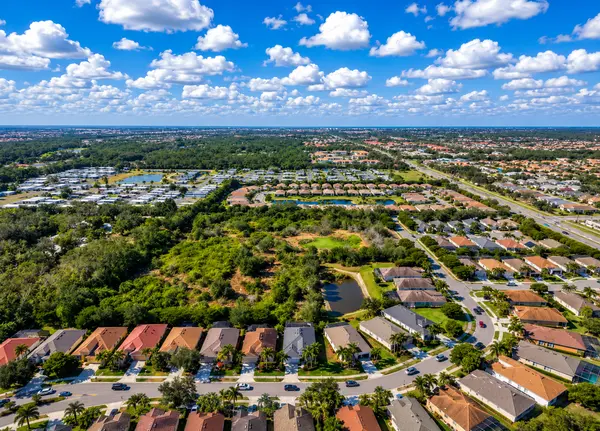
Many established Sarasota neighborhoods occupy areas close to downtown, Sarasota Bay, beaches, shopping districts and long-established commercial corridors. In some locations, vacant land for large-scale new residential development simply is not readily available.
New construction is often concentrated farther from the urban core or within master-planned communities where land has been assembled for development. That can provide outstanding amenities and newer infrastructure, but it may change your daily driving patterns.
Before comparing countertops and floor plans, compare commute times, beach access, grocery stores, healthcare, restaurants and the places you expect to visit every week.
2. New Construction Has the Advantage of Current Building Standards
One of the strongest arguments for new construction in Florida is straightforward: a newly permitted home must comply with the building code applicable to its construction.
Building standards have evolved substantially over the decades, particularly in a state where wind resistance, water intrusion and energy performance are important considerations.
That does not mean every new home will perform identically during a storm, nor does it mean an older home is inherently unsafe. Many established Florida homes have undergone major improvements that substantially change how they compare with their original construction.
3. Do Not Judge an Older Home by Its Construction Year Alone
A 1970s Sarasota home with an updated roof, modern electrical panel, replumbed water lines, impact-resistant windows, newer HVAC and carefully permitted renovations can be a very different purchase from an untouched home of exactly the same age.
That is why "year built" should be the beginning of your investigation rather than the conclusion.
Ask when major systems were replaced, whether work was permitted and what documentation is available. The effective condition of an established home often matters more than its age on paper.
4. Roof Age Can Change the Entire Comparison
In Florida, the roof deserves special attention because it affects maintenance planning, storm resistance and potentially insurance options.
New construction starts with a new roof. With a resale home, buyers should investigate the roof's installation date, material, permits, condition and remaining useful life.
An older house with a recently replaced roof may compare much more favorably with new construction than an otherwise similar home approaching a major roof project.
5. Compare Hurricane Protection
Ask how each property protects its exterior openings and how the roof system is constructed.
With an established home, determine whether windows, exterior doors and garage doors have been upgraded and whether hurricane shutters or another approved opening-protection system is available.
A wind-mitigation inspection can provide valuable information about features such as roof-to-wall connections, roof-deck attachment, roof geometry and opening protection. Buyers should obtain property-specific information rather than assuming that either "new" or "old" automatically tells the whole story.
6. Insurance Can Be a Major Factor
Insurance is one area where buyers should avoid generalizations.
A newer home's construction characteristics may help when obtaining coverage, but premiums depend on far more than age. Location, roof, wind mitigation, flood exposure, replacement cost, deductibles and the individual insurer all matter.
Likewise, an older home that has been comprehensively upgraded may have a very different insurance profile from an unimproved property built in the same decade.
The practical solution is simple: obtain insurance quotes for the actual homes you are considering before making your final comparison.
7. New Construction Usually Means New Mechanical Systems
A new home generally begins ownership with a new HVAC system, electrical equipment, plumbing fixtures, water heater, appliances and roof.
That can reduce the number of major replacement decisions a buyer expects during the first years of ownership.
With an established property, evaluate each major system individually. A house may be 40 years old while its air conditioner is two years old, its roof is five years old and its plumbing was recently replaced.
8. Older Homes May Offer Larger or More Distinctive Lots
Established neighborhoods can offer something increasingly valuable: land and mature landscaping.
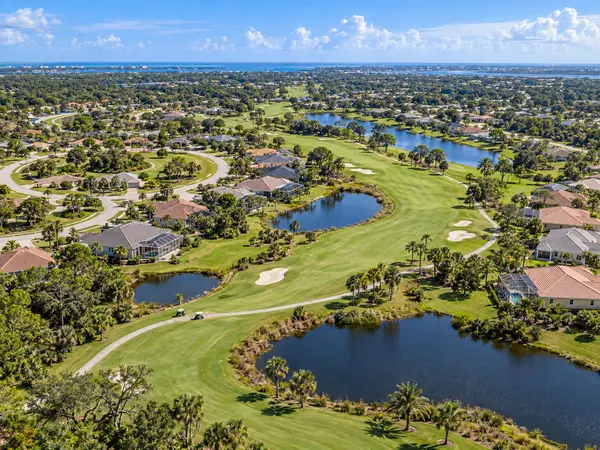
Depending on the neighborhood, an older Sarasota home may have mature palms and shade trees, greater separation between neighboring houses or a yard that has developed character over decades.
New construction communities can offer attractive landscaping and thoughtfully designed streetscapes, but lot sizes, setbacks and home spacing vary considerably from development to development. Compare the actual lots rather than relying on assumptions about either category.
9. New Homes Often Have Floor Plans Designed for How Buyers Live Today
Contemporary construction often emphasizes open kitchens, large islands, connected living spaces, larger primary suites, walk-in closets, home offices and indoor-outdoor entertaining.
Older homes may have more compartmentalized layouts, smaller closets or formal living and dining rooms that reflect how homes were designed in another era.
Some buyers love that character. Others immediately begin calculating the cost of removing walls and remodeling kitchens. Decide which type of layout actually fits your lifestyle before assuming one is superior.
10. Energy Efficiency Can Favor Newer Construction
Newer homes may incorporate more current insulation, windows, HVAC equipment, appliances and other energy-related features.
That can potentially improve comfort and operating efficiency, particularly during Florida's long air-conditioning season.
However, do not compare age alone. An established home may have undergone substantial energy-related improvements. Utility costs also depend on square footage, thermostat settings, pool equipment, household behavior and other factors.
11. New Construction May Include Builder Warranties
One attraction of buying new is the potential for builder and manufacturer warranties covering certain components for specified periods.
Warranty coverage varies significantly. Buyers should read the actual documents and understand what is covered, what is excluded, how claims are submitted and how long individual protections remain in effect.
"Brand new" should never be interpreted as "nothing can go wrong."
12. Yes, You Should Inspect New Construction
A common mistake is assuming that a newly built home does not need an independent inspection.
New homes are constructed by people, and defects or incomplete items can occur. Depending on the construction stage and purchase agreement, buyers may consider appropriate inspections before closing and before applicable warranty periods expire.
The inspection process is different from evaluating a decades-old home, but due diligence still matters.
13. New Construction Pricing Can Be More Complicated Than the Base Price
A builder's advertised base price may not represent the price of the finished home you actually want.
Homesites, structural options, pools, outdoor kitchens, upgraded flooring, cabinetry, countertops, lighting and other selections can change the final purchase price.
When comparing a new home with a resale property, compare the completed price—not the number on the builder's entrance sign.
14. Builder Incentives Need to Be Evaluated Carefully
Builders may offer financing incentives, closing-cost contributions, upgrade packages or discounts on selected inventory homes.
These offers can be valuable, but buyers should compare the entire transaction. A financing incentive may require use of an affiliated lender or have specific qualification requirements and expiration dates.
Compare purchase price, interest rate, lender fees, closing costs and upgrades together rather than focusing on a single incentive.
15. Established Homes May Already Include Expensive Improvements
A resale home may include improvements that would cost substantially more to add after purchasing new construction.
A pool, screened lanai, mature landscaping, window treatments, upgraded lighting, built-in storage and other features may already be part of the purchase.
The key is determining the condition and quality of those improvements. Included does not necessarily mean maintenance-free.
16. Established Neighborhoods Let You See What You Are Buying Into
When you purchase in a mature neighborhood, much of the surrounding environment already exists.
You can see the trees, neighboring homes, traffic patterns, community facilities and general character of the area.
In a developing new-home community, future phases may still be under construction. Buyers should investigate the master plan, planned amenities, future roads, remaining development phases and what may eventually be built around the homesite.
17. Compare HOA and Community Fees
Many Sarasota-area new construction communities offer extensive amenities such as clubhouses, pools, fitness centers, pickleball courts, gated entrances and community landscaping.
Those amenities can be a major lifestyle benefit, but understand what they cost. Review HOA fees, community development district assessments when applicable, membership requirements and other recurring charges.
Older neighborhoods may have lower association fees—or no mandatory homeowners association at all—but this varies by community.
18. Do Not Use the Seller's Property Tax Bill as Your Future Tax Estimate
This is especially important when comparing established Florida homes.
A longtime owner may have accumulated a substantial Save Our Homes assessment benefit. After a qualifying change in ownership, that benefit generally does not simply transfer to the buyer with the property, and the home is generally reassessed at just value the following January 1.
Florida homeowners moving from another homesteaded property within the state may be eligible to transfer—or "port"—some of their own Save Our Homes assessment difference to the new homestead. Buyers should obtain a property-specific estimate rather than budgeting from the seller's existing tax bill.
19. Flood Risk Depends on the Property, Not Whether the Home Is New
A new house is not automatically outside a flood-risk area, and an older home is not automatically in one.
Investigate the flood-zone designation, elevation, drainage and property-specific insurance considerations for every home you seriously consider.
If you are buying near the Gulf, bay or another waterfront area, read Hunt Brothers Realty's Buyer's Guide to Waterfront Homes on Florida's Gulf Coast for additional coastal-property considerations.
20. Renovating an Older Home Gives You More Control—but Also More Variables
Some buyers prefer purchasing an established home specifically because they can remodel it to fit their taste.
That can produce a property combining an established location with contemporary interiors. It can also introduce contractor schedules, permitting, material decisions, unexpected discoveries and renovation costs.
Buyers considering a substantial renovation should investigate feasibility and realistic costs before assuming an older home plus remodeling will automatically be less expensive than buying new.
Older Florida Home vs. New Construction: Side-by-Side
| Consideration | Older / Resale Home | New Construction |
|---|---|---|
| Location | Often available in established areas | Often concentrated in developing communities |
| Building standards | Depends on original construction and upgrades | Built under code applicable to current permit |
| Roof and systems | Age and condition vary | New at completion |
| Floor plan | May offer traditional layouts and character | Typically designed around contemporary preferences |
| Landscaping | Often mature and established | Typically newer and still developing |
| Maintenance | Depends heavily on renovation history | Generally fewer years of wear at purchase |
| Customization | Renovate after purchase | Selections may be possible before completion |
| Neighborhood | Existing surroundings are visible | Future phases may still be developing |
Questions to Ask When Comparing the Two
- Location: Which home puts me closer to the places I actually use?
- Roof: What is its age, condition and permit history?
- Insurance: What will coverage cost for each specific property?
- Flood: What are the property-specific flood considerations?
- Wind protection: What documented mitigation features are present?
- HVAC: How old is the system?
- Plumbing: What materials and updates are present?
- Electrical: What is the panel and wiring history?
- Permits: Were major renovations properly permitted?
- HOA: What are the recurring fees and restrictions?
- New-community costs: Are there additional district assessments or mandatory fees?
- Taxes: What is my estimated tax bill after purchase?
- Maintenance: What major expenses are likely during my first five years?
- Resale: How does this property compare with competing homes in its neighborhood?
Frequently Asked Questions
Is new construction always better for insurance in Florida?
No. New construction may have characteristics that insurers value, but premiums and eligibility depend on the individual property, location, construction features, roof, flood exposure, coverage selections and insurer. Obtain actual quotes before comparing homes.
Is an older Florida home automatically a bad investment?
No. An established home's location, lot and improvements may make it highly attractive. Condition, purchase price, insurance, renovation needs and long-term ownership costs should be evaluated together.
Should I inspect a brand-new home?
Yes. Buyers should consider appropriate independent inspections even when purchasing new construction. New does not mean defects or incomplete items are impossible.
Are property taxes lower on an older home?
Not necessarily. A seller's existing tax bill may reflect years of Save Our Homes assessment limitations. Buyers should estimate their own post-purchase taxes instead of assuming they will inherit the seller's current tax amount.
Can I use my own real estate agent when buying new construction?
Buyers can often have their own real estate representation in a new-construction purchase, subject to the builder's policies and registration requirements. It is wise to arrange representation before your first builder visit or online registration because builder procedures can affect agent participation.
So, Which Is Better?
For buyers who prioritize modern construction, newer systems, contemporary floor plans and lower near-term maintenance, new construction can be compelling.
For buyers who prioritize location, mature neighborhoods, larger or distinctive lots and established character, an older Sarasota home may be the better fit—especially when major systems have already been thoughtfully updated.
The smartest comparison is not old versus new in the abstract. Put two actual properties side by side and compare purchase price, insurance, taxes, HOA costs, expected maintenance, location and lifestyle. That is when the better choice usually becomes much clearer.
Compare Sarasota Homes with Hunt Brothers Realty
A buyer comparing an established Sarasota home with new construction should evaluate more than finishes and asking prices. Location, building characteristics, insurance, taxes, community fees, renovation history and expected maintenance can change the financial picture substantially.
Explore Sarasota real estate with Hunt Brothers Realty, browse Sarasota-area communities, search homes for sale, or contact Hunt Brothers Realty for help comparing established homes and new construction throughout the Sarasota area.
Sources
- Hunt Brothers Realty
- Hunt Brothers Realty: Explore Communities
- Hunt Brothers Realty: Homes for Sale
- Hunt Brothers Realty: A Buyer's Guide to Waterfront Homes on Florida's Gulf Coast
- Florida Building Commission
- Florida Department of Revenue: Property Tax Information
Hunt Brothers Realty
46 N Washington Blvd, Ste #3, Sarasota, Florida 34236
Phone: (941) 388-7017
Email: info@huntbrothersrealty.com
Website: HuntBrothersRealty.com
Categories
- All Blogs 1849
- Anna Maria Island 82
- Bird Key 4
- Bradenton 234
- Buying a Home 925
- Casey Key 2
- Clearwater 8
- Condos & HOA Living 835
- Ellenton 5
- Englewood 8
- First Time Homebuyers 1028
- Foreclosures 3
- Homeownership 1046
- Lakewood Ranch 19
- Lido Key 27
- Longboat Key 77
- Luxury/Waterfront Properties 984
- Market Updates & Trends 532
- Mortgages & Financing 38
- Move-Up Buyers 20
- Neighborhood Guides 670
- New Construction 29
- Palmetto 3
- Parrish 6
- Port Charlotte 10
- Punta Gorda 14
- Real Estate Investing 903
- Relocation to Florida 950
- Safety Harbor 2
- Sarasota 60
- Sarasota - Downtown 155
- Selling a Home 141
- Siesta Key 88
- St. Petersburg 6
- Tierra Verde 4
- Vacation & Second Homes 1096
- Venice 51
- Wellen Park 8
Recent Posts