Punta Gorda Isles: Waterfront Homes, Boating and the Southwest Florida Lifestyle
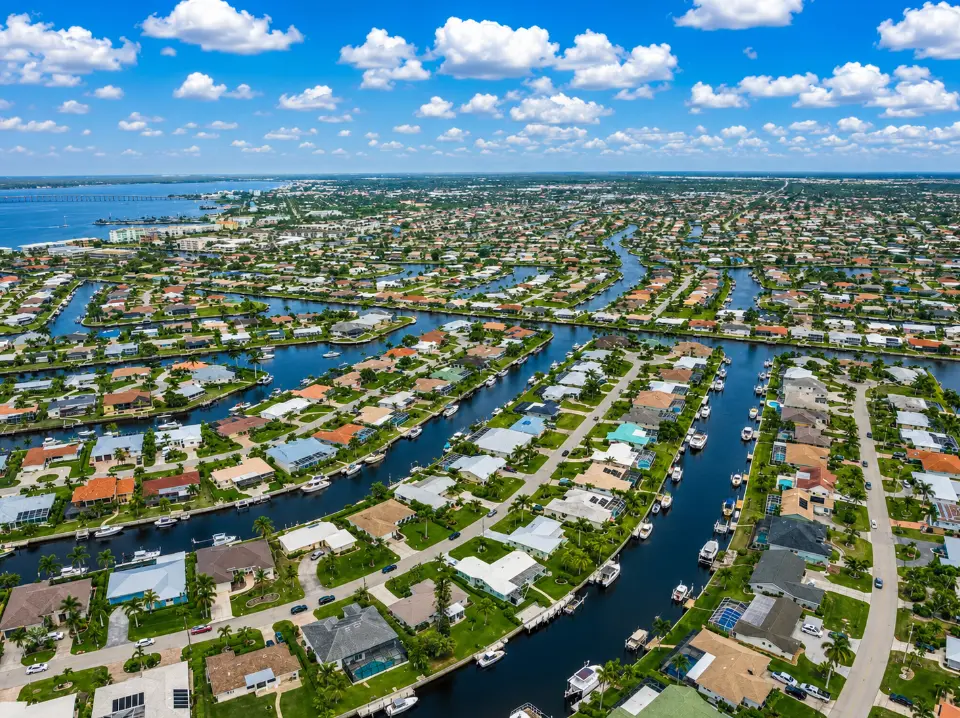
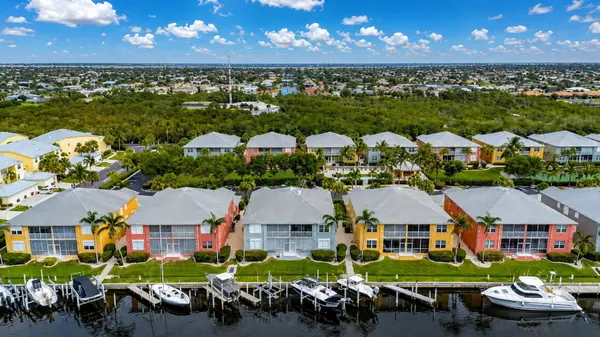
Punta Gorda Isles, often called PGI, is one of Punta Gorda's best-known waterfront residential communities, built around an extensive system of navigable canals connected to Charlotte Harbor. Buyers can find everything from established Florida ranch homes to newer custom waterfront estates, vacant canal lots and condominiums. Boating is central to the community, but not every property offers the same access. Canal route, bridges, water depth, dock configuration, lift capacity and distance to open water all need to match the buyer's specific boat and plans.
The community also offers more than boating. Punta Gorda Isles includes inland and golf-oriented properties, waterfront condominiums, access to a private golf club, and convenient connections to Punta Gorda's parks, Harborwalk, restaurants and waterfront destinations. That combination makes understanding the individual property especially important, because two homes within PGI can provide very different waterfront experiences.
Quick Answers About Punta Gorda Isles
Where Is Punta Gorda Isles?
Punta Gorda Isles is within the City of Punta Gorda in Charlotte County, Florida, generally west and southwest of Downtown Punta Gorda. Much of the community was designed around residential canals that connect toward Charlotte Harbor.
How Many Miles of Canals Are in Punta Gorda Isles?
The City of Punta Gorda currently identifies approximately 45 miles of canals and inlets and 91 miles of seawall within the Punta Gorda Isles Canal Maintenance Assessment District.
Can You Boat From Punta Gorda Isles to Charlotte Harbor?
Yes, many PGI waterfront properties connect through the canal system toward Charlotte Harbor. The route varies by property, and some sections have fixed bridges while others provide documented sailboat access without fixed bridges. Buyers should verify the complete route for their specific vessel.
Who Maintains the Seawalls in Punta Gorda Isles?
The PGI Canal Maintenance Assessment District maintains and replaces City-owned seawalls within the district and performs canal maintenance funded through assessments. Property owners remain responsible for private docks, pilings, boat lifts, utilities and other private waterfront improvements.
Are There Condos in Punta Gorda Isles?
Yes. Punta Gorda Isles includes numerous condominium communities, from smaller low-rise canal-front buildings to larger waterfront developments. Dock rights, boating access, parking, pools, pets and leasing restrictions vary significantly by condominium and individual residence.
Is There Golf in Punta Gorda Isles?
Yes. St. Andrews South Golf Club is an 18-hole private, member-owned golf club located within Punta Gorda Isles. Residential ownership does not automatically include membership, so current membership availability and costs should be verified directly with the club.
Does Punta Gorda Isles Have an HOA?
Punta Gorda Isles should not be treated as one conventional mandatory HOA subdivision. The Punta Gorda Isles Civic Association is a community organization, while the city explains that special land-use regulations apply through a PGI overlay district. Individual condominium associations and some properties can have additional obligations that require separate verification.
Is Punta Gorda Isles in a Flood Zone?
Flood risk is property-specific. The City of Punta Gorda emphasizes that flood zones and hurricane evacuation zones are not the same. Buyers should check the current FEMA map, elevation information and property-specific insurance options rather than assuming every PGI property has identical risk or premiums.
Why Is Punta Gorda Isles So Closely Associated With Boating?
Boating was part of Punta Gorda Isles from the beginning. The Punta Gorda Isles Civic Association's community history traces development to the late 1950s and describes the original project as being designed with boating in mind.
City planning documents similarly describe Punta Gorda Isles as a residential subdivision designed with canals connected to Charlotte Harbor. Those man-made waterways created waterfront homesites while providing recreational boating access.
Today, that design remains fundamental to the community. On many waterfront streets, the dock and canal function almost like a second driveway, allowing an appropriately sized boat to remain behind the residence and enter the canal system directly from the property.
How Extensive Is the Punta Gorda Isles Canal System?
The current City of Punta Gorda canal program identifies approximately 45 miles of canals and inlets and 91 miles of seawalls within the PGI Canal Maintenance Assessment District.
The city maintains navigability through a regular dredging program, while seawalls are inspected and prioritized for maintenance and replacement. Canal maintenance is funded through a non-ad valorem assessment on properties within the district.
That infrastructure is a significant distinction between PGI and waterfront areas where seawall responsibility may rest entirely with individual owners. It does not, however, mean the city maintains every component behind a waterfront home.
What Does the City Maintain and What Does the Homeowner Maintain?
The distinction is important for anyone purchasing a PGI canal property. According to the City of Punta Gorda's waterfront-living guidance, the canal district handles City-owned seawalls, routine dredging of interior channels and inlet accesses, and specified mangrove management within district rights-of-way.
The property owner is responsible for private docks, pilings, boat lifts, davits, dock lighting, electrical and water lines, moored vessels and other private improvements. Owners must also maintain upland areas in a way that does not compromise the seawall system.
When the city replaces a seawall, an owner can also incur costs associated with removing, protecting or reinstalling private improvements affected by the work. A buyer should therefore investigate both the seawall and the private marine infrastructure before purchasing.
How Much Is the Punta Gorda Isles Canal Maintenance Assessment?
The City of Punta Gorda's FY 2026 assessment schedule lists the PGI Canal Maintenance Assessment at $1,350 for a qualifying single-family parcel. A separate square-foot formula applies to qualifying multifamily property.
This amount is not permanent. Assessment rates are considered through the city's annual budget process and can change from year to year. Buyers should verify the current assessment for the specific parcel and tax year rather than relying on an older listing or article.
What Is the Difference Between Sailboat and Powerboat Access?
Punta Gorda Isles waterfront real estate includes sections marketed with sailboat access and others where fixed bridges create clearance limitations. That difference can be decisive for a buyer who already owns a boat.
In general, a no-fixed-bridge route is relevant for sailboats and taller vessels that cannot pass beneath a bridge. Powerboats with lower vertical clearance may have more route options, but their beam, draft, length and other dimensions still matter.
A listing's use of “sailboat access” or “powerboat access” should be treated as the beginning of the boating analysis, not the end. Buyers should confirm every navigational constraint affecting the property and vessel.
What Should a Boater Verify Before Buying a PGI Home?
A beautiful canal view does not establish that a property will work for a particular boat. Serious boating buyers should evaluate the waterfront infrastructure and entire route to open water.
- Bridge clearance: Identify every fixed bridge on the intended route and confirm appropriate clearance for the vessel.
- Water depth: Evaluate depth at the dock and along the relevant route, including tidal and seasonal conditions where applicable.
- Boat draft: Compare the vessel's requirements with actual navigational conditions.
- Dock dimensions: Confirm that the dock configuration works for the boat and intended boarding arrangement.
- Lift capacity: Verify rated capacity, dimensions, age, condition and suitability for the actual vessel.
- Canal width: Consider maneuvering space at the property and along the route.
- Open-water route: Understand the actual navigation path rather than relying solely on straight-line distance.
- Marine permits: Confirm that existing docks, lifts and other structures are appropriately permitted.
- Future improvements: Verify current city rules before assuming a dock or lift can be added, enlarged or replaced as desired.
When boat compatibility is material to the purchase, buyers should verify conditions with the City of Punta Gorda and appropriate marine contractors, surveyors and other qualified professionals before making a final decision.
Can You Add or Replace a Dock or Boat Lift?
Marine construction in Punta Gorda's residential canals is regulated. The city states that docks, pilings and lifts must be freestanding and cannot simply be attached to the city seawall. Certain proposed improvements require permits or a Canal Construction Special Permit.
The city also prohibits floating docks within residential canal waterways and places restrictions on structures associated with boat covers. Current requirements should be reviewed before a buyer bases a purchase decision on a planned marine improvement.
A qualified marine contractor and the appropriate city permitting staff should evaluate whether a buyer's proposed dock, lift or other improvement is feasible at the specific property.
What Types of Homes Are in Punta Gorda Isles?
Punta Gorda Isles has developed over many decades, so its housing stock is more varied than a newer master-planned community. Current Punta Gorda Isles listings include older Florida homes, extensively remodeled residences, newer construction, luxury custom estates and vacant waterfront land.
Waterfront homes frequently include screened outdoor living areas and pools, while individual properties may have concrete docks, boat lifts and substantial seawall frontage. Those are property-specific features rather than guarantees for every PGI residence.
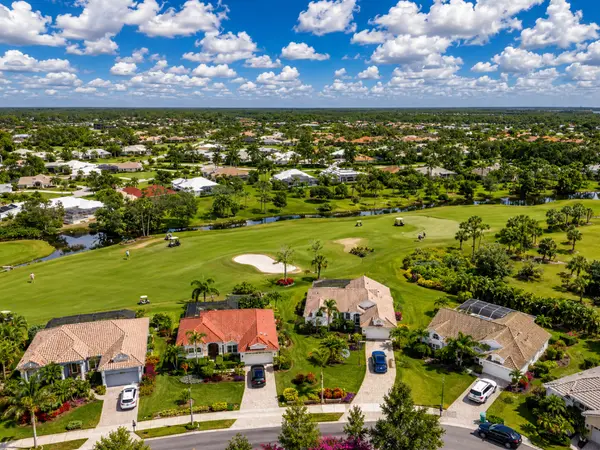
PGI also includes non-waterfront and golf-area properties. Buyers who like the location but do not need a backyard dock can therefore consider a broader range of homes.
Are There Waterfront Condos in Punta Gorda Isles?
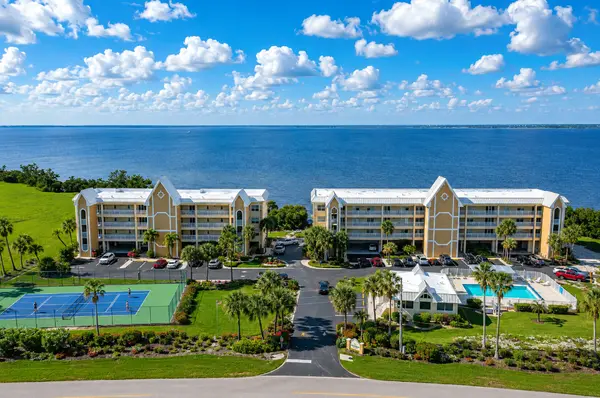
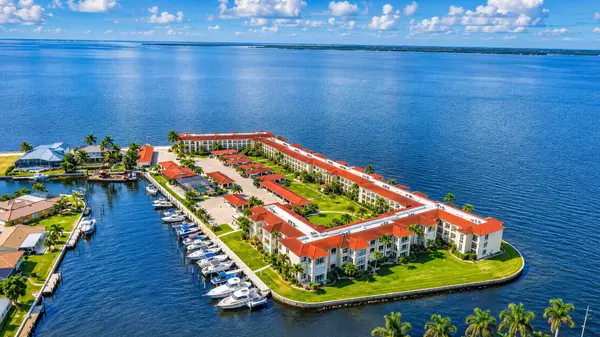
Yes. Condominium buyers have numerous waterfront options within Punta Gorda Isles, but the communities differ substantially in scale, boating rights and amenities.
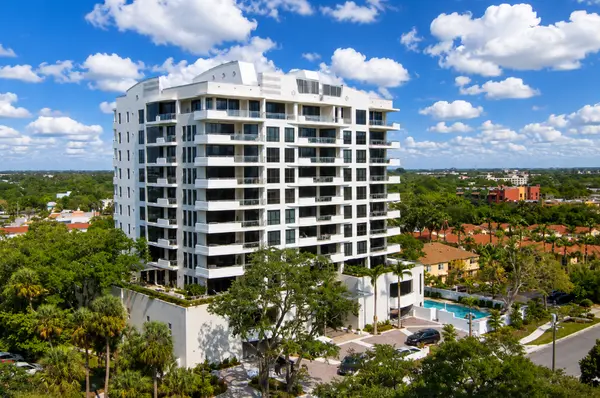
For example, Solamar offers a mid-rise waterfront setting with a heated pool and spa, clubhouse, fitness facilities, elevators, secured entry and under-building parking. Its lifestyle is quite different from a small canal-front condominium focused primarily on dockage.
Smaller boating-oriented options include communities such as Conquistador Landing and Commodore Club, where HBR community information identifies sailboat-access canal settings. Other communities, including Southwind, are described with powerboat access where bridge clearance applies.
For any condominium, verify whether a dock is deeded, assigned, leased, first-come or unavailable to the individual unit. Also review boat-size restrictions, association finances, insurance, reserves, assessments, parking, pets and leasing rules before purchasing.
What Is Golf Like in Punta Gorda Isles?
St. Andrews South Golf Club is located at 1901 Deborah Drive in the heart of Punta Gorda Isles. The club identifies itself as a private, member-owned facility with an 18-hole golf course.
The course includes practice facilities and clubhouse dining. Full golf and social memberships are offered, subject to current availability and club requirements.
Living near the course does not create membership rights. Buyers who consider golf an important part of their lifestyle should verify current membership availability, initiation requirements, dues and playing privileges directly with the club.
How Does Punta Gorda Isles Connect With the Rest of Punta Gorda?
PGI's location places the community near several of Punta Gorda's best-known waterfront destinations. The exact convenience varies by street, so buyers should evaluate routes from the individual property rather than relying on one community-wide travel time.
Ponce de Leon Park, at the western edge of the city, is a 16-acre Charlotte Harbor waterfront park with a boat ramp, fishing access, boardwalk, beach area, playground and other facilities. The city describes its boat ramp as a gateway to the PGI canal system and Charlotte Harbor.
Closer to downtown, the Punta Gorda Harborwalk runs approximately 2.5 miles along the Charlotte Harbor shoreline and connects waterfront parks, restaurants, shops, historical sites and other destinations.
Does Punta Gorda Isles Still Have Deed Restrictions?
The regulatory history is more nuanced than simply calling PGI a deed-restricted community. According to the Punta Gorda Isles Civic Association, PGI was originally established with deed restrictions, but a decision was made in the 1990s not to renew those restrictions community-wide as they expired.
Instead, the City of Punta Gorda incorporated special community standards into a land-use overlay district. Buyers should therefore verify the current city zoning and overlay regulations affecting their property, along with any recorded restrictions that remain applicable to the individual parcel.
Condominium buyers have an additional layer of association documents and rules. Questions about the legal effect of deed restrictions, easements, condominium documents or other recorded restrictions should be reviewed with a qualified Florida real estate attorney or appropriate title professional.
What Should Buyers Know About Flood Risk?
Waterfront property requires property-specific flood due diligence. The City of Punta Gorda's flood-readiness information emphasizes that flood zones and hurricane evacuation zones serve different purposes and should not be confused.
The city's current FEMA Flood Insurance Rate Maps took effect December 15, 2022. The map designation, elevation of the structure, construction characteristics, claims history and other property-specific factors can be relevant to insurance and risk.
Insurance availability, coverage and premiums can vary substantially by property. Buyers should obtain property-specific homeowners, wind and flood insurance information from qualified insurance professionals before making a purchasing decision.
Why Should Buyers Inspect the Dock and Boat Lift?
A dock and lift can be significant components of a waterfront property's value and usefulness, but they are private improvements and should be evaluated separately from the city-maintained seawall.
Buyers should consider the condition of pilings, decking, electrical service, plumbing, lift motors, cables, bunks and structural components. Lift capacity should be confirmed against the actual loaded weight and dimensions of the intended boat rather than relying solely on an old listing description.
Marine improvements should be evaluated by the appropriate qualified marine contractor, inspector or other specialist when their condition or suitability is material to the purchase.
What Should Buyers Know About Seawall Replacement?
The city performs annual seawall assessments and maintains a replacement program within the PGI canal district. Buyers can review current Punta Gorda seawall maintenance information when evaluating a property.
If city seawall work is scheduled, the homeowner can be required to move vessels and address private docks, lifts, fences, irrigation, landscaping, utilities or other improvements within the work area. The district's responsibility for the seawall therefore does not eliminate all potential owner expense associated with a replacement project.
Buyers should ask about known seawall issues, scheduled work and the condition of private improvements, then verify relevant information directly with the City of Punta Gorda and appropriate qualified professionals.
What Should Buyers Check Before Purchasing a Waterfront Home?
A Punta Gorda Isles purchase should include normal residential due diligence plus waterfront-specific investigation. Important items include:
- Home condition: Have the residence evaluated by an appropriate qualified home inspector and specialists when warranted.
- Seawall: Review available city information concerning condition, maintenance and scheduled work.
- Dock and lift: Verify permits, ownership, condition, dimensions and vessel compatibility.
- Boating route: Confirm bridges, canal route, water depth and access to Charlotte Harbor.
- Survey: Review property boundaries, easements and waterfront improvements with an appropriate surveyor or title professional.
- Flood information: Check current FEMA mapping and available elevation information.
- Insurance: Obtain property-specific homeowners, wind and flood quotes before making a final decision.
- Canal assessment: Verify the current PGI Canal Maintenance Assessment applicable to the parcel.
- City regulations: Confirm applicable zoning, overlay and waterfront-development requirements.
- Future plans: Verify permitting feasibility before assuming a dock, lift, pool, addition or other improvement can be constructed.
What Should Condo Buyers Check in Punta Gorda Isles?
Condominium buyers need to investigate both the residence and the association. Waterfront status alone does not establish a right to keep a boat at the property.
- Confirm whether dockage is deeded, assigned, leased, first-come or unavailable.
- Verify boat-size, lift and dock restrictions.
- Review association budgets, reserves and financial statements.
- Determine whether special assessments are pending, approved or being discussed.
- Review association insurance and obtain unit-specific insurance quotes.
- Review applicable structural inspection and reserve-study information.
- Verify pet and leasing restrictions.
- Confirm assigned parking and storage rights.
- Verify which maintenance responsibilities belong to the association and which belong to the unit owner.
Frequently Asked Questions About Punta Gorda Isles
Do All Punta Gorda Isles Homes Have Boat Access?
No. PGI includes waterfront, golf-area and other residential properties. Even among canal-front homes, boating routes and restrictions differ, so access should be verified for the specific property.
Do All Waterfront Homes Have Boat Lifts?
No. Individual homes may have a dock and lift, a dock without a lift, different marine improvements or no usable dock infrastructure. Existing lift capacity and condition should always be confirmed.
Are Punta Gorda Isles Canals Maintained?
The City of Punta Gorda maintains canals and inlets within the PGI Canal Maintenance Assessment District through dredging, seawall maintenance and related programs. Owners remain responsible for private waterfront improvements and can have additional dockside dredging needs.
Is Punta Gorda Isles Only for Boaters?
No. While boating is central to PGI's identity, the community also includes golf-oriented and non-waterfront homes, condominiums and convenient access to Punta Gorda's parks and waterfront destinations.
Can Sailboats Be Kept Behind a Home?
Some PGI properties have documented no-fixed-bridge sailboat access, but not every canal route does. Mast height, draft, dock configuration, water depth and the complete route should be verified for the specific sailboat and property.
Where Can I Find Punta Gorda Isles Homes and Condos for Sale?
Buyers can browse current Punta Gorda Isles homes, condos and land for sale through Hunt Brothers Realty. Because waterfront characteristics vary so much, listings should be filtered according to the buyer's boating requirements as well as housing preferences.
Punta Gorda Isles Combines Waterfront Property With a Boating-Oriented Lifestyle
Punta Gorda Isles stands apart because the canal system is not simply scenery. For many properties, it is functional infrastructure connecting private residences with Charlotte Harbor and the broader Southwest Florida boating environment.
The community's variety also gives buyers choices. A search can focus on sailboat-access homes, powerboat properties, modern waterfront construction, established homes ready for renovation, canal-front condos, harbor-view residences or homes near golf.
The most important rule is to evaluate the property and waterfront together. The right house on the wrong canal may not work for a particular boat, while a property with the right route, dock and lift can fundamentally change how an owner uses the home.
Explore Punta Gorda Isles With Hunt Brothers Realty
Hunt Brothers Realty helps buyers compare waterfront homes, condominiums, boating access and other real estate throughout Punta Gorda and Florida's Gulf Coast. Explore current Punta Gorda Isles real estate or browse Hunt Brothers Realty's Florida community guides. Contact Hunt Brothers Realty to discuss your housing preferences, boating requirements and current PGI opportunities.
Informational note: This article provides general real estate and educational information and is not individualized legal, financial, tax, insurance, lending, inspection, engineering, marine, construction, title, association or permitting advice. Boating access, bridge clearance, water depth, dock rights, lift suitability, seawall conditions, assessments, flood risk, insurance, zoning and property improvements can vary materially by property and change over time. Buyers should verify property-specific information with the City of Punta Gorda and other applicable authorities and consult qualified real estate, legal, insurance, lending, inspection, marine, survey, engineering, title and other professionals as appropriate before making a purchasing decision.
Sources
- City of Punta Gorda, Waterfront Living and PGI Canal Maintenance Assessment District
- City of Punta Gorda, Canal Maintenance Program
- City of Punta Gorda, Special Assessments
- City of Punta Gorda, Flood Readiness and FEMA Map Information
- City of Punta Gorda, Seawall Maintenance Program
- City of Punta Gorda, Ponce de Leon Park
- City of Punta Gorda, Harborwalk
- Punta Gorda Isles Civic Association, Community History
- Punta Gorda Isles Civic Association, Unique Land Regulations
- St. Andrews South Golf Club
- Hunt Brothers Realty, Punta Gorda Isles Homes and Condos
- Hunt Brothers Realty, Contact Information
Hunt Brothers Realty
46 N. Washington Blvd, Ste 3, Sarasota, FL 34236
Phone: (941) 388-7017
Email: info@huntbrothersrealty.com
Website: HuntBrothersRealty.com
Categories
- All Blogs 2351
- Anna Maria Island 87
- Bird Key 4
- Bradenton 238
- Buying a Home 1393
- Casey Key 2
- Clearwater 14
- Condos & HOA Living 1317
- Ellenton 6
- Englewood 12
- First Time Homebuyers 1506
- Foreclosures 5
- Home Selling 7
- Homeownership 1540
- Lakewood Ranch 25
- Lido Key 29
- Longboat Key 80
- Luxury/Waterfront Properties 1480
- Market Updates & Trends 992
- Mortgages & Financing 69
- Move-Up Buyers 25
- Neighborhood Guides 1113
- New Construction 39
- Palmetto 4
- Parrish 6
- Port Charlotte 12
- Punta Gorda 117
- Real Estate Investing 1394
- Relocation to Florida 1427
- Safety Harbor 4
- Sarasota 97
- Sarasota - Downtown 166
- Selling a Home 146
- Siesta Key 92
- St. Petersburg 8
- Tierra Verde 7
- Vacation & Second Homes 1588
- Venice 211
- Wellen Park 21
Recent Posts