Should You Buy a Home With a Pool in Florida?
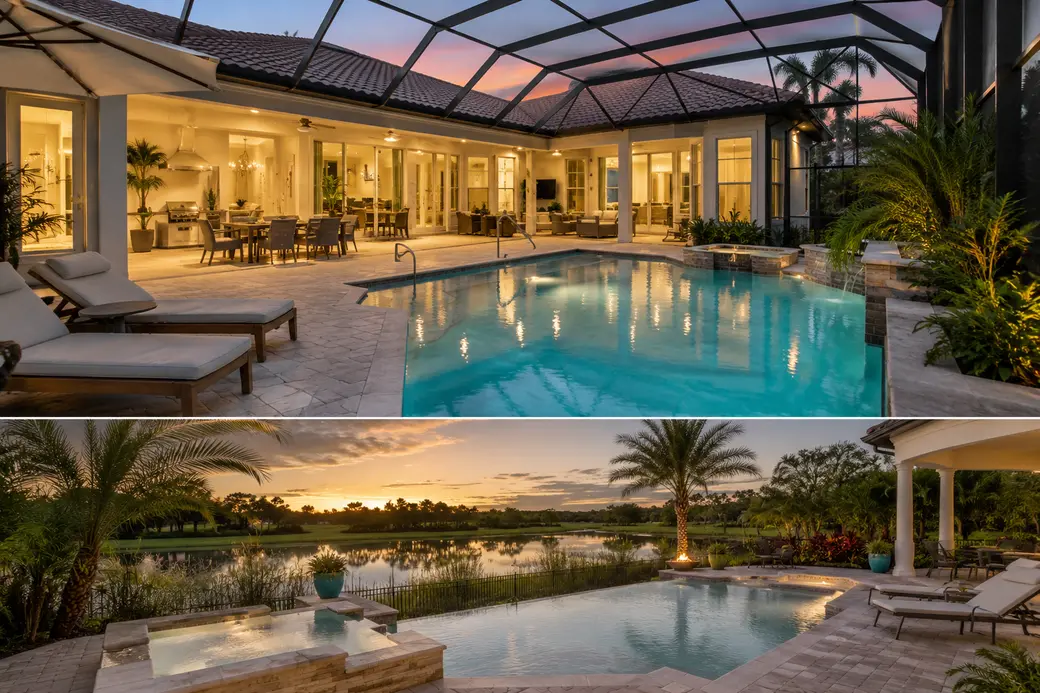
For many Florida buyers, a private swimming pool is part of the lifestyle they imagined before they ever started looking at homes. In Sarasota and along Florida's Gulf Coast, a pool can turn the backyard into an extension of the living space, but it also adds maintenance, safety responsibilities, insurance considerations, and equipment that eventually needs repair or replacement.
So, should you buy a Florida home with a pool? The answer depends less on whether pools are generally desirable and more on whether you will use the pool enough to justify the responsibilities and costs that come with owning it.
Before making that decision, buyers should evaluate the pool just as carefully as the house itself. Its age, surface, equipment, enclosure, safety features, maintenance history, insurance implications, and condition can all affect the ownership experience.
If you are comparing Sarasota homes for sale, Hunt Brothers Realty can help you evaluate pool homes alongside properties without pools based on your location, budget, lifestyle, and ownership priorities.
Quick Answer: Is a Pool Worth It in Florida?
A pool can be worth having in Florida if you expect to use it frequently and value private outdoor living enough to accept the additional maintenance, utilities, insurance considerations, safety responsibilities, and eventual repair costs.
Florida's climate can make a pool usable for a substantial portion of the year, particularly when the pool is heated. A screened lanai can also create an outdoor living environment that combines swimming, dining, entertaining, and relaxation.
But a pool is not free recreation. It is another major component of the property that needs ongoing care. If you expect to swim only a handful of times each year, living in a community with shared pool amenities may be a better fit.
The Biggest Benefits of Owning a Pool in Florida
1. Your Backyard Becomes Part of the Living Space
One of the strongest arguments for a Florida pool is not simply swimming. It is the outdoor environment that often surrounds the water.
A covered lanai, pool deck, landscaping, outdoor dining area, and screened enclosure can function as another gathering space. In a well-designed Florida home, sliding or folding doors can visually connect the kitchen and living room to the pool area.
2. You Can Swim Without Leaving Home
There is a significant convenience difference between having a pool in the backyard and driving to a beach or community pool. A private pool can be used for a morning swim, afternoon cooldown, exercise, or an evening outside without packing anything or leaving home.
3. Pools Can Complement Florida Entertaining
For buyers who regularly entertain, a pool can become the visual and functional centerpiece of the backyard. Even when nobody is swimming, a well-designed pool and lanai can provide an attractive setting for meals, gatherings, and evenings outdoors.
4. A Pool May Be an Important Feature for Future Buyers
In some Sarasota neighborhoods and market segments, buyers commonly include a pool on their wish list. That does not mean a pool automatically increases a home's value by a predictable amount. Its contribution to marketability and value depends on the neighborhood, property, pool condition, lot, price range, design, and current buyer demand.
Buyers concerned about future resale should ask a licensed real estate professional to compare recent sales of similar local homes with and without pools rather than relying on a generic national estimate.
What Are the Downsides of Owning a Pool?
The tradeoff for having private water just outside the back door is that the pool becomes another system you own.
- Routine cleaning and chemical balancing
- Electricity for pumps and related equipment
- Water usage
- Heating costs if the pool is heated
- Pump, filter, heater, automation, and salt-system repairs or replacement
- Surface, tile, coping, and deck maintenance
- Screen-enclosure maintenance when applicable
- Safety responsibilities
- Potential insurance implications
None of those factors automatically makes a pool undesirable. They simply need to be included in the ownership budget rather than treated as an afterthought.
How Much Does a Florida Pool Cost to Maintain?
There is no single reliable maintenance number that applies to every Florida pool. Costs depend on pool size, equipment, water chemistry, whether maintenance is performed by the owner or a service company, heating preferences, landscaping, enclosure type, equipment age, and the repairs required over time.
Instead of relying on an online national average, ask for the seller's recent pool-service invoices and utility history when available. Buyers can also request current estimates from local pool-service companies for the specific pool they are considering.
Remember to distinguish routine operating expenses from capital expenses. Weekly maintenance may be predictable, while replacing a heater, pump, enclosure, or pool finish can create a much larger one-time expense.
Should You Have the Pool Inspected Before Buying?
A buyer should consider an appropriate pool inspection as part of due diligence rather than assuming the standard home inspection fully evaluates every pool component.
Depending on the property and scope of the inspection, items worth evaluating can include:
- Pool shell and visible surface condition
- Tile and coping
- Deck condition
- Pump and filter
- Heater, if present
- Salt-chlorination or other sanitation equipment
- Valves and plumbing components
- Lights
- Automation controls
- Visible leaks or indications requiring further evaluation
- Safety barriers and related equipment
- Screen enclosure, where applicable
Inspection findings should be evaluated with the appropriate licensed home inspector, pool contractor, electrician, engineer, or other qualified professional. The appropriate specialist depends on the condition discovered and the type of work involved.
Ask How Old the Pool Equipment Is
A sparkling pool can still have aging mechanical equipment. Before buying, identify the major components and determine what is known about their age and maintenance history.
Ask about the pump, filter, heater, chlorination system, automation equipment, lights, and any spa equipment. Obtain documentation when available rather than relying solely on verbal estimates of age.
A buyer should also ask when the pool was last resurfaced and whether the deck, tile, coping, plumbing, or enclosure has undergone significant work. A qualified pool professional can help assess current condition and provide property-specific estimates for anticipated repairs or replacement.
Understand Florida Pool Safety Requirements
Pool safety deserves particular attention when buying a Florida home. Florida's Residential Swimming Pool Safety Act establishes safety requirements for qualifying residential pools. Under current Florida law, a residential pool subject to the statute must have at least one qualifying safety feature to pass final inspection and receive a certificate of completion.
The statutory options include an enclosure meeting Florida's barrier requirements, an approved safety pool cover, qualifying alarms on doors and windows providing direct pool access, qualifying self-closing and self-latching doors, or a qualifying swimming-pool alarm.
Where a pool barrier is used to meet the statute, Florida law includes requirements governing barrier height, openings, placement, and gate operation. For example, the current statute specifies a minimum four-foot exterior barrier height and requires qualifying access gates to open away from the pool and be self-closing and self-latching.
Legal and code requirements can depend on the pool's age, property, jurisdiction, permits, and applicable exemptions. Buyers should verify compliance for the specific home with the appropriate local building or permitting authority and qualified professionals rather than assuming an existing pool satisfies current requirements.
Legal Compliance Is Only One Part of Pool Safety
Meeting a minimum legal requirement should not be confused with eliminating drowning risk. The Florida Department of Health recommends multiple layers of protection around water.
Those layers include active supervision, barriers and alarms, emergency preparedness, swimming skills, water-safety education, and appropriate life-jacket use. The department emphasizes that active supervision is the most crucial layer when children or vulnerable individuals are around water.
Buyers should evaluate the home's current pool-safety setup and discuss any needed improvements with qualified safety, pool, building, or other appropriate professionals.
How Can a Pool Affect Homeowners Insurance?
Never assume that a pool is automatically covered under the homeowners insurance policy you expect to purchase.
Florida's Department of Financial Services specifically advises consumers shopping for insurance to determine whether the policy offers coverage for swimming pools. Some homeowners policies may include coverage, while others may exclude certain items or require an endorsement or separate policy.
Liability coverage is another important part of the discussion because a pool creates potential injury exposure on the property. Buyers should ask an insurance professional about the pool itself, related structures such as an enclosure or fence, liability limits, deductibles, exclusions, and any safety requirements imposed by the insurer.
Insurance availability, coverage, underwriting requirements, and premiums vary by property and insurer. Obtain property-specific insurance quotes and review the pool with a qualified insurance professional before making a purchasing decision.
Is a Screened Pool Better in Florida?
Screened pool enclosures are a familiar feature of many Florida homes. They can help reduce leaves and other debris entering the pool while creating a defined outdoor living space.
However, the enclosure itself becomes another component to inspect and maintain. Buyers should look at the screens, doors, fasteners, framing, attachment points, and overall visible condition and ask about repairs or replacements.
A screened enclosure should also not automatically be assumed to satisfy every pool-safety requirement. Its legal status and safety function depend on its design and the applicable requirements for the specific property. Verify those questions with the appropriate local authority or qualified professional.
Saltwater Pool or Traditional Chlorine Pool?
Buyers sometimes describe saltwater pools as an alternative to chlorine, but a saltwater system generally uses a salt-chlorine generator to produce chlorine for sanitation. It does not eliminate the need to monitor and maintain water chemistry.
If the property has a salt system, determine the condition of the generator and associated equipment. For either sanitation approach, ask a qualified pool professional to explain the system, its current condition, routine maintenance, and likely equipment needs.
Should You Buy a Home With a Heated Pool?
A heater can extend comfortable pool use when water temperatures would otherwise be cooler than you prefer. This may matter particularly to buyers who expect to spend significant time in Florida during the winter months.
The tradeoff is another piece of equipment and another operating expense. Determine the heater type, age, condition, and service history and consider obtaining an estimate of operating costs based on how you expect to use it.
What About a Pool and Spa Combination?
An integrated spa can add another dimension to the outdoor space, especially for owners who expect to use heated water during cooler evenings. But it can also add equipment, controls, plumbing, heating requirements, and potential repair points.
During inspection, confirm that the spa, heater, jets, valves, controls, lights, and spillover features operate as intended. Any concerns should be evaluated by an appropriately qualified pool or electrical professional.
Does a Pool Always Increase a Florida Home's Value?
No. There is no universal dollar amount or percentage by which a swimming pool increases the value of a Florida home.
Its market contribution depends on local buyer preferences and comparable sales, as well as the pool's condition, design, size, enclosure, outdoor living space, lot configuration, and the overall quality and price point of the home.
A beautifully maintained pool that fits naturally into a desirable outdoor living space may contribute differently from an aging pool requiring substantial work. A local real estate professional can help compare relevant recent sales when estimating how the market has treated pool homes in a particular Sarasota neighborhood.
Buying a Home With a Pool vs. Adding One Later
Some buyers face a different question: should they purchase a home that already has a pool or buy the preferred house and build a pool afterward?
Buying an existing pool allows you to see exactly how the pool fits the lot, lanai, landscaping, and house. You also avoid managing a new construction project immediately after moving.
Building later gives you greater control over shape, size, finishes, equipment, spa design, deck, enclosure, and landscaping. But feasibility should never be assumed merely because the backyard looks large enough.
Before buying a property based on plans to add a pool, verify setbacks, easements, utilities, drainage, access, association restrictions, permitting requirements, and site feasibility with the appropriate homeowners association, local permitting authority, licensed pool contractor, surveyor, engineer, or other qualified professional.
Questions to Ask Before Buying a Florida Pool Home
- When was the pool built?
- When was it last resurfaced?
- How old are the pump, filter, heater, and sanitation equipment?
- Are maintenance and repair records available?
- Has the pool or deck had any known leaks or significant repairs?
- Are permits available for major pool or enclosure work?
- What safety features are installed?
- Does the current configuration comply with applicable requirements?
- What is the condition of the screen enclosure?
- What are the typical pool-service and utility costs?
- What will my insurer require?
- Is the pool included appropriately in the inspection scope?
Who May Prefer a Home Without a Private Pool?
A private pool is not automatically the best choice simply because you are moving to Florida. Buyers may prefer a home without one if they expect limited use, want to minimize exterior maintenance, travel frequently, or have access to an attractive community pool.
Seasonal residents should think particularly carefully about maintenance while they are away. A private pool continues to require attention whether the owner is in Sarasota or somewhere else.
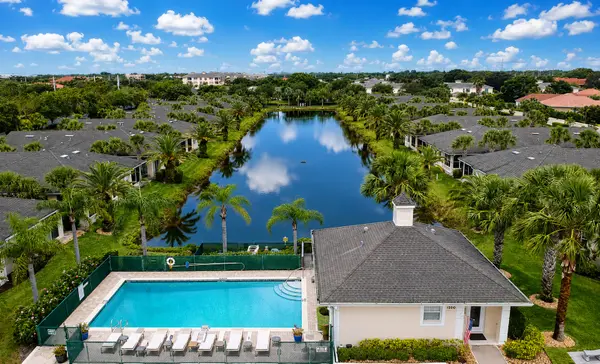
For some buyers, a condominium or planned community with a professionally maintained shared pool delivers much of the desired Florida lifestyle without responsibility for maintaining a private one.
Who May Get the Most Value From a Florida Pool Home?
A private pool may make more sense when you expect it to become part of your regular routine rather than an occasional novelty.
That may include buyers who enjoy swimming for exercise, spend substantial time outdoors, regularly entertain at home, value privacy, want immediate access to water, or see the lanai and pool deck as an important extension of the home's living areas.
The key is to buy for the lifestyle you will actually use rather than the lifestyle that merely looks appealing during a showing.
Frequently Asked Questions About Florida Pool Homes
Do I Need a Separate Inspection for the Pool?
Inspection scopes vary. Buyers should confirm what their home inspector will and will not evaluate. Depending on the pool and any concerns discovered, a separate evaluation by a qualified pool contractor or other specialist may be appropriate.
Does a Pool Make Homeowners Insurance More Expensive?
It can affect underwriting, coverage requirements, and cost, but the impact varies by insurer and property. Florida's Department of Financial Services advises consumers to determine whether the policy covers swimming pools because some policies may exclude them or require additional coverage. Obtain a property-specific quote rather than assuming a particular premium impact.
Do Florida Pools Have to Be Fenced?
Florida law provides multiple qualifying safety-feature options for residential pools subject to the Residential Swimming Pool Safety Act; a qualifying enclosure is one option rather than the only option. Local requirements and the circumstances of an existing pool can also matter. Buyers should verify the requirements applicable to the specific property with the appropriate local authority or qualified professional.
Is a Saltwater Pool Maintenance-Free?
No. A saltwater pool still requires water testing, chemical balance, cleaning, filtration, equipment maintenance, and attention to the salt-chlorine generator.
Is It Better to Buy a House With a Pool or Build One Later?
Buying an existing pool provides immediate use and lets you evaluate how it fits the property. Building later provides design flexibility but introduces permitting, construction, site-feasibility, and cost considerations. Buyers planning to add a pool should verify feasibility before purchasing the home based on that assumption.
Does a Pool Add Value to a Sarasota Home?
A pool may contribute to marketability and value in some Sarasota neighborhoods and price ranges, but there is no universal premium. Relevant recent comparable sales are the better basis for evaluating how local buyers are valuing pool homes.
The Bottom Line: Buy the Pool Only if You Want the Responsibility Too
A Florida pool can be far more than a place to swim. Done well, it can become the center of a home's outdoor living environment and one of the features owners use most often.
But the best pool-home purchase is made with a clear understanding of what comes with the water: cleaning, chemicals, electricity, equipment, repairs, safety, insurance, and eventually larger capital projects.
Do not ask only whether you want a pool. Ask whether you want to own and maintain a pool. If the answer to both questions is yes, a Florida pool home may fit your lifestyle extremely well.
Find Sarasota Homes With Pools
Hunt Brothers Realty can help buyers compare Sarasota-area homes with and without private pools and evaluate how outdoor living features fit their location, budget, property, and lifestyle priorities.
When evaluating a pool home, the team can help you consider the property in the context of current Sarasota real estate conditions while coordinating the appropriate property-specific due diligence with inspectors and other qualified professionals. Contact Hunt Brothers Realty when you are ready to begin your Sarasota home search.
Informational notice: This article provides general real estate and educational information only and is not individualized legal, financial, tax, insurance, lending, inspection, engineering, construction, pool-safety, or other professional advice. Pool condition, maintenance needs, safety requirements, permits, insurance availability, coverage, costs, and potential effect on property value vary by property. Buyers should verify information for the specific home and consult the appropriate licensed real estate professional, insurance agent, home inspector, pool contractor, electrician, engineer, attorney, local permitting authority, or other qualified professional before making a purchasing decision.
Sources
- Florida Legislature — Residential Swimming Pool Safety Act, Chapter 515
- Florida Legislature — Residential Swimming Pool Barrier Requirements
- Florida Department of Health — Layers of Protection for Water Safety
- Florida Department of Health — Drowning Prevention
- Florida Department of Financial Services — Shopping for Homeowners Insurance
- Hunt Brothers Realty — Sarasota Real Estate
Contact Hunt Brothers Realty
Hunt Brothers Realty
46 N Washington Blvd, Ste #3
Sarasota, Florida 34236
Phone: (941) 388-7017
Email: info@huntbrothersrealty.com
Website: HuntBrothersRealty.com
Categories
- All Blogs 1869
- Anna Maria Island 82
- Bird Key 4
- Bradenton 234
- Buying a Home 944
- Casey Key 2
- Clearwater 8
- Condos & HOA Living 854
- Ellenton 5
- Englewood 9
- First Time Homebuyers 1047
- Foreclosures 3
- Homeownership 1066
- Lakewood Ranch 20
- Lido Key 27
- Longboat Key 77
- Luxury/Waterfront Properties 1004
- Market Updates & Trends 545
- Mortgages & Financing 38
- Move-Up Buyers 20
- Neighborhood Guides 684
- New Construction 29
- Palmetto 3
- Parrish 6
- Port Charlotte 10
- Punta Gorda 14
- Real Estate Investing 923
- Relocation to Florida 970
- Safety Harbor 2
- Sarasota 60
- Sarasota - Downtown 156
- Selling a Home 142
- Siesta Key 88
- St. Petersburg 6
- Tierra Verde 4
- Vacation & Second Homes 1116
- Venice 61
- Wellen Park 9
Recent Posts