What Should New Residents Know About Snowbird Season in Florida?
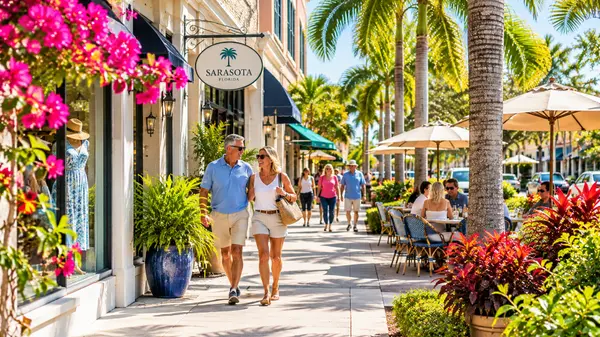
Snowbird season in Florida is the annual period when seasonal residents arrive from colder parts of the United States and Canada to spend the winter in the Sunshine State. On Florida's Gulf Coast, activity typically increases from November through April, with January, February and March often among the busiest months. For new year-round residents, this seasonal rhythm can affect traffic, restaurant availability, beach parking, healthcare appointments, community events and housing demand. Areas such as Sarasota, Venice, Bradenton, Lakewood Ranch, Longboat Key and Anna Maria Island can feel noticeably different during the winter. Understanding these changes helps newcomers plan daily routines, explore neighborhoods and enjoy the benefits of living in Florida throughout the year.
Quick Answers About Florida Snowbird Season
When does snowbird season start in Florida?
Snowbird season generally begins building in November and December as seasonal residents arrive for the winter. The busiest period in many Gulf Coast communities is often January through March, with some seasonal residents staying into April.
What is a Florida snowbird?
A snowbird is someone who spends part of the year in a warmer destination, commonly Florida, while maintaining a home or other residential connection elsewhere. Snowbirds may own seasonal homes, rent condominiums or stay in other accommodations.
Does traffic increase during snowbird season?
Traffic often becomes heavier during the winter in popular Gulf Coast destinations, particularly near beaches, shopping districts, restaurants and major intersections. The effect varies by location, day of the week and time of day.
Are Florida restaurants busier during snowbird season?
Many restaurants experience greater demand during the winter, especially in coastal communities and popular dining districts. Reservations may be useful for weekend dinners, waterfront restaurants and special events.
Is winter the best time to visit Florida?
Winter offers generally milder temperatures and lower humidity than summer, making outdoor recreation appealing. However, the season also brings increased visitor activity, and weather can include cool fronts, wind and occasional cold nights.
When does snowbird season end?
Many seasonal residents begin leaving in March or April, although departure dates vary. By late spring, some communities experience lighter traffic and a quieter daily pace.
Does snowbird season affect Florida homebuyers?
It can. Seasonal activity may affect property showings, rental demand, neighborhood occupancy and the experience of visiting communities. However, home prices and inventory depend on broader market conditions, not simply the arrival or departure of seasonal residents.
What Is Snowbird Season in Florida?
Snowbird season is part of Florida's long-established pattern of seasonal living. Many people who live in colder climates choose to spend several weeks or months in Florida during the winter.
Some seasonal residents have owned Florida properties for decades. Others rent the same condominium or vacation residence each year. Some are exploring the possibility of eventually relocating permanently.
Snowbirds are not necessarily tourists. Many maintain longstanding relationships with local businesses, participate in community organizations, volunteer, attend cultural events and return to familiar neighborhoods each winter.
For new year-round residents, recognizing this distinction can help explain why some neighborhoods become much more active in winter while others experience relatively little change.
When Is Snowbird Season in Florida?
Florida does not have an official statewide snowbird season with fixed beginning and ending dates. Seasonal arrivals depend on weather, travel preferences, holidays, housing arrangements and individual schedules.
On the Gulf Coast, the general pattern looks like this:
| Time of Year | Typical Seasonal Pattern |
|---|---|
| October to November | Early seasonal arrivals begin returning as temperatures moderate. |
| December | Activity increases with winter residents, holiday travel and visitors. |
| January to March | Often among the busiest months for seasonal residential activity. |
| April | Some seasonal residents depart, although spring vacations may keep certain destinations busy. |
| May to September | Many communities experience fewer winter residents, while summer vacations and holiday travel continue. |
This is a general guide rather than a precise prediction. Popular beaches, downtown districts and vacation destinations can remain busy outside the traditional winter season.
How Snowbird Season Changes Everyday Life on Florida's Gulf Coast
1. Traffic Can Become More Congested
One of the most noticeable changes during snowbird season is increased activity on local roads. More people may be traveling to restaurants, medical appointments, golf courses, beaches and shopping centers.
In Sarasota and Manatee counties, congestion may be especially noticeable along major corridors such as U.S. 41, University Parkway, Fruitville Road, Bee Ridge Road and roads serving popular barrier-island destinations.
Travel conditions can also change around Interstate 75 interchanges and major commercial centers. The extent of congestion depends on the specific road, time and local circumstances.
Practical tip: Allow extra time for appointments, check traffic conditions before leaving and learn alternate routes when possible. When evaluating a home, test the commute during the winter rather than relying exclusively on a summer drive.
2. Restaurants May Require More Planning
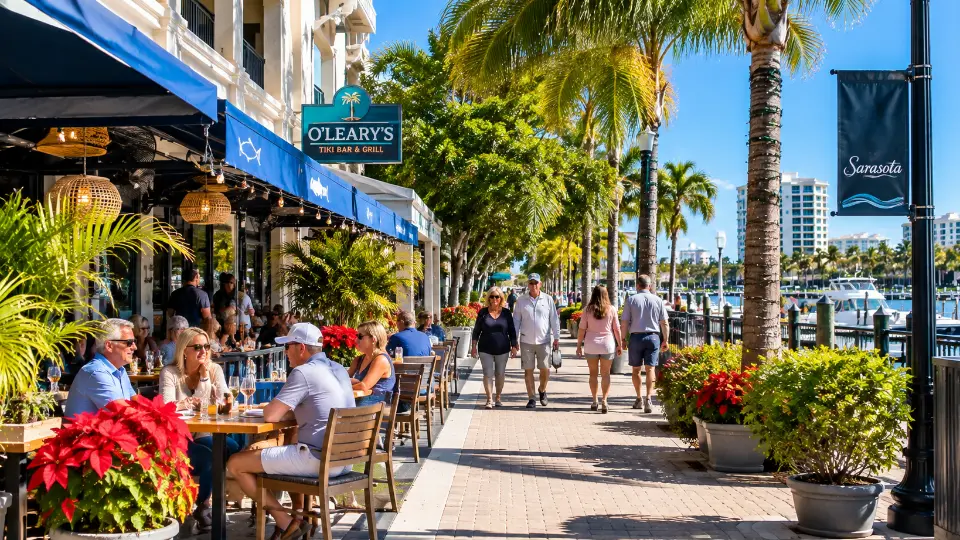
Winter is an active dining season in many Gulf Coast communities. Waterfront restaurants, popular downtown establishments and restaurants near beaches may experience longer waits during peak periods.
In areas such as downtown Sarasota, Venice Island, St. Armands Circle and Anna Maria Island, reservations can make dining plans more predictable.
Some restaurants may adjust hours or staffing in response to seasonal demand, but schedules vary by business.
Practical tip: Make reservations for special occasions, consider earlier dining times and explore restaurants outside the most heavily visited commercial districts.
3. Beach Parking Becomes More Competitive
Florida's mild winter weather makes the beach appealing even when Gulf water temperatures are cooler than during summer.
Popular destinations such as Siesta Beach, Lido Beach, Venice Beach, Nokomis Beach and Anna Maria Island beaches can experience substantial parking demand during busy periods.
Beach conditions, parking rules, public transportation options and access restrictions differ by location. Storm repairs or special events can also affect availability.
Practical tip: Consider arriving earlier in the day, explore public transportation where available and check current beach access information through Sarasota County or Manatee County.
4. Medical Appointments May Need Earlier Scheduling
Seasonal population changes can affect demand for certain healthcare services. Some practices may experience greater appointment demand when seasonal patients return to Florida.
The effect varies by provider, specialty and location. New residents should establish local healthcare relationships rather than waiting until an immediate need arises.
Practical tip: Confirm that a provider accepts your insurance, check appointment availability and arrange prescription transfers or medical-record requests with the appropriate healthcare professionals. General public health resources are available through the Florida Department of Health.
5. Community Events and Social Activities Often Increase
Snowbird season is not only about crowded roads and restaurants. It also brings an active social calendar to many Gulf Coast communities.
Arts organizations, theaters, farmers markets, festivals, clubs and recreational groups often schedule programming during the cooler months. Seasonal residents may also participate in volunteer organizations and community events.
For newcomers, these activities provide opportunities to discover local interests and meet people with shared hobbies.
Practical tip: Review local event calendars, register early for popular programs and explore both public recreation and neighborhood association activities.
How Snowbird Season Differs Across Sarasota and Manatee County
Snowbird season does not affect every Florida community equally. Neighborhood location, housing types, nearby attractions and the proportion of seasonal residences all influence the experience.
Sarasota: Dining, Arts and Cultural Events
Sarasota offers cultural attractions, theaters, restaurants, shopping districts and access to nearby beaches. Winter brings a combination of seasonal residents, vacation visitors and year-round locals to these destinations.
Downtown Sarasota, St. Armands Circle and the approaches to Siesta Key may experience particularly noticeable visitor activity.
New residents interested in Sarasota's arts and dining scene may appreciate the active winter calendar while also planning ahead for popular events and restaurants. The Visit Sarasota County website provides information about local attractions and events.
Venice: Downtown Activity and Coastal Recreation
Venice has a distinctive seasonal rhythm, especially around its historic downtown, Gulf beaches, recreational trails and coastal neighborhoods.
Venice Island combines residential streets with restaurants, shops, beaches and public parks. During winter, these destinations may attract a mix of seasonal residents and visitors.
Neighborhoods farther inland may experience a different level of seasonal activity. Buyers should visit the specific area they are considering at different times of year.
Bradenton: Riverfront Destinations and Regional Shopping
Bradenton offers riverfront recreation, shopping, dining, arts destinations and access to Manatee County's coastal communities.
Winter activity can be noticeable around popular retail areas, downtown destinations and routes toward Anna Maria Island.
The daily experience varies between established residential neighborhoods, downtown areas and communities farther east.
Lakewood Ranch: Golf, Recreation and Community Activities
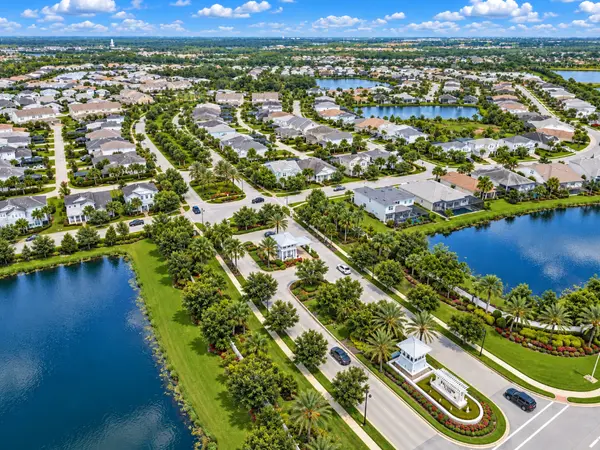
Lakewood Ranch includes a wide range of residential villages, golf-oriented neighborhoods, maintenance-included homes and year-round communities.
Some neighborhoods have a substantial seasonal presence, while others may feel relatively consistent throughout the year. Golf courses, recreational facilities, restaurants and community events can become especially active during the winter.
Buyers should review individual community amenities, association rules and membership arrangements rather than assuming all Lakewood Ranch neighborhoods operate the same way. Explore additional neighborhoods through Hunt Brothers Realty's community guides.
Longboat Key and Anna Maria Island: Coastal Seasonal Living
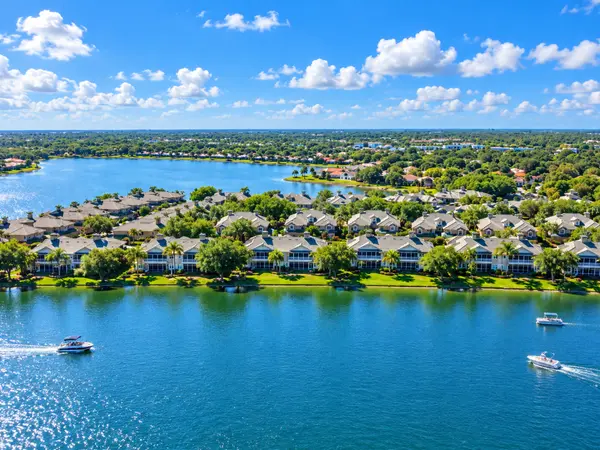
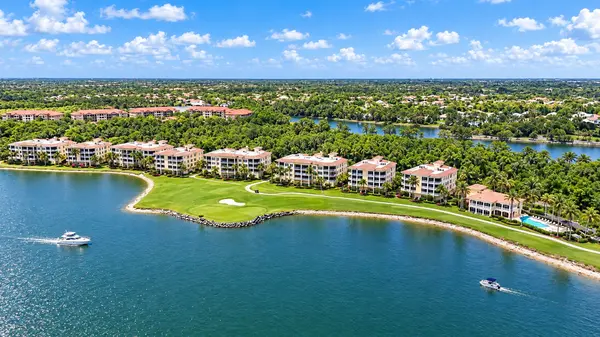
Barrier-island communities can have a particularly noticeable seasonal rhythm because of their coastal attractions, vacation accommodations and seasonal residences.
Road access, bridges and limited parking can make traffic conditions important for residents and visitors. Coastal properties may also have specialized maintenance, insurance and association considerations.
Buyers considering island living should evaluate the area's year-round character, storm exposure, property-specific insurance costs and local rules before making a decision.
Does Snowbird Season Affect the Florida Real Estate Market?
Seasonal residents are part of the housing market in many Florida communities. Some own second homes, others rent for several months and some eventually decide to relocate permanently.
However, snowbird season should not be treated as a reliable predictor of home prices or the best month to buy or sell. Mortgage rates, available inventory, property condition, location, insurance costs and broader economic factors all influence real estate decisions.
Seasonal Homeowners and Part-Time Occupancy
Some Florida neighborhoods contain a mix of year-round and seasonal homeowners. In these areas, residential activity may increase noticeably during winter and decline during summer.
This can affect the frequency of community events, use of shared facilities and the overall feel of the neighborhood.
For buyers, the important question is whether the community's seasonal pattern fits their preferences, not whether seasonal occupancy is inherently an advantage or disadvantage.
Winter Rentals and Short-Term Rental Rules
Some seasonal residents rent properties for several weeks or months. Rental availability and pricing can vary by community, property type and time of year.
Buyers considering a property for seasonal rental use should not assume that short-term rentals are permitted. Rules may depend on local ordinances, condominium documents, homeowners association restrictions, licensing requirements and other legal obligations.
Before purchasing a property with rental plans, verify the applicable rules with the association and local government. Contractual or legal questions should be reviewed with a qualified Florida real estate attorney, and tax questions with a qualified tax professional.
Should Buyers Visit During Snowbird Season?
Visiting during snowbird season can help prospective buyers understand winter traffic, restaurant demand, recreational activity and the seasonal character of a neighborhood.
However, a winter visit provides only part of the picture. Summer brings different temperatures, rainfall patterns, humidity and outdoor routines.
Practical tip: If possible, explore a prospective neighborhood in both winter and summer before deciding where to live year-round.
Snowbird Season Versus Summer: What Changes?
New Florida residents quickly discover that the state has distinct seasonal rhythms, even without the dramatic winter weather experienced farther north.
| Consideration | Winter Season | Summer Season |
|---|---|---|
| Weather | Generally milder and less humid | Hotter, more humid and wetter |
| Seasonal residents | More part-time residents present | Many winter residents are away |
| Traffic | Often heavier in popular destinations | Can be lighter in some areas, with holiday and vacation peaks |
| Outdoor recreation | Comfortable conditions for many daytime activities | Earlier or later outings may be more comfortable |
| Restaurants and events | Strong winter demand in many locations | Activity varies, with summer visitors and local events |
| Storm preparedness | Outside the official Atlantic hurricane season | June through November is hurricane season |
The official Atlantic hurricane season runs from June 1 through November 30. Residents should prepare for severe weather and monitor guidance from the National Hurricane Center and their local emergency-management agencies. Storms and other hazardous weather can also occur outside the official season.
How New Residents Can Make Snowbird Season Easier
Learn Your Neighborhood's Seasonal Traffic Patterns
Traffic conditions are highly localized. A residential street may remain quiet while a nearby commercial corridor becomes much busier.
Try different routes to frequently visited destinations and pay attention to travel times during weekday mornings, afternoons and weekends.
Schedule Important Appointments in Advance
Medical appointments, home maintenance visits and other services may require additional planning during periods of strong demand.
Plan routine appointments ahead when practical, while recognizing that availability differs by provider and service.
Explore Local Parks and Less-Crowded Recreation Areas
The Gulf Coast offers much more than its most famous beaches. Public parks, preserves, trails and neighborhood recreation areas provide alternatives for outdoor activities.
Residents can explore locations such as the Venetian Waterway Park, Oscar Scherer State Park, Robinson Preserve and other public recreational destinations. Access conditions, rules and operating hours should be confirmed before visiting.
Take Advantage of Winter Community Events
Winter can be an excellent time to explore local arts, music, markets, volunteer opportunities and recreational clubs.
Participating in community activities can help new residents discover local interests and become familiar with the area's year-round and seasonal offerings.
Maintain a Flexible Daily Routine
A small adjustment to shopping, dining or recreation schedules can sometimes make a noticeable difference.
Residents may find that weekday mornings, earlier restaurant reservations or less heavily visited parks provide a more relaxed experience, although conditions vary.
What Should Buyers Know About Seasonal Neighborhoods?
For buyers relocating to Florida permanently, a neighborhood's seasonal character can be an important lifestyle consideration.
Some communities have a consistent level of activity throughout the year. Others experience a substantial increase in residents during winter and a quieter atmosphere during summer.
Ask About Year-Round Community Activity
Buyers may want to learn whether a neighborhood maintains recreational programming and community activities throughout the year or concentrates certain events during the winter months.
A homeowners association or community management office may be able to provide current amenity schedules and publicly available information about community programming.
Understand Association and Rental Rules
In condominium and homeowners association communities, rental restrictions, minimum lease periods, guest policies and amenity access can affect seasonal occupancy and property use.
Buyers should obtain current governing documents and confirm applicable restrictions directly with the association. Questions about legal rights or contractual obligations should be reviewed with a qualified Florida real estate attorney.
Consider Maintenance and Ownership Costs
Seasonal and year-round ownership arrangements can involve different practical needs, but every buyer should understand the property's recurring expenses.
Potential costs include homeowners insurance, flood insurance, property taxes, association dues, special assessments, utilities and maintenance.
Buyers should obtain property-specific insurance quotes, review association financial documents and discuss individualized lending or tax matters with the appropriate qualified professionals.
Visit at Different Times of Year
A neighborhood tour in February may feel different from a visit in August. Winter may feature more residents and outdoor activities, while summer offers a different climate and community pace.
For buyers who plan to live in Florida year-round, understanding both experiences can help establish realistic expectations.
Snowbird Season Checklist for New Florida Residents
- Allow additional travel time during busy winter periods.
- Make restaurant reservations when visiting popular dining destinations.
- Check beach parking and public access conditions before leaving home.
- Establish local healthcare providers and schedule routine appointments in advance.
- Explore winter festivals, farmers markets and community recreation programs.
- Learn alternate routes to work, shopping and frequently visited destinations.
- Confirm HOA and condominium rules before making assumptions about seasonal rentals.
- Compare neighborhood activity during both winter and summer.
- Review property-specific insurance, flood and ownership costs before purchasing.
- Prepare for Florida's summer heat, rainfall and hurricane season, not just its pleasant winter weather.
Is Snowbird Season a Positive Part of Living in Florida?
Snowbird season brings both advantages and tradeoffs to Florida communities. Seasonal residents contribute to local activity, restaurants, cultural programming and neighborhood life. At the same time, increased demand can make certain roads, beaches and businesses busier.
For new year-round residents, the experience often becomes easier as they learn the local calendar and develop routines that account for seasonal changes.
The key is recognizing that Florida's Gulf Coast does not have one constant pace throughout the year. Winter brings milder weather and active seasonal communities, while summer introduces different outdoor routines, weather considerations and visitor patterns.
Understanding both seasons helps residents make the most of living in Sarasota, Bradenton, Venice, Lakewood Ranch and the surrounding Gulf Coast communities.
Find the Right Florida Gulf Coast Community With Hunt Brothers Realty
Choosing a Florida home involves more than finding the right floor plan or neighborhood amenities. Understanding seasonal traffic, community activity, proximity to everyday services and the rhythm of year-round living can help buyers make more informed decisions.
Hunt Brothers Realty helps buyers explore residential options throughout Sarasota, Manatee County and the surrounding Florida Gulf Coast. Whether you are relocating permanently, purchasing a seasonal residence or comparing different communities, understanding the local lifestyle is an important part of the home search.
Explore Florida Gulf Coast communities, visit the Hunt Brothers Realty Buyer Resource Center, or contact Hunt Brothers Realty to discuss your real estate goals.
Informational notice: This article is provided for general real estate and educational purposes only. Seasonal activity, traffic conditions, business schedules, rental availability and community rules vary by location and may change. Nothing in this article constitutes individualized legal, financial, tax, insurance, lending, inspection, engineering or other professional advice. Buyers should verify property-specific information with appropriate public authorities, associations and qualified professionals. Legal questions should be reviewed with a qualified Florida real estate attorney, financing with a mortgage professional, insurance with a licensed insurance agent and tax matters with a qualified tax professional before making decisions.
Sources and Helpful Resources
- VISIT FLORIDA, Official Florida Travel and Destination Information
- Visit Sarasota County, Local Attractions and Events
- Bradenton Area Convention and Visitors Bureau, Local Travel and Recreation
- Sarasota County Government, Parks, Beaches and Public Services
- Manatee County Government, Community Services and Recreation
- Florida Department of Health, Public Health Information
- Florida Highway Safety and Motor Vehicles, New Resident and Driver Information
- National Hurricane Center, Hurricane Season and Preparedness Information
- FEMA Flood Map Service Center
- Hunt Brothers Realty, Florida Gulf Coast Community Guides
Contact Hunt Brothers Realty
46 N. Washington Blvd, Ste 3, Sarasota, FL 34236
Phone: (941) 388-7017
Email: info@huntbrothersrealty.com
Website: HuntBrothersRealty.com
Categories
- All Blogs 2894
- Anna Maria Island 98
- Bird Key 6
- Bradenton 247
- Buying a Home 1881
- Casey Key 6
- Clearwater 20
- Condos & HOA Living 1827
- Ellenton 10
- Englewood 17
- First Time Homebuyers 2022
- Foreclosures 5
- Home Selling 14
- Homeownership 2077
- Lakewood Ranch 56
- Lido Key 29
- Longboat Key 81
- Luxury/Waterfront Properties 2020
- Market Updates & Trends 1517
- Mortgages & Financing 91
- Move-Up Buyers 25
- Neighborhood Guides 1649
- New Construction 48
- Palmetto 4
- Parrish 41
- Port Charlotte 36
- Punta Gorda 166
- Real Estate Investing 1933
- Relocation to Florida 1961
- Safety Harbor 5
- Sarasota 209
- Sarasota - Downtown 179
- Selling a Home 149
- Siesta Key 96
- St. Petersburg 18
- Taxes and Homestead 7
- Tierra Verde 7
- Vacation & Second Homes 2126
- Venice 229
- Wellen Park 26
Recent Posts