15 Things to Know Before Moving to Sarasota

Moving to Sarasota can mean trading colder winters or a larger metropolitan area for Gulf Coast beaches, a strong arts scene, year-round outdoor recreation and an unusually broad choice of neighborhoods—but choosing where to live requires more research than simply deciding how close you want to be to the water. Sarasota includes everything from walkable downtown condominiums and established mainland neighborhoods to barrier-island properties, golf communities and newer master-planned developments. Insurance, flood exposure, property taxes, association costs, traffic patterns and maintenance can also differ considerably from one home to another.
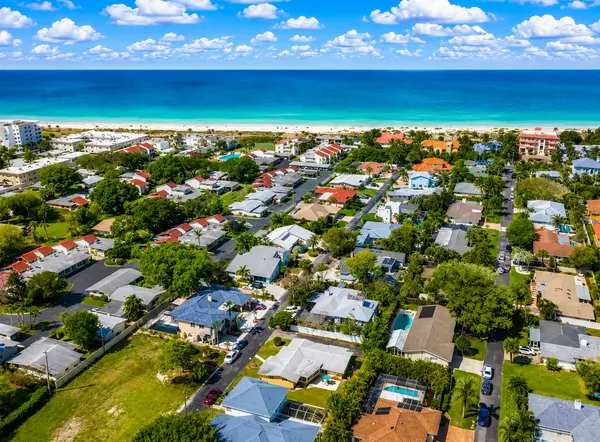
If you are relocating from another state, the most useful approach is to compare Sarasota as a place to live—not simply as a place you enjoyed visiting. These 15 considerations can help you understand what everyday life and homeownership may actually involve before you make the move.
Quick Answers About Moving to Sarasota
Is Sarasota a City or a Larger Region?
Both descriptions are commonly used. The City of Sarasota is a specific municipality, while people often use “Sarasota” more broadly when discussing surrounding parts of Sarasota County and nearby Gulf Coast communities. The U.S. Census Bureau estimated the City of Sarasota's population at 58,458 as of July 1, 2025, while Sarasota County's estimated population was 479,958.
Is Sarasota Only for Beach Living?
No. Beaches are a major part of Sarasota's identity, but the area also offers downtown condominium living, established residential neighborhoods, golf and country-club communities, master-planned developments, boating communities and suburban housing. Sarasota is also promoted as Florida's Cultural Coast because of its concentration of museums, galleries, performing arts and other cultural institutions.
Do You Need to Worry About Flooding Everywhere in Sarasota?
Flood exposure is property-specific. Coastal location alone does not tell you everything about an individual home's risk, and a flood zone is different from a hurricane evacuation level. Buyers should investigate the current FEMA flood-zone designation, available elevation information, evacuation level and property history for the actual home they are considering.
Does Sarasota Have Its Own Major Airport?
Sarasota-Bradenton International Airport, commonly known by its airport code SRQ, serves the area. In March 2026, airport materials reported service from 11 airlines to 68 nonstop destinations, although individual routes may be seasonal and schedules change.
Should You Rent Before Buying in Sarasota?
Renting first can be useful for some relocation buyers because it provides time to experience different locations and seasonal traffic patterns, but it is not necessary for everyone. Buyers who spend meaningful time exploring neighborhoods before purchasing may be comfortable buying directly. The decision depends on timing, finances, familiarity with the area and personal circumstances.
1. “Sarasota” Covers More Lifestyles Than You Might Expect
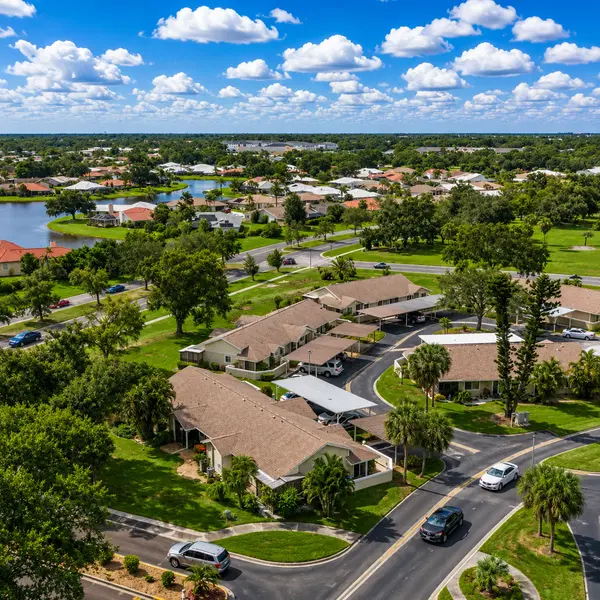
One of the first lessons for relocation buyers is that moving to Sarasota does not describe one type of neighborhood or lifestyle. Downtown Sarasota feels very different from Siesta Key. Longboat Key is different again, as are Palmer Ranch, Lakewood Ranch and communities farther south in Sarasota County.
The City of Sarasota itself had an estimated 58,458 residents in 2025, while Sarasota County was approaching 480,000 residents. That larger county includes multiple municipalities and communities with very different housing, transportation and lifestyle characteristics.
Before narrowing your home search, explore Gulf Coast communities served by Hunt Brothers Realty. Think about where you want to spend an ordinary Tuesday rather than only where you want to spend a vacation weekend.
2. Mainland Sarasota and the Barrier Islands Are Different Experiences
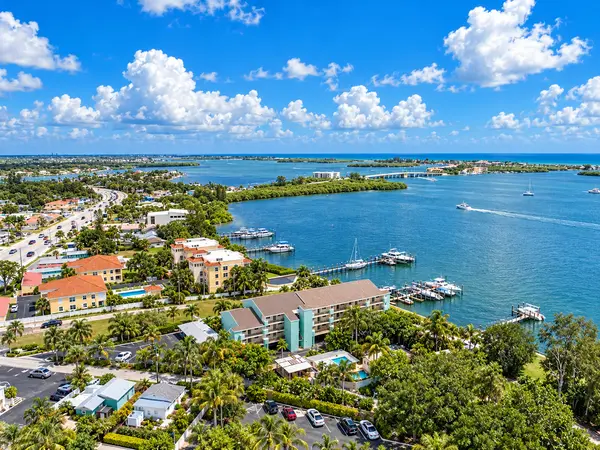
Living on a barrier island can put the Gulf, beach or boating much closer to daily life, but mainland Sarasota can offer easier access to employment, shopping, medical services, Interstate 75 and other everyday destinations. Neither is universally better.
Siesta Key, Lido Key and Longboat Key each have their own character. Some residents prioritize walking or biking to the beach. Others decide they would rather drive to the beach when they want it and live closer to downtown, shopping or major roads.
Barrier-island buyers should also consider bridge access, storm evacuation, insurance, flood exposure and salt-air maintenance. Those issues do not make island ownership undesirable; they simply belong in the decision alongside the view and beach access.
3. Your Neighborhood Should Match Your Normal Routine
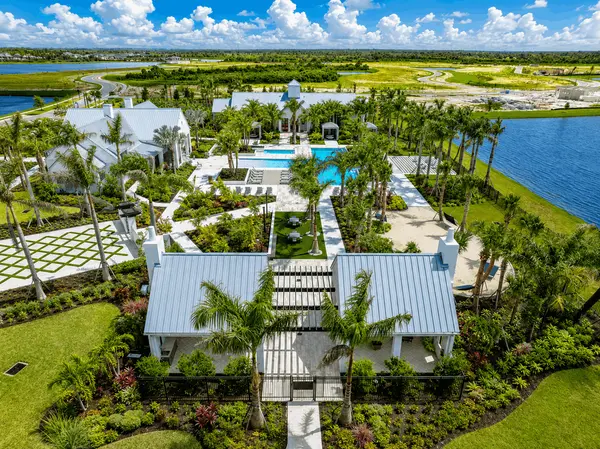
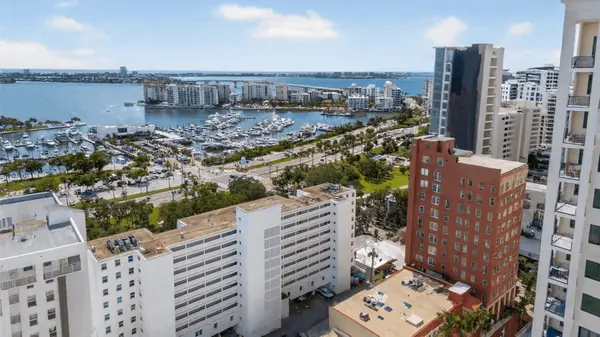
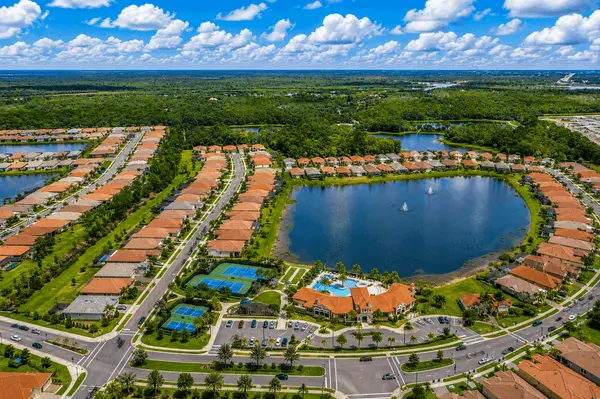
The best Sarasota neighborhood is the one that supports how you actually expect to spend your time. A buyer who wants restaurants, cultural venues and the bayfront within walking distance may begin with Downtown Sarasota. A beach-focused buyer may prefer Siesta Key, Lido Key or Longboat Key. Someone prioritizing newer construction and community amenities may investigate Lakewood Ranch or another master-planned area.
This is particularly important for buyers moving from cities where neighborhoods are judged largely by commute time. In Sarasota, your preferred beach, bridge, boating access, golf course, downtown destination or major roadway may shape the practical geography of your search.
Relocation buyers considering an urban lifestyle can review Hunt Brothers Realty's Downtown Sarasota condominium comparison by location and lifestyle.
4. Sarasota's Housing Choices Go Far Beyond Single-Family Homes
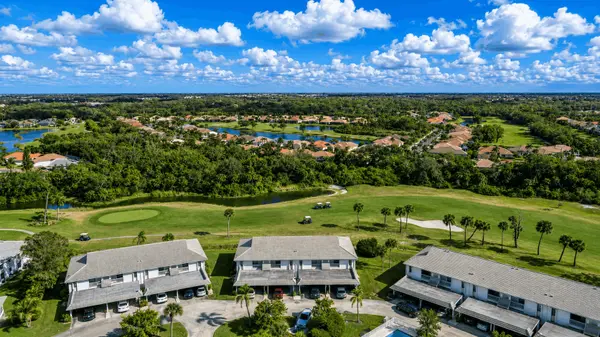
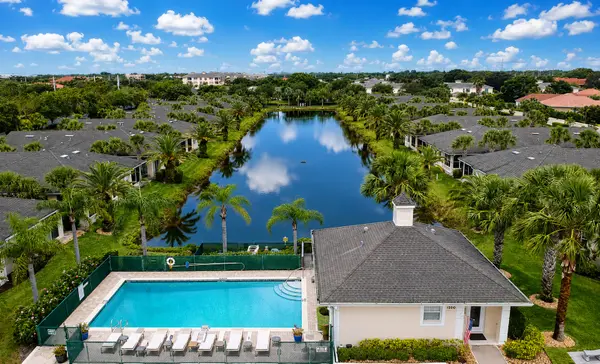
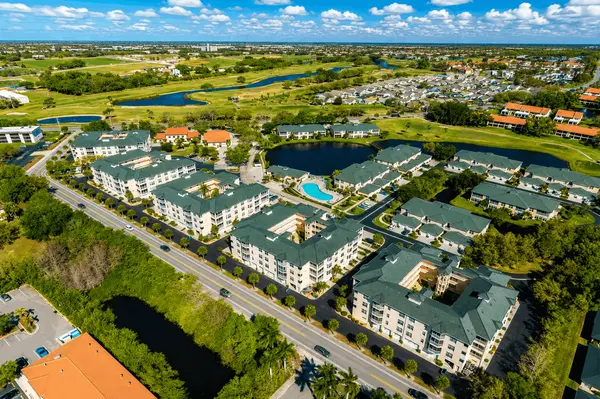
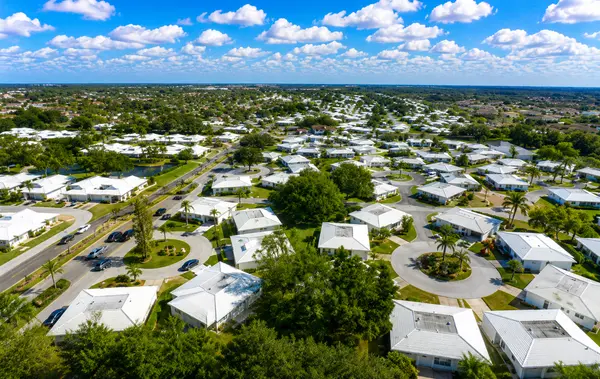
Relocation buyers can choose among downtown condos, Gulf-front condominiums, villas, townhomes, older Florida homes, newer construction, gated communities, golf properties, canal homes and luxury waterfront estates. The ownership experience can differ as much as the architecture.
A condominium can reduce some individual exterior-maintenance responsibilities but introduces association fees, governing documents, reserves and shared financial obligations. A single-family home can provide more autonomy while placing more maintenance directly on the owner. A waterfront house can add seawalls, docks and marine infrastructure to the equation.
Start with the ownership model you want, then compare individual communities and properties within it. Hunt Brothers Realty's Florida buyer resources and relocation information provide a useful starting point for understanding the Florida purchase process.
5. The Sarasota Housing Market Is Highly Localized
Countywide real estate statistics can provide context, but they do not tell you what is happening in every Sarasota neighborhood or property type. A downtown luxury condo, a mainland single-family home, a Siesta Key residence and a Longboat Key waterfront property can operate in different competitive environments.
Current 2026 conditions also illustrate why property type matters. Hunt Brothers Realty's Sarasota housing market update found different inventory conditions for single-family homes compared with condominiums and townhomes.
When you become serious about buying, compare current listings, pending sales, recent comparable sales, days on market and property condition within the specific neighborhood and property category you are considering. Broad national or statewide headlines are rarely sufficient for an individual purchase decision.
6. Insurance Should Be Researched Before You Fall in Love With a House
Florida property insurance is too important to treat as a closing-table detail. The age and condition of the roof, wind-mitigation features, openings, construction, elevation, location, prior claims and other property characteristics can influence available coverage and cost.
Do not assume that the seller's current premium will become your premium or that two similarly priced houses will have similar insurance costs. An online estimate is also not a substitute for an actual property-specific quote.
Insurance availability, coverage and premiums can vary substantially by property. Buyers should obtain property-specific quotes and review coverage with a qualified insurance professional before making a purchasing decision.
7. Flood Zones and Evacuation Zones Are Not the Same Thing
This distinction is especially important for people moving to coastal Florida for the first time. Flood-zone designations relate to flood risk and insurance mapping, while hurricane evacuation levels are used for emergency evacuation planning. A change in one does not automatically mean a change in the other.
Two houses on the same street can also have different elevations, construction characteristics, drainage and histories. That is why a buyer should investigate the actual property rather than deciding that an entire neighborhood is either “safe” or “a flood zone.”
For coastal properties, review the current flood designation, available elevation certificate or survey, evacuation level and known property history. Hunt Brothers Realty's questions to ask before buying a home near the coast explains these considerations in greater detail.
8. Hurricane Season Becomes Part of Homeownership
Moving to Sarasota means becoming familiar with hurricane preparation even though most days along the Gulf Coast are not storm days. Atlantic hurricane season officially runs from June 1 through November 30.
Practical preparation can include knowing your evacuation level, understanding evacuation routes, maintaining appropriate insurance, securing exterior items and knowing how windows and openings are protected. Seasonal residents also need a plan for the property when they are out of town.
A home's storm resilience should be evaluated property by property. Roof condition, openings, elevation, drainage and construction details should be reviewed with the appropriate licensed inspector, contractor, engineer or other qualified professional when they are material to your decision.
9. Property Taxes Require Florida-Specific Research
Do not estimate your future Sarasota property-tax bill simply by looking at what the current owner pays. Florida property taxation involves assessed values, exemptions and other factors that can make the seller's current bill a poor predictor of a new owner's future taxes.
Florida's homestead exemption and Save Our Homes assessment limitation may be relevant to qualifying owners of a primary residence, but eligibility and tax consequences depend on individual circumstances. A second home or investment property may be treated differently from a qualifying homestead.
Before purchasing, use current information from the Sarasota County Property Appraiser and applicable taxing authorities to estimate the property rather than relying on the existing tax bill. Questions about exemptions, residency or tax consequences should be reviewed with the appropriate government office and a qualified tax professional or CPA.
10. Seasonal Traffic Can Change Your Perception of Distance
Five miles in Sarasota does not always mean the same travel time. Winter seasonal activity, beach traffic, bridge traffic, construction and major events can affect trips that appear short on a map.
This matters particularly when comparing barrier-island and mainland properties. Access to Siesta Key, Lido Key and Longboat Key depends on bridges, while Gulf of Mexico Drive functions as the primary north-south roadway on Longboat Key.
Before buying, drive your likely routes at realistic times. Test the trip to work, the grocery store, airport, medical appointments, beach, restaurants or family destinations. A home that looks farther away may function better than expected, while a seemingly close location may involve a bottleneck that matters to your routine.
11. Sarasota-Bradenton International Airport Is a Major Convenience
For residents who travel frequently or expect regular visits from family, Sarasota-Bradenton International Airport can be an important part of the relocation equation. The airport is located at 6000 Rick Piccolo Circle and serves the Sarasota-Bradenton region.
In March 2026, SRQ reported 11 airlines and 68 nonstop destinations. The airport's current destination list includes a mix of year-round and seasonal routes, so buyers who depend on service to a particular city should verify the current schedule rather than assuming a route operates throughout the year.
Airport convenience can also influence neighborhood selection. Frequent travelers may weigh the drive to SRQ differently than someone who expects to fly only occasionally.
12. Sarasota Is as Much an Arts City as a Beach Destination
New residents sometimes arrive for the beaches and discover that Sarasota's cultural life becomes an equally important part of living here. Visit Sarasota County promotes the region as Florida's Cultural Coast, with offerings ranging from museums and galleries to ballet, opera and theater.
The Ringling, Sarasota Opera, Sarasota Ballet and numerous theaters and galleries contribute to a cultural environment that is unusually substantial for a Gulf Coast city of Sarasota's size. Downtown living can place residents especially close to many of these destinations.
If culture is important to your routine, consider proximity to downtown when comparing homes. Hunt Brothers Realty's guide to Downtown Sarasota provides a closer look at the area's real estate and lifestyle.
13. HOA and Condo Fees Need to Be Evaluated by What They Cover
An association fee by itself tells you very little about whether a community is expensive or economical to own. The important question is what the fee covers and what financial responsibilities remain with the owner.
Depending on the community, fees may contribute toward landscaping, common-area maintenance, pools, gates, recreational facilities, building insurance, exterior components, management, reserves or other expenses. Another association with a lower fee may include substantially fewer services.
Condominium buyers should pay particular attention to current budgets, reserve information, assessments, insurance, maintenance responsibilities, governing documents, leasing restrictions and building information applicable to the property. Association finances and rules can change, so current documents should be reviewed before making a decision.
14. Families Should Research the Exact School Assignment
Buyers with school-age children should verify current school assignments and educational options using the actual property address rather than relying on a real estate listing or neighborhood reputation. Attendance boundaries and programs can change, and different parts of the greater Sarasota area may fall under different school systems.
Families may also want to investigate public, charter, magnet and private-school options according to their individual needs. School transportation, commute patterns and after-school activities can be practical considerations when comparing neighborhoods.
Because educational needs are highly individual, buyers should verify current attendance zones, enrollment requirements and programs directly with the appropriate school district or school before making a housing decision. A real estate professional can provide property and community information but should not choose or rank neighborhoods for a family based on protected characteristics or subjective judgments about schools.
15. Visit Sarasota Like a Resident Before You Buy
One of the most valuable relocation exercises is to stop sightseeing for a day and practice living here. Drive from a prospective neighborhood to the places that would matter in your normal week. Buy groceries. Visit the area in the evening. Test the commute. Cross the bridge at a busy time. Walk from a downtown condominium to the destinations you expect to use.
If possible, compare several housing environments during the same trip. Spend time downtown, on a barrier island and in one or two mainland communities. Buyers are sometimes surprised to discover that the neighborhood they liked most online is not the location that best fits their everyday routine.
Hunt Brothers Realty's Florida relocation and buyer resources are designed to help buyers compare the purchase process and lifestyle choices before narrowing the search.
What Should You Budget for Beyond the Purchase Price?
A Sarasota home should be compared using its total ownership cost, not simply its listing price or mortgage payment. Two properties with similar purchase prices can have meaningfully different annual expenses.
- Property taxes: Estimate taxes based on the prospective ownership rather than assuming the seller's bill will continue.
- Homeowners insurance: Obtain a quote for the actual property.
- Flood insurance: Investigate whether coverage is required or appropriate for the property and financing situation.
- Association fees: Determine what HOA or condominium fees cover.
- Assessments: Review existing and proposed association assessments when applicable.
- Maintenance: Consider roof, HVAC, pool, landscaping, pest control and exterior upkeep.
- Coastal maintenance: Waterfront and barrier-island properties may require additional attention to salt-air exposure, docks, seawalls or other marine components.
- Utilities: Compare actual utility expectations for the size and type of home.
- Financing and closing: Review loan costs, title and closing expenses with the appropriate professionals.
Financing, tax and insurance costs depend on the individual buyer and property. Buyers should obtain current estimates from their lender, insurance professional, tax professional and other appropriate qualified professionals before determining affordability.
Which Sarasota Lifestyle Sounds Most Like You?
| If You Prioritize... | Areas Worth Exploring | What to Compare |
|---|---|---|
| Walkability, restaurants and culture | Downtown Sarasota and nearby urban neighborhoods | Building location, parking, association and walkability |
| Beach-centered living | Siesta Key and Lido Key | Beach access, bridge routes, flood and insurance considerations |
| Quiet coastal luxury | Longboat Key | Island location, condo versus home, boating and ownership costs |
| Boating | Waterfront sections of Sarasota and the barrier islands | Dock, lift, water depth, bridges, seawall and navigation |
| Planned-community amenities | Palmer Ranch, Lakewood Ranch and other master-planned areas | HOA structure, amenities, fees, location and maintenance |
| Lower-maintenance seasonal living | Condo and villa communities throughout the region | Association responsibilities, reserves, assessments and rental rules |
What Should You Inspect More Carefully in a Florida Home?
Relocation buyers should become familiar with Florida-specific property issues rather than applying only the inspection priorities they used in another state. Roof condition and age, HVAC systems, windows and doors, electrical systems, plumbing, drainage, moisture, pools and exterior construction can all deserve attention depending on the property.
Waterfront homes add another layer. Seawalls, docks, lifts, water depth and permitting can materially affect both use and future costs. Condominium buyers need to investigate the association and building in addition to the interior of the individual residence.
Inspection findings should be evaluated with the appropriate licensed home inspector, contractor, structural engineer, electrician, plumber, marine contractor or other qualified professional before the buyer makes a decision. Significant renovations should also be investigated for available permits and documentation when relevant.
Should You Buy a Condo When Moving to Sarasota?
Condominium living can be particularly attractive to relocation and seasonal buyers, but the building and association deserve as much attention as the individual unit. Sarasota offers condominium choices ranging from established low-rise communities to luxury downtown and Gulf-front towers.
Before buying, investigate current fees, budgets, reserves, assessments, insurance responsibilities, maintenance obligations, applicable inspection information, parking, pet provisions, leasing restrictions and other governing rules. Do not assume that two buildings with similar prices provide similar financial or ownership arrangements.
Questions involving condominium governing documents, ownership rights or legal obligations should be reviewed with a qualified Florida real estate attorney or other appropriate legal professional when individualized legal guidance is needed.
A Practical Sarasota Relocation Checklist
Before committing to a Sarasota property, work through the location, property and ownership questions separately. That helps prevent an attractive kitchen or Gulf view from overshadowing practical considerations.
- Identify the Sarasota lifestyle and locations that fit your normal routine.
- Drive likely routes during realistic traffic conditions.
- Compare mainland and barrier-island ownership when appropriate.
- Review current neighborhood-level real estate conditions.
- Obtain property-specific insurance information.
- Investigate flood-zone and evacuation information separately.
- Estimate future property taxes rather than copying the seller's bill.
- Review HOA or condominium documents and financial information when applicable.
- Arrange appropriate property inspections.
- Investigate permits and major renovation history when relevant.
- Verify school assignments directly if they matter to your household.
- Compare the complete annual cost of ownership.
- Understand hurricane preparation and evacuation procedures.
- Confirm rental restrictions if leasing is part of your plan.
- Spend enough time in the area to understand how the location feels outside vacation mode.
Moving to Sarasota Is Really About Choosing Your Version of Sarasota
Sarasota's appeal comes partly from the fact that there is no single Sarasota lifestyle. You can live in a downtown condominium and walk to dinner, keep a boat behind a waterfront home, spend mornings near Siesta Beach, choose a quieter Longboat Key setting or settle into a mainland community with amenities and easier access to regional roads.
The tradeoffs are equally varied. Beach proximity may come with different flood, insurance and traffic considerations. A condominium may simplify some maintenance while adding association obligations. A newer mainland home may provide modern construction and community amenities while putting the Gulf farther from your front door.
The strongest relocation decision is therefore not simply deciding that Sarasota is right for you. It is understanding which part of Sarasota, which property type and which ownership responsibilities best support the life you intend to build here.
Plan Your Move to Sarasota With Hunt Brothers Realty
If you are considering moving to Sarasota, Hunt Brothers Realty can help you compare neighborhoods, property types and current real estate opportunities based on the way you plan to live. Start with Hunt Brothers Realty's Gulf Coast community guides, explore Florida buyer and relocation resources, review the latest Sarasota housing market insights, or visit HuntBrothersRealty.com to begin planning your Sarasota home search.
Informational notice: This article provides general real estate and educational information only. Property taxes, homestead eligibility, financing, insurance, flood conditions, evacuation information, association requirements, inspections, school assignments, rental rules and other ownership considerations can vary by buyer, property and location and may change over time. Buyers should verify current property-specific information and obtain individualized guidance from the appropriate licensed real estate professional, mortgage lender, insurance professional, tax professional or CPA, home inspector, contractor, engineer, condominium or homeowners association, Florida real estate attorney, title or closing professional, school district, Sarasota County or other applicable government authority before making a purchasing or relocation decision.
Sources
- U.S. Census Bureau QuickFacts — Sarasota city, Florida
- U.S. Census Bureau QuickFacts — Sarasota County, Florida
- Sarasota-Bradenton International Airport — Official Airport Information
- Sarasota-Bradenton International Airport — Nonstop Destinations
- Visit Sarasota County — Beaches, Arts, Culture and Area Information
- Hunt Brothers Realty — Florida Buyer and Relocation Resources
- Hunt Brothers Realty — Explore Gulf Coast Communities
- Hunt Brothers Realty — Questions to Ask Before Buying a Home Near the Coast
- Hunt Brothers Realty — Downtown Sarasota Condos by Location and Lifestyle
- Hunt Brothers Realty — Sarasota Housing Market Update
Contact Hunt Brothers Realty
Hunt Brothers Realty
46 N Washington Blvd, Ste #3
Sarasota, Florida 34236
Phone: (941) 388-7017
Email: info@huntbrothersrealty.com
Website: HuntBrothersRealty.com
Categories
- All Blogs 1869
- Anna Maria Island 82
- Bird Key 4
- Bradenton 234
- Buying a Home 944
- Casey Key 2
- Clearwater 8
- Condos & HOA Living 854
- Ellenton 5
- Englewood 9
- First Time Homebuyers 1047
- Foreclosures 3
- Homeownership 1066
- Lakewood Ranch 20
- Lido Key 27
- Longboat Key 77
- Luxury/Waterfront Properties 1004
- Market Updates & Trends 545
- Mortgages & Financing 38
- Move-Up Buyers 20
- Neighborhood Guides 684
- New Construction 29
- Palmetto 3
- Parrish 6
- Port Charlotte 10
- Punta Gorda 14
- Real Estate Investing 923
- Relocation to Florida 970
- Safety Harbor 2
- Sarasota 60
- Sarasota - Downtown 156
- Selling a Home 142
- Siesta Key 88
- St. Petersburg 6
- Tierra Verde 4
- Vacation & Second Homes 1116
- Venice 61
- Wellen Park 9
Recent Posts