Questions to Ask Before Buying a Home Near the Coast
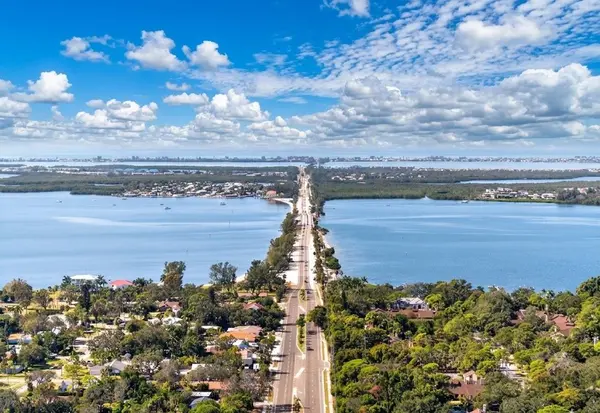
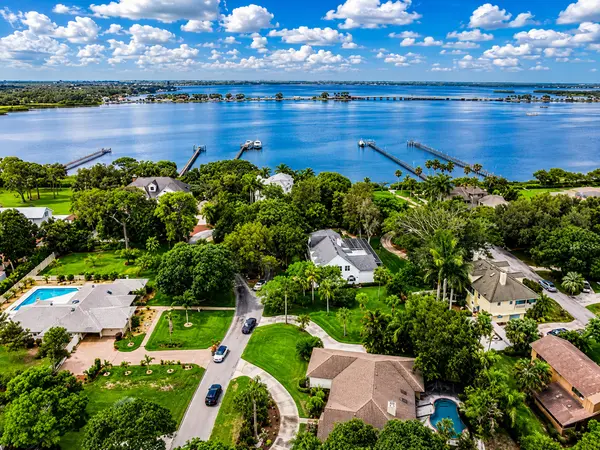
Buying a home near Florida's Gulf Coast can mean easy access to beaches, boating, waterfront recreation and the lifestyle that draws buyers to Sarasota and Southwest Florida. Coastal ownership also introduces questions that may not matter as much farther inland. Flood exposure, elevation, insurance, wind protection, drainage, seawalls, docks and long-term maintenance can all influence what a property ultimately costs to own.
The goal is not simply to ask, "Is this house near the water?" A more useful approach is to understand how the individual property was built, how it has performed during previous weather events, what insurance is available today and which coastal features you may eventually have to maintain. Buyers considering Sarasota and Gulf Coast real estate with Hunt Brothers Realty can use the questions below as a starting point for property-specific due diligence.
Quick Questions Every Coastal Homebuyer Should Ask
What Flood Zone Is the Property In?
Identify the property's current FEMA flood-zone designation, but do not stop there. A flood zone is one piece of a larger risk picture that can also include elevation, drainage, proximity to open water, storm surge and the home's construction.
How Much Will Insurance Actually Cost?
Request property-specific homeowners, wind and flood insurance information early in the purchase process. Standard homeowners insurance generally does not cover flooding, so buyers should understand which separate policies or endorsements may be appropriate.
Has the Property Ever Flooded?
Ask about known previous flooding, water intrusion, storm damage, insurance claims and repairs. Where information is available, understand what happened, how water entered the property and what improvements were subsequently completed.
How High Is the Home?
Elevation can be an important part of coastal risk and insurance analysis. Ask whether an elevation certificate or other reliable elevation documentation is available and discuss the information with the appropriate insurance, surveying and flood-risk professionals.
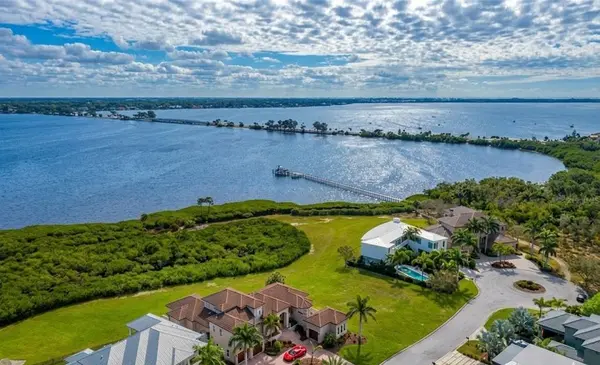
If the Home Is Waterfront, Who Maintains the Seawall and Dock?
Determine who owns and maintains each waterfront improvement, its approximate age and condition, whether permits are available, and whether major repairs are anticipated. A view of the water and ownership of waterfront infrastructure are two different things.
1. What Is the Property's Flood Zone?
Flood-zone research is one of the first steps when evaluating a coastal property. FEMA flood maps identify areas with different levels and types of flood risk. High-risk A zones are associated with flood hazards, while coastal V and VE zones include additional hazards from storm waves.
A lower-risk designation does not mean "no flood risk." Flooding can occur outside mapped high-risk areas, which is why buyers should consider the flood map together with the property's elevation, surrounding drainage and location relative to water.
Questions to Ask About Flood Risk
- What is the current FEMA flood-zone designation?
- Is the property in a Special Flood Hazard Area?
- Is an elevation certificate available?
- What is the finished-floor elevation?
- Has the property experienced previous flooding or water intrusion?
- How does water drain from the lot after heavy rain?
- Has the surrounding street or neighborhood experienced flooding?
- Is flood insurance required by the buyer's lender?
For waterfront properties, Hunt Brothers Realty's Buyer's Guide to Waterfront Homes on Florida's Gulf Coast provides additional context about flood zones, seawalls and docks.
2. What Will Homeowners, Wind and Flood Insurance Cost?
Insurance can materially change the affordability of a coastal home. Buyers should avoid estimating future premiums solely from what the seller currently pays. The buyer's insurer, coverage limits, deductibles, property characteristics, roof, wind-mitigation features, flood exposure and other underwriting factors can produce a different result.
Florida's Office of Insurance Regulation explains that flood coverage is generally separate from homeowners insurance. Depending on the property's location and financing, a lender may require flood insurance.
Ask an Insurance Professional Before Making the Numbers Work
- What is the estimated annual homeowners premium?
- What hurricane or wind deductible applies?
- Is separate flood insurance recommended or required?
- What would flood coverage cost?
- Are there coverage exclusions that matter for this property?
- Does the home qualify for wind-mitigation credits?
- Does the roof's age or condition affect insurability?
- Would renovations or upgrades improve insurance options?
Obtain actual quotes before the end of the applicable due-diligence period whenever possible. Insurance is part of the ownership cost, not simply a closing detail.
3. Has the Home Ever Experienced Flood or Storm Damage?
A property's history can sometimes provide information that a flood-zone label cannot. Ask about known flooding, storm damage, roof damage, water intrusion and previous repairs.
Previous damage does not automatically make a home unsuitable. The more important questions are what caused the damage, how extensive it was, how it was repaired, whether required permits were obtained and whether improvements were made to reduce future vulnerability.
Ask for Documentation When Available
Useful records can include seller disclosures, permits, invoices, inspection reports, engineering documentation, warranties and other records associated with previous repairs. A qualified home inspector can also look for evidence of past moisture intrusion or repairs that deserve additional investigation.
4. What Is the Home's Elevation?
Two homes in the same general coastal neighborhood can have different elevations and therefore different exposure. One property may sit noticeably above the street while another is lower relative to surrounding land.
Ask about the elevation of the finished living area and whether reliable elevation documentation is available. Elevated construction can also create questions about garages, enclosures, storage and mechanical equipment below the primary living level, so buyers should understand how those areas are permitted and insured.
5. How Old Is the Roof?
Roof condition matters anywhere in Florida, but it deserves particular attention near the coast. Ask when the roof was installed, what material was used, whether permits are available and whether the roof has undergone storm-related repairs.
Do not evaluate the roof solely by its apparent condition. An insurance professional can explain how the roof's age, material and documented condition affect current coverage options for the specific home.
6. What Wind-Mitigation Features Does the Home Have?
Coastal buyers should understand how the home is designed to handle wind. Relevant features may include impact-resistant windows and doors, approved shutters, roof-to-wall connections, roof-deck attachment and other construction details documented through a wind-mitigation inspection.
Ask whether a recent wind-mitigation report exists. If not, discuss obtaining one during due diligence. The results may help an insurance professional evaluate available credits and coverage.
7. Are the Windows and Doors Storm-Rated?
Do not assume that newer-looking windows are impact resistant. Ask what was installed, when it was installed and whether permits, product information or inspection documentation are available.
If the property relies on shutters instead, determine what type they are, whether there is protection for each required opening, where removable components are stored and how practical installation would be before a storm.
8. How Does the Property Handle Heavy Rain?
Flood risk is not limited to direct waterfront properties. Heavy rainfall and drainage can affect homes away from the shoreline as well. Look at the grade of the lot, drainage paths, gutters, downspouts, neighboring elevations and nearby streets.
Ask whether water collects in the yard, driveway or street after significant rain. When possible, local knowledge and historical observations can add useful context to maps and elevation data.
9. If There Is a Seawall, What Condition Is It In?
For a waterfront home, the seawall can be one of the property's most important pieces of infrastructure. A seawall helps protect the shoreline from erosion and water impact, and its condition can affect future maintenance costs and the usability of the waterfront.
Hunt Brothers Realty's Florida Gulf Coast waterfront buyer guide recommends investigating the seawall's age and material as part of waterfront due diligence.
Questions to Ask About a Seawall
- When was the seawall installed?
- What material was used?
- Has it been repaired or reinforced?
- Are permits and repair records available?
- Are there visible cracks, movement or erosion?
- Who is responsible for maintenance?
- Should a seawall or marine contractor inspect it?
10. What Should I Know About the Dock and Boat Access?
A dock does not automatically mean the property will work for every boat. Buyers should investigate the dock itself as well as the water between the property and the destinations they intend to reach.
Questions for Boaters
- What is the approximate water depth at the dock?
- How does depth change with tides?
- Are there fixed bridges between the home and open water?
- What are the relevant bridge clearances?
- How long is the route to the Intracoastal or Gulf?
- What vessel dimensions can the dock accommodate?
- Is there a boat lift, and what is its documented capacity?
- Were the dock and lift properly permitted?
- Are repairs or replacement likely?
Buyers who plan to keep a boat at home should investigate these issues before making the waterfront location a deciding factor.
11. Are Waterfront Improvements Properly Permitted?
Docks, lifts, seawalls, additions, pools and other improvements may involve local or other regulatory approvals depending on the project and property. Ask for available permit records and compare them with what physically exists.
If documentation is incomplete, investigate the issue before closing rather than assuming an improvement is compliant because it has been present for many years.
12. What Maintenance Comes With Salt, Sun and Humidity?
Living near saltwater can increase exposure to corrosion and weathering. Exterior hardware, railings, lighting, mechanical equipment and other metal components may require closer attention depending on the property's proximity and exposure to salt air.
Humidity also makes moisture management important. During an inspection, pay attention to ventilation, HVAC performance, signs of leaks or moisture intrusion and the condition of exterior building components.
13. What Will the Home Really Cost to Own?
Purchase price is only one part of coastal affordability. A property with a higher purchase price but newer roof, stronger storm protection and recently improved waterfront infrastructure may present a different long-term cost profile from a less expensive property requiring substantial work.
Build a Coastal Ownership Budget That Includes
- Homeowners insurance
- Flood insurance when applicable or desired
- Wind or hurricane-related coverage and deductibles
- Property taxes
- HOA or condominium fees when applicable
- Pool maintenance
- Landscaping
- Roof and exterior maintenance
- Seawall maintenance when applicable
- Dock and boat-lift maintenance when applicable
- Storm preparation and post-storm expenses
14. What Would I Have to Do Before a Hurricane?
Think about storm preparation as an ownership task rather than an abstract risk. If the home has removable shutters, how long would installation take? What happens to patio furniture? Does a boat need to be relocated? Where are important documents stored? Is there a generator, and what systems can it support?
For a seasonal residence, also consider who will prepare and inspect the property when you are away. A home that is easy to secure may fit a part-time owner's needs differently from one requiring extensive preparation.
15. How Close to the Coast Do I Actually Want to Be?
"Near the coast" can describe very different lifestyles. A Gulf-front condominium, canal home, Sarasota Bay residence and house several miles inland may all provide convenient access to the water while presenting different maintenance, insurance and boating considerations.
Some buyers want to step directly onto the beach. Others would rather live inland and drive to the beach while reducing the amount of waterfront infrastructure they personally maintain. Boaters may value canal access more than Gulf frontage. The best location depends on how you actually intend to use the coast.
Coastal Homebuyer Due-Diligence Checklist
Before completing a coastal home purchase, consider whether you have addressed each of these items:
- Verify the current flood-zone designation.
- Review elevation information when relevant.
- Ask about known flood, water-intrusion and storm history.
- Obtain property-specific homeowners and flood insurance information.
- Review hurricane and other applicable deductibles.
- Complete appropriate home inspections.
- Review roof age, permits and condition.
- Review wind-mitigation features.
- Confirm window, door and shutter protection.
- Evaluate lot and neighborhood drainage.
- Inspect seawalls and shoreline infrastructure when applicable.
- Inspect docks and lifts when applicable.
- Verify boating depth, bridge clearance and access when applicable.
- Review permits for significant improvements.
- Estimate ongoing coastal maintenance.
- Calculate total annual ownership costs.
Should Flood Risk Automatically Rule Out a Coastal Home?
Flood risk is one factor in a broader property decision. Different homes near the coast can have significantly different elevations, construction, storm protection, insurance costs and waterfront infrastructure.
A more useful question is whether you understand the property's specific risk and whether its purchase price and ongoing ownership costs make sense in light of that information. That requires property-specific research rather than assumptions based solely on distance from the beach.
Buying Near Florida's Gulf Coast With Confidence
Coastal living is one of the defining attractions of Sarasota and Southwest Florida, but the best purchase is one where the lifestyle and the ownership responsibilities both work for the buyer. Flood risk, insurance, elevation, wind protection, seawalls, docks and maintenance should be investigated before they become surprises after closing.
If waterfront living is the goal, continue with Hunt Brothers Realty's guide to seawalls, docks and flood zones on Florida's Gulf Coast. Buyers comparing coastal communities can also explore Sarasota-area homes and waterfront real estate.
How Hunt Brothers Realty Can Help Coastal Buyers
Hunt Brothers Realty can help buyers compare coastal properties throughout Sarasota and Florida's Gulf Coast while keeping property-specific considerations in focus. That can include reviewing comparable sales, discussing waterfront characteristics, identifying relevant questions for inspectors and insurance professionals, researching available property records and comparing homes based on total ownership considerations rather than price alone.
For buyers considering a waterfront home, the goal is not simply to find the best view. It is to understand what comes with that view before making the purchase.
Sources
- Hunt Brothers Realty, A Buyer's Guide to Waterfront Homes on Florida's Gulf Coast
- National Flood Insurance Program, Flood Zones and Maps
- Florida Office of Insurance Regulation, Flood Insurance
- Florida Department of Financial Services, Flood Insurance Overview
- Florida Department of Financial Services, Homeowners Insurance Overview
Contact Hunt Brothers Realty
46 N Washington Blvd, Ste #3, Sarasota, Florida 34236
Phone: (941) 388-7017
Email: info@huntbrothersrealty.com
Website: HuntBrothersRealty.com
Categories
- All Blogs 1769
- Anna Maria Island 82
- Bird Key 4
- Bradenton 220
- Buying a Home 868
- Casey Key 2
- Clearwater 7
- Condos & HOA Living 769
- Ellenton 4
- Englewood 5
- First Time Homebuyers 961
- Foreclosures 3
- Homeownership 966
- Lakewood Ranch 17
- Lido Key 27
- Longboat Key 77
- Luxury/Waterfront Properties 904
- Market Updates & Trends 471
- Mortgages & Financing 37
- Move-Up Buyers 20
- Neighborhood Guides 618
- New Construction 28
- Palmetto 3
- Parrish 6
- Port Charlotte 9
- Punta Gorda 14
- Real Estate Investing 832
- Relocation to Florida 880
- Safety Harbor 2
- Sarasota 47
- Sarasota - Downtown 150
- Selling a Home 140
- Siesta Key 88
- St. Petersburg 6
- Tierra Verde 4
- Vacation & Second Homes 1017
- Venice 26
- Wellen Park 7
Recent Posts