August Negotiation Season: When Buyers Have Leverage in Sarasota and Manatee
August can be an interesting month to buy a home on Florida's Gulf Coast.
The spring selling season has passed. Some homes have been on the market for weeks or months. Sellers who originally tested ambitious prices may have made reductions. Families focused on the school calendar have often completed their moves. And buyers willing to house hunt through the heat of late summer may encounter properties whose sellers are increasingly ready to make a deal.
That does not make August a guaranteed buyer's market.
In fact, one of the most important lessons of the 2026 Sarasota and Manatee real estate market is that negotiating power can vary considerably from one property to another.
A newly listed, renovated home priced correctly may give a buyer very little leverage. A similar property that has been sitting for 100 days after multiple price reductions can be a completely different conversation.
The opportunity is not simply buying in August. It is recognizing the signals that tell you when a particular seller may be ready to negotiate.
Why Can August Create Opportunities for Gulf Coast Buyers?
Real estate negotiations are shaped by supply, demand and motivation.
By August, listings that entered the market during winter or spring have had plenty of time to attract buyers. If a property remains unsold, the seller may be confronting a basic question:
What needs to change to get this home sold?
Sometimes the answer is price. Sometimes it is repairs. Sometimes a seller may prefer to contribute toward closing costs rather than make another visible price reduction.
The result can be a period when prepared buyers have more ways to structure an attractive transaction.
Is Sarasota a Buyer's Market in August 2026?
There is no single answer that applies to every Sarasota or Manatee County property.
Florida's housing market has become substantially more balanced than the rapid seller's market experienced during 2021 and 2022. Inventory in most major Florida markets is now above pre-pandemic norms, giving buyers more choices in many areas.
At the same time, demand has not disappeared. Florida Realtors reported that statewide single-family sales increased 9.3% year over year in June 2026, while condo and townhouse sales increased 14%.
That makes today's market more nuanced than simply declaring it a buyer's or seller's market.
The better question is:
Does the buyer have leverage on this particular property?
7 Signs a Sarasota or Manatee Buyer May Have Negotiating Leverage
1. The Home Has Been on the Market for a Long Time
Days on market can be one of the clearest signals of negotiating opportunity.
A seller receiving an offer after five days may feel confident another buyer will appear. A seller receiving an offer after 90 or 120 days may evaluate that same offer differently.
Time changes expectations.
Long market time does not automatically mean the seller will accept a large discount. But it gives the buyer and agent a reason to investigate why the property has not sold.
2. The Seller Has Already Reduced the Price
Price reductions reveal information.
A property originally listed at $850,000 and subsequently reduced to $799,000 has already shown that the seller's expectations can change in response to the market.
Multiple reductions can be even more informative, particularly when the listing still has not generated an acceptable contract.
Buyers should study the entire pricing history rather than looking only at the current asking price.
3. There Are Several Similar Homes for Sale
Competition works both ways.
During a tight seller's market, buyers compete with one another for limited inventory. When several similar homes are available, sellers compete for buyers.
That can be especially relevant in condominium buildings, master-planned communities and neighborhoods where several comparable properties are listed simultaneously.
A buyer who can credibly say, "We like this home, but there are three comparable alternatives," may have meaningful leverage.
4. The Property Needs Work
Buyers increasingly evaluate the total cost of ownership, not simply the purchase price.
An older roof, aging HVAC system, outdated electrical equipment, deferred maintenance or significant cosmetic renovation can influence what a buyer is willing to pay.
In Florida, condition can also affect insurability and insurance cost, which makes certain property issues financially important beyond the repair itself.
5. The Listing Came Back on the Market
A property returning to active status after a failed contract deserves attention.
The seller has already experienced the expectation of a closing and then lost it.
That does not necessarily indicate a problem with the home. Contracts can fail because of financing, buyer circumstances, inspections, appraisals or other issues.
But buyers should investigate why the previous transaction ended and determine whether the situation creates an opportunity.
6. The Property Is Vacant
A vacant property can create carrying costs without providing the seller any current use.
Taxes, insurance, association fees, utilities, maintenance and financing costs can continue every month the property remains unsold.
Vacancy does not prove motivation, but combined with extended market time it can strengthen the buyer's negotiating position.
7. The Seller Has a Reason to Close
Motivation matters more than almost any market statistic.
A seller who has already purchased another home, relocated, inherited a property or simply wants to eliminate carrying costs may value certainty and timing differently from a seller who is perfectly comfortable waiting.
Good negotiation therefore involves more than determining what a home is worth. It involves understanding what matters to the other side.
Buyer Leverage Is About More Than Asking for a Lower Price
Price receives most of the attention in a real estate negotiation, but it is only one component of the transaction.
Depending on the property and contract, buyers may negotiate around:
- Purchase price
- Seller contributions toward allowable closing costs
- Repairs
- Credits where permitted
- Closing date
- Financing-related terms
- Inspection terms
- Personal property or furnishings
- Home warranty arrangements
- Other transaction-specific terms
The most valuable concession is not necessarily the one that produces the biggest headline discount.
Price Reduction vs. Closing-Cost Credit: Which Is Better?
Suppose a buyer is considering a $600,000 home.
The buyer might prefer a $10,000 reduction in purchase price. But depending on financing and lender requirements, a properly structured seller contribution toward allowable closing costs could potentially provide more immediate cash-flow benefit.
There is no universal answer. The buyer should compare the effect on cash required at closing, monthly payment and total borrowing cost with the lender before deciding which structure is more valuable.
Why Days on Market Matter So Much
Market time tells a story.
Florida Realtors has highlighted the relationship between longer listing periods and the likelihood of price adjustments. National MLS data presented by NAR has similarly shown that average price reductions become larger as listings remain unsold for longer periods.
The practical lesson is straightforward:
Do not evaluate an asking price without evaluating how long the seller has been asking it.
Why Condos Can Offer Different Negotiating Opportunities
Condominiums deserve their own analysis in the 2026 Florida market.
Statewide, Florida had approximately 8.1 months of condo and townhouse inventory in June 2026, compared with 4.5 months for single-family homes.
That does not mean every Sarasota condominium seller is negotiable. Highly desirable units in well-positioned buildings can still attract significant demand.
But when several comparable units are available in the same building or immediate area, buyers have an advantage: the alternatives are unusually easy to compare.
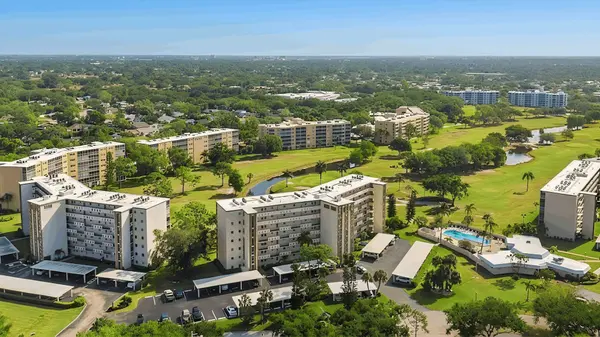
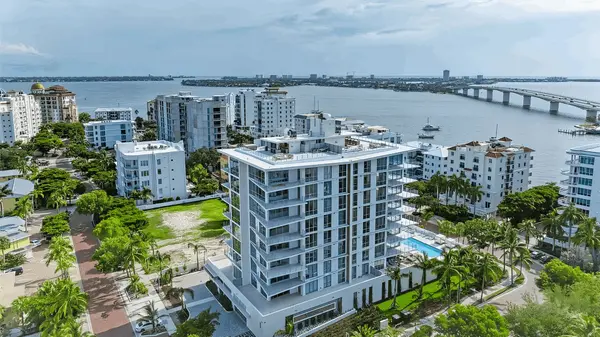
A buyer considering Downtown Sarasota condos, Longboat Key condos or Siesta Key condos should compare not only asking prices but association fees, reserves, insurance, assessments, renovation level, views and building condition.
New Construction Changes the Negotiation Equation
In parts of Sarasota and Manatee County, resale sellers are not competing only with other homeowners.
They may also be competing with builders.
That is especially relevant around communities such as Lakewood Ranch and Wellen Park, where buyers may be able to compare resale homes with new construction.
Builders can sometimes use incentives, financing programs, closing-cost assistance or upgrade packages rather than simply reducing the advertised base price.
A resale buyer should understand that competition because it can influence what a seller needs to offer to remain attractive.
Waterfront Properties Require a Different Negotiation Strategy
Negotiating a waterfront home involves variables that may not appear in an ordinary suburban transaction.
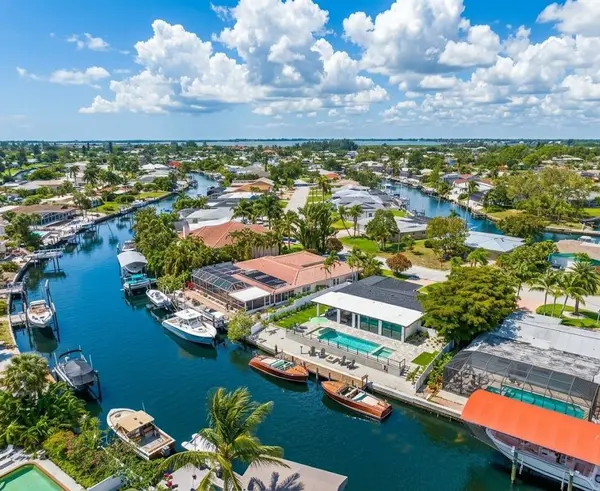
A buyer may need to evaluate seawall condition, dock condition, water depth, bridge clearance, flood exposure, elevation, storm protection and insurance availability.
Those factors can create legitimate negotiating issues when they affect the property's usefulness or expected ownership cost.
Before making an offer on coastal property, review Buying Waterfront Property in Florida: 10 Things to Know Before You Buy and Questions to Ask Before Buying a Home Near the Coast.
Don't Confuse Leverage With a License to Lowball
Having leverage does not mean every aggressive offer is strategically smart.
A very low offer unsupported by comparable sales can cause a seller to disengage rather than negotiate.
The strongest offers usually have a rationale.
Perhaps similar homes recently sold for less. Perhaps the subject property needs a roof. Perhaps competing listings have superior renovations. Perhaps the seller has already reduced the price several times without generating a contract.
Negotiating leverage becomes more powerful when it is supported by evidence.
When Buyers Probably Have Less Leverage
Not every August listing is a negotiation target.
Buyer leverage may be limited when:
- The property has just been listed.
- The asking price is supported by recent comparable sales.
- There are few comparable homes available.
- The home is renovated and move-in ready.
- The listing is receiving substantial showing activity.
- Another offer is already being considered.
- The seller has no urgency to move.
- The property has characteristics that are difficult to replace.
This is why market-wide statistics should inform a negotiation, not dictate it.
How to Measure Your Leverage Before Making an Offer
Before deciding what to offer, evaluate the property systematically.
- Days on market: How long has the property been available?
- Original price: Where did the seller begin?
- Price changes: How many reductions have occurred?
- Comparable sales: What have similar properties actually sold for?
- Active competition: What else could you buy today?
- Pending competition: Which similar homes recently attracted buyers?
- Condition: What repairs or improvements are needed?
- Insurance: Are there property characteristics affecting coverage or premiums?
- Seller circumstances: Is there evidence that timing matters?
- Your alternatives: Are you willing to walk away?
The last question is particularly important. A buyer usually negotiates more effectively when there are acceptable alternatives.
The Affordability Problem Can Strengthen Negotiating Pressure
Sarasota and Manatee County also face an affordability challenge that affects negotiations.
A 2026 National Association of Realtors analysis identified the North Port-Bradenton-Sarasota metro as having a significant mismatch between the homes available for sale and the homes local households can afford.
That distinction matters. A market can have plenty of listings overall while still lacking homes priced appropriately for much of its buyer pool.
For an overpriced listing, the practical consequence is straightforward: buyers may simply have alternatives that fit their budgets better.
Why a Strong Buyer Can Sometimes Negotiate More
Negotiation is not only about what the buyer asks the seller to give up.
It is also about what the buyer offers in return.
A well-qualified buyer with clear financing, appropriate documentation, meaningful escrow deposit and a realistic closing timeline may provide a seller with greater confidence than a financially uncertain buyer offering slightly more money.
Certainty has value.
Sometimes strengthening the parts of an offer that matter most to the seller can make it possible to negotiate more effectively on the parts that matter most to the buyer.
A Practical August Buyer Strategy
For buyers shopping Sarasota and Manatee County in August, one useful strategy is to look beyond the newest listings.
Search specifically for:
- Listings on the market for 60, 90 or 120+ days
- Properties with multiple price reductions
- Back-on-market listings
- Vacant homes
- Properties competing with several similar listings
- Homes needing manageable repairs or updating
- Resales competing directly with builder inventory
These filters do not guarantee a discount. They simply identify situations where the conversation may be different from a newly listed home receiving immediate attention.
What Should Sellers Take From This?
Buyer leverage is also useful information for sellers.
If buyers are comparing more properties, sellers need to understand exactly where their home sits relative to the competition.
Pricing a home based on what a neighbor received during the pandemic-era market can be ineffective if today's active competition and recent sales support a different value.
A well-priced home in strong condition can reduce buyer leverage by creating urgency. An overpriced property that accumulates market time can do the opposite.
August Negotiation Season Is Really About Property-Level Opportunity
There is no date on the calendar when Sarasota and Manatee County sellers suddenly become negotiable.
What August can provide is a useful combination of circumstances: mature listings, accumulated price reductions, more information about comparable sales and sellers who have had time to see how the market responds to their original expectations.
In a more balanced 2026 Florida housing market, that information has value.
The best opportunities are usually not identified by making the lowest possible offer on every property.
They are identified by finding the listings where market time, competition, condition, pricing history and seller motivation line up in the buyer's favor.
Find Negotiating Opportunities in Sarasota and Manatee
Hunt Brothers Realty can help buyers evaluate homes for sale in Sarasota and Manatee County based on more than asking price alone.
That means examining recent comparable sales, days on market, price-reduction history, active competition, property condition and other factors that can indicate whether a seller may be open to negotiation.
Buyers comparing different Gulf Coast lifestyles can also explore Sarasota real estate, Lakewood Ranch homes, Wellen Park homes, Longboat Key real estate and Siesta Key real estate.
For additional market context, read 2026 Is Not 2008: Why This Housing Market Is Different, Buying Waterfront Property in Florida: 10 Things to Know Before You Buy and Questions to Ask Before Buying a Home Near the Coast.
Sources
- Hunt Brothers Realty, Sarasota and Manatee County Real Estate
- Florida Realtors, Florida Home Sales Gain Momentum
- Florida Realtors, Florida Inventory Tells a Split-Market Story
- Florida Realtors, Florida Markets Show Housing Mismatch Despite More Inventory
- Florida Realtors, Florida and Other Sun Belt Markets Adjust After Pandemic Demand
- Florida Realtors, 2026 Housing Market Data
Contact Hunt Brothers Realty
46 N Washington Blvd, Ste #3, Sarasota, Florida 34236
Phone: (941) 388-7017
Email: info@huntbrothersrealty.com
Website: HuntBrothersRealty.com
Categories
- All Blogs 1446
- Anna Maria Island 68
- Bird Key 3
- Bradenton 63
- Buying a Home 598
- Casey Key 2
- Clearwater 5
- Condos & HOA Living 506
- Ellenton 4
- Englewood 5
- First Time Homebuyers 672
- Foreclosures 3
- Homeownership 649
- Lakewood Ranch 15
- Lido Key 24
- Longboat Key 65
- Luxury/Waterfront Properties 588
- Market Updates & Trends 291
- Mortgages & Financing 29
- Move-Up Buyers 20
- Neighborhood Guides 438
- New Construction 23
- Palmetto 2
- Parrish 4
- Port Charlotte 7
- Punta Gorda 11
- Real Estate Investing 521
- Relocation to Florida 571
- Safety Harbor 2
- Sarasota - Downtown 120
- Selling a Home 135
- Siesta Key 87
- St. Petersburg 3
- Tierra Verde 4
- Vacation & Second Homes 704
- Venice 21
- Wellen Park 7
Recent Posts