Buying a Florida Condo? Questions to Ask Before Making an Offer
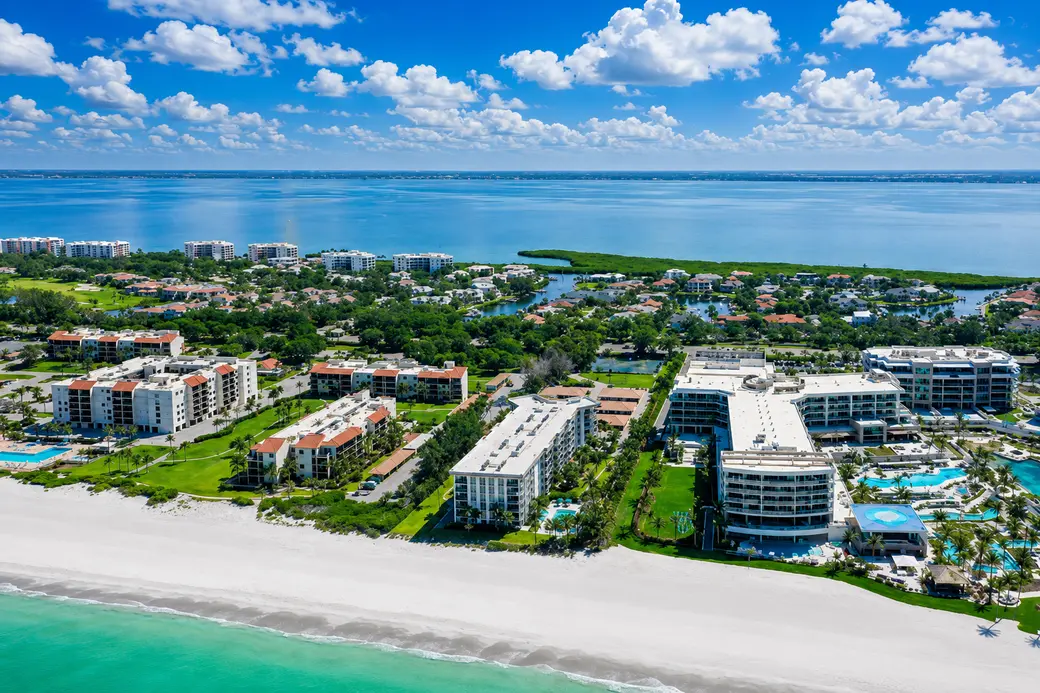
Buying a Florida condo can provide a compelling combination of location, amenities, lower-maintenance living, and access to some of the state’s most desirable coastal communities. But when you purchase a condominium, you are buying more than the residence behind the front door. You are also buying into a building, an association, a budget, a set of rules, shared insurance responsibilities, reserves, and potentially decades of future maintenance obligations.
That makes condominium due diligence especially important for buyers considering Sarasota and Florida Gulf Coast real estate. Before deciding what to offer, ask questions about the association’s finances, building condition, insurance, reserves, assessments, rental rules, and applicable structural requirements—not just the unit’s kitchen, view, and floor plan.
Quick Answers for Florida Condo Buyers
What is the most important thing to check before buying a Florida condo?
Do not evaluate only the unit. Review the condominium association and building as well. Association finances, reserves, assessments, insurance, structural information, maintenance history, governing documents, and upcoming projects can materially affect the cost and experience of ownership.
What is a Structural Integrity Reserve Study?
A Structural Integrity Reserve Study, commonly called a SIRS, evaluates specified condominium property components and estimates their remaining useful lives, replacement or deferred-maintenance costs, and a recommended reserve funding schedule. Florida DBPR explains that SIRS and milestone inspections are separate requirements, although in certain circumstances they can be performed at the same time.
What is a Florida condominium milestone inspection?
Florida DBPR describes a milestone inspection as a structural inspection of an aging condominium or cooperative building used to determine whether substantial structural deterioration exists. Applicable residential condominium buildings of three or more habitable stories generally become subject to milestone inspections at 30 years of age and every 10 years thereafter, although a local enforcement agency may determine that local circumstances require an initial inspection at 25 years.
Should I worry about a special assessment?
A special assessment is not automatically a reason to reject a condo. The important questions are why the assessment exists, how much it costs, what work it funds, whether additional projects are anticipated, and who is responsible for unpaid assessment installments under the purchase contract.
Can I rent my Florida condo?
Maybe. Rental rules can vary substantially between condominium associations and municipalities. Before buying, verify minimum lease periods, permitted number of leases per year, approval requirements, waiting periods, occupancy rules, and applicable local regulations.
1. How Financially Healthy Is the Condominium Association?
Start with the association rather than the individual unit. A beautifully renovated condo can still be part of a building facing substantial financial obligations.
Review available financial information and ask:
- What is the current annual budget?
- How much money is held in reserves?
- What major expenses are anticipated?
- Have association fees increased recently?
- Are additional fee increases expected?
- Are owners behind on assessments?
- Does the association have outstanding loans?
- Are major repairs already funded?
Buyer takeaway: The asking price tells you what the seller wants for the unit. Association finances help tell you what ownership may cost after closing.
2. Is There a Structural Integrity Reserve Study?
For buildings subject to Florida’s SIRS requirements, this document deserves careful attention. Florida DBPR states that a SIRS must identify the applicable property items being visually inspected, estimate remaining useful life, estimate replacement or deferred-maintenance costs, and provide a recommended reserve funding schedule.
When reviewing a SIRS, ask:
- What major components were evaluated?
- What are their estimated remaining useful lives?
- What replacement or repair costs are projected?
- How does recommended reserve funding compare with current funding?
- Has the association adopted a plan to address identified needs?
- Could the findings affect future association fees or assessments?
Do not reduce the study to a simple “pass” or “fail.” Its value to a buyer is understanding the building’s anticipated capital needs and how those expenses may be funded.
3. Has the Building Completed a Milestone Inspection?
If the building is subject to Florida’s milestone inspection requirements, ask whether the inspection has been completed and request the applicable documentation.
Florida DBPR explains that a milestone inspection evaluates the building’s structural condition and whether substantial structural deterioration exists. It is different from a SIRS: the milestone inspection focuses on structural condition, while the reserve study addresses specified components and funding for future repair and replacement.
If repairs were identified, determine what has been completed, what remains outstanding, how the work is being funded, and whether additional owner obligations are anticipated.
4. Are There Current or Proposed Special Assessments?
Ask this question before deciding what the condo is worth to you.
If an assessment exists, find out:
- Total assessment amount for the unit
- Purpose of the assessment
- Amount already paid
- Remaining balance
- Payment schedule
- Whether the seller or buyer will pay the remaining amount under the proposed contract
- Whether additional projects are being discussed
An assessment funding a major completed improvement can present a very different situation from an assessment that represents only the beginning of a much larger repair program.
5. What Do the Monthly Condo Fees Actually Cover?
Comparing condominium fees without comparing what they include can be misleading. One building may include services that another owner pays separately.
Ask whether the fee contributes toward items such as:
- Building insurance
- Reserve funding
- Exterior maintenance
- Landscaping
- Water, sewer, or other utilities
- Cable or internet
- Security or concierge service
- Pool and fitness facilities
- Elevators
- Common-area maintenance
- Management
A higher fee is not automatically bad, and a lower fee is not automatically good. What matters is what the association is responsible for and whether its income and reserves are appropriate for those obligations.
6. What Major Building Projects Have Been Completed—or Are Coming?
Buildings age just like houses, but condominium projects can involve expensive shared systems and structures.
Depending on the building, investigate the history and anticipated timing of work involving:
- Roof
- Exterior waterproofing and painting
- Concrete restoration
- Balconies
- Windows and doors
- Elevators
- Plumbing
- Electrical systems
- Fire-safety systems
- Parking structures
- Pools and amenity areas
- Seawalls and docks at waterfront properties
7. What Does the Association’s Insurance Cover?
Florida condominium buyers need to understand the distinction between association-level insurance and the insurance they may need for their individual unit.
Review available association insurance information and ask a licensed insurance professional to explain what the master policy covers, applicable deductibles, and what individual unit-owner coverage may be appropriate.
This can be especially important for coastal buildings. Hunt Brothers Realty’s Florida buyer resources emphasize evaluating insurance, inspections, taxes, association expenses, and other ownership costs before purchasing.
8. What Is the Building’s Flood Exposure?
Do not assume that being several floors above ground eliminates flood-related considerations. Flood exposure can affect common areas, mechanical equipment, parking, elevators, landscaping, docks, and other building components even when an individual residence is elevated.
For waterfront and coastal properties, review flood information and insurance with qualified professionals. Hunt Brothers Realty’s Florida Gulf Coast waterfront buyer’s guide provides additional guidance about flood zones, insurance, elevation, and coastal due diligence.
9. Can I Finance This Particular Condo?
Mortgage preapproval tells you something about your ability to borrow. It does not necessarily establish that every condominium project will satisfy your lender’s requirements.
Lenders may evaluate the condominium project in addition to evaluating the borrower. Association finances, insurance, litigation, ownership concentration, structural issues, assessments, and other project characteristics can potentially affect financing.
Buyer takeaway: If you are financing, discuss the specific condominium with your lender early rather than assuming loan approval follows the unit automatically.
10. Are There Rental Restrictions?
Rental flexibility can be especially important to second-home and investment-oriented buyers. But two neighboring Sarasota condominium buildings can have very different rules.
Verify:
- Minimum lease term
- Maximum number of leases per year
- Whether new owners must wait before leasing
- Association approval procedures
- Tenant application requirements
- Occupancy restrictions
- Applicable municipal rental regulations
Never base an offer on projected rental income until you have verified that your intended rental strategy is actually permitted.
11. What Are the Pet Rules?
“Pet-friendly” is not specific enough. Associations can impose rules involving the number, type, or size of pets and may distinguish between owner and tenant privileges, subject to applicable law.
If a pet is part of your household, review the actual current rules rather than relying solely on listing remarks.
12. What Parking and Storage Come With the Unit?
Parking and storage can materially affect both convenience and value, particularly in downtown and waterfront condominium buildings.
Confirm:
- Number of parking spaces
- Whether spaces are deeded, assigned, or limited common elements
- Location of the spaces
- Guest parking availability
- Vehicle restrictions
- EV charging availability and rules
- Private storage
- Bicycle or kayak storage when important
13. If There Is a Boat Slip, What Exactly Am I Buying?
A listing that mentions a marina or boat slip needs further investigation. This is particularly relevant in Sarasota-area waterfront communities and buildings.
Ask:
- Does a specific slip convey with the unit?
- Is it deeded, assigned, leased, or separately owned?
- Can it transfer to a new buyer?
- What vessel dimensions are permitted?
- What is the water depth?
- Are lifts permitted?
- What fees apply?
- Who maintains the dock?
14. What Renovations Can I Make Inside the Condo?
Planning to renovate immediately after closing? Review the association rules first.
Condominium rules may address:
- Flooring materials and soundproofing
- Construction hours
- Contractor insurance
- Elevator reservations
- Association approval
- Plumbing or electrical alterations
- Windows and exterior doors
- Structural changes
- Deposits and renovation fees
A renovation budget is only useful if the proposed work is permitted.
15. Is There Pending Litigation?
Ask whether the association is involved in current litigation or significant disputes and investigate the nature of any matter identified. Litigation can potentially affect association expenses, insurance, financing, and future owner obligations depending on the circumstances.
This is an area where appropriate legal, lending, and insurance advice can be particularly valuable.
16. What Do Recent Board and Association Records Reveal?
Financial statements tell only part of the story. Available association records and meeting materials can help buyers understand what owners and the board have been discussing.
Look for recurring discussion of:
- Water intrusion
- Concrete or balcony repairs
- Roof problems
- Elevator modernization
- Insurance costs
- Reserve funding
- Proposed assessments
- Litigation
- Major capital projects
17. What Documents Will I Have an Opportunity to Review?
Florida condominium resale law provides buyers important document-delivery and contract-voidability protections. Current statutory requirements address documents such as the declaration, articles of incorporation, bylaws, association rules, financial information, frequently asked questions and answers document, and—when applicable—milestone inspection, turnover inspection, and Structural Integrity Reserve Study materials.
These statutory provisions have changed over time, so do not rely on an old blog post that simply says every Florida condo buyer has the same “three-day rule.” Review the current purchase contract and current Florida law, and obtain legal advice when questions arise about your cancellation or document-review rights.
18. What Is the Condo’s True Annual Cost?
Before making an offer, calculate more than the mortgage payment.
Your ownership budget may include:
- Mortgage principal and interest when financed
- Property taxes
- Condominium assessments
- Individual unit insurance
- Flood insurance when applicable
- Special assessments
- Utilities not included in association fees
- Parking or marina charges
- Interior maintenance
- Property management when applicable
A lower-priced unit with substantial assessments and ownership expenses can cost more to carry than a higher-priced residence in a different building.
19. Does the Building Fit the Way You Actually Plan to Live?
Financial due diligence matters, but so does lifestyle fit. A building can be financially sound and still be wrong for you.
Consider:
- Full-time residence versus second home
- Walkability
- Beach access
- Boating access
- Building size
- Privacy
- Amenities
- Security
- Pet policies
- Rental flexibility
- Guest parking
- Proximity to restaurants, shopping, and entertainment
Buyers exploring Sarasota can use Hunt Brothers Realty’s community resources to compare island, waterfront, downtown, golf, and mainland lifestyles.
20. How Does This Condo Compare With Other Buildings?
Do not evaluate a condo in isolation. Compare it with competing buildings as well as recent sales in the same building.
A useful comparison considers price per square foot, view, floor, renovation level, association fees, assessments, reserves, amenities, parking, building age, structural work, insurance considerations, rental rules, and current competing inventory.
For example, a buyer considering Golden Gate Point condos should compare several buildings rather than assuming every residence on the peninsula has the same financial profile, amenities, views, or boating access.
Florida Condo Buyer Checklist Before Making an Offer
- Review the association budget and financial information
- Review reserve information
- Ask for the SIRS when applicable
- Ask for milestone inspection information when applicable
- Identify current special assessments
- Ask about proposed or anticipated assessments
- Understand exactly what association fees include
- Investigate major completed and planned projects
- Review association insurance information
- Obtain an individual insurance quote
- Investigate flood exposure
- Discuss project eligibility with your lender
- Verify rental restrictions
- Verify pet restrictions
- Confirm parking and storage rights
- Verify boat-slip rights when applicable
- Review renovation restrictions
- Investigate pending litigation
- Review applicable condominium documents and records
- Calculate the total annual cost of ownership
What Should Sarasota Condo Buyers Pay Particular Attention To?
Sarasota-area buyers can choose among older beachfront buildings, newer luxury towers, downtown high-rises, boutique bayfront condominiums, resort-style island communities, and smaller low-rise developments. That variety makes building-level analysis essential.
A Gulf-front condo on Longboat Key may present different questions from a newer downtown Sarasota tower. A bayfront residence on Golden Gate Point may have different boating, insurance, and association considerations from a Siesta Key beachfront condo.
The goal is not to find a building with no expenses. Every condominium has expenses. The goal is to understand the building’s condition, obligations, funding plan, rules, and true ownership costs well enough to decide whether the asking price makes sense for you.
The Best Time to Ask These Questions Is Before You Fall in Love With the View
Florida condos can offer exceptional lifestyles: Gulf sunsets, Sarasota Bay views, walkable downtown living, resort amenities, boating, beach access, and the convenience of locking the door when you leave for the season.
But the smartest condo purchase starts behind the scenes. Understand the association, building, reserves, inspections, insurance, assessments, and rules before deciding how aggressively to negotiate.
A renovated kitchen can be replaced. A spectacular view can be enjoyed every day. But neither one eliminates your share of the building’s financial and maintenance obligations.
Find Florida Gulf Coast Condos With Hunt Brothers Realty
Hunt Brothers Realty helps buyers compare Sarasota and Florida Gulf Coast condominiums based on location, building condition, association costs, amenities, views, waterfront access, ownership considerations, and lifestyle.
Explore Sarasota-area communities, browse Siesta Key beachfront condos, review Florida home buyer resources, or contact Hunt Brothers Realty to discuss current Florida Gulf Coast condominium opportunities.
Sources
- Hunt Brothers Realty: Sarasota & Florida Gulf Coast Real Estate
- Hunt Brothers Realty: Florida Buyer Resources
- Hunt Brothers Realty: A Buyer’s Guide to Waterfront Homes on Florida’s Gulf Coast
- Hunt Brothers Realty: Golden Gate Point Waterfront Living
- Florida DBPR: Milestone Inspections and Structural Integrity Reserve Studies
- Florida DBPR: Condominium and Cooperative FAQs
- Florida Statutes §718.503: Condominium Buyer Disclosures and Contract Rights
Contact Hunt Brothers Realty
46 N. Washington Blvd, Ste 3, Sarasota, FL 34236
Phone: (941) 388-7017
Email: info@huntbrothersrealty.com
Website: HuntBrothersRealty.com
Categories
- All Blogs 1849
- Anna Maria Island 82
- Bird Key 4
- Bradenton 234
- Buying a Home 925
- Casey Key 2
- Clearwater 8
- Condos & HOA Living 835
- Ellenton 5
- Englewood 8
- First Time Homebuyers 1028
- Foreclosures 3
- Homeownership 1046
- Lakewood Ranch 19
- Lido Key 27
- Longboat Key 77
- Luxury/Waterfront Properties 984
- Market Updates & Trends 532
- Mortgages & Financing 38
- Move-Up Buyers 20
- Neighborhood Guides 670
- New Construction 29
- Palmetto 3
- Parrish 6
- Port Charlotte 10
- Punta Gorda 14
- Real Estate Investing 903
- Relocation to Florida 950
- Safety Harbor 2
- Sarasota 60
- Sarasota - Downtown 155
- Selling a Home 141
- Siesta Key 88
- St. Petersburg 6
- Tierra Verde 4
- Vacation & Second Homes 1096
- Venice 51
- Wellen Park 8
Recent Posts