What Should I Know Before Buying a Florida Home From Out of State?

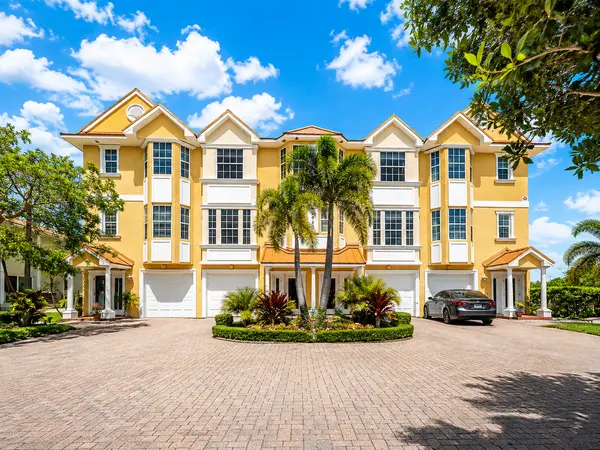
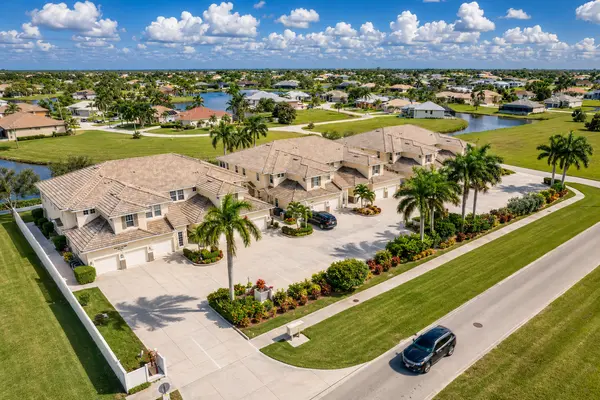
Buying a Florida home from out of state is entirely manageable, but Florida has property-specific issues that deserve attention before you make an offer. Insurance availability and cost, flood exposure, property taxes, inspections, condominium or HOA obligations, financing and contract deadlines can all affect the true cost and suitability of a home. Remote buyers also need a reliable process for touring properties, inspecting the home and completing closing tasks from a distance. The best approach is to research the property and its ongoing ownership costs before becoming emotionally or contractually committed.
If you are planning a move to the Florida Gulf Coast, the Hunt Brothers Realty Florida Buyer Resource Center is a useful starting point for understanding Florida contracts, financing, relocation and buyer representation.
Quick Answers About Buying a Florida Home From Out of State
Can I buy a Florida home without currently living in Florida?
Yes. Buyers regularly purchase Florida property while living elsewhere. Much of the search, financing, document review and transaction coordination can be handled remotely. However, buyers should establish in advance how property tours, inspections, final walkthroughs, document signing and closing will be handled.
Should I get homeowners insurance quotes before making an offer?
Insurance should be investigated as early as practical and certainly within applicable contract deadlines. Availability, premiums, deductibles and coverage can vary substantially by property. Roof age, construction, location, wind mitigation features, prior claims, flood exposure and other factors can matter. Obtain property-specific quotes from qualified Florida insurance professionals rather than estimating coverage from another home.
Are Florida property taxes based on what the seller currently pays?
Do not assume the seller's current tax bill will equal your future tax bill. Existing exemptions and assessment limitations can affect the seller's taxes. Buyers should obtain a property-specific estimate from the appropriate county property appraiser and consult a qualified tax professional when tax consequences are important to the purchasing decision.
Do I need flood insurance for a Florida home?
The answer depends on the property, flood risk, lender requirements and the buyer's insurance decisions. Florida's statutory flood disclosure specifically warns that homeowners insurance does not include flood-damage coverage. Buyers should investigate the individual property and discuss flood coverage with a qualified insurance professional.
Should I buy a Florida home without seeing it in person?
Remote purchasing is possible, but buyers should compensate for the lack of an in-person visit with detailed live video tours, professional inspections, careful document review and property-specific research. A video tour should help you investigate the home, not replace professional inspection or other due diligence.
What is different about buying a Florida condominium?
A condominium purchase involves both the individual unit and the association. Buyers should evaluate governing documents, budgets, financial statements, reserves, assessments, insurance and applicable structural reports in addition to inspecting the unit itself. Florida law provides condominium purchasers specific document rights and statutory review provisions.
Can I qualify for Florida's homestead exemption after moving?
A property owner who owns a Florida property and makes it a permanent residence, or the permanent residence of a dependent, may qualify for homestead exemption if applicable requirements are satisfied. Eligibility is determined by the county property appraiser, so buyers should verify their circumstances directly with that office and obtain tax advice when needed.
1. Do Not Compare Florida Homes on Purchase Price Alone
An out-of-state buyer may begin by comparing Florida home prices with prices in the market they are leaving. Purchase price matters, but the more useful comparison is total ownership cost.
Depending on the property, that calculation can include:
- Mortgage principal and interest
- Property taxes
- Homeowners insurance
- Flood insurance when applicable or desired
- Condominium or HOA assessments
- Community Development District assessments when applicable
- Special assessments
- Pool maintenance
- Lawn and landscaping
- Pest control
- Utilities
- Routine maintenance and future repairs
Two similarly priced Florida homes can therefore have meaningfully different ownership costs. Comparing those costs before making an offer can prevent surprises after closing.
2. Research Florida Homeowners Insurance Early
Insurance is one of the most important Florida-specific issues for an out-of-state buyer to investigate early in the process.
Do not assume that a newer home, an inland location or the seller's existing coverage tells you exactly what your own policy will cost. Underwriting is property-specific and can change over time.
When comparing properties, ask an insurance professional about factors such as:
- Roof age and type
- Wind mitigation features
- Impact-resistant openings or other opening protection
- Electrical systems
- Plumbing systems
- HVAC age
- Prior claims or known loss history
- Replacement cost
- Windstorm deductibles
- Flood exposure and separate flood coverage
Insurance availability, premiums, deductibles and coverage can vary substantially by property. Obtain property-specific quotes and review coverage with a qualified Florida insurance professional before making a purchasing decision or before applicable contractual deadlines expire.
3. Understand Flood Risk Before You Buy
Living near the Gulf, a bay, river, canal or lake can be part of Florida's appeal, but buyers should evaluate flood exposure independently from the view or lifestyle benefits.
Florida law requires a seller to provide a prescribed flood disclosure to a residential purchaser at or before execution of the sales contract. Among other items, the disclosure addresses the seller's knowledge of flooding that damaged the property during the seller's ownership, flood-related insurance claims and certain flood assistance.
The statutory disclosure also states that homeowners insurance does not include coverage for flood damage.
However, the disclosure should not be your only flood research. Consider investigating:
- Current FEMA flood information
- Property elevation information when relevant
- Available flood insurance
- Past flooding information available for the property
- Drainage conditions
- Lender insurance requirements
Flood maps and insurance requirements can change, and flood risk is not limited to properties where a lender requires flood insurance. Buyers should verify the current property-specific situation with FEMA resources, the appropriate local authorities, their lender and a qualified insurance professional.
4. Do Not Estimate Your Property Taxes From the Seller's Current Bill
This is an especially important issue for someone moving to Florida for the first time.
The seller may have owned the property for many years and may benefit from homestead exemption and the Save Our Homes assessment limitation. That means the seller's current taxable value and tax bill may not be a reliable estimate of what a new owner will eventually pay.
The Florida Department of Revenue explains that a qualifying owner who makes a property a permanent residence may receive a homestead exemption that reduces taxable value by as much as $50,000 and qualifies the property for the Save Our Homes assessment limitation.
The exemption itself is not transferable from the seller to the buyer. Florida homeowners moving between Florida homesteads may, when eligible, be able to transfer or "port" some or all of an assessment difference. An out-of-state buyer should not assume the seller's existing tax treatment carries over.
Before buying, use the applicable county property appraiser's resources to estimate taxes based on your anticipated ownership circumstances. Homestead eligibility and tax consequences depend on the owner and property, so questions about your specific situation should be directed to the county property appraiser and a qualified tax professional or CPA.
5. Learn How the Florida Purchase Contract Works Before You Make an Offer
Real estate contracts and practices vary from state to state. Do not assume a Florida offer works exactly like the purchase agreement you used in New York, Illinois, Ohio, California or another state.
Hunt Brothers Realty's Florida Real Estate Buyer Contracts guide explains commonly encountered Florida contract concepts, including inspection periods, financing, deposits, appraisal issues and closing procedures.
Before submitting an offer, make sure you understand:
- Purchase price
- Earnest-money deposit requirements
- Inspection period
- Financing provisions
- Appraisal protection
- Closing date
- Title provisions
- Association document rights when applicable
- Required notices and deadlines
- What happens if a contingency is not satisfied
Purchase contracts create legal rights and obligations. Questions about legal interpretation, cancellation rights, escrow disputes, title or customized contract language should be reviewed with a qualified Florida real estate attorney.
6. Florida Inspections May Need to Go Beyond a General Home Inspection
A general home inspection is an important part of due diligence, but Florida properties can present additional issues worth evaluating depending on the home's age, location and construction.
Depending on the property, buyers may investigate:
- Roof condition and remaining useful life
- Wind mitigation features
- Electrical systems
- Plumbing systems
- HVAC systems
- Water intrusion and moisture
- Wood-destroying organisms
- Pool and pool equipment
- Septic and well systems
- Sewer lines when appropriate
- Permits and major renovations
- Seawalls, docks and boat lifts on waterfront property
A general inspector may recommend further evaluation by a specialist. Inspection findings should be reviewed with the appropriate licensed inspector, contractor, structural engineer, roofer, electrician, plumber, marine contractor or other qualified professional before making a property-condition decision.
7. If You Are Buying Remotely, Make the Video Tour More Than a Walkthrough
A polished listing video is designed to market a home. A buyer-focused live video tour should serve a different purpose.
Ask to see the property in a way that helps you understand how it actually functions:
- Approach to the property and surrounding streets
- Front, sides and rear of the home
- Room-to-room flow
- Ceiling heights and natural light
- Closets and storage
- Garage dimensions and configuration
- Utility equipment
- Pool and outdoor areas
- Views from important windows
- Adjacent homes and visible surroundings
- Community amenities when relevant
Video is useful for narrowing choices and understanding layout, but it cannot reliably reveal every physical defect, environmental condition or neighborhood characteristic. Professional inspections and independent research remain important.
8. Research the Location as Carefully as the House
Out-of-state buyers can easily become focused on individual listings before understanding how different Florida locations affect everyday life.
Before choosing a community, consider practical factors such as:
- Typical drive times to places important to you
- Access to shopping and services
- Beach or boating access if those are priorities
- Airport access
- Availability of the property types you prefer
- Condo, HOA or CDD structure
- Flood and insurance considerations
- New construction versus established neighborhoods
- Maintenance responsibilities
A real estate professional can provide objective property and community information, but buyers should personally evaluate whether a location fits their needs. Avoid relying on generalized descriptions of a neighborhood as "safe," "good for families" or otherwise suited to a particular type of person. Evaluate objective criteria that matter to you and consult authoritative sources for services, schools, transportation and other location-specific information.
9. Buying a Florida Condo Requires an Additional Layer of Due Diligence
When you buy a condominium, you are buying the unit while also becoming part of an association with shared obligations. For an out-of-state buyer, that means the building and association can be just as important as the condition of the individual residence.
For a Florida condominium resale, current Florida law entitles prospective purchasers to specified association documents. Depending on applicability, those materials can include:
- Declaration of condominium
- Articles of incorporation
- Bylaws and association rules
- Annual financial statement
- Annual budget
- Frequently asked questions and answers document
- Applicable milestone inspection information
- Applicable structural integrity reserve study information
Under current Section 718.503 of the Florida Statutes, resale condominium purchasers have statutory document and voidability provisions that can include a seven-day period, excluding Saturdays, Sundays and legal holidays, depending on document delivery and the transaction circumstances. Developer sales have different provisions, including different statutory periods.
Do not rely on a general summary to calculate a cancellation deadline. The contract, transaction type, documents received and current statute should be reviewed for the individual purchase.
What Should an Out-of-State Condo Buyer Review?
| Area to Review | Why It Matters |
|---|---|
| Budget | Shows planned association income and expenses |
| Reserves | Can help buyers understand funding for applicable long-term components |
| Assessments | May create costs beyond regular association assessments |
| Association Insurance | Helps identify what the association insures and what the unit owner may need to insure |
| Milestone Inspection | Can provide important structural information when legally applicable |
| Structural Integrity Reserve Study | Provides relevant reserve information when legally applicable |
| Rules | May regulate leasing, pets, parking, alterations and use of common areas |
| Meeting Minutes | Can provide context about projects, maintenance and association issues |
Condominium financial, structural, insurance and legal questions may require different professionals. Buyers should consult the appropriate association, insurance professional, inspector, structural engineer, CPA, lender, title professional or Florida real estate attorney when individualized analysis is needed.
10. HOA and CDD Costs Should Be Verified Separately
Florida master-planned communities can have different layers of ownership costs and governance. A property may have an HOA, a condominium association, a Community Development District or a combination of structures.
Do not assume that one advertised monthly or quarterly amount represents every community-related cost.
Before purchasing, verify:
- Which associations apply to the property
- Current assessments
- What those assessments include
- Known special assessments
- CDD assessments when applicable
- Maintenance responsibilities
- Rental restrictions
- Pet restrictions
- Parking rules
- Architectural restrictions
Association fees and rules can change. Current governing documents and information from the applicable association or district should control rather than an older real estate listing.
11. Waterfront Property Requires Specialized Due Diligence
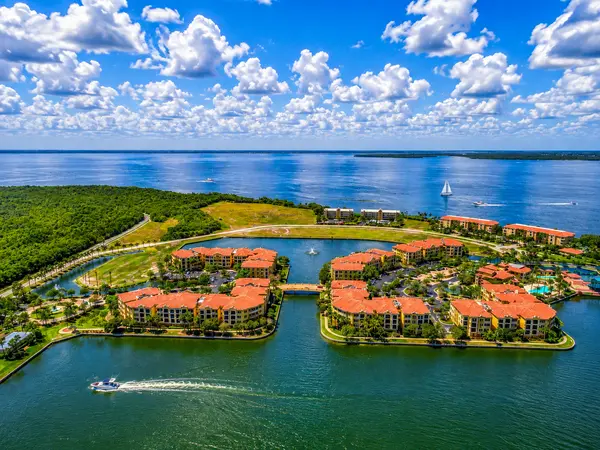
Out-of-state buyers interested in Gulf Coast boating should be particularly careful with the word "waterfront." A home overlooking water is not necessarily a home with usable boating access.
For a waterfront purchase, investigate property-specific issues such as:
- Type of waterfront
- Dock ownership and legal rights
- Dock and lift condition
- Seawall condition and responsibility
- Water depth
- Tidal conditions
- Bridge clearances
- Navigation route
- Permits
- Vessel limitations
- Flood and insurance considerations
A boat that works at one Florida waterfront property may not work at another. Buyers should verify navigation and marine improvements with the appropriate marine professionals, surveyors, permitting authorities and other qualified specialists before purchasing based on boating access.
12. New Construction Buyers Should Understand Builder Representation
Out-of-state buyers often begin a Florida search by visiting new-home communities while on vacation or during a short relocation trip.
Remember that the builder's sales representatives work for the builder. Buyers who want their own real estate representation should investigate the builder's current registration and cooperating-broker procedures before the first visit or registration, because policies can vary by builder and community.
Also compare more than the advertised base price. Ask what is included in the specific home, lot premium, design options, closing incentives, HOA or CDD obligations, estimated completion timeline and warranty process.
13. Get Your Florida Financing Organized Before Serious Shopping
Financing can be more complicated when a purchase is connected to relocation, retirement, a job change, self-employment, a second home or the sale of another property.
Before serious shopping, discuss your intended use of the Florida property and financial circumstances with a qualified mortgage professional. A lender can explain how occupancy, income documentation, debt, down payment and other underwriting factors apply to the proposed loan.
If you must sell your existing home to complete the Florida purchase, make that dependency clear before submitting an offer. The contract and financing should accurately reflect the transaction rather than relying on an assumption that your current home will sell in time.
14. Plan the Inspection Process Before You Return Home
One common relocation scenario is finding a home during a Florida visit and returning to another state before inspections occur.
Before leaving, know:
- When the inspection period expires
- Which inspections you intend to order
- Who will attend them
- How the inspector will communicate findings
- Whether specialist evaluations can be completed before the deadline
- How quickly insurance quotes can be obtained
- What contractual decisions may be required before the inspection period ends
Remote communication makes the process easier, but it does not extend a contractual deadline. Your inspection and decision-making plan should fit within the contract you actually signed.
15. Do Not Skip the Final Walkthrough Because You Are Out of State
The final walkthrough is an important last check before closing. If you cannot return to Florida, discuss how the walkthrough will be handled and whether your real estate professional can conduct a live video walkthrough consistent with the transaction and your instructions.
The walkthrough can help confirm the home's condition, agreed items and whether the property has been maintained as required under the contract. It is not a replacement for the earlier professional inspection.
16. Understand How Closing Will Work Before Closing Week
Do not wait until the final days of the transaction to ask whether you need to be physically present in Florida.
Closing procedures can depend on the lender, title or closing professional, documents involved and circumstances of the transaction. Some documents may be handled electronically, while others may require notarization or another specific signing procedure.
Ask the title or closing professional early about:
- Whether you need to attend closing
- Which documents require signatures
- Notarization requirements
- Lender signing requirements
- How closing funds must be delivered
- How identity will be verified
- How keys and access devices will be delivered
Wire fraud is also a serious concern in real estate transactions. Verify wiring instructions directly with the title or closing company through a trusted contact method before sending funds, and follow that professional's security procedures.
17. Decide Whether the Florida Home Will Be a Primary Residence, Second Home or Other Property
How you plan to use the property can affect financing, insurance, taxes and association considerations.
A buyer relocating permanently may have different questions from someone purchasing a seasonal second home. A buyer considering rental use introduces additional association, local regulatory, insurance, lending and tax issues.
Do not assume that a property may be rented simply because similar homes appear on rental websites. Verify applicable condominium or HOA rules, deed restrictions and local requirements before purchasing based on anticipated rental use. Discuss financing with the lender, insurance with an insurance professional and tax consequences with a qualified tax professional.
18. Build a Local Professional Team
When you live hundreds or thousands of miles away, having reliable local professionals becomes especially important.
Depending on the purchase, your team may include:
- A licensed Florida real estate professional
- Mortgage lender
- Home inspector
- Insurance agent
- Title or closing professional
- Florida real estate attorney when legal advice is needed
- CPA or tax professional when tax guidance is needed
- Structural engineer or specialized contractor when inspection findings require further evaluation
- Surveyor when appropriate
- Association or community management contact when applicable
Each professional serves a different role. A real estate brokerage can help coordinate the transaction and provide real estate services, but legal, tax, insurance, lending, engineering and other specialized decisions should be handled by the appropriately qualified professionals.
A Practical Out-of-State Florida Buyer Checklist
| Before You Buy | What to Verify |
|---|---|
| Location | Does the location work for your actual daily priorities? |
| Property Taxes | Estimate your taxes rather than relying on the seller's bill |
| Insurance | Obtain property-specific homeowners and applicable flood quotes |
| Flood | Review current flood information, disclosure and insurance options |
| Inspection | Use qualified inspectors and specialists appropriate for the property |
| Financing | Confirm loan structure, occupancy and relocation considerations with lender |
| Contract | Understand deposits, contingencies, deadlines and cancellation rights |
| Condo or HOA | Review current governing documents, finances, assessments and restrictions |
| Waterfront | Verify seawall, dock, lift, navigation and legal water-access rights |
| Remote Process | Plan tours, inspections, walkthrough and closing before deadlines arrive |
| Total Cost | Calculate realistic ownership costs, not just purchase price |
What Are the Biggest Mistakes Out-of-State Florida Buyers Can Avoid?
Many relocation surprises come from assumptions rather than from the distance itself. Common mistakes to avoid include:
- Using the seller's current property taxes as your future tax estimate
- Waiting until late in the transaction to investigate insurance
- Assuming homeowners insurance covers flooding
- Treating a virtual tour as a substitute for inspection
- Choosing a community based only on vacation experience
- Ignoring condo or HOA financial documents
- Assuming every waterfront property has usable boating access
- Assuming builder representatives are the buyer's representatives
- Missing inspection, financing or association-review deadlines
- Waiting until closing week to organize remote signing
- Budgeting only for the mortgage payment
Buying From Out of State Is Easier When You Prepare Before the Search
You do not need to become an expert on every Florida real estate issue before looking at homes. You do need a process that identifies important questions early enough to answer them before contractual deadlines expire.
A useful sequence is to define where and how you want to live, establish financing, understand realistic taxes and insurance costs, learn the Florida contract process, identify suitable properties, investigate each property's specific risks and then use qualified professionals for specialized decisions.
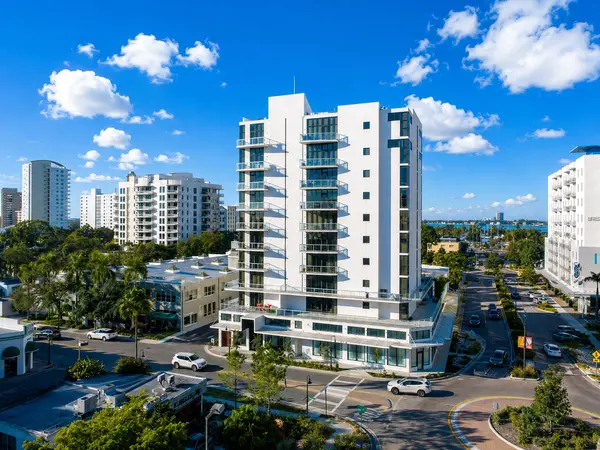
That preparation makes it easier to compare a downtown Sarasota condominium with a Venice single-family home, a Lakewood Ranch new construction property with an established neighborhood, or a Punta Gorda waterfront residence with an inland home based on more than the listing price.
Plan Your Florida Move With Hunt Brothers Realty
Hunt Brothers Realty works with buyers researching and purchasing property along Florida's Gulf Coast, including buyers coordinating their search from another state. Start with the Florida Buyer Resource Center, explore Hunt Brothers Realty buyer resources, review Florida real estate buyer contract information, or contact Hunt Brothers Realty to discuss your Florida home search and relocation plans.
Informational notice: This article provides general real estate and educational information only and does not provide individualized legal, financial, tax, insurance, lending, inspection, engineering or other professional advice. Florida property conditions, association requirements, insurance availability, taxes, financing and contract rights vary by property and buyer. Buyers should verify property-specific insurance with a qualified insurance professional, financing with a mortgage professional, tax questions with the applicable county property appraiser and qualified tax professional, inspection findings with the appropriate licensed inspector or specialist, and contract, title or other legal questions with a qualified Florida real estate attorney or appropriate legal professional before making a purchasing decision.
Sources
- Florida Senate, 2026 Florida Statutes Section 689.302, Disclosure of Flood Risks to Prospective Purchaser
- Florida Senate, 2026 Florida Statutes Section 718.503, Condominium Buyer Disclosures
- Florida Department of Revenue, Property Tax Exemptions and Additional Benefits
- Hunt Brothers Realty, Florida Buyer Resource Center
- Hunt Brothers Realty, Florida Real Estate Buyer Contracts Explained
- Hunt Brothers Realty, Florida Buyer Resources
Contact Hunt Brothers Realty
46 N. Washington Blvd, Ste 3, Sarasota, FL 34236
Phone: (941) 388-7017
Email: info@huntbrothersrealty.com
Website: HuntBrothersRealty.com
Categories
- All Blogs 2172
- Anna Maria Island 86
- Bird Key 4
- Bradenton 237
- Buying a Home 1230
- Casey Key 2
- Clearwater 11
- Condos & HOA Living 1146
- Ellenton 6
- Englewood 11
- First Time Homebuyers 1339
- Foreclosures 5
- Home Selling 6
- Homeownership 1363
- Lakewood Ranch 25
- Lido Key 28
- Longboat Key 80
- Luxury/Waterfront Properties 1303
- Market Updates & Trends 823
- Mortgages & Financing 54
- Move-Up Buyers 23
- Neighborhood Guides 938
- New Construction 36
- Palmetto 3
- Parrish 6
- Port Charlotte 10
- Punta Gorda 22
- Real Estate Investing 1220
- Relocation to Florida 1258
- Safety Harbor 3
- Sarasota 90
- Sarasota - Downtown 163
- Selling a Home 146
- Siesta Key 92
- St. Petersburg 8
- Tierra Verde 5
- Vacation & Second Homes 1412
- Venice 209
- Wellen Park 20
Recent Posts