Buying a Historic Bungalow in St. Petersburg
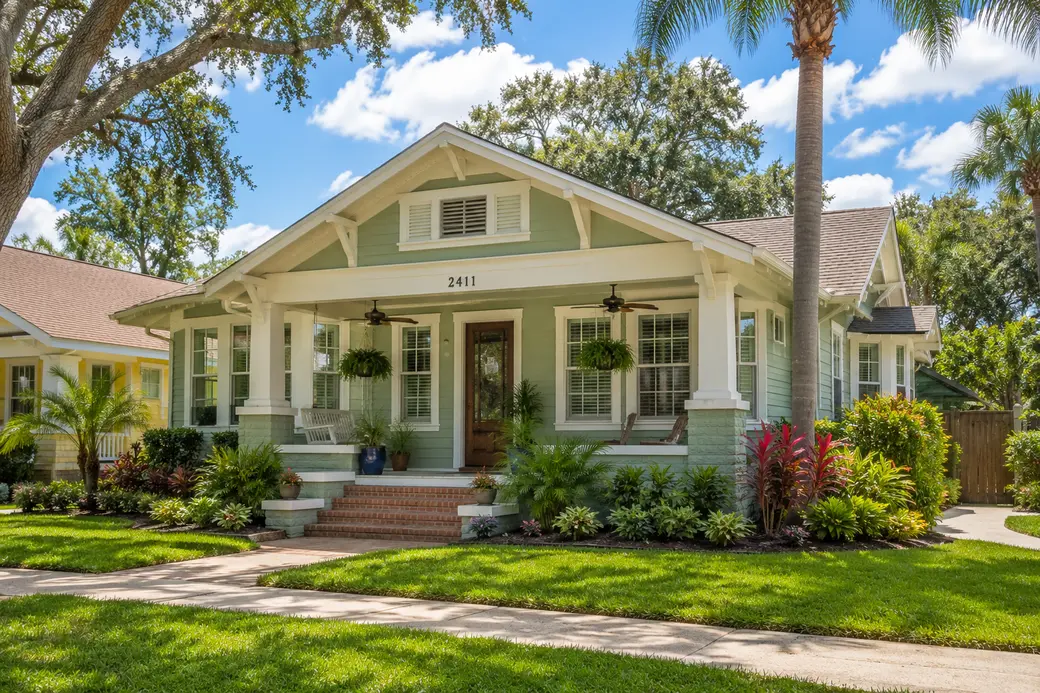
Buying a historic bungalow in St. Petersburg can mean owning distinctive architecture in one of Florida's most established Gulf Coast cities, but an older home's character should be evaluated alongside its condition, insurance profile, permit history, flood exposure and historic status. Buyers should determine whether the property is actually designated as a local landmark or contributing resource, investigate previous renovations and obtain appropriate inspections and insurance quotes early. A beautifully updated bungalow can still contain older systems, and a century-old appearance does not automatically mean a home is legally protected as historic.
Quick Answers About Buying a Historic Bungalow in St. Petersburg
Is every old bungalow in St. Petersburg a historic property?
No. A bungalow can be old, architecturally distinctive or located in an established neighborhood without being individually designated as a local landmark. Buyers should verify whether the exact parcel is a local landmark, contributing resource, National Register property or otherwise subject to historic-preservation requirements.
Can you renovate a historic bungalow?
Often yes, but the applicable process depends on the property's status and the work proposed. A buyer considering additions, exterior alterations, demolition or major redevelopment should verify current requirements with the City of St. Petersburg before assuming a renovation plan can be approved.
What should be inspected in an older St. Petersburg home?
The inspection should address the entire property, with particular attention to the roof, electrical system, plumbing, HVAC, foundation or crawlspace, moisture, drainage, windows, exterior envelope and previous alterations. Specialized inspections may be appropriate depending on the home's age, construction and findings from the general inspection.
Are historic bungalows harder to insure?
Age alone does not determine whether a property is insurable or what coverage will cost. Roof age, electrical and plumbing systems, wind-mitigation features, replacement cost, flood exposure and insurer underwriting requirements can all matter, so buyers should obtain property-specific insurance quotes before making a final purchasing decision.
Should buyers check permits on a renovated bungalow?
Yes. Permit research can help buyers understand documented renovations and compare public records with what they observe at the property. Questions about unpermitted work, code compliance or future permitting should be verified with the City and appropriate licensed professionals.
Does an older St. Petersburg bungalow need a flood review?
Yes. Pinellas County explains that all properties are in a flood zone, although the level of risk varies. Buyers should check the exact address for FEMA flood-zone information, evacuation zone and storm-surge exposure rather than making assumptions based on the neighborhood name.
What is the biggest mistake when buying an old bungalow?
One major mistake is paying attention to visible charm while overlooking systems, permits, insurance and future renovation constraints. The porch and original details may attract a buyer, but the property's underlying condition and ownership costs deserve equal attention.
Why St. Petersburg Bungalows Stand Out
St. Petersburg's established residential areas contain homes from multiple periods of the city's development, including bungalows and other early residential styles. Their appeal often comes from architectural details that differ noticeably from contemporary construction.
Depending on the individual house, buyers may encounter broad porches, lower rooflines, exposed architectural details, original woodwork, traditional room arrangements, wood-frame construction or crawlspace foundations. Those characteristics are not universal, and buyers should evaluate the actual building rather than assuming every home marketed as a bungalow has the same construction.
Hunt Brothers Realty's Gulf Coast community directory includes St. Petersburg among the Florida communities buyers can explore when comparing housing and location options.
Old, Historic and Historically Designated Are Not the Same Thing
This distinction is one of the most important things a St. Petersburg bungalow buyer can understand.
A real estate listing may use "historic" conversationally to describe the home's age, architecture or neighborhood setting. That does not by itself establish the property's legal preservation status.
The City of St. Petersburg maintains historic-preservation mapping that distinguishes local landmarks, local historic districts, contributing resources, potentially eligible properties, National Register landmarks and National Register historic districts. A buyer should determine exactly where the prospective property fits within that framework.
That status can matter when planning exterior work, additions, demolition or redevelopment. Buyers with renovation plans should verify applicable requirements directly with the City of St. Petersburg Planning and Development Services staff before purchasing based on a proposed project.
Check the Property's Historic Status Before Planning Renovations
If you are buying a bungalow because you envision a large addition, new exterior configuration, detached structure or substantial redevelopment, investigate feasibility before treating those plans as part of the property's value to you.
The City's historic-preservation GIS includes local historic districts and contributing resources within those districts. It also identifies individual local landmarks and potentially eligible properties. That makes address-specific research more reliable than simply asking whether the broader neighborhood is considered historic.
Historic-preservation requirements, zoning, setbacks, lot coverage, building codes and other regulations can affect what can be constructed. A qualified architect or contractor can help assess a proposed project, while the City should confirm applicable permitting and preservation requirements. Questions involving legal property rights should be reviewed with a qualified Florida real estate attorney.
A Renovated Bungalow Still Deserves a Thorough Inspection
Fresh paint, updated cabinets and attractive finishes can make an older bungalow feel almost new during a showing. They do not establish the age or condition of the systems behind the walls.
Hunt Brothers Realty's guide to older Florida homes versus new construction recommends evaluating each major system individually. A house may be many decades old while its roof, HVAC, plumbing or electrical components are much newer, or a cosmetically renovated house may retain significant older systems.
That is why buyers should focus on documented condition and remaining service life rather than the home's construction year alone.
What Should an Inspection Cover?
The appropriate inspection scope depends on the property, but older homes can justify particularly careful attention to major systems and previous alterations.
- Roof condition, age and visible installation details
- Electrical service, panels, wiring and visible modifications
- Supply and drain plumbing
- HVAC equipment and ductwork
- Foundation or crawlspace conditions
- Evidence of moisture intrusion or wood deterioration
- Drainage around the structure
- Windows, doors and exterior openings
- Attic conditions and insulation
- Termite or other wood-destroying organism concerns
- Porches, decks and exterior structures
- Visible additions and alterations
- Sewer or drainage conditions when further evaluation is appropriate
A general inspection may identify conditions that warrant specialized evaluation. Inspection findings should be reviewed with the appropriate licensed home inspector, electrician, plumber, roofer, structural engineer, pest professional or other qualified specialist before the buyer makes a decision.
Pay Particular Attention to the Electrical System
Electrical systems can evolve over decades. A historic bungalow may have undergone multiple renovations, additions and equipment changes, so buyers should determine what is currently installed rather than assume the electrical system is original or completely modernized.
An electrical evaluation may consider the service, panel, visible wiring, grounding, outlets, previous modifications and capacity for modern household loads. If the general inspection identifies concerns, a licensed electrician can evaluate the system and provide property-specific recommendations.
Electrical characteristics can also affect insurance underwriting. Buyers should avoid assuming that a home will qualify for a particular policy until an insurance professional has reviewed the actual property information.
Plumbing Can Tell a Complicated Story in an Older Home
A bungalow that has been renovated several times may contain plumbing components from different periods. Visible fixtures may have been replaced while less visible supply or drainage components are older.
Buyers should determine what materials are present, what work has been documented and whether inspection findings suggest additional evaluation. Depending on the property, a licensed plumber may recommend further investigation of supply lines, drain lines, sewer connections or previous repairs.
The goal is not to assume an older system has failed simply because of age. It is to understand what is installed and its observed condition before closing.
Foundation and Crawlspace Conditions Matter
Some older St. Petersburg houses use raised or crawlspace construction rather than the slab foundations common in many later Florida homes. That can provide access to portions of the building's structure and utilities, but it also creates additional areas to evaluate.
Inspectors may look for moisture, ventilation, wood deterioration, pest activity, settlement, structural alterations and the condition of accessible support components. Uneven floors should not automatically be dismissed as part of an old home's charm without understanding their cause.
When structural questions arise, a qualified structural engineer or other appropriate professional should evaluate the condition rather than relying on speculation during a showing.
Review the Roof and Hurricane Protection Early
In Florida, roof and wind-resistance characteristics can affect both physical condition and insurance considerations. A bungalow's roof may have been replaced several times over the life of the house, so the original construction year tells buyers very little about the current roof's age.
Buyers should investigate available roof permits and documentation, inspect the roof's present condition and identify hurricane-protection features such as shutters or other approved opening protection when present.
A wind-mitigation inspection can document features relevant to insurance underwriting, including roof-to-wall connections, roof-deck attachment, roof geometry and opening protection. The actual insurance impact should be confirmed with a qualified insurance professional.
Do Permit Research Before Assuming Renovations Were Approved
Older homes frequently accumulate changes over many decades. Kitchens move, porches are enclosed, bathrooms are added, electrical service is updated, roofs are replaced and additions change the original footprint.
The City of St. Petersburg maintains residential permit information that includes single-family home permits and rehabilitation and renovation activity. Buyers can compare available records with the home's visible improvements and seller-provided documentation.
A lack of an easily located permit record does not, by itself, establish that work was illegal, particularly for very old improvements. Record systems, permitting requirements and documentation have changed over time. Questions about whether work required a permit, whether an existing improvement complies with current requirements or what corrective action might be necessary should be directed to the City and appropriate licensed professionals.
Insurance Should Be Researched Before the End of Due Diligence
Insurance is one of the areas where buyers should resist broad rules about old houses. Two bungalows built in the same decade can have very different insurance profiles if one has a newer roof, updated electrical and plumbing systems and documented wind mitigation while the other does not.
Location also matters. Flood exposure, replacement cost and building characteristics can affect the coverage a buyer needs and the options available from insurers.
Insurance availability, coverage, deductibles and premiums can vary substantially by property. Buyers should obtain quotes for the exact bungalow they are considering and review coverage with a qualified Florida insurance professional before making a final purchasing decision.
Check Flood Risk Even When the Home Is Not on the Waterfront
A common mistake is associating flood research only with beachfront or waterfront property. Pinellas County specifically explains that everyone in the county is in a flood zone, with areas categorized as low, moderate or high risk.
The county also emphasizes that flood zones, evacuation zones and storm-surge areas are different. Buyers should check all relevant information for the specific address through Pinellas County's flood maps and zone resources.
Properties within FEMA Special Flood Hazard Areas can have additional flood-insurance implications, particularly when financed with a federally backed mortgage. Pinellas County also notes that most homeowners insurance policies do not cover flood damage.
Flood conditions and insurance requirements are property-specific. Buyers should verify the current mapping and elevation information when applicable and discuss coverage with their lender and qualified insurance professional.
Original Features Can Be an Asset, but Condition Still Matters
Part of the appeal of an older bungalow can be the features that have survived previous renovations. Original or period architectural elements may contribute significantly to how the house looks and feels.
Buyers may encounter older windows, wood floors, built-in cabinetry, trim, doors, porch details or other craftsmanship. The presence of an older component, however, does not tell you whether it should be restored, repaired or replaced.
If preservation is important to the buyer, appropriate restoration contractors or preservation specialists can help evaluate options. For a designated historic resource, proposed exterior work should also be checked against applicable City requirements before work begins.
Budget for Ownership, Not Just the Purchase Price
An older bungalow's purchase price is only one part of the financial picture. A buyer should understand the current condition of major systems and develop a realistic view of near-term and longer-term maintenance.
Potential ownership expenses can include:
- Property taxes
- Homeowners insurance
- Flood insurance when required or selected
- Roof maintenance or replacement
- Electrical or plumbing updates
- HVAC replacement
- Foundation or crawlspace work
- Termite prevention or treatment
- Exterior painting and wood maintenance
- Window or opening protection improvements
- Restoration of architectural features
- Future renovation and permitting costs
Actual costs depend on the property and the work required. Buyers should obtain estimates from qualified contractors and specialists rather than relying on generalized renovation allowances.
Think Carefully Before Removing Character to Create a New-House Interior
Some bungalow buyers want historic character with completely contemporary interiors. Others want to preserve as much original material as practical. Either approach requires understanding the building before construction begins.
Removing walls, changing openings or expanding the footprint can involve structural, electrical, plumbing, permitting and historic-preservation considerations. What appears to be a straightforward cosmetic project may require professional design or engineering work.
Before purchasing specifically for a major renovation, buyers should discuss feasibility with the appropriate architect, engineer, contractor and City permitting or preservation staff. Legal questions concerning permitted uses or property rights should be reviewed with a qualified Florida real estate attorney.
Historic Bungalow Buyer Checklist
Before buying an older bungalow in St. Petersburg, consider working through these questions:
- What is the documented construction year?
- Is the property individually designated as a local historic landmark?
- Is it within a local historic district?
- Is it identified as a contributing resource?
- Is it associated with a National Register designation?
- What preservation review applies to planned exterior work?
- What renovations appear in available permit records?
- Does the current layout match available records?
- What is the roof's age and condition?
- What electrical system is currently installed?
- What plumbing materials are present?
- What is the condition of the foundation or crawlspace?
- Are there moisture or wood-destroying organism concerns?
- What hurricane-protection features are documented?
- What flood zone applies to the exact address?
- What evacuation zone and storm-surge information applies?
- What will insurance cost for this specific property?
- Are specialized inspections recommended?
- Are planned renovations feasible under current rules?
- What near-term capital improvements should be budgeted?
Frequently Asked Questions About St. Petersburg Bungalows
Does being in a historic neighborhood automatically restrict renovations?
No blanket assumption should be made from the neighborhood's reputation or age. The property's actual designation, whether it is a contributing resource and the type of proposed work determine which requirements may apply. Verify the exact address with the City before planning alterations.
Is a National Register property the same as a local landmark?
No. The City of St. Petersburg's historic mapping treats local landmarks and National Register resources as distinct categories. Buyers should identify the exact designation affecting the property and confirm the practical implications with City historic-preservation staff.
Should I avoid a bungalow with older systems?
Age by itself does not determine whether a home is an appropriate purchase. Buyers should understand the condition, expected service life, insurance implications and likely cost of repairs or upgrades, then make a decision based on the complete property and their individual budget.
Can I add onto a historic bungalow?
An addition may be possible, but feasibility depends on the property's zoning, lot characteristics, building regulations, historic status and proposed design. Buyers should verify a planned addition with City staff and qualified design and construction professionals before purchasing based on that assumption.
Should I get an insurance quote before making an offer?
The timing will depend on the transaction, but buyers should investigate insurance early enough for coverage and cost to inform their purchasing decision. A property-specific quote is considerably more useful than a generalized estimate for an older St. Petersburg home.
Is flood insurance only a concern near Tampa Bay?
No. Pinellas County recommends checking flood risk by individual address and explains that flood zones, evacuation zones and storm-surge areas measure different conditions. Buyers should verify all applicable information even when a bungalow is not directly on the water.
Is a Historic St. Petersburg Bungalow Right for You?
A historic or older bungalow can offer architectural character that is difficult to reproduce in newer construction. For the right buyer, features such as porches, traditional proportions, original craftsmanship and an established residential setting can be important parts of the property's appeal.
The tradeoff is that buying an older home requires attention to details that may not be visible during a showing. Electrical and plumbing systems, roof condition, foundation, permits, insurance, flood exposure and renovation constraints can materially affect the ownership experience.
The strongest approach is to evaluate the bungalow on two levels at the same time, appreciate what makes the home distinctive, and investigate the building, records and future renovation possibilities with the same care you would give any major property decision.
Explore St. Petersburg Homes With Hunt Brothers Realty
Hunt Brothers Realty can help buyers compare St. Petersburg homes based on property condition, location, architecture and other objective housing criteria. Buyers considering an established home can also review Older Florida Home vs. New Construction, explore Florida buyer resources, or contact Hunt Brothers Realty to discuss a St. Petersburg home search.
Informational notice: This article provides general real estate and educational information and is not individualized legal, financial, tax, insurance, lending, inspection, engineering, construction, preservation, permitting or other professional advice. Historic status, renovation requirements, permits, building conditions, flood exposure and insurance vary by property. Buyers should verify property-specific information with the City of St. Petersburg, Pinellas County and the appropriate licensed inspectors, contractors, engineers, insurance professionals, lenders and other qualified specialists. Questions involving legal rights, title, restrictions or contract matters should be reviewed with a qualified Florida real estate attorney or other appropriate legal professional.
Sources
- City of St. Petersburg, Historic Preservation GIS
- City of St. Petersburg, Residential Permit Data
- Pinellas County, Flood Maps and Zones
- Pinellas County, Flood Information and Know Before You Buy
- Hunt Brothers Realty, Older Florida Home vs. New Construction
- Hunt Brothers Realty, Florida Buyer Resources
Contact Hunt Brothers Realty
Hunt Brothers Realty
46 N. Washington Blvd, Ste 3
Sarasota, FL 34236
Phone: (941) 388-7017
Email: info@huntbrothersrealty.com
Website: HuntBrothersRealty.com
Categories
- All Blogs 2030
- Anna Maria Island 84
- Bird Key 4
- Bradenton 236
- Buying a Home 1092
- Casey Key 2
- Clearwater 10
- Condos & HOA Living 1009
- Ellenton 5
- Englewood 9
- First Time Homebuyers 1200
- Foreclosures 3
- Home Selling 3
- Homeownership 1223
- Lakewood Ranch 24
- Lido Key 28
- Longboat Key 79
- Luxury/Waterfront Properties 1164
- Market Updates & Trends 691
- Mortgages & Financing 42
- Move-Up Buyers 21
- Neighborhood Guides 807
- New Construction 33
- Palmetto 3
- Parrish 6
- Port Charlotte 10
- Punta Gorda 17
- Real Estate Investing 1081
- Relocation to Florida 1123
- Safety Harbor 2
- Sarasota 76
- Sarasota - Downtown 160
- Selling a Home 144
- Siesta Key 90
- St. Petersburg 7
- Tierra Verde 5
- Vacation & Second Homes 1273
- Venice 142
- Wellen Park 13
Recent Posts