Condo vs. House in Sarasota: Which Is Better?
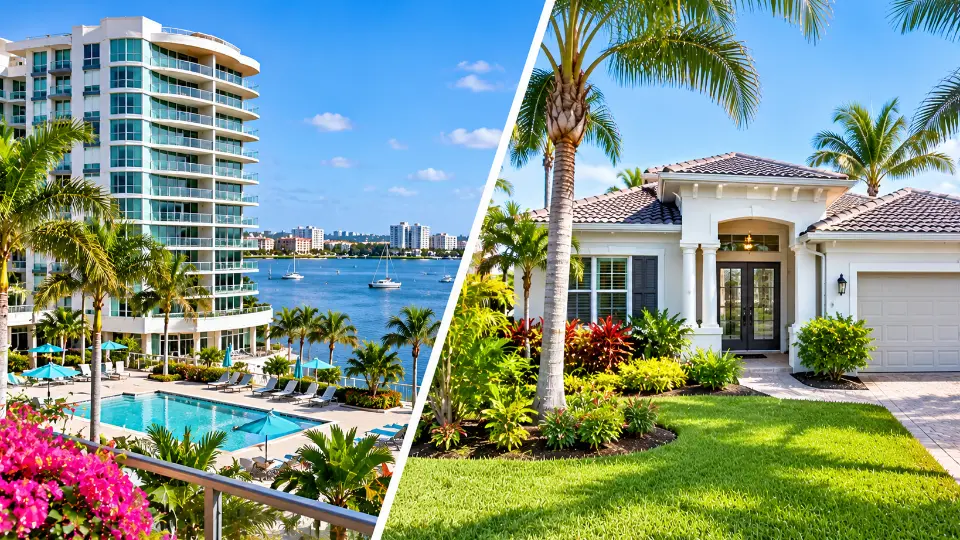
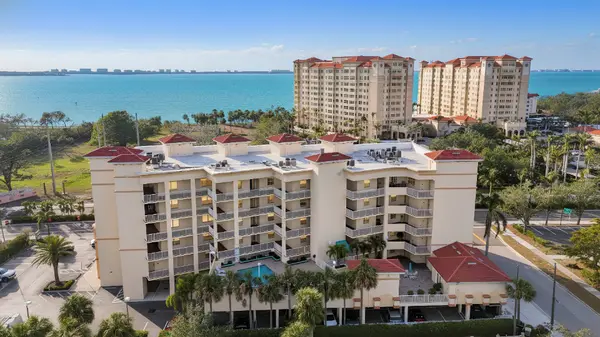
Neither a condo nor a house is automatically better in Sarasota. A condominium can provide lower-maintenance living, shared amenities and access to locations such as Downtown Sarasota or the barrier islands, while a single-family home generally provides more privacy, private outdoor space and control over the property. The tradeoff is responsibility. Condo owners share building expenses and governance through an association, while house owners usually assume more maintenance and insurance responsibility directly. The better choice depends on where you want to live, how much maintenance you want, your ownership budget and how you plan to use the property.
Quick Answers About Condos vs. Houses in Sarasota
Is a condo or house better in Sarasota?
A condo may be better if you prioritize lower direct exterior maintenance, shared amenities or a location where detached homes are limited or substantially more expensive. A house may be better if you prioritize privacy, a private yard or pool, additional storage and greater individual control over the property.
Are Sarasota condos cheaper than houses?
Some Sarasota condos have lower purchase prices than detached homes, but purchase price alone does not establish which property is less expensive to own. Condo assessments, insurance, reserves and special assessments should be compared with a house's insurance, maintenance, landscaping, roof, pool and other direct ownership expenses.
Are condos easier to maintain?
They can require less direct exterior maintenance because the association handles specified common elements and building responsibilities. The owner pays assessments that help fund those responsibilities, so maintenance has not disappeared, it has been shifted partly into a shared ownership structure.
Does a house provide more privacy?
Generally, a detached house provides more physical separation from neighboring residences and more private outdoor space. Individual Sarasota condos vary, however, and some luxury buildings provide large floor plans, private elevators, expansive terraces and other features that create a different residential experience.
Are Sarasota condos better for seasonal owners?
A condo can appeal to a seasonal or second-home buyer who wants fewer direct exterior maintenance responsibilities, but it is not automatically the better choice. Buyers should compare association services, security features, rules, insurance, fees and their plans for the residence while they are away.
Do Florida condo buyers need to worry about reserves and structural inspections?
Yes, when the requirements apply to the particular building. Current Florida law includes Structural Integrity Reserve Study and milestone inspection requirements for qualifying condominium buildings, so Sarasota condo buyers should determine whether those requirements apply and review the relevant reports, reserve funding and associated projects.
Is a house better if I have pets?
A detached house can provide more private outdoor space, but pet suitability cannot be determined by property type alone. Condominium and HOA rules can regulate pets, so buyers should verify current restrictions applicable to the specific property rather than relying on an old listing or general community description.
Which is better if I want to live near Downtown Sarasota?
Condos provide much of the residential inventory within the central Downtown Sarasota market and can place buyers near restaurants, cultural venues, shops and Sarasota Bay. Buyers wanting a detached house can compare nearby residential neighborhoods, but the housing type, price, lot size and walkability can differ significantly by location.
Condo vs. House in Sarasota at a Glance
| Consideration | Sarasota Condo | Sarasota House |
|---|---|---|
| Exterior maintenance | Specified common responsibilities are generally handled collectively | Owner generally handles more directly |
| Private outdoor space | Often limited to a balcony, terrace or patio, depending on unit | Greater potential for yard, patio and private pool |
| Privacy | Shared building or neighboring-unit environment | Generally more physical separation |
| Association | Condominium association is central to ownership | May have an HOA or may have no HOA |
| Shared amenities | Can include pools, fitness, security, club spaces and other facilities | May be private, HOA-based or absent |
| Maintenance control | Shared decisions for association responsibilities | More direct owner control, subject to applicable rules |
| Rules | Condo declaration, bylaws and rules apply | HOA and deed restrictions may apply depending on property |
| Major building expenses | Shared through association funding and assessments | Generally borne directly by owner for the individual property |
These are general differences, not rules for every property. Hunt Brothers Realty's Sarasota condo vs. single-family home buyer guide provides an additional current comparison of the two ownership choices.
When Does a Sarasota Condo Make More Sense?
A Sarasota condo can make more sense when location, shared amenities and reduced direct exterior maintenance matter more than having a private yard or complete control over building decisions. This can be particularly relevant in Downtown Sarasota and coastal areas where condominium ownership provides housing options that differ substantially from nearby detached homes.
A condo may align with your priorities if you want:
- Less direct responsibility for specified exterior maintenance
- Shared amenities such as a pool or fitness center
- A smaller private residential footprint
- A lock-and-leave ownership arrangement that fits your plans
- A downtown, bayfront or barrier-island location
- Building services or amenities that would be expensive to duplicate privately
The tradeoff is shared financial responsibility and shared governance. A condo buyer is evaluating both an individual residence and the association responsible for significant portions of the property.
When Does a Sarasota House Make More Sense?
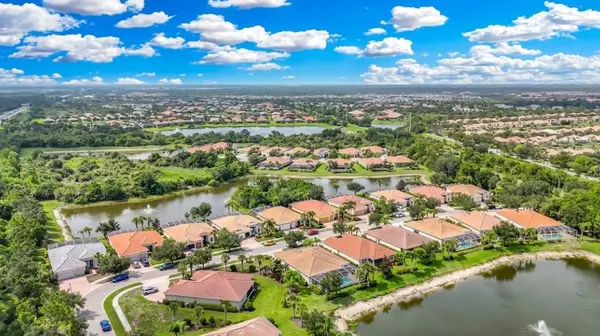
A detached house can make more sense when privacy, private outdoor space, storage and individual control over the property are high priorities. Instead of sharing responsibility for a larger building, the homeowner generally assumes responsibility for maintaining the individual house and lot.
A house may align with your priorities if you want:
- A private yard
- A private swimming pool
- More garage or storage space
- More physical separation from neighboring residences
- Greater control over maintenance timing
- More flexibility for exterior improvements, subject to zoning, permits, HOA rules and other applicable restrictions
The tradeoff is that the owner generally pays directly when the roof, air-conditioning equipment, pool, landscaping, exterior finishes or other property components require attention.
Which Is Better for Downtown Sarasota?
Condos dominate much of the residential choice within central Downtown Sarasota, making them particularly relevant for buyers who prioritize an urban location. Downtown condominium options range from established buildings to newer luxury towers, with substantial differences in views, amenities, fees, parking, services and association obligations.
A downtown location can place residents near Sarasota Bay, restaurants, shopping and cultural destinations. Buyers can use Hunt Brothers Realty's Downtown Sarasota condo buyer guide to compare locations and buildings in greater detail.
A detached-home buyer can instead compare residential neighborhoods around downtown. The key is deciding whether urban walkability and building amenities outweigh the private outdoor space and separation a detached home may provide.
Which Is Better Near Sarasota's Beaches?
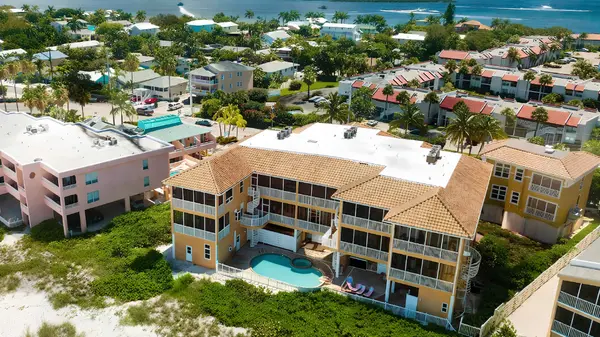
Both condos and houses can provide access to Sarasota's coastal lifestyle, but they often offer very different combinations of price, space, maintenance and proximity to the water. Areas such as Siesta Key and Longboat Key include both property types, while the exact inventory and pricing can vary considerably.
A condominium can sometimes provide a coastal or waterfront location at a purchase price below that of a comparable detached waterfront house, although this is not universal. Buyers must add association assessments, insurance considerations and possible special assessments to the comparison.
A detached coastal home can provide private outdoor space and, for some properties, private waterfront improvements. Waterfront buyers should independently verify flood information, seawalls, docks, boat lifts, water depth, bridge clearance, permits and boating access when those features are material to the purchase.
Are Condo Fees a Disadvantage?
A condo fee is a cost, but the amount alone does not tell you whether a condominium is expensive or well managed. The more useful question is what the assessment pays for and whether the association's funding aligns with its obligations.
Depending on the condominium, assessments may fund combinations of:
- Building maintenance
- Association insurance
- Management and administration
- Landscaping
- Pools and recreational amenities
- Elevator expenses
- Security or staffing when provided
- Utilities specified by the association
- Reserve contributions
A house without a condo assessment still has maintenance costs. The owner may pay separately for landscaping, pool service, exterior repairs, roof replacement and other expenses that would be handled collectively in some condominium structures.
What Should You Know About Sarasota Condo Reserves and Assessments?
Condo buyers should evaluate reserves and assessments in relation to the building's actual maintenance and capital obligations, not simply look for the lowest monthly fee. A lower regular assessment does not automatically mean a lower long-term ownership cost.
Review the current budget, financial statements, reserve information, special assessments, major projects and recent meeting minutes. Hunt Brothers Realty's guide to reading Florida condo documents explains how these records fit together.
A special assessment is not automatically evidence that a condominium is a poor purchase. It may be funding substantial repairs or improvements. Buyers should investigate what the assessment funds, the unit's applicable obligation, the project's status and whether additional expenses are anticipated.
What Are Florida's Milestone Inspection Requirements?
Current Florida law generally requires qualifying residential condominium and cooperative buildings that are three habitable stories or higher to undergo an initial milestone inspection when the building reaches 30 years of age and every 10 years afterward, subject to the statute's requirements and exceptions.
A milestone inspection is a structural inspection addressing the building's structural condition. Buyers should determine whether the specific Sarasota condominium is subject to the requirement, whether required inspections have been completed, what the reports found and whether resulting work has been completed or remains outstanding.
The applicable requirements are contained in Section 553.899 of the 2026 Florida Statutes. Structural findings that could materially affect a purchase should be reviewed with the appropriate licensed engineer, inspector, contractor or other qualified professional.
What Is a Structural Integrity Reserve Study?
A Structural Integrity Reserve Study, commonly called a SIRS, is a reserve-planning study required for applicable Florida residential condominium buildings. It is not the same as a milestone inspection.
Under current Florida condominium law, applicable residential condominium associations must generally complete a SIRS at least every 10 years after creation for each condominium building that is three habitable stories or higher. The statute identifies building components to be evaluated and requires a reserve funding plan based on estimated remaining useful lives and anticipated repair or replacement expenses.
A Sarasota condo buyer should connect the SIRS with the current association budget, reserve contributions, special assessments and completed or planned projects. Hunt Brothers Realty's older vs. newer Florida condo guide explains why building age should lead to additional questions rather than an automatic conclusion about quality.
Is Buying a House Simpler Because There Is No Condo Association?
A house can eliminate the condominium ownership structure, but it does not eliminate due diligence or future expenses. A detached homeowner generally takes more direct responsibility for the property's major components.
A house inspection and ownership-cost review may involve:
- Roof condition and remaining useful life
- HVAC equipment
- Electrical systems
- Plumbing
- Windows and doors
- Pool and pool equipment
- Drainage and site conditions
- Landscaping and irrigation
- Termite or other wood-destroying-organism concerns when applicable
- Septic or well systems when applicable
- Docks, lifts and seawalls for waterfront properties
Inspection findings should be evaluated with the appropriate licensed inspector, contractor, engineer or other qualified professional before the buyer makes a decision. A house may also belong to a homeowners association, so deed restrictions, HOA assessments and community rules can still be part of the purchase.
Which Property Type Has Lower Insurance Costs?
Neither condos nor houses can be assumed to have lower insurance costs without evaluating the specific property. The insurance structures are different, and location, construction, coverage, deductibles, flood exposure and other underwriting factors can materially affect cost.
A condominium association typically carries insurance for specified association property and responsibilities, while an individual unit owner may need separate coverage for the unit owner's responsibilities, personal property, liability and other exposures. Buyers should review what the association's policies cover and what remains the owner's responsibility.
A detached homeowner generally insures the individual home directly. Coastal and waterfront properties can involve additional wind and flood considerations. Insurance availability, coverage and premiums can vary substantially by property, so buyers should obtain property-specific quotes and review coverage with a qualified insurance professional before making a purchasing decision.
Which Is Better for a Second Home?
A condo can reduce some of the direct exterior responsibilities of owning a Sarasota second home, but that advantage should be evaluated against association costs and rules. A house may provide more private space and flexibility but usually requires a plan for landscaping, pool care, exterior maintenance and monitoring while the owner is away.
Second-home buyers should ask what happens to the property during extended absences. Consider maintenance, insurance requirements, storm preparation, access for service providers and any association procedures that affect an unoccupied residence.
Which Is Better If You Want to Rent the Property?
Neither property type should be purchased for rental use until the buyer verifies the rules that apply to the specific property. Condominiums can regulate leasing through governing documents, while houses may be subject to HOA restrictions and local regulations.
For a condo, investigate minimum lease periods, permitted leasing frequency, approval procedures and other current restrictions. For a house, determine whether an HOA or deed restriction affects leasing and investigate applicable local requirements.
Rental restrictions can change and should be verified through current governing documents and applicable local requirements. Questions about legal rental rights or restrictions should be reviewed with a qualified Florida real estate attorney or appropriate local authority when individualized guidance is needed.
Which Gives You More Control Over Renovations?
A detached house generally gives the owner more individual control over renovations, but that control is not unlimited. Zoning, building permits, HOA restrictions, setbacks, floodplain requirements and other rules may apply depending on the property and project.
A condominium renovation may require association approval in addition to government permits. Flooring, plumbing, electrical work, windows, doors, structural changes, work hours, contractor access and elevator use may be regulated by condominium documents and building procedures.
Buyers planning substantial renovations should verify feasibility and approval requirements with the association, applicable permitting authority and appropriate licensed contractors before relying on a renovation plan when making a purchase decision.
Does a Condo or House Offer Better Amenities?
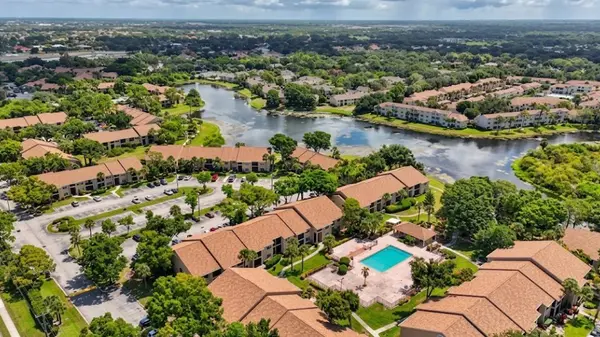
Condos can provide access to amenities that would be expensive for an individual homeowner to maintain privately, while a house can provide private amenities that are not shared with other residents.
Depending on the Sarasota condominium, shared amenities may include pools, fitness facilities, clubrooms, concierge or security services, tennis or pickleball, guest accommodations, beach access or boating facilities. Amenities vary substantially by building.
A detached house may instead offer a private pool, yard, lanai, garage or dock. The owner receives greater individual control but also assumes the corresponding maintenance responsibility.
How Should You Compare the True Cost of a Condo and House?
Compare the complete annual ownership cost, not just the purchase price or monthly association fee. A property with a lower asking price can still be more expensive to own if other recurring or anticipated expenses are substantially higher.
For both property types, investigate:
- Purchase price and financing
- Property taxes
- Property-specific insurance
- Flood insurance when appropriate
- Condo or HOA assessments
- Special assessments
- Utilities
- Maintenance responsibilities
- Expected major repairs or replacements
- Amenity or club expenses when applicable
Tax consequences and future property tax amounts depend on the individual property and owner circumstances. Buyers should verify property-specific tax information and consult a qualified tax professional regarding individualized tax questions.
What Should You Review Before Buying a Sarasota Condo?
Before buying a Sarasota condo, evaluate the association as carefully as the individual unit. Attractive finishes and views do not tell you whether the building has significant financial, structural or ownership considerations.
Consider reviewing:
- Declaration, bylaws and current rules
- Current association budget
- Financial statements
- Reserve information
- Approved and proposed special assessments
- Recent meeting minutes
- Association insurance information
- Applicable milestone inspection information
- Applicable Structural Integrity Reserve Study
- Major completed and planned projects
- Rental and pet restrictions
- Parking and storage rights
- Individual unit condition
Hunt Brothers Realty's comprehensive Florida condo buying guide provides a more detailed due-diligence checklist for buyers comparing Sarasota and Gulf Coast condominiums.
What Should You Review Before Buying a Sarasota House?
A Sarasota house should be evaluated as an individual structure, site and ownership obligation. The absence of a condominium association means the buyer often needs to focus more directly on the condition and expected replacement cost of individual property components.
In addition to a professional home inspection, investigate insurance, flood information, permits when relevant, property taxes, HOA obligations when applicable and the condition of major systems. Waterfront houses require additional evaluation of shoreline and boating infrastructure when those features are part of the purchase decision.
Inspection findings should be evaluated with appropriate qualified professionals. A general inspection may identify a condition that warrants further review by a roofer, electrician, plumber, structural engineer, pool professional, seawall contractor or another specialist.
Questions to Ask Yourself Before Choosing
The best way to choose between a Sarasota condo and house is to begin with how you intend to use the property. Property type should follow your priorities rather than the other way around.
- Will this be my primary home, seasonal residence or second home?
- How much direct maintenance do I want?
- How important is a private yard or pool?
- Do I want shared amenities?
- Is downtown or beach proximity more important than private space?
- Am I comfortable with condominium or HOA rules?
- Do I plan to rent the property?
- Do I need specific pet, parking or storage arrangements?
- What will insurance cost for the actual property?
- What is the realistic annual ownership cost?
- What major repairs or association projects could be approaching?
- Which location best fits how I expect to live in Sarasota?
The Bottom Line: Is a Condo or House Better in Sarasota?
A condo is often the stronger fit when a buyer prioritizes lower direct exterior maintenance, shared amenities and access to locations such as Downtown Sarasota or the barrier islands. A house is often the stronger fit when privacy, private outdoor space, storage and individual control matter more.
Neither is automatically the better financial decision. A condo with significant services, well-understood reserves and amenities you value can create a very different ownership experience from a building facing major unfunded projects. Likewise, a well-maintained house with updated major systems can have a very different ownership profile from a house approaching substantial roof, HVAC, pool or waterfront expenses.
Compare actual properties rather than stereotypes. Look at location, purchase price, maintenance, association obligations, insurance, condition, privacy, amenities and total annual ownership costs, then decide which structure better supports the way you want to live in Sarasota.
Compare Sarasota Condos and Houses With Hunt Brothers Realty
Hunt Brothers Realty helps buyers compare Sarasota condos and single-family homes based on location, property condition, ownership structure, amenities and the real estate priorities that matter to the individual search.
If a condominium is on your shortlist, review Hunt Brothers Realty's Florida condo buyer guide, condo document review guide and Downtown Sarasota condo guide. Buyers comparing the two ownership structures can also review the dedicated Sarasota condo vs. single-family home guide.
When you are ready to compare actual properties, contact Hunt Brothers Realty for help evaluating Sarasota-area condos and houses based on your real estate goals.
Informational notice: This article provides general real estate and educational information only and is not individualized legal, financial, tax, insurance, lending, inspection, engineering, construction, title or association advice. Condominium obligations, HOA rules, insurance, financing, property condition, flood considerations, assessments and ownership costs vary by property. Buyers should review current documents and property-specific information and consult the appropriate qualified professionals before making a purchasing decision. Legal questions should be reviewed with a qualified Florida real estate attorney, insurance with a qualified insurance professional, financing with a mortgage professional, tax matters with a qualified tax professional, and property or structural concerns with the appropriate licensed inspector, engineer, contractor or other specialist.
Sources
- Florida Legislature, 2026 Florida Statutes, Section 718.112
- Florida Legislature, 2026 Florida Statutes, Section 553.899
- Hunt Brothers Realty, Condo vs. Single-Family Home in Sarasota
- Hunt Brothers Realty, What to Know Before Buying a Florida Condo
- Hunt Brothers Realty, How to Read Florida Condo Documents Before Buying
- Hunt Brothers Realty, Older vs. Newer Florida Condos
- Hunt Brothers Realty, Best Downtown Sarasota Condos Buyer Guide
Hunt Brothers Realty
46 N. Washington Blvd, Ste 3, Sarasota, FL 34236
Phone: (941) 388-7017
Email: info@huntbrothersrealty.com
Website: HuntBrothersRealty.com
Categories
- All Blogs 2734
- Anna Maria Island 93
- Bird Key 6
- Bradenton 243
- Buying a Home 1744
- Casey Key 4
- Clearwater 17
- Condos & HOA Living 1683
- Ellenton 9
- Englewood 16
- First Time Homebuyers 1869
- Foreclosures 4
- Home Selling 12
- Homeownership 1918
- Lakewood Ranch 38
- Lido Key 29
- Longboat Key 81
- Luxury/Waterfront Properties 1861
- Market Updates & Trends 1360
- Mortgages & Financing 91
- Move-Up Buyers 25
- Neighborhood Guides 1489
- New Construction 48
- Palmetto 4
- Parrish 39
- Port Charlotte 36
- Punta Gorda 165
- Real Estate Investing 1774
- Relocation to Florida 1802
- Safety Harbor 4
- Sarasota 178
- Sarasota - Downtown 177
- Selling a Home 149
- Siesta Key 95
- St. Petersburg 13
- Taxes and Homestead 7
- Tierra Verde 7
- Vacation & Second Homes 1967
- Venice 225
- Wellen Park 24
Recent Posts