How to Spend a Day on the Water Near Anna Maria Island
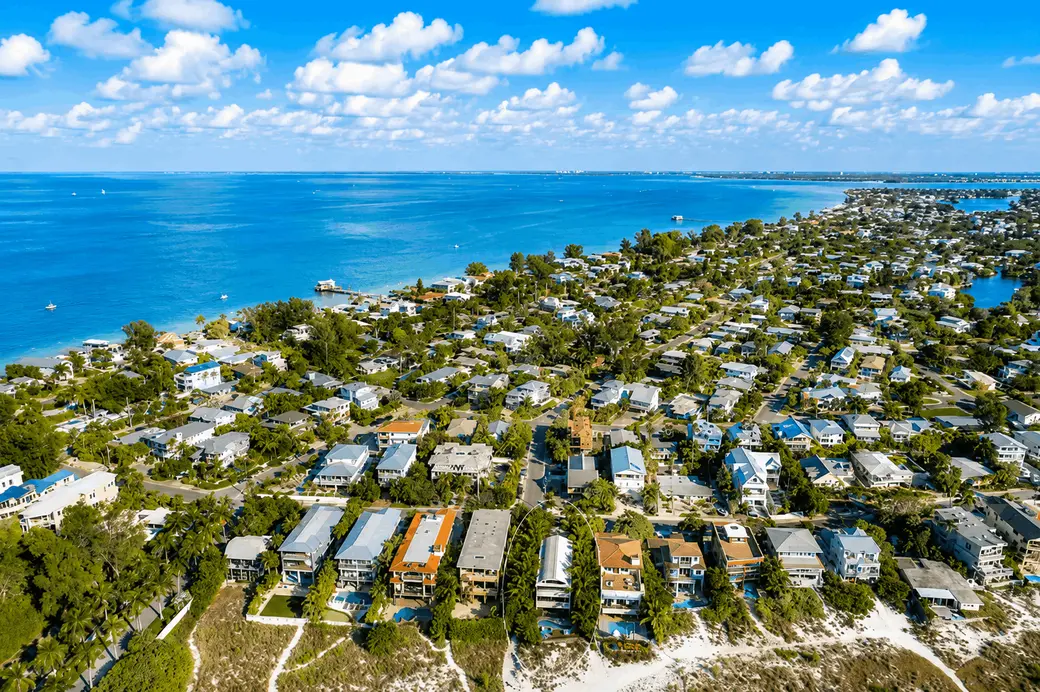
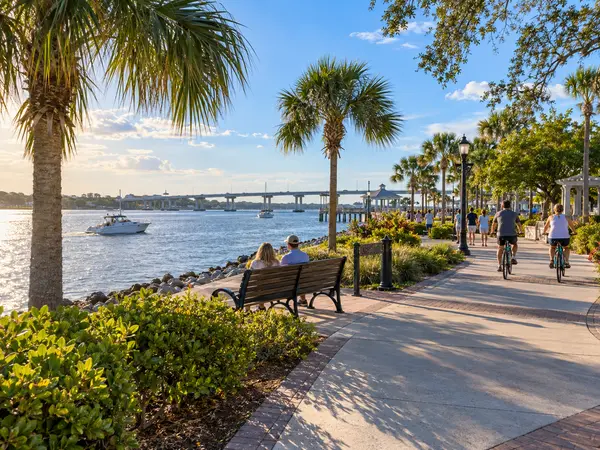
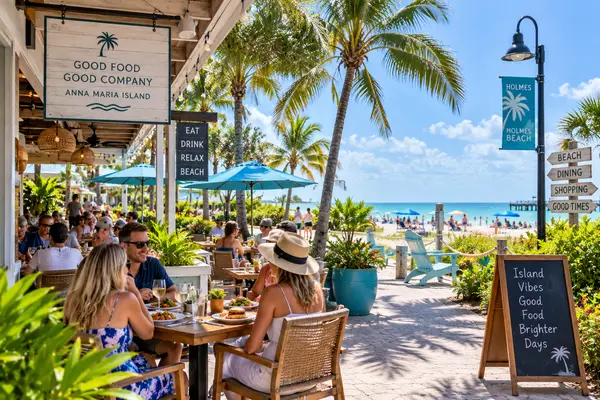
A day on the water near Anna Maria Island can include boating, fishing, kayaking, paddleboarding, wildlife viewing and a boat-only visit to Egmont Key at the mouth of Tampa Bay. The island's Gulf Coast setting makes the water part of the experience rather than simply a backdrop. A good itinerary depends on your vessel, weather, tides, experience and interests, but the basic formula is simple: start early, choose a realistic route, leave time to explore and follow current navigation and wildlife-protection rules. For buyers considering Anna Maria Island and other Gulf Coast communities, a day by boat also provides a different perspective on waterfront living.
Quick Answers About Spending a Day on the Water Near Anna Maria Island
What can you do on the water near Anna Maria Island?
Boating, fishing, kayaking, paddleboarding and wildlife viewing are among the options around Anna Maria Island. The Anna Maria Island Chamber of Commerce identifies kayaks, paddleboards, personal watercraft and boats as ways to enjoy the area's water, while nearby destinations such as Egmont Key add swimming, snorkeling, shelling and designated fishing areas.
Can you boat to Egmont Key from the Anna Maria Island area?
Egmont Key is accessible only by boat and sits at the mouth of Tampa Bay. Florida State Parks lists boating, swimming, snorkeling, fishing, hiking, shelling and wildlife viewing among the park's experiences. As of September 2026, the park is open, but all structures remain closed to the public, so visitors should follow current park signage and instructions.
Should you bring food and water to Egmont Key?
Yes. Florida State Parks states that Egmont Key has no drinking water or stores, and visitors should bring water, food and sunscreen. The park also has no restroom facilities, so plan accordingly before leaving the mainland or Anna Maria Island area.
Can you fish near Egmont Key?
Fishing is permitted in designated areas at Egmont Key, subject to current Florida fishing regulations. Florida State Parks notes that a fishing license may be required and that rules concerning season, size, number and method of capture apply. Anglers should verify current requirements with the Florida Fish and Wildlife Conservation Commission before fishing.
What boating safety rules should you remember?
Florida requires vessels to carry a wearable U.S. Coast Guard-approved personal flotation device for each person aboard, with additional requirements applying to certain vessels and activities. Boaters should also obey posted speed and manatee-protection zones, maintain a proper lookout, monitor weather and carry all safety equipment required for the specific vessel and trip.
Can you kayak or paddleboard around Anna Maria Island?
Yes. Kayaks and paddleboards are popular ways to experience the area's protected waters at a slower pace. In Florida, canoes, kayaks and paddleboards generally qualify as vessels for safety purposes, so paddlers should understand applicable life-jacket, sound-device and lighting requirements.
What does a day on the water reveal to waterfront homebuyers?
It can reveal the practical difference between seeing water and actually accessing it. Boating-oriented buyers should evaluate dockage, water depth, tides, bridges, navigation routes, lifts, seawalls and the time required to reach their preferred destinations rather than relying solely on a waterfront description.
Start Early and Let the Water Conditions Shape the Day
The best boating itinerary begins with conditions, not a rigid schedule. Before departure, check the current marine forecast, wind, tides, thunderstorms and any advisories that could affect your planned route. Conditions on open Gulf and Tampa Bay waters can differ substantially from protected canals and nearshore areas.
If you are renting a boat, taking a charter or joining an excursion, confirm departure details and ask the operator what the day's conditions make realistic. Experienced local captains can adjust a route when wind, tides or other conditions make the original plan less appropriate.
Bring drinking water, sun protection and other supplies appropriate for the outing. If Egmont Key is part of the plan, food and water are particularly important because the park has no stores or drinking water.
Morning Option 1: Take the Boat Toward Egmont Key
For boaters prepared for the route and current conditions, Egmont Key can become the centerpiece of the day. The island sits at the entrance to Tampa Bay and is accessible only by boat, which gives the trip a distinctly different character from driving to another Gulf Coast beach.
Florida State Parks describes Egmont Key as both a state park and wildlife refuge with historic resources, beaches and opportunities for swimming, fishing, snorkeling, shelling and wildlife viewing. The lighthouse dates to 1858, and remains from Fort Dade reflect the island's military history.
There is an important current condition for 2026 visitors. Egmont Key State Park reopened effective August 12, 2026, but all structures remain closed to the public. Visitors should follow posted signs, respect closed areas and check the park's current status before departure.
What Should You Bring to Egmont Key?
Plan for Egmont Key as a remote destination. Florida State Parks states that there are no stores, no drinking water and no restroom facilities on the island.
- Plenty of drinking water
- Food and snacks
- Sun protection
- Appropriate footwear
- Swimming or snorkeling equipment if conditions and experience are appropriate
- All required vessel safety equipment
- A plan for carrying out everything you bring
Pets are not permitted on Egmont Key because of the sensitive nature of the island. The south end is a shorebird refuge and is closed to the public, so wildlife-protection areas should be respected even when they look accessible from the water.
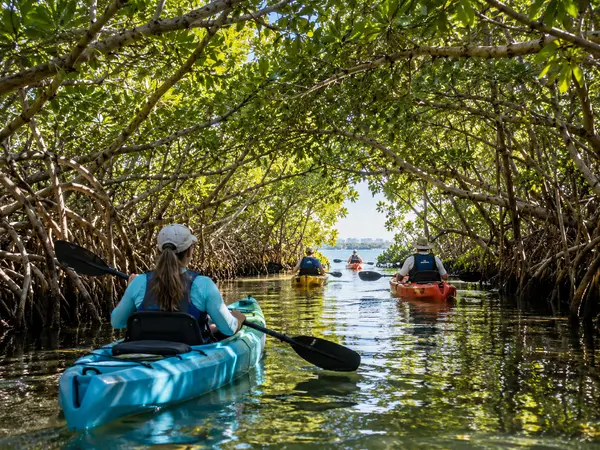
Morning Option 2: Keep It Simple With Kayaking or Paddleboarding
You do not need a powerboat to experience the water around Anna Maria Island. The Anna Maria Island Chamber of Commerce identifies kayaks and paddleboards among the ways visitors can enjoy the island's waterways.
A paddle can be especially appealing when you want a quieter morning and do not need to cover a large distance. Choose a launch point and route appropriate to your experience, wind, current and vessel traffic, and avoid treating a protected-looking waterway as automatically easy or hazard-free.
Florida considers human-powered canoes, kayaks and paddleboards to be vessels in most circumstances. FWC states that these vessels must carry one U.S. Coast Guard-approved wearable life jacket for each person, along with a sound-producing device, and lighting requirements apply when operating between sunset and sunrise or in restricted visibility.
Want to Fish? Build the Day Around the Fishing Instead
Fishing can be the main event rather than something added to a sightseeing itinerary. The waters around Anna Maria Island connect with a larger Gulf Coast fishing environment that includes nearshore areas, Tampa Bay and waters around Egmont Key.
At Egmont Key, fishing is allowed only in designated areas. Florida State Parks identifies species found in the area including sea trout, tarpon, snook, grouper and flounder, while emphasizing that current rules governing season, size, number and method of capture must be followed.
Fishing regulations and licensing requirements depend on the activity and can change. Verify current requirements through the Florida Fish and Wildlife Conservation Commission before fishing, or discuss licensing and regulations with a properly licensed charter operator.
Leave Time for Wildlife Viewing, but Give Wildlife Space
Wildlife can be one of the most memorable parts of a day on the water, but sightings should happen on the animals' terms. Egmont Key provides habitat for shorebirds, gopher tortoises and other wildlife, while dolphins and manatees may also be observed in the surrounding waters.
FWC advises boaters to obey posted manatee-protection and boating-restriction signs, stay in deep-water channels when possible and remain alert for manatees. Boaters should also avoid traveling through shallow seagrass areas where manatees may be feeding or resting.
Wildlife encounters are never guaranteed. Treating dolphins, manatees, shorebirds and other animals as something to observe responsibly rather than chase produces a better day for both boaters and wildlife.
What Should You Know About Manatee Zones?
Manatee-protection zones regulate vessel speed and, in some locations, vessel operation to reduce the risk of collisions and harassment. FWC advises boaters to follow the regulations posted on the water because local, state and federal restrictions can apply in different areas.
Do not rely on an old map or memory from a previous trip. Check current information and follow posted waterway markers. FWC also recommends polarized sunglasses to reduce surface glare and improve the ability to spot manatees.
Current information on Florida manatee-protection zones is available directly from FWC.
Plan a Relaxed Midday Break Instead of Overloading the Itinerary
A successful water day does not need to cover every possible destination. After a morning of boating, paddling, fishing or exploring Egmont Key, leave room for lunch and a slower afternoon rather than turning the day into a checklist.
If your vessel and route allow for a safe and legal waterfront stop, a midday break can divide the outing naturally. Otherwise, pack lunch and choose an appropriate location where anchoring, landing or stopping is permitted. Never assume a dock is public or that a shoreline permits landing simply because it appears accessible.
The same principle applies at Egmont Key. Picnic tables and a shaded area are available at the north end, according to Florida State Parks, but visitors must bring their own food and water. Alcoholic beverages are prohibited at the park.
Spend the Afternoon Cruising Instead of Racing Back
If conditions remain favorable, the return portion of the day can be part of the experience. Slow down where required, watch for wildlife and notice how Anna Maria Island looks from the water rather than treating the trip back as dead time.
For prospective waterfront buyers, this is also when real estate geography starts to make more sense. Canal systems, open-water exposure, protected shorelines and the relationship between homes and navigable water are much easier to understand from a boat.
That perspective can be useful elsewhere on the Gulf Coast as well. Hunt Brothers Realty's guide to Sarasota-area waterfront living explains how boating access, beach access and the character of the water can differ significantly from one coastal community to another.
What Should Boaters Carry and Check Before Leaving?
The exact equipment requirements depend on the vessel and activity, so boaters should verify current rules before departure. At a minimum, Florida requires a wearable U.S. Coast Guard-approved personal flotation device of the appropriate size for each person aboard a vessel.
FWC states that vessels 16 feet or longer must also carry at least one immediately available U.S. Coast Guard-approved throwable Type IV device. Children under age six must wear an approved personal flotation device while aboard a vessel under 26 feet that is underway. Other equipment and operating requirements can apply based on vessel size and activity.
- Check the marine weather forecast and current conditions.
- Confirm fuel and the realistic range of the vessel.
- Carry required and serviceable safety equipment.
- Bring adequate drinking water and sun protection.
- Know the planned route and appropriate navigation channels.
- Follow posted speed, boating and manatee-protection zones.
- Maintain a proper lookout throughout the trip.
- Tell someone where you are going and when you expect to return.
These are general planning considerations, not a substitute for vessel-specific boating instruction or current legal requirements. Operators should review current Florida boating regulations and obtain appropriate instruction when necessary.
What Does a Day on the Water Tell You About Buying Waterfront Property?
For a boating-oriented buyer, a day on the water can reveal information that a showing cannot. A home may have a dock and attractive water view while still being a poor fit for a particular vessel or preferred boating routine.
Before purchasing waterfront property, Hunt Brothers Realty recommends investigating the practical boating characteristics that apply to the individual residence. The Florida waterfront property buyer guide covers questions involving docks, lifts, seawalls, water depth and navigation.
- What is the usable water depth at the dock?
- How does the tide affect access?
- Are there bridges between the property and open water?
- Is bridge clearance adequate for the intended vessel?
- What is the condition of the dock and boat lift?
- What is the lift's capacity?
- Is there a seawall, and what condition is it in?
- Are waterfront improvements appropriately permitted?
- Who is responsible for maintaining the dock, lift and seawall?
Waterfront suitability is property-specific. Water depth, navigation, dock and lift condition, seawalls, permits, title rights and other material matters should be verified with the appropriate marine contractor, surveyor, engineer, title professional, Florida real estate attorney, government authority or other qualified professional before a buyer relies on them in a purchasing decision.
Do You Need to Own a Boat to Enjoy Anna Maria Island's Waterfront Lifestyle?
No. Renting appropriate equipment, booking a licensed charter, paddling or simply spending time along the shoreline can provide access to the area's water-oriented lifestyle without owning a vessel. For some property buyers, that distinction can materially change what they need from a home.
Someone who boats frequently may prioritize dockage and navigable water. Another buyer may care more about beach proximity and prefer to charter a boat occasionally. Understanding which experience you actually want can prevent you from paying for waterfront features that do not match the way you intend to use the property.
The Best Anna Maria Island Water Day Is the One That Fits the Conditions
There is no single perfect itinerary for a day on the water near Anna Maria Island. One day might be ideal for a boat trip toward Egmont Key, while another is better suited to fishing, paddling or staying closer to protected water. Weather, tides, vessel capabilities and experience should always shape the plan.
What makes the area distinctive is the variety of ways to experience the Gulf Coast from the water. A well-planned day can combine recreation, wildlife, Florida history and a better understanding of why boating and waterfront access matter so much to many Gulf Coast property buyers.
Explore Gulf Coast Waterfront Real Estate With Hunt Brothers Realty
If time on the water is an important part of your Florida real estate search, Hunt Brothers Realty can help you compare Gulf Coast communities and waterfront property characteristics. Explore Sarasota and Manatee County communities, review the Florida waterfront buyer guide, or contact Hunt Brothers Realty to discuss the type of waterfront access that fits your property search.
This article provides general recreational and real estate information for educational purposes. Weather, water conditions, navigation restrictions, park access, boating regulations and fishing requirements can change. Boaters should verify current conditions and legal requirements with the appropriate authorities and use qualified captains, instructors or other professionals when appropriate. Buyers should independently verify property-specific dockage, navigation, permitting, insurance, inspection, title and waterfront conditions with the appropriate qualified professionals before making a purchasing decision.
Sources
- Anna Maria Island Chamber of Commerce, Fun & Leisure
- Florida State Parks, Egmont Key State Park
- Florida State Parks, Egmont Key Experiences & Amenities
- Florida State Parks, Fishing at Egmont Key
- Florida Fish and Wildlife Conservation Commission, Boating Regulations
- Florida Fish and Wildlife Conservation Commission, Canoe, Kayak and Paddleboard Requirements
- Florida Fish and Wildlife Conservation Commission, Manatee Protection Zones
- Florida Fish and Wildlife Conservation Commission, Information for Boaters and PWC Operators
- Hunt Brothers Realty, Buying Waterfront Property in Florida
Contact Hunt Brothers Realty
46 N. Washington Blvd, Ste 3, Sarasota, FL 34236
Phone: (941) 388-7017
Email: info@huntbrothersrealty.com
Website: HuntBrothersRealty.com
Categories
- All Blogs 1586
- Anna Maria Island 73
- Bird Key 3
- Bradenton 132
- Buying a Home 723
- Casey Key 2
- Clearwater 5
- Condos & HOA Living 630
- Ellenton 4
- Englewood 5
- First Time Homebuyers 804
- Foreclosures 3
- Homeownership 789
- Lakewood Ranch 15
- Lido Key 25
- Longboat Key 70
- Luxury/Waterfront Properties 726
- Market Updates & Trends 384
- Mortgages & Financing 33
- Move-Up Buyers 20
- Neighborhood Guides 533
- New Construction 27
- Palmetto 2
- Parrish 4
- Port Charlotte 7
- Punta Gorda 11
- Real Estate Investing 659
- Relocation to Florida 709
- Safety Harbor 2
- Sarasota 13
- Sarasota - Downtown 137
- Selling a Home 138
- Siesta Key 87
- St. Petersburg 3
- Tierra Verde 4
- Vacation & Second Homes 841
- Venice 21
- Wellen Park 7
Recent Posts