December-Ready Maintenance: Roof, Gutters, and HVAC Checks Before Winter Guests Arrive
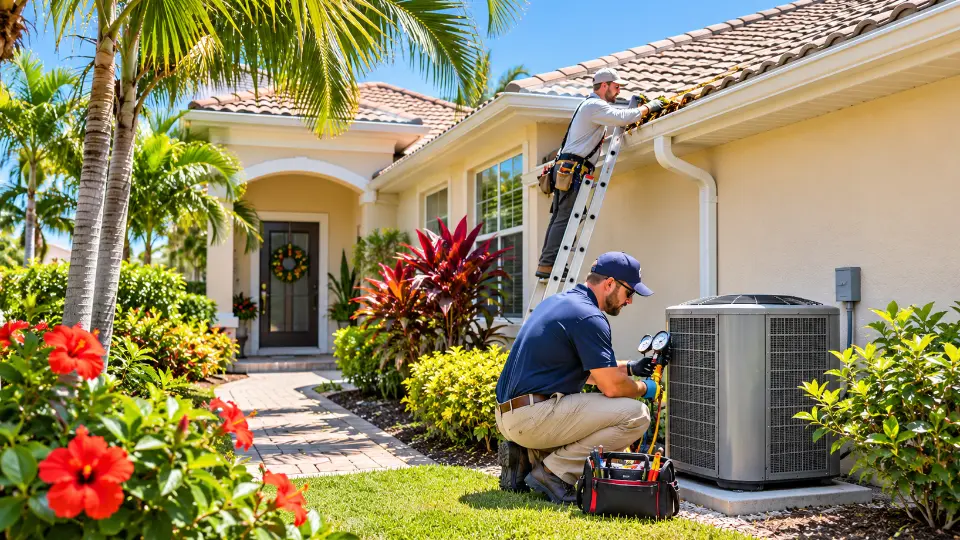
Getting a Florida Gulf Coast home ready for December guests starts with the systems that protect the house and keep it comfortable. Late November is a practical time to look at the roof, clear gutters and downspouts, replace HVAC filters, check condensate drainage and schedule professional service when something needs closer evaluation. It also coincides with the November 30 end of the official Atlantic hurricane season, making a post-season exterior review especially timely. A short maintenance check now can help identify visible problems before holiday visitors, seasonal residents or winter renters arrive.
Quick Answers About December-Ready Florida Home Maintenance
What should Florida homeowners check before December?
Start with the roof, gutters, downspouts and HVAC system, then review visible plumbing leaks, windows, exterior doors, drainage and safety equipment. The goal is not to perform a technical inspection yourself, but to identify maintenance needs and arrange qualified professional evaluation where appropriate.
Should you inspect your roof after hurricane season?
Late November can be a useful time for a visual post-season review because the official Atlantic hurricane season ends November 30. Look from a safe location for obvious signs of damage, but avoid climbing onto the roof unless you are properly equipped and qualified. Suspected damage should be evaluated by an appropriate licensed roofing contractor or other qualified professional.
Do gutters matter in Florida?
Yes. UF/IFAS recommends removing leaves and debris from gutters and downspouts and checking that water flows freely after heavy rain. Florida's Department of Financial Services also advises clearing gutters so water can move away from the home rather than pooling where it may contribute to damage.
Should you service the HVAC before winter guests arrive?
It can be a sensible time to do so, particularly if regular maintenance is due or the system has shown signs of trouble. UF/IFAS recommends professional HVAC checkups and identifies filter replacement, condensate-line maintenance, thermostat checks and inspection of system components among important maintenance items.
Why is the HVAC condensate line important in Florida?
Florida air conditioners remove substantial moisture from indoor air, and that moisture has to drain properly. UF/IFAS specifically recommends keeping condensate drain lines clean, while its Florida home guidance emphasizes controlling indoor humidity to reduce moisture-related problems.
Can homeowners perform these maintenance checks themselves?
Some basic tasks, such as replacing an accessible HVAC filter or visually checking for debris, may be appropriate for many homeowners. Roof repairs, electrical work, refrigerant-related HVAC service, structural concerns and other technical work should be left to appropriately licensed or qualified professionals.
When should you start preparing for December guests?
Late November is a practical window because it leaves time to schedule service before holiday calendars become busy. UF/IFAS recommends starting seasonal home preparation well in advance rather than waiting until the last minute.
Why Is Late November a Smart Time for Florida Home Maintenance?
Florida's version of winter preparation is different from preparing a house in a northern climate. Frozen pipes and heavy snow are generally not the primary concerns along the Gulf Coast. Moisture, roof condition, drainage, cooling and dehumidification, storm-related wear and dependable mechanical systems remain much more relevant.
Timing also makes sense. According to the National Hurricane Center, the official Atlantic hurricane season runs from June 1 through November 30. A late-November maintenance review gives homeowners an opportunity to look for visible wear after months of summer heat, heavy rain and tropical-weather exposure before December visitors arrive.
This is also when many Florida Gulf Coast homes begin seeing more use from seasonal residents, visiting relatives and winter renters. Hunt Brothers Realty's Florida snowbird home-preparation checklist similarly recommends reviewing HVAC, plumbing, roofs and gutters before the seasonal period gets underway.
What Should You Check on the Roof Before December?
Start with a safe visual review from the ground or another appropriate vantage point. University of Florida IFAS Extension advises checking for damaged, curled, loose or missing shingles and inspecting flashing around vents and chimneys for damage.
For tile roofs, metal roofs and other Florida roofing systems, the specific warning signs can differ. From the ground, a homeowner may be able to notice displaced materials, obvious debris, staining or other visible irregularities, but appearance alone cannot establish the roof's condition.
Inside the home, look for visible ceiling stains, moisture marks or other evidence that warrants investigation. If you see a potential problem, have the condition evaluated rather than attempting to diagnose the source yourself. Water can travel from the point of entry before becoming visible inside the house.
Should You Climb Onto the Roof to Inspect It?
For most homeowners, a roof walk is unnecessary and can create safety risks or damage roofing materials. A qualified roofing contractor or other appropriate professional can perform a closer evaluation when there are signs of damage, known storm exposure, leaks or other concerns.
If roof condition could affect an insurance, purchasing or repair decision, obtain property-specific information from the appropriate roofing and insurance professionals. Do not rely on a seasonal checklist as a substitute for an inspection or insurer requirements.
Why Should Gutters and Downspouts Be Checked Before Winter Guests Arrive?
Gutters can accumulate leaves, pine needles, seed pods and other debris during Florida's long growing season. UF/IFAS recommends removing debris from roofs, gutters and downspouts and checking the system for damage.
The Florida Department of Financial Services also advises clearing gutter debris so water can flow away from the home. The objective is simple: rainfall should move through the drainage system rather than backing up or pooling where it can contribute to property damage.
What Should You Look for When Checking Gutters?
- Leaves and other visible debris blocking water flow.
- Loose, damaged or disconnected gutter sections.
- Downspouts that appear blocked or damaged.
- Water spilling over gutter edges during rainfall.
- Standing water where drainage should move away from the structure.
- Visible staining or deterioration that may warrant professional evaluation.
UF/IFAS specifically suggests observing gutters and downspouts after heavy rain to see whether water flows freely. If drainage is not working as intended or accessing the system safely requires ladders or roof work, use an appropriately qualified contractor.
What HVAC Maintenance Should Be Done Before December?
Florida homeowners may think less about air conditioning once temperatures become milder, but the HVAC system still plays an important role in comfort and indoor moisture control. A house full of December guests can also increase cooling demand during warmer days.
UF/IFAS seasonal-home guidance recommends replacing or washing the HVAC filter and keeping the condensate drain line clean. It also recommends professional system checks that can include the thermostat, coils, blower components, wiring, condensate pan and pipe, motors and other mechanical components.
Start With the HVAC Filter
Check the condition of the system's filter and replace or clean it according to the equipment manufacturer's instructions. The U.S. Department of Energy's Building Science Education resources explain that dirty or clogged filters can reduce airflow and increase equipment run time, motor wear and energy consumption.
Use the filter type and efficiency appropriate for your particular HVAC equipment. A higher-efficiency filter is not automatically appropriate for every system, so follow manufacturer guidance or consult a qualified HVAC professional when uncertain.
Check the Condensate Drain
The condensate system deserves particular attention in Florida. Air conditioning removes moisture from indoor air, and that moisture must drain away correctly. UF/IFAS recommends keeping condensate drain lines clean and notes that Florida's heat and humidity can contribute to buildup in the drainage system.
If you see water where it should not be, repeated drain backups or other signs that the condensate system is not functioning correctly, have an HVAC professional evaluate the cause. Do not assume that clearing a visible blockage addresses every possible drainage or equipment problem.
Test the Thermostat Before Guests Arrive
Make sure the thermostat responds normally and that household members or guests know how to operate it. If you use a smart thermostat, confirm that its schedule, Wi-Fi connection and remote-access settings work as intended.
Avoid setting a universal temperature rule for every Florida home. Equipment, occupancy, humidity, building characteristics and personal comfort differ. If indoor humidity or system performance is a concern, ask a qualified HVAC professional about appropriate settings for the particular property.
Why Does Indoor Humidity Still Matter in December?
Florida may feel less humid in December than it does in August, but moisture control remains important. UF/IFAS Florida home guidance notes that elevated indoor humidity can affect comfort, indoor air quality and building materials and can encourage mold growth.
That is one reason an HVAC system should not be ignored just because outdoor temperatures are pleasant. A functioning cooling and dehumidification system, clean condensate drainage, exhaust fans and attention to moisture sources all contribute to indoor conditions.
If you notice persistent condensation, musty odors, visible moisture or suspected mold, the underlying moisture source should be investigated by the appropriate qualified professional rather than simply covered, painted or deodorized.
Should You Schedule Professional HVAC Service Before Winter Visitors?
If routine service is due, the system has been operating unusually, or you simply want it evaluated before an extended period of occupancy, scheduling service before guests arrive can be practical. It is generally easier to address a known problem before a holiday gathering or multi-month seasonal stay than during one.
UF/IFAS identifies professional tasks including inspecting system wiring and connections, cleaning coils and condensate components, checking thermostat operation and evaluating motors and other components. Refrigerant and other technical HVAC work should be performed by appropriately qualified professionals.
What Else Should You Check After Florida's Hurricane Season?
Roof and gutter maintenance are useful starting points, but a late-November walk around the property can reveal other issues worth addressing. Look for changes that may have occurred during months of wind, heavy rain, sun and high humidity.
- Visible cracks, deterioration or moisture concerns on exterior walls.
- Damaged caulk or weatherstripping around windows and doors.
- Loose screens or damaged screened enclosures.
- Standing water or obvious drainage problems.
- Damaged exterior lighting.
- Loose gates, fencing or exterior fixtures.
- Landscape debris near the home.
- Pool or spa equipment that needs service.
- Dock or seawall concerns at waterfront properties.
Hunt Brothers Realty's guide to preparing a Florida home for snowbird-season buyers similarly highlights roof and gutter condition, HVAC operation, plumbing, windows, drainage, pools, screened enclosures and waterfront components as items worth reviewing.
What Should You Check Inside Before Guests Arrive?
Once the major exterior and mechanical items are addressed, walk through the home from the perspective of someone arriving for the first time. This is especially useful for second homes and seasonal properties that may have spent long periods with limited occupancy.
- Look beneath sinks and around plumbing fixtures for visible leaks or moisture.
- Test appliances guests will use.
- Confirm hot water is operating normally.
- Check interior and exterior lighting.
- Test door and window locks.
- Review smoke and carbon monoxide alarms as applicable to the home and current requirements.
- Make sure ceiling fans operate properly.
- Check guest bathrooms, toilets and showers before arrival day.
- Confirm Wi-Fi and other systems guests may rely on.
For homes used by winter renters, Hunt Brothers Realty's Florida winter rental preparation guide also recommends reviewing HVAC, plumbing, water heaters, appliances, alarms, exterior lighting, locks, pest control, pool equipment and landscaping before seasonal occupancy.
What Maintenance Should You Leave to Professionals?
A homeowner checklist is useful for noticing potential issues, but it is not a substitute for technical evaluation. Some work carries safety risks, requires licensing or depends on specialized knowledge and equipment.
Consider qualified professional evaluation for suspected roof damage, active leaks, electrical concerns, refrigerant-related HVAC service, persistent condensate problems, structural movement, significant moisture intrusion, mold concerns, pool equipment problems and dock, seawall or other waterfront conditions.
The appropriate professional depends on the issue and may include a licensed roofing contractor, HVAC contractor, electrician, plumber, home inspector, structural engineer, general contractor, mold professional or other qualified tradesperson. Insurance-related questions should be reviewed with a qualified insurance professional.
A Simple December-Ready Florida Home Checklist
- Roof: Look safely for visible damage, displaced materials or signs of leaks.
- Gutters: Remove debris and verify that gutters and downspouts can drain properly.
- HVAC filter: Check and replace or clean it according to system requirements.
- Condensate drainage: Make sure the HVAC drainage system is functioning normally.
- Thermostat: Test normal operation before guests arrive.
- Moisture: Look for visible leaks, condensation or unexplained dampness.
- Windows and doors: Check locks, weatherstripping and visible caulk condition.
- Plumbing: Look for visible leaks and test guest bathrooms.
- Safety equipment: Review alarms and other safety equipment applicable to the property.
- Outdoor areas: Review lighting, walkways, pool equipment, screens and landscaping.
- Waterfront components: Have docks, lifts or seawalls evaluated when there are signs of concern.
- Professional service: Schedule qualified contractors before holiday calendars fill when maintenance is due.
What If You're Preparing a Florida Home for Winter Renters?
A seasonal rental needs the same basic maintenance attention, plus clear instructions for the people occupying it. Guests who do not know the home may not recognize an unusual HVAC sound, a recurring drain problem or the correct way to operate pool and thermostat equipment.
Consider creating a simple property guide containing thermostat instructions, Wi-Fi information, trash and recycling schedules, appliance instructions and contact information for the appropriate property manager or service provider. Rental use must also comply with applicable local rules, association restrictions and other requirements, which should be verified for the specific property.
Why Does Seasonal Maintenance Matter When Selling a Florida Home?
Winter is an important period for Florida Gulf Coast real estate because seasonal visitors can become buyers. A home does not need to be perfect, but obvious deferred maintenance can distract from its location, floor plan and other strengths.
Addressing ordinary maintenance before listing can also help a seller understand the property's current condition before a buyer begins due diligence. Significant repairs should not be undertaken solely because they sound good in a generic checklist. Sellers should discuss property-specific priorities with a licensed real estate professional and use appropriate contractors or other qualified professionals when technical evaluation is needed.
For more seasonal selling considerations, read Hunt Brothers Realty's guide to selling a Florida home during snowbird season.
Get Your Florida Gulf Coast Home December-Ready
December preparation does not have to become a major renovation project. Focus first on the systems that keep the property dry, protected and comfortable. Review the roof from a safe location, make sure gutters can move water away, check the HVAC filter and condensate system, and pay attention to signs of moisture or mechanical trouble.
When something appears damaged or is outside ordinary homeowner maintenance, bring in the appropriate professional before guests arrive. That approach is more useful than waiting for a small issue to become a holiday-week service call.
Planning to Buy or Sell on Florida's Gulf Coast This Winter?
If winter maintenance is part of preparing a property for sale, buying a seasonal residence or getting a second home ready for extended use, Hunt Brothers Realty can help with the real estate side of the process. You can also review the firm's Florida snowbird home-preparation checklist and winter rental preparation guide for additional seasonal planning.
This article provides general informational and educational guidance and is not individualized inspection, construction, engineering, HVAC, roofing, electrical, insurance, legal or other professional advice. Property conditions and maintenance needs vary. Suspected roof damage, leaks, HVAC problems, moisture intrusion, structural concerns and other technical issues should be evaluated by the appropriate licensed contractor, inspector, engineer, insurance professional or other qualified professional before an owner makes repair, insurance or purchasing decisions.
Sources
- University of Florida IFAS Extension, Closing Your Seasonal Home
- University of Florida IFAS Extension, Understanding Florida Homes and Indoor Moisture
- U.S. Department of Energy, HVAC Filters
- National Hurricane Center, Hurricane Season Definition
- NOAA, Hurricane Preparedness
- Florida Department of Financial Services, Property Preparation and Gutter Guidance
- Hunt Brothers Realty, Florida Snowbird Prep: Your Essential Home Checklist
- Hunt Brothers Realty, How to Prepare a Florida Home for Winter Snowbird Renters
- Hunt Brothers Realty, Selling a Florida Home During Snowbird Season
Contact Hunt Brothers Realty
46 N. Washington Blvd, Ste 3, Sarasota, FL 34236
Phone: (941) 388-7017
Email: info@huntbrothersrealty.com
Website: HuntBrothersRealty.com
Categories
- All Blogs 2814
- Anna Maria Island 96
- Bird Key 6
- Bradenton 247
- Buying a Home 1808
- Casey Key 4
- Clearwater 19
- Condos & HOA Living 1752
- Ellenton 9
- Englewood 17
- First Time Homebuyers 1943
- Foreclosures 4
- Home Selling 12
- Homeownership 1997
- Lakewood Ranch 43
- Lido Key 29
- Longboat Key 81
- Luxury/Waterfront Properties 1940
- Market Updates & Trends 1438
- Mortgages & Financing 91
- Move-Up Buyers 25
- Neighborhood Guides 1569
- New Construction 48
- Palmetto 4
- Parrish 39
- Port Charlotte 36
- Punta Gorda 166
- Real Estate Investing 1853
- Relocation to Florida 1881
- Safety Harbor 4
- Sarasota 198
- Sarasota - Downtown 177
- Selling a Home 149
- Siesta Key 96
- St. Petersburg 17
- Taxes and Homestead 7
- Tierra Verde 7
- Vacation & Second Homes 2046
- Venice 228
- Wellen Park 25
Recent Posts