Winter Rental Prep: Turning Your Florida Home Into a Snowbird-Friendly Property
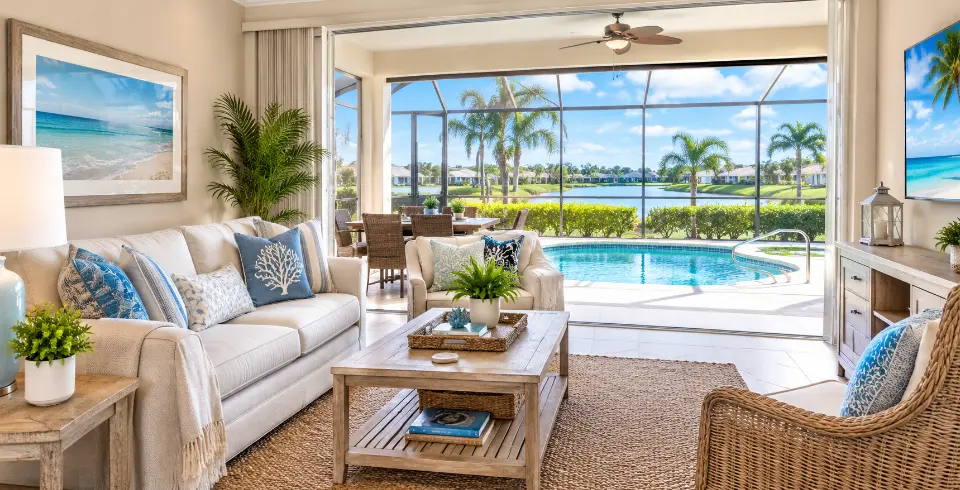
Preparing a Florida home for winter renters requires more than adding furniture and posting photos online. Snowbirds often stay for weeks or months, so they tend to value comfortable beds, a functional kitchen, reliable internet, usable storage, outdoor living space, simple arrival instructions and responsive property maintenance. Owners also need to confirm that seasonal rentals are permitted by local zoning and any condominium or homeowners association, then address insurance, taxes, licensing and safety requirements that apply to the specific property. A home prepared for an extended stay should feel less like temporary lodging and more like a practical Florida residence.
The most important step comes before buying furniture or setting a rental rate: determine exactly how the property may legally be rented. Florida state requirements, city and county rules, condominium documents and HOA restrictions can all affect the permitted rental term and operating requirements.
Quick Answers About Preparing a Florida Home for Snowbird Renters
What do snowbird renters usually need in a Florida home?
For an extended winter stay, practical features often matter most. Comfortable furniture, quality mattresses, reliable Wi-Fi, a well-equipped kitchen, laundry, usable closets, parking, outdoor seating and straightforward instructions can make a home substantially easier to occupy for several weeks or months.
Can any Florida home be used as a seasonal rental?
No. Rental rights depend on the property's location, zoning, rental duration and any condominium or HOA restrictions. Owners should verify all applicable requirements before advertising the property or accepting a reservation.
Do Florida vacation rentals need a state license?
Some do. The Florida Department of Business and Professional Regulation states that an entire qualifying unit regularly rented for periods of less than 30 days or one calendar month can fall within Florida's vacation-rental licensing requirements. The exact arrangement matters, so owners should verify their property with DBPR before operating.
Can I rent a Sarasota County house for one or two weeks?
Not necessarily. Sarasota County currently states that residential single-family properties must be leased for at least 30 days. Most residential multifamily properties also have a 30-day minimum, while qualifying multifamily properties on the barrier islands are treated differently. Properties inside incorporated municipalities can be subject to different local regulations, so the exact address and jurisdiction must be checked.
What is the minimum stay for a vacation rental in the City of Sarasota?
The City of Sarasota currently states that vacation rentals within city limits have a minimum stay of seven full days and seven full nights. Registration requirements vary by property type and rental term.
Should I leave personal belongings in a winter rental?
Keep personal possessions to a minimum. Seasonal renters staying for months need closet, dresser, pantry and bathroom storage. Valuable, sentimental or private items should generally be removed and securely stored elsewhere.
Does a snowbird rental need special insurance?
Potentially. A standard owner-occupied homeowners policy should not be assumed to provide appropriate coverage for a rental operation. Owners should disclose the intended rental use and rental duration to a qualified insurance professional and obtain property-specific coverage guidance before accepting tenants.
Start With the Rental Rules, Not the Furniture
Before preparing a guest room or photographing the pool, determine whether the proposed rental arrangement is permitted.
A Florida owner may potentially need to consider several layers of regulation:
- Florida lodging and vacation-rental requirements
- County zoning and rental rules
- Municipal ordinances when the property is inside a city
- Condominium declaration and association rules
- HOA governing documents
- Rental registration or business requirements
- State and local tax obligations
- Insurance requirements
Do not assume that a neighboring property being advertised online means your home can be rented under the same terms. Zoning, property type, association documents and legal status can differ even between nearby properties.
Understand the Difference Between a Winter Rental and a Short-Term Vacation Rental
The phrase "winter rental" can describe very different arrangements. One owner may rent a condominium from January through March to the same tenant, while another may offer weekly stays throughout the season.
Those arrangements can be treated differently under Florida and local rules.
Florida DBPR distinguishes transient and nontransient lodging in part by the length and nature of occupancy. A qualifying entire home or condominium regularly offered for stays of less than 30 days or one calendar month can trigger vacation-rental licensing requirements. Owners should use the DBPR Vacation Rental and Timeshare Project Guide and obtain professional guidance when necessary before determining what applies to their property.
Check the Condo or HOA Rules Before Advertising
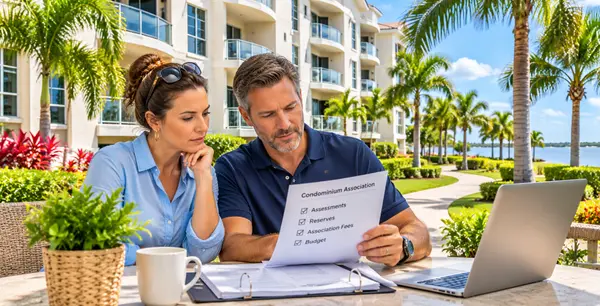
Association restrictions can be just as important as government regulations. Florida condominiums and deed-restricted communities can have their own leasing requirements.
Depending on the community, documents may address:
- Minimum lease length
- Maximum number of leases per year
- Tenant applications
- Association approval
- Background screening
- Application fees
- Occupancy limitations
- Pet restrictions
- Parking and vehicle rules
- Amenity access for tenants
- Waiting periods after purchasing a property
Owners should obtain the current governing documents and confirm the rental process with the association rather than relying on an old MLS listing or a previous owner's rental history.
Prepare the Home for Living, Not Just Vacationing
A weekend guest can tolerate minor inconveniences that become frustrating during a three-month stay. That is why a snowbird-friendly home should be prepared as a functional residence.
Walk through the property as though you were arriving with several suitcases and planning to live there for the entire winter.
Ask simple questions. Where will clothes go? Where can groceries be stored? Is there room for luggage? Can two people comfortably work online? Is there adequate lighting for reading? Is the patio furniture comfortable enough for daily use?
Those details can matter more to an extended-stay renter than decorative accessories.
Create Comfortable Bedrooms
The primary bedroom should be one of the best-prepared rooms in a seasonal rental. A good mattress, quality pillows and practical storage can influence how comfortable a renter feels throughout an extended stay.
Consider providing:
- Supportive mattresses in good condition
- Mattress protectors
- Multiple pillow options
- At least two complete sets of linens per bed
- Bedside tables
- Reading lamps
- Convenient electrical outlets
- Empty dresser drawers
- Usable closet space and hangers
- Window coverings that provide privacy
Avoid filling closets with the owner's clothing, holiday decorations or household storage. A winter renter needs room to unpack.
Make the Kitchen Suitable for a Multi-Month Stay
Seasonal renters are more likely than short-stay vacationers to cook regularly. A kitchen stocked only with four plates and one frying pan can quickly become frustrating.
A practical winter-rental kitchen may include:
- Full-size cookware
- Baking sheets and baking dishes
- Sharp kitchen knives
- Cutting boards
- Dinnerware and glassware for more than the maximum occupancy
- Coffee maker
- Toaster
- Microwave
- Food-storage containers
- Wine opener and basic kitchen tools
- Dish towels
- Adequate pantry and refrigerator space
Inventory the kitchen before every winter season. Missing utensils, damaged cookware and mismatched glassware accumulate surprisingly quickly.
Reliable Wi-Fi Is Essential
Internet service is no longer an optional extra for most extended-stay renters. Guests may use it for streaming, video calls, online banking, communication with family and remote work.
Test the connection throughout the property, including bedrooms, lanais and any room marketed as a workspace. A fast connection at the router does not help if Wi-Fi coverage disappears in half the house.
Provide the network name and password in an easy-to-find welcome guide. If the router occasionally needs to be restarted, include simple instructions rather than requiring the renter to troubleshoot the system.
Consider a Practical Workspace
Not every snowbird is fully retired. Some seasonal residents continue to work, manage businesses or simply need a comfortable place for a laptop and paperwork.
A small desk, comfortable chair, lamp, nearby electrical outlets and dependable Wi-Fi can make a spare bedroom or den much more useful without requiring an elaborate home office.
Make Outdoor Living Part of the Property
Florida's winter climate is one of the main reasons seasonal residents come south, so a neglected patio or lanai can mean wasting one of the home's most valuable spaces.
Depending on the property, consider:
- Comfortable outdoor seating
- An outdoor dining table
- Shade from an umbrella or covered lanai
- Functional exterior lighting
- Clean screens
- Well-maintained landscaping
- Clean pool furniture when applicable
Any grill, pool, spa, dock, bicycle or other recreational feature should be maintained appropriately, and owners should confirm insurance, association and safety requirements before making it available to renters.
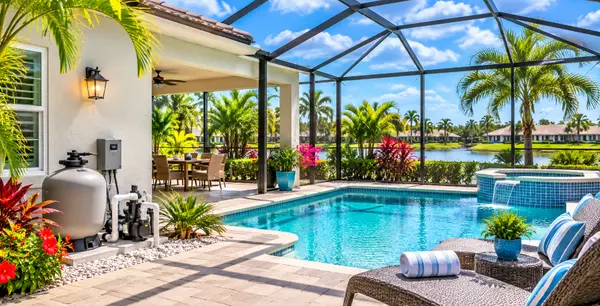
If You Have a Pool, Plan for Winter Use
A swimming pool can be attractive to winter renters, but Florida winter temperatures do not guarantee that an unheated pool will always feel comfortable.
If the property has a pool heater, explain how it works, what temperature settings are permitted and whether heating is included in the rent or handled separately. Do not advertise a "heated pool" without understanding the equipment's capabilities and operating costs.
Schedule professional pool service throughout the tenancy and provide clear instructions for reporting equipment problems. Pool barriers, alarms and other safety requirements should be reviewed with the appropriate local authority, insurance professional and qualified pool contractor.
Provide Full Laundry Facilities When Possible
In-unit laundry is particularly useful for a renter staying several months. Make sure the washer and dryer are functioning properly before arrival and leave clear instructions if the machines have unusual settings.
Provide a laundry basket, iron and ironing board or steamer, plus basic cleaning equipment such as a vacuum, broom, mop and dustpan. Extended-stay tenants need the ability to maintain the home between professional cleanings.
Remove Clutter and Personal Items
A seasonal rental can still have personality, but it should not feel as though the renter is temporarily occupying someone else's crowded house.
Remove excessive family photographs, paperwork, prescription medication, financial records, jewelry, valuables, firearms and sentimental possessions. Locking one designated owner's closet can work in some properties if the rental agreement and association rules permit it, but avoid locking so much storage that tenants have nowhere to put their belongings.
A useful target is a home that feels welcoming and furnished without feeling personally occupied by the owner.
Think About Everyday Accessibility
Owners should accurately describe the physical layout of the property rather than make assumptions about who will rent it or claim that a home is accessible unless it actually meets applicable accessibility standards.
Practical features worth documenting include:
- Whether the home is single story or multi-level
- Number of steps at entrances
- Whether bedrooms are upstairs
- Presence of an elevator in a condominium building
- Walk-in versus tub-shower configurations
- Parking location relative to the entrance
- Path from the home to community amenities
Clear factual descriptions help prospective tenants determine whether a property fits their individual needs without relying on demographic assumptions or unsupported accessibility claims.
Complete Preventive Maintenance Before the Tenant Arrives
A small maintenance issue is much easier to resolve before a tenant arrives than during the busiest part of Florida's winter season.
A pre-season maintenance review can include:
- HVAC inspection and filter replacement
- Plumbing leak checks
- Water-heater inspection
- Appliance testing
- Smoke and carbon monoxide alarm review as applicable
- Exterior lighting check
- Garage-door testing
- Door and window lock inspection
- Pest-control service
- Pool and spa equipment inspection when applicable
- Irrigation and landscaping review
Safety equipment and property condition should be evaluated against applicable codes and insurance requirements. When a condition requires professional evaluation, use the appropriate licensed inspector, contractor, electrician, plumber, HVAC contractor or other qualified tradesperson.
Create a Florida Home Guide
A simple property guide can prevent dozens of calls during a multi-month rental.
Include information such as:
- Wi-Fi network and password
- Trash and recycling schedule
- Thermostat instructions
- TV and streaming instructions
- Washer and dryer instructions
- Pool or spa instructions when applicable
- Parking rules
- HOA or condominium rules relevant to tenants
- Emergency contacts
- Property manager or local contact information
- Water shutoff location
- Electrical-panel location
- Instructions for reporting maintenance problems
Keep instructions concise. A renter should be able to find an answer in seconds rather than search through a large binder of outdated manuals.
Arrange Reliable Local Maintenance
An owner who lives outside Florida needs a realistic plan for problems that cannot wait until the end of the tenancy.
Depending on the property, establish relationships with appropriate local service providers for HVAC, plumbing, electrical work, appliances, pool service, landscaping and pest control before winter begins.
Owners should also determine who can physically access the home if a tenant reports a leak, air-conditioning failure or other urgent problem. Any property-management arrangement should be structured in accordance with applicable Florida licensing and legal requirements.
Review Insurance Before Renting the Property
Do not assume an existing homeowners or condominium policy automatically covers seasonal rental activity.
Tell the insurance professional exactly how the property will be used, including the expected rental duration and frequency. Ask about building and personal-property coverage, liability, loss of rental income, windstorm exposure, flood coverage and any exclusions that may affect rental occupancy.
Insurance availability, coverage and premiums can vary substantially by property and rental arrangement. Owners should obtain property-specific guidance from a qualified insurance professional before offering a home for rent.
Understand Florida and Local Rental Taxes
Rental income can create state, local and federal tax obligations. The treatment can also depend on the length of the tenancy.
The Florida Department of Revenue explains that Florida counties may impose local tourist development taxes on qualifying rentals or leases of accommodations for six months or less, in addition to applicable state and local sales taxes.
Do not assume that a booking platform will handle every tax or filing obligation. Tax consequences and collection requirements depend on the individual owner, property, rental arrangement and platform. Owners should verify current requirements with the Florida Department of Revenue, the applicable county and a qualified tax professional or CPA.
Sarasota Area Owners Need to Pay Attention to Jurisdiction
A Sarasota mailing address does not necessarily mean a property follows the City of Sarasota's rental rules. Some properties are within the incorporated city, while others are in unincorporated Sarasota County.
For unincorporated Sarasota County, current county guidance states that residential single-family leases must be for at least 30 days. Residential multifamily properties generally have the same requirement except for qualifying multifamily properties on the barrier islands, where shorter rentals can be permitted under county zoning rules.
Inside the City of Sarasota, the city currently establishes a seven-day minimum for vacation rentals. The city also requires qualifying single-family through four-family vacation rentals in residential zoning districts to obtain a vacation-rental certificate of registration. The city's registration requirement does not apply to condominiums, cooperatives, owner-occupied vacation rentals or properties rented for 30 consecutive days or more.
Because the legal treatment can change at a municipal boundary, owners should confirm the property's jurisdiction, zoning and current rental regulations with the appropriate local government before advertising it.
Prepare for Florida Weather Even During Winter
Winter is generally outside the peak Atlantic hurricane season, but Florida homes still require weather planning. Heavy rain, wind, unusual cold snaps and other events can occur.
Provide tenants with basic instructions explaining what to do if severe weather is forecast, where appropriate supplies are stored and whom to contact about the property. If the home has shutters or another storm-protection system, clearly establish who is responsible for operating it.
Do not expect tenants to install complicated hurricane protection unless that responsibility is appropriate, lawful, clearly agreed upon and consistent with insurance requirements. A local property-care plan is generally more dependable for an absentee owner.
What Should You Spend Money on First?
If the home needs improvement before the winter season, prioritize function and condition before decorative upgrades.
| Higher Priority | Lower Priority |
|---|---|
| Reliable HVAC | Trendy decorative accessories |
| Good mattresses | Elaborate themed bedrooms |
| Reliable Wi-Fi | Expensive smart-home gadgets |
| Clean, functional bathrooms | Cosmetic remodeling solely for photographs |
| Well-equipped kitchen | Specialty appliances few guests use |
| Comfortable outdoor furniture | Fragile outdoor decor |
| Preventive maintenance | Purely cosmetic upgrades |
The goal is not to create the most decorated property. It is to create a clean, comfortable, dependable home that works well for an extended stay.
Winter Rental Prep Checklist
- Confirm local rental rules and zoning
- Confirm HOA or condominium rental restrictions
- Verify any required Florida or local licenses and registrations
- Review tax obligations
- Review rental use with the insurance carrier
- Complete preventive maintenance
- Deep-clean the property
- Remove valuables and excessive personal belongings
- Create usable closet and dresser space
- Inspect mattresses and linens
- Inventory kitchen equipment
- Test Wi-Fi throughout the home
- Prepare outdoor living areas
- Service the pool when applicable
- Check laundry equipment
- Verify smoke and carbon monoxide alarms as applicable
- Prepare clear property instructions
- Arrange local maintenance contacts
- Document the property's condition before occupancy
- Use an appropriate written rental agreement
Should You Prepare for Snowbirds or Sell Instead?
For some Florida owners, seasonal renting can fit their plans. For others, the combination of furnishings, maintenance, insurance, association restrictions, taxes, management and periods of vacancy can make selling worth comparing.
The comparison should be property specific. An owner should understand the home's likely sale position, expected rental income and expenses, insurance implications, association requirements and tax considerations before deciding which approach fits their goals.
Owners considering a sale can contact Hunt Brothers Realty to discuss the property's current real estate market position. Rental income projections, tax consequences, insurance and legal obligations should be reviewed with the appropriate qualified professionals before making a financial decision.
Prepare the Property Before Winter Arrives
A successful snowbird-friendly property begins with a simple idea: prepare the home for someone to actually live there.
Comfortable furniture, storage, dependable systems, a usable kitchen, good internet, outdoor living space and responsive maintenance all contribute to a better extended stay. Just as importantly, the owner needs to understand exactly how the property can be rented and what responsibilities come with doing so.
Complete those steps before the winter season begins, rather than trying to solve legal, insurance or maintenance problems after a renter has already arrived.
Talk With Hunt Brothers Realty About Your Florida Property
Hunt Brothers Realty works with Florida Gulf Coast property owners who are evaluating their real estate options, including whether a home still fits their long-term plans or whether it may be time to sell.
If you are preparing a Sarasota-area property for the coming winter and also want to understand its current real estate market position, contact Hunt Brothers Realty for a property-specific real estate discussion.
This article is provided for general informational and educational purposes only. It is not individualized legal, financial, tax, insurance, lending, property-management, licensing, construction, inspection or other professional advice. Rental laws, licensing, taxes, association restrictions and insurance requirements depend on the property, jurisdiction and rental arrangement and can change. Owners should verify current requirements with the applicable state and local authorities, condominium or homeowners association, qualified insurance professional, tax professional or CPA, and a qualified Florida real estate attorney or other appropriate professional before advertising, leasing or materially modifying a property.
Sources
- Florida Department of Business and Professional Regulation, Vacation Rental and Timeshare Project Licensing Guide
- Florida DBPR, Services Requiring a License
- Florida Legislature, Chapter 509 Lodging Regulation
- Sarasota County, Rental of Dwelling Units Guide
- City of Sarasota, Vacation Rental Registration and Compliance
- Florida Department of Revenue, Local Option and Transient Rental Taxes
Hunt Brothers Realty
46 N. Washington Blvd, Ste 3, Sarasota, FL 34236
Phone: (941) 388-7017
Email: info@huntbrothersrealty.com
Website: HuntBrothersRealty.com
Categories
- All Blogs 2634
- Anna Maria Island 92
- Bird Key 5
- Bradenton 242
- Buying a Home 1656
- Casey Key 3
- Clearwater 16
- Condos & HOA Living 1584
- Ellenton 8
- Englewood 15
- First Time Homebuyers 1777
- Foreclosures 4
- Home Selling 9
- Homeownership 1820
- Lakewood Ranch 36
- Lido Key 29
- Longboat Key 81
- Luxury/Waterfront Properties 1761
- Market Updates & Trends 1263
- Mortgages & Financing 85
- Move-Up Buyers 24
- Neighborhood Guides 1391
- New Construction 46
- Palmetto 4
- Parrish 38
- Port Charlotte 36
- Punta Gorda 165
- Real Estate Investing 1674
- Relocation to Florida 1702
- Safety Harbor 4
- Sarasota 147
- Sarasota - Downtown 175
- Selling a Home 148
- Siesta Key 94
- St. Petersburg 11
- Taxes and Homestead 3
- Tierra Verde 7
- Vacation & Second Homes 1868
- Venice 224
- Wellen Park 24
Recent Posts