The First Step Before Touring Homes
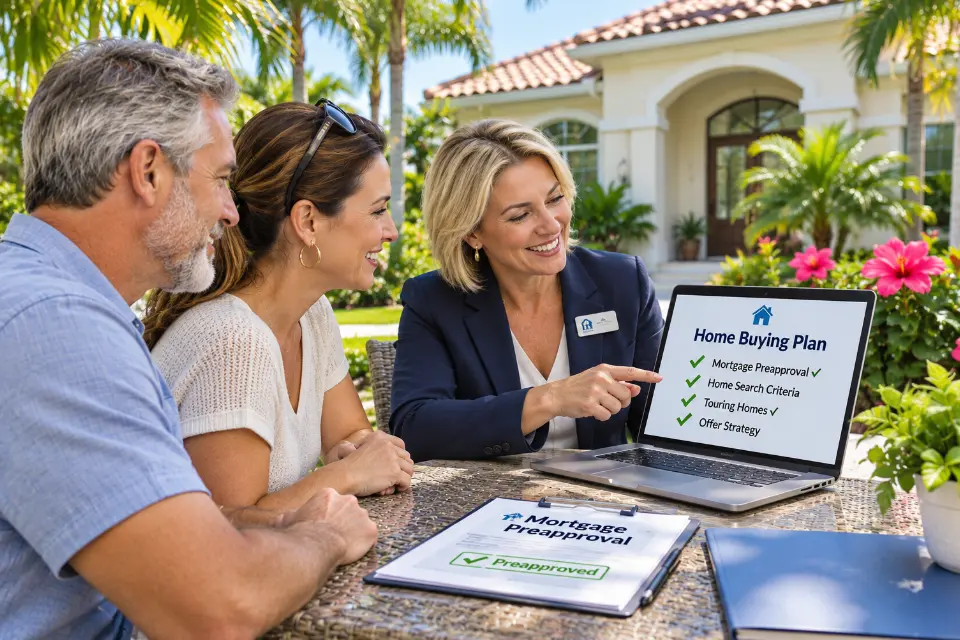
Before touring homes, buyers should first understand what they can comfortably spend and, when financing a purchase, speak with a qualified mortgage lender about their financing options and potential approval range. That financial preparation helps turn an online wish list into a realistic Sarasota home search. Once buyers understand their approximate budget, anticipated cash requirements and priorities, a real estate professional can help focus the search on homes and communities that fit those parameters instead of spending time touring properties that may not align with the buyer's financing or goals.
Quick Answers About the First Step Before Touring Homes
What should I do before touring homes?
Start by establishing a realistic purchase budget. Buyers using financing should speak with a qualified lender about their financial profile, potential loan options and preapproval before building a serious home-search schedule.
Should I get preapproved before looking at houses?
For a financed purchase, obtaining a lender preapproval before serious touring can help clarify the price range and prepare a buyer for the possibility of making an offer. A preapproval is not a guarantee of final loan approval, and buyers should confirm the lender's specific process and conditions.
Is a mortgage preapproval the same as a prequalification?
Not necessarily. The Consumer Financial Protection Bureau notes that lenders can use these terms differently. Buyers should ask what financial information the lender reviewed, whether documentation and credit were evaluated, how long the letter remains valid and what conditions still apply.
Does my preapproval amount equal what I should spend?
No. A lender's potential approval amount and a buyer's comfortable personal budget are different considerations. Buyers should evaluate the complete monthly and upfront cost of ownership rather than treating the maximum financing amount as a spending target.
Should cash buyers prepare before touring too?
Yes. Cash buyers should establish a purchase budget, consider how much liquidity they want to retain after closing and be prepared to document available funds if they decide to make an offer. The exact documentation appropriate for a transaction should be discussed with the buyer's real estate and financial professionals.
Should I choose a real estate professional before touring homes?
It can be helpful to establish the working relationship before serious touring begins. A real estate professional can help buyers understand local communities, identify relevant listings, arrange showings and discuss the real estate aspects of an offer when the right property appears.
What should I know before my first showing?
Know your approximate budget, preferred locations, important property features, major deal breakers and expected timing. Buyers using financing should also understand the basic terms and limitations of their lender preapproval.
Why Should Financial Preparation Come Before Home Tours?
Home touring becomes more useful when buyers understand the financial boundaries of their search. Without that preparation, it is easy to focus on properties that do not fit the buyer's financing, expected cash requirements or comfortable monthly budget.
The Consumer Financial Protection Bureau's home-buying resources encourage buyers to prepare financially, understand mortgage options and compare loan offers as part of the purchasing process. That work is most useful before a buyer reaches the point of needing to make a time-sensitive offer.
Financial preparation can also make conversations with a real estate professional more productive. Instead of beginning with every property a buyer likes online, the search can focus on homes that better match the buyer's actual purchasing parameters.
What Does a Mortgage Preapproval Actually Tell You?
A mortgage preapproval generally indicates that a lender has reviewed information about a prospective borrower's finances and is willing to indicate a potential loan amount subject to stated conditions. The lender's process can involve income, assets, debts, credit and other financial information.
A preapproval is not the same as final loan approval. Final financing can depend on additional underwriting, verification of borrower information, the selected property, appraisal when required, title matters, insurance and other loan conditions.
The Consumer Financial Protection Bureau explains mortgage preapproval letters and notes that getting preapproved does not commit a buyer to using that lender. Buyers can still compare lenders and loan offers.
Is Preapproval the Same as Knowing Your Home-Buying Budget?
No. A potential loan amount is one input into a home-buying budget, not the entire budget. Buyers also need to decide what level of housing expense fits comfortably with their other financial priorities.
The cost of owning a home can extend beyond principal and interest. Depending on the property and financing, buyers may need to consider property taxes, homeowners insurance, flood insurance when applicable, mortgage insurance when applicable, homeowners or condominium association assessments, utilities, maintenance and repairs.
That distinction can be especially important in the Sarasota area, where two similarly priced homes can have different insurance considerations, association assessments and maintenance obligations. Buyers should obtain property-specific information rather than estimating the complete cost of ownership from the listing price alone.
How Much Cash Might You Need Beyond the Down Payment?
The down payment is not necessarily the only cash a buyer may need. Depending on the transaction, financing and contract, additional funds may be required for closing costs, deposits, inspections, insurance, prepaid expenses and other purchase-related items.
Fannie Mae's home-buying resources provide educational information about preparing for homeownership, mortgages, down payments and closing. Buyers should use a qualified lender to determine the actual cash requirements associated with the loan programs they are considering.
It can also be useful to think beyond the closing date. Moving expenses, immediate repairs, furnishings and maintaining adequate financial reserves can affect what purchase price feels comfortable even if a lender could approve a larger loan.
Do You Need a 20% Down Payment Before Touring Homes?
No universal rule requires every buyer to put 20% down. Available down-payment options depend on the loan program, borrower qualifications, property and lender requirements.
For example, HUD provides information about FHA-insured home financing, while conventional and other mortgage programs can have different eligibility and down-payment requirements. Some eligible buyers may also have access to VA or USDA financing.
The appropriate financing structure depends on the buyer's circumstances. Buyers should discuss available programs, mortgage insurance, interest rates, fees and long-term costs with a qualified mortgage lender rather than selecting a loan program solely because it offers a particular minimum down payment.
Why Should Sarasota Buyers Consider Insurance Early?
Insurance can materially affect the cost of owning a Florida property, so buyers should avoid waiting until the final stages of a transaction to think about it. Coverage availability and premiums can vary substantially based on the individual home and insurer.
Roof age and condition, construction characteristics, documented wind-mitigation features, property location and other factors can affect underwriting. Flood coverage is another property-specific consideration and should not be assumed solely from a neighborhood name or distance from the Gulf.
Insurance availability, coverage, deductibles and premiums can vary substantially by property. Buyers should obtain property-specific quotes and review coverage with a qualified insurance professional before making a purchasing decision when insurance costs could materially affect affordability.
Should You Choose a Sarasota Area Before Touring Homes?
Buyers do not need to select one neighborhood before seeing any properties, but narrowing the search geographically can make touring far more useful. Sarasota and the surrounding Gulf Coast include very different residential settings within a relatively broad search area.
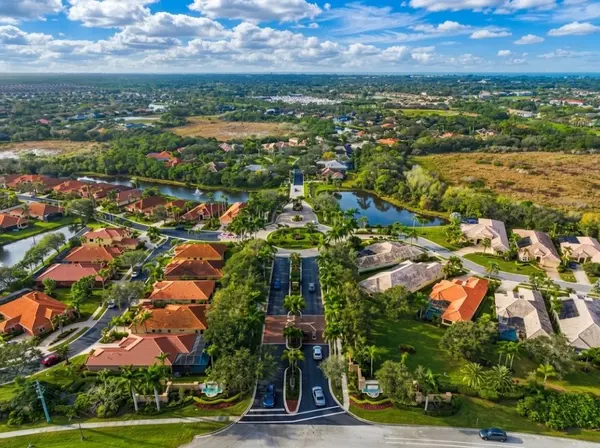
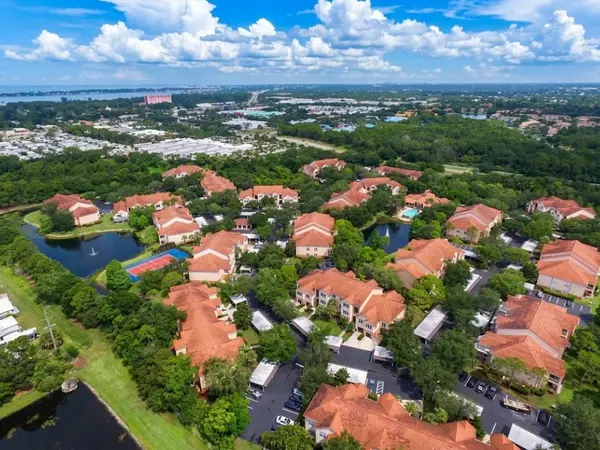
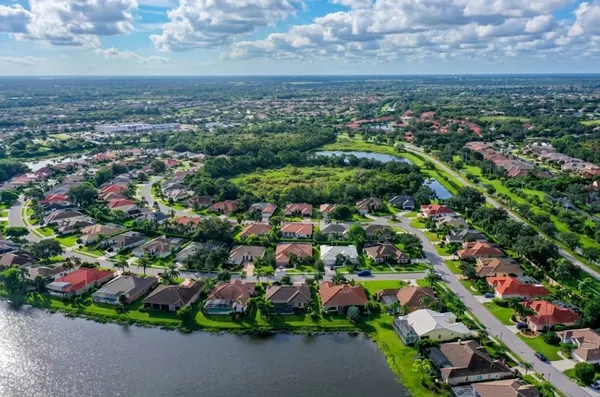
A buyer might be comparing downtown condominiums, barrier-island properties, established Palmer Ranch neighborhoods, golf communities, newer master-planned developments or homes farther south toward Nokomis and Venice. Each can involve different housing types, amenities, association structures and ownership considerations.
Hunt Brothers Realty's Sarasota-area community guides can help buyers compare locations before building a showing schedule. Buyers considering southern Sarasota can also review the Palmer Ranch communities guide to understand the differences among neighborhoods within that master-planned area.
What Should Be on Your Home-Search Priority List?
A useful home-search plan separates true requirements from preferences. This prevents a buyer from rejecting otherwise suitable properties because they lack a feature that was never actually essential.
Before serious touring begins, consider identifying:
- A comfortable purchase-price range
- Preferred property types
- Minimum bedroom and bathroom needs
- Preferred locations or geographic boundaries
- Garage and parking requirements
- Private pool or community-pool preferences
- HOA or condominium preferences
- Maintenance expectations
- Newer construction versus established homes
- Golf, boating, beach or trail access when important
- Renovation tolerance
- Expected purchase timing
These priorities can change once buyers see homes in person. Touring is partly a discovery process, but beginning with a working framework makes those discoveries easier to evaluate.
Why Should Buyers Think About HOA and Condo Fees Before Touring?
Association assessments can affect the complete cost of ownership, which means a buyer's comfortable home price may vary depending on the community. A condominium with substantial monthly assessments and a single-family home with modest HOA charges should not necessarily be evaluated using only their listing prices.
Assessments can fund different services from one community to another. Depending on the association, they may contribute toward landscaping, building maintenance, insurance, reserves, recreational facilities, gated access, management or other common expenses.
Buyers should review current association documents, budgets, assessments and maintenance responsibilities for a property they are seriously considering. Condominium reserves, special assessments, insurance responsibilities and governing documents can materially affect a purchasing decision and should be evaluated with the appropriate real estate, legal, insurance and financial professionals when needed.
Should You Tour Homes Before Selling Your Current Home?
Buyers who already own a home should understand how that property fits into the next purchase before beginning a serious search. Some buyers can purchase without selling first, while others may need sale proceeds or may have financing that depends on the existing property.
A lender can explain how an existing mortgage, anticipated sale proceeds and other financial obligations may affect financing qualification. A real estate professional can discuss the real estate considerations of coordinating a sale and purchase.
Contract structure and timing can create legal and financial consequences. Buyers and sellers should obtain appropriate guidance from their lender, real estate professional and a qualified Florida real estate attorney when transaction-specific legal questions arise.
What Should Cash Buyers Do Before Scheduling Showings?
Cash buyers do not need mortgage preapproval, but financial preparation still matters. A buyer should decide how much capital to allocate to the purchase and how much liquidity to retain for closing expenses, improvements, repairs and other priorities.
When an offer is made without financing, a seller may request evidence that the buyer has funds available to complete the transaction. Buyers should discuss appropriate proof-of-funds documentation with their real estate and financial professionals while protecting unnecessary private financial information.
Paying cash also does not eliminate the importance of inspections, title review, insurance evaluation or association due diligence. Those issues concern the property and ownership itself, not only the mortgage.
What Should You Have Ready Before Your First Serious Home Tour?
A buyer does not need to know every detail before seeing a home, but having the core pieces in place can make the search substantially more focused.
- A realistic and comfortable purchase budget
- A lender conversation and current preapproval when financing
- A basic understanding of expected cash requirements
- A list of important property requirements and preferences
- A defined geographic search area
- An understanding of whether HOA or condominium living fits the search
- A target purchase timeframe
- A real estate professional who understands the search criteria
With those pieces established, home tours become a way to compare actual properties rather than a substitute for determining what the buyer can reasonably purchase.
Why Does Preparation Matter When You Find the Right Home?
Preparation gives buyers more information when a property worth pursuing appears. Instead of beginning the financing conversation after finding the home, a prepared buyer already understands the approximate budget, lender process and major search priorities.
That does not mean buyers should rush. An offer can involve price, deposits, financing, inspections, closing dates, personal property and other terms. Buyers should understand the proposed contract and obtain appropriate professional guidance before making commitments.
Preparation simply means that when the right home appears, the buyer can focus on evaluating that property and the proposed transaction rather than trying to establish the entire purchasing framework at the same time.
Ready to Start Your Sarasota Home Search?
The first step in a productive home search happens before the first showing. Establish a realistic budget, speak with a qualified lender when financing, identify the locations and property features that matter most, and then use those parameters to build a focused search. Hunt Brothers Realty can help buyers compare Sarasota-area properties and communities once those goals begin to take shape. Explore Sarasota-area communities, visit Hunt Brothers Realty, or contact Hunt Brothers Realty to discuss your home search.
Informational notice: This article provides general real estate information for educational purposes and is not individualized financial, lending, legal, tax, insurance, inspection, engineering, title or other professional advice. Mortgage eligibility, loan terms, interest rates, cash requirements, insurance, taxes, association obligations and transaction costs depend on the buyer, property and transaction. Buyers should verify financing with a qualified mortgage lender, obtain property-specific insurance information from a qualified insurance professional, and consult the appropriate licensed real estate professional, attorney, tax professional, inspector, title professional or other qualified professional when individualized guidance is required.
Sources
- Consumer Financial Protection Bureau, Buying a House
- Consumer Financial Protection Bureau, What Is a Preapproval Letter?
- National Association of Realtors, Consumer Guides
- Fannie Mae, Home-Buying Resources
- U.S. Department of Housing and Urban Development, Buying a Home
- Hunt Brothers Realty, Explore Communities
Hunt Brothers Realty
46 N. Washington Blvd, Ste 3, Sarasota, FL 34236
Phone: (941) 388-7017
Email: info@huntbrothersrealty.com
Website: HuntBrothersRealty.com
Categories
- All Blogs 2654
- Anna Maria Island 92
- Bird Key 5
- Bradenton 242
- Buying a Home 1675
- Casey Key 3
- Clearwater 16
- Condos & HOA Living 1603
- Ellenton 8
- Englewood 15
- First Time Homebuyers 1795
- Foreclosures 4
- Home Selling 10
- Homeownership 1840
- Lakewood Ranch 36
- Lido Key 29
- Longboat Key 81
- Luxury/Waterfront Properties 1781
- Market Updates & Trends 1283
- Mortgages & Financing 85
- Move-Up Buyers 24
- Neighborhood Guides 1410
- New Construction 46
- Palmetto 4
- Parrish 38
- Port Charlotte 36
- Punta Gorda 165
- Real Estate Investing 1694
- Relocation to Florida 1722
- Safety Harbor 4
- Sarasota 157
- Sarasota - Downtown 175
- Selling a Home 149
- Siesta Key 94
- St. Petersburg 11
- Taxes and Homestead 3
- Tierra Verde 7
- Vacation & Second Homes 1888
- Venice 225
- Wellen Park 24
Recent Posts