Why Florida’s Gulf Coast Is a Great Place for Multigenerational Families (Lifestyle benefits, Community amenities, Outdoor activities
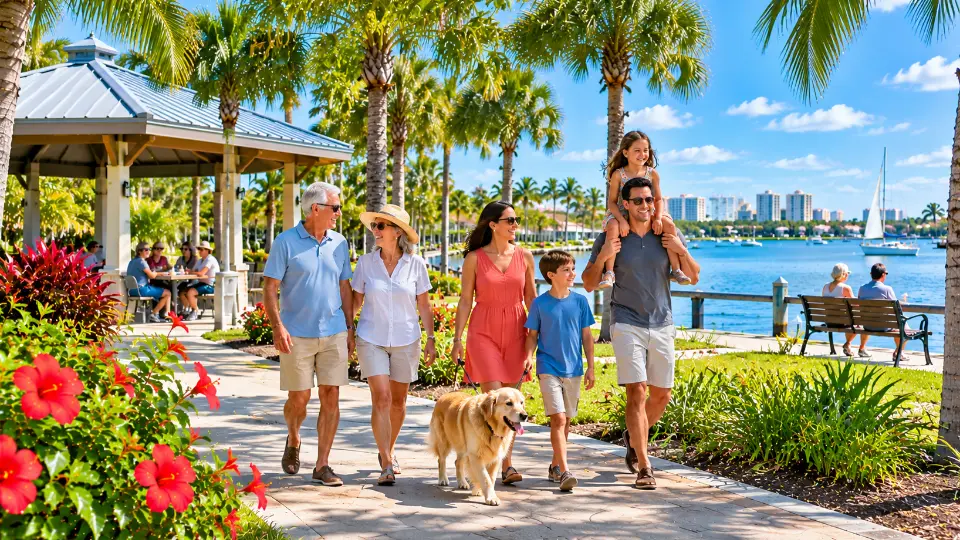
Florida’s Gulf Coast offers several practical advantages for multigenerational living, including diverse housing choices, master-planned communities, beaches, parks, trails, golf, boating and recreational amenities that can support different interests within one household. Around Sarasota, Bradenton, Lakewood Ranch, Palmer Ranch, Venice, Osprey and Nokomis, buyers can compare larger detached homes, guest-suite layouts, villas, condominiums and nearby separate residences. The best location depends on how the household wants to live, whether that means sharing one home, maintaining separate spaces, prioritizing community amenities or staying close to outdoor recreation, healthcare, shopping and other daily destinations.
Quick Answers About Multigenerational Living on Florida’s Gulf Coast
Why consider Florida’s Gulf Coast for multigenerational living?
The Gulf Coast combines varied housing with beaches, parks, trails, boating, golf, cultural attractions and amenity-rich residential communities. Buyers can compare urban, suburban, coastal and master-planned locations rather than relying on a single type of neighborhood.
What type of home works for multigenerational living?
Useful configurations can include homes with multiple bedrooms, separate bedroom wings, first-floor suites, bonus rooms, multiple living areas or legally permitted accessory spaces. Another option is purchasing separate residences close to one another rather than sharing one property.
Which Sarasota-area communities have extensive amenities?
Lakewood Ranch and Palmer Ranch are useful starting points for amenity-oriented searches. Individual communities can offer pools, fitness centers, pickleball, tennis, playgrounds, trails, parks, golf and organized recreation, but amenities and fees vary substantially by neighborhood.
Can you build an accessory dwelling unit in Sarasota County?
Sarasota County currently allows accessory dwelling units in certain Residential Estate and Residential Single-Family zoning districts, subject to location restrictions, development standards, a 750-square-foot maximum and permitting. HOA rules, deed restrictions, lot characteristics and municipal regulations can create additional limitations, so property-specific feasibility should be confirmed before purchasing.
What outdoor activities are available on Florida’s Gulf Coast?
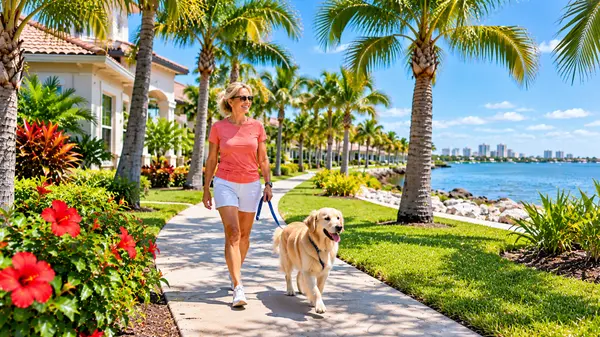
Depending on location, Gulf Coast residents can access beaches, parks, walking and biking trails, kayaking, boating, fishing, golf, pickleball and nature preserves. Sarasota County’s Legacy Trail and the Sarasota Bay waterfront are two prominent examples of regional outdoor recreation.
Is Lakewood Ranch a 55+ community?
No. Lakewood Ranch is a large master-planned community containing numerous residential villages. It includes dedicated age-qualified neighborhoods, but Lakewood Ranch as a whole is not a 55+ community.
Is it better to share one home or live near each other?
Neither arrangement is automatically better. Some households want one larger home with private bedroom and living areas, while others prefer separate houses, villas or condos in the same community or nearby neighborhoods. Budget, privacy, accessibility, ownership structure and daily routines should guide the decision.
What costs should multigenerational buyers consider?
Look beyond the purchase price to property taxes, homeowners insurance, possible flood insurance, HOA or condominium fees, CDD or district assessments where applicable, maintenance, utilities and renovation costs. Financing, tax and ownership arrangements should be reviewed with the appropriate qualified professionals.
Why Can Florida’s Gulf Coast Work Well for Multigenerational Living?
One of the Gulf Coast’s biggest advantages is choice. A household does not have to choose between only beach living and a conventional suburban neighborhood. The region includes barrier islands, established mainland neighborhoods, master-planned communities, golf developments, downtown condominiums, larger-lot properties and newer residential developments.
That variety can be especially useful when several people are balancing different priorities. One person may value single-level living and a first-floor suite, another may want a home office, while others may prioritize a private pool, community recreation, boating or convenient access to restaurants and entertainment.
Buyers beginning a regional search can use Hunt Brothers Realty’s Florida Gulf Coast community guides to compare Sarasota, Lakewood Ranch, Bradenton, Venice, Osprey, Nokomis, North Port, Wellen Park and other locations based on objective housing and lifestyle characteristics.
What Housing Features Help a Multigenerational Household?
Successful multigenerational housing usually depends more on layout than total square footage. A very large home can still feel impractical if every bedroom is grouped together or there is only one shared living area.
Depending on the household’s needs, useful features can include:
- Multiple bedroom suites
- A first-floor bedroom and full bathroom
- Separate bedroom wings
- More than one living or gathering area
- Bonus rooms or flexible-use spaces
- Home-office space
- Generous kitchen and dining areas
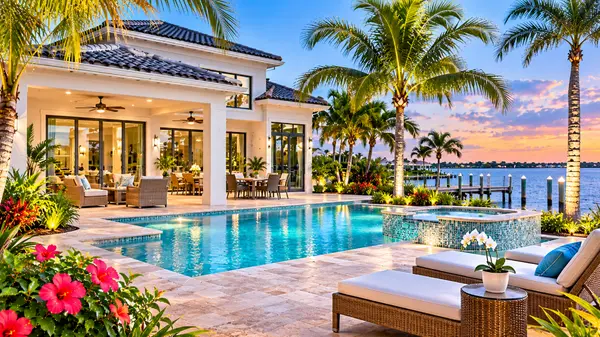
- Covered lanais and outdoor living areas
- Adequate garage and driveway parking
- Storage for several household members
- Single-level layouts when stairs are a concern
Buyers should evaluate the actual floor plan rather than assuming a home marketed with a “guest suite,” “next-gen suite” or similar term provides a legally separate dwelling. Kitchens, entrances and accessory living arrangements can be subject to zoning, permitting and HOA requirements.
Can Living Near Each Other Work Better Than Sharing One House?
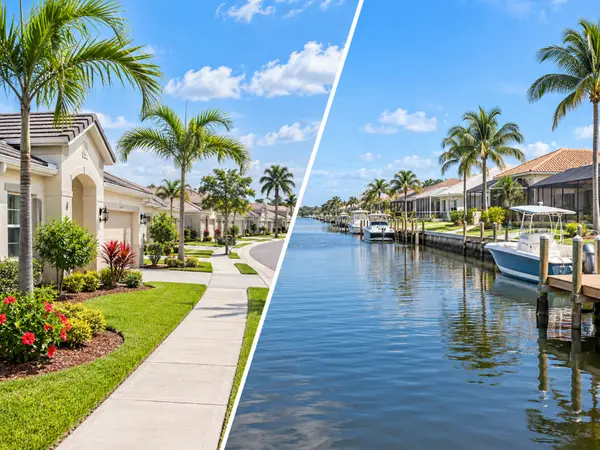
Multigenerational living does not necessarily require everyone to occupy the same residence. In some Gulf Coast communities, different housing types are located close enough that household members can maintain separate residences while remaining nearby.
A larger master-planned area may contain detached homes, villas, townhomes and condominiums within the same broader location. One household could therefore choose a larger detached residence while another member selects a lower-maintenance villa or condo nearby.
This arrangement can preserve more privacy while making shared meals, transportation, recreation and other activities convenient. It also avoids forcing everyone’s housing requirements into one floor plan.
Can Sarasota County Homes Have Accessory Dwelling Units?
Sarasota County currently permits accessory dwelling units in certain residential zoning districts, but an ADU is not automatically allowed on every property. Current county guidance states that ADUs may be permitted in Residential Estate and Residential Single-Family zoning districts, subject to specified exclusions and development requirements.
Sarasota County currently limits qualifying ADUs to 750 square feet and requires compliance with applicable development standards and permitting. County guidance also identifies locations where ADUs are not allowed under those provisions, including barrier islands and cluster subdivisions.
Government zoning approval is only one part of the analysis. Private HOA or deed restrictions may impose additional limitations. Before purchasing a property based on plans for an ADU, guest house or conversion, verify zoning and permitting with the applicable local government and review private restrictions with the association and an appropriate qualified professional.
Why Are Master-Planned Communities Worth Comparing?
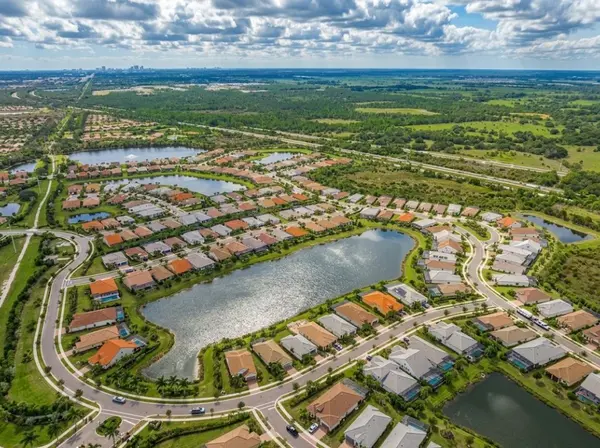
Master-planned communities can place housing, recreation, trails, parks and everyday services within one broader area. That can make them useful to compare when different household members have different recreational interests or housing preferences.
Lakewood Ranch is a prominent example. The community spans portions of Manatee and Sarasota counties and contains numerous villages with different housing types and amenity structures. Its recreational network includes more than 150 miles of trails, along with parks and other outdoor spaces.
Palmer Ranch in southern Sarasota provides another model, with multiple independent residential communities offering combinations of single-family homes, villas, condominiums, pools, fitness facilities, tennis, pickleball, golf and walking opportunities.
For a regional comparison, Hunt Brothers Realty’s Lakewood Ranch versus Sarasota guide explains how a large master-planned environment differs from Sarasota’s mix of downtown, coastal and established residential neighborhoods.
What Community Amenities Can Add to Daily Life?
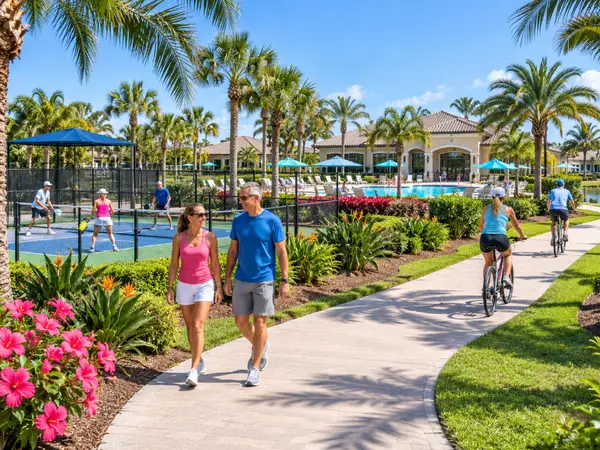
Amenity-rich communities can provide several recreational options without requiring residents to drive elsewhere for every activity. Depending on the development, amenities can include pools, fitness centers, clubhouses, playgrounds, pickleball, tennis, basketball, bocce, dog parks, walking paths and organized activities.
For example, VillageWalk at Palmer Ranch combines several housing types with pools, fitness facilities, tennis, pickleball, bocce, basketball and walking and biking paths. Other communities provide smaller amenity packages, while some established neighborhoods have few or no shared recreational facilities.
More amenities also usually mean more shared expenses and rules. Buyers should compare what they expect to use against the HOA fees, membership costs and other recurring charges required by the particular community.
Why Is Outdoor Recreation a Major Gulf Coast Lifestyle Benefit?
Florida’s Gulf Coast provides a broad range of outdoor activities, particularly during the region’s mild winter months. Walking, cycling, beach trips, boating, kayaking, fishing, golf and outdoor dining can all become part of the lifestyle depending on where someone lives.
This variety is useful when a household does not share a single recreational interest. One person may prefer golf or pickleball, another cycling, and another spending time at a waterfront park or beach.
Hunt Brothers Realty’s guide to the best places to live on Florida’s Gulf Coast compares communities based on beaches, boating, golf, walkability, outdoor recreation and other lifestyle priorities.
How Do Gulf Beaches Fit Into the Lifestyle?
The Sarasota region provides access to multiple Gulf beaches, but beach convenience varies substantially by where a household lives. Siesta Key, Lido Key, Longboat Key, Nokomis and Venice all provide different coastal settings.
Living directly on a barrier island maximizes proximity to the coast but can create different insurance, flood, traffic, maintenance and ownership considerations from living inland. A household that visits the beach occasionally may prefer an inland home with more space or community amenities, while someone expecting frequent beach trips may put more weight on western Sarasota, Nokomis or Venice.
Test actual routes rather than relying solely on mileage. Seasonal traffic, bridges, beach parking and the specific starting point can materially affect the experience.
What Does the Legacy Trail Add to Sarasota-Area Living?
The Legacy Trail provides a major regional recreational corridor through Sarasota County for walking, running and cycling. Sarasota County continues to document substantial use of the trail, and communities in Palmer Ranch, Osprey, Nokomis and the Venice area can be particularly relevant to buyers who want convenient trail access.
Being “near the Legacy Trail” can mean very different things in practice. Buyers who expect to use it frequently should identify the nearest trailhead or connection and test the route from the actual property.
What About Parks and Sarasota Bay?
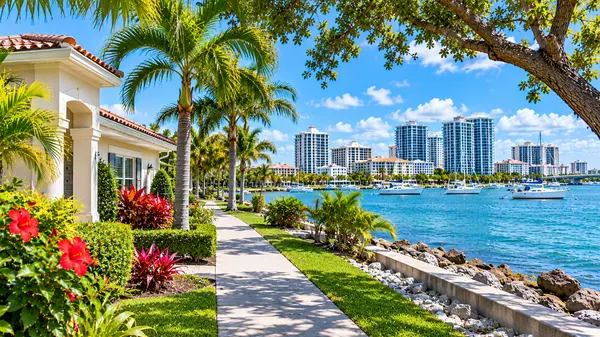
Sarasota’s public waterfront adds another type of shared recreation beyond residential community amenities. The Bay is a public park along Sarasota Bay with walking areas, a playground, kayak opportunities, nature experiences and a substantial calendar of free public programming.
Downtown Sarasota also places residents near Bayfront Park and other urban waterfront destinations. This creates a different lifestyle from a master-planned community where recreation is concentrated inside the neighborhood.
Neither approach is inherently better. Some buyers want recreation immediately within their residential community, while others prefer living close to public parks, restaurants, cultural institutions and Sarasota Bay.
Can Golf Be Part of a Multigenerational Gulf Coast Lifestyle?
The Sarasota and Bradenton region offers many golf-oriented residential choices, but buyers should distinguish between living near golf and owning in a community where club membership is tied to the property.
Golf communities can include additional pools, fitness centers, dining, tennis, pickleball and social facilities, making the community attractive for reasons beyond the course itself. Membership arrangements, however, can be optional, mandatory, bundled or separately purchased depending on the development.
Buyers interested in that lifestyle can compare Hunt Brothers Realty’s Sarasota golf communities guide. Current membership terms, fees and availability should always be confirmed directly with the applicable club.
How Can Boating and Water Recreation Fit Into the Picture?
Sarasota Bay, the Intracoastal Waterway and the Gulf of Mexico create extensive opportunities for boating, fishing, kayaking and paddling. Buyers do not necessarily need a waterfront home to participate because public launches, marinas and boat-storage options are available throughout the region.
For households that do want a private dock, waterfront purchasing requires additional due diligence. A water view does not guarantee navigable water or usable Gulf access.
Water depth, bridge clearance, tides, dock rights, seawalls, permits, flood exposure and insurance should be evaluated for the specific property and vessel. Surveying, structural, permitting and insurance questions should be reviewed with the appropriate qualified professionals.
Which Gulf Coast Areas Are Worth Comparing?
There is no single “best” Gulf Coast location for a multigenerational household because the housing and lifestyle priorities can be very different. Several Sarasota-area locations provide useful starting points based on objective characteristics:
- Lakewood Ranch: Extensive master-planned housing, newer construction, parks, trails, town centers and amenity-oriented villages.
- Palmer Ranch: Southern Sarasota location with detached homes, villas, condos, golf communities, resort-style neighborhoods and Legacy Trail access.
- Sarasota: Broad housing variety with downtown, established neighborhoods, Sarasota Bay, cultural amenities and access toward Gulf beaches.
- Bradenton: Established residential areas, newer communities and access toward the Manatee River and Anna Maria Island.
- Osprey: Established housing with access to nature, the Legacy Trail and coastal waterways between Sarasota and Venice.
- Nokomis: Mainland housing with access to Nokomis Beach, boating opportunities and proximity to Venice.
- Venice: Detached homes, villas, condominiums, golf communities, beaches and an established downtown.
- Wellen Park: Newer master-planned housing, community amenities and a growing town-center environment in southern Sarasota County.
- North Port: Broad single-family housing inventory and an inland location in southern Sarasota County.
Hunt Brothers Realty’s guide to the best places to live near Sarasota provides a more detailed comparison of these different residential settings.
Should You Consider an All-Ages Community or a 55+ Community?
Households involving multiple generations should carefully distinguish all-ages residential communities from legally age-qualified housing. An amenity-rich neighborhood is not automatically a 55+ community, and a master-planned development can contain both all-ages and age-qualified neighborhoods.
Lakewood Ranch is a useful example. The broader community is not age-restricted, but it contains specific 55+ villages. Wellen Park similarly includes different neighborhood types, including an age-qualified option within the larger master-planned area.
If several generations will occupy a property, obtain and review current occupancy restrictions before purchasing in any age-qualified community. Hunt Brothers Realty’s Florida 55+ community guide explains some of the distinctions buyers should investigate.
Why Does Healthcare Access Matter When Comparing Locations?
Healthcare access can be a practical location consideration for any household, particularly when several residents have different providers or medical needs. A regional map showing a hospital nearby does not necessarily mean a particular physician, specialist, urgent-care facility or insurance network is convenient from the home.
Before choosing a community, identify the healthcare destinations that actually matter and test the routes from the prospective property. Buyers relocating from another state should also verify provider availability and insurance-network participation directly with the appropriate healthcare and insurance organizations.
What About Accessibility and Changing Housing Needs?
A home that works today may need to accommodate different mobility or accessibility requirements later, so layout deserves careful attention. Features such as single-level living, first-floor bedroom suites, wider circulation areas, step-free entries and accessible bathrooms may be relevant depending on individual needs.
Do not assume that a newer home is automatically accessible or that an older property cannot be modified. Buyers considering renovations should have the property evaluated by appropriate contractors, design professionals or accessibility specialists and verify HOA and permitting requirements before assuming a modification can be completed.
What Are the Financial Considerations of Multigenerational Housing?
Sharing housing can change how household expenses are distributed, but buyers should not assume that multigenerational ownership automatically reduces costs. A larger property may carry higher purchase, insurance, maintenance, utility and property-tax expenses.
For a Gulf Coast property, calculate the complete ownership picture, including:
- Purchase price and financing
- Estimated post-purchase property taxes
- Homeowners insurance
- Flood insurance when applicable or desired
- HOA or condominium assessments
- CDD or other district assessments where applicable
- Golf or club costs when applicable
- Utilities
- Pool and landscape maintenance
- Repairs and capital improvements
- Renovations needed to make the layout work
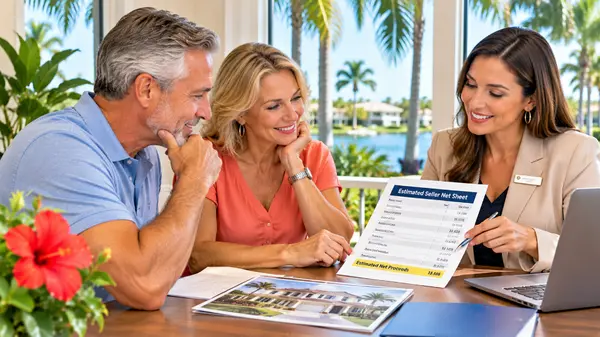
If multiple people will contribute to the purchase or hold title, the legal, tax, financing and estate-planning consequences can depend heavily on individual circumstances. Those decisions should be reviewed with a qualified Florida real estate attorney, lender, CPA or tax professional, and other appropriate advisors before ownership is structured.
What Should You Know About HOA Rules?
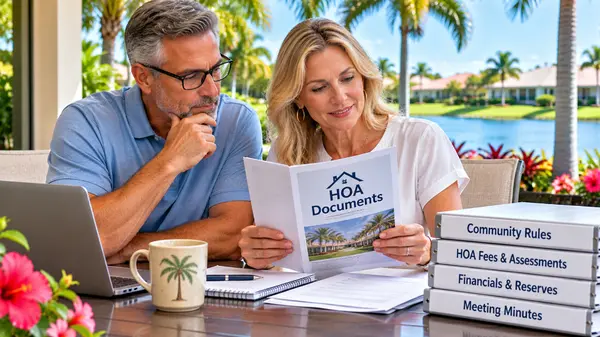
HOA rules can affect plans for additional occupants, parking, exterior modifications, accessory structures and other aspects of a multigenerational housing arrangement. Buyers should review the actual governing documents rather than assuming a proposed use is permitted because a similar arrangement exists elsewhere in the neighborhood.
If a household expects to add a room, create a separate entrance, install accessibility improvements or build an accessory structure, investigate both association approval and local government requirements before purchasing.
Questions involving the interpretation or enforceability of association restrictions should be reviewed with a qualified Florida real estate attorney.
What Should Multigenerational Buyers Compare Before Choosing a Home?
The most useful home search starts by defining how everyone expects to use the property rather than simply searching for the largest possible house.
Before narrowing the search, consider:
- Will everyone share one home or live in separate nearby residences?
- How many private bedroom and bathroom spaces are needed?
- Is single-level living important?
- Are separate living areas needed?
- How much parking and storage will be necessary?
- Would a private pool be used enough to justify its maintenance?
- Which community amenities would actually be used?
- How important are beaches, trails, golf, boating or parks?
- Which healthcare, employment, shopping or other destinations require regular travel?
- What HOA or condominium rules affect the intended use?
- Could accessibility needs change over time?
- What is the complete annual ownership cost?
The Bottom Line on Multigenerational Living on Florida’s Gulf Coast
Florida’s Gulf Coast can provide a compelling setting for multigenerational living because buyers can combine diverse housing choices with beaches, parks, trails, boating, golf, community recreation and year-round regional amenities. The Sarasota area in particular allows buyers to compare very different lifestyles within a relatively compact region.
Lakewood Ranch may appeal to buyers prioritizing newer master-planned housing, trails and community amenities. Palmer Ranch offers numerous established and newer communities in southern Sarasota. Sarasota itself adds downtown, cultural and coastal choices, while Osprey, Nokomis and Venice provide different combinations of nature, beaches, trails and residential environments.
The right decision comes from matching the specific home and location to the household’s actual routine. Floor plan, privacy, accessibility, outdoor space, amenities, recurring costs and proximity to important destinations usually matter more than a community label.
Find the Right Gulf Coast Home With Hunt Brothers Realty
Hunt Brothers Realty can help buyers compare Florida Gulf Coast homes based on the objective features that matter to their household, including floor plans, guest suites, first-floor bedrooms, outdoor living areas, larger lots, community amenities, proximity to beaches and trails, and total ownership considerations.
Start by exploring Florida Gulf Coast communities, compare the best places to live near Sarasota, or review the Florida Gulf Coast living guide. When you are ready to compare individual properties and communities, contact Hunt Brothers Realty.
Informational notice: This article provides general real estate and educational information only and is not individualized legal, financial, tax, insurance, lending, accessibility, construction, zoning, permitting, association or other professional advice. Multigenerational ownership and occupancy arrangements can create property-specific legal, financing and tax considerations. Buyers considering an ADU, guest house, renovation or accessibility modification should verify zoning and permitting with the applicable local government, review HOA or condominium restrictions, and consult appropriate licensed contractors or design professionals. Ownership, title and legal questions should be reviewed with a qualified Florida real estate attorney or title professional, tax consequences with a qualified tax professional or CPA, financing with a lender, and property-specific insurance with a qualified insurance professional before making a purchasing decision.
Sources
- Sarasota County Government, Planning and Development Services Frequently Asked Questions
- Hunt Brothers Realty, Explore Florida Communities
- Hunt Brothers Realty, Best Places to Live on Florida’s Gulf Coast
- Hunt Brothers Realty, Lakewood Ranch vs. Sarasota
- Hunt Brothers Realty, VillageWalk at Palmer Ranch
- Hunt Brothers Realty, Best Sarasota Golf Communities
- Visit Sarasota County, The Bay Park
Hunt Brothers Realty
46 N. Washington Blvd, Ste 3, Sarasota, FL 34236
Phone: (941) 388-7017
Email: info@huntbrothersrealty.com
Website: HuntBrothersRealty.com
Categories
- All Blogs 2714
- Anna Maria Island 93
- Bird Key 6
- Bradenton 242
- Buying a Home 1727
- Casey Key 3
- Clearwater 16
- Condos & HOA Living 1663
- Ellenton 9
- Englewood 16
- First Time Homebuyers 1851
- Foreclosures 4
- Home Selling 12
- Homeownership 1898
- Lakewood Ranch 37
- Lido Key 29
- Longboat Key 81
- Luxury/Waterfront Properties 1841
- Market Updates & Trends 1340
- Mortgages & Financing 89
- Move-Up Buyers 25
- Neighborhood Guides 1469
- New Construction 48
- Palmetto 4
- Parrish 39
- Port Charlotte 36
- Punta Gorda 165
- Real Estate Investing 1754
- Relocation to Florida 1782
- Safety Harbor 4
- Sarasota 167
- Sarasota - Downtown 176
- Selling a Home 149
- Siesta Key 95
- St. Petersburg 11
- Taxes and Homestead 7
- Tierra Verde 7
- Vacation & Second Homes 1947
- Venice 225
- Wellen Park 24
Recent Posts