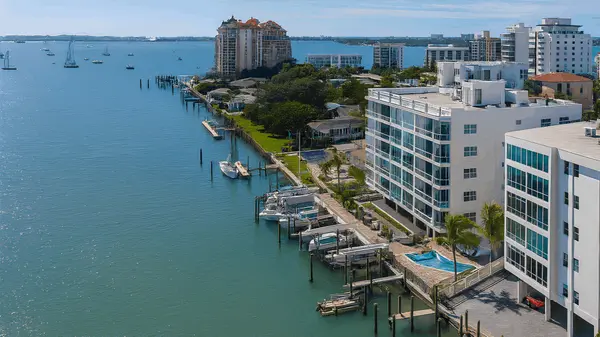
Florida Home Insurance: What Gulf Coast Buyers Should Know
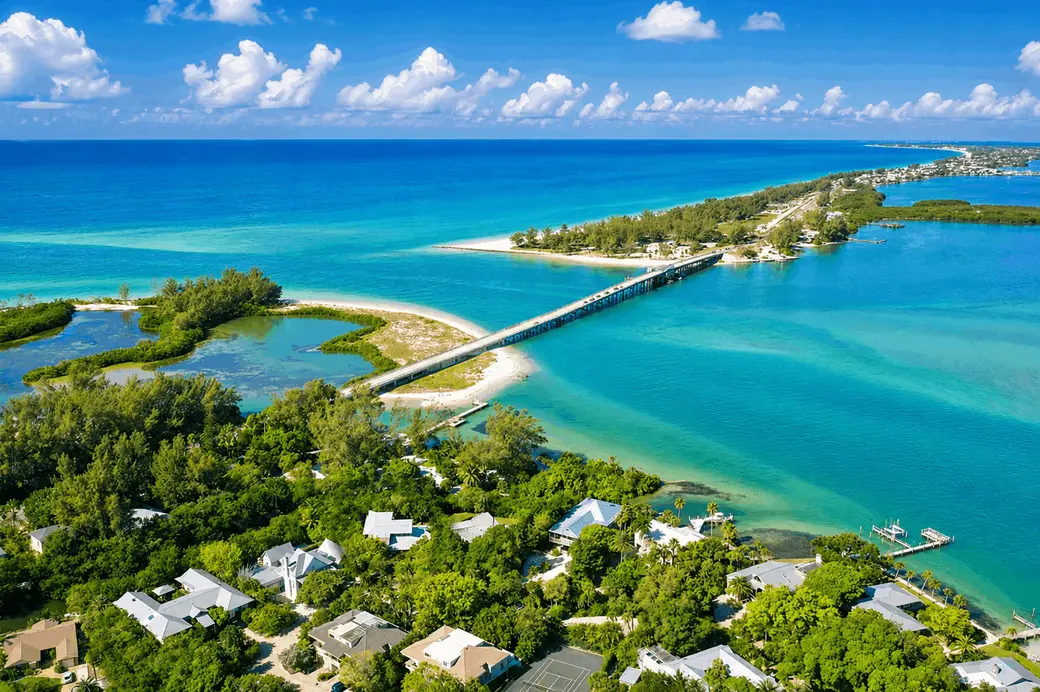
When buying a home on Florida’s Gulf Coast, insurance deserves attention much earlier than the week before closing. A home’s location, roof, age, construction, storm-protection features, flood characteristics, claims history, and property type can all affect the insurance picture. For buyers comparing Sarasota, Manatee County, barrier-island, condominium, and waterfront properties, the right question is not simply “Can I insure this home?” It is “What coverage will I need, what will it cost, and how does that affect my total cost of ownership?”
Quick Answers About Florida Home Insurance
Does homeowners insurance cover flooding in Florida?
Generally, no. FEMA states that standard homeowners insurance policies do not cover flood damage. Flood insurance is separate coverage, which is why Gulf Coast buyers should evaluate both homeowners insurance and flood insurance rather than assuming one policy covers every water-related risk.
Do I need flood insurance if I am not in a high-risk flood zone?
A lender may not require flood insurance for every property outside a designated high-risk area, but that does not mean there is no flood risk. FEMA emphasizes that flooding can occur outside high-risk flood zones and encourages property owners to consider flood coverage even when it is not mandatory.
When should I get an insurance quote?
As early as practical. Buyers should investigate insurance while evaluating the property and during the applicable due-diligence period rather than waiting until closing. A property-specific quote can reveal costs, deductibles, inspection requirements, or underwriting issues that materially change your ownership budget.
Does the seller’s insurance premium tell me what I will pay?
No. The seller’s current premium can provide context, but buyers should obtain their own quotes. Coverage selections, deductibles, underwriting, discounts, policy history, replacement-cost assumptions, and other factors can differ between owners.
Are waterfront homes more complicated to insure?
Waterfront buyers often have additional considerations because flood risk, elevation, coastal exposure, docks, seawalls, and other property characteristics can affect the ownership picture. Hunt Brothers Realty’s Florida Gulf Coast waterfront buyer’s guide recommends evaluating flood zones and insurance expectations alongside seawalls, docks, and other waterfront infrastructure.
1. Start the Insurance Conversation Before You Make an Offer
Insurance should be part of property selection rather than something buyers investigate only after choosing a home. Two similarly priced Gulf Coast properties can have very different insurance profiles because of differences in age, construction, location, elevation, roof condition, storm protection, and flood exposure.
This is particularly important when comparing an older coastal home with newer construction, a barrier-island property with a mainland residence, or a detached home with a condominium. The asking price tells you what it costs to acquire the property. Insurance is part of determining what it costs to own it.
Hunt Brothers Realty’s 2026 Sarasota and Manatee County market guidance specifically identifies insurance and flood-zone considerations as factors buyers should evaluate when determining true property value.
2. Understand the Difference Between Homeowners and Flood Insurance
One of the most important distinctions for a Florida buyer is that homeowners insurance and flood insurance are not interchangeable. FEMA states that standard homeowners policies do not cover damage resulting from floods.
That means a buyer may need to think about multiple parts of the insurance picture. A homeowners policy addresses covered risks under that policy, while flood losses generally require separate flood coverage. The exact policies and endorsements appropriate for a property should be discussed with a licensed insurance professional.
Buyer takeaway: Never assume that “insured” means “insured against flooding.” Ask specifically what is and is not covered.
3. Know Your Flood Zone — But Don’t Stop There
FEMA Flood Insurance Rate Maps identify flood hazards and help determine whether a property is located within a Special Flood Hazard Area. High-risk areas commonly include zones beginning with A or V, and lender flood-insurance requirements can apply when a federally regulated or insured lender makes a loan secured by a property in a designated high-risk area.
But a flood-zone designation should not be interpreted as a simple safe-versus-unsafe line. FEMA notes that properties outside high-risk zones can still flood. Flood risk can also change over time as maps, development, drainage, weather patterns, and coastal conditions change.
For a Gulf Coast property, investigate:
- Current FEMA flood-zone designation
- Property and building elevation
- Available elevation certificates
- Whether the property is in a coastal high-hazard area
- Available information about previous flooding
- Available information about prior flood claims
- Drainage and surrounding topography
- Current flood-insurance quotes
4. Florida Buyers Now Receive a Specific Flood Disclosure
Florida buyers should also know about the state’s residential flood-disclosure requirement. Effective October 1, 2024, Florida law requires a seller of residential real property to provide the buyer with a specified flood disclosure before or at the time the sales contract is executed.
The disclosure includes a reminder that homeowners insurance does not include flood coverage and asks the seller to disclose whether the seller has filed certain insurance claims relating to flood damage or received federal assistance for flood damage to the property.
That disclosure is useful, but it should be one piece of a broader investigation. Buyers should still review flood maps, elevation information, inspections, insurance quotes, available property history, and other relevant due diligence.
5. Pay Close Attention to the Roof
The roof is one of the first components Gulf Coast buyers should investigate when discussing insurability with an insurance professional. Do not rely only on how the roof looks from the driveway.
Try to establish:
- Roof age
- Roof material
- Condition
- Available permits
- Evidence of prior leaks or repairs
- Any available documentation of replacement or improvements
- What the prospective insurer requires for coverage
A roof can therefore affect more than your future maintenance budget. It can also be relevant to the insurance options available for the home.
6. Ask About Wind-Mitigation Features
Florida homes can have construction and storm-protection features that matter to insurance underwriting and potential credits. A wind-mitigation inspection can document qualifying features of the property for an insurer.
Features worth investigating can include:
- Roof-to-wall attachment
- Roof-deck attachment
- Roof geometry
- Impact-rated windows and doors when applicable
- Approved shutters or other opening protection
- Garage-door protection
- Other documented wind-resistant construction features
Do not assume that a seller’s statement that a home has “hurricane windows” automatically establishes an insurance credit. Documentation and insurer requirements matter.
7. Understand Hurricane and Wind Deductibles
Premium is only one number to compare when evaluating Florida homeowners insurance. Buyers should also understand applicable deductibles and how they work.
Ask the insurance professional to explain the policy’s hurricane or wind-related deductible, the events that trigger it, and what your potential out-of-pocket responsibility could be after a covered loss. A policy with a lower annual premium is not necessarily the better financial fit if the coverage or deductible structure is substantially different.
Buyer takeaway: Compare coverage, exclusions, limits, and deductibles — not premiums alone.
8. Older Gulf Coast Homes Deserve Extra Insurance Due Diligence
Older homes are part of the appeal of many established Sarasota-area neighborhoods, but age can make insurance due diligence more important. An insurer may want information about major building systems and updates before determining eligibility or coverage.
Depending on the home and insurer, buyers may need to investigate:
- Roof
- Electrical system
- Plumbing system
- HVAC equipment
- Water heater
- Previous renovations
- Available permits
- Wind-mitigation features
This is one reason a lower-priced older property should not automatically be assumed to have a lower total ownership cost.
9. Waterfront Buyers Should Evaluate More Than the House
Waterfront real estate introduces another layer of due diligence. As Hunt Brothers Realty explains in its waterfront homes guide, Gulf Coast buyers should understand the property’s flood zone, elevation, potential flood history, and insurance expectations while also evaluating the seawall, dock, and other waterfront infrastructure.
That matters on Sarasota Bay, Longboat Key, Siesta Key, Bird Key, Casey Key, Anna Maria Island, canal-front neighborhoods, and other coastal locations. Two waterfront homes only a short distance apart can have different elevations, construction, exposures, and insurance considerations.
Buyer takeaway: “Waterfront” describes the lifestyle. It does not tell you the property’s insurance cost or flood risk.
10. Condo Buyers Need to Understand Two Insurance Layers
Buying a Sarasota-area condominium changes the insurance analysis because the condominium association and individual unit owner have different responsibilities.
Buyers should review the association’s available insurance information and determine what is covered by the association versus what needs to be covered under the owner’s individual policy. An insurance professional familiar with Florida condominiums can help explain how the master policy and individual unit coverage interact.
Also investigate:
- Association insurance coverage
- Association deductibles
- Individual unit-owner coverage requirements
- Flood coverage
- Building age and condition
- Reserve information
- Current or anticipated assessments
- Applicable structural inspection information
- Loss-assessment coverage considerations
A condo’s monthly association fee therefore should not be viewed as the entire cost of maintaining and insuring the property.
11. Insurance Can Affect Your Mortgage Approval
For financed buyers, insurance is not merely a post-purchase operating expense. The lender may require evidence of acceptable insurance coverage before closing, and the cost of insurance can affect the monthly housing expense considered during underwriting.
Flood insurance can also become a lending requirement for properties securing certain federally regulated or insured loans in FEMA-designated high-risk flood areas.
That is another reason to obtain quotes early. Discovering late in the transaction that the insurance expense is substantially above your original estimate can affect both your personal budget and financing.
12. Cash Buyers Should Investigate Insurance Just as Carefully
A cash purchase may remove lender insurance requirements, but it does not remove the underlying financial risks. The home can still experience wind, fire, flood, liability, theft, water, or other losses regardless of whether a mortgage exists.
Cash buyers should therefore evaluate insurance based on their risk tolerance and the potential financial consequences of a loss rather than using the absence of lender requirements as the decision standard.
13. Don’t Compare Homes Using Purchase Price Alone
Suppose you are deciding between two Sarasota-area homes with similar asking prices. One has a newer roof, documented wind-mitigation features, higher elevation, and updated systems. The other requires significant updates and has a very different flood and insurance profile.
Those properties may not be financially equivalent even if their purchase prices are identical.
Hunt Brothers Realty’s 2026 buyer guidance recommends evaluating condition, comparable sales, ownership costs, insurance, location, and expected holding period when determining whether a home represents good value.
14. Use Your Inspection Period to Answer Insurance Questions
The applicable inspection and due-diligence period is an important opportunity to gather information that may affect insurance.
Depending on the property and advice of your insurance professional, useful information may include:
- General home inspection
- Wind-mitigation inspection
- Four-point inspection when appropriate
- Roof age and permit documentation
- Electrical, plumbing, HVAC, and water-heater information
- Impact-window or shutter documentation
- Flood-zone information
- Elevation certificate when available
- Seller flood disclosure
- Available information regarding prior losses or repairs
- Association insurance information for condominiums
Hunt Brothers Realty’s Florida buyer resources provide additional guidance on inspections, insurance, property taxes, HOA considerations, financing, and other issues buyers should investigate before closing.
15. Get More Than a Premium Number From Your Insurance Agent
When requesting insurance information, ask questions that help you understand the policy rather than simply requesting the lowest annual premium.
- What coverage is included?
- What important exclusions apply?
- What are the deductibles?
- How does the hurricane deductible work?
- Is separate flood insurance recommended or required?
- Does the insurer need a wind-mitigation inspection?
- Is a four-point inspection needed?
- Are additional roof documents required?
- Are there documented mitigation credits?
- What changes to the home could affect eligibility or premium?
Florida Gulf Coast Home Insurance Checklist
- Start researching insurance before closing
- Obtain property-specific insurance quotes
- Confirm the FEMA flood-zone designation
- Review available elevation information
- Read the seller’s Florida flood disclosure
- Understand that homeowners insurance generally excludes flooding
- Investigate separate flood coverage
- Confirm roof age and condition
- Review available roof permits and documentation
- Investigate wind-mitigation features
- Determine whether a four-point inspection is appropriate
- Understand hurricane and other applicable deductibles
- Review association insurance when buying a condo
- Include insurance in your total monthly and annual ownership budget
- Do not rely on the seller’s current premium as your future cost
What Does This Mean for Sarasota and Gulf Coast Buyers?
Florida home insurance does not have to be a last-minute surprise. The key is moving insurance research toward the beginning of the home-buying process.
When comparing homes in Sarasota, Manatee County, Longboat Key, Siesta Key, Lakewood Ranch, Anna Maria Island, and other Gulf Coast communities, look beyond price and square footage. Ask about roof age, construction, elevation, flood zone, storm protection, association insurance, and available property documentation while you still have time to incorporate those factors into your buying decision.
A property with a slightly higher purchase price but stronger construction characteristics and a more manageable insurance profile may ultimately fit your budget better than a lower-priced property with significant insurance or maintenance challenges. The only way to know is to investigate the specific property.
Buy Florida Gulf Coast Real Estate With Hunt Brothers Realty
Insurance is one piece of a larger Gulf Coast purchase decision that also includes property condition, flood exposure, taxes, association costs, inspections, financing, and long-term maintenance. Evaluating these factors together gives buyers a much clearer picture of what a home will actually cost to own.
Hunt Brothers Realty helps buyers evaluate Sarasota and Florida Gulf Coast properties with the full ownership picture in mind. Explore Florida Gulf Coast communities, review Florida home buyer resources, read the Florida waterfront home buyer’s guide, or contact Hunt Brothers Realty to begin your Gulf Coast property search.
Sources
- Hunt Brothers Realty: A Buyer’s Guide to Waterfront Homes on Florida’s Gulf Coast
- Hunt Brothers Realty: Early 2026 Sarasota & Manatee County Housing Trends
- Hunt Brothers Realty: Why the 2026 Housing Market Is Not 2008
- Hunt Brothers Realty: Florida Buyer Resources
- FEMA: Flood Insurance
- FEMA Flood Map Service Center
- Florida Office of Insurance Regulation
Contact Hunt Brothers Realty
46 N. Washington Blvd, Ste 3, Sarasota, FL 34236
Phone: (941) 388-7017
Email: info@huntbrothersrealty.com
Website: HuntBrothersRealty.com
Categories
- All Blogs 1829
- Anna Maria Island 82
- Bird Key 4
- Bradenton 233
- Buying a Home 910
- Casey Key 2
- Clearwater 7
- Condos & HOA Living 817
- Ellenton 5
- Englewood 8
- First Time Homebuyers 1014
- Foreclosures 3
- Homeownership 1026
- Lakewood Ranch 18
- Lido Key 27
- Longboat Key 77
- Luxury/Waterfront Properties 964
- Market Updates & Trends 513
- Mortgages & Financing 37
- Move-Up Buyers 20
- Neighborhood Guides 658
- New Construction 29
- Palmetto 3
- Parrish 6
- Port Charlotte 10
- Punta Gorda 14
- Real Estate Investing 887
- Relocation to Florida 934
- Safety Harbor 2
- Sarasota 59
- Sarasota - Downtown 155
- Selling a Home 140
- Siesta Key 88
- St. Petersburg 6
- Tierra Verde 4
- Vacation & Second Homes 1076
- Venice 41
- Wellen Park 8
Recent Posts