Foreclosures vs. Traditional Home Sales: What Buyers Need to Know
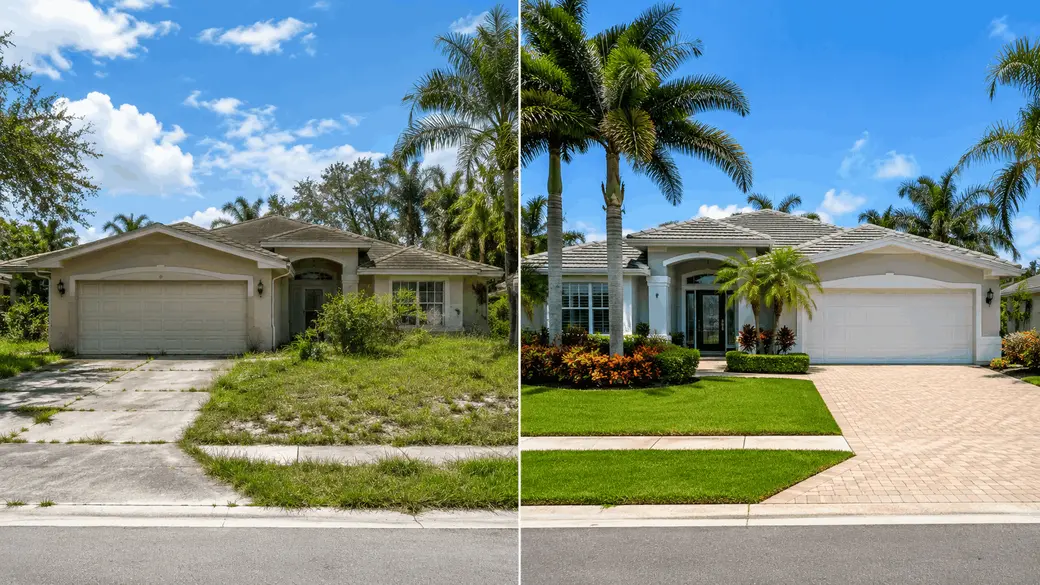
A foreclosure listing can attract attention for an obvious reason: buyers may see the possibility of purchasing a home at an appealing price. But comparing a foreclosure with a traditional home sale involves much more than comparing two asking prices.
Foreclosed properties can involve different sellers, contracts, property conditions, inspection opportunities, financing requirements, title considerations and closing procedures. Some are listed by banks much like other homes, while properties sold at foreclosure auction can involve an entirely different purchasing process.
For Florida buyers, understanding which type of foreclosure opportunity you are evaluating is essential before deciding whether the potential price justifies the additional uncertainty.
Quick Answer: Is Buying a Foreclosure Better Than a Traditional Home?
Neither option is automatically better. A foreclosure can sometimes provide an opportunity to purchase a property at a price that reflects its condition, required repairs or the seller's disposition strategy. But a lower purchase price does not necessarily mean a lower total cost.
A traditional sale can provide greater opportunity for inspections, seller disclosures when applicable, negotiation and conventional financing. A bank-owned property may offer some of those same opportunities, but the institutional seller may have limited knowledge of the home's history and may sell the property in as-is condition.
A foreclosure auction can involve substantially greater uncertainty. Buyers may have limited access to the property before bidding, and title, occupancy, liens, property condition and payment requirements require careful investigation.
What Does “Foreclosure” Actually Mean?
The term “foreclosure” is often used broadly, but buyers can encounter properties at several different stages of the process.
- Pre-foreclosure: The owner still owns the property, although a mortgage default or foreclosure proceeding may be underway.
- Foreclosure sale: The property is offered through the court-ordered sale process.
- REO or bank-owned property: A lender or other entity has acquired the property and later offers it for sale.
- Government-owned property: Certain foreclosed homes may ultimately be marketed through entities or programs such as HUD.
These are not interchangeable purchasing situations. A buyer considering a listed bank-owned home may be able to tour the property, obtain inspections and finance the purchase. A buyer bidding at a foreclosure sale may face very different rules and risks.
How Does a Traditional Home Sale Work?
In a typical resale transaction, an individual or other property owner lists a home for sale and evaluates offers based on price, financing, contingencies, closing date and other contract terms.
Depending on the transaction, buyers may negotiate inspection provisions, financing terms, closing dates and other contractual matters. The seller may also have firsthand knowledge about the property that an institutional owner who acquired it through foreclosure does not have.
That does not mean a traditional sale is risk-free. Buyers still need appropriate inspections, title work, insurance investigation and financing due diligence. The difference is that the transaction frequently follows a more familiar residential resale process.
What Is a Bank-Owned or REO Home?
REO stands for real estate owned. In the foreclosure context, it generally describes property acquired by a lender or other institutional owner and subsequently offered for sale.
For buyers who want to consider foreclosure opportunities without purchasing directly at auction, an REO listing can provide a more familiar path. Fannie Mae explains that when a foreclosed home is in the lender's possession, it may be offered for sale through traditional methods or auction.
However, buyers should not assume that a bank-owned seller will behave like an individual homeowner. Institutional sellers may use their own contracts, addenda, deadlines and approval procedures.
Are Foreclosures Always Cheaper?
No. The word “foreclosure” does not automatically mean bargain.
A foreclosed property may be priced below nearby homes because of its condition, repairs, occupancy situation or other transaction-specific factors. It can also attract multiple buyers who recognize the same potential opportunity.
The more useful comparison is the property's total acquisition and ownership cost. A buyer should consider purchase price alongside immediate repairs, deferred maintenance, insurance, financing, association obligations, title-related expenses when applicable and the cost of making the property suitable for the buyer's intended use.
A traditional home priced higher but needing little immediate work can ultimately be less expensive than a discounted foreclosure requiring a roof, HVAC system, plumbing repairs and extensive interior rehabilitation.
Are Foreclosed Homes Sold As-Is?
Many foreclosure-related properties are offered in as-is condition, but buyers should review the actual contract and seller requirements rather than assuming every transaction works identically.
HUD specifically states that HUD Homes are sold as-is, that HUD does not warrant their condition and that the purchaser is responsible for needed repairs. HUD strongly encourages prospective buyers to obtain a professional inspection.
Fannie Mae likewise advises that foreclosed properties are generally offered as-is and that buyers can be responsible for property damage, needed repairs or other issues associated with the property.
“As-is” should not be interpreted as “do not inspect.” When the transaction permits an inspection, understanding the property's actual condition becomes especially important. Contract rights and cancellation provisions depend on the specific agreement and should be reviewed with the appropriate licensed real estate professional and a qualified Florida real estate attorney when legal interpretation is needed.
Why Can Property Condition Be More Uncertain With a Foreclosure?
A foreclosed home may have been vacant, financially distressed or maintained only to preserve the property rather than to prepare it for a retail sale. None of those conditions automatically means a home is in poor condition, but they can increase the importance of thorough due diligence.
Depending on the property, buyers may want qualified professionals to evaluate:
- Roof age, condition and remaining useful life
- Electrical systems
- Plumbing and evidence of leaks
- HVAC equipment
- Water intrusion and moisture-related damage
- Structural components
- Windows, doors and wind-mitigation features
- Pools and related equipment
- Septic systems or wells when applicable
- Unpermitted additions or alterations
Inspection findings should be evaluated with the appropriate licensed inspector, contractor, engineer or other qualified professional before a buyer makes a purchasing decision.
Can You Inspect a Foreclosure Before Buying?
Sometimes, and the distinction between an REO listing and a foreclosure auction becomes critical here.
A listed bank-owned property may allow buyers to enter the home and conduct inspections subject to the seller's contract and procedures. Government-owned properties may also have specific inspection rules.
At a foreclosure sale, the buyer may not have the same opportunity to perform a conventional pre-purchase inspection. That difference can substantially increase uncertainty because expensive defects may not be apparent from exterior observations or public records.
Can You Finance a Foreclosed Home?
Some foreclosed properties can be financed, particularly listed REO homes that meet lender and loan-program requirements. The property's condition, however, can affect financing eligibility.
A home with serious safety, structural or habitability issues may not satisfy the requirements of a particular mortgage program without repairs or a financing structure designed for rehabilitation. HUD notes that FHA's 203(k) program can provide rehabilitation financing for eligible transactions, subject to program requirements.
Foreclosure auctions are different. Sale rules can require deposits and payment on timelines that do not function like an ordinary financed residential closing.
Buyers relying on financing should speak with a qualified mortgage professional before bidding or signing a contract. The lender should evaluate both the buyer's financing qualifications and whether the particular property is eligible for the proposed loan program.
Why Does Insurance Matter Before You Buy?
In Florida, property condition can affect more than repair costs. It can also affect insurance availability and the work required before coverage can be obtained.
For example, Citizens Property Insurance Corporation's current inspection information states that inspectors may document the age, type and condition of wiring, heating, plumbing and roofing systems. Citizens also identifies specific documentation requirements for older roofs and remaining useful life.
That can matter when evaluating a distressed property with an older roof, electrical deficiencies, active leaks or deferred maintenance. A purchase that appears inexpensive on closing day may require significant work before the buyer can obtain the desired insurance coverage.
Insurance availability, coverage and premiums vary substantially by property. Buyers should obtain property-specific quotes and review coverage requirements with a qualified insurance professional before making a purchasing decision.
What Happens at a Florida Foreclosure Sale?
Florida law establishes procedures for judicial sales. Under Florida Statutes section 45.031, a final judgment can direct the clerk to sell the property at public sale under the terms and conditions established by the judgment and applicable law.
The statute also addresses the certificate of sale, objections and certificate of title. Under the statutory procedure, if no objections to the sale are filed within the applicable 10-day period after the certificate of sale is filed, the clerk files a certificate of title. When the certificate of title is filed, the sale stands confirmed and title passes to the purchaser named in that certificate.
Auction procedures, deposits, payment deadlines, title issues and the legal effect of a particular foreclosure case should be verified through the applicable clerk of court and reviewed with a qualified Florida real estate attorney or title professional before bidding. A courthouse auction should not be treated as simply another way to submit an offer on a listed home.
Can a Florida Homeowner Redeem the Property After Someone Bids?
Florida's statutory right of redemption makes timing important. Under section 45.0315, the mortgagor or holder of a subordinate interest may generally cure the indebtedness and prevent the foreclosure sale before the later of the filing of the certificate of sale or the time specified in the foreclosure judgment, order or decree. Otherwise, the statute states there is no right of redemption.
Because redemption, objections to a sale and transfer of title involve legal rights, buyers should not rely on generalized descriptions when evaluating an actual foreclosure. The court file and applicable orders should be reviewed, and legal questions should be directed to a qualified Florida attorney.
Why Is a Title Search Especially Important?
A property's foreclosure history does not mean a buyer should assume every possible title issue disappears automatically.
Mortgages, association liens, judgments, governmental liens, taxes, code-enforcement matters and other recorded interests can create questions that depend on the particular foreclosure proceeding and property. Which interests survive, are extinguished or remain relevant is a legal and title question, not something buyers should determine from a listing description alone.
Before purchasing at a foreclosure sale, buyers should have the property's title situation evaluated by an appropriate title professional and, when legal interpretation is required, a qualified Florida real estate attorney. Buyers should also investigate whether title insurance will be available and under what conditions.
What About HOA and Condominium Properties?
A foreclosure located in a homeowners association or condominium requires additional due diligence. Buyers should investigate the association itself as well as the property.
Relevant questions can include current assessments, special assessments, association liens, maintenance obligations, rental restrictions, approval requirements, reserves and insurance. Condominium buyers may also need to evaluate structural inspection and reserve information applicable to the particular building.
The effect of a foreclosure on unpaid assessments or other association obligations can depend on the type of foreclosure and applicable law. Buyers should verify amounts and responsibilities with the association, title or closing professional and a qualified Florida attorney when necessary.
Can Foreclosure Transactions Take Longer?
They can, but not always. An REO seller may have institutional approval procedures, standardized addenda and internal timelines. At the same time, some institutional sellers are experienced at processing these transactions once an offer is accepted.
Foreclosure auctions operate on a different timeline altogether. Buyers need to understand the sale terms before bidding because deposit and payment deadlines may be substantially less flexible than a conventional residential contract.
Foreclosure vs. Traditional Sale: Key Differences
| Consideration | Listed Foreclosure / REO | Traditional Sale |
|---|---|---|
| Seller | Often a lender or institutional owner | Usually the property owner |
| Property knowledge | Institutional seller may have limited firsthand history | Owner may have firsthand knowledge, subject to applicable disclosure requirements |
| Condition | Often sold as-is | Varies by seller and contract |
| Inspections | Often possible on listed REO properties, subject to contract | Typically addressed through the purchase contract |
| Repairs | Seller may make few or no repairs | May be negotiable depending on contract and seller |
| Financing | Possible when property and borrower meet lender requirements | Conventional financing process is generally more familiar |
| Contract | Institutional forms and addenda may apply | Standard residential forms may be used |
| Negotiation | Depends on seller policies and market conditions | Depends on seller priorities and market conditions |
Important: A foreclosure auction should not be placed in the same category as a listed REO property. Auction purchases can involve materially different inspection access, title risk, occupancy issues, deposits and payment procedures.
What Should Buyers Investigate Before Purchasing a Foreclosure?
The appropriate due diligence depends on whether the property is a listed REO, government-owned home or foreclosure-sale opportunity. Depending on the transaction, buyers may want to verify:
- The exact stage and type of foreclosure transaction
- Property condition and available inspection access
- Roof, electrical, plumbing, HVAC and structural condition
- Evidence of water intrusion, storm damage or deferred maintenance
- Permit history and possible unpermitted work
- Current occupancy status
- Title condition and recorded interests
- Outstanding taxes and governmental matters
- HOA or condominium obligations when applicable
- Flood-zone and elevation information
- Property-specific insurance availability and cost
- Financing eligibility based on the property's condition
- Estimated repair and rehabilitation costs
- Auction deposits and payment deadlines when applicable
The goal is not simply to determine whether the foreclosure is cheaper than another listing. It is to determine whether the property's price, condition, legal status and total anticipated cost make sense for the individual buyer.
Who Might Consider a Foreclosure?
A listed foreclosure or REO property may warrant consideration for buyers who:
- Are comfortable evaluating homes that need repairs
- Have sufficient funds for unexpected work after closing
- Can accommodate institutional seller procedures
- Have financing appropriate for the property's condition
- Are willing to perform detailed property, insurance and title due diligence
Direct foreclosure-sale purchases generally require an even greater understanding of title, court procedures, property condition, occupancy and funding requirements. Buyers unfamiliar with those issues should obtain appropriate professional assistance before bidding.
Who Might Prefer a Traditional Home Sale?
A traditional resale may be more suitable for buyers who prioritize:
- A more familiar residential purchase process
- Greater information about the property's ownership history
- The ability to negotiate directly with an individual seller
- Homes requiring fewer immediate repairs
- Conventional financing without major property-condition complications
Those advantages are not guaranteed in every traditional sale. Property condition, seller motivation and contract terms still need to be evaluated individually.
Frequently Asked Questions About Buying Foreclosures
Can first-time buyers purchase foreclosures?
Yes, depending on the property and financing. A listed REO home can sometimes be purchased through a process similar to another residential listing. Buyers should confirm loan eligibility and understand the property's condition before committing.
Will a bank repair a foreclosure before closing?
Possibly, but buyers should not assume it will. Many institutional sellers market properties as-is or limit repairs. The actual seller's contract and property-specific terms control.
Can you get a mortgage for a foreclosure?
Many listed foreclosure properties can be financed, but eligibility depends on the borrower, property condition and loan program. Buyers should have a lender evaluate the proposed financing before assuming a particular property qualifies.
Can you inspect a bank-owned home?
Often, yes, when it is a listed REO property and the seller's procedures permit inspections. The buyer's contractual rights should be verified before signing. Auction properties can present very different inspection limitations.
Does foreclosure eliminate every lien?
Buyers should not make that assumption. The treatment of mortgages, liens, assessments, taxes and other interests depends on the foreclosure and applicable law. Obtain a professional title review and legal guidance when necessary before purchasing.
Is buying at a foreclosure auction the same as buying a bank-owned home?
No. A bank-owned or REO property has already been acquired by the institutional owner and is being resold. A foreclosure auction occurs as part of the foreclosure process and can involve different title, inspection, occupancy, deposit and payment considerations.
The Bottom Line for Florida Homebuyers
Foreclosures can create worthwhile opportunities, but the opportunity comes from the individual property's numbers and circumstances, not simply from its foreclosure status.
For a listed REO home, compare the purchase price with realistic repair expenses, insurance, financing and comparable traditional listings. For a foreclosure-sale property, add careful investigation of the court proceeding, title, liens, occupancy, inspection limitations and payment requirements.
A property that appears to offer the biggest discount is not necessarily the property that provides the best value. For many buyers, the better purchase will be the home whose condition, financing, title and total ownership costs are understood before closing.
Explore Florida Homes With Hunt Brothers Realty
Whether you are comparing a bank-owned property with a traditional listing or simply trying to understand which Florida home provides the strongest fit, evaluating the entire transaction matters.
Hunt Brothers Realty can help buyers evaluate available real estate and compare properties based on their housing priorities. Explore Florida Gulf Coast communities or visit HuntBrothersRealty.com for additional Florida real estate resources.
Informational notice: This article provides general real estate and educational information and is not individualized legal, financial, tax, insurance, lending, inspection, engineering, construction, title, association or other professional advice. Foreclosure procedures, title status, liens, contract rights, financing eligibility, insurance availability and property condition vary by transaction. Buyers should verify property-specific information and consult the appropriate licensed real estate professional, mortgage lender, insurance professional, Florida real estate attorney, title or closing professional, inspector, engineer, contractor, association or other qualified professional before making decisions requiring individualized guidance.
Sources
- Florida Legislature, Florida Statutes Section 45.031, Judicial Sales Procedure
- Florida Legislature, Florida Statutes Section 45.0315, Right of Redemption
- U.S. Department of Housing and Urban Development, HUD Homes
- Fannie Mae, Homebuyer Frequently Asked Questions
- Citizens Property Insurance Corporation, Property Inspections
- Hunt Brothers Realty, Florida Real Estate Resources
Hunt Brothers Realty
46 N Washington Blvd, Ste #3
Sarasota, Florida 34236
Phone: (941) 388-7017
Email: info@huntbrothersrealty.com
Website: HuntBrothersRealty.com
Categories
- All Blogs 1990
- Anna Maria Island 83
- Bird Key 4
- Bradenton 235
- Buying a Home 1054
- Casey Key 2
- Clearwater 10
- Condos & HOA Living 969
- Ellenton 5
- Englewood 9
- First Time Homebuyers 1162
- Foreclosures 3
- Home Selling 2
- Homeownership 1184
- Lakewood Ranch 21
- Lido Key 27
- Longboat Key 78
- Luxury/Waterfront Properties 1125
- Market Updates & Trends 653
- Mortgages & Financing 42
- Move-Up Buyers 21
- Neighborhood Guides 771
- New Construction 32
- Palmetto 3
- Parrish 6
- Port Charlotte 10
- Punta Gorda 16
- Real Estate Investing 1042
- Relocation to Florida 1086
- Safety Harbor 2
- Sarasota 74
- Sarasota - Downtown 158
- Selling a Home 144
- Siesta Key 89
- St. Petersburg 7
- Tierra Verde 5
- Vacation & Second Homes 1233
- Venice 121
- Wellen Park 12
Recent Posts