How Often Should You Visit Before Buying a Second Home?
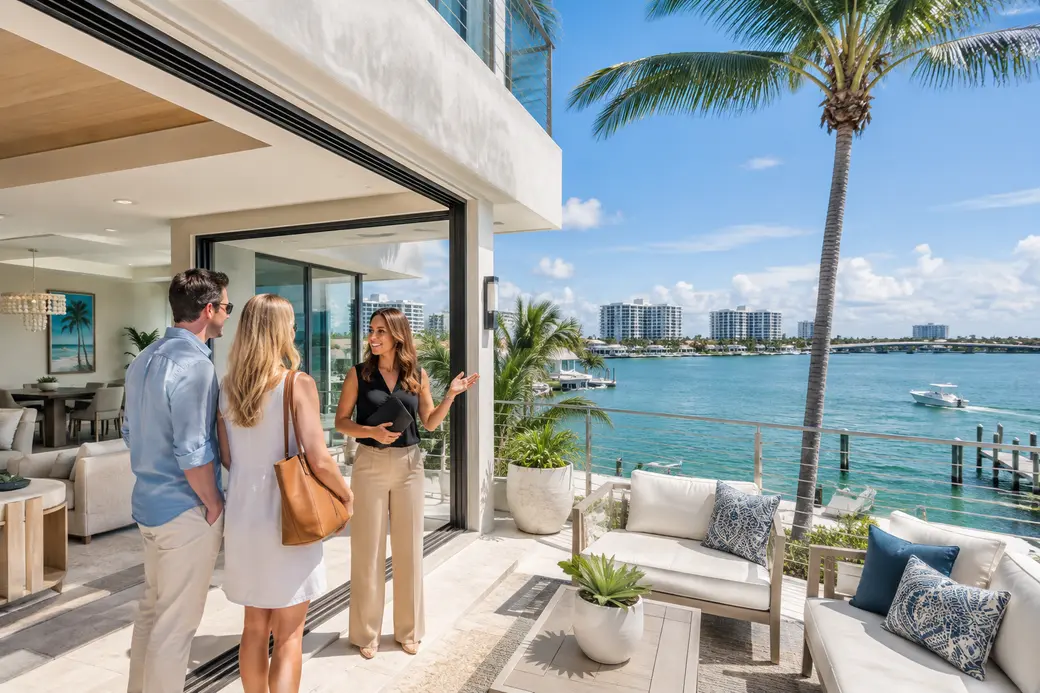
There is no required number of visits before buying a second home, but most buyers benefit from experiencing the area more than once before making a major purchase. For a Florida second home in Sarasota or along the Gulf Coast, ideally visit during different times of year and spend time in the neighborhoods you are seriously considering. A vacation can tell you that you like a destination. Repeat visits can help determine whether the location, property type, traffic patterns, maintenance responsibilities and everyday lifestyle still make sense when you think like an owner instead of a visitor.
Quick Answers About Visiting Before Buying a Second Home
How many times should you visit before buying a second home?
There is no universal number, but two or three purposeful visits can give buyers considerably more perspective than a single vacation. The goal is not to reach a magic number of trips, it is to experience the location under enough different conditions to understand how owning there may differ from vacationing there.
Should you visit during different seasons?
When practical, yes. A Sarasota-area community can feel different during the busier winter and spring period than it does during the hotter, wetter summer months. Visiting at different times can help you evaluate traffic, weather, outdoor use and how you personally experience the area throughout the year.
Can you buy a second home after only one visit?
Yes. Some buyers know an area well from years of previous travel, while others may need several dedicated research trips. The appropriate amount of in-person time depends on how familiar you already are with the destination, property type and specific neighborhood.
Should you stay in the neighborhood before buying?
If practical, staying in or near the area you are considering can be useful. It allows you to experience normal driving routes, restaurants, grocery trips, beach access and other everyday activities instead of seeing the neighborhood only during a property showing.
Should you tour the same property more than once?
For a serious candidate, a second look can be valuable when circumstances allow. Different times of day can reveal changes in sunlight, views, nearby activity, traffic, parking and noise that may not be apparent during the first showing.
What should you investigate besides the home itself?
Second-home buyers should investigate insurance, taxes, flood exposure, maintenance, association rules, property management and financing when applicable. A property that works beautifully for a one-week stay may create very different responsibilities when you own it throughout the year.
Why Is One Vacation Usually Not Enough?
Vacationing somewhere and owning property there are different experiences. During a vacation, you may focus on beaches, restaurants, boating, golf and entertainment. Ownership introduces additional questions involving maintenance, insurance, taxes, storm preparation, association rules and what happens to the property while you are away.
That distinction is particularly relevant when considering a vacation home on Florida's Gulf Coast. A location that works perfectly for a resort-style trip may or may not be the place where you want the financial and practical responsibilities of property ownership.
A repeat visit gives you an opportunity to stop behaving like a tourist. Drive to the grocery store. Visit neighborhoods at ordinary times of day. Look at parking. Cross the bridges. Spend time away from the beach. Those experiences can be just as useful as touring homes.
What Should Your First Visit Accomplish?
Your first dedicated buying trip should help you narrow geography and property type rather than pressure you into selecting a specific home. Think of it as a comparison trip.
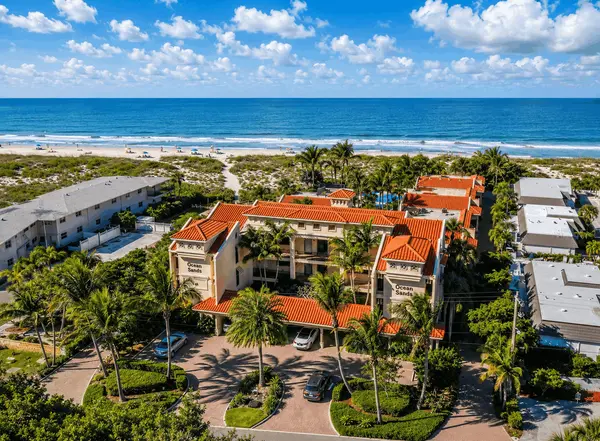
Around Sarasota, that might mean comparing barrier-island living with downtown condominium ownership, boating-oriented neighborhoods or mainland communities. Buyers considering Siesta Key, for example, should experience the island as a potential homeowner rather than judging it only by a day at the beach.
During the first visit, try to answer:
- Do I prefer a condo or single-family home?
- Do I want to be on a barrier island or the mainland?
- How important is beach proximity?
- Do I need boating access?
- How important are walkability and nearby dining?
- Do I want private outdoor space or community amenities?
- How much maintenance am I willing to manage remotely?
- Which locations would I genuinely return to several times each year?
What Should You Do on the Second Visit?
The second visit should become more property-specific. Once you know which areas appeal to you, compare actual homes, condominiums and ownership structures within those locations.
Instead of touring every attractive listing, focus on properties that represent realistic choices. Compare an older renovated condo with newer construction. Compare direct waterfront with a property a few blocks from the water. Compare a lower-maintenance condominium with a private home where you will be responsible for the exterior, landscaping, pool and other systems.
This is also a good time to start estimating the complete ownership cost. Purchase price alone does not tell you what a second home will cost to own when you include taxes, insurance, association fees, maintenance, utilities and property management when needed.
Why Can a Third Visit Be Valuable?
A third visit can be useful when you are close to making a decision but want to confirm that your preferred area still feels right. By this point, you are no longer simply exploring. You are testing your assumptions.
Stay as close as practical to the location you are considering. Follow the routes you would actually use. Go to the grocery store, beach, marina, golf course or downtown district that would become part of your routine. If you expect visiting family or friends, think about where they would stay and how the property functions with guests.
The objective is simple, determine whether the lifestyle you imagined during your first trip still makes sense after the novelty has worn off.
Should You Visit During Different Times of Year?
If your schedule allows it, visiting during different seasons can provide useful perspective. Florida Gulf Coast communities are not experienced exactly the same way throughout the year.
A winter or spring trip may help you understand the area during a busier period, while a summer visit gives you firsthand experience with heat, humidity, afternoon storms and a different pace. If you expect to use the second home year-round, both experiences matter.
This does not mean you must delay a purchase until you have experienced every month. It means buyers unfamiliar with Florida should avoid assuming that one perfect week represents every season of ownership.
Should You Visit the Same Neighborhood at Different Times?
Yes, when practical. A neighborhood can feel different early in the morning, during the afternoon, around dinner and on weekends. Traffic, parking, nearby commercial activity and the use of shared amenities can all change throughout the day.
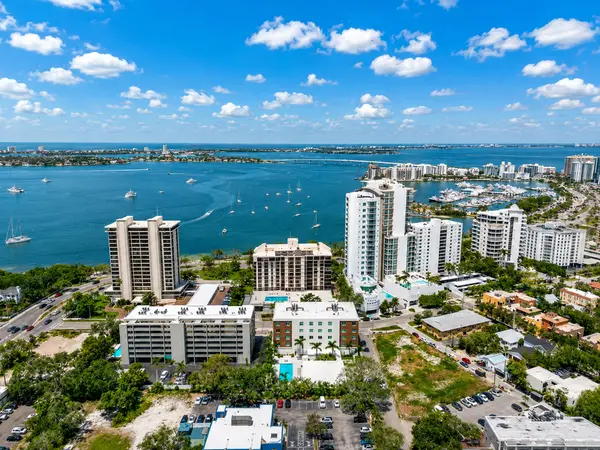
This can be especially helpful when comparing an urban condominium with an island or residential neighborhood. Buyers considering Downtown Sarasota condo living may want to experience the area both during the day and in the evening, while a barrier-island buyer may place more emphasis on beach access, bridge routes and seasonal traffic patterns.
Should You See a Property More Than Once?
For a property you are seriously considering, another visit can reveal details that were easy to miss the first time. The initial showing often focuses on floor plan, finishes and overall impression. A later visit can be more analytical.
Look at sunlight and orientation. Listen for nearby activity. Evaluate parking and storage. Check the route from the garage to the residence. Stand on the balcony or patio and think about privacy. If the property has a view, determine how much of that view is visible from the places where you will actually sit.
A repeat showing does not replace a professional inspection. Property condition should be evaluated by the appropriate licensed inspector, contractor, engineer or other qualified professional before the buyer makes decisions based on physical condition.
How Far Is the Second Home From Your Primary Residence?
Travel convenience can influence how often you actually use a second home. A destination may look ideal on a map, but the complete trip from your primary residence matters more than mileage alone.
Think about the airports you would use, flight schedules, driving time after arrival and whether the trip still feels reasonable for shorter stays. If you imagine using the property for long weekends, test whether that plan works in practice rather than assuming it will.
A second home that is easy for you to reach may ultimately fit your lifestyle better than a property you prefer slightly more but find difficult to visit regularly.
What Happens When You Are Not There?
This is one of the most important second-home questions. Florida property ownership continues when you leave, so buyers should have a realistic plan for maintenance, storm preparation, inspections after severe weather, utilities, landscaping and pool care when applicable.
A condominium may reduce some exterior maintenance responsibilities, but it introduces association fees, rules and shared-building considerations. A single-family home gives the owner more direct control but may require more hands-on maintenance or professional property oversight while vacant.
Insurance policies can also contain property-specific conditions and requirements. Second-home buyers should discuss occupancy, vacancy periods, storm preparation and other relevant circumstances directly with a qualified insurance professional before purchasing coverage.
What Should You Know About Florida Property Taxes?
Do not estimate the future property-tax bill simply from what the current owner pays. Florida property taxes are based on assessed and taxable values, and a change of ownership can affect the assessment used for future taxes.
Florida's homestead exemption is tied to qualifying permanent residences. The Florida Department of Revenue states that an owner who makes a property a permanent residence may qualify for homestead benefits, while non-homestead property is treated differently under Florida's assessment rules.
Second-home buyers should obtain a property-specific tax estimate from the appropriate county property appraiser and consult a qualified tax professional regarding their individual circumstances. Tax treatment depends on the owner, property and intended use.
What About Flood Risk and Insurance?
Flood and insurance considerations should be investigated before choosing a Florida second home, particularly when comparing coastal, barrier-island and waterfront properties. Flood exposure can vary from one property to another even within the same general area.
FEMA Flood Insurance Rate Maps identify flood-risk zones used for floodplain management and insurance-related purposes. Buyers should verify the current flood-zone information for the specific property and investigate elevation and other relevant characteristics rather than making assumptions based only on neighborhood location.
Insurance availability, coverage and premiums can vary substantially by property. Obtain property-specific quotes and review coverage with a qualified insurance professional before making a purchasing decision.
What If You Plan to Rent the Second Home?
If rental income is part of your plan, investigate rental rules before choosing the property. Do not assume that a vacation-oriented location automatically permits the rental frequency or type you have in mind.
Condominium and homeowners associations may impose leasing restrictions, and local regulations can also apply. Buyers should verify current association documents, local requirements and property-specific restrictions before making a decision based on rental use.
Potential rental revenue should also be considered alongside management costs, insurance, taxes, association fees, maintenance, utilities and vacancy. Rental income and investment returns are not guaranteed, and buyers should consult appropriate tax, legal, insurance and financial professionals regarding their individual plans.
A Practical Three-Visit Approach
For buyers who have the flexibility, a three-visit framework can make the search more deliberate. It is not a requirement, and experienced buyers may need fewer trips, but it provides a useful way to separate exploration from decision-making.
- Visit One, Explore: Compare areas, property types and lifestyles. Determine where you actually want to own.
- Visit Two, Compare: Tour realistic properties, investigate ownership costs and narrow the search to a small number of locations or communities.
- Visit Three, Confirm: Revisit your preferred location, test everyday routines and make sure the decision still feels right when viewed as an owner rather than a vacationer.
If you already know Sarasota well after years of visits, you may not need this process. If you have spent only a few days in the area, taking additional time to understand the market may be particularly valuable.
Second-Home Visit Checklist
- Visit more than one neighborhood.
- Experience the area at different times of day.
- Visit during another season when practical.
- Drive the routes you expect to use regularly.
- Compare condominiums with single-family homes when both are realistic options.
- Evaluate beach, boating, dining and shopping access based on your actual priorities.
- Tour serious property candidates more than once when possible.
- Estimate taxes based on your expected ownership situation.
- Obtain property-specific insurance quotes.
- Investigate flood exposure when relevant.
- Review association fees and restrictions.
- Decide who will watch and maintain the property while you are away.
- Verify rental rules if rental use is part of the plan.
- Calculate the complete annual ownership cost, not just the purchase price.
Visit Until You Understand the Ownership Experience
The right number of visits before buying a second home is the number needed to understand what ownership will actually be like. For some buyers, years of vacations have already provided that familiarity. For others, two or three dedicated research trips can reveal important differences among neighborhoods, seasons and property types.
The objective is not simply to confirm that you enjoy Sarasota or Florida's Gulf Coast. It is to determine whether a particular property, location and ownership structure fit the way you plan to use and maintain a second home over time.
Explore Second-Home Options on Florida's Gulf Coast
Hunt Brothers Realty can help you use your visits to compare Sarasota and Gulf Coast communities from an ownership perspective, including location, property type, maintenance considerations and current real estate opportunities. Explore Hunt Brothers Realty's Florida Gulf Coast vacation-home guide as you begin narrowing your second-home search.
Informational notice: This article provides general real estate information for educational purposes and is not individualized legal, financial, tax, insurance, lending, inspection or investment advice. Taxes, insurance, financing, association rules, rental restrictions, flood exposure and ownership costs vary by property and owner circumstances. Buyers should verify current property-specific information and consult the appropriate licensed real estate, legal, tax, insurance, lending, inspection and other qualified professionals before making decisions requiring individualized guidance.
Sources
- Florida Department of Revenue, Property Tax Exemptions and Homestead Information
- Florida Department of Revenue, Florida Property Tax Information for Taxpayers
- Federal Emergency Management Agency, Flood Maps and Flood Risk Resources
- Hunt Brothers Realty, Gulf Coast Vacation Home Guide
Contact Hunt Brothers Realty
Hunt Brothers Realty
46 N. Washington Blvd, Ste 3
Sarasota, FL 34236
Phone: (941) 388-7017
Email: info@huntbrothersrealty.com
Website: HuntBrothersRealty.com
Categories
- All Blogs 1990
- Anna Maria Island 83
- Bird Key 4
- Bradenton 235
- Buying a Home 1054
- Casey Key 2
- Clearwater 10
- Condos & HOA Living 969
- Ellenton 5
- Englewood 9
- First Time Homebuyers 1162
- Foreclosures 3
- Home Selling 2
- Homeownership 1184
- Lakewood Ranch 21
- Lido Key 27
- Longboat Key 78
- Luxury/Waterfront Properties 1125
- Market Updates & Trends 653
- Mortgages & Financing 42
- Move-Up Buyers 21
- Neighborhood Guides 771
- New Construction 32
- Palmetto 3
- Parrish 6
- Port Charlotte 10
- Punta Gorda 16
- Real Estate Investing 1042
- Relocation to Florida 1086
- Safety Harbor 2
- Sarasota 74
- Sarasota - Downtown 158
- Selling a Home 144
- Siesta Key 89
- St. Petersburg 7
- Tierra Verde 5
- Vacation & Second Homes 1233
- Venice 121
- Wellen Park 12
Recent Posts