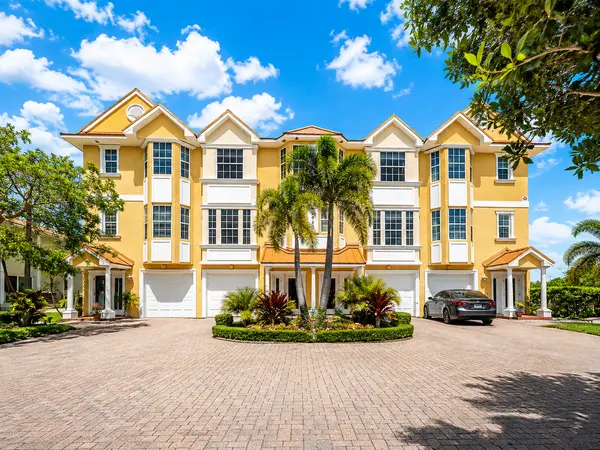
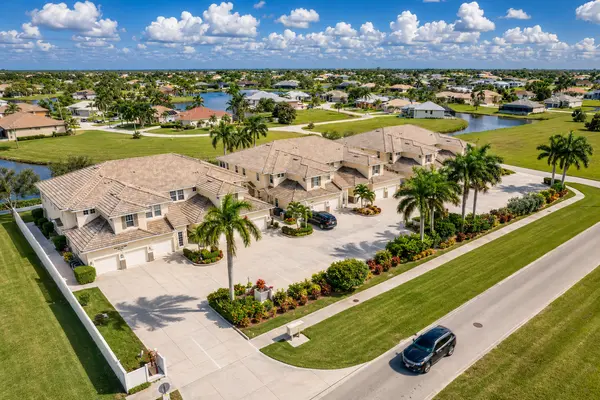
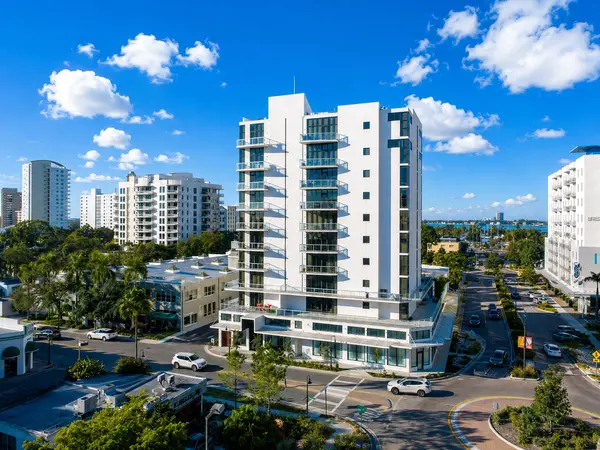
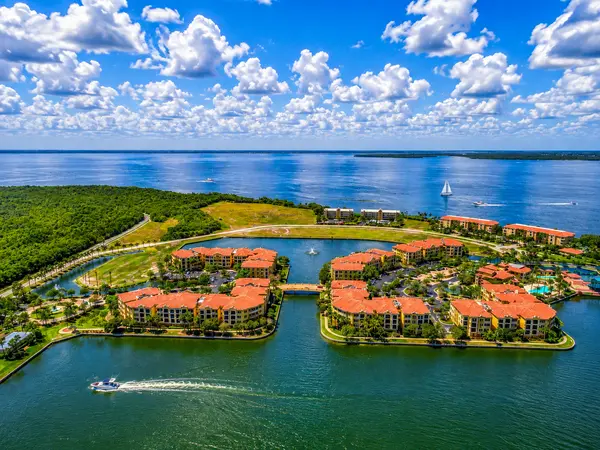
How Do I Know Which Florida Neighborhood Is Right for My Family?
The right Florida neighborhood is the one that best matches your household's housing budget, daily routines, preferred home type, commute, school needs, recreation priorities and tolerance for costs such as insurance, HOA fees and CDD assessments. Instead of asking which neighborhood is universally "best," create objective criteria and compare specific communities against them. Visit at different times, test important drives, research schools directly, obtain property-specific insurance information and investigate flood exposure and association obligations. A neighborhood that works exceptionally well for one household may be a poor fit for another.
A useful starting point is the Hunt Brothers Realty Explore Florida Communities directory, which lets buyers compare Gulf Coast destinations based on location and lifestyle characteristics.
Quick Answers About Choosing a Florida Neighborhood
What should I consider when choosing a Florida neighborhood?
Compare housing costs, property types, commute times, access to services, schools when relevant, recreation, HOA or condominium obligations, CDD assessments, flood exposure, insurance considerations and the everyday locations your household expects to use. Prioritize measurable factors rather than broad neighborhood labels.
How can I research schools without relying on a real estate agent's opinion?
Use the Florida Department of Education's school accountability resources and contact the applicable school district directly. Verify current attendance boundaries, enrollment requirements and programs because school assignments and choice options can change.
Should I consider flood risk when comparing Florida neighborhoods?
Yes. Flood exposure can vary between neighborhoods and even between individual properties within the same community. Review the specific property through the FEMA Flood Map Service Center, investigate available property information and discuss coverage with a qualified insurance professional.
Is an HOA neighborhood better than a non-HOA neighborhood?
Neither is automatically better. HOA communities may provide shared amenities, common-area maintenance and community standards, while non-HOA properties may have fewer association restrictions and no mandatory HOA assessment. Compare the actual services, restrictions, financial obligations and maintenance responsibilities of each property.
How important is commute time when choosing a neighborhood?
It can be very important because a location that looks close on a map may produce a different drive during peak travel periods. Test actual routes to workplaces, schools, healthcare, shopping or other frequent destinations at approximately the times you expect to use them.
Should I visit a neighborhood more than once before buying?
When practical, yes. Visiting during the morning, evening and weekend can help you observe traffic, lighting, nearby commercial activity and how the location functions during different parts of your normal schedule.
Can a real estate agent tell me whether a neighborhood is good for families?
A real estate professional can provide objective information about homes, prices, amenities, distances, property characteristics and available community resources. Buyers should evaluate personal fit for themselves and use authoritative sources for school information, insurance, flood conditions and other specialized questions rather than relying on demographic characterizations or subjective labels.
Start With Your Household's Daily Life
Before looking at individual neighborhoods, write down what your household actually needs from a location.
Think about a typical Monday rather than a vacation Saturday. Where do household members need to go? How often? How much driving is acceptable? Which services and activities matter enough that you want them nearby?
Your list might include:
- Workplaces or remote-work requirements
- Schools or educational programs
- Healthcare providers
- Grocery stores and everyday shopping
- Parks and recreational facilities
- Beaches or boating access
- Restaurants and entertainment
- Airports or major transportation routes
- Space for hobbies, vehicles or equipment
- Preferred amount of property maintenance
This turns an abstract question such as "Where should we live?" into a much more useful property search.
Choose a Housing Budget Before Choosing a Neighborhood
A neighborhood can fit your lifestyle but still be the wrong choice if owning a home there puts too much pressure on your finances.
Compare more than listing prices. Depending on the property, total ownership costs can include:
- Mortgage principal and interest
- Property taxes
- Homeowners insurance
- Flood insurance when applicable
- HOA or condominium assessments
- CDD assessments when applicable
- Utilities
- Pool, lawn and exterior maintenance
- Expected repairs and replacements
Two neighborhoods with similar home prices can therefore create very different monthly budgets.
Decide Which Type of Florida Setting Fits Your Routine
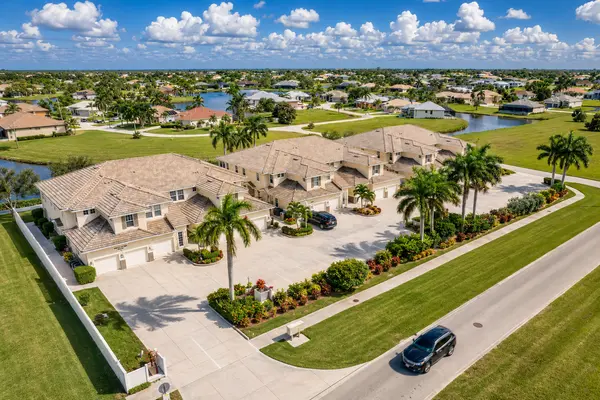
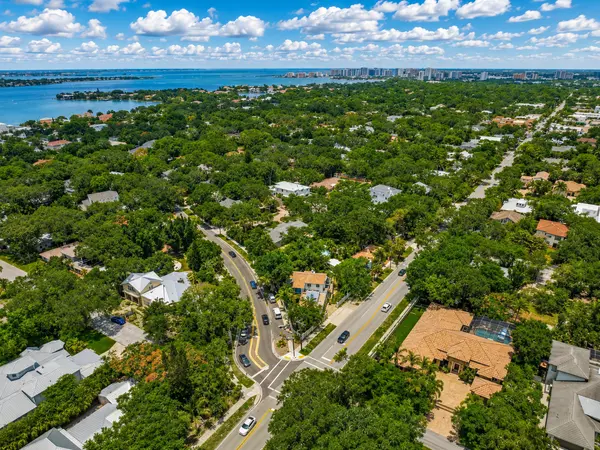
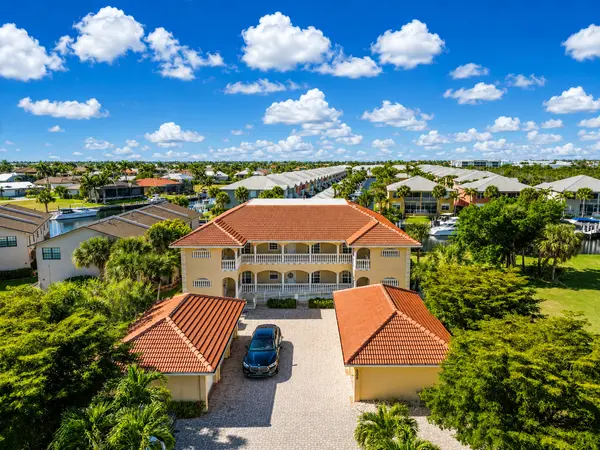
Florida's Gulf Coast offers dramatically different residential environments. Rather than ranking them, compare the tradeoffs.
| Setting | Questions to Consider |
|---|---|
| Downtown or urban | Do you value proximity to restaurants, cultural venues, parks and services enough to accept potentially smaller properties or denser surroundings? |
| Coastal or barrier island | How important is beach or water access, and have you evaluated insurance, flood exposure, evacuation considerations and coastal maintenance? |
| Master-planned community | Will you use the amenities, and are you comfortable with the association rules, HOA fees and possible CDD assessments? |
| Established neighborhood | Do you prefer mature landscaping and an established location, and are you prepared to evaluate the condition and insurance profile of older homes? |
| New construction area | Are roads, amenities and future phases complete, and have you reviewed builder contracts, association structure and future community costs? |
| Non-HOA neighborhood | Do you prefer fewer association restrictions, and are you comfortable arranging property maintenance without HOA-provided services? |
Buyers can compare settings including Sarasota, Venice, Lakewood Ranch, Wellen Park, Bradenton, St. Petersburg, Punta Gorda and other Florida communities through Hunt Brothers Realty's community directory.
How Should Buyers Research Florida Schools?
If schools matter to your household, research them directly rather than asking a real estate professional to characterize a school or neighborhood as "good," "bad" or "family-friendly."
The Florida Department of Education publishes current school accountability information, including 2026 school grades and other performance data. Florida also provides several school choice resources.
Depending on your household's needs, investigate:
- Current attendance boundaries
- School performance data
- Magnet or specialized programs
- Extracurricular programs
- Transportation availability
- Controlled open enrollment or other choice options
- Services relevant to an individual student's educational needs
The Florida Department of Education recommends contacting local districts for specific information about schools and programs. Buyers should verify a property's current school assignment with the applicable district before making a purchasing decision because boundaries, programs and enrollment policies can change.
Test the Commute Instead of Estimating It
A map can tell you that a home is eight miles from work. It cannot fully tell you what those eight miles feel like during your normal commute.
When possible, drive the route during the period when you expect to use it. Test other frequent trips too, such as:
- Work
- School or childcare
- Grocery shopping
- Healthcare appointments
- Sports or recreation
- Beach access
- Airport trips
A slightly more expensive home in a convenient location could work better for one household, while another may willingly drive farther in exchange for more space or a different property type.
Compare the Amenities You Will Actually Use
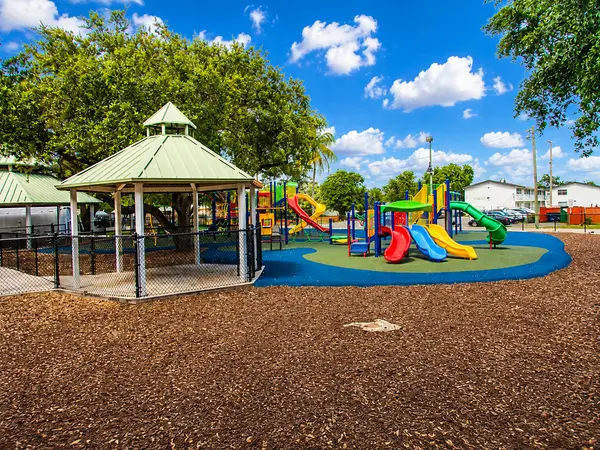
Florida master-planned and gated communities can offer extensive recreational facilities. Depending on the specific development, amenities may include pools, fitness centers, pickleball or tennis courts, playgrounds, dog parks, clubhouses, trails, golf or water access.
But more amenities do not automatically mean a better neighborhood for you.
Ask yourself whether you expect to use the facilities enough to justify the associated costs and whether access is actually included with the property. Golf memberships, marina facilities and other specialized amenities can have separate eligibility, membership or fee structures.
Do HOA Rules Match the Way You Want to Use Your Home?
Do not evaluate an HOA only by the amount of its regular assessment. The governing documents can affect how you use and modify your property.
Depending on the community, buyers may need to investigate rules involving:
- Exterior alterations
- Fences
- Parking
- Boats and recreational vehicles
- Pets
- Leasing
- Landscaping
- Maintenance responsibilities
The Hunt Brothers Realty guide What Should I Know Before Buying a Home in a Florida HOA? provides a detailed checklist for evaluating association finances, rules, maintenance obligations, insurance and CDD assessments.
Association documents and ownership rights can have significant financial and legal consequences. Review property-specific documents carefully and consult the association, appropriate closing or title professionals, or a qualified Florida real estate attorney when individualized interpretation is needed.
How Do Flood Exposure and Insurance Affect Neighborhood Choice?
These issues should be evaluated at the property level, not simply by city or neighborhood name.
A property does not have to sit directly on the Gulf, bay or Intracoastal Waterway to have flood considerations. Buyers can begin their research with the FEMA Flood Map Service Center, while recognizing that a flood-zone designation is only one part of property-specific due diligence.
Insurance is similarly property-specific. The Florida Department of Financial Services explains that insurers may consider factors such as the home's location, age, construction and condition, including roof and major systems, when evaluating coverage and pricing.
Insurance availability, coverage and premiums can vary substantially by property. Buyers should obtain property-specific quotes and review homeowners, wind and flood coverage needs with qualified insurance professionals before making a purchasing decision.
Should You Choose New Construction or an Established Neighborhood?
This choice can significantly change the home-search experience.
Newer communities may offer contemporary floor plans, newer infrastructure and planned amenities. However, future phases may still be under construction, amenities may be evolving and the developer may initially control the association.
Established neighborhoods can make it easier to observe existing streets, landscaping and surrounding development. Older homes may require closer evaluation of roofs, plumbing, electrical systems, HVAC equipment and other components.
Neither option is inherently better. Compare the actual home and neighborhood against your priorities. Buyers considering a new development can also review What Should I Know Before Buying New Construction in Florida?
Visit the Neighborhood at Different Times
A showing provides only a snapshot. When practical, return to the area independently at different times before making a final decision.
Consider visiting:
- During the morning commute
- In the afternoon
- During the evening
- On a weekday
- On a weekend
- After heavy rain when practical and safe
Observe objective conditions that matter to you, including traffic, road access, lighting, nearby land uses and travel times. Do not rely on assumptions about the people who live in the neighborhood.
How Should You Compare Florida Communities Side by Side?
A simple scorecard can keep the decision focused on your actual priorities.
| Factor | What to Verify |
|---|---|
| Housing | Available home types, size, condition and price range |
| Total cost | Taxes, insurance, HOA, condo or CDD assessments and maintenance |
| Commute | Actual drive times during relevant hours |
| Schools | Current district information, assignment, programs and choice options |
| Recreation | Parks, trails, beaches, pools, sports facilities or other desired amenities |
| Association | Rules, fees, finances, services and owner responsibilities |
| Flood | Property-specific mapping, history and drainage considerations |
| Insurance | Property-specific availability, coverage and premiums |
| Daily convenience | Distance to the destinations your household actually uses |
Give more weight to the factors that affect your household every day. A feature you use twice a year should probably not outweigh a commute you make ten times a week.
Questions to Ask Yourself Before Choosing a Neighborhood
- Does the total cost of owning a home here fit our budget comfortably?
- Are the home types and sizes appropriate for our needs?
- What will our actual weekday routine look like from this address?
- Have we independently researched schools if they are relevant to us?
- Will we actually use the community amenities we are paying for?
- Are the HOA or condominium rules compatible with how we intend to use the property?
- Have we investigated applicable CDD assessments?
- Have we evaluated flood exposure and drainage?
- Have we obtained property-specific insurance information?
- Have we tested our important driving routes?
- Have we visited the area at different times?
- Are we choosing this neighborhood based on objective factors that matter to us rather than somebody else's description of the area?
There Is No Single Best Florida Neighborhood
The strongest neighborhood choice is not necessarily the place with the newest homes, the most amenities, the shortest distance to the beach or the highest school grade. It is the location where the combination of housing, costs, daily travel and property characteristics works best for your household's priorities.
That might mean a walkable condominium near Downtown Sarasota, a newer home in Lakewood Ranch or Wellen Park, an established neighborhood in Venice, a larger property farther inland or an entirely different combination.
Start with the way you want to live, convert those priorities into measurable criteria and then compare individual properties carefully.
Explore Florida Communities With Hunt Brothers Realty
Hunt Brothers Realty can help buyers compare Florida communities based on objective real estate factors such as available properties, housing styles, location, amenities, association structures and proximity to the places that matter to their search. Begin with Explore Florida Communities, visit the Florida Buyer Resource Center, or contact Hunt Brothers Realty to discuss your property-search priorities.
Informational notice: This article provides general real estate and educational information only and is not individualized legal, financial, tax, insurance, lending, inspection, engineering or other professional advice. School assignments and programs should be verified directly with the applicable school district. Insurance availability, coverage and premiums should be reviewed with a qualified insurance professional. Flood, drainage and property-condition concerns may require review by the appropriate local authority, inspector, surveyor, engineer or other qualified professional. Significant association, contract, title or ownership questions should be reviewed with the appropriate association, title or closing professional, or qualified Florida real estate attorney before a purchasing decision is made.
Sources
- Florida Department of Education, Florida School Accountability Reports
- Florida Department of Education, School Choice
- Florida Department of Education, School District Data
- FEMA Flood Map Service Center
- Florida Department of Financial Services, Homeowners Insurance Overview
- Florida Department of Financial Services, Purchasing Insurance
- Hunt Brothers Realty, Explore Florida Communities
- Hunt Brothers Realty, Florida Buyer Resource Center
- Hunt Brothers Realty, What Should I Know Before Buying a Home in a Florida HOA?
- Hunt Brothers Realty, What Should I Know Before Buying New Construction in Florida?
Contact Hunt Brothers Realty
46 N. Washington Blvd, Ste 3, Sarasota, FL 34236
Phone: (941) 388-7017
Email: info@huntbrothersrealty.com
Website: HuntBrothersRealty.com
Categories
- All Blogs 2172
- Anna Maria Island 86
- Bird Key 4
- Bradenton 237
- Buying a Home 1230
- Casey Key 2
- Clearwater 11
- Condos & HOA Living 1146
- Ellenton 6
- Englewood 11
- First Time Homebuyers 1339
- Foreclosures 5
- Home Selling 6
- Homeownership 1363
- Lakewood Ranch 25
- Lido Key 28
- Longboat Key 80
- Luxury/Waterfront Properties 1303
- Market Updates & Trends 823
- Mortgages & Financing 54
- Move-Up Buyers 23
- Neighborhood Guides 938
- New Construction 36
- Palmetto 3
- Parrish 6
- Port Charlotte 10
- Punta Gorda 22
- Real Estate Investing 1220
- Relocation to Florida 1258
- Safety Harbor 3
- Sarasota 90
- Sarasota - Downtown 163
- Selling a Home 146
- Siesta Key 92
- St. Petersburg 8
- Tierra Verde 5
- Vacation & Second Homes 1412
- Venice 209
- Wellen Park 20
Recent Posts