Is Palm Harbor, Florida a Good Place to Live?
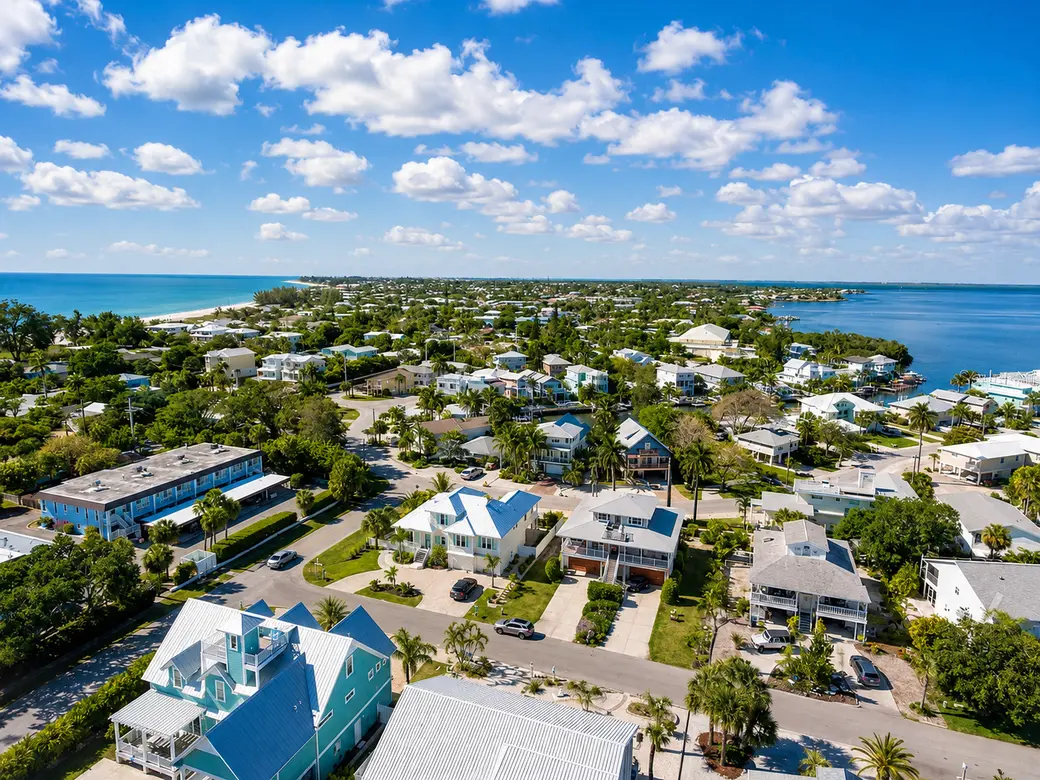
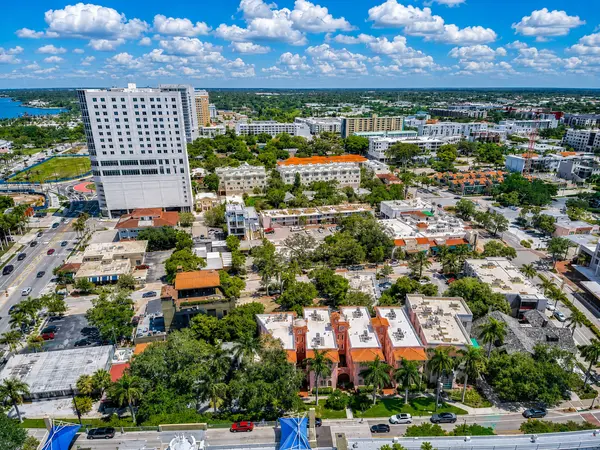
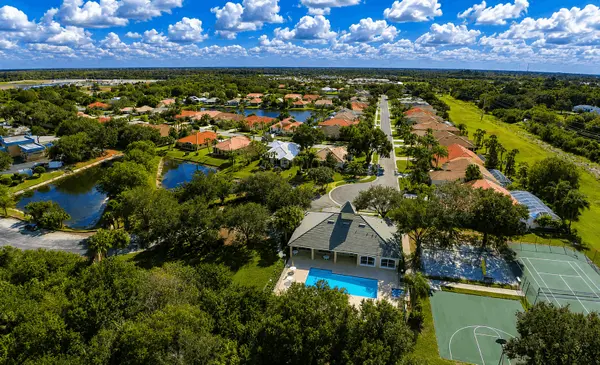
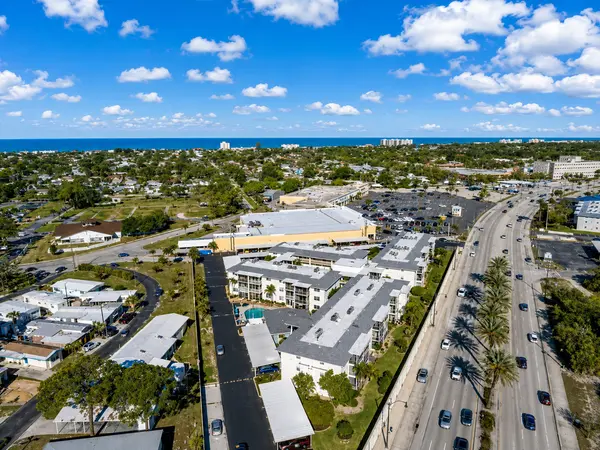
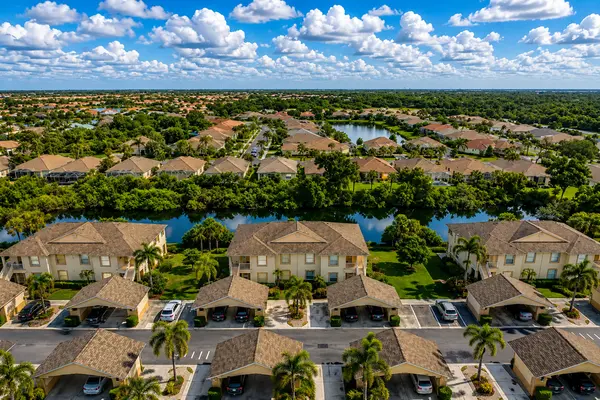
Palm Harbor can be a good place to live for people who want a Pinellas County location near Gulf Coast recreation, parks, the Pinellas Trail, Clearwater, Dunedin, and the Tampa Bay employment region without living in a large city center. The community offers everything from established subdivisions and golf-oriented neighborhoods to condominiums, townhomes, waterfront properties, and larger homes. Palm Harbor is also an unincorporated community rather than an incorporated city, an important distinction for taxes, government services, permitting, and property research. Whether it is the right place for a particular buyer depends on housing costs, commute requirements, school needs, insurance, flood exposure, and preferred lifestyle. Anyone considering Florida Gulf Coast real estate should evaluate Palm Harbor property by property rather than relying only on its overall reputation.
Quick Answers About Living in Palm Harbor, Florida
Where is Palm Harbor, Florida?
Palm Harbor is in northern Pinellas County on Florida's Gulf Coast, generally north of Dunedin and south of Tarpon Springs. It provides road access to Clearwater, St. Petersburg, Tampa, Gulf beaches, and other Tampa Bay destinations.
Is Palm Harbor a city?
No. Palm Harbor is an unincorporated community within Pinellas County. Pinellas County therefore provides many local government functions that an incorporated municipality would otherwise handle.
How expensive are homes in Palm Harbor?
Housing prices vary substantially by neighborhood and property type. Recent market reports have placed Palm Harbor's overall median home sale price in roughly the low-to-mid $400,000s, but individual condos can sell for considerably less while larger waterfront, golf, and luxury properties can command substantially higher prices. Current comparable sales should be reviewed before evaluating a specific home.
Does Palm Harbor have beaches?
Palm Harbor has Gulf and coastal access, but it is not a traditional barrier-island beach community. Nearby destinations include Honeymoon Island State Park in Dunedin and Fred Howard Park in Tarpon Springs. Residents also have access to parks and waterfront recreation within northern Pinellas County.
What are the schools like in Palm Harbor?
Palm Harbor is served by Pinellas County Schools and includes several public school options. School boundaries, programs, capacity, assignments, and performance information can change, so households should verify a specific property's current school assignment directly with Pinellas County Schools.
Is Palm Harbor close to Tampa?
Palm Harbor is part of the broader Tampa Bay region, but commute times depend heavily on the destination and traffic. Buyers who expect to commute regularly to Tampa, St. Petersburg, or another employment center should test the actual route during the hours they expect to travel.
What is the biggest issue buyers should investigate?
Insurance and flood exposure deserve careful property-specific review. Risk can differ significantly even between nearby homes. Buyers should check official flood information, obtain insurance quotes, and review the property's construction, roof, elevation, and claims history with appropriate qualified professionals.
Where Is Palm Harbor?
Palm Harbor occupies a strategic location in northern Pinellas County. Tarpon Springs is immediately to the north, Dunedin is to the south, and Oldsmar and northern Hillsborough County are accessible to the east.
This location gives residents access to both Gulf Coast recreation and the broader Tampa Bay metropolitan area.
U.S. 19 is one of the area's major north-south transportation corridors. Alternate routes include Belcher Road, East Lake Road, Tampa Road, and other local streets.
Palm Harbor's location can work well for people whose daily activities are concentrated in northern Pinellas County. Someone commuting to downtown Tampa or St. Petersburg every day may evaluate the location differently because regional traffic can significantly affect travel times.
Is Palm Harbor Actually a City?
One of the first things prospective residents should understand is that Palm Harbor is not an incorporated city.
It is an unincorporated community governed primarily through Pinellas County. County government therefore handles many services, regulations, planning functions, and infrastructure responsibilities that a city government might provide elsewhere.
This distinction matters when researching:
- Property taxes and taxing authorities
- Building permits
- Zoning and land-use rules
- Code enforcement
- Road maintenance
- Emergency services
- Floodplain information
- Parks and recreation
Buyers should use the appropriate county resources when researching an individual property rather than looking for a City of Palm Harbor government that does not exist.
What Is Downtown Palm Harbor Like?
Palm Harbor has a historic downtown area centered around Florida Avenue and nearby streets.
The district includes restaurants, small businesses, community gathering spaces, and access to the Pinellas Trail. Its scale is considerably different from a major urban downtown, giving the area a more compact commercial character.
The Greater Palm Harbor Area Chamber of Commerce provides information about local businesses, events, and community activities.
Buyers who value access to restaurants and the trail may want to compare properties near downtown with larger subdivisions farther east.
What Types of Homes Can You Buy in Palm Harbor?
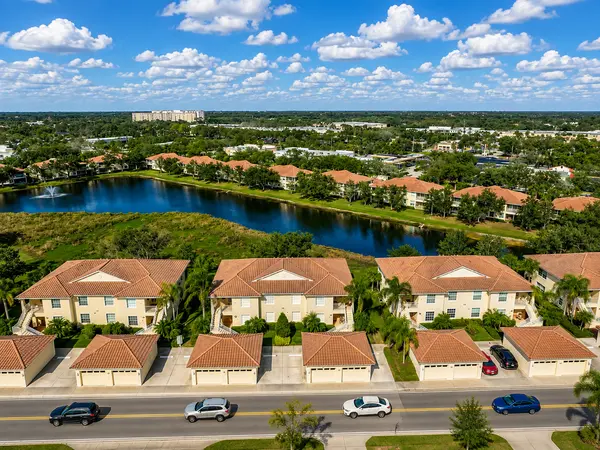
Palm Harbor has a broad housing inventory because the community developed over many decades rather than as a single master-planned project.
Buyers may encounter:
- Established single-family homes
- Golf-course properties
- Gated-community residences
- Waterfront and canalfront homes
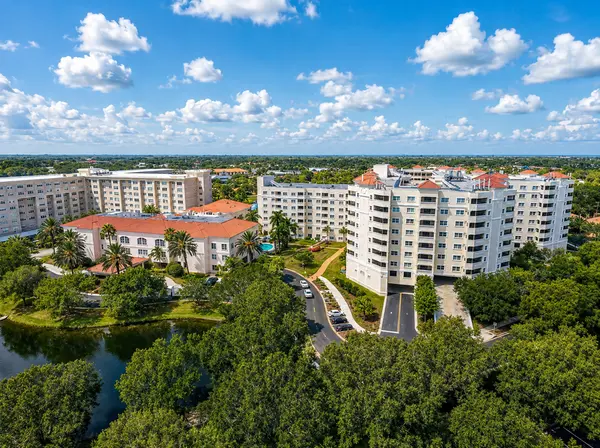
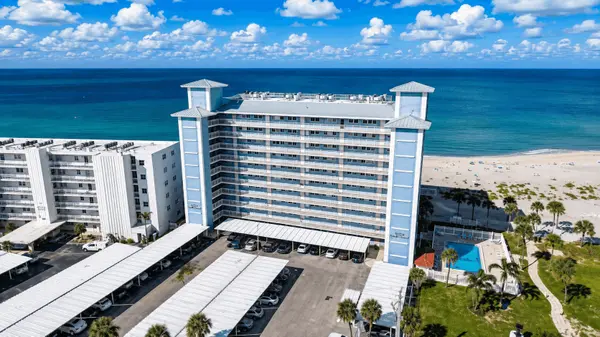
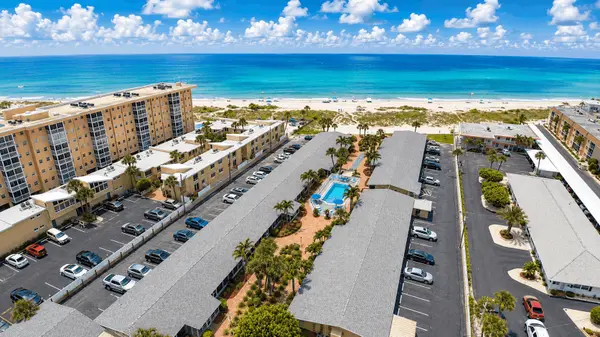
- Condominiums
- Townhomes
- Villa-style residences
- Larger custom and luxury homes
- Age-qualified housing in certain communities
Because construction dates vary considerably, buyers should compare roof age, windows, electrical systems, plumbing, HVAC equipment, wind mitigation features, and renovation quality.
What Are Some Well-Known Palm Harbor Neighborhoods?
Palm Harbor includes numerous subdivisions and condominium communities, each with different housing styles and ownership obligations.
Innisbrook
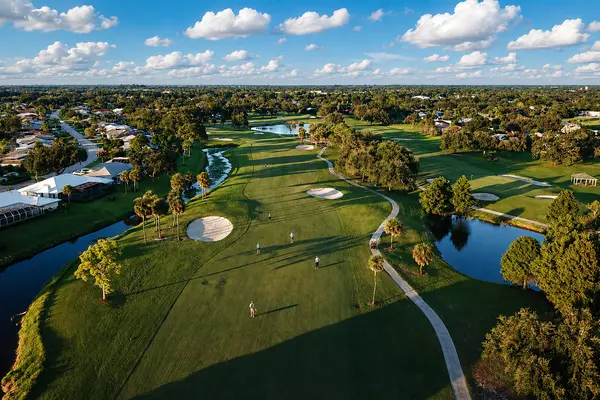
Innisbrook is one of Palm Harbor's best-known golf-oriented destinations. The resort is home to multiple golf courses, including the Copperhead Course, host venue for the PGA TOUR's Valspar Championship.
Residential opportunities in and around the resort include condominiums and other properties with varying ownership arrangements. Resort access, golf privileges, rental programs, association fees, and membership benefits should be verified for the specific residence.
East Lake Woodlands
East Lake Woodlands is a large gated community in the greater Palm Harbor and Oldsmar area with single-family homes, villas, townhomes, and condominiums.
Properties can be subject to multiple association structures, so buyers should verify all applicable fees, rules, and maintenance responsibilities.
Crystal Beach
Crystal Beach is a coastal community within the broader Palm Harbor area. Housing includes established cottages, single-family homes, and larger residences near the Gulf.
Coastal location makes flood zones, elevation, storm exposure, and insurance especially important factors to investigate.
Ozona
Ozona is another established coastal area associated with Palm Harbor. It includes homes near marinas and waterways, with a mix of older residences and newer construction.
Buyers interested in boating should verify dock permits, water depth, bridge restrictions, seawall condition, and navigability for the particular property and vessel.
Ridgemoor
Ridgemoor is an established residential area in eastern Palm Harbor with multiple subdivisions and housing types.
Buyers should investigate the specific subdivision because association structures and amenities can differ within the broader Ridgemoor area.
How Much Does It Cost to Buy a Home in Palm Harbor?
Palm Harbor offers a broad price spectrum rather than a single representative price point.
Recent 2026 market reporting has placed the community's overall median sale price roughly in the low-to-mid $400,000 range, although monthly figures vary by source and by the mix of properties sold.
Condominiums and smaller attached residences may be available below the community median, while updated single-family homes, gated-community properties, golf homes, and waterfront residences can sell well above it.
Buyers should avoid using a community-wide median as an estimate of what a particular property is worth. Location, lot, condition, flood exposure, age, improvements, association obligations, and comparable transactions all matter.
What Costs Should Buyers Consider Beyond the Purchase Price?
A Palm Harbor housing budget should consider more than the mortgage payment.
Potential expenses include:
- Property taxes
- Homeowners insurance
- Flood insurance when required or desired
- Wind-related deductibles
- HOA or condominium assessments
- Special assessments
- Pool maintenance
- Lawn and landscaping
- Roof and exterior maintenance
- Pest control
- Utilities
- Golf or club memberships when applicable
Property-specific insurance quotes and association documents should be obtained before a buyer makes a final decision.
What Are Property Taxes Like in Palm Harbor?
Florida property taxes are based on taxable value and the millage rates imposed by applicable taxing authorities. The amount paid by the current owner is not necessarily what a buyer will pay after purchasing the property.
Florida's homestead exemption and Save Our Homes assessment limitation can create substantial differences between a longtime owner's taxable value and the property's current market value.
The Pinellas County Property Appraiser provides parcel records and property tax estimation resources.
Buyers should estimate taxes based on their anticipated purchase and ownership circumstances rather than assuming the seller's existing tax bill will continue unchanged. Questions about exemptions and individual tax consequences should be reviewed with the appropriate property appraiser resources and a qualified tax professional.
What Are the Schools Like in Palm Harbor?
Palm Harbor is served by Pinellas County Schools.
Public schools associated with the broader Palm Harbor area include Palm Harbor University High School and multiple elementary and middle school options.
Palm Harbor University High School includes specialized programs, including a medical magnet program and an International Baccalaureate program, subject to current district admissions and program requirements.
School assignment should never be assumed from a Palm Harbor mailing address. Boundaries, choice programs, capacity, and enrollment policies can change.
Households for whom school assignment is an important purchasing consideration should verify the specific address directly with the school district before making a housing decision.
What Parks and Outdoor Recreation Are Near Palm Harbor?
Outdoor recreation is one of Palm Harbor's notable geographic advantages. Northern Pinellas County offers parks, trails, waterfront areas, boating opportunities, and Gulf Coast destinations.
The Pinellas Trail
The Fred Marquis Pinellas Trail is a major multi-use trail extending through Pinellas County and passing through Palm Harbor.
It provides opportunities for bicycling, walking, running, and connections between several communities.
Buyers who plan to use the trail frequently may want to compare the actual distance and road crossings between prospective homes and nearby access points.
Wall Springs Park
Wall Springs Park is a Pinellas County park in Palm Harbor built around a historic natural spring.
The park includes trails, boardwalks, observation areas, picnic facilities, and connections to the Pinellas Trail.
John Chesnut Sr. Park
John Chesnut Sr. Park is located along Lake Tarpon and offers trails, picnic facilities, playgrounds, boat access, and opportunities to experience the lake environment.
Honeymoon Island State Park
Nearby Honeymoon Island State Park in Dunedin provides Gulf beaches, nature trails, wildlife viewing, and coastal recreation.
Park access, operating conditions, fees, and facilities should be checked through Florida State Parks before visiting.
How Far Is Palm Harbor From the Beach?
Palm Harbor's location provides access to several coastal destinations, but travel times vary significantly depending on the neighborhood.
A home near Crystal Beach or Ozona is geographically different from a property near East Lake Road. Buyers should therefore evaluate beach access from the actual property rather than relying on a general Palm Harbor travel estimate.
Honeymoon Island State Park is one of the best-known nearby Gulf beach destinations. Fred Howard Park in Tarpon Springs provides another nearby coastal recreation option.
Causeway traffic, weekends, holidays, and seasonal visitor activity can affect driving times.
Is Palm Harbor Good for Golfers?
Golf is a significant recreational feature in and around Palm Harbor.
The best-known local destination is Innisbrook Resort, which features four golf courses, including the Copperhead Course.
The Copperhead Course hosts the PGA TOUR's Valspar Championship.
Golf access, membership, resort privileges, and fees depend on current club policies. Buying a nearby property should not be assumed to include golf privileges unless that right is specifically documented.
What Is the Commute Like From Palm Harbor?
Palm Harbor provides access to employment centers throughout Pinellas and Hillsborough counties, but it is not located directly beside downtown Tampa or downtown St. Petersburg.
Traffic on U.S. 19, Tampa Road, McMullen Booth Road, East Lake Road, and regional bridges can affect commute times.
For someone who works remotely or locally in northern Pinellas County, the location may function differently than it does for a daily commuter to central Tampa.
Before buying, commuters should test their intended route during actual weekday travel periods rather than relying exclusively on an off-peak mapping estimate.
What About Public Transportation?
Palm Harbor is served by the Pinellas Suncoast Transit Authority, commonly known as PSTA.
Routes and service frequencies vary, and many Palm Harbor residents rely on automobiles for daily transportation.
Anyone who expects to depend heavily on transit should check current PSTA routes and schedules from the specific property under consideration.
Does Palm Harbor Have Flood Risk?
Yes. Some Palm Harbor properties have meaningful flood exposure, particularly in coastal or low-lying locations. Other properties may be situated in different flood zones or at higher elevations.
Flood risk should always be evaluated at the individual parcel level.
Buyers can research official flood information through the FEMA Flood Map Service Center and Pinellas County flood maps and flood-zone resources.
Flood Zones and Evacuation Zones Are Not the Same Thing
A flood zone is used to describe flood hazard for purposes including insurance and development requirements. An evacuation zone is used by emergency managers when determining areas that may need to evacuate because of storm surge or other hurricane threats.
The two should not be treated as interchangeable.
Pinellas County provides official tools for researching both.
What Should Buyers Know About Homeowners Insurance?
Insurance is an important component of purchasing property in coastal Florida.
Premiums and coverage availability can be affected by:
- Roof age and type
- Construction year
- Wind mitigation features
- Opening protection
- Flood zone and elevation
- Prior claims
- Replacement cost
- Property type
- Insurer underwriting requirements
Two similarly priced Palm Harbor homes can therefore have very different insurance costs.
Insurance availability, coverage, deductibles, and premiums can vary substantially by property. Buyers should obtain property-specific quotes and review coverage with a qualified insurance professional before making a purchasing decision.
What Should Buyers Inspect in an Older Palm Harbor Home?
Palm Harbor contains housing from many different construction periods. Older homes can offer established lots and desirable locations, but buyers should understand their condition before purchasing.
Areas that may warrant attention include:
- Roof condition and remaining useful life
- Electrical panels and wiring
- Plumbing supply and drain lines
- HVAC systems
- Windows and exterior doors
- Wind mitigation features
- Moisture intrusion
- Termite or wood-destroying organism evidence
- Pool and equipment condition
- Drainage around the property
- Seawalls and docks for waterfront homes
- Permits for previous renovations
Inspection findings should be evaluated with the appropriate licensed inspector, contractor, engineer, or other qualified professional before the buyer makes a decision.
Is Palm Harbor Good for Boating?
Palm Harbor's Gulf Coast location creates boating opportunities, particularly around coastal areas such as Ozona and Crystal Beach.
However, waterfront property should not automatically be assumed to provide unrestricted boating access.
Buyers should verify:
- Water depth
- Tidal conditions
- Bridge clearance
- Dock dimensions
- Boat-lift capacity
- Dock and lift permits
- Seawall condition
- Maintenance responsibilities
- Navigation from the property to open water
A qualified marine contractor, surveyor, permitting authority, and other appropriate professionals can help verify these property-specific issues.
What Are Some Potential Advantages of Living in Palm Harbor?
Palm Harbor's potential advantages depend on a buyer's priorities, but several objective characteristics frequently influence interest in the area.
Access to Gulf Coast Recreation
Beaches, boating, fishing, parks, and trails are available throughout northern Pinellas County.
A Variety of Housing Options
The local housing inventory includes condominiums, townhomes, established subdivisions, golf properties, waterfront residences, and larger luxury homes.
Regional Location
Palm Harbor provides access to Dunedin, Tarpon Springs, Clearwater, Tampa, and other Tampa Bay destinations.
Parks and Trails
Wall Springs Park, John Chesnut Sr. Park, and the Pinellas Trail provide multiple options for outdoor recreation.
Golf
Innisbrook and other nearby golf facilities provide recreational options for golfers, subject to membership and access policies.
What Are Some Potential Drawbacks of Living in Palm Harbor?
No community works equally well for every household. Prospective residents should consider several Palm Harbor tradeoffs.
Traffic
U.S. 19 and other major roads can become congested. Travel times to Tampa, Clearwater, beaches, and other destinations can vary considerably by time and season.
Flood and Storm Exposure
Certain properties have meaningful coastal flood or storm-surge exposure. Buyers should research individual parcels carefully.
Insurance Costs
Florida property insurance can materially affect the total cost of homeownership, particularly for older or coastal properties.
Older Housing Stock
Some Palm Harbor homes may require roof, plumbing, electrical, window, HVAC, or other improvements. Property condition should be evaluated individually.
Limited Urban Transit
Although public transit exists, many residents may find a vehicle useful or necessary for everyday transportation depending on where they live and work.
Palm Harbor vs. Dunedin: What's the Difference?
Palm Harbor and Dunedin are neighboring communities, but they have different governmental structures and housing environments.
Dunedin is an incorporated city with its own municipal government and a well-defined downtown district. Palm Harbor is unincorporated and includes a broader collection of subdivisions, coastal communities, and commercial corridors.
Both provide access to the Pinellas Trail and northern Pinellas County's Gulf Coast recreation.
Buyers should compare actual homes, taxes, insurance, association costs, commute routes, and nearby amenities rather than assuming one location is universally preferable.
Palm Harbor vs. Tarpon Springs: What Should Buyers Compare?
Tarpon Springs lies immediately north of Palm Harbor and is an incorporated city with its own historic downtown and waterfront districts.
Palm Harbor offers access to a wide range of established subdivisions, while Tarpon Springs has its own combination of historic neighborhoods, newer communities, waterfront properties, and inland housing.
Property taxes, flood exposure, insurance, school assignments, association fees, and travel patterns should be compared at the individual-property level.
What Should You Check Before Buying a Home in Palm Harbor?
A thorough property review is particularly important when comparing homes across Palm Harbor's varied neighborhoods.
Buyers should consider verifying:
- Current comparable sales
- Property taxes after purchase
- Flood zone and elevation information
- Evacuation zone
- Homeowners and flood insurance quotes
- Roof age and condition
- Wind mitigation features
- HVAC, plumbing, and electrical systems
- Past permits and renovations
- HOA or condominium documents
- Current and proposed association assessments
- Rental and pet restrictions when applicable
- School assignment when relevant to the household
- Daily commute at actual travel times
- Seawall, dock, and boating conditions for waterfront properties
Questions involving inspections, insurance, title, taxes, financing, structural conditions, flood risk, permits, or legal rights should be reviewed with the appropriate qualified professionals.
So, Is Palm Harbor, Florida a Good Place to Live?
Palm Harbor can be a compelling option for buyers who value access to Gulf Coast recreation, northern Pinellas County parks, the Pinellas Trail, golf, and a broad selection of established residential neighborhoods.
Its location between Dunedin and Tarpon Springs also places residents within the larger Tampa Bay region while offering housing environments that range from coastal communities to inland subdivisions.
At the same time, prospective buyers should account for traffic, property insurance, flood exposure, older housing components, and the potential costs associated with HOA or condominium ownership.
There is no single answer that applies to every household. A buyer who wants to live near the Gulf and works remotely may evaluate Palm Harbor very differently from someone commuting to downtown Tampa five days a week.
The most useful approach is to compare neighborhoods, tour homes, calculate total ownership costs, test commute routes, and investigate insurance and flood conditions before deciding whether Palm Harbor fits your goals.
Explore Palm Harbor and Florida Gulf Coast Real Estate With Hunt Brothers Realty
Moving to a new Florida community involves more than choosing a home. Location, property condition, insurance, taxes, association obligations, transportation, and access to the places you use regularly can all influence the decision.
Hunt Brothers Realty helps buyers and sellers explore real estate opportunities across Florida's Gulf Coast.
If Palm Harbor is on your list, our team can help you compare available properties, evaluate neighborhoods, and understand the real estate considerations that distinguish one home from another.
Visit HuntBrothersRealty.com or contact Hunt Brothers Realty to discuss your Florida home search.
Important Information: This article is provided for general informational and educational purposes only. Real estate prices, taxes, school assignments, association fees, flood information, insurance availability, transportation services, amenities, and community conditions can change. Buyers should independently verify information for the specific property they are considering. Insurance availability, coverage, and premiums can vary substantially by property, so buyers should obtain property-specific quotes from a qualified insurance professional. Questions involving contracts, title, ownership, taxes, financing, inspections, engineering, construction, flood risk, permits, association rights, or other specialized matters should be reviewed with the appropriate licensed real estate professional, Florida real estate attorney, title professional, tax professional, lender, insurance agent, inspector, engineer, contractor, surveyor, association, or government authority before making a decision. Hunt Brothers Realty provides real estate brokerage services and does not provide individualized legal, financial, tax, insurance, lending, inspection, engineering, or other professional advice.
Sources
- Pinellas County Government, local government services, community information, planning, public works, and resources for unincorporated Palm Harbor.
- U.S. Census Bureau, Palm Harbor CDP QuickFacts, population, housing, household, and demographic statistics.
- Redfin, Palm Harbor Housing Market, recent home sale prices and market activity.
- Realtor.com, Palm Harbor Housing Market Overview, listing inventory and housing market context.
- Pinellas County Property Appraiser, parcel records, taxable values, exemptions, and property tax estimation resources.
- Pinellas County Schools, official school information, programs, enrollment, and attendance boundaries.
- Pinellas County, Fred Marquis Pinellas Trail, official trail information and recreational access.
- Pinellas County, Wall Springs Park, official park facilities, trails, boardwalks, and recreation information.
- Pinellas County, John Chesnut Sr. Park, Lake Tarpon recreation, trails, boating access, and park facilities.
- Florida State Parks, Honeymoon Island State Park, official beach, trail, wildlife, and visitor information.
- Innisbrook Golf Resort, Palm Harbor golf courses, resort facilities, and golf information.
- Pinellas Suncoast Transit Authority, current public transportation routes and services.
- Pinellas County Flood Maps and Zones, official local floodplain, flood-zone, and mapping resources.
- FEMA Flood Map Service Center, official federal flood hazard maps and property-specific flood information.
- Greater Palm Harbor Area Chamber of Commerce, local businesses, community events, and Palm Harbor information.
- Hunt Brothers Realty, Florida Gulf Coast real estate information and brokerage services.
Contact Hunt Brothers Realty
46 N. Washington Blvd, Suite 3
Sarasota, FL 34236
Phone: (941) 388-7017
Email: info@huntbrothersrealty.com
Website: www.HuntBrothersRealty.com
Categories
- All Blogs 1889
- Anna Maria Island 82
- Bird Key 4
- Bradenton 234
- Buying a Home 963
- Casey Key 2
- Clearwater 8
- Condos & HOA Living 873
- Ellenton 5
- Englewood 9
- First Time Homebuyers 1066
- Foreclosures 3
- Homeownership 1086
- Lakewood Ranch 20
- Lido Key 27
- Longboat Key 78
- Luxury/Waterfront Properties 1024
- Market Updates & Trends 563
- Mortgages & Financing 38
- Move-Up Buyers 20
- Neighborhood Guides 697
- New Construction 29
- Palmetto 3
- Parrish 6
- Port Charlotte 10
- Punta Gorda 15
- Real Estate Investing 943
- Relocation to Florida 989
- Safety Harbor 2
- Sarasota 65
- Sarasota - Downtown 157
- Selling a Home 142
- Siesta Key 89
- St. Petersburg 6
- Tierra Verde 4
- Vacation & Second Homes 1136
- Venice 72
- Wellen Park 9
Recent Posts