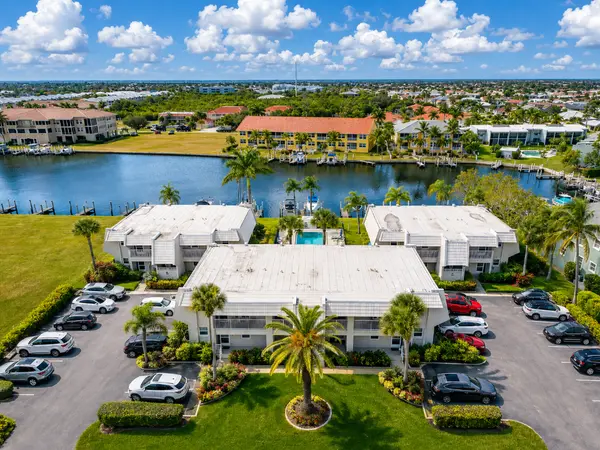
Living in Dunedin, Florida: Downtown Charm, Coastal Access and Neighborhoods
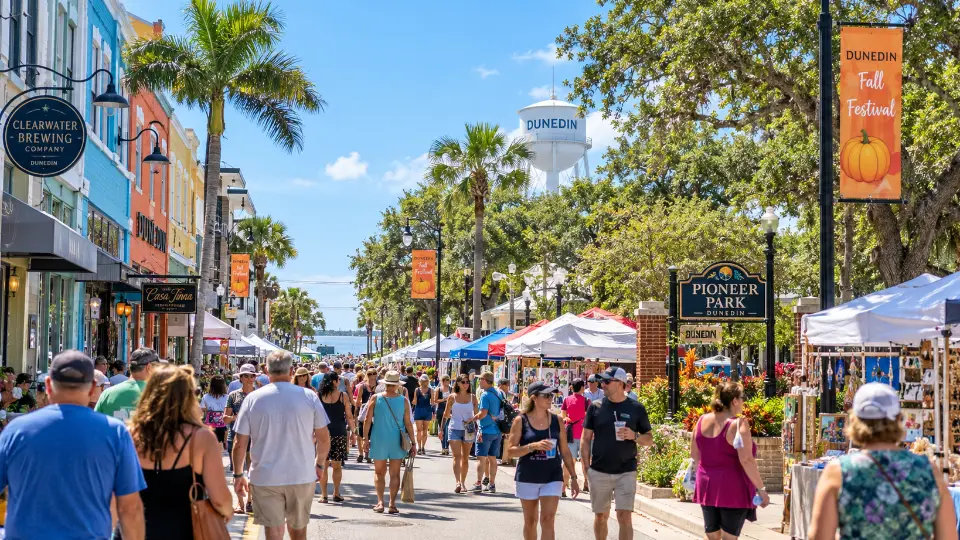
Living in Dunedin, Florida combines a compact downtown, Gulf Coast recreation, the Pinellas Trail, waterfront parks, and access to Honeymoon Island and Caladesi Island with an established mix of single-family homes, condominiums, townhomes, and waterfront properties. Located in northern Pinellas County between Clearwater and Palm Harbor, Dunedin offers several distinct residential settings, from walkable streets near Main Street to the Bayshore waterfront corridor, neighborhoods near Hammock Park, and northern areas closer to the Dunedin Causeway. Buyers should compare specific properties carefully because prices, flood exposure, insurance costs, condominium obligations, parking, waterfront rights, and everyday walkability can change substantially from one address to another.
Quick Answers About Living in Dunedin, Florida
Where is Dunedin, Florida?
Dunedin is in northern Pinellas County on Florida's Gulf Coast, between Clearwater and Palm Harbor. The mainland city fronts St. Joseph Sound, while Honeymoon Island and Caladesi Island provide access to Gulf beaches and barrier-island recreation.
Is Downtown Dunedin walkable?
Downtown Dunedin has a compact concentration of restaurants, shops, breweries, public spaces, the Pinellas Trail, and waterfront destinations. Walkability becomes more address-specific outside the downtown core, so buyers should evaluate actual routes to the destinations they expect to use regularly.
Does Dunedin have Gulf beaches?
Yes, Dunedin provides access to Gulf beaches at Honeymoon Island State Park and Caladesi Island State Park. Most mainland Dunedin neighborhoods are not directly on a sandy Gulf beach, so residents generally travel across the Dunedin Causeway or use ferry access for these beach destinations.
What types of homes can buyers find in Dunedin?
Dunedin has older and renovated single-family homes, condominiums, townhomes, waterfront residences, and properties in established residential neighborhoods. Construction age, lot size, association structure, parking, elevation, storm protection, and maintenance requirements vary significantly.
How much do homes cost in Dunedin in 2026?
Current Hunt Brothers Realty research using Redfin market data reports an approximately $462,194 median sale price across Dunedin for the three months ending August 2026, up approximately 4.7% from the same period a year earlier. That citywide median reflects the mix of homes sold and should not be used as an appraisal, forecast, or expected price for a particular property.
Does Dunedin have flood and hurricane exposure?
Yes. Coastal Dunedin is exposed to hurricanes, tropical weather, heavy rainfall, flooding, and storm surge, but the level of risk is property-specific. Pinellas County advises residents and buyers to check both the FEMA flood zone and hurricane evacuation zone because they measure different risks.
What areas of Dunedin should home buyers compare?
Useful areas to compare include Downtown Dunedin and surrounding residential streets, the Bayshore Boulevard and waterfront corridor, neighborhoods near Hammock Park, and northern Dunedin near Curlew Road and the Dunedin Causeway. The best location depends on the buyer's housing preferences, budget, transportation needs, desired proximity to recreation, and property-specific risk factors.
Is Dunedin part of the Tampa Bay area?
Yes. Dunedin is part of the larger Tampa Bay metropolitan region. Its Pinellas County location gives residents access to Clearwater, Palm Harbor, St. Petersburg, Tampa, regional employment centers, healthcare, airports, shopping, and entertainment, although actual travel times depend on route and traffic conditions.
Where Is Dunedin, Florida?
Dunedin is a Pinellas County city on Florida's west coast, north of Clearwater and south of Palm Harbor. Its western edge follows St. Joseph Sound, with Honeymoon Island and Caladesi Island forming part of the coastal landscape farther west.
This geography helps explain Dunedin's combination of waterfront recreation and mainland residential neighborhoods. A Dunedin address can be near the water without being directly on the Gulf of Mexico, and a water view does not automatically mean a property has private boating access.
Dunedin also functions as part of the larger Tampa Bay region rather than an isolated beach town. Clearwater, Palm Harbor, Tarpon Springs, St. Petersburg, and Tampa can all be relevant for employment, healthcare, shopping, entertainment, and regional transportation.
What Makes Downtown Dunedin Distinctive?
Downtown Dunedin combines a compact Main Street commercial district with restaurants, cafés, breweries, shops, public spaces, the Pinellas Trail, and nearby waterfront access. The City of Dunedin describes its downtown as walkable and emphasizes the connection between the downtown core and waterfront.
Main Street and Douglas Avenue form part of the area's commercial center, while the Pinellas Trail passes directly through downtown. To the west, Edgewater Park and Dunedin Marina connect the downtown environment with St. Joseph Sound.
For home buyers, proximity to downtown can reduce the distance to restaurants, events, the trail, and waterfront parks. The tradeoff is that individual streets can experience different levels of restaurant activity, event traffic, parking demand, and visitor activity. A serious buyer should experience a prospective location on an ordinary weekday as well as during a busier evening or community event.
How Does the Pinellas Trail Shape Life in Dunedin?
The Pinellas Trail gives Dunedin a major walking and cycling corridor that passes through the community and directly through its downtown area. It connects Dunedin with a larger regional trail network rather than functioning only as a neighborhood path.
For buyers who prioritize cycling or walking, proximity to a trail entrance can be an objective property-search criterion. However, being "near the trail" can mean very different things depending on the street, crossing, and actual route from the home.
Buyers should test the route themselves and consider street crossings, traffic, lighting, parking, and the distance to the destinations they intend to reach. A map distance alone does not establish that a particular trip will be practical for every person.
What Waterfront Recreation Is Available Near Downtown?
Downtown Dunedin is close to St. Joseph Sound, Dunedin Marina, and waterfront parks rather than a broad sandy Gulf beach. Edgewater Park is a scenic waterfront park next to the marina, giving the downtown district a direct connection to the water.
This distinction matters when evaluating real estate marketing. A home advertised as near Dunedin's waterfront may be convenient to the sound, marina, parks, or coastal views without being within walking distance of Gulf beach swimming.
Private boating rights are also property-specific. A water view does not establish a deeded dock, marina slip, navigable frontage, or transferable boating rights. Those features should be independently verified when they are material to a purchase.
Where Are Dunedin's Gulf Beaches?
Dunedin's best-known Gulf beach access is at Honeymoon Island State Park. Florida State Parks identifies more than four miles of beach along with swimming, fishing, shelling, hiking, bicycling, paddling, and wildlife-viewing opportunities.
The park is reached by traveling west across the Dunedin Causeway. The City describes the causeway as a 2.5-mile route surrounded by water that connects Bayshore Boulevard with the entrance to Honeymoon Island.
Florida State Parks currently lists Honeymoon Island as open from 8 a.m. until sundown, 365 days a year, with standard vehicle admission charges. Park hours, fees, parking, shoreline conditions, swimming conditions, and temporary closures can change, so visitors should check the official park page before traveling.
What Should Residents Know About Current Honeymoon Island Conditions?
Honeymoon Island remains a major Dunedin recreation destination, but coastal conditions are dynamic. Florida State Parks currently warns that erosion and sand migration have separated the northernmost portion of the sandspit from the main island.
The state advises visitors not to attempt to cross the water at that cut because water depth, currents, and underwater hazards can change rapidly. Coastal storms and flooding can also temporarily affect parking or other facilities.
These conditions are another reminder that proximity to a barrier-island beach is different from a fixed urban amenity. Residents should check current Florida State Parks notices when planning a beach day.
How Do You Reach Caladesi Island from Dunedin?
Ferry service to Caladesi Island State Park departs from Honeymoon Island. Florida State Parks also provides for arrival by private boat and kayak under applicable park rules.
Caladesi offers beach access and a less developed barrier-island environment. Current state information identifies beach facilities, picnic areas, restrooms, elevated boardwalk access, and ferry service from Honeymoon Island.
Ferry schedules, prices, dock availability, weather conditions, and operating arrangements can change. Residents should verify current conditions with Florida State Parks and the ferry operator rather than relying on an older schedule.
What Are Dunedin's Main Residential Areas to Compare?
Dunedin has several distinct residential settings rather than one uniform housing environment. Buyers can compare areas based on objective characteristics such as downtown proximity, coastal access, parks, lot size, property type, road access, flood exposure, and association structure.
Four useful search areas are Downtown Dunedin and surrounding streets, the Bayshore Boulevard and waterfront corridor, residential areas around Hammock Park, and northern Dunedin near Curlew Road and the Dunedin Causeway.
What is it like to live near Downtown Dunedin?
Living near downtown can place restaurants, shops, the Pinellas Trail, community events, Edgewater Park, and the marina within a relatively compact area. Housing can include established single-family homes, renovated properties, condominiums, and townhomes.
The exact experience varies by block. Buyers should investigate parking, traffic patterns, nearby commercial uses, event activity, property age, lot configuration, and whether the desired destinations are realistically walkable from the specific address.
What is the Bayshore Boulevard and waterfront corridor like?
The Bayshore corridor follows Dunedin's coastal side and provides access toward St. Joseph Sound, waterfront parks, the Causeway, and northern Dunedin. Buyers can encounter condominiums, established single-family homes, and properties with varying degrees of water proximity or views.
Water proximity makes property-specific due diligence particularly important. Flood zones, evacuation zones, elevation, insurance, storm exposure, building condition, seawall responsibility, docks, and association obligations can differ substantially between properties.
What should buyers know about neighborhoods near Hammock Park?
Residential areas around Hammock Park provide access to one of Dunedin's significant natural areas. The City park map identifies approximately 98 acres with wooded preserve areas, trails, boardwalks, tidal creeks, recreational facilities, and connections toward the Pinellas Trail.
Homes surrounding the park vary in age, size, lot configuration, renovation history, and distance from actual park entrances. Buyers prioritizing park access should evaluate the walking or cycling route from a specific property rather than assuming every nearby street has equivalent access.
What is northern Dunedin near Curlew Road and the Causeway like?
Northern Dunedin provides convenient road access toward the Dunedin Causeway, Honeymoon Island, Palm Harbor, and northern Pinellas County. Housing includes a mix of single-family residences and condominium communities depending on the specific location.
Beach traffic is a practical consideration in this part of the city. Causeway and coastal routes can experience heavier traffic when beach demand is high, so buyers should test common travel routes at the times they expect to use them.
What Types of Homes Are Available in Dunedin?
Dunedin's housing stock includes established single-family homes, renovated older residences, condominiums, townhomes, waterfront properties, and smaller residential communities. Buyers should expect considerably more variation than they would find in a recently built master-planned development.
An older house near downtown can have different maintenance, insurance, electrical, plumbing, roofing, drainage, and wind-mitigation considerations from a newer townhome or condominium. Likewise, a waterfront condominium may involve association insurance, reserves, assessments, structural maintenance, flood considerations, and use restrictions that do not apply in the same way to a detached inland home.
Buyers should compare properties on their actual characteristics rather than assuming that one neighborhood name establishes construction quality, condition, insurance cost, or future maintenance needs.
How Much Do Dunedin Homes Cost in 2026?
Dunedin's citywide median sale price was approximately $462,194 for the three months ending August 2026, according to Redfin data reported in Hunt Brothers Realty's current 2026 Florida Gulf Coast comparison. That represented an approximately 4.7% increase from the comparable period a year earlier.
A citywide median is only a market reference point. It combines different property types, locations, sizes, ages, and conditions. A condominium, an older inland home, a renovated property near downtown, and a waterfront residence should not be expected to follow one standard price.
Buyers should evaluate current comparable properties and the complete cost of ownership rather than using a citywide median to determine what an individual property is worth. Pricing, appraisal, financing, and affordability questions should be evaluated using current property-specific information and the appropriate licensed real estate, appraisal, and lending professionals.
What Does It Really Cost to Own a Home in Dunedin?
The real cost of owning a Dunedin property can include much more than the purchase price and mortgage payment. Property taxes, homeowners insurance, flood insurance when applicable, condominium or HOA fees, maintenance, utilities, storm preparation, and future repairs can materially affect the household budget.
Older homes may require different maintenance planning than newer properties. Condominiums can shift some maintenance to an association while introducing regular assessments, insurance arrangements, reserve funding, and possible special assessments.
Waterfront and coastal properties can have additional insurance, flood, seawall, dock, corrosion, or storm-related considerations. Buyers should build a property-specific ownership budget and obtain current insurance and financing information rather than relying on the seller's historical costs.
What Should Buyers Know About Flood Zones in Dunedin?
Flood risk in Dunedin is property-specific, and a flood zone is not the same thing as a hurricane evacuation zone. Pinellas County specifically advises residents to know both designations.
FEMA flood zones are used to describe mapped flood risk, while evacuation zones are based on vulnerability to hurricane storm surge. Pinellas County notes that a property can be in a non-evacuation area while still having flood exposure from another source.
Buyers should use the Pinellas County flood mapping resources and current evacuation-zone information for the specific address. Elevation, drainage, previous flooding, building design, and site conditions may also warrant review with an appropriate surveyor, inspector, engineer, flood professional, or other qualified specialist.
What Should Dunedin Buyers Know About Home and Flood Insurance?
Insurance costs and availability can differ substantially from one Dunedin property to another. Location, elevation, roof age and condition, construction characteristics, wind-mitigation features, claims history, flood exposure, property type, and insurer underwriting can all matter.
Pinellas County explains that most standard homeowners and renters policies do not cover flood damage. Flood insurance is separate, and coverage requirements can also depend on the property and financing.
Insurance availability, coverage, deductibles, and premiums can vary substantially by property. Buyers should obtain property-specific homeowners, wind, condominium, and flood quotes as applicable and review coverage, exclusions, deductibles, and insurance responsibilities with a qualified insurance professional before making a purchasing decision.
What Should Buyers Know About Dunedin Condominiums?
Dunedin condominiums can provide alternatives to detached-home ownership, particularly near the waterfront and established residential corridors, but buyers should evaluate the association as carefully as the individual unit.
Relevant issues can include regular assessments, reserves, insurance, deductibles, building maintenance, recent repairs, special assessments, parking, storage, pets, rentals, structural inspection requirements when applicable, and responsibility for exterior components.
A waterfront view should not substitute for financial and building due diligence. Buyers should obtain current association records and consult the appropriate real estate, insurance, inspection, engineering, lending, legal, and association professionals when individualized review is needed.
Can You Use a Golf Cart in Dunedin?
Golf carts can operate on designated Dunedin streets and bridges under applicable city rules, but Dunedin should not be treated as a place where a golf cart can legally travel on every road. The City also provides golf-cart parking in the downtown area.
A buyer who considers golf-cart access important should verify the current City of Dunedin rules and map the legal route from the prospective property to downtown or other intended destinations. Road classifications, crossings, equipment requirements, and permitted routes can change.
What Parks and Outdoor Spaces Are Available in Dunedin?
Dunedin offers a combination of waterfront parks, natural areas, recreation facilities, trails, and coastal destinations. These spaces are distributed throughout the city rather than concentrated only around the downtown core.
- Edgewater Park: A waterfront park next to Dunedin Marina and close to downtown.
- Hammock Park: A large natural area with wooded habitat, trails, boardwalks, tidal creeks, and recreational facilities.
- Weaver Park: A waterfront recreation area with access to the Pinellas Trail.
- Dunedin Causeway: A coastal corridor used for walking, cycling, fishing, paddling, and other waterfront recreation.
- Honeymoon Island State Park: A barrier-island state park with Gulf beaches and nature trails.
- Caladesi Island State Park: A barrier-island destination reached by ferry, private boat, or kayak under applicable conditions.
Prospective residents who prioritize a particular park should evaluate actual travel distance, parking, trail connections, operating hours, and current facility conditions from the home they are considering.
What Golf Options Are Available in Dunedin?
Dunedin Golf Club is a city-owned Donald Ross course that reopened to the public in December 2024 after completion of a major restoration. The City also operates Stirling Park Driving Range.
Golf access is therefore available without assuming that a buyer must purchase inside a private golf community. Current tee-time access, pricing, memberships, restaurant operations, tournaments, and course policies should be verified directly with the golf facility.
What Are the Tradeoffs of Living in Dunedin?
Dunedin offers downtown activity, coastal recreation, parks, trail access, and varied housing, but buyers should also evaluate the practical tradeoffs that accompany those features. The most important considerations are property-specific rather than reasons to label the entire city positively or negatively.
- Coastal weather exposure: Hurricanes, storm surge, heavy rainfall, and flooding require property-specific planning.
- Insurance: Premiums and coverage can materially affect ownership costs.
- Event activity: Downtown festivals and popular destinations can increase traffic and parking demand.
- Beach traffic: Routes toward the Dunedin Causeway and Honeymoon Island can become busier during high-demand periods.
- Older housing: Established homes may require closer evaluation of roofs, electrical systems, plumbing, HVAC, windows, drainage, and renovations.
- Condominium obligations: Association fees, reserves, insurance, restrictions, and assessments require careful review.
- Transportation: Downtown can be walkable, but many everyday or regional trips still require a vehicle.
How Does Dunedin Compare With Clearwater and Palm Harbor?
Dunedin, Clearwater, and Palm Harbor offer different combinations of housing, coastal access, commercial areas, recreation, and transportation. Comparing specific properties and daily travel patterns is more useful than declaring one community universally better.
How does Dunedin compare with Clearwater?
Clearwater is a larger city with a wider geographic footprint and access to Clearwater Beach, while Dunedin has a smaller downtown core and direct access toward Honeymoon Island. Housing type, price, flood exposure, commute, and insurance should be compared at the property level.
How does Dunedin compare with Palm Harbor?
Palm Harbor is immediately north of Dunedin and offers additional established neighborhoods, golf-oriented properties, and suburban residential choices. Dunedin differs through its incorporated city structure, compact downtown, waterfront parks, and direct Causeway connection to Honeymoon Island.
Hunt Brothers Realty's Florida Gulf Coast living guide provides a broader comparison of Dunedin with other coastal Florida markets.
What Should You Check Before Buying a Home in Dunedin?
A Dunedin home purchase should be evaluated at the address and property level. Citywide descriptions of walkability, waterfront access, pricing, or flood exposure cannot substitute for due diligence on the actual home.
- Check the current FEMA flood zone.
- Check the separate Pinellas County hurricane evacuation zone.
- Obtain property-specific homeowners and flood insurance quotes as applicable.
- Arrange an appropriate home inspection.
- Investigate roof age, condition, permits, and available replacement history.
- Review electrical, plumbing, HVAC, windows, doors, and storm-protection features.
- Investigate available records for prior storm or flood repairs when relevant.
- Estimate property taxes based on the buyer's circumstances rather than relying on the seller's current bill.
- Review condominium or HOA budgets, reserves, assessments, insurance, and restrictions when applicable.
- Verify parking and storage rights.
- Verify dock, seawall, marina, and boating rights for waterfront properties.
- Evaluate actual walking, cycling, and driving routes from the property.
- Visit the area at different times to understand ordinary traffic and event activity.
- Calculate the complete expected annual ownership cost.
Property condition should be evaluated with the appropriate licensed inspector, contractor, engineer, electrician, plumber, roofer, or other qualified professional. Insurance should be reviewed with a licensed insurance professional, financing with an appropriate lender, tax consequences with a qualified tax professional, and legal, title, ownership, association, or waterfront-rights questions with the appropriate title professional or qualified Florida real estate attorney.
Who Might Consider Dunedin in a Florida Home Search?
Dunedin may be worth comparing for buyers whose search priorities align with its objective location, housing, and recreation characteristics.
- A compact downtown with restaurants and shops
- Direct access to the Pinellas Trail
- Waterfront parks and St. Joseph Sound
- Access to Honeymoon Island and Caladesi Island
- Established single-family neighborhoods
- Condominium and townhome options
- Waterfront property opportunities
- Parks and natural areas
- Public golf
- Access to Clearwater, Palm Harbor, and the broader Tampa Bay region
The right fit depends on the specific property, budget, transportation needs, desired housing type, insurance considerations, and tolerance for coastal weather exposure. Buyers should compare objective property and location characteristics rather than relying on generalized rankings of neighborhoods.
Is Dunedin, Florida Worth Considering for a Move?
Dunedin is worth considering for buyers who prioritize a compact downtown, trail access, waterfront recreation, Gulf beach access, established neighborhoods, and proximity to the larger Tampa Bay region. Its combination of Main Street, the Pinellas Trail, St. Joseph Sound, Dunedin Causeway, Honeymoon Island, and Caladesi Island gives the city a distinctive geographic and recreational profile.
The housing search still requires careful property-level comparison. A downtown bungalow, inland single-family home, waterfront condominium, and residence near the Causeway can have very different purchase prices, insurance costs, flood exposure, maintenance responsibilities, parking arrangements, and association obligations.
For a broader look at the city, read Hunt Brothers Realty's 2026 guide to living in Dunedin, Florida and compare Dunedin with other communities in the best places to live on Florida's Gulf Coast.
Explore Dunedin Real Estate With Hunt Brothers Realty
If you are considering a move to Dunedin, the most useful next step is to compare actual properties across the residential settings that match your priorities. Downtown proximity, trail access, beach routes, waterfront exposure, property age, association structure, flood risk, insurance, and total ownership cost can produce very different buying decisions within the same city.
Contact Hunt Brothers Realty to discuss Dunedin real estate and compare current opportunities with other Florida Gulf Coast communities.
This article is provided for general informational and educational purposes only. It is not individualized legal, financial, tax, insurance, lending, inspection, engineering, construction, title, association, flood, survey, permitting, or other professional advice. Real estate prices, taxes, insurance availability, flood conditions, evacuation designations, association obligations, property condition, waterfront rights, financing, and ownership costs vary by property and can change. Buyers should verify material information for the specific address with a licensed real estate professional and the appropriate qualified insurance professional, lender, tax professional, home inspector, engineer, contractor, title or closing professional, surveyor, association, local government or permitting authority, Florida real estate attorney, or other qualified professional before making a purchasing decision.
Sources
- City of Dunedin, city services, downtown, waterfront, recreation, golf-cart and community information.
- Florida State Parks, Honeymoon Island State Park, beaches, recreation, operating information and current shoreline advisory.
- Florida State Parks, Caladesi Island State Park, island access, recreation and amenities.
- Pinellas County, Flood Maps and Zones, flood risk, storm surge and evacuation-zone information.
- Pinellas County, Guide to Flood Information, flood insurance and property-specific flood-risk guidance.
- Hunt Brothers Realty, Is Dunedin, Florida a Good Place to Live? 2026 Guide.
- Hunt Brothers Realty, Best Places to Live on Florida's Gulf Coast, 2026 Guide.
- Hunt Brothers Realty, Things to Do in Dunedin, Florida in October 2026, current Dunedin recreation and coastal-access research.
Hunt Brothers Realty
46 N. Washington Blvd, Ste 3, Sarasota, FL 34236
Phone: (941) 388-7017
Email: info@huntbrothersrealty.com
Website: HuntBrothersRealty.com
Categories
- All Blogs 2252
- Anna Maria Island 86
- Bird Key 4
- Bradenton 237
- Buying a Home 1303
- Casey Key 2
- Clearwater 12
- Condos & HOA Living 1223
- Ellenton 6
- Englewood 12
- First Time Homebuyers 1415
- Foreclosures 5
- Home Selling 7
- Homeownership 1441
- Lakewood Ranch 25
- Lido Key 28
- Longboat Key 80
- Luxury/Waterfront Properties 1382
- Market Updates & Trends 900
- Mortgages & Financing 66
- Move-Up Buyers 25
- Neighborhood Guides 1016
- New Construction 37
- Palmetto 3
- Parrish 6
- Port Charlotte 12
- Punta Gorda 69
- Real Estate Investing 1297
- Relocation to Florida 1335
- Safety Harbor 3
- Sarasota 94
- Sarasota - Downtown 165
- Selling a Home 146
- Siesta Key 92
- St. Petersburg 8
- Tierra Verde 5
- Vacation & Second Homes 1492
- Venice 209
- Wellen Park 20
Recent Posts