What Is Homestead Exemption and How Does It Work in Florida?

Florida Homestead Exemption is a property-tax benefit for qualifying owners who make a Florida property their permanent residence. It reduces taxable value and also makes qualifying property eligible for the Save Our Homes assessment limitation. For 2026, the traditional first $25,000 exemption applies to all property taxes, including school district taxes, while the additional inflation-adjusted exemption is $26,411 and applies to qualifying value for non-school levies. Eligibility generally depends on ownership and permanent residency as of January 1. Homeowners apply through the county property appraiser, and the standard timely filing deadline is March 1.
Quick Answers About Florida Homestead Exemption
What does Florida Homestead Exemption do?
It reduces the taxable value of a qualifying permanent residence for property-tax purposes. Homesteaded property can also qualify for Florida's Save Our Homes assessment limitation, which can provide an important long-term benefit.
How much is the Florida Homestead Exemption in 2026?
The first $25,000 applies to all property taxes, including school district taxes. For 2026, the additional inflation-adjusted exemption is $26,411 and applies to qualifying assessed value above $50,000 for non-school levies. This means the potential exemption for applicable non-school levies can reach $51,411 in 2026, depending on the property's assessed value.
Who qualifies for Homestead Exemption in Florida?
Generally, an applicant must hold qualifying legal or beneficial title to Florida real property and make it the applicant's permanent residence, or the permanent residence of a qualifying dependent, as of January 1 of the applicable tax year. The county property appraiser determines eligibility.
What is the deadline to file for Florida Homestead Exemption?
The standard deadline for timely filing is March 1 of the tax year for which the exemption is requested. If you miss that deadline, contact the property appraiser in the county where the property is located promptly to determine whether any late-filing provisions apply to your circumstances.
What is Save Our Homes?
Save Our Homes is an assessment limitation for qualifying homestead property. After the limitation applies, annual increases in assessed value are generally limited to the lesser of 3 percent or the applicable Consumer Price Index change. For 2026, the limitation is 2.7 percent.
Does Homestead Exemption transfer when you move?
No. You must apply for Homestead Exemption on the new qualifying residence. However, eligible Florida homeowners may be able to transfer, or port, some or all of their accumulated Save Our Homes assessment difference to a new Florida homestead.
Can a second home or investment property receive Homestead Exemption?
Generally, not merely because you own the property. Florida Homestead Exemption is tied to a qualifying permanent residence, not simply Florida property ownership. Owners with unusual residency, title or occupancy circumstances should verify eligibility with the county property appraiser.
Do you have to reapply for Homestead Exemption every year?
Generally, no. Once approved, Homestead Exemption is typically renewed as long as the property and owner continue to qualify. Owners are responsible for reporting changes that may affect eligibility, including certain ownership or property-use changes.
What Is Florida Homestead Exemption?
Florida Homestead Exemption is a property-tax exemption available to qualifying owners who make Florida real property their permanent residence or the permanent residence of a qualifying dependent.
The Florida Department of Revenue explains that Homestead Exemption reduces taxable value and also qualifies the home for the Save Our Homes assessment limitation.
That makes Homestead Exemption more than a one-year reduction in taxable value. For homeowners who continue to qualify over many years, Save Our Homes can create a growing difference between the property's just value and its assessed value.
Hunt Brothers Realty's Florida Homestead Exemption 2026 Guide provides an additional homeowner-focused overview of these benefits and filing considerations.
How Much Is the Florida Homestead Exemption in 2026?
For 2026, Florida's homestead structure includes a first $25,000 exemption plus an additional inflation-adjusted exemption of up to $26,411 for applicable non-school levies. The two portions do not apply identically to every tax on the property bill.
How does the first $25,000 exemption work?
The first $25,000 of Homestead Exemption applies to all property taxes, including school district taxes, for a qualifying property with sufficient assessed value.
How does the additional exemption work in 2026?
The additional exemption applies to qualifying assessed value above $50,000 and does not apply to school district taxes. Florida voters approved an inflation adjustment to this portion of the exemption, effective beginning with the 2025 tax year.
According to the Florida Department of Revenue's 2026 inflation adjustment, the additional exemption increased to $26,411 for 2026. As a result, a qualifying property can potentially receive up to $51,411 in total exemption value for applicable non-school levies in 2026, subject to the property's assessed value and the statutory structure.
Does a $51,411 Exemption Mean You Save $51,411 in Taxes?
No. Homestead Exemption reduces taxable value, it is not a dollar-for-dollar tax credit. The amount you actually save depends on the taxable value of the property and the tax rates imposed by the applicable taxing authorities.
For example, reducing taxable value by $25,000 does not mean the homeowner receives a $25,000 reduction in the property tax bill. Instead, applicable tax rates are calculated using a lower taxable value.
Because the additional homestead portion does not apply to school district levies, the exact savings also vary among the different taxing authorities shown on the property-tax record.
Who Qualifies for Homestead Exemption in Florida?
Eligibility generally requires qualifying ownership of Florida real property and use of that property as the owner's permanent residence, or the permanent residence of a qualifying dependent, as of January 1 of the applicable tax year.
The Florida Department of Revenue's Homestead Exemption guide explains the statewide framework, while the county property appraiser reviews individual applications and determines whether a parcel qualifies.
Important factors can include:
- Qualifying legal or beneficial ownership of the property
- Permanent Florida residency
- Use of the property as the permanent residence
- Ownership and residency status as of January 1
- The way title to the property is held
- Immigration or residency status when applicable
Residency and title situations can become fact-specific. Homeowners with trusts, life estates, multiple residences, unusual title arrangements or other circumstances should confirm eligibility directly with the county property appraiser and consult an appropriate tax or legal professional when individualized guidance is necessary.
When Must You Own and Occupy the Florida Home?
January 1 is the key qualification date. To receive Homestead Exemption for a particular tax year, the applicant generally needs to meet the applicable ownership and permanent-residence requirements as of January 1 of that year.
This creates an important timing issue for homebuyers. If you purchase a Florida home after January 1, you generally would not qualify for that year's Homestead Exemption based on the new purchase. Instead, you may qualify for the following tax year if you meet the requirements on the next January 1.
For example, a buyer who purchases a home in October 2026 and establishes it as a qualifying permanent residence would generally look to January 1, 2027 as the relevant qualification date for the 2027 exemption.
What Is the Florida Homestead Exemption Filing Deadline?
The standard deadline for timely filing for Homestead Exemption is March 1 of the tax year for which the exemption is requested. Applications are filed with the property appraiser in the county where the home is located.
The Florida Department of Revenue directs property owners to submit applications and supporting documentation to their county property appraiser because that office determines whether the parcel qualifies.
If you miss March 1, do not simply assume you have lost every possibility of receiving the exemption for that year. Florida law provides procedures that can apply to late applications under specified circumstances. Contact your county property appraiser promptly to determine the applicable deadline and requirements rather than relying on a general online explanation.
How Do You Apply for Florida Homestead Exemption?
You apply through the property appraiser for the Florida county where the property is located. Many counties provide online filing in addition to other filing methods.
The statewide application is associated with Form DR-501, Original Application for Homestead and Related Tax Exemptions. County property appraisers may provide electronic systems that collect the information needed for the application.
Depending on your circumstances and county procedures, information or documents requested can include:
- Florida driver's license or identification information
- Social Security numbers
- Property ownership information
- Vehicle registration information
- Voter registration information when applicable
- Immigration or permanent-residency documentation when applicable
- Trust documentation when the property is held in a trust
- Information about a previous Florida homestead when applying for portability
Document requirements can vary with the applicant's circumstances. Confirm the current requirements directly with the county property appraiser before filing.
What Is Save Our Homes and How Is It Different From Homestead Exemption?
Homestead Exemption reduces taxable value, while Save Our Homes limits how quickly the assessed value of qualifying homestead property can increase in later years. They are related benefits, but they perform different functions.
According to the Florida Department of Revenue's Save Our Homes guidance, after the first year a home receives Homestead Exemption and the property appraiser assesses it at just value, the assessment for each following year generally cannot increase by more than the lesser of:
- 3 percent of the prior year's assessed value, or
- The applicable percentage change in the Consumer Price Index.
For 2026, the applicable CPI change is 2.7 percent. Because 2.7 percent is lower than 3 percent, the 2026 Save Our Homes assessment limitation is 2.7 percent for qualifying property.
Does Save Our Homes Mean Property Taxes Can Never Rise More Than 3 Percent?
No. Save Our Homes is an assessment limitation, not a universal cap on the total property-tax bill. Describing it simply as a "3 percent property tax cap" can therefore be misleading.
The limitation applies to assessed value. The final tax bill can also be affected by tax rates, exemptions, property improvements, non-ad valorem assessments and other property-specific factors.
Hunt Brothers Realty's guide to how much property taxes can change after buying a house explains the difference between assessed-value limitations and the actual tax bill in more detail.
Why Can Save Our Homes Become Valuable Over Time?
Save Our Homes can create a growing difference between a property's just value and assessed value when market values increase faster than the applicable annual assessment limitation.
Suppose a qualifying homeowner remains in a homesteaded property for many years while market values rise. The county property appraiser may determine a substantially higher just value, while the assessed value increases more slowly because of Save Our Homes.
The difference between just value and assessed value created by this limitation is commonly called the Save Our Homes assessment difference or benefit. That difference becomes important when the homeowner moves because eligible homeowners may be able to transfer some or all of it through portability.
What Is Florida Homestead Portability?
Portability allows an eligible Florida homeowner to transfer some or all of the homeowner's accumulated Save Our Homes assessment difference from a previous Florida homestead to a new qualifying Florida homestead. It does not transfer the Homestead Exemption itself.
This distinction is important. When you move, you apply for a new Homestead Exemption on the new residence. If eligible, you separately apply to transfer your Save Our Homes assessment difference.
Current Florida guidance allows eligible homeowners to transfer up to $500,000 of Save Our Homes benefit. The new homestead generally must be established within three tax years after abandonment of the previous Florida homestead. The amount that can actually be transferred depends on the values of the old and new homesteads and the applicable portability calculation.
Portability can materially affect a homeowner's future assessed value. Verify your eligibility and estimated portability amount with the county property appraiser, and consult a qualified tax professional if the tax consequences are material to a purchase or move.
Does the Seller's Homestead Exemption Transfer to the Buyer?
No. A seller's Homestead Exemption does not become the buyer's exemption. The buyer must independently qualify and apply for Homestead Exemption based on the buyer's own ownership and permanent-residency circumstances.
This is particularly important when reviewing a home for sale because the seller may have owned and homesteaded the property for many years. The seller's current tax bill may reflect both Homestead Exemption and a substantial accumulated Save Our Homes benefit.
After a qualifying ownership change, that tax history generally does not remain intact for the new buyer. Hunt Brothers Realty's Florida Property Taxes After Buying a Home guide explains why the seller's existing tax bill can be misleading when estimating future ownership costs.
What Happens to Property Taxes After You Buy a Florida Home?
A qualifying ownership change generally results in the property being reassessed at just value as of January 1 following the change in ownership. This can make the buyer's future property taxes substantially different from the seller's historical taxes.
The buyer can then receive Homestead Exemption and Save Our Homes treatment if the buyer and property qualify, but the buyer begins with the new ownership circumstances rather than simply inheriting the seller's accumulated assessment history.
For this reason, buyers should use the appropriate county property appraiser's tax-estimation resources rather than assuming the seller's current tax bill will continue after closing.
Can You Claim Homestead Exemption on a Second Home?
Generally, a Florida vacation home or seasonal property does not qualify merely because you own it. The Homestead Exemption is tied to a qualifying permanent residence.
This distinction matters for buyers who divide their time between Florida and another state. Simply spending part of the year in Florida does not by itself establish eligibility for Homestead Exemption.
Permanent residency can involve multiple facts, and tax consequences can extend beyond property taxes. Buyers establishing or changing residency should verify Homestead Exemption requirements with the county property appraiser and consult qualified tax and legal professionals regarding their individual circumstances.
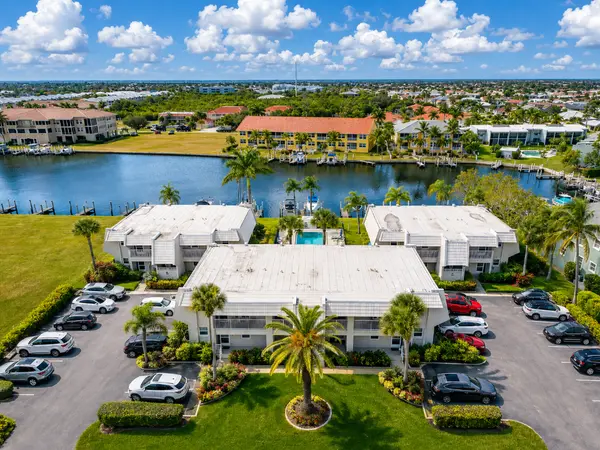
Can a Condo Qualify for Florida Homestead Exemption?
Yes, a qualifying Florida condominium can receive Homestead Exemption when the owner meets the applicable ownership and permanent-residency requirements. Homestead Exemption is not limited to detached single-family houses.
The same general distinction between a permanent residence and a second home remains important. A condominium used only as a seasonal or vacation property generally would not qualify simply because the owner spends time there each year.
Ownership arrangements can be more complicated when property is held through certain trusts or other legal structures. Verify eligibility with the county property appraiser and obtain appropriate legal or tax guidance when the title structure is material to the exemption.
Are There Additional Florida Property Tax Exemptions?
Yes. Florida law provides additional property-tax benefits for certain qualifying homeowners, and some benefits can depend on local adoption or individual circumstances.
Potential additional benefits can include exemptions or reductions associated with:
- Certain homeowners age 65 or older
- Qualifying veterans
- Certain disabled homeowners
- Certain surviving spouses
- Active-duty military service under qualifying circumstances
- Other categories established under Florida law
Eligibility, income limits, disability requirements, service requirements and local adoption can differ among benefits. The Florida Department of Revenue's exemption information is a useful statewide starting point, followed by the property appraiser for the county where the home is located.
Do You Need to Reapply for Homestead Exemption Every Year?
Generally, you do not submit a completely new application every year when the exemption remains valid and there have been no changes affecting eligibility. County property appraisers have renewal procedures for existing homesteads.
However, homeowners are responsible for reporting changes that can affect exemption status. Examples can include certain changes in ownership, use of the property, residency or title.
Do not assume that an existing exemption remains valid after a significant ownership or occupancy change. Contact the county property appraiser when your circumstances change.
What Should New Florida Homeowners Do After Closing?
If the property will become your permanent Florida residence, make Homestead Exemption part of your post-closing checklist. Do not wait until you receive a future property-tax bill to begin researching eligibility.
A practical checklist includes:
- Confirm the January 1 qualification requirements
- Update applicable Florida residency documentation
- Check your county property appraiser's filing requirements
- Apply for Homestead Exemption by the applicable deadline
- Apply for portability if you may qualify from a previous Florida homestead
- Check whether additional exemptions may apply
- Estimate future property taxes using your own expected assessment and exemptions
- Keep confirmation of your filing and review future property-tax notices
The Hunt Brothers Realty Buyer Resource Center provides additional guidance for Florida buyers evaluating ownership costs and other issues before and after closing.
What Homestead Exemption Mistakes Should Homeowners Avoid?
The biggest mistakes usually involve timing, assuming benefits transfer automatically, or confusing different parts of Florida's property-tax system.
- Assuming Homestead is automatic: New qualifying homeowners generally need to apply.
- Missing the filing deadline: March 1 is the standard timely filing deadline.
- Assuming the seller's exemption transfers: It does not. The buyer must independently qualify.
- Confusing Homestead with portability: Homestead Exemption does not transfer, but an eligible Save Our Homes assessment difference may be portable.
- Calling Save Our Homes a 3 percent tax cap: It limits assessed-value increases, not necessarily the final tax bill.
- Assuming a second home qualifies: Homestead is tied to a qualifying permanent residence.
- Ignoring ownership changes: Certain changes to title or property use can affect eligibility.
- Using the seller's tax bill as your future budget: A qualifying ownership change can result in reassessment and a substantially different tax obligation.
How Does Homestead Exemption Affect a Florida Home Purchase?
Homestead Exemption can materially affect the long-term cost of owning a qualifying primary residence, but buyers should not use it to assume that their property taxes will match the seller's current taxes.
When comparing homes, investigate the property's expected post-purchase assessment, your potential Homestead eligibility, any portability you may have from another Florida homestead, local tax rates and property-specific assessments.
This is particularly important when comparing a home owned by the same seller for decades with a recently purchased neighboring property. Their current tax bills may look dramatically different even when the homes have similar market values.
What Is the Bottom Line on Florida Homestead Exemption?
Florida Homestead Exemption can reduce the taxable value of a qualifying permanent residence and establish eligibility for the Save Our Homes assessment limitation. For 2026, the first exemption remains $25,000 for all property taxes, while the additional inflation-adjusted exemption is $26,411 for applicable non-school levies.
To qualify for a particular tax year, ownership and permanent-residency requirements generally must be satisfied as of January 1, and March 1 is the standard timely filing deadline. Homestead Exemption does not transfer when you move, although eligible homeowners may be able to port some or all of their accumulated Save Our Homes assessment difference to another Florida homestead.
Because eligibility, title, residency and tax consequences can be individual-specific, use the county property appraiser as the authoritative source for your application and consult a qualified tax professional or Florida attorney when your circumstances require individualized guidance.
Buying a Home in Sarasota or Florida's Gulf Coast?
Hunt Brothers Realty helps Florida Gulf Coast buyers evaluate more than a home's asking price. Property taxes, association expenses, insurance, flood considerations and other ownership costs can all affect how a property fits a buyer's plans.
Explore the Florida Buyer Resource Center, read the Florida property tax guide for homebuyers, or contact Hunt Brothers Realty when you are ready to discuss a Florida Gulf Coast home search.
This article is provided for general informational and educational purposes only and is not individualized tax, legal, financial or other professional advice. Homestead eligibility, portability, residency, ownership structure and property-tax consequences depend on the individual owner and property. Homeowners and buyers should verify current requirements with the property appraiser in the county where the property is located. Individual tax consequences should be reviewed with a qualified tax professional or CPA, and questions involving title, residency rights, trusts, ownership or other legal matters should be reviewed with a qualified Florida attorney or other appropriate legal professional.
Sources
- Florida Department of Revenue, Property Tax Exemptions and Additional Benefits
- Florida Department of Revenue, Property Tax Information for Homestead Exemption
- Florida Department of Revenue, Save Our Homes Assessment Limitation and Portability Transfer
- Florida Department of Revenue, 2026 Additional Homestead Exemption Inflation Adjustment
- Hunt Brothers Realty, Florida Homestead Exemption 2026 Guide
- Hunt Brothers Realty, Florida Property Taxes After Buying a Home
- Hunt Brothers Realty, How Much Can Property Taxes Change After Buying a House?
Hunt Brothers Realty
46 N. Washington Blvd, Ste 3, Sarasota, FL 34236
Phone: (941) 388-7017
Email: info@huntbrothersrealty.com
Website: HuntBrothersRealty.com
Categories
- All Blogs 2252
- Anna Maria Island 86
- Bird Key 4
- Bradenton 237
- Buying a Home 1303
- Casey Key 2
- Clearwater 12
- Condos & HOA Living 1223
- Ellenton 6
- Englewood 12
- First Time Homebuyers 1415
- Foreclosures 5
- Home Selling 7
- Homeownership 1441
- Lakewood Ranch 25
- Lido Key 28
- Longboat Key 80
- Luxury/Waterfront Properties 1382
- Market Updates & Trends 900
- Mortgages & Financing 66
- Move-Up Buyers 25
- Neighborhood Guides 1016
- New Construction 37
- Palmetto 3
- Parrish 6
- Port Charlotte 12
- Punta Gorda 69
- Real Estate Investing 1297
- Relocation to Florida 1335
- Safety Harbor 3
- Sarasota 94
- Sarasota - Downtown 165
- Selling a Home 146
- Siesta Key 92
- St. Petersburg 8
- Tierra Verde 5
- Vacation & Second Homes 1492
- Venice 209
- Wellen Park 20
Recent Posts