Palm Harbor, Florida: A Complete Community Guide for Homebuyers
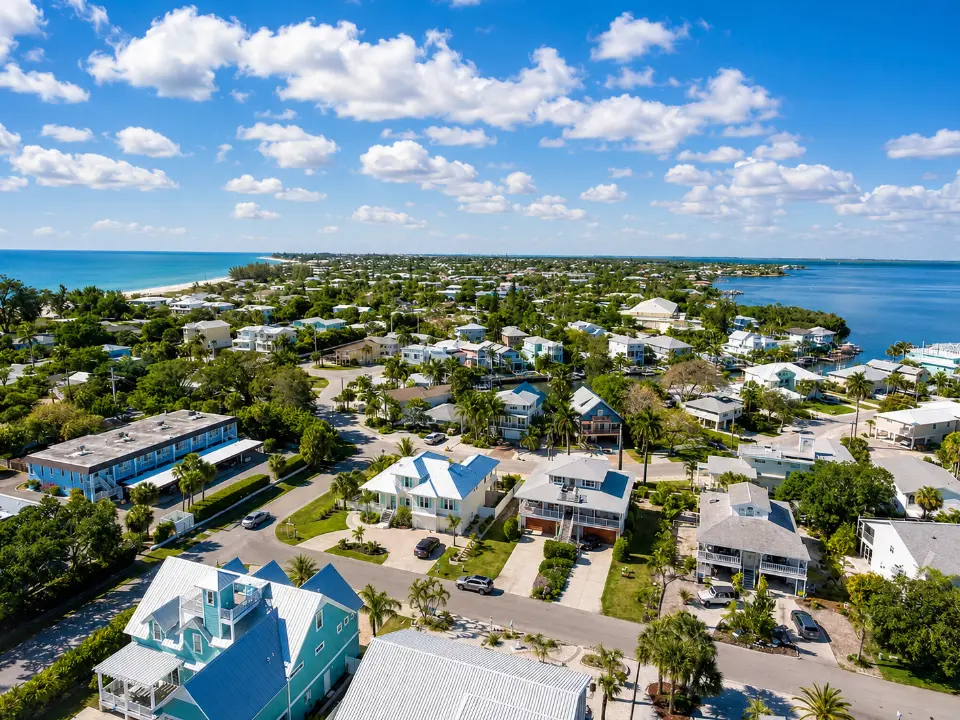
Palm Harbor is an unincorporated community in northern Pinellas County, Florida, positioned between Dunedin and Tarpon Springs with access to Gulf Coast recreation, the Pinellas Trail, Lake Tarpon, golf and the larger Tampa Bay region. Homebuyers can choose from established single-family neighborhoods, condominiums, townhomes, golf-oriented communities, waterfront properties and larger custom homes. Palm Harbor is not an incorporated city, which matters when researching taxes, permitting and government services. Buyers should also evaluate each property individually for insurance costs, flood and evacuation zones, association obligations, school assignment, condition and commuting needs.
Quick Answers About Palm Harbor, Florida
Where is Palm Harbor, Florida?
Palm Harbor is in northern Pinellas County on Florida's Gulf Coast, generally north of Dunedin and south of Tarpon Springs. Tampa, Clearwater and other Tampa Bay destinations are accessible by regional roads, although actual travel times depend heavily on traffic and the specific property location.
Is Palm Harbor a city?
No. Palm Harbor is an unincorporated community and Census-designated place. Pinellas County provides many government functions that an incorporated municipality would otherwise handle, making county resources important when researching zoning, permits, flood information and property services.
What kinds of homes can buyers find in Palm Harbor?
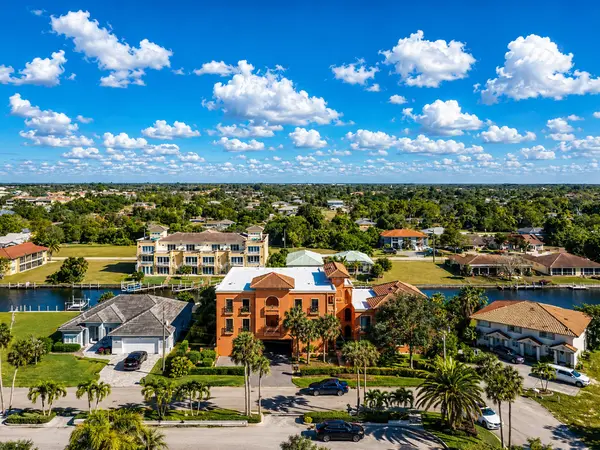
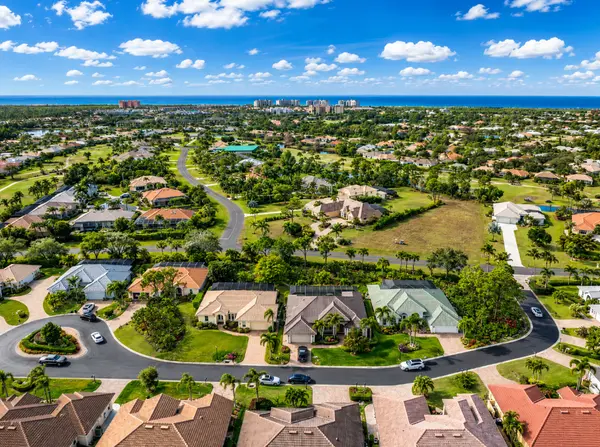
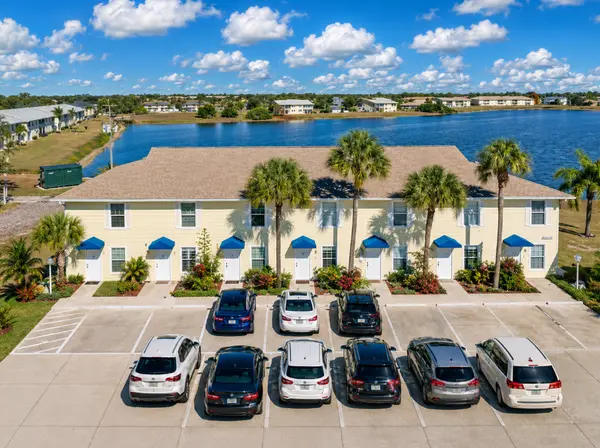
Palm Harbor has a broad housing mix that includes single-family homes, condominiums, villas, townhomes, golf-course properties, gated communities, waterfront residences and some age-qualified communities. Housing age, association structure and ownership costs vary substantially from one neighborhood to another.
Does Palm Harbor have waterfront homes?
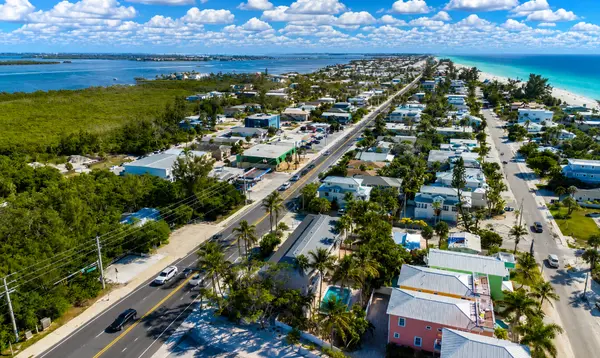
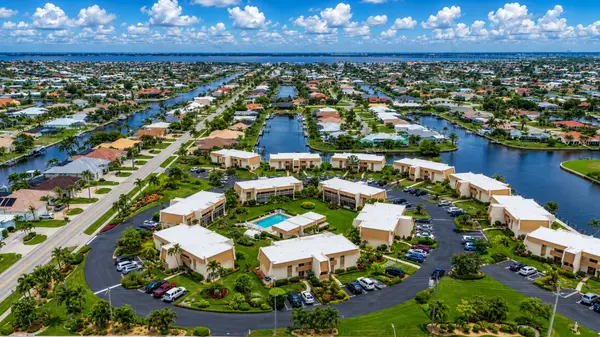
Yes. Buyers can find Gulf-oriented and other waterfront properties in parts of the broader Palm Harbor area, including coastal communities such as Crystal Beach and Ozona, plus homes around Lake Tarpon. Flood exposure, seawalls, docks, water depth and boating access are property-specific considerations.
Does Palm Harbor have golf communities?
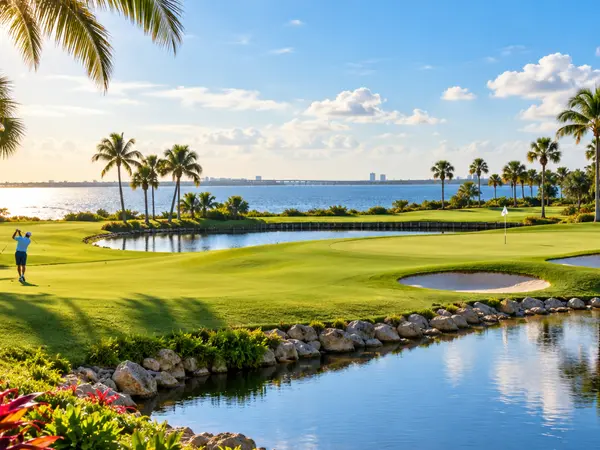
Yes. Palm Harbor is home to several golf-oriented residential areas and courses. Innisbrook is the best-known golf destination and has four courses, including Copperhead, host of the PGA TOUR's Valspar Championship. Golf or club privileges should always be verified separately from homeownership.
Does Palm Harbor have flood risk?
Flood exposure varies considerably by property. Pinellas County advises residents and buyers to check both FEMA flood zones and hurricane evacuation zones because they measure different risks and are not interchangeable.
How are public schools determined in Palm Harbor?
Public school assignment is determined by Pinellas County Schools and should be checked using the district's address-specific School Zone Locator. Buyers should not assume a school assignment based only on a neighborhood name, ZIP code or listing description.
What should buyers investigate before purchasing in Palm Harbor?
Important property-specific research includes insurance quotes, flood and evacuation zones, taxes after purchase, roof and building condition, wind mitigation features, HOA or condominium obligations, school assignment when relevant, permits, commuting patterns and waterfront infrastructure when applicable.
Where Is Palm Harbor?
Palm Harbor occupies part of northern Pinellas County on Florida's Gulf Coast. It sits generally between Dunedin to the south and Tarpon Springs to the north, with Oldsmar and northern Hillsborough County accessible to the east.
The U.S. Census Bureau counted 61,366 residents in the Palm Harbor Census-designated place in the 2020 Census. The Census-defined area covers approximately 17.34 square miles of land.
Palm Harbor is part of the larger Tampa Bay region, but it has a different physical character from the region's larger urban centers. Residential subdivisions, coastal areas, golf communities, lakes, parks and commercial corridors are distributed across a relatively broad area rather than concentrated around one major urban downtown.
Is Palm Harbor an Incorporated City?
No. Palm Harbor is unincorporated, which is one of the most important facts for prospective homebuyers to understand. There is no City of Palm Harbor municipal government comparable to the governments of neighboring Dunedin or Tarpon Springs.
Pinellas County explains that residents of unincorporated areas are served by the Pinellas County Board of County Commissioners as their local government. County departments handle many services and regulatory functions that might otherwise be managed by a city.
For homebuyers, this distinction matters when researching:
- Zoning and land use
- Building permits
- Code requirements
- Floodplain information
- Road and infrastructure responsibilities
- Parks and recreation
- Taxing authorities
- Emergency planning
A Palm Harbor mailing address does not by itself answer every jurisdictional question. Buyers should verify the actual parcel and applicable authorities when permitting, taxes, utilities or land-use regulations materially affect a purchasing decision.
What Is Downtown Palm Harbor Like?
Downtown Palm Harbor is a compact historic district rather than a large urban downtown. The area centers around Florida Avenue and nearby streets and includes restaurants, businesses, community gathering places and connections to the surrounding residential area.
Pinellas County approved an updated Downtown Palm Harbor Master Plan in 2020. The plan focuses on preserving historic character while supporting redevelopment, pedestrian connections, commercial activity and a stronger mixed-use community core.
The county also celebrated the installation of new decorative downtown streetlights in 2026 as part of ongoing investment in the district.
Buyers who value proximity to restaurants, local businesses and the Pinellas Trail may want to compare properties around downtown with larger subdivisions farther east. The housing environments can feel quite different even though both carry Palm Harbor addresses.
What Types of Homes Are Available in Palm Harbor?
Palm Harbor has a diverse housing inventory because it developed across multiple decades and includes many independent subdivisions and condominium communities.
Depending on location and budget, buyers may encounter:
- Established single-family homes
- Newer or substantially renovated residences
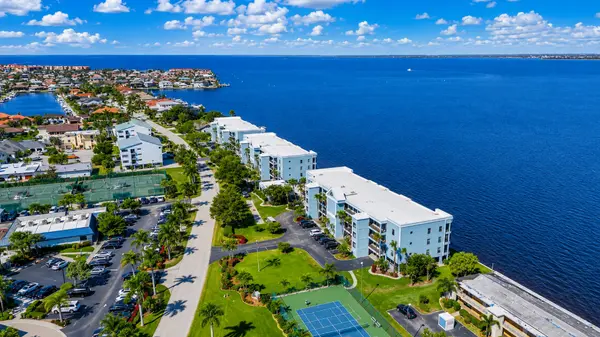
- Condominiums
- Townhomes
- Villa-style properties
- Gated-community homes
- Golf-course residences
- Gulf-oriented waterfront properties
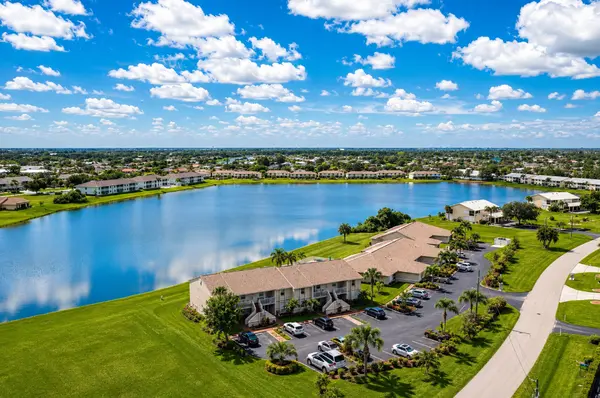
- Lakefront homes
- Larger custom residences
- Age-qualified communities
The Census Bureau's 2020-2024 estimates report 30,595 housing units in the Palm Harbor CDP and an owner-occupied housing rate of 77.9 percent. The same estimates report a median value of $405,300 for owner-occupied housing units, but that Census measure should not be interpreted as a current asking price or a valuation for a specific home.
Current inventory spans a much wider range. Property type, neighborhood, condition, waterfront access, golf-course location, lot size, flood exposure and association structure can all materially affect pricing.
Which Palm Harbor Areas Should Homebuyers Compare?
Palm Harbor is better understood as a collection of different residential environments than as one uniform neighborhood. Buyers should compare areas based on the actual housing, ownership structure and location rather than trying to identify one universally preferable neighborhood.
Downtown and Old Palm Harbor
The downtown area offers access to the historic commercial district and Pinellas Trail, with established housing on surrounding streets. Buyers interested in this part of Palm Harbor should compare lot sizes, construction age, renovation history, flood information and proximity to commercial activity.
Crystal Beach
Crystal Beach is a coastal community within the broader Palm Harbor area. Housing ranges from established cottages and single-family homes to larger residences closer to the Gulf. Coastal exposure makes elevation, flood risk, insurance and storm planning particularly important property-specific considerations.
Ozona
Ozona is another established coastal area associated with Palm Harbor. Buyers can encounter older homes, renovated properties, newer construction and residences near marinas and waterways. A property near the water should be evaluated for flood exposure and actual boating characteristics rather than relying on neighborhood-level assumptions.
East Lake and Lansbrook Area
Eastern Palm Harbor includes larger planned residential areas around the East Lake corridor and Lake Tarpon. Buyers may find single-family subdivisions, golf-oriented housing, lake-area properties and communities with more extensive association amenities than in some older western neighborhoods.
Ridgemoor
Ridgemoor is an established residential area in eastern Palm Harbor containing multiple subdivisions and housing types. Association structures, amenities and maintenance responsibilities can differ within the broader area, so buyers should research the specific subdivision rather than treating Ridgemoor as one uniform HOA.
Innisbrook
Innisbrook is Palm Harbor's best-known golf destination. Residential opportunities include condominium-style properties and other ownership arrangements associated with the resort environment. Buyers should verify association fees, rental programs, club privileges and resort access for the particular property because real estate ownership does not automatically establish identical golf or resort benefits.
What Should Golfers Know About Palm Harbor?
Palm Harbor offers several golf options, making golf-oriented real estate an important part of the local housing market. The PGA of America lists courses in Palm Harbor including Innisbrook's courses, Lansbrook Golf Club, Tarpon Woods Golf Club and Highland Lakes Executive Golf Course.
Innisbrook has four golf courses designed by Larry Packard. Its Copperhead Course hosts the PGA TOUR's Valspar Championship.
Golf access should not be assumed from a Palm Harbor address or a home overlooking a course. Membership, daily-fee access, resort privileges and resident programs vary. Buyers can explore Hunt Brothers Realty's guide to Palm Harbor communities for golfers for a more detailed comparison.
What should buyers check on a golf-course lot?
The position of the property relative to the course matters. Buyers should consider the adjacent hole, direction of play, cart paths, course maintenance activity, vegetation and the orientation of outdoor living areas. Golf membership and course access should be verified separately with the applicable club.
What Parks and Outdoor Recreation Are Near Palm Harbor?
Palm Harbor has access to substantial county parkland, trails and waterways. Two of the most notable county parks are Wall Springs Park and John Chesnut Sr. Park.
Wall Springs Park
Wall Springs Park is a 210-acre Pinellas County park in Palm Harbor. It connects to the Pinellas Trail and includes boardwalks, nature trails, a fishing pier, playground, picnic areas and a 35-foot observation tower overlooking the coastal landscape.
John Chesnut Sr. Park
John Chesnut Sr. Park covers 255 acres along Lake Tarpon. Pinellas County lists nature trails, a boat ramp, playgrounds, picnic shelters, a dog park and fishing among its amenities. Lake Tarpon accommodates boats with combustion engines, although the park's separate interior canoe trail permits only non-combustion engines.
The Pinellas Trail
The Pinellas Trail is an important recreational connection through this part of the county. Its Palm Harbor access can be especially relevant to buyers who want cycling, walking or running opportunities near home. Proximity varies substantially by neighborhood, so buyers should evaluate actual routes from a property rather than relying on a general Palm Harbor description.
Does Palm Harbor Have Beaches?
Palm Harbor has coastal access, parks and waterfront neighborhoods, but it is not itself a traditional barrier-island beach community. Buyers seeking broad Gulf beaches generally travel to nearby coastal destinations rather than expecting a large public beach within every Palm Harbor neighborhood.
Nearby Dunedin provides access toward Honeymoon Island State Park, while other Pinellas County beach destinations extend farther south along the Gulf Coast. Beach travel time can vary substantially with traffic, season and the exact Palm Harbor starting point.
What Should Waterfront Buyers Know?
Waterfront properties require additional due diligence because the word "waterfront" does not establish identical boating rights, flood exposure or infrastructure. Palm Harbor area properties can front different types of water, including Gulf-oriented waterways and Lake Tarpon.
For a boating property, buyers may need to verify:
- Legal waterfront and dock rights
- Dock and lift condition
- Seawall condition and ownership responsibility
- Water depth
- Tidal conditions where applicable
- Bridge and overhead restrictions
- Vessel draft, beam and height compatibility
- Permits for docks, lifts and shoreline improvements
- Flood zone and elevation
- Property-specific insurance availability and cost
Dock, seawall, navigation and permitting questions should be verified with the appropriate surveyor, marine contractor, local permitting authority, title professional or other qualified professional before a buyer relies on them.
How Should Buyers Research Palm Harbor Schools?
Buyers should verify school assignment by property address directly through Pinellas County Schools. Palm Harbor is served within the Pinellas County public school system, but attendance boundaries do not necessarily correspond neatly with neighborhood names or ZIP codes.
The district's School Zone Locator provides address-specific elementary, middle and high school information for the 2026-27 school year. As of October 2026, the district also displays proposed school assignments associated with Planning for Progress recommendations for 2027-28, illustrating why buyers should confirm current information rather than rely on an older real estate listing.
Hunt Brothers Realty does not rank neighborhoods based on school demographics or make subjective claims about which schools are "best." Buyers with school-related priorities should review official district information, available programs, transportation and other criteria relevant to their household.
What Is Commuting From Palm Harbor Like?
Palm Harbor provides road connections throughout northern Pinellas County and toward Tampa Bay, but commuting convenience depends heavily on where a buyer lives and works. U.S. 19 is a major north-south corridor, while East Lake Road, Tampa Road, Belcher Road and Alternate U.S. 19 serve different parts of the community.
The Census Bureau's 2020-2024 estimate reports a mean travel time to work of 26.7 minutes for Palm Harbor workers, but a community-wide average is not a prediction for an individual commute.
Someone working in northern Pinellas County may evaluate Palm Harbor very differently from a person traveling to downtown Tampa or St. Petersburg each weekday. Buyers with regular commuting requirements should test the actual route from prospective homes during the times they expect to travel.
How Much Do Homes Cost in Palm Harbor?
Palm Harbor has too much housing variety for one median figure to describe what every buyer should expect to spend. Condominiums and smaller attached properties can occupy a very different price range from renovated single-family homes, golf properties or waterfront residences.
The U.S. Census Bureau reports a 2020-2024 median value of $405,300 for owner-occupied housing units in Palm Harbor. That figure measures the broader housing stock and is not equivalent to a current MLS median sale price or the market value of a particular property.
For an active home search, buyers should compare current listings and recent comparable sales for the specific property type and neighborhood. Hunt Brothers Realty's Palm Harbor area property search provides a current view of available inventory.
What Costs Should Palm Harbor Buyers Consider Beyond the Purchase Price?
The total cost of ownership can differ substantially between two similarly priced Palm Harbor homes. Buyers should build a property-specific budget rather than comparing purchase prices alone.
Potential expenses include:
- Property taxes
- Homeowners insurance
- Flood insurance when required or desired
- Wind-related deductibles
- HOA assessments
- Condominium assessments
- Special assessments
- Lawn and landscaping
- Pool maintenance
- Pest control
- Utilities
- Roof and exterior maintenance
- Waterfront infrastructure when applicable
- Golf or club membership when applicable
Buyers should not assume the seller's existing tax bill or insurance premium will match their future costs. Taxes, exemptions, insurance underwriting and coverage are property-specific and can change after a transaction.
What Should Buyers Know About Flood Zones in Palm Harbor?
Flood risk must be evaluated by address. Palm Harbor includes coastal, lake-adjacent and inland properties with different elevations and flood characteristics, so a neighborhood-level description cannot determine the risk for a specific home.
Pinellas County explains that FEMA flood zones show different levels of flood hazard. High-risk Special Flood Hazard Areas include zones designated with A or V classifications, while Zone X classifications generally indicate different levels of lower mapped flood hazard.
Buyers can use the county's Flood Map Service Center to research FEMA flood zones, elevation certificates, county floodplains, storm surge and related information.
Are flood zones and evacuation zones the same?
No. Pinellas County specifically warns that flood zones and evacuation zones are different. FEMA flood zones are used for purposes including flood-risk mapping, insurance and development requirements, while evacuation zones are based on vulnerability to hurricane storm surge.
A property can therefore have a flood-zone designation that differs from its evacuation classification. Buyers should check both before purchasing.
What Should Buyers Know About Homeowners Insurance?
Insurance can materially affect the cost of owning a Palm Harbor home, especially when comparing older properties, coastal locations and homes with different roof or storm-protection characteristics.
Property-specific underwriting may consider factors such as construction, roof age and condition, electrical and plumbing systems, HVAC equipment, opening protection, replacement cost, claims history and location. Flood coverage is a separate consideration from a standard homeowners policy.
Pinellas County states that most homeowners and renters insurance policies do not cover flood damage. Flood insurance is available separately through the National Flood Insurance Program and private-market options.
Insurance availability, coverage, deductibles and premiums can vary substantially by property. Buyers should obtain property-specific quotes and review coverage with a qualified insurance professional before making a purchasing decision.
What Should Buyers Inspect in an Older Palm Harbor Home?
Palm Harbor contains homes from many construction periods, so condition can vary substantially even on the same street. An updated kitchen or attractive interior does not establish the condition of the roof, plumbing, electrical system, HVAC equipment or structural components.
Depending on the home and inspection scope, buyers may want qualified professionals to evaluate:
- Roof age, materials and condition
- Electrical panels and wiring
- Accessible plumbing and supply lines
- HVAC age and condition
- Windows and exterior doors
- Wind mitigation features
- Evidence of moisture intrusion
- Foundation and structural concerns
- Termite or wood-destroying organism concerns
- Pool equipment when applicable
- Past renovations and available permits
- Seawalls, docks and lifts for waterfront properties
Inspection findings should be evaluated with the appropriate licensed inspector, contractor, engineer or other qualified professional before a buyer makes decisions concerning condition, repairs or future costs.
What Should Condo and HOA Buyers Review?
Association ownership can add rules, recurring assessments and shared financial obligations to a Palm Harbor purchase. Buyers should investigate the actual association rather than assuming similar-looking communities have similar costs or restrictions.
Depending on the property type, relevant records can include:
- Declaration and amendments
- Articles and bylaws
- Current rules and regulations
- Current budget
- Reserve information
- Recent financial statements
- Meeting minutes
- Current and proposed special assessments
- Association insurance
- Pet restrictions
- Rental restrictions
- Parking rules
- Maintenance responsibilities
Condominium buyers should pay particular attention to building-level finances, insurance and structural information. Questions involving legal rights, governing-document interpretation or title should be reviewed with a qualified Florida real estate attorney or appropriate title professional when individualized guidance is required.
How Does Palm Harbor Compare With Dunedin?
Palm Harbor and Dunedin are neighboring communities, but their governmental structures and residential patterns differ. Dunedin is an incorporated city with its own municipal government, while Palm Harbor is primarily an unincorporated community governed through Pinellas County.
Dunedin has a particularly defined municipal downtown and direct causeway access toward Honeymoon Island. Palm Harbor covers a broader collection of subdivisions, coastal communities, golf areas and inland neighborhoods.
Both areas connect with the Pinellas Trail and provide access to northern Pinellas County recreation. Buyers comparing them can read Hunt Brothers Realty's guide to living in Dunedin, Florida and then compare actual properties, ownership costs, flood exposure and daily travel patterns.
What Are Some Tradeoffs Buyers Should Consider?
Palm Harbor offers substantial housing variety and access to northern Pinellas County amenities, but buyers should evaluate practical tradeoffs rather than relying only on community reputation.
Traffic and commuting
Regional travel can vary significantly by route and time. A home that works well for someone focused on northern Pinellas County may be less convenient for someone making a daily trip to another part of Tampa Bay.
Flood and storm exposure
Coastal and low-lying properties can have different flood and storm-surge considerations from homes farther inland. Buyers should research the actual parcel rather than making assumptions based on ZIP code.
Insurance
Property insurance can be a significant ownership expense in Florida. Roof condition, construction features and location can create substantial cost differences between otherwise comparable homes.
Older housing components
Established neighborhoods can contain homes with older roofs, plumbing, electrical equipment, windows and HVAC systems. Renovation quality and permit history should be investigated individually.
Association obligations
Some buyers prefer HOA or condominium amenities and maintenance arrangements, while others prefer fewer association obligations. Palm Harbor contains both types of ownership environments, making document review important when an association is involved.
What Should You Check Before Buying a Home in Palm Harbor?
A complete Palm Harbor home search should combine neighborhood comparison with property-specific due diligence. The location can help narrow the search, but the individual home ultimately determines many of the buyer's costs, risks and ownership responsibilities.
Before purchasing, consider verifying:
- Recent comparable sales
- Expected property taxes after purchase
- Homeowners insurance quotes
- Flood insurance when applicable or desired
- FEMA flood zone
- Pinellas County evacuation zone
- Available elevation information
- Roof age and condition
- Wind mitigation features
- HVAC, plumbing and electrical condition
- Inspection findings
- Permit history for significant improvements
- HOA or condominium documents and fees
- Special assessments when applicable
- Rental and pet restrictions when relevant
- Current school assignment when relevant
- Commute routes at realistic travel times
- Dock, seawall and boating conditions for waterfront property
The Hunt Brothers Realty Florida Buyer Resource Center provides additional educational information for comparing Florida properties, understanding the buying process and preparing for ownership costs.
Is Palm Harbor Right for Your Home Search?
Palm Harbor can be worth considering for buyers who want access to northern Pinellas County, Gulf Coast recreation, parks, the Pinellas Trail, golf and a broad range of established residential settings. Its housing inventory ranges from condos and villas to single-family subdivisions, waterfront properties and golf-oriented homes.
The community's diversity also means that one Palm Harbor property can have a very different ownership profile from another. An inland single-family home, an Innisbrook condo, a Crystal Beach waterfront residence and a home near Lake Tarpon should not be evaluated with the same assumptions about insurance, associations, flood exposure or maintenance.
The most useful approach is to identify the Palm Harbor areas that fit your housing and location priorities, then compare actual properties using total ownership costs, condition, association obligations, flood information, insurance and daily travel requirements.
Explore Palm Harbor Real Estate With Hunt Brothers Realty
Hunt Brothers Realty helps Florida homebuyers compare communities and individual properties based on location, housing type, ownership structure, waterfront or golf features, recurring costs and property-specific considerations.
Read Hunt Brothers Realty's guide to living in Palm Harbor, explore Florida communities, visit the Buyer Resource Center, or contact Hunt Brothers Realty to discuss your Florida home search.
This article is provided for general informational and educational purposes only and is not individualized legal, financial, tax, insurance, lending, inspection, engineering, construction, title, association, flood, permitting, school-placement or other professional advice. Property taxes, insurance, flood conditions, school assignments, association obligations, building condition, permits and ownership costs can vary by property and change over time. Buyers should verify material property-specific information before making a purchasing decision. Insurance questions should be reviewed with a qualified insurance professional, tax questions with a qualified tax professional, inspection and structural concerns with the appropriate licensed professionals, legal or title questions with a qualified Florida real estate attorney or title professional, and flood, permitting or school information with the applicable official authority.
Sources
- U.S. Census Bureau, Palm Harbor CDP QuickFacts
- Pinellas County, Unincorporated Communities and Resident Services
- Pinellas County, Downtown Palm Harbor
- Pinellas County, Wall Springs Park
- Pinellas County, John Chesnut Sr. Park
- Pinellas County, Flood Maps and Zones
- Pinellas County, Hurricane Evacuation Information
- Pinellas County Schools, School Zone Locator
- Innisbrook Resort, Golf Overview
- Hunt Brothers Realty, Is Palm Harbor, Florida a Good Place to Live?
- Hunt Brothers Realty, Best Places to Live in Palm Harbor for Golfers
Hunt Brothers Realty
46 N. Washington Blvd, Ste 3, Sarasota, FL 34236
Phone: (941) 388-7017
Email: info@huntbrothersrealty.com
Website: HuntBrothersRealty.com
Categories
- All Blogs 2274
- Anna Maria Island 87
- Bird Key 4
- Bradenton 237
- Buying a Home 1323
- Casey Key 2
- Clearwater 13
- Condos & HOA Living 1243
- Ellenton 6
- Englewood 12
- First Time Homebuyers 1435
- Foreclosures 5
- Home Selling 7
- Homeownership 1463
- Lakewood Ranch 25
- Lido Key 28
- Longboat Key 80
- Luxury/Waterfront Properties 1404
- Market Updates & Trends 921
- Mortgages & Financing 68
- Move-Up Buyers 25
- Neighborhood Guides 1037
- New Construction 38
- Palmetto 3
- Parrish 6
- Port Charlotte 12
- Punta Gorda 81
- Real Estate Investing 1319
- Relocation to Florida 1355
- Safety Harbor 3
- Sarasota 95
- Sarasota - Downtown 165
- Selling a Home 146
- Siesta Key 92
- St. Petersburg 8
- Tierra Verde 5
- Vacation & Second Homes 1514
- Venice 209
- Wellen Park 20
Recent Posts