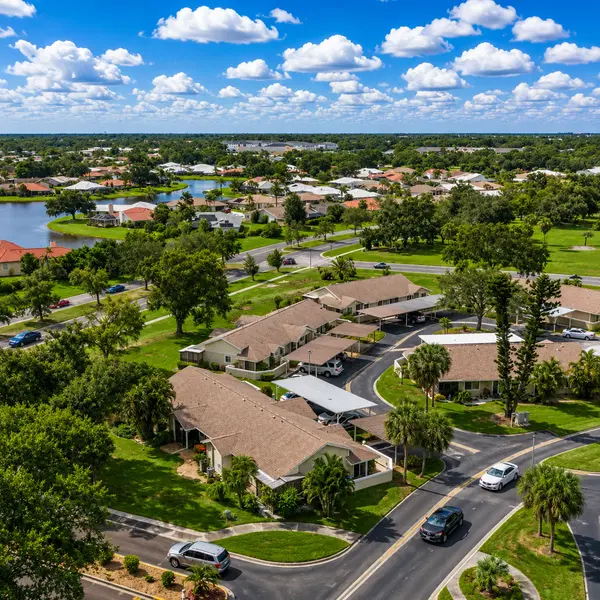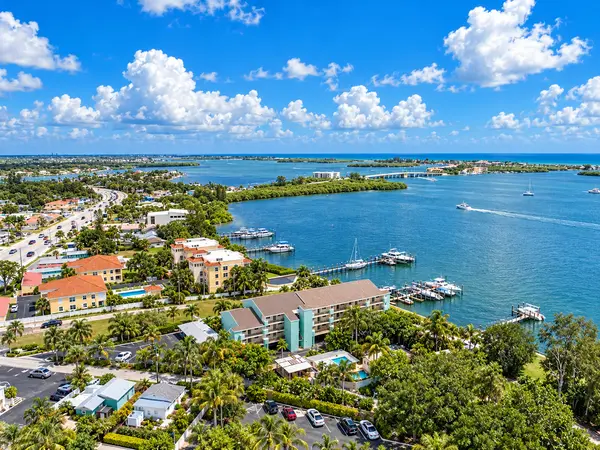
Questions to Ask Before Selling a Home Near the Coast
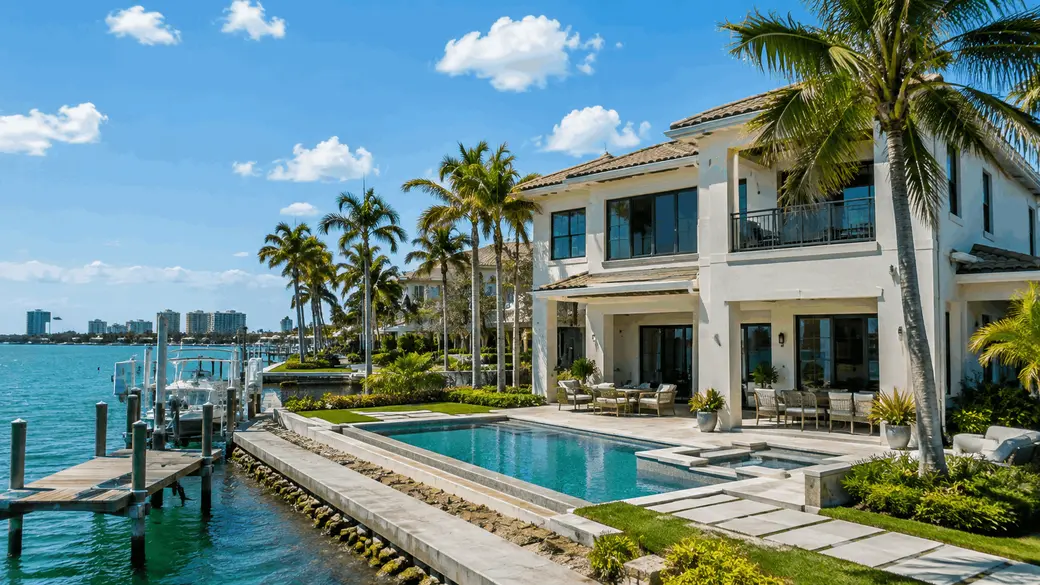
Selling a home near Florida's coast involves more than choosing a list price and preparing for photographs. Flood history, storm repairs, insurance documentation, roof condition and—when applicable—seawalls, docks, lifts and waterfront permits can become important parts of a buyer's investigation.
A coastal seller who organizes that information before going to market may be better prepared to answer questions, address potential concerns and keep the transaction moving once a buyer begins due diligence.
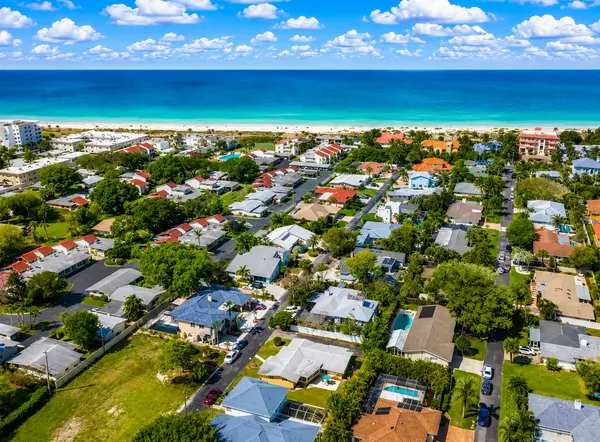
Whether you are preparing to sell on Longboat Key, Siesta Key, Lido Key, Casey Key or another Sarasota-area coastal location, these questions can help identify issues worth investigating before the property reaches the market. Sellers can also explore Hunt Brothers Realty, review seller resources and explore Sarasota-area coastal communities.
Quick Answers for Coastal Florida Sellers
Do Florida Sellers Have a Specific Flood Disclosure Requirement?
Yes. Florida law requires a flood disclosure for residential real estate sales. Under requirements effective October 1, 2025, the disclosure addresses the seller's knowledge of flooding that damaged the property during the seller's ownership, flood-related insurance claims and assistance received for flood damage. The required disclosure must be provided at or before the time the sales contract is executed.
Should I Gather Records for Hurricane or Flood Repairs?
Yes. If repairs were completed after a storm, having available invoices, permits, contractor information, photographs, warranties and other relevant records can help establish what work was performed. Sellers should not characterize repairs beyond what their records and qualified professionals support.
Should I Replace My Roof Before Selling?
Not automatically. Roof age and condition can affect a buyer's inspection and insurance process, but replacing a roof before sale is a property-specific financial decision. Sellers should understand the current roof condition, available documentation and likely buyer concerns before deciding whether replacement makes sense.
Should a Seawall Be Inspected Before Listing?
It can be useful when the seawall's age or condition is uncertain or there are visible concerns. A general real estate assessment is not a substitute for a specialized evaluation. Questions about structural condition or remaining service life should be addressed by an appropriately qualified marine contractor, engineer or other professional.
Should I Get a Pre-Listing Inspection?
A pre-listing inspection can help some sellers identify potential issues before buyers conduct their own inspections, but it is not the right strategy for every property. Sellers should discuss the advantages, costs and potential disclosure implications with their real estate professional and obtain legal advice when appropriate.
1. What Do I Know About the Property's Flood History?
This is one of the first questions a Florida coastal seller should address before entering the market. Do not wait until a buyer asks about flooding to reconstruct the property's history from memory.
Florida's current residential flood disclosure requirements address whether the seller knows of flooding that damaged the property during the seller's ownership, whether an insurance claim was filed relating to flood damage and whether assistance was received for flood damage.
Gather relevant records and discuss the required disclosure process with your real estate professional. Questions about whether a particular event, condition or fact must legally be disclosed should be reviewed with a qualified Florida real estate attorney rather than guessed at.
2. Do I Have Documentation for Storm-Related Repairs?
After a major storm, “everything was repaired” is much more useful when supported by records.
Look for contractor invoices, permits, inspection records, photographs, insurance correspondence, warranties and receipts associated with roof work, water remediation, drywall replacement, electrical work, HVAC equipment, windows, doors, seawalls, docks and other repairs.
If records are incomplete, avoid filling gaps with assumptions. Buyers and their inspectors may ask detailed questions, and accurate documentation is more useful than an unsupported description of work that may have occurred years earlier.
3. What Condition Is the Roof In?
The roof can influence both the inspection conversation and a buyer's ability to obtain acceptable insurance. Florida insurance underwriting can consider the age, type and construction of a home's roof, and insurers may request roof or other property inspections.
Before listing, gather permits, invoices and warranty information that establish the roof's installation date and any significant repairs. If you are uncertain about its condition, consider whether evaluation by an appropriately qualified roofing professional would provide useful information.
Do not promise a buyer that a roof will qualify for a particular insurance policy or premium. Insurance eligibility and pricing are determined by the insurer based on the specific property and applicant.
4. Do I Have a Current Wind-Mitigation Inspection?
Wind-mitigation documentation can help buyers and their insurance professionals understand verified construction features of the home.
Depending on the property, a wind-mitigation inspection may document features such as roof-to-wall connections, roof geometry and opening protection. Florida's Department of Financial Services notes that qualifying wind-mitigation features may result in insurance premium credits.
As of April 1, 2026, Florida uses an updated Uniform Mitigation Verification Inspection Form for new inspections. A completed form can remain valid for up to five years when no material structural changes or inaccuracies affect it. Sellers should have an insurance professional or appropriately qualified inspector determine whether existing documentation remains useful for the property.
5. Are My Impact Windows, Shutters and Doors Documented?
“Hurricane windows” is not a description a seller should use casually when the underlying specifications are unknown.
If impact-resistant windows, doors, shutters or garage-door protection were installed, gather permits, invoices, product information and inspection documentation when available.
Marketing should accurately distinguish between documented impact-rated products and other forms of storm protection. A qualified inspector and insurance professional can determine how particular features are classified for inspection and insurance purposes.
6. Could Insurance Become an Issue for the Buyer?
A seller's existing insurance policy does not tell a buyer exactly what coverage will be available after the sale. Insurers use underwriting guidelines, and the buyer's final premium and eligibility can depend on property and applicant characteristics.
Roof condition, construction, location, wind-mitigation features, prior claims and other factors can enter the underwriting process. For this reason, sellers benefit from having accurate property records available when buyers begin seeking insurance quotes.
Sellers and real estate professionals should not predict a buyer's coverage or premium. Buyers should obtain property-specific quotes and review insurance questions with a qualified insurance professional.
7. What Condition Is the Seawall In?
For a waterfront home, the seawall can be just as important to a buyer's due diligence as the roof or HVAC system.
Before listing, review what you know about its age, construction, repairs and maintenance. Gather invoices, permits and engineering or contractor reports if they exist. Visible cracking, movement, erosion or soil loss may prompt additional questions from buyers.
Avoid estimating remaining seawall life unless that conclusion comes from an appropriately qualified professional. Structural condition and repair needs should be evaluated by a qualified marine contractor, structural engineer or other appropriate professional.
8. Can I Document the Dock and Boat Lift?
Boating buyers are likely to ask questions that go well beyond whether a dock exists.
Useful information can include dock dimensions, lift specifications, known lift capacity, repair or replacement history, permits and any available information about water depth and navigation.
Do not promise that a particular boat will fit or that the waterway provides a particular clearance or depth unless those facts have been appropriately verified. Tides, bridge clearances, vessel dimensions and local conditions can all affect practical boat access.
For an example of the issues boating-oriented buyers may investigate, sellers can review Hunt Brothers Realty's Country Club Shores waterfront buyer's guide.
9. Are the Waterfront Improvements Properly Permitted?
A beautiful dock, lift or seawall can still create questions if its approval and repair history are unclear.
Gather permits and records for significant waterfront work when available. The applicable approval process can depend on the property, location and type of improvement and may involve governmental agencies or an association.
If records are missing or there is uncertainty about whether prior work was properly authorized, sellers should verify the situation with the appropriate permitting authority and qualified professionals before making representations to prospective buyers.
10. Are There Signs of Salt-Air Deterioration?
Coastal buyers know that salt, moisture and sun can affect exterior materials, so deferred maintenance can attract attention quickly.
Walk the property with coastal exposure in mind. Look at exterior hardware, railings, gates, light fixtures, air-conditioning equipment, doors, windows, screens, fasteners and painted surfaces.
Cosmetic preparation can improve presentation, but it should not be used to conceal a known defect. Where corrosion or deterioration may involve a building component rather than appearance alone, have the condition evaluated by the appropriate contractor, inspector or engineer.
11. Should I Complete Repairs Before Listing?
Not every repair produces an equal return, and not every coastal home needs to be renovated before it is sold.
Separate potential projects into categories: maintenance and defects, insurability-related concerns, functional improvements and cosmetic upgrades. A roof leak and dated kitchen countertops belong in very different conversations.
Before committing substantial money to remodeling, compare the property's likely market position in its current condition with the probable value after improvements. Hunt Brothers Realty's guide to renovations for coastal homes provides additional considerations for kitchens, baths and outdoor living areas.
Renovation costs and resale outcomes are property- and market-specific. Sellers should evaluate significant construction with qualified contractors and discuss pricing and marketability with a licensed real estate professional before deciding whether to proceed.
12. What Should I Disclose to a Buyer?
Disclosure should be approached as a legal obligation, not as a marketing decision. Florida sellers have disclosure obligations concerning certain known facts materially affecting residential property value that are not readily observable and not known to the buyer.
Florida also has a specific residential flood disclosure requirement. Selling a property “as is” should not be assumed to eliminate applicable disclosure duties.
A real estate professional can help sellers navigate the transaction and applicable real estate forms, but individualized questions about legal disclosure obligations should be reviewed with a qualified Florida real estate attorney.
13. If I Own a Condo, What Will Buyers Want to Know About the Association?
A beachfront condominium seller is selling more than the interior of one residence. Buyers may closely evaluate the association and building as part of their purchase decision.
Depending on the property, buyers may request or review association budgets, financial statements, reserve information, applicable inspection reports, assessments, insurance information, meeting records, governing documents and information about current or planned capital projects.
Sellers should determine what documents are available through the association and avoid independently interpreting engineering, legal, insurance or financial documents beyond their expertise. Buyers should conduct their own review with appropriate qualified professionals.
14. What Makes This Coastal Property Different From Its Competition?
Waterfront and coastal properties should not be marketed as though the only meaningful feature is the number of bedrooms.
Consider what actually distinguishes the property: direct Gulf frontage, beach access, bay views, sunset orientation, canal width, boating access, dock and lift features, outdoor entertaining space, privacy, elevation, storm-protection improvements, proximity to a village or downtown, or a particularly desirable position within a condominium community.
The strongest marketing claims are specific and supportable. If the property is described as having deep-water access, impact-resistant glass, a new seawall or another technically meaningful feature, the seller and listing agent should have appropriate documentation supporting the description.
15. Is My Pricing Strategy Based on the Right Comparable Properties?
Coastal properties can become difficult to compare when two homes that look similar on paper have very different relationships with the water.
A canal-front home with direct boating access may not compete exactly with one behind restrictive bridges. A direct Gulf-front condominium can differ from a unit across the street from the beach. Floor level, view orientation, renovation quality, building condition, association finances and private outdoor space can all influence how buyers compare properties.
A licensed real estate professional familiar with the local coastal market can help identify relevant comparable sales and current competition. An appraisal may also be appropriate in certain circumstances. Pricing should be based on current property-specific market evidence rather than a generalized price-per-square-foot assumption.
Coastal Home Seller Checklist
| Question | What to Gather or Verify |
|---|---|
| Flood history? | Known flooding, claims, assistance and required disclosure information |
| Storm repairs? | Invoices, permits, photographs, warranties and contractor records |
| Roof? | Age, permits, warranty, repair history and current condition |
| Wind mitigation? | Current inspection and supporting documentation, when available |
| Storm protection? | Permits and product information for windows, doors and shutters |
| Seawall? | Age, repairs, permits and professional evaluations when available |
| Dock and lift? | Permits, specifications, maintenance and repair records |
| Association? | Available financial, reserve, assessment, insurance and governing documents |
| Known defects? | Discuss applicable disclosure obligations with appropriate professionals |
| Pricing? | Relevant coastal comparable sales and current competing properties |
What Should You Organize Before the Photographer Arrives?
Preparing the house visually is important, but preparing its documentation can be equally valuable. Consider creating a property file before listing.
- Roof permit, invoice and warranty
- Wind-mitigation inspection, if available
- Window, door and shutter documentation
- HVAC and major-system records
- Storm-repair documentation
- Relevant flood-related records
- Seawall, dock and boat-lift permits and invoices
- Survey and elevation documentation, if available
- Association documents when applicable
- Records for significant renovations and permitted improvements
Not every document should necessarily be distributed to every prospective buyer, and some records may contain private information. Work with your real estate professional and, when appropriate, legal counsel to determine which documents should be provided and when.
Prepare for the Questions Coastal Buyers Are Already Asking
Today's coastal buyer may arrive at a showing already thinking about insurance, flood history, roofs, storm protection, seawalls, boating access and long-term maintenance.
That is why a strong coastal listing strategy is not about avoiding difficult questions. It is about preparing accurate answers, organizing supporting information and knowing when a question needs to be referred to an inspector, insurance agent, engineer, attorney, contractor or another qualified professional.
Sellers who want to see the transaction from the other side can review Questions to Ask Before Buying a Home Near the Coast. Understanding what buyers are investigating can help sellers prepare more effectively before listing.
Selling Coastal Property Is About Preparation and Positioning
A coastal home's location may be its greatest lifestyle advantage, but a successful sale also depends on the details behind the view.
Knowing the property's flood and storm history, organizing repair and permit records, understanding the condition of waterfront infrastructure and preparing for insurance-related questions can make the seller better equipped for buyer due diligence.
From there, presentation and positioning matter. The objective is to communicate what makes the property special—whether that is direct Gulf frontage, a sunset view, beach access, boating water or an exceptional coastal location—while keeping marketing claims accurate and supportable.
Sell Your Sarasota-Area Coastal Home With Hunt Brothers Realty
If you are preparing to sell a coastal or waterfront property, Hunt Brothers Realty can help you evaluate the property's market position, identify relevant comparable sales and develop a marketing strategy for Sarasota-area buyers. Review Hunt Brothers Realty's seller resources, explore Sarasota-area communities, or contact Hunt Brothers Realty to discuss your property.
Informational notice: This article provides general real estate and educational information only and is not individualized legal, financial, tax, insurance, inspection, engineering, construction or other professional advice. Seller disclosure obligations, flood history, insurance matters, property condition, seawalls, docks, permitting, association requirements and other issues are property- and transaction-specific. Sellers should verify current information and consult the appropriate licensed real estate professional, Florida real estate attorney, insurance professional, home inspector, structural or marine engineer, contractor, surveyor, condominium or homeowners association, governmental authority, tax professional, title professional or other qualified professional when individualized guidance is required.
Sources
- Florida Realtors — Florida Expands Flood Disclosures
- Florida Realtors — New Flood Disclosure Requirements in Florida
- Florida Realtors — Florida Real Estate Disclosure Laws
- Florida Department of Financial Services — Homeowners Insurance Overview
- Florida Department of Financial Services — Mitigation Notices, Inspections and Forms
- FEMA — Flood Maps
- Hunt Brothers Realty
- Hunt Brothers Realty — Seller Resources
- Hunt Brothers Realty — Explore Gulf Coast Communities
Contact Hunt Brothers Realty
Hunt Brothers Realty
46 N Washington Blvd, Ste #3
Sarasota, Florida 34236
Phone: (941) 388-7017
Email: info@huntbrothersrealty.com
Website: HuntBrothersRealty.com
Categories
- All Blogs 1869
- Anna Maria Island 82
- Bird Key 4
- Bradenton 234
- Buying a Home 944
- Casey Key 2
- Clearwater 8
- Condos & HOA Living 854
- Ellenton 5
- Englewood 9
- First Time Homebuyers 1047
- Foreclosures 3
- Homeownership 1066
- Lakewood Ranch 20
- Lido Key 27
- Longboat Key 77
- Luxury/Waterfront Properties 1004
- Market Updates & Trends 545
- Mortgages & Financing 38
- Move-Up Buyers 20
- Neighborhood Guides 684
- New Construction 29
- Palmetto 3
- Parrish 6
- Port Charlotte 10
- Punta Gorda 14
- Real Estate Investing 923
- Relocation to Florida 970
- Safety Harbor 2
- Sarasota 60
- Sarasota - Downtown 156
- Selling a Home 142
- Siesta Key 88
- St. Petersburg 6
- Tierra Verde 4
- Vacation & Second Homes 1116
- Venice 61
- Wellen Park 9
Recent Posts