How to Sell a Florida Home While Living Out of State
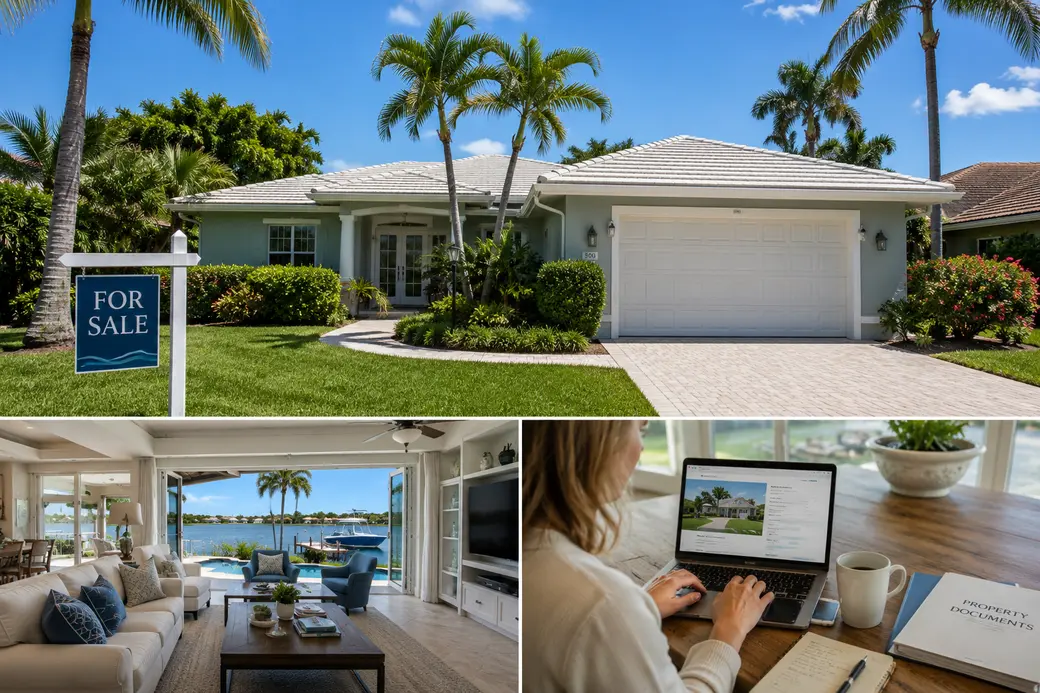
You can sell a Florida home while living in another state without routinely traveling back to Florida, but a successful remote sale requires reliable local coordination. Pricing, repairs, cleaning, photography, showings, inspections, appraisal access, document execution and closing can often be managed from a distance when the seller has a clear communication plan and trusted professionals near the property. The key is deciding in advance who can access the home, how property issues will be handled, what documents are needed and how the closing professional expects signatures and notarizations to be completed.
This situation is common for owners of second homes, former primary residences, inherited properties, investment properties and Florida homes retained after relocating. The mechanics of selling remotely can be manageable, but the individual property's condition, ownership structure, association requirements, tax circumstances and closing procedures still need property-specific attention.
For owners selling in Sarasota and along Florida's Gulf Coast, Hunt Brothers Realty can coordinate the real estate side of the process locally while the owner remains out of state.
Quick Answers About Selling a Florida Home From Out of State
Can You Sell a Florida Home Without Being in Florida?
Yes. Many parts of a Florida home sale can be coordinated remotely, including listing preparation, marketing, showings, negotiations and transaction communication. Closing arrangements depend on the transaction and closing provider, so sellers should confirm signing and notarization procedures early.
Do You Have to Return to Florida for Closing?
Not necessarily. Florida law permits qualifying online notarizations, and other remote or advance signing arrangements may be available depending on the title company, lender, documents and transaction. Sellers should never assume a particular closing method will be available and should confirm the procedure with the title or closing professional well before closing.
Who Handles Showings When the Seller Lives Out of State?
The listing brokerage can coordinate showing access and buyer-agent appointments according to the seller's instructions. Sellers should also establish a plan for cleaning, landscaping, pool service and other property care so the home remains ready between showings.
How Are Repairs Managed From Another State?
Repairs can often be coordinated remotely through local contractors and service providers. The seller should approve the scope and cost of work and should rely on appropriately licensed or qualified professionals when a repair requires specialized expertise.
What Happens When a Buyer Schedules an Inspection?
The inspection can generally occur without the seller being physically present. If the buyer later makes a request permitted under the contract, the seller can review the request remotely and discuss the real estate negotiation with the listing professional. Technical questions about inspection findings should be evaluated by the appropriate inspector, contractor, engineer or other qualified professional.
Can Sale Proceeds Be Sent to an Out-of-State Seller?
Closing professionals commonly arrange disbursement according to their procedures and verified seller instructions. Because wire fraud is a serious transaction risk, sellers should independently verify wiring and disbursement instructions using trusted contact information supplied by the closing professional rather than relying solely on an unexpected email.
Does Living Out of State Change the Tax Treatment of the Sale?
Tax treatment depends on the seller, the property's use, ownership history, gain and other individual circumstances. Simply living in another U.S. state does not answer those questions. Sellers should discuss their specific federal and state tax situation with a qualified tax professional before relying on a projected net proceeds figure.
Start With a Local Plan Before Listing the Property
The easiest remote Florida home sales usually begin with a detailed plan for who will handle each local responsibility. Distance itself is rarely the only challenge. Problems are more likely when no one is clearly responsible for accessing the property, responding to maintenance issues or preparing the home for buyers.
Before the property goes on the market, establish who will coordinate or perform tasks such as:
- Property access
- Cleaning
- Landscaping
- Pool service when applicable
- Minor repairs
- HVAC and other service appointments
- Photography and marketing preparation
- Showing access
- Inspection and appraisal access
- Storm preparation when necessary
- Mail, keys, remotes and access devices
- Final property preparation before closing
A remote seller should also decide how frequently updates are desired and which decisions require a phone or video conversation rather than a text or email.
How Do You Determine the Right Asking Price From Another State?
Remote sellers should base pricing on current local comparable sales, active competition, property condition and the home's specific location rather than relying on an old valuation or a national automated estimate.
This is especially important when an owner has not visited the property recently. Market conditions and buyer expectations may have changed since the seller moved away or last occupied the home.
A property-specific market analysis should consider recent sales as well as the listings a buyer can choose instead. Location, condition, renovations, lot characteristics, views, pool features, waterfront attributes and association costs can all affect how buyers compare properties.
For Sarasota-area sellers, Hunt Brothers Realty's Sarasota housing market update illustrates why current competition, property condition and neighborhood-level information matter more than broad housing headlines alone.
Should You Travel to Florida Before Putting the Home on the Market?
A pre-listing trip can be useful, but it is not automatically necessary if the property can be thoroughly evaluated and prepared by trusted local professionals.
Travel may make sense when the seller needs to sort personal belongings, make renovation decisions, evaluate extensive deferred maintenance or handle matters that cannot practically be delegated.
If the property is already vacant, furnished as a second home or professionally maintained, video walkthroughs, photographs and local service coordination may provide enough information to prepare it without a dedicated trip.
How Should an Out-of-State Owner Prepare a Florida Home for Sale?
Preparation should begin with property condition, then function, and then cosmetic presentation. A remote seller should avoid authorizing an expensive renovation simply because the home looks dated in photographs.
Start by identifying visible maintenance issues and determining whether any major component needs further evaluation. Depending on the home, that could involve the roof, HVAC equipment, plumbing, electrical systems, windows, exterior doors, moisture concerns, drainage, pool equipment or coastal exterior components.
Hunt Brothers Realty's guide to renovating before selling a Florida home explains why targeted repairs and cosmetic improvements can sometimes make more sense than a major pre-sale remodel.
When a condition issue involves structural, electrical, plumbing, roofing, engineering or other specialized work, the seller should rely on the appropriate licensed or qualified professional to evaluate the problem and proposed solution.
What If the Florida Home Is Vacant?
A vacant home can make showings easier, but it also requires a reliable property-monitoring and maintenance plan.
Florida properties can require ongoing attention even when no one is living in them. Air conditioning, plumbing, landscaping, pools, pest control and storm preparation may still need attention. Coastal homes may have additional maintenance considerations related to moisture and salt exposure.
Sellers should also speak with their insurance professional about vacancy, occupancy and any changes in the property's use. Coverage requirements and policy conditions are property-specific, and a seller should not assume that an existing policy will respond the same way after the home becomes vacant.
What If the Home Is Still Furnished?
A furnished home can be marketed without the seller being present, but the seller should decide early what stays, what goes and what is included in the real estate transaction.
Personal photographs, medications, financial records, valuables and irreplaceable possessions should generally be removed before public showings begin. If the seller cannot return to Florida, local movers, organizers, estate-sale services, storage companies or other appropriate service providers may be needed.
Any furniture or personal property intended to transfer with the sale should be addressed clearly in the transaction documents. Questions about whether an item is a fixture, personal property or legally included in the sale should be directed to the appropriate real estate or legal professional rather than left to assumption.
How Are Professional Photography and Marketing Handled Remotely?
The seller generally does not need to be at the property for professional photography, video, marketing preparation or buyer showings.
The listing professional can coordinate property access after the home is prepared. Remote sellers should ask to review the final photography, property description and material factual information before the listing goes live.
That review is especially useful when the owner has detailed knowledge of renovations, storm-related work, permits, waterfront improvements, association arrangements or other features that may not be obvious during a walkthrough.
How Do Showings Work When You Live Hundreds of Miles Away?
Showings can be coordinated locally without the seller returning to Florida, provided the property has a dependable access and maintenance system.
For a vacant home, access can often be relatively straightforward. An occupied property, condominium, gated community or residence with special security procedures may require additional coordination.
Condominium and homeowners associations may also have procedures affecting gate entry, elevators, parking, move-outs or contractor access. Sellers should verify current requirements with the applicable association when those issues are relevant.
How Do You Review Offers From Out of State?
An out-of-state seller can review and negotiate offers electronically, but the decision should involve more than comparing the headline purchase price.
Depending on the offer, relevant terms can include:
- Purchase price
- Financing terms
- Deposit structure
- Inspection provisions
- Appraisal provisions when applicable
- Requested seller concessions
- Closing date
- Personal property requests
- Sale-of-property or other contingencies when applicable
- Other contract-specific obligations
A seller's real estate professional can explain the practical real estate implications of competing offers. Questions involving legal rights, interpretation of contract language or other legal matters should be reviewed with a qualified Florida real estate attorney when individualized legal guidance is needed.
What Florida Disclosures Should a Remote Seller Expect?
Living outside Florida does not remove disclosure requirements that apply to a Florida residential sale. Sellers should complete required transaction documents carefully and provide accurate information based on their knowledge of the property.
One current statutory requirement is Florida's residential flood disclosure. Florida Statutes section 689.302 requires a seller to provide the prescribed flood disclosure to a purchaser at or before execution of the sales contract. The disclosure addresses the seller's knowledge of flood damage during ownership, flood-related insurance claims and flood assistance received.
Florida statutes also contain other property-specific disclosure requirements, including provisions concerning known defects in sanitary sewer laterals and a residential property-tax disclosure. The requirements applicable to an individual sale depend on the property and transaction.
A remote seller should not guess when answering a disclosure question. Questions about a seller's legal disclosure obligations or how a particular fact should be addressed should be reviewed with a qualified Florida real estate attorney or other appropriate legal professional.
How Are Inspections Handled When the Seller Is Away?
The seller generally does not need to attend the buyer's inspection, but should be prepared to respond quickly if the inspection produces a contract-related request.
Inspection issues can be more complicated for a remote owner because evaluating a repair from photographs alone may be difficult. If a buyer raises a roof, plumbing, electrical, moisture, structural, pool or other technical concern, obtaining an appropriate professional evaluation can give the seller better information before deciding how to respond.
Hunt Brothers Realty's overview of common Florida home inspection issues explains why roofs, plumbing, electrical systems, moisture and other property components can require closer evaluation during a transaction.
What Happens If Repairs Are Negotiated?
A remote seller can authorize repairs from another state, but should use clear written scopes of work and qualified contractors when appropriate.
Ask for written estimates, photographs and invoices. If permits are required, verify the permitting process with the appropriate contractor and local authority. Keep documentation of completed work so it is available to the transaction professionals when needed.
A listing brokerage can help coordinate communication, but technical judgments about the adequacy of a repair should remain with the appropriately qualified contractor, inspector, engineer or other professional.
Can the Appraisal Be Completed Without the Seller?
Yes, when an appraisal is required, property access can generally be coordinated without the seller being physically present.
The listing side should make sure the appraiser can access the residence as required and that relevant factual information about permitted improvements or significant features is available when appropriate. The appraiser remains independent and determines the valuation under the applicable assignment requirements.
Can You Close on a Florida Home Remotely?
Florida law allows online notarization, which can make remote execution possible in qualifying transactions, but sellers should confirm the actual closing procedure with their title or closing professional.
Florida Statutes section 117.209 provides authority for registered online notaries to perform online notarizations under the applicable statutory requirements. The law allows a Florida online notary who is physically in Florida to perform an authorized online notarization even when the principal or witnesses are elsewhere.
That does not mean every closing will use remote online notarization. The title company, closing agent, lender, document type and circumstances of the transaction can affect the available signing process. Other arrangements may include advance execution or delivery of original documents when required.
Ask the closing professional about signing requirements early rather than waiting until the final days before closing.
What Documents Should an Out-of-State Seller Locate Early?
Gathering property and ownership records before listing can reduce delays later in the transaction. The documents relevant to a particular sale vary, but useful records may include:
- Prior closing documents
- Existing title information when available
- Mortgage or loan information
- Survey when available
- Association contact information
- Condominium or HOA documents in the seller's possession
- Permits and renovation records
- Roof and HVAC documentation
- Warranties
- Insurance and storm-repair records when relevant
- Flood-related records when applicable
- Lease information if the property is tenant-occupied
- Trust, estate, entity or other ownership documents when applicable
If title is held by a trust, business entity, estate or another ownership arrangement, contact the closing professional early to determine what documentation will be required. Legal questions about authority to sell or execute documents should be reviewed with a qualified attorney.
What If the Property Is a Florida Condo?
Remote condominium sellers should plan for building and association coordination in addition to the normal real estate transaction.
Depending on the condominium, the seller may need to coordinate access, keys or fobs, parking, elevators, association documents, move-out procedures and other building-specific requirements.
Current assessments, association financial matters and building-specific obligations can also be important to a sale. Sellers should obtain current information directly from the applicable association or management company rather than relying on older documents.
What If the Florida Property Is Waterfront?
Waterfront properties can require additional preparation because buyers may evaluate both the residence and waterfront improvements.
Depending on the property, buyers may ask about docks, lifts, seawalls, permits, water access, bridge restrictions, flood history and storm-related repairs. An out-of-state seller should gather available records rather than relying on memory, particularly when the owner has not used the property recently.
Technical questions concerning seawalls, docks, structures, permits or engineering should be evaluated by the appropriate contractor, engineer, marine professional or permitting authority. Ownership and legal rights involving waterfront improvements should be independently verified when material to the sale.
What Should You Know About Taxes Before Selling Remotely?
Do not assume that moving out of Florida determines whether your home-sale gain is taxable. Federal tax treatment depends on factors including how the property was used, how long it was owned and occupied, the seller's basis and the amount of gain.
The IRS states that a qualifying seller of a main home may be able to exclude up to $250,000 of gain from income, or up to $500,000 on a joint return in many qualifying cases. Among the requirements are ownership and use tests generally involving at least two years during the five-year period ending on the sale date. Individual circumstances and exceptions matter, so these figures should not be treated as a determination of any seller's tax liability.
A former primary residence that became a rental, an inherited property, an investment property or a home with significant improvements may require a different analysis. The seller's new state of residence may also create tax questions outside the Florida transaction itself.
Tax consequences depend on the individual owner and property. Sellers should consult a qualified CPA, tax attorney or other appropriate tax professional regarding their specific circumstances before making decisions based on expected after-tax proceeds.
What If the Seller Is a Foreign Person Rather Than Simply Living in Another State?
Living in another U.S. state and being a foreign person for federal tax purposes are different situations. Sellers should make that distinction early because federal withholding requirements can apply to dispositions of U.S. real property by foreign persons.
The IRS explains that the Foreign Investment in Real Property Tax Act, commonly called FIRPTA, generally requires withholding when a foreign person disposes of a U.S. real property interest. The general withholding rate is 15 percent of the amount realized, although exceptions, reduced withholding and other rules can apply.
FIRPTA can materially affect closing proceeds and requires individualized tax and closing analysis. A potentially affected seller should contact the closing professional and an appropriate U.S. tax professional well before closing rather than relying on a general real estate article to determine withholding.
Remote Florida Home Sale Checklist
- Select a local real estate professional who can coordinate the listing while you are away
- Review current comparable sales and competing listings
- Arrange a detailed property walkthrough
- Decide which repairs or cosmetic improvements make sense
- Remove valuables, documents and personal belongings as needed
- Establish cleaning, lawn, pool and property-monitoring arrangements
- Gather renovation, permit, warranty and maintenance records
- Gather association information when applicable
- Complete required seller documents carefully
- Review professional photography and listing information
- Set expectations for showing and feedback communication
- Review the complete terms of each offer, not only price
- Plan how inspection-related issues will be evaluated
- Identify local contractors before an urgent repair is needed
- Confirm remote signing and notarization procedures with the closing professional
- Verify how keys, remotes and access devices will be delivered
- Discuss property-specific insurance issues with an insurance professional
- Discuss tax consequences with a qualified tax professional when appropriate
- Independently verify wire and disbursement instructions before sending sensitive financial information
What Are the Biggest Mistakes Remote Florida Sellers Make?
The biggest remote-selling problems often come from poor local coordination rather than the seller's physical distance from Florida.
- Pricing from memory: The market may have changed since you left Florida.
- Ignoring maintenance: A vacant property still needs regular attention.
- Over-renovating: A major remodel is not automatically necessary before selling.
- Waiting to organize records: Missing permits, association information or ownership documents can create avoidable delays.
- Assuming remote closing is automatic: Confirm the signing procedure early with the closing professional.
- Guessing about disclosure questions: Obtain appropriate legal guidance when an obligation is unclear.
- Ignoring tax questions until closing: Tax consequences may require planning before proceeds are disbursed.
- Trusting emailed wire changes: Independently verify sensitive financial instructions through a trusted communication channel.
Frequently Asked Questions About Selling a Florida Home Remotely
Can I Sell My Florida Second Home Without Flying Back?
Potentially, yes. Listing preparation, showings, negotiations and many transaction tasks can be handled remotely. Whether the entire process can be completed without travel depends on the property, ownership circumstances and closing requirements.
Can I Sell an Inherited Florida Home From Another State?
It may be possible to coordinate the real estate sale remotely, but inherited property can involve estate, probate, title and tax issues that differ from an ordinary owner-occupied sale. The person selling should confirm legal authority to convey the property with the appropriate Florida attorney and closing professional and discuss tax consequences with a qualified tax professional.
Can I Sell a Tenant-Occupied Florida Property Remotely?
Potentially, but an existing tenancy affects access, showings and the sale itself. Lease terms and Florida landlord-tenant law can create legal rights and obligations, so a seller with questions about a tenant-occupied sale should obtain property-specific guidance from a qualified Florida real estate attorney or other appropriate professional.
Should I Sell the Florida Home Furnished?
That depends on the property, likely buyer and seller's goals. Some second-home and vacation-property buyers may value selected furnishings, while other properties may show better with fewer possessions. Personal property included in a transaction should be clearly identified in the applicable documents.
Should I Renovate Before Selling From Out of State?
Not automatically. Compare the property's condition with recent sales and competing listings before starting a major project. Targeted repairs, cleaning, paint, landscaping and presentation may sometimes accomplish more efficiently than managing a large renovation from another state.
Can Selling From Out of State Be Straightforward?
Yes. A Florida home sale does not have to become complicated simply because the owner lives elsewhere. The most important difference is that a remote seller needs dependable people and clear procedures in place for tasks that a local owner might otherwise handle personally.
Establish local property access, understand the home's condition, price it using current local information, prepare documents early and confirm the closing process before deadlines become urgent. When a decision involves legal rights, taxes, insurance, inspection findings, title or technical property matters, use the appropriate qualified professional rather than trying to resolve the issue from a distance based on general information.
Sell Your Florida Gulf Coast Home With Hunt Brothers Realty
If you own a Sarasota or Florida Gulf Coast property but now live elsewhere, the selling process can be organized around your location rather than requiring you to manage every detail in person.
Hunt Brothers Realty can help evaluate current local competition, prepare the property for market, coordinate listing access, manage buyer showings and keep you informed through negotiations and the transaction process. Sellers considering improvements can also review whether to renovate before selling a Florida home and contact Hunt Brothers Realty about selling a Florida Gulf Coast property.
Informational notice: This article provides general real estate and educational information only and is not individualized legal, financial, tax, insurance, lending, inspection, engineering, construction, title or other professional advice. Remote signing procedures, disclosure obligations, contract rights, title requirements, taxes, insurance, property condition and closing requirements depend on the individual seller, property and transaction. Sellers should verify property-specific matters with the appropriate Florida real estate professional, title or closing professional, Florida real estate attorney, CPA or tax professional, insurance professional, inspector, contractor, engineer, association, local government or other qualified professional before making decisions.
Sources
- Florida Legislature, Section 117.209, Authority to Perform Online Notarizations
- Florida Senate, Section 689.302, Disclosure of Flood Risks to Prospective Purchaser
- Florida Senate, Section 689.261, Residential Property Tax Disclosure
- Internal Revenue Service, Sale of Residence Tax Information
- Internal Revenue Service, FIRPTA Withholding
- Hunt Brothers Realty, Should You Renovate Before Selling Your Florida Home?
- Hunt Brothers Realty, Sarasota Housing Market Update
Contact Hunt Brothers Realty
Hunt Brothers Realty
46 N Washington Blvd, Ste #3
Sarasota, Florida 34236
Phone: (941) 388-7017
Email: info@huntbrothersrealty.com
Website: HuntBrothersRealty.com
Categories
- All Blogs 1889
- Anna Maria Island 82
- Bird Key 4
- Bradenton 234
- Buying a Home 963
- Casey Key 2
- Clearwater 8
- Condos & HOA Living 873
- Ellenton 5
- Englewood 9
- First Time Homebuyers 1066
- Foreclosures 3
- Homeownership 1086
- Lakewood Ranch 20
- Lido Key 27
- Longboat Key 78
- Luxury/Waterfront Properties 1024
- Market Updates & Trends 563
- Mortgages & Financing 38
- Move-Up Buyers 20
- Neighborhood Guides 697
- New Construction 29
- Palmetto 3
- Parrish 6
- Port Charlotte 10
- Punta Gorda 15
- Real Estate Investing 943
- Relocation to Florida 989
- Safety Harbor 2
- Sarasota 65
- Sarasota - Downtown 157
- Selling a Home 142
- Siesta Key 89
- St. Petersburg 6
- Tierra Verde 4
- Vacation & Second Homes 1136
- Venice 72
- Wellen Park 9
Recent Posts