Should You Rent Out or Sell Your House?
Figuring out what to do with your house when you're ready to move can be a big decision. Should you sell it and use the money for your next adventure, or keep it as a rental to build long-term wealth?
It's a question many homeowners face, and the answer isn't always straightforward. Whether you're curious about the potential income from renting or worried about the responsibilities of being a landlord, there’s a lot to consider.
Let’s walk through some key questions to ask to help you make the best decision for your situation.
Is Your House a Good Fit for Renting?
Even if you're interested in becoming a landlord, your current house might not be ideal for renting. Maybe you're moving far away, so keeping up with the ongoing maintenance would be a hassle, the neighborhood isn't great for rentals, or the house needs significant repairs before you could rent it out.
If any of this sounds like it might apply, selling might be your best option.
Are You Ready for the Realities of Being a Landlord?
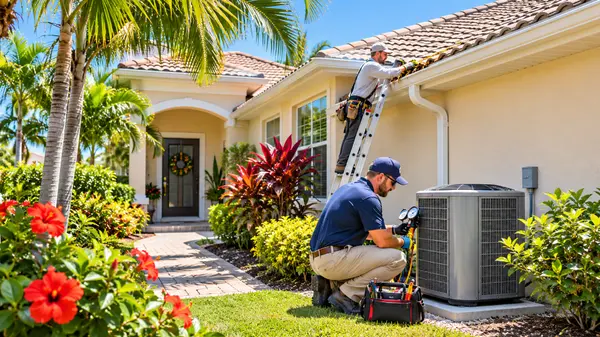
Managing a rental property isn't just about collecting rent checks. It's a time-consuming and sometimes challenging job.
For example, you may get calls from tenants at all hours of the day with maintenance requests. Or you may find a tenant causes damage you have to repair before the next lease starts. You may even have to deal with people falling behind on payments or breaking their lease early. Investopedia highlights:
"It isn’t difficult to find horror stories of landlords troubled with more headaches than profits. Before deciding to rent, consider talking to other landlords and doing a detailed cost analysis. You might find that selling your home is a better financial decision and less stressful.”
Do You Have a Good Understanding of What It’ll Cost?
If you're thinking about renting out your home primarily to generate extra income, remember that there are additional costs you’ll want to plan for. As an article from Bankrate explains:
- Mortgage and Property Taxes: You still need to pay these expenses, even if the rent doesn't cover all of it.
- Insurance: Landlord insurance costs about 25% more than regular home insurance, and it's necessary to cover damages and injuries.
- Maintenance and Repairs: Plan to spend at least 1% of the home's value annually, more if the home is older.
- Finding a Tenant: This involves advertising costs and potentially paying for background checks.
- Vacancies: If the property sits empty between tenants, you'll lose rental income.
- Management and HOA Fees: A property manager can ease the burden, but typically charges about 10% of the rent. HOA fees are an additional cost too, if applicable.
Bottom Line
To sum it all up, selling or renting out your home is a personal decision that depends on your circumstances. Whatever you decide, taking the time to evaluate your options will help you make the best choice for your future.
Make sure to weigh the pros and cons carefully and consult with professionals so you feel supported and informed as you make your decision. A real estate agent can be a great person to go to for advice.
Categories
- All Blogs 2794
- Anna Maria Island 96
- Bird Key 6
- Bradenton 247
- Buying a Home 1792
- Casey Key 4
- Clearwater 18
- Condos & HOA Living 1734
- Ellenton 9
- Englewood 17
- First Time Homebuyers 1926
- Foreclosures 4
- Home Selling 12
- Homeownership 1977
- Lakewood Ranch 42
- Lido Key 29
- Longboat Key 81
- Luxury/Waterfront Properties 1920
- Market Updates & Trends 1419
- Mortgages & Financing 91
- Move-Up Buyers 25
- Neighborhood Guides 1549
- New Construction 48
- Palmetto 4
- Parrish 39
- Port Charlotte 36
- Punta Gorda 166
- Real Estate Investing 1834
- Relocation to Florida 1862
- Safety Harbor 4
- Sarasota 193
- Sarasota - Downtown 177
- Selling a Home 149
- Siesta Key 96
- St. Petersburg 17
- Taxes and Homestead 7
- Tierra Verde 7
- Vacation & Second Homes 2027
- Venice 228
- Wellen Park 25
Recent Posts