What Makes a Home Hard to Sell in Florida? 10 Issues Sellers Can Address Before Listing
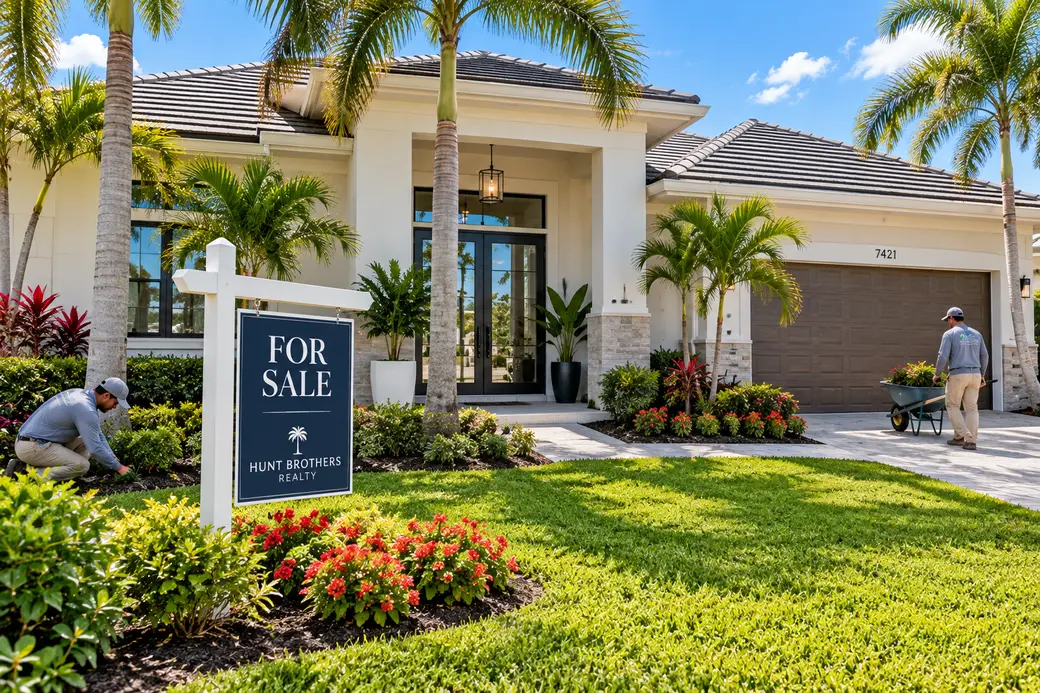
A Florida home can become harder to sell when buyers see a mismatch between its price, condition and competing properties, or when unanswered questions create uncertainty about repairs, insurance or ownership costs. Common obstacles include overpricing, deferred maintenance, roof concerns, moisture problems, dated presentation, poor listing photos, difficult showing access and missing documentation for important improvements. Sellers do not need to renovate every home before listing. The more useful strategy is to identify the issues most likely to affect buyer confidence, address what makes financial sense and position the property accurately for its current market.
Quick Answers About What Makes a Florida Home Hard to Sell
What Is One of the Biggest Reasons a Florida Home Does Not Sell?
Price is one of the first issues to investigate. Buyers compare a home's asking price with recent sales and competing listings, so even an attractive property can struggle when buyers believe another home provides better overall value.
Can an Older Roof Make a Florida Home Harder to Sell?
Roof age and condition can affect buyer perceptions of future maintenance and may also be relevant to property-specific insurance underwriting. An older roof is not automatically a reason a home cannot sell, but missing documentation, visible deterioration or uncertainty about condition can create additional questions for buyers.
Do You Have to Renovate an Outdated Home Before Selling?
No. A dated home can still sell when its condition, price and marketing appropriately reflect what buyers are purchasing. In many cases, repairs, cleaning, paint, landscaping and other targeted improvements may make more sense than a major renovation immediately before listing.
Can Florida Insurance Questions Cause Buyers to Hesitate?
Yes. Buyers may investigate the roof, electrical and plumbing systems, storm-protection features, flood exposure and other property characteristics when obtaining insurance. Sellers can help by organizing accurate documentation, but they should not promise that a buyer will obtain a particular policy or premium.
Do Listing Photos Really Matter?
Yes. Many buyers encounter a property online before deciding whether to schedule a showing. Dark, cluttered, incomplete or poorly composed photographs can make it harder for buyers to understand the home's layout, condition and important features.
Can Restrictive Showing Times Hurt a Sale?
They can reduce the number of opportunities buyers have to see the property. This can be particularly important in Florida markets where buyers may be visiting from another city or state and have a limited window to tour several homes.
What If Your Home Gets Showings but No Offers?
Repeated showings without offers can be a reason to review price, condition, presentation, ownership costs and buyer feedback. One buyer's reaction may mean little, but repeated comments about the same issue can provide useful market information.
1. The Asking Price Does Not Match the Market
Pricing is one of the most important factors a seller can address before listing. Buyers do not evaluate your home in isolation. They compare it with recent sales, current listings and other properties available within the same general budget.
A seller may understandably focus on what was paid for the property, money spent on improvements or a particular amount needed from the sale. Buyers, however, can compare the home with alternatives available today.
Before establishing an asking price, compare:
- Recent comparable sales
- Current competing listings
- Property condition
- Location and lot characteristics
- Renovations and major systems
- Association fees when applicable
- Current inventory and buyer alternatives
Pricing too high can also create a second problem: market time. As competing homes sell, buyers may begin asking why a listing has remained available and comparing its price history with recent transactions.
2. Deferred Maintenance Creates a Long Buyer Repair List
Sellers do not have to make every home perfect. The problem arises when numerous visible maintenance issues accumulate and make buyers wonder what else may have been neglected.
Hunt Brothers Realty's guide to renovating before selling a Florida home recommends evaluating improvements in the order of condition first, function second and appearance third.
Before spending heavily on cosmetic upgrades, look for issues such as:
- Leaking faucets
- Damaged screens
- Doors that do not operate correctly
- Cracked tile
- Peeling paint
- Damaged trim
- Deteriorated caulk or grout
- Broken fixtures or hardware
- Neglected landscaping
- Visible exterior deterioration
A buyer may not know whether a small visible problem is inexpensive to correct or evidence of a broader maintenance issue. Addressing manageable repairs before listing can help prevent minor defects from dominating the buyer's impression.
3. Roof Questions Create Uncertainty
Roof condition can matter anywhere, but Florida sellers should expect buyers to ask detailed questions about it. Buyers may be thinking about future replacement costs, water intrusion, storm resistance and homeowners insurance.
As Hunt Brothers Realty explains in What to Look for in a Roof Before Buying a Home, useful information can include:
- Documented roof age
- Roofing material
- Available permits
- Contractor invoices
- Available warranties
- Prior repair information
- Available inspection or wind-mitigation documentation
An older roof is not automatically defective, and sellers should not assume it must be replaced simply because of age. If condition is uncertain or problems are suspected, use an appropriately qualified inspector, roofing contractor or engineer to evaluate the actual roof.
4. Insurance Questions Are Left Until the Buyer Is Under Contract
Florida buyers increasingly investigate homeowners insurance early. A property can attract interest online and still create hesitation if buyers cannot obtain enough information to evaluate potential coverage and ownership costs.
Depending on the home and insurer, questions may involve:
- Roof age, material and condition
- Electrical systems
- Plumbing systems
- HVAC
- Windows and exterior doors
- Storm-protection features
- Construction characteristics
- Flood exposure
Sellers can organize accurate permits, invoices and documentation for significant improvements when available. Hunt Brothers Realty's Florida homeowners insurance guide explains why buyers should investigate insurance before the final days of a transaction.
Sellers should not advertise or promise a specific insurance premium based on their own policy. Availability, underwriting requirements, coverage, deductibles and premiums can vary substantially by property and applicant. Buyers should obtain property-specific quotes from a qualified Florida insurance professional.
5. Moisture, Drainage or Water Intrusion Raises Bigger Questions
Visible moisture conditions can quickly move a buyer's attention away from countertops and flooring. Ceiling stains, damaged baseboards, deterioration around windows, recurring leaks and visible drainage problems can all prompt additional investigation.
A stain alone does not establish the source, severity or current status of a problem. That is exactly why covering it with paint without addressing the underlying cause is not an appropriate solution.
Potential areas to investigate before listing include:
- Roof leaks
- Plumbing leaks
- Window and door openings
- Exterior grading
- Drainage
- Pool and lanai areas
- Interior areas with visible water damage
Water intrusion, drainage and moisture conditions can have different causes and remedies. Sellers should use the appropriate licensed inspector, contractor, engineer or other qualified professional to diagnose significant concerns and determine appropriate corrective work.
6. The Home Looks More Dated Than Its Competition
Dated does not necessarily mean unsellable. The challenge occurs when a home's price and presentation invite buyers to compare it directly with renovated properties without accounting for the difference in condition.
Before beginning a major remodel, compare your property with the homes buyers are actually seeing. Hunt Brothers Realty's pre-sale renovation guide notes that targeted repairs and cosmetic improvements can sometimes make more sense than an expensive renovation.
Depending on the property, useful refreshes might include:
- Fresh paint where needed
- Updated lighting
- Cabinet hardware
- Flooring repairs or professional cleaning
- Updated caulk and grout
- Landscape cleanup
- Deep cleaning
Do not assume a $50,000 renovation adds $50,000 to the sale price. Renovation cost and added market value are different numbers, and results depend on the individual property and market.
7. Clutter and Poor Presentation Make the Home Hard to Understand
Buyers need to understand the home's space, layout and features. Excess belongings, crowded furniture and unfinished projects can make rooms appear smaller or distract buyers from the property itself.
Before listing, consider:
- Removing excess furniture
- Reducing countertop clutter
- Organizing closets and storage areas
- Completing unfinished minor projects
- Deep cleaning kitchens and bathrooms
- Cleaning windows and glass doors
- Preparing lanais and outdoor spaces
- Removing visibly damaged or unnecessary furnishings
The objective is not to remove all personality from the home. It is to make the property itself easy for buyers to evaluate.
8. Weak Listing Photos Lose Buyers Before the Showing
For many buyers, the first showing happens on a screen. The listing photographs need to communicate what the property offers clearly enough to earn an in-person visit.
Common photography problems include:
- Dark rooms
- Clutter in the frame
- Missing important rooms
- Poor sequencing
- Failing to show outdoor living areas
- Failing to communicate a meaningful view or homesite feature
- Images that make it difficult to understand room proportions
Professional presentation cannot change the underlying property, but it can make sure qualified buyers understand what they are being offered.
9. Buyers Cannot Easily Get Into the Home
A listing cannot convert a buyer who never gets to see it. Restrictive showing windows, lengthy notice requirements and frequent unavailable periods can reduce opportunities, especially when buyers have several comparable homes to tour.
This can matter particularly in Sarasota and other Florida Gulf Coast markets where buyers may be visiting from outside the area. Someone with one afternoon available may simply move to another property if a listing cannot be shown.
Sellers still need reasonable security, privacy and scheduling arrangements. The objective is to make showing access as practical as the seller's circumstances reasonably allow.
10. Important Property Information Is Missing or Hard to Verify
Uncertainty can become an obstacle of its own. A buyer who hears that the roof, windows, electrical system or other major component was replaced may reasonably want documentation.
Before listing, organize available records that may be relevant to the property, such as:
- Roof permits and invoices
- Window and door documentation
- HVAC replacement or service records
- Major plumbing or electrical improvement records
- Pool equipment documentation
- Available warranties
- Available wind-mitigation documentation
- Permits for significant additions or renovations
- Association information when applicable
Documentation does not replace a buyer's inspection or due diligence, and sellers should not make technical conclusions outside their expertise. It can, however, make it easier for buyers and their professionals to investigate the property accurately.
Some Things That Make a Home Harder to Sell Cannot Be Fixed
Not every buyer objection is a repair project. A seller generally cannot change the home's location, lot size, basic floor plan, surrounding development or proximity to a busy road. A waterfront seller cannot change the property's underlying water access, and a condo seller cannot personally change the entire building's finances or association rules.
When a characteristic cannot reasonably be changed, the seller's tools are different. Accurate pricing, complete information, effective presentation and marketing to buyers who value the property's strengths become more important.
Trying to hide or minimize a material issue is not a substitute for an appropriate selling strategy. Questions about a seller's legal disclosure obligations or contract responsibilities should be reviewed with a qualified Florida real estate attorney.
What About Condos and HOA Communities?
A beautifully maintained residence can still encounter buyer hesitation when important condominium or homeowners association information is unavailable or when buyers discover ownership expenses they had not considered.
Depending on the property, buyers may investigate:
- Regular association assessments
- Special assessments
- Association insurance
- Reserve information
- Maintenance responsibilities
- Rental restrictions
- Pet restrictions
- Parking and storage
- Other applicable rules and obligations
Sellers should gather current association information required or appropriate for the transaction and avoid making unsupported conclusions about the association's financial condition, reserves, insurance or future assessments. Property-specific questions should be verified with the association and appropriate qualified professionals.
What About Coastal and Waterfront Florida Homes?
Coastal properties can bring additional buyer questions. Depending on the property, buyers may investigate flood information, elevation, insurance, storm protection, seawalls, docks, boat lifts, water depth and other waterfront characteristics.
Sellers can prepare by locating accurate property records and documentation rather than attempting to answer technical questions outside their expertise. Buyers considering coastal property can also use Hunt Brothers Realty's questions to ask before buying a home near the coast to understand the additional due diligence that may arise.
Flood, elevation, structural, survey, insurance and waterfront-condition questions should be verified with the appropriate insurance professional, surveyor, inspector, engineer, contractor, local authority or other qualified professional.
Should You Get a Pre-Listing Inspection?
A pre-listing inspection can provide additional information about a property's condition before buyers begin conducting their own inspections, but it is not automatically necessary for every seller. The decision depends on the home's age, condition, seller's goals and the issues the seller is trying to understand.
If a seller chooses to obtain an inspection, the findings should be evaluated with the appropriate qualified professionals. A general home inspector may identify an observable concern, while a roofer, electrician, plumber, engineer or other specialist may be needed to diagnose the issue or recommend corrective work.
Should You Sell As-Is Instead of Making Repairs?
Selling without completing every repair can be a reasonable strategy. A well-maintained home can be sold as-is, just as a property needing substantial renovation can be sold as-is. The appropriate approach depends on the seller's goals, property condition, pricing strategy and proposed contract.
Before deciding between repairing and selling in current condition, compare:
- Estimated repair cost
- Likely market benefit
- Time required for the project
- Permitting requirements
- Carrying costs during the work
- Current competing inventory
- Likely buyer expectations
- Seller's preferred timeline
The legal meaning and consequences of a particular contract, including an as-is contract, should be reviewed with a qualified Florida real estate attorney when individualized legal guidance is needed.
Florida Seller Checklist Before Listing
- Review comparable sales and competing listings. Understand what buyers can purchase instead.
- Identify deferred maintenance. Separate meaningful condition issues from purely cosmetic preferences.
- Gather roof and major-system documentation. Locate permits, invoices and warranties when available.
- Investigate known moisture or drainage concerns. Use appropriate qualified professionals rather than covering visible evidence cosmetically.
- Complete manageable repairs. Fix small defects that collectively make the property feel neglected.
- Clean and simplify the home. Make rooms, storage and outdoor areas easy for buyers to evaluate.
- Prepare the exterior. Address landscaping, entry areas, pools and lanais as appropriate.
- Organize property records. Make relevant information easier to verify.
- Plan for showing access. Make it reasonably practical for qualified buyers to tour the home.
- Choose improvements based on the market. Do not assume a major renovation will recover its full cost.
What If Your Florida Home Is Already Listed and Not Selling?
If the property is already receiving market exposure without the expected response, start by identifying the pattern rather than immediately ordering an expensive renovation.
Hunt Brothers Realty's 10 Reasons Buyers May Be Passing on Your Florida Home explains why limited showings, repeated buyer objections, competing homes selling first and substantial market time can justify another look at pricing, condition, presentation, access and marketing.
One negative comment should not dictate a seller's decision. Repeated independent feedback deserves more attention. If several buyers identify the same pricing, condition, insurance or maintenance concern, that pattern can help explain why the home is not converting interest into offers.
The Bottom Line: Make the Home Easier for Buyers to Evaluate
Most sellers cannot make every buyer objection disappear, nor should they try. The objective before listing is to remove unnecessary obstacles and make the property's price, condition and important information easy for buyers to understand.
Start with pricing and property condition. Address manageable deferred maintenance. Investigate significant roof, moisture, electrical, plumbing or other concerns with qualified professionals. Organize available documentation. Prepare the home for photographs and showings. Then decide whether additional cosmetic work is likely to improve marketability enough to justify the cost.
A seller does not need to create a brand-new house. The goal is to present the actual home accurately, reduce avoidable uncertainty and position it appropriately against the properties buyers can choose from today.
Preparing to Sell a Home on Florida's Gulf Coast?
Hunt Brothers Realty helps sellers evaluate how their property compares with recent sales and current competing listings across Sarasota and Florida's Gulf Coast. A property-specific market review can help identify whether pricing, condition, presentation or another factor deserves attention before the home reaches the market.
Sellers can also read Should You Renovate Before Selling Your Florida Home?, review 10 Reasons Buyers May Be Passing on Your Florida Home, or explore Florida Gulf Coast communities to understand the markets where buyers are comparing properties.
Important: This article provides general real estate information for educational purposes and is not individualized legal, financial, tax, insurance, inspection, engineering, construction or permitting advice. Property condition, insurance requirements, repair needs, permitting obligations and seller disclosure responsibilities vary by property and circumstances. Sellers should use appropriately licensed inspectors, contractors, engineers and tradespeople for property-condition questions, verify permitting matters with the applicable local authority, discuss insurance issues with a qualified Florida insurance professional, and consult a qualified Florida real estate attorney regarding individualized legal, disclosure or contract questions.
Sources
- Hunt Brothers Realty, 10 Reasons Buyers May Be Passing on Your Florida Home
- Hunt Brothers Realty, Should You Renovate Before Selling Your Florida Home?
- Hunt Brothers Realty, What to Look for in a Roof Before Buying a Home
- Hunt Brothers Realty, When Should Florida Home Buyers Shop for Homeowners Insurance?
- Hunt Brothers Realty, What Should You Look for During a Home Showing in Florida?
- Hunt Brothers Realty, Common Mistakes Sarasota Home Sellers Should Avoid in 2026
Hunt Brothers Realty
46 N. Washington Blvd, Ste 3, Sarasota, FL 34236
Phone: (941) 388-7017
Email: info@huntbrothersrealty.com
Website: HuntBrothersRealty.com
Categories
- All Blogs 1526
- Anna Maria Island 68
- Bird Key 3
- Bradenton 102
- Buying a Home 669
- Casey Key 2
- Clearwater 5
- Condos & HOA Living 575
- Ellenton 4
- Englewood 5
- First Time Homebuyers 748
- Foreclosures 3
- Homeownership 729
- Lakewood Ranch 15
- Lido Key 24
- Longboat Key 65
- Luxury/Waterfront Properties 666
- Market Updates & Trends 334
- Mortgages & Financing 33
- Move-Up Buyers 20
- Neighborhood Guides 486
- New Construction 26
- Palmetto 2
- Parrish 4
- Port Charlotte 7
- Punta Gorda 11
- Real Estate Investing 600
- Relocation to Florida 650
- Safety Harbor 2
- Sarasota - Downtown 133
- Selling a Home 136
- Siesta Key 87
- St. Petersburg 3
- Tierra Verde 4
- Vacation & Second Homes 782
- Venice 21
- Wellen Park 7
Recent Posts