Before You Buy on Anna Maria Island, Do These 10 Things
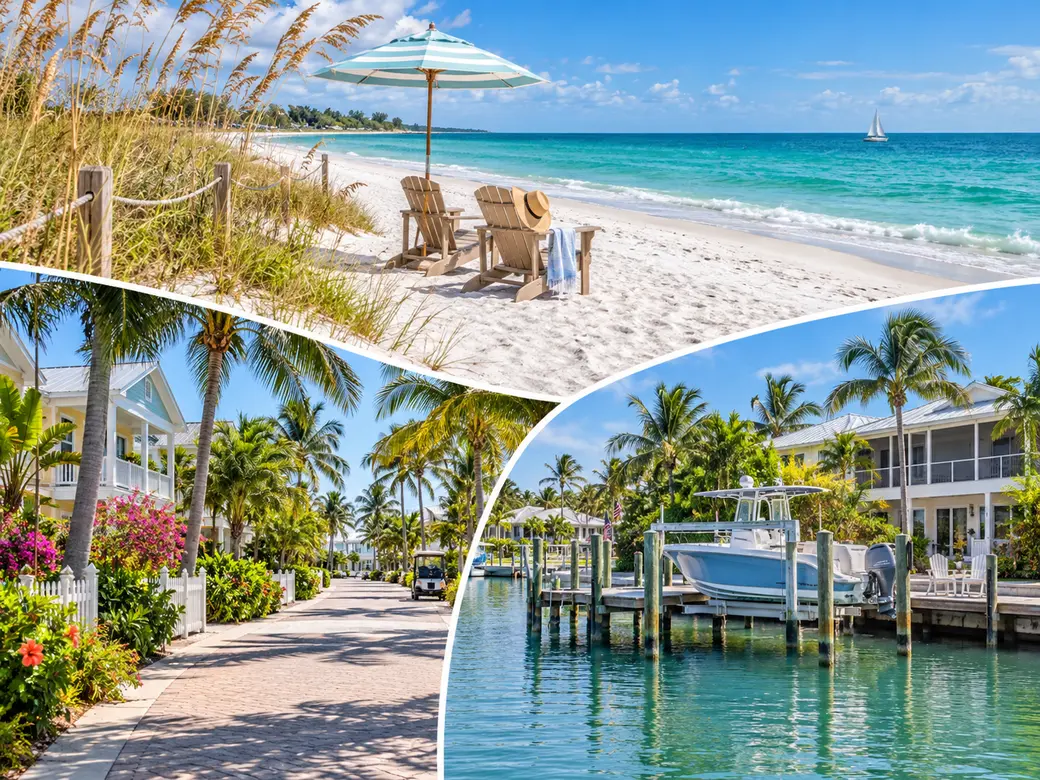
Before buying on Anna Maria Island, look beyond the beach and investigate the exact property. Start by identifying whether the home is in the City of Anna Maria, Holmes Beach or Bradenton Beach. Then verify flood and elevation information, obtain property-specific insurance quotes, investigate storm and repair history, complete appropriate inspections, confirm rental rules if rentals matter, review permits, calculate total ownership costs and evaluate any condominium or waterfront obligations. Anna Maria Island can offer an exceptional Gulf Coast lifestyle, but two homes only a few streets apart can represent very different ownership decisions.
Buyers beginning an island search can first explore Anna Maria Island real estate and read Hunt Brothers Realty's detailed Anna Maria Island Real Estate Buyer's Guide. The ten steps below provide a practical checklist to use before turning an island property into a serious purchase candidate.
Quick Answers About Buying on Anna Maria Island
What Is the First Thing to Check Before Buying on Anna Maria Island?
Identify the property's municipality. Anna Maria Island contains three separate cities, the City of Anna Maria on the north end, Holmes Beach in the center and Bradenton Beach to the south. Municipal location can affect permitting, vacation-rental requirements and other property-specific research.
Should You Get an Insurance Quote Before Buying?
Yes. Insurance availability, coverage, deductibles and premiums can vary substantially by property. Buyers should obtain property-specific homeowners, wind and flood insurance information from a qualified insurance professional early enough for the results to influence the purchasing decision.
Should You Check Flood Risk Even if the Home Looks Elevated?
Yes. Flood research should include the current flood-zone designation, available elevation documentation, construction characteristics and property history rather than relying on appearance. Homes on the same street can have different elevations and insurance considerations.
Can You Assume an Anna Maria Island Home Can Be Used as a Vacation Rental?
No. Rental requirements depend on the exact municipality and property, and condominium or association restrictions may add another layer of rules. If rental use is important, verify current legal use, registrations, licensing, restrictions, taxes and insurance before relying on projected rental income.
What Should Waterfront Buyers Check?
Waterfront buyers should investigate the seawall, dock, boat lift, permits, water depth, tides, navigation route and any bridge restrictions. A waterfront address does not automatically mean the property works for your boat or intended use.
What Should Condo Buyers Review Before Purchasing?
Condo buyers should review current governing documents, budgets, financial information, reserves, assessments, insurance, applicable structural information, rental and pet rules, parking, storage and maintenance responsibilities. The financial and physical condition of the association can be as important as the condition of the unit.
Should You Visit the Property at Different Times?
When practical, yes. Morning traffic, evenings, weekends and busy visitor periods can reveal aspects of island living that a single showing cannot. Buyers should also test the routes they expect to use for mainland errands and other regular trips.
1. Identify Exactly Where on Anna Maria Island You Are Buying
Do not begin with the assumption that Anna Maria Island functions as one municipality. It does not.
The island includes three separate cities:
- City of Anna Maria: The northern portion of the island.
- Holmes Beach: The central portion of the island.
- Bradenton Beach: The southern portion of the island.
Hunt Brothers Realty's Anna Maria Island buyer guide explains why this distinction matters. Municipal location can affect permitting, vacation-rental requirements and other local procedures. A rule applying to a home in the City of Anna Maria should not automatically be assumed to apply to a property in Holmes Beach or Bradenton Beach.
Location also changes the lifestyle. A home near Pine Avenue on the north end, a property in central Holmes Beach and a condo near Bridge Street in Bradenton Beach can all be described as Anna Maria Island real estate while providing noticeably different everyday experiences.
What Should You Do?
Confirm the property's legal address and municipality first. Then research rules, permits, rental requirements and other municipal questions through the city that actually governs that address.
2. Experience the Property as a Resident, Not Just a Vacationer
A vacation can make it easy to focus on the Gulf, sunsets and restaurants. Buying requires a different test.
Spend time around the property outside the showing appointment. Walk the route to the beach you expect to use. Drive to a grocery store. Test the route off the island. Look at parking. Notice neighboring land uses and how close the home is to restaurants, commercial areas and public beach access.
If you expect to live on the island full time, consider everyday questions such as storage, parking, mainland access and the practicality of routine errands. A second-home buyer may place greater emphasis on lower maintenance and beach proximity. A buyer planning rental use has an entirely different set of priorities.
When practical, revisit the street at different times. Anna Maria Island combines permanent and seasonal residential life with visitor activity, and conditions can change between a quiet weekday morning and a busy beach period.
Walk the Actual Beach Route
If beach proximity is one reason you are considering a property, walk from the front door to the beach access you expect to use. A listing description such as "close to the beach" does not tell you about road crossings, parking, the route itself or whether that distance works for your routine.
3. Investigate Flood Risk and Elevation for the Exact Property
Anna Maria Island is a barrier island, making flood research a fundamental part of property-specific due diligence.
Start with the current flood-zone designation, but do not stop there. Hunt Brothers Realty's questions to ask before buying a home near the coast recommends investigating elevation, drainage, prior flooding, storm history, construction and available elevation documentation as part of a broader property review.
Two houses on the same street can have different finished-floor elevations, foundations, drainage characteristics and construction. Do not infer the exposure of one property from another nearby home.
Ask These Flood Questions
- What is the current flood-zone designation?
- Is reliable elevation documentation available?
- What is the elevation of the finished living area?
- Has known flooding or water intrusion occurred?
- What storm-related repairs have been completed?
- Are garages, storage spaces or enclosures below the main living area, and how are they permitted?
- What does the property's drainage look like?
Flood-zone and elevation information should be interpreted with appropriate insurance, surveying, flood-risk and other qualified professionals when it is material to the purchasing decision.
4. Get Real Insurance Quotes Before the Numbers Work on Paper
Do not wait until closing to discover what insuring the property may cost.
Insurance can materially affect the cost of owning coastal real estate. The buyer's available coverage and premium can depend on factors such as the home's age, roof, elevation, construction, windows and doors, storm-protection features, flood characteristics and underwriting requirements.
Do not assume the seller's current premium is what you will pay. Obtain property-specific quotes based on your intended ownership and use.
Ask an Insurance Professional About:
- Homeowners coverage
- Wind or hurricane-related coverage
- Flood insurance
- Applicable deductibles
- Coverage limitations or exclusions
- Roof-related underwriting considerations
- Available wind-mitigation information
- How the intended use of the property affects coverage
Insurance availability, coverage, deductibles and premiums can vary substantially by property. Buyers should obtain property-specific quotes and review coverage with a qualified insurance professional before making a purchasing decision.
5. Investigate Storm Damage, Repairs and Permits
A renovated coastal home can look beautiful during a showing, but new finishes do not tell you why the work was completed or what exists behind them.
Ask about known storm damage, flooding, water intrusion and previous repairs. When significant work has been completed, investigate available permits and supporting records. Depending on the property, this may include work involving roofs, structural repairs, windows and doors, pools, additions, electrical or plumbing systems, docks and seawalls.
The City of Anna Maria Building Department, for example, maintains building and permitting resources for properties within that municipality. Properties in Holmes Beach and Bradenton Beach should be researched through the appropriate jurisdiction instead.
Documentation Worth Investigating
- Seller disclosures and available property history
- Building permits
- Roof permits and repair records
- Storm or water-damage documentation
- Invoices and warranties for significant work
- Engineering or contractor documentation when applicable
- Permits for docks, lifts, seawalls, pools and additions when applicable
Questions involving whether work was properly permitted or complies with current requirements should be verified with the appropriate municipality and qualified construction, inspection, engineering or legal professionals as appropriate.
6. Inspect the House for Coastal Conditions, Not Just Cosmetic Condition
An attractive kitchen does not tell you the condition of the roof, windows, electrical system or building envelope.
Coastal property deserves an inspection strategy appropriate for the specific home, its age, construction, condition and location. Salt air, wind, moisture and storm exposure can make exterior systems particularly important.
Potential Areas to Evaluate Include:
- Roof age, condition and available permit information
- Windows and exterior doors
- Storm-protection features
- HVAC equipment
- Electrical and plumbing systems
- Moisture or evidence of previous water intrusion
- Exterior materials and corrosion
- Pool and pool equipment when applicable
- Structural components requiring specialist evaluation
- Waterfront infrastructure when applicable
Inspection findings should be evaluated with the appropriate licensed inspector, contractor, structural engineer or other qualified professional before the buyer makes a property-specific decision.
7. Verify Vacation-Rental Rules Before Counting a Dollar of Rental Income
If rental income is part of your reason for buying, this step belongs near the beginning of the process, not the end.
Anna Maria Island does not have one island-wide vacation-rental framework. The City of Anna Maria, Holmes Beach and Bradenton Beach have separate municipal requirements, and an HOA or condominium can impose additional restrictions applicable to the property.
The City of Anna Maria's current vacation-rental program, for example, requires registration steps, documentation and an inspection for new registrations. The city's current guidance states that a new registration may not be advertised or rented until it has passed inspection.
That does not establish the rules for a property in Holmes Beach or Bradenton Beach. Verify the actual address with the applicable municipality.
If Rentals Matter, Verify:
- Current legal rental use
- Municipal registration or licensing requirements
- Inspection requirements
- Occupancy and parking requirements
- Applicable operating rules
- Condominium, HOA or recorded restrictions
- Whether existing approvals or registrations transfer
- Existing reservations or management obligations
- Insurance for the intended rental use
- Applicable state and local tax obligations
Do not treat a listing's rental projection or the property's previous rental history as proof of what you will legally be able to do after closing. Rental rights and legal-use questions should be confirmed with the applicable municipality and reviewed with a qualified Florida real estate attorney or other appropriate legal professional when necessary. Tax consequences should be discussed with a qualified tax professional or CPA.
8. If It Is Waterfront, Investigate Everything Between the House and Open Water
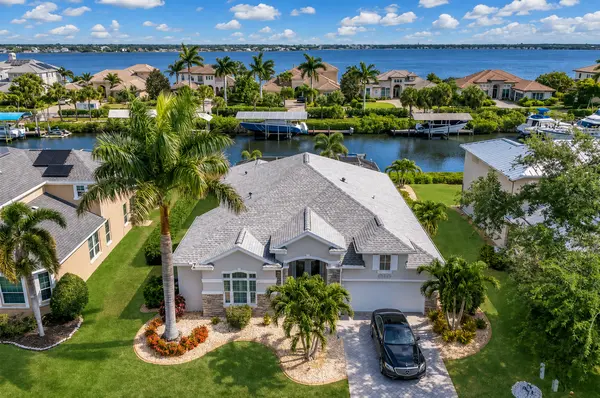
A canal-front or bayfront Anna Maria Island home can be extremely appealing to boaters, but "waterfront" is only the beginning of the description.
Hunt Brothers Realty's Buyer's Guide to Waterfront Homes on Florida's Gulf Coast recommends investigating seawalls, docks and flood considerations before making waterfront features a deciding factor.
Inspect the Seawall
Determine the seawall's construction, condition, available repair history and maintenance responsibility. Look beyond the visible top of the wall and have material concerns evaluated by an appropriate qualified marine contractor, engineer, inspector or other specialist.
Verify the Dock and Lift
A dock already attached to the property should not automatically be assumed to be permitted, suitable for modification or appropriate for your boat. Investigate permit history, physical condition and ownership or maintenance responsibility.
If a lift is present, verify its documented capacity and condition. Compare that information with your vessel rather than relying on appearance.
Run the Boating Route Before You Buy
For serious boaters, investigate the complete route from the property to the water you intend to use. Consider water depth at relevant tides, channel conditions, canal width, bridge restrictions and the vessel's length, beam, draft, height and weight.
Docks, lifts, seawalls, water depth and boating suitability should be evaluated with appropriate qualified marine, engineering, surveying, inspection and permitting professionals before a buyer relies on them in a purchasing decision.
9. If You Are Buying a Condo, Investigate the Association as Carefully as the Unit
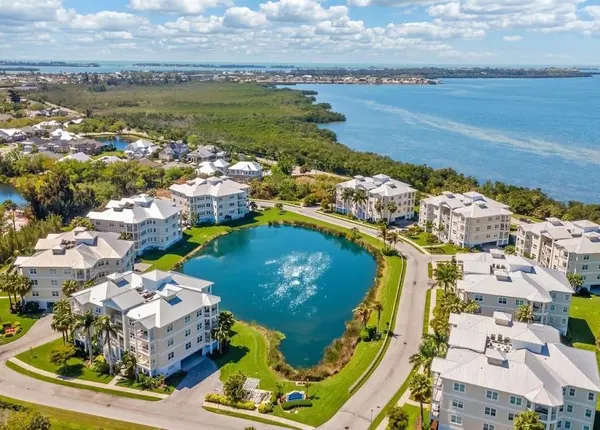
Anna Maria Island offers numerous condominium choices, including properties near the beach, direct Gulf-front buildings and bay or Intracoastal communities. Buyers can compare current Anna Maria Island beachfront condos for sale, but the view and interior finishes are only part of a condominium purchase.
You are also buying into an association with shared financial, maintenance and insurance responsibilities.
Review Current Condo Information
Depending on the property and applicable requirements, buyers may need to investigate:
- Declaration and amendments
- Articles, bylaws and current rules
- Current budget and financial statements
- Reserve information
- Current, proposed or recently completed special assessments
- Applicable structural inspection and reserve-study information
- Recent board and association meeting minutes
- Association insurance and deductibles
- Rental restrictions
- Pet rules
- Parking and storage rights
- Maintenance responsibility for windows, doors, balconies and other components
- Major completed or planned building projects
Do not rely on an older listing to establish current association fees, assessments or rules. Obtain the current documents that govern the residence you are actually buying.
Questions involving condominium documents, assessments, ownership rights, title, rental rights or other legal matters should be reviewed with a qualified Florida real estate attorney or other appropriate legal professional. Association finances may warrant review with a qualified CPA or financial professional, while structural information should be evaluated by appropriately qualified engineering, inspection or construction professionals.
10. Calculate the Real Cost of Owning the Property
The purchase price is not the complete cost of an Anna Maria Island home.
A direct Gulf-front home, canal property, condominium and interior island residence can have very different ongoing expenses. Build a property-specific ownership budget before deciding how comfortably the purchase fits.
Your Budget May Need to Account For:
- Property taxes
- Homeowners insurance
- Flood insurance when applicable or desired
- Wind or hurricane-related coverage and deductibles
- HOA or condominium fees when applicable
- Current or future capital projects and assessments when applicable
- Pool maintenance
- Landscaping
- Roof and exterior maintenance
- Salt-air-related exterior upkeep
- Seawall, dock and lift maintenance when applicable
- Storm preparation
- Property management when applicable
- Vacation-rental operating expenses when applicable
Do not assume the seller's current property tax or insurance expense will become your expense after purchase. Financing, taxes and insurance should be evaluated using information appropriate to your ownership circumstances with the relevant lender, tax professional and insurance professional.
One More Question: What Type of Anna Maria Island Property Do You Actually Want?
After completing these ten steps, return to the lifestyle question that probably started the search.
Do you actually need direct Gulf frontage? Would walking to the beach accomplish the same goal? Is a protected canal and private dock more useful because boating is the priority? Would a condominium reduce some maintenance responsibilities, or do you prefer the control of a detached home?
Buyers interested in direct Gulf frontage can compare current Anna Maria Island beachfront homes for sale. Buyers who want the island without maintaining a detached coastal residence can compare Anna Maria Island beachfront condominiums.
Neither category is automatically the better purchase. The right property depends on your intended use, ownership budget and the results of property-specific due diligence.
A 10-Point Anna Maria Island Buyer Checklist
- Confirm the municipality and research the rules applying to the exact address.
- Experience the location as a prospective resident, including beach access, parking and mainland routes.
- Review flood and elevation information for the individual property.
- Obtain property-specific insurance quotes early in the decision process.
- Investigate storm history, repairs and permits rather than judging renovations by appearance.
- Complete appropriate inspections and bring in specialists when findings require additional expertise.
- Verify rental eligibility and requirements if rental use matters to the purchase.
- Investigate waterfront infrastructure and navigation if the home includes boating access.
- Review condominium or association information when applicable.
- Calculate total ownership costs, not simply the purchase price and mortgage payment.
The Beach View Is the Easy Part
It does not take much research to understand why people want to own real estate on Anna Maria Island. The Gulf, beaches, boating and small-island setting are visible almost immediately.
The less visible details deserve just as much attention. Elevation, insurance, storm history, construction, permits, rental rules, association finances, seawalls, docks and long-term maintenance can materially change how two seemingly similar properties compare.
That is why the strongest Anna Maria Island search is property-specific. Enjoy the view during the showing, then investigate everything the view cannot tell you.
Explore Anna Maria Island Real Estate With Hunt Brothers Realty
Hunt Brothers Realty helps buyers compare Anna Maria Island properties based on more than appearance, including location, intended use, beach access, waterfront characteristics, property condition and the due-diligence questions that can affect coastal ownership. Start with Anna Maria Island real estate, read the complete Anna Maria Island Real Estate Buyer's Guide, review questions to ask before buying near the coast and explore the waterfront home buyer guide. When you are ready to compare current properties, contact Hunt Brothers Realty.
This article provides general real estate and coastal property information for educational purposes only and is not individualized legal, financial, tax, insurance, lending, inspection, engineering, construction, marine, title, surveying or association advice. Municipal requirements, rental rules, flood information, insurance, property conditions, permits, condominium obligations, waterfront conditions and ownership costs can vary by address and change over time. Buyers should obtain current property-specific information and work with the appropriate licensed real estate professional, lender, insurance professional, home inspector, contractor, structural or marine engineer, surveyor, title or closing professional, condominium or homeowners association, local government authority, qualified Florida real estate attorney and tax professional when individualized guidance is required.
Sources
- Hunt Brothers Realty, Anna Maria Island Real Estate
- Hunt Brothers Realty, Anna Maria Island Real Estate: A Buyer's Guide
- Hunt Brothers Realty, Questions to Ask Before Buying a Home Near the Coast
- Hunt Brothers Realty, A Buyer's Guide to Waterfront Homes on Florida's Gulf Coast
- Hunt Brothers Realty, Anna Maria Island Beachfront Homes for Sale
- Hunt Brothers Realty, Anna Maria Island Beachfront Condos for Sale
- City of Anna Maria, Vacation Rentals
- City of Anna Maria, Building Department
Contact Hunt Brothers Realty
46 N. Washington Blvd, Ste 3, Sarasota, FL 34236
Phone: (941) 388-7017
Email: info@huntbrothersrealty.com
Website: HuntBrothersRealty.com
Categories
- All Blogs 1606
- Anna Maria Island 77
- Bird Key 3
- Bradenton 144
- Buying a Home 741
- Casey Key 2
- Clearwater 5
- Condos & HOA Living 648
- Ellenton 4
- Englewood 5
- First Time Homebuyers 821
- Foreclosures 3
- Homeownership 809
- Lakewood Ranch 15
- Lido Key 25
- Longboat Key 72
- Luxury/Waterfront Properties 746
- Market Updates & Trends 397
- Mortgages & Financing 34
- Move-Up Buyers 20
- Neighborhood Guides 546
- New Construction 27
- Palmetto 2
- Parrish 4
- Port Charlotte 7
- Punta Gorda 11
- Real Estate Investing 679
- Relocation to Florida 729
- Safety Harbor 2
- Sarasota 16
- Sarasota - Downtown 140
- Selling a Home 138
- Siesta Key 87
- St. Petersburg 3
- Tierra Verde 4
- Vacation & Second Homes 860
- Venice 21
- Wellen Park 7
Recent Posts