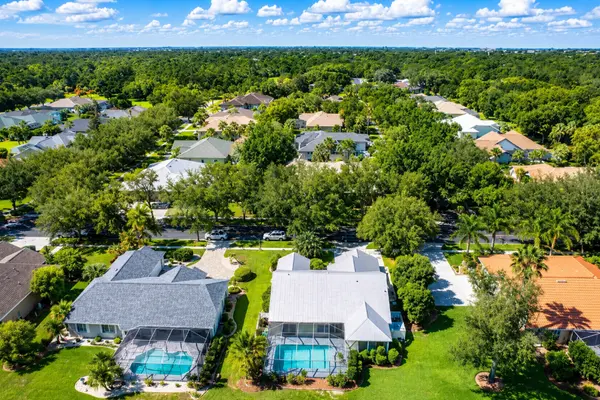
Burnt Store Village: Relaxed Living Near Golf, Boating and Charlotte Harbor
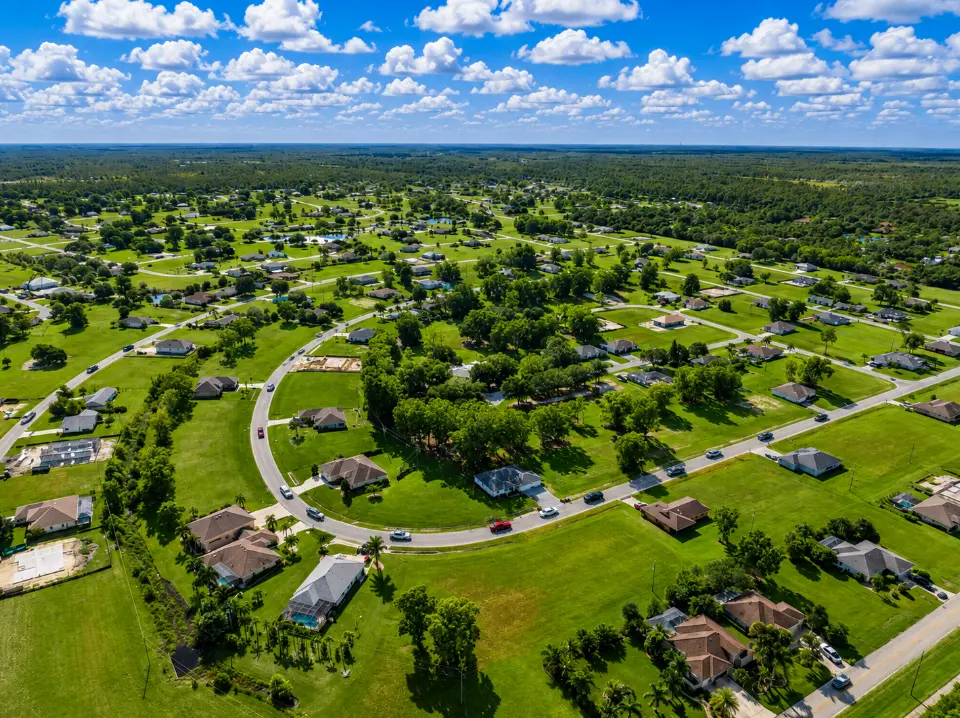
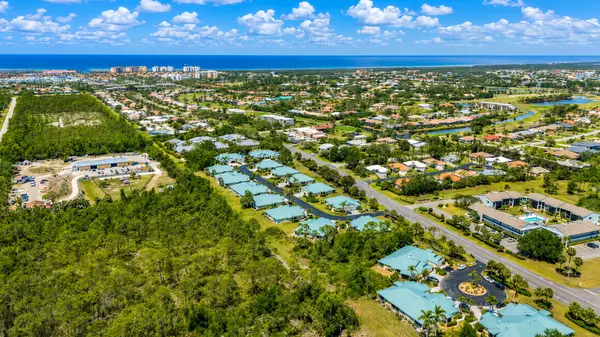
Burnt Store Village is a deed-restricted residential community in southwest Charlotte County with a Punta Gorda mailing address, located east of Burnt Store Road and south of Zemel Road. The community covers approximately 520 acres, contains about 1,450 building lots, and includes roughly 13 miles of county-maintained streets. Buyers will find primarily single-family homes and residential lots in a quieter inland setting. Golf, boating and Charlotte Harbor recreation are nearby, particularly at Burnt Store Marina, but those facilities are separate from Burnt Store Village and should not be represented as included community amenities.
Quick Answers About Burnt Store Village
Where is Burnt Store Village?
Burnt Store Village is in southwest Charlotte County, Florida, with Burnt Store Road to the west and Zemel Road to the north. Its legal subdivision history identifies it as Punta Gorda Isles Section 16, although it is distinct from Punta Gorda Isles, Burnt Store Isles, Burnt Store Lakes and Burnt Store Marina.
Is Burnt Store Village an HOA community?
Yes. Burnt Store Village is deed restricted and has the Burnt Store Village Property Owners Association. Association documents provide for membership by parcel owners. Current assessments, architectural requirements and other obligations should be confirmed directly with the association and through the current transaction documents.
Does Burnt Store Village have a community park?
Yes. The Burnt Store Village Property Owners Association identifies a community park with a walking path around a lake, picnic tables and a playground. The neighborhood also has approximately 13 miles of county-maintained streets.
Does Burnt Store Village have a golf course?
No. Burnt Store Village does not have its own golf course. Golf is available nearby, including the 27-hole golf facility inside the separate Burnt Store Marina community. Golf membership, fees and access are separate from Burnt Store Village ownership.
Does Burnt Store Village have a marina or boat ramp?
No community marina or direct Charlotte Harbor boat access is identified within Burnt Store Village. Boaters can investigate facilities at nearby Burnt Store Marina and other regional launch or storage options. Marina access, storage and fees are separate from homeownership in Burnt Store Village.
Is Burnt Store Village the same as Burnt Store Lakes?
No. Burnt Store Village and Burnt Store Lakes are separate communities with different associations, amenities and governing documents. Burnt Store Lakes has 11 freshwater lakes and a resident canoe and kayak launch, while those features should not be attributed to Burnt Store Village.
Is Burnt Store Village the same as Burnt Store Marina?
No. Burnt Store Marina is a separate gated community in Lee County with its own master association, marina, golf, fitness, racquet and dining facilities. Burnt Store Village is in Charlotte County and should be evaluated as a separate residential community.
Where Is Burnt Store Village Located?
Burnt Store Village occupies approximately 520 acres in southwest Charlotte County. The community association describes Burnt Store Road as its western boundary and Zemel Road as its northern boundary. Properties use a Punta Gorda mailing address.
The location places the neighborhood along the broader Burnt Store Road corridor between central Punta Gorda and communities farther south toward the Charlotte Harbor and Lee County area. That corridor contains several developments with similar names, so buyers should pay close attention to the exact subdivision and county when searching listings.
Burnt Store Village is Punta Gorda Isles Section 16, but it is not Burnt Store Marina, Burnt Store Lakes, Burnt Store Isles or Burnt Store Meadows. The distinction affects association rules, taxes, amenities, boating access and other ownership considerations.
What Types of Homes Are in Burnt Store Village?
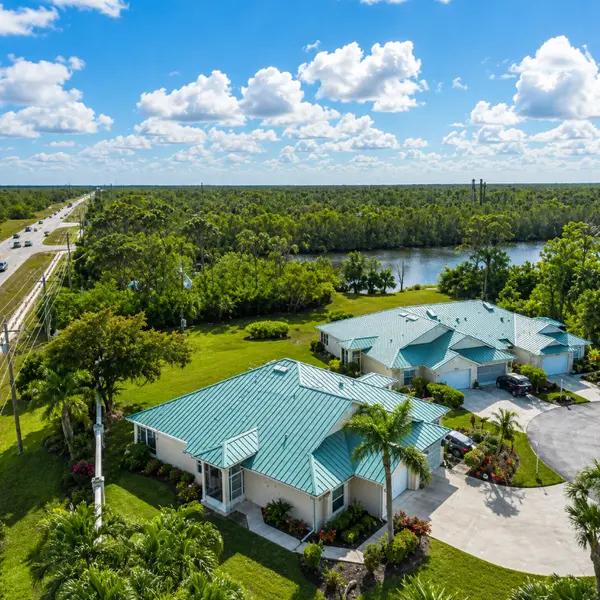
Burnt Store Village is primarily a single-family residential community with both completed homes and vacant residential lots. Because development has occurred over many years, buyers can encounter homes from different construction periods alongside newer construction and remaining homesites.
The neighborhood was not built as one uniform project by a single homebuilder. As a result, architecture, floor plans, living area, lot configuration, garages, pools, finishes and construction dates can vary substantially from property to property.
Buyers considering vacant land should separately verify zoning, setbacks, utility availability, architectural approval requirements, construction costs, drainage, fill requirements, surveys and permitting before purchasing a lot for a future home.
What Is the Community Setting Like?
Burnt Store Village is characterized by an inland residential setting, a relatively low-rise streetscape and a community park rather than a large clubhouse or resort-style amenity complex. The association reports approximately 13 miles of county-maintained streets within the neighborhood.
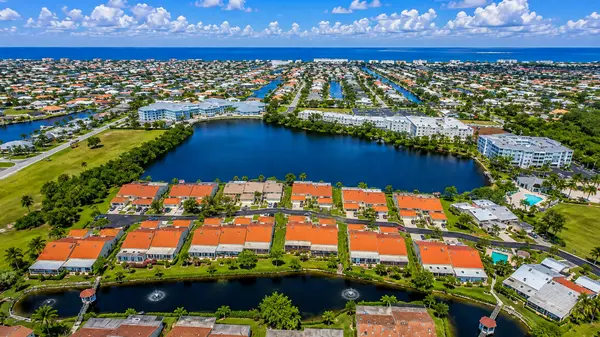
The community park provides a walking path around a lake, picnic tables and a playground. These are Burnt Store Village amenities and should be distinguished from golf, marina, pool, fitness and racquet facilities found in other Burnt Store Road communities.
For buyers who want residential surroundings without paying for an extensive on-site recreational complex, that distinction can be relevant. The tradeoff is that golf, boating and some other recreational activities require using facilities outside Burnt Store Village.
Is Golf Available Near Burnt Store Village?
Yes, but golf is nearby rather than included within Burnt Store Village. The most obvious nearby golf setting is Burnt Store Marina, a separate gated community that has a 27-hole golf facility.
Burnt Store Marina's master association describes golf as one of the recreational options within that community. Burnt Store Village property ownership does not create automatic membership or golf privileges there.
Golfers considering Burnt Store Village should verify current public access, membership availability, rates, dues and playing privileges directly with the applicable golf facility. Club programs can change independently of Burnt Store Village real estate.
What Boating Is Available Near Burnt Store Village?
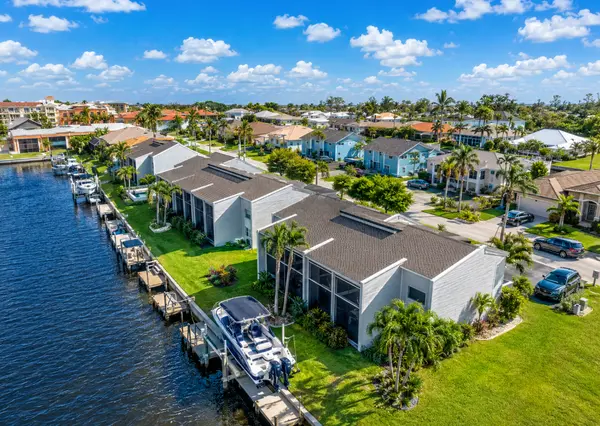
Burnt Store Village is not itself a waterfront boating community and does not provide a community marina or direct Charlotte Harbor boat access. Its boating appeal comes from its location near facilities along the Burnt Store Road and Charlotte Harbor area.
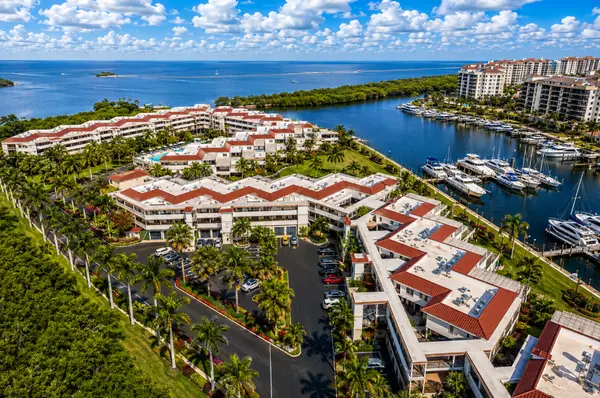
Nearby Burnt Store Marina is a separate community on Charlotte Harbor with a privately operated marina. The Burnt Store Marina master association describes wet and dry boat storage and a boat launch among the facilities available within its gates.
Marina access should be treated separately from residential ownership in Burnt Store Village. Boaters should verify current slip or storage availability, vessel dimensions, draft limitations, rates, launch access and marina agreements directly with the marina operator before making a home purchase based on boating plans.
How Is Burnt Store Village Connected to Charlotte Harbor?
Charlotte Harbor is an important regional recreational resource near the Burnt Store Road corridor, but Burnt Store Village homes should not be described as having direct community water access to the harbor. The neighborhood is inland.
Residents interested in power boating, sailing, fishing or paddling can investigate nearby public and private access points. Burnt Store Marina provides one major boating hub, while neighboring Burnt Store Lakes has its own resident canoe and kayak launch through Bear Branch Creek toward Charlotte Harbor. That launch belongs to Burnt Store Lakes and should not be represented as a Burnt Store Village amenity.
How Does Burnt Store Village Compare With Burnt Store Lakes?
Burnt Store Village and Burnt Store Lakes are both deed-restricted communities along the broader Burnt Store Road corridor, but they are separate developments with different physical features and associations.
| Feature | Burnt Store Village | Burnt Store Lakes |
|---|---|---|
| Subdivision | Punta Gorda Isles Section 16 | Punta Gorda Isles Section 21 |
| Association | Burnt Store Village Property Owners Association | Burnt Store Lakes Property Owners Association |
| Community park | Yes | Yes |
| Freshwater lakes | Park lake, not an 11-lake residential system | 11 freshwater lakes identified by association |
| Resident paddle launch toward Charlotte Harbor | Not identified | Yes, association canoe and kayak launch |
| Community golf course | No | No |
| Burnt Store Marina amenities included | No | No |
The distinction is especially important for buyers searching online because listing descriptions can blur the names. Hunt Brothers Realty's Burnt Store Lakes community guide and listings provide a separate look at that neighborhood.
How Does Burnt Store Village Compare With Burnt Store Marina?
Burnt Store Village and Burnt Store Marina are fundamentally different residential environments. Burnt Store Village is a deed-restricted inland community in Charlotte County. Burnt Store Marina is a separate gated community in Lee County with approximately 1,920 residences across more than 600 acres, according to its master association.
Burnt Store Marina includes a privately operated marina, a 27-hole golf facility, fitness and racquet facilities, dining and numerous individual residential associations. Those features should not be attributed to Burnt Store Village simply because the communities share the Burnt Store name and are located along the same general corridor.
Buyers who want golf or marina facilities integrated directly into their residential community should compare Burnt Store Marina real estate. Buyers who prefer a primarily single-family inland neighborhood with a simpler community amenity structure may find Burnt Store Village more aligned with their search.
What Should Buyers Know About the Burnt Store Village POA?
Burnt Store Village is deed restricted and governed through the Burnt Store Village Property Owners Association. Association records establish restrictions for the subdivision and provide for property-owner membership.
The association also maintains architectural and compliance procedures. Buyers planning new construction, additions, exterior alterations, fencing or other property changes should obtain the current architectural requirements before assuming a project will be approved.
The current annual association assessment is not published on the unrestricted portion of the association website. Buyers should therefore obtain the current assessment, any transfer or other charges, account status and applicable obligations directly from the association, seller, title or closing professional, and the current estoppel information rather than relying on an older MLS listing.
What Is the Burnt Store Village Street and Drainage Unit?
Charlotte County maintains a separate Burnt Store Village Street and Drainage Unit. According to the county, its purpose is to fund construction, reconstruction, repair, paving, widening, guttering and drainage work for platted streets within the unit through special assessments collected from properties in the district.
This county assessment is separate from the Burnt Store Village Property Owners Association. The county's fiscal 2027 budget materials show a $50 per equivalent residential unit rate for Burnt Store Village, with a higher authorized maximum. Because tax assessments can change, buyers should review the current parcel tax bill and county records for the property they are considering.
Questions about how an assessment applies to a specific parcel should be confirmed with Charlotte County, the title or closing professional, or another appropriately qualified professional before closing.
What Should New-Construction Buyers Verify?
Burnt Store Village includes vacant lots and ongoing residential construction, making it relevant to buyers who want to build rather than purchase an existing home. A vacant lot, however, should be evaluated as a construction site rather than simply as inexpensive land.
Before purchasing a homesite, buyers should investigate:
- Current zoning and permitted use
- POA architectural requirements and approval procedures
- Building setbacks and easements
- Survey and lot dimensions
- Drainage and site elevation
- Utility availability and connection requirements
- Fill, grading and site-preparation requirements
- Current construction and impact costs
- County permits and building-code requirements
- Insurance considerations for the planned home
Buildability is property specific. Buyers should have proposed construction evaluated by the association, Charlotte County, a qualified builder or contractor, surveyor, engineer and other appropriate professionals before making a land purchase dependent on a particular home design.
What Should Buyers Know About Flood and Insurance?
Burnt Store Village is inland, but an inland location should never be treated as proof that a property has no flood or drainage exposure. Flood designation, elevation, drainage characteristics and insurance underwriting should be evaluated for the individual parcel.
Homeowners insurance can also vary substantially based on the specific house. Construction year, roof age and condition, opening protection, electrical and plumbing systems, prior claims and other underwriting factors can affect coverage availability and premiums.
Buyers should obtain property-specific homeowners and flood insurance information from qualified insurance professionals before the inspection or financing deadlines in their contract. Inspection findings involving the roof, structure, electrical, plumbing, HVAC or other systems should be evaluated with the appropriate licensed inspector, contractor, engineer or other qualified professional.
What Should Buyers Review Before Purchasing in Burnt Store Village?
A Burnt Store Village purchase should include both property-level and association-level due diligence. The neighborhood's mix of established homes, newer construction and vacant lots means the important questions can differ considerably from one property to another.
- Current POA governing documents and restrictions
- Current association assessment and account status
- Architectural requirements for planned changes
- Current Charlotte County tax bill and non-ad valorem assessments
- Property survey, easements and boundaries
- Home inspection and major building systems
- Roof age and available wind-mitigation documentation
- Flood and drainage information
- Property-specific insurance quotes
- Permit history when additions or renovations are relevant
- Rental or other use restrictions if those plans are important to the purchase
- Golf or marina access separately if those amenities are part of the buyer's decision
Hunt Brothers Realty's Buyer Resource Center provides additional information for buyers preparing for a Florida home purchase.
Who Should Compare Burnt Store Village?
Burnt Store Village is worth comparing for buyers seeking primarily single-family residential property along the Burnt Store Road corridor, particularly those who prefer an inland neighborhood while keeping regional golf and boating opportunities within the broader area.
It may also be relevant to buyers considering new construction because residential lots remain part of the housing mix. Buyers who instead want direct community boating, multiple freshwater lakes or a golf-and-marina resort setting should compare the Village with other nearby communities rather than assuming all Burnt Store neighborhoods offer the same features.
- For an inland single-family community with a neighborhood park: Compare Burnt Store Village.
- For freshwater lakes and resident paddling access: Compare Burnt Store Lakes.
- For a gated golf and marina environment: Compare Burnt Store Marina.
Is Burnt Store Village Worth Considering?
Burnt Store Village offers a straightforward residential alternative along the Punta Gorda area's Burnt Store Road corridor. Its defining features are primarily single-family housing, remaining residential lots, a deed-restricted ownership structure, county-maintained streets and a community park, rather than an extensive package of on-site resort amenities.
The location can still work well for buyers who value golf, boating and Charlotte Harbor recreation because those activities are available elsewhere in the surrounding area. The key is to distinguish nearby amenities from amenities actually included with Burnt Store Village ownership.
Before purchasing, compare the specific home's condition, insurance, flood and drainage characteristics, POA obligations, county assessments and total ownership costs. For vacant land, add a detailed review of buildability and construction requirements.
Explore Punta Gorda Communities With Hunt Brothers Realty
Hunt Brothers Realty helps buyers compare Punta Gorda and Florida Gulf Coast communities based on the characteristics that matter to the individual home search, including housing type, association structure, new-construction opportunities, boating, golf, waterfront access and total ownership considerations.
Explore Florida Gulf Coast communities, compare nearby Burnt Store Lakes and Burnt Store Marina, visit the Buyer Resource Center, or contact Hunt Brothers Realty to discuss a Punta Gorda home search.
This article is provided for general informational and educational purposes only. Association assessments, restrictions, county assessments, taxes, insurance, flood conditions, drainage, construction requirements, permitting, golf access, marina access and other ownership details can change or vary by property. Buyers should verify current information with the Burnt Store Village Property Owners Association, Charlotte County and the appropriate qualified real estate, insurance, lending, legal, tax, inspection, engineering, surveying, construction, title or other professionals before making a property-specific purchasing decision.
Sources
- Burnt Store Village Property Owners Association
- Burnt Store Village Property Owners Association, Single-Family Deed Restrictions
- Charlotte County, Burnt Store Village Street and Drainage Unit
- Burnt Store Marina Section 22 Master Association
- Burnt Store Lakes Property Owners Association
- Hunt Brothers Realty, Burnt Store Lakes
- Hunt Brothers Realty, Burnt Store Marina
- Hunt Brothers Realty, Burnt Store Golf Villas Punta Gorda
Hunt Brothers Realty
46 N. Washington Blvd, Ste 3, Sarasota, FL 34236
Phone: (941) 388-7017
Email: info@huntbrothersrealty.com
Website: HuntBrothersRealty.com
Categories
- All Blogs 2311
- Anna Maria Island 87
- Bird Key 4
- Bradenton 238
- Buying a Home 1359
- Casey Key 2
- Clearwater 14
- Condos & HOA Living 1279
- Ellenton 6
- Englewood 12
- First Time Homebuyers 1471
- Foreclosures 5
- Home Selling 7
- Homeownership 1500
- Lakewood Ranch 25
- Lido Key 28
- Longboat Key 80
- Luxury/Waterfront Properties 1441
- Market Updates & Trends 953
- Mortgages & Financing 69
- Move-Up Buyers 25
- Neighborhood Guides 1073
- New Construction 39
- Palmetto 4
- Parrish 6
- Port Charlotte 12
- Punta Gorda 95
- Real Estate Investing 1356
- Relocation to Florida 1391
- Safety Harbor 4
- Sarasota 96
- Sarasota - Downtown 165
- Selling a Home 146
- Siesta Key 92
- St. Petersburg 8
- Tierra Verde 5
- Vacation & Second Homes 1550
- Venice 211
- Wellen Park 20
Recent Posts