Pirate Harbor: Canal-Front Homes and Boating Near Charlotte Harbor
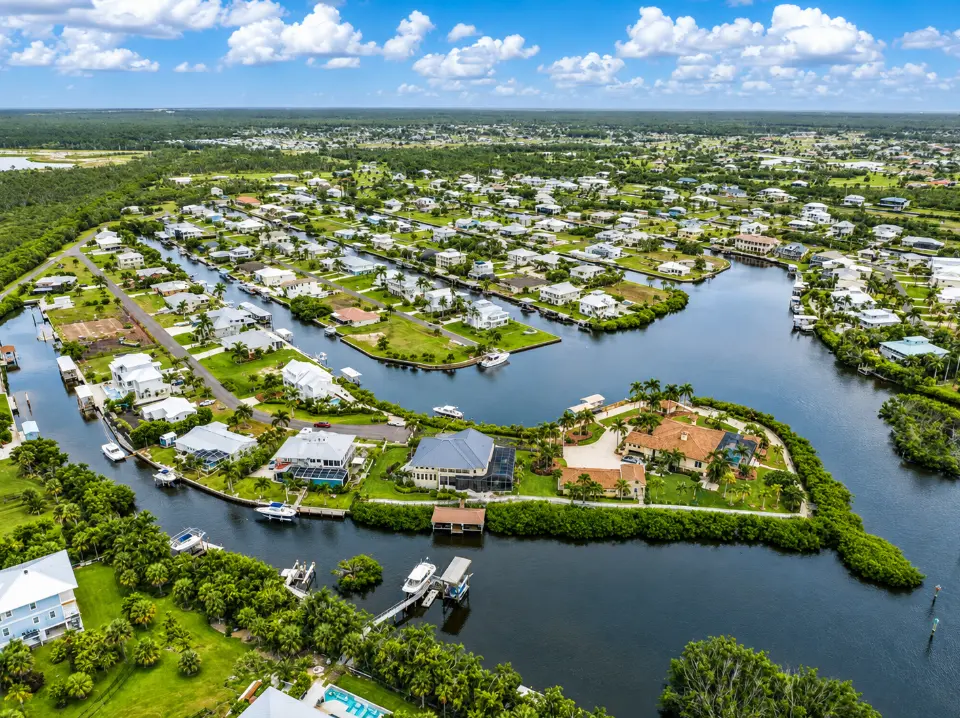
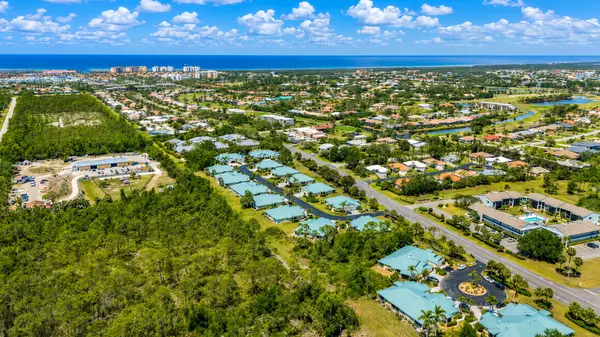
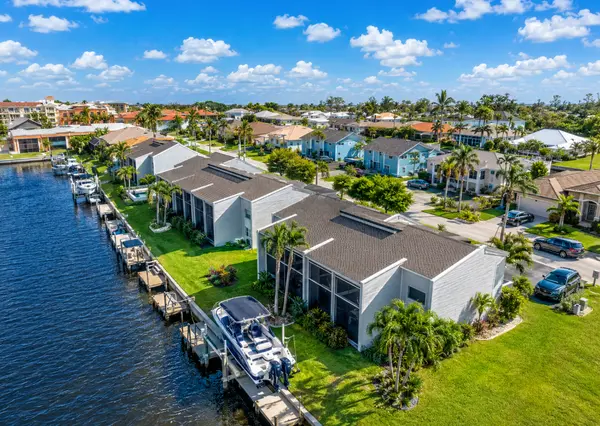
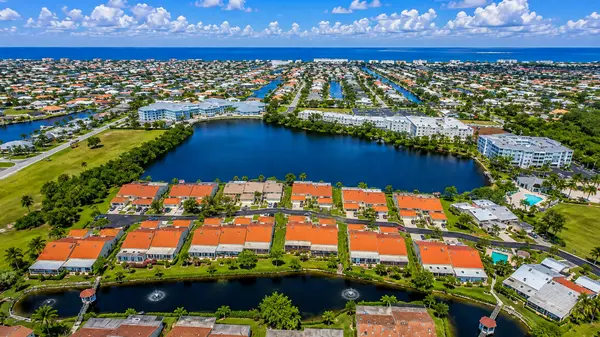
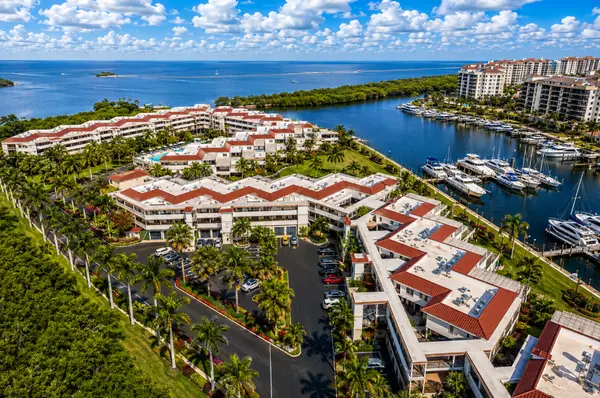
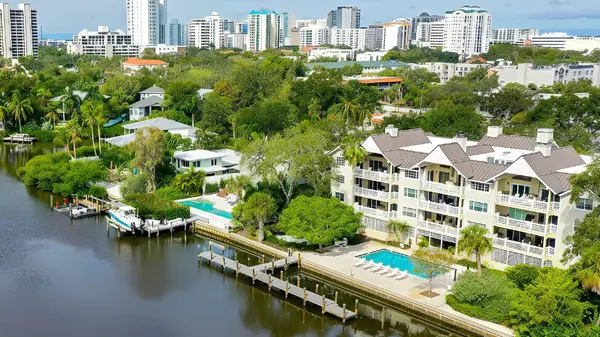
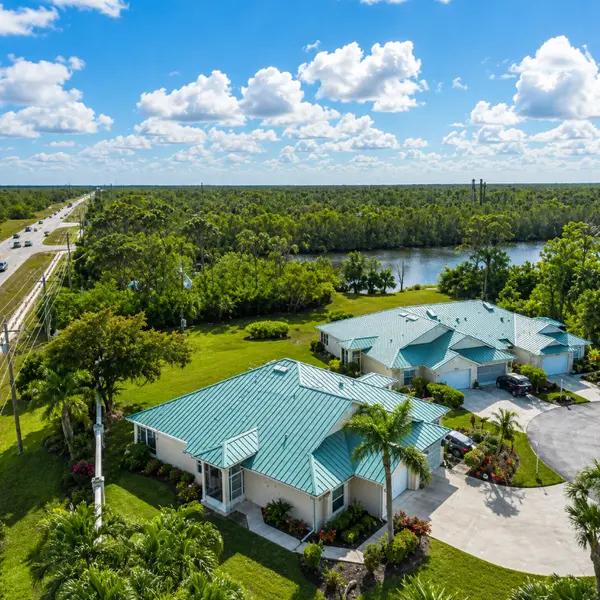
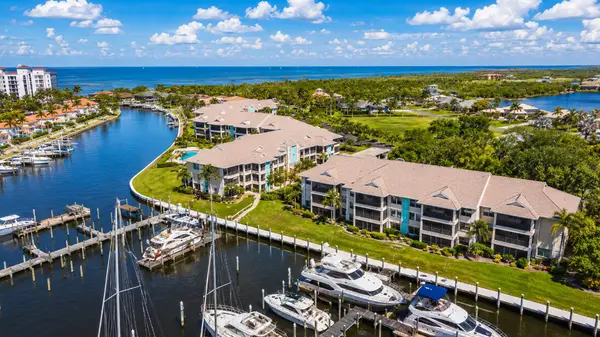
Pirate Harbor is a canal-front residential community in unincorporated Charlotte County with a Punta Gorda mailing address, positioned south of central Punta Gorda near Charlotte Harbor. The neighborhood is especially relevant to boaters because many properties front saltwater canals connected to the Pirate Harbor waterway system, and selected parcels have no-fixed-bridge routes toward Charlotte Harbor. Homes are primarily detached single-family residences, with vacant waterfront lots and newer construction also appearing in the neighborhood. Pirate Harbor does not have a mandatory homeowners association according to current property records, but waterfront ownership brings important property-specific questions involving docks, lifts, seawalls, canal depth, flood exposure and insurance.
Quick Answers About Pirate Harbor
Where is Pirate Harbor?
Pirate Harbor is south of Punta Gorda along the Burnt Store Road corridor in unincorporated Charlotte County. Properties use a Punta Gorda, Florida 33955 mailing address, but the neighborhood is outside the City of Punta Gorda.
Is Pirate Harbor a waterfront community?
Yes. Pirate Harbor is built around a network of saltwater canals leading toward Charlotte Harbor. Many properties are canal-front, although buyers should verify the waterfront characteristics and navigation route of the specific parcel they are considering.
Does Pirate Harbor have no-fixed-bridge boating access?
Current property records document no-fixed-bridge access for selected Pirate Harbor properties. Buyers should still verify the complete navigation route, current water depth, tides, draft, beam and other vessel requirements for the exact property and boat rather than relying solely on a neighborhood-wide description.
Does every Pirate Harbor home have a dock or boat lift?
No. Docks, lifts, seawalls and other waterfront improvements are property-specific. Some current homes have substantial private boating infrastructure, while vacant lots or other residences may have different improvements or permitting requirements.
Does Pirate Harbor have an HOA?
Current property records identify Pirate Harbor properties without a mandatory HOA, and some records describe a voluntary association. Buyers should distinguish an optional neighborhood organization from the Charlotte County Pirate Harbor Waterway Unit, which is a separate public mechanism supporting maintenance of the waterway system.
Who maintains the Pirate Harbor canals?
Charlotte County operates the Pirate Harbor Waterway Unit for dredging, maintenance, clearing, navigational marking and related waterway purposes. The county specifically states that this unit does not maintain private seawalls.
Is Pirate Harbor the same as Burnt Store Marina?
No. Pirate Harbor is a separate Charlotte County canal neighborhood. Burnt Store Marina is farther south and is a separate gated marina and golf community in Lee County, even though both use Punta Gorda mailing addresses.
Where Is Pirate Harbor in Punta Gorda?
Pirate Harbor is in unincorporated Charlotte County along the Burnt Store Road corridor south of central Punta Gorda. Its Punta Gorda mailing address can cause confusion, but buyers should understand that the neighborhood is outside Punta Gorda's municipal boundaries.
The neighborhood occupies a waterfront setting near Charlotte Harbor, with streets including Pirate Harbor Boulevard, Jean La Fitte Boulevard, Blackbeard Boulevard, Henry Morgan Boulevard and Treasure Island Boulevard appearing throughout the canal network.
This location places Pirate Harbor between central Punta Gorda and the Burnt Store area farther south. It is particularly relevant to buyers whose location priorities center on boating and Charlotte Harbor rather than living directly in the downtown district.
What Types of Homes Are in Pirate Harbor?
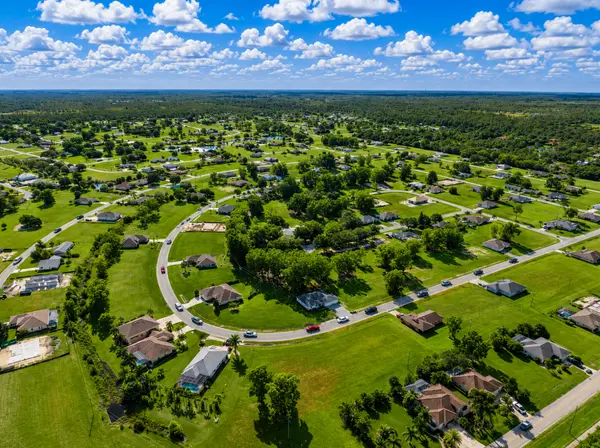
Pirate Harbor is primarily a single-family residential community with a mix of established homes, renovated properties, newer construction and vacant residential lots. The housing stock is not uniform, which means buyers should expect substantial differences in age, size, elevation, storm protection, waterfront improvements and interior condition.
For example, a current Pirate Harbor home on Henry Morgan Boulevard is a 1970 residence with canal frontage, a private dock and boat lift. Other current neighborhood inventory includes vacant waterfront property intended for future construction.
Those listing examples illustrate the neighborhood's variety rather than features shared by every property. A buyer should evaluate each home or lot independently for construction, elevation, utilities, permits, seawall, dock, lift and navigation characteristics.
What Is Boating Like From Pirate Harbor?
Pirate Harbor is a boating-oriented community because its residential canals connect through the Pirate Harbor waterway system toward Charlotte Harbor. Current property records document no-fixed-bridge access on selected parcels, making the neighborhood relevant to buyers with taller vessels as well as conventional powerboats.
No-fixed-bridge access does not mean every vessel is automatically suitable for every Pirate Harbor property. Water depth, tides, shoaling, canal width, dock dimensions, lift capacity, vessel draft and the condition of the access channel can all affect practical boating.
A canal-front address does not by itself establish that a property is suitable for a particular boat. Boat owners should evaluate the complete route from the proposed dock to Charlotte Harbor using current navigation information and property-specific measurements.
Does Pirate Harbor Have Direct Access to Charlotte Harbor?
The Pirate Harbor canal system provides a navigation route toward Charlotte Harbor, but buyers should avoid treating terms such as "direct access" as a substitute for evaluating the actual route. The canals connect through an entrance and connector channel system that Charlotte County monitors and maintains through the Pirate Harbor Waterway Unit.
Charlotte Harbor itself is a large estuarine system surrounded by Charlotte and Lee counties. From the harbor, boating routes extend toward the barrier islands, passes and Gulf waters, subject to navigation conditions and the capabilities of the vessel.
Buyers who consider boating essential should verify the complete route before purchasing, not after closing. Current charts, bathymetric information, local knowledge and appropriate marine professionals can be important when determining whether the property works for a particular vessel.
Who Maintains the Pirate Harbor Waterways?
Charlotte County's Pirate Harbor Waterway Unit exists to provide dredging, maintenance, clearing, navigational marking and safety-related services within the Pirate Harbor waterway system. This is separate from a conventional homeowners association.
The county publishes budgets, financial reports, advisory-board information, meeting materials and bathymetric information for the unit. Buyers evaluating recurring ownership costs should review the current property tax record and applicable MSBU or MSTU information for the individual parcel.
The Pirate Harbor Waterway Unit does not maintain private seawalls. That distinction matters because a canal homeowner may have significant waterfront infrastructure responsibilities even though the county maintains portions of the navigational system.
Is Dredging Planned for Pirate Harbor?
Yes, Charlotte County has an active exterior maintenance-dredging project for portions of the Pirate Harbor access entrance and connector canals. According to the county's October 15, 2026 project update, the project was awaiting permit approval from the U.S. Army Corps of Engineers.
The Charlotte County Pirate Harbor maintenance-dredging project is intended to address portions of the entrance and connector channels. The county states that the interior finger canals do not require dredging as part of this particular project.
Project scope, permitting and timing can change. Boat owners should consult current county information and current water-depth data when navigation characteristics materially affect a purchasing decision.
Does Every Pirate Harbor Property Have a Dock and Boat Lift?
No. Docks and boat lifts are improvements associated with individual properties, not guaranteed neighborhood-wide amenities. Current Pirate Harbor listings range from homes with established docks and lifts to vacant waterfront lots where a buyer may need to construct or modify boating infrastructure.
One current HBR-displayed listing on Henry Morgan Boulevard, for example, reports a private dock and a 10,000-pound lift. Another Pirate Harbor waterfront property on Blackbeard Boulevard is vacant land with permits represented in the listing for waterfront improvements.
A dock should be evaluated for both legal status and practical suitability. Buyers should verify permits, dimensions, structural condition, lift capacity, electrical service, water depth and whether the configuration works for the intended vessel with the appropriate permitting authority, marine contractor, inspector or other qualified professional.
Who Is Responsible for the Seawall?
Charlotte County expressly states that seawall maintenance is not included in the purpose of the Pirate Harbor Waterway Unit. A waterfront buyer should therefore investigate the seawall associated with the individual property and determine ownership and maintenance responsibilities before purchasing.
Seawalls can vary significantly in age, material, construction and condition. Visible cracking, movement, erosion, tie-back issues or other concerns may require evaluation by an appropriately qualified marine contractor, engineer or inspector.
Buyers planning a dock, lift, seawall replacement or other waterfront work should also verify current permitting requirements before assuming an improvement can be installed or modified as planned.
Does Pirate Harbor Have an HOA or Deed Restrictions?
Current Pirate Harbor property records consistently report no mandatory HOA, and selected listings describe a voluntary homeowners association. The neighborhood is also commonly marketed as non-deed-restricted, but buyers should still conduct property-specific title and land-use review rather than assuming that "no HOA" means there are no restrictions of any kind.
County zoning, building codes, waterfront regulations, permitting requirements, easements and other recorded matters can apply independently of an HOA. A property's title may also contain matters that cannot be determined merely by looking at neighborhood marketing.
Questions involving title, deed restrictions, easements, ownership rights or other legal matters should be reviewed with a qualified Florida real estate attorney, title professional or other appropriate professional when they affect a purchasing decision.
What Utilities Are Available in Pirate Harbor?
Current property records document public water and public sewer availability for selected Pirate Harbor properties, including current waterfront lots. Buyers should nevertheless verify the utility connections and any outstanding connection, capacity or infrastructure obligations for the specific parcel.
This is particularly important when purchasing vacant land or planning replacement construction. Utility availability near a lot does not necessarily establish the exact cost or procedure required to connect a future home.
What Should Buyers Know About Flood Risk and Insurance?
Flood and insurance review is particularly important in Pirate Harbor because it is a low-lying canal-front community near Charlotte Harbor. Current property records identify Flood Zone AE for selected Pirate Harbor parcels, but flood designations and elevation information must be checked for each individual property.
A buyer should review the current FEMA and Charlotte County flood information, available elevation documentation, building elevation, flood openings when relevant, and property-specific insurance options. A neighboring home's flood designation, premium or coverage is not a reliable substitute for a quote on the property being purchased.
Insurance availability, coverage and premiums can vary substantially by property. Buyers should obtain property-specific homeowners and flood insurance quotes and review coverage with a qualified insurance professional before making a purchasing decision.
How Does Pirate Harbor Compare With Burnt Store Isles?
Pirate Harbor and Burnt Store Isles both offer canal-front single-family homes in the greater Punta Gorda area, but they are separate communities with different waterway routes and ownership structures.
Burnt Store Isles is a deed-restricted community closer to central Punta Gorda, with canal boating access toward Charlotte Harbor through Alligator Creek and a golf-oriented setting around Twin Isles Country Club. Pirate Harbor is farther south in unincorporated Charlotte County and is characterized by its saltwater canal system and absence of a mandatory HOA in current property records.
For a boating buyer, the better comparison depends on the specific vessel, property, canal route, dock configuration, bridge conditions, water depth and preferred location rather than simply which neighborhood is closer to open water on a map.
Is Pirate Harbor Part of Burnt Store Marina?
No. Pirate Harbor and Burnt Store Marina are distinct communities. Pirate Harbor is in Charlotte County, while the residential portion of Burnt Store Marina farther south is in Lee County despite also using a Punta Gorda mailing address.
Burnt Store Marina is a gated master community with a large marina, golf and other separately operated recreational amenities. Pirate Harbor is primarily a canal-front single-family neighborhood where many owners have boating infrastructure directly at their own property.
Buyers interested in the marina alternative can compare Hunt Brothers Realty's Burnt Store Marina condominium guide to Halyard Club and other nearby marina-oriented communities.
What Should a Boat Owner Verify Before Buying in Pirate Harbor?
A boat owner should verify the property and the entire navigation route against the vessel they intend to keep there. Waterfront marketing terms alone are not enough to determine whether a particular home is a practical match.
- Current canal and channel depth
- Depth at the dock at relevant tides
- Vessel draft and beam
- Whether the complete route has any bridge or overhead limitations
- Dock dimensions and structural condition
- Dock and lift permits
- Boat-lift capacity and dimensions
- Seawall condition and ownership responsibility
- Electrical and water service at the dock
- Current dredging and channel-maintenance information
- Navigation conditions between the property and Charlotte Harbor
Marine structures and navigation conditions can materially affect a waterfront purchase. Buyers should use appropriate marine contractors, surveyors, inspectors, engineers, permitting authorities and other qualified professionals when evaluating property-specific conditions.
What Should Buyers Review Before Purchasing a Pirate Harbor Home?
Pirate Harbor buyers should evaluate the house, land and waterfront infrastructure as one complete property. For a canal home, the condition and legal status of the waterfront improvements can be just as important as the residence itself.
- Home condition and inspection findings
- Roof, electrical, plumbing and HVAC condition
- Elevation and flood information
- Property-specific homeowners and flood insurance quotes
- Seawall condition
- Dock and boat-lift condition
- Waterfront permits
- Canal depth and navigation route
- Survey, boundaries and waterfront dimensions
- Current zoning and permitted property use
- Utility connections
- Current tax record and applicable waterway-unit assessments
- Title, easements and recorded restrictions
Inspection findings should be evaluated with the appropriate licensed inspector, marine contractor, engineer or other qualified professional. Legal questions involving title, easements, permits or ownership rights should be reviewed with the appropriate title professional, governmental authority or qualified Florida real estate attorney.
Is Pirate Harbor Worth Considering for Waterfront Living?
Pirate Harbor is worth considering for buyers who place canal frontage and boating access high on their property search. Its defining characteristic is the relationship between individual residential properties, the neighborhood canal system and Charlotte Harbor.
The absence of a mandatory HOA in current property records also distinguishes Pirate Harbor from many deed-restricted Southwest Florida communities. That does not eliminate county regulations, waterfront permitting requirements, waterway-unit costs or other property-specific obligations.
For boaters, the strongest Pirate Harbor property is not simply the home with the best canal view. It is the property where the home, seawall, dock, lift, water depth, navigation route, insurance and total ownership costs work together for the buyer's actual plans.
Explore Pirate Harbor and Punta Gorda Waterfront Homes With Hunt Brothers Realty
Hunt Brothers Realty helps buyers compare Southwest Florida waterfront properties based on practical characteristics such as canal access, docks, boat lifts, seawalls, navigation routes, home condition, insurance considerations and overall ownership costs.
Buyers comparing Pirate Harbor with other Charlotte Harbor boating areas can explore Burnt Store Isles waterfront homes, review Hunt Brothers Realty's Port Charlotte waterfront home buyer guide, compare Harbour Heights river and canal homes, or use the Hunt Brothers Realty Buyer Resource Center when preparing for a Florida home purchase.
This article is provided for general informational and educational purposes only. Waterfront conditions, water depth, navigation, docks, lifts, seawalls, permits, flood designations, insurance, utilities, taxes, assessments, title matters and property condition vary by parcel and can change. Buyers should verify property-specific information with the appropriate licensed real estate professional, insurance agent, inspector, marine contractor, engineer, surveyor, title professional, attorney, lender and governmental or permitting authority before making a purchasing decision.
Sources
- Charlotte County, Pirate Harbor Waterway Unit
- Charlotte County, Pirate Harbor Exterior Maintenance Dredging Project
- Florida Department of Environmental Protection, Charlotte County Coastal Access Guide
- Hunt Brothers Realty, Current Pirate Harbor Home on Henry Morgan Boulevard
- Hunt Brothers Realty, Pirate Harbor Waterfront Property on Blackbeard Boulevard
- Hunt Brothers Realty, Burnt Store Isles
- Hunt Brothers Realty, Port Charlotte Waterfront Homes Buyer Guide
Hunt Brothers Realty
46 N. Washington Blvd, Ste 3, Sarasota, FL 34236
Phone: (941) 388-7017
Email: info@huntbrothersrealty.com
Website: HuntBrothersRealty.com
Categories
- All Blogs 2311
- Anna Maria Island 87
- Bird Key 4
- Bradenton 238
- Buying a Home 1359
- Casey Key 2
- Clearwater 14
- Condos & HOA Living 1279
- Ellenton 6
- Englewood 12
- First Time Homebuyers 1471
- Foreclosures 5
- Home Selling 7
- Homeownership 1500
- Lakewood Ranch 25
- Lido Key 28
- Longboat Key 80
- Luxury/Waterfront Properties 1441
- Market Updates & Trends 953
- Mortgages & Financing 69
- Move-Up Buyers 25
- Neighborhood Guides 1073
- New Construction 39
- Palmetto 4
- Parrish 6
- Port Charlotte 12
- Punta Gorda 95
- Real Estate Investing 1356
- Relocation to Florida 1391
- Safety Harbor 4
- Sarasota 96
- Sarasota - Downtown 165
- Selling a Home 146
- Siesta Key 92
- St. Petersburg 8
- Tierra Verde 5
- Vacation & Second Homes 1550
- Venice 211
- Wellen Park 20
Recent Posts