Buying a Gated Estate in Sarasota
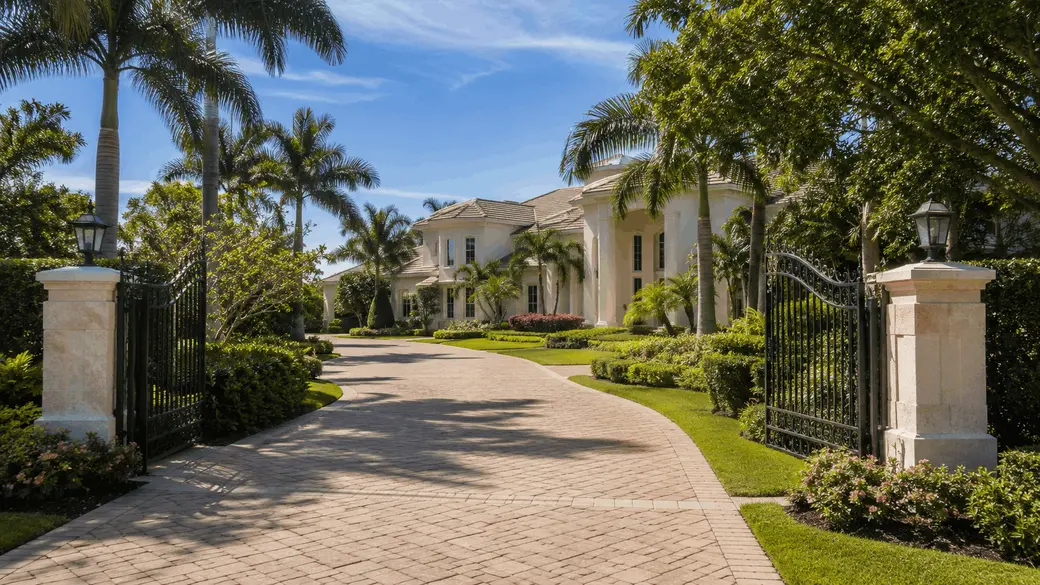
Buying a gated estate in Sarasota can provide privacy, controlled community access, larger homes, attractive surroundings, and amenities, but the gate itself should be only one part of the purchasing decision. Buyers should also evaluate the individual property, location, homeowners association, ownership costs, insurance, flood considerations, architectural restrictions, amenities, and how the community fits their everyday lifestyle.
Sarasota's gated communities are not all alike. Some emphasize golf and club lifestyles. Others focus on larger estate homes, privacy, lakes, preserves, or community recreation. Gated neighborhoods can be found near the coast, within established areas such as Palmer Ranch, and farther east where newer residential development provides additional options.
For buyers exploring Sarasota luxury real estate with Hunt Brothers Realty, the better question is not simply whether a neighborhood has gates. It is what you receive, what you agree to, and what you pay for by owning inside them.
Quick Answers About Buying in a Sarasota Gated Community
| Question | Quick Answer |
|---|---|
| Does gated always mean staffed security? | No. Access systems vary and can include automated gates, resident credentials, visitor systems, staffed entrances, or combinations of these features. |
| Do gated communities have HOAs? | Many do. Buyers should verify the legal structure, current assessments, governing documents, rules, and owner responsibilities for the specific property. |
| Are all gated Sarasota homes luxury estates? | No. Sarasota has gated communities containing everything from villas and condominiums to large custom residences and estate homes. |
| Can an HOA restrict exterior changes? | Community covenants and architectural standards can regulate certain property uses and modifications. Buyers should review the current documents for the community. |
| Does a gate guarantee privacy or security? | No. A controlled entrance is a community feature, not a guarantee against crime, trespassing, traffic, noise, or other concerns. |
| What should buyers review before purchasing? | The home, lot, HOA documents and finances, assessments, architectural rules, insurance, flood information, inspection findings, taxes, amenities, and any club obligations relevant to the property. |
What Does "Gated Estate" Mean in Sarasota?
The phrase "gated estate" can describe several different types of Sarasota property.
At one end of the market are large custom residences on substantial lots inside private gated neighborhoods. Other communities combine estate-style homes with golf, tennis, club facilities, lakes, preserves, or other shared amenities. Still others provide gated access but consist primarily of more conventional single-family homes or villas.
That distinction matters during a property search. A gate tells you relatively little about lot size, architectural quality, community amenities, ownership restrictions, privacy between homes, or the cost of living there.
Start with Location, Not the Gate
Location remains one of the most important differences among Sarasota gated communities.
A buyer prioritizing proximity to Siesta Key may focus on established communities in south Sarasota and Palmer Ranch. Someone who values newer construction or larger master-planned environments may look farther east. A golf-focused buyer may start with private or semi-private club communities, while another buyer may care more about convenient access to downtown Sarasota, shopping, medical facilities, or the airport.
The most impressive entrance in Sarasota will not compensate for a location that makes your normal routine inconvenient. Drive from a prospective community to the places you expect to use regularly before allowing the community entrance or amenities to determine your decision.
Not All Gated Access Works the Same Way
One of the first things buyers should understand is how access actually works.
A community may use automated gates, electronic credentials, remote visitor authorization, staffed entrances, or several systems together. Procedures can also differ for residents, guests, contractors, service providers, deliveries, and vendors.
Buyers should also distinguish access control from a promise of security. Gates can regulate vehicle entry and contribute to a community's sense of privacy, but they do not eliminate risk or guarantee security.
If security services materially affect your decision, verify current staffing, access procedures, patrol services if any, gate hours, visitor protocols, and related features directly with the association or community management.
Privacy Depends on the Lot as Much as the Community
A gated entrance does not automatically create privacy once you reach the house.
Lot width, setbacks, neighboring homes, landscaping, preserve areas, lakes, golf courses, road position, outdoor living areas, and the orientation of nearby residences can have a greater effect on everyday privacy than the front gate.
For buyers seeking an estate-like environment, pay particular attention to what can be seen from the pool, lanai, primary bedroom, outdoor kitchen, and main living areas. A large house on a tightly positioned lot may feel less private than a smaller residence with a carefully chosen preserve or lake setting.
Buyers should also investigate whether nearby vacant parcels or common areas could change in the future rather than assuming today's view or privacy will remain unchanged.
Understand Exactly What the HOA Controls
For many buyers, the HOA is one of the biggest differences between purchasing a gated estate and buying a home without comparable community restrictions.
Recorded covenants and association rules may address architectural changes, exterior colors, roofs, landscaping, fences, gates, parking, vehicles, leasing, pets, signs, outdoor equipment, additions, and other aspects of property use. The scope varies by community and can change over time.
Florida law provides disclosure requirements for prospective purchasers in communities where association membership is mandatory. The required disclosure addresses association membership, recorded restrictive covenants, and assessments, among other matters.
The legal effect of covenants, disclosures, contracts, approval requirements, or a buyer's rights depends on the specific documents and circumstances. Buyers with legal questions should have the governing documents and purchase contract reviewed by a qualified Florida real estate attorney before relying on an interpretation.
Architectural Review Can Matter More with an Estate Home
Buyers of larger luxury homes often have ambitious plans for the property. That makes architectural restrictions especially important.
Before purchasing, consider whether you might eventually want to change exterior finishes, redesign landscaping, install or modify a pool, add an outdoor kitchen, alter a driveway, install fencing, add a generator, modify windows, expand the home, or make other exterior improvements.
A project that is physically possible may still require association approval, governmental permits, or both. Restrictions can also affect materials, placement, dimensions, appearance, and construction procedures.
Buyers contemplating significant modifications should verify feasibility with the association, local permitting authority, appropriate contractors, architects, engineers, and legal professionals before assuming a planned improvement will be permitted.
HOA Fees Tell Only Part of the Ownership-Cost Story
Comparing gated communities solely by their regular HOA assessment can be misleading.
First determine what the assessment actually funds. Depending on the community, expenses may include gated access, private roads, common landscaping, lakes, community amenities, management, reserves, security-related services, cable or internet packages, and other shared costs.
Then investigate costs outside the HOA. A large estate can bring substantial expenses for landscaping, irrigation, pool care, roof replacement, exterior maintenance, HVAC systems, insurance, utilities, pest control, and other property-specific needs.
Buyers should review current association financial information and ask about assessments, reserves, planned projects, and responsibilities for roads, gates, walls, drainage, landscaping, lakes, and other common infrastructure. Financial, accounting, and legal questions should be reviewed with the appropriate qualified professionals when they materially affect the purchasing decision.
Golf and Club Memberships Need Separate Attention
Some Sarasota gated communities are closely associated with golf, tennis, fitness, dining, or private club facilities. Buyers should not assume that purchasing a home automatically provides a particular level of club access.
Membership may be mandatory or optional depending on the community and property. Initiation charges, dues, membership categories, waitlists, transfer rules, food and beverage requirements, and access to particular facilities can also change.
If golf or club access is important to the purchase, obtain current written membership information directly from the club and verify all costs, availability, and requirements before making a decision.
Turtle Rock Shows Another Version of Gated Sarasota Living
Not every gated Sarasota community is built around golf or very large estates.
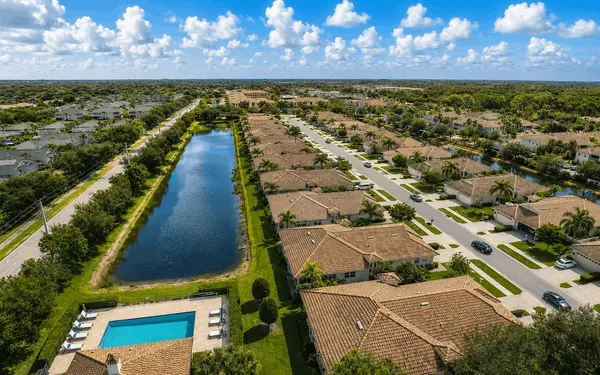
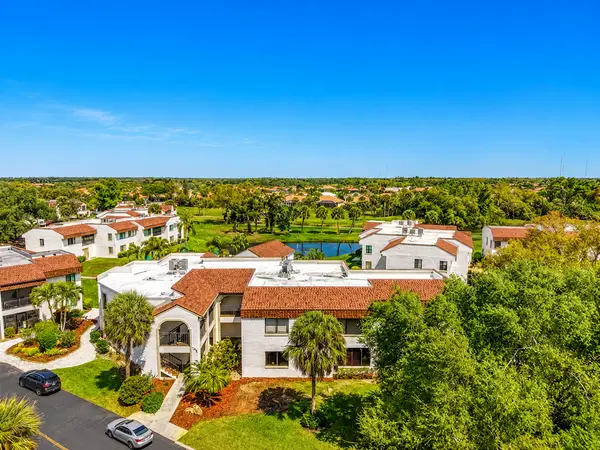
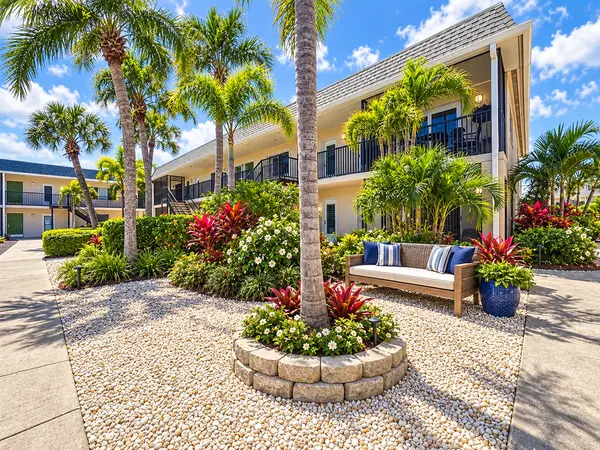
Turtle Rock on Palmer Ranch is one example. Hunt Brothers Realty's current community information identifies it as a gated single-family home and villa neighborhood with mature landscaping, interior lakes and preserves, a clubhouse, heated pool, tennis courts, and basketball court.
The example is useful because it demonstrates why buyers should define what they mean by gated living. Some buyers want an estate-sized custom home, while others want controlled access, attractive surroundings, recreational amenities, and an established neighborhood. Those searches can lead to very different communities.
Newer Gated Communities Offer a Different Experience
Buyers should also decide whether they prefer an established gated neighborhood or newer development.
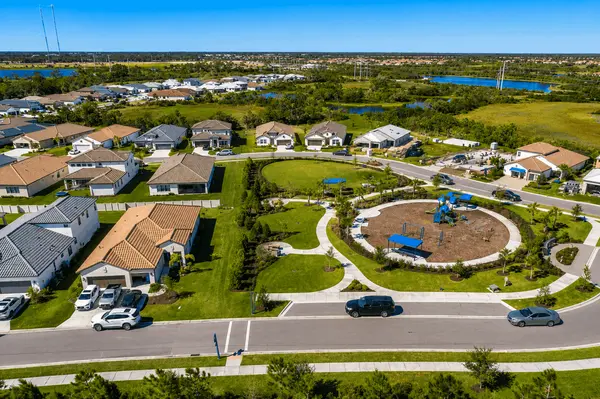
Arbor Lakes on Palmer Ranch, for example, was developed primarily during the 2010s and combines gated single-family living with amenities that include a clubhouse, resort-style pool, playground, splash park, and basketball court.
An established community may provide mature landscaping, larger trees, completed surroundings, and a clearer picture of the neighborhood's long-term character. Newer communities may provide more contemporary floor plans, newer building systems, modern storm-protection features, and different amenity packages.
Age alone does not determine quality or future maintenance needs. Buyers should evaluate the individual home and community rather than assuming newer is automatically better or older is automatically more expensive to maintain.
Large Luxury Homes Require More Detailed Inspections
An estate home can contain substantially more systems and components than a conventional residence.
Depending on the property, buyers may need to evaluate multiple HVAC systems, pools and spas, outdoor kitchens, generators, elevators, extensive irrigation, fireplaces, sophisticated electrical systems, smart-home equipment, security systems, specialty windows and doors, guest houses, docks, gates, fountains, or other features.
Roof condition, plumbing, electrical systems, moisture, drainage, pool equipment, windows and doors, wind mitigation features, and prior renovations also deserve attention. Older luxury homes may have undergone multiple rounds of additions and remodeling that should be understood as part of the inspection process.
Inspection findings and specialized systems should be evaluated with the appropriate licensed home inspector, contractor, engineer, pool professional, electrician, roofer, HVAC professional, or other qualified tradesperson before the buyer makes decisions based on their condition or expected cost.
Insurance Should Be Investigated Early
Luxury-home buyers should investigate insurance before becoming emotionally committed to a particular property.
Large replacement values, roof characteristics, age, construction type, wind mitigation, openings, flood exposure, pools, detached structures, specialty finishes, prior claims, intended occupancy, and other property characteristics can affect available coverage and cost.
Insurance availability, coverage, exclusions, deductibles, and premiums can vary substantially by property. Buyers should obtain property-specific quotes and review appropriate coverage with a qualified insurance professional before making a purchasing decision.
A Gated Address Does Not Determine Flood Exposure
Flood considerations should also be evaluated by individual property rather than by the reputation of the community.
Two homes within the broader Sarasota area can have very different elevations, drainage characteristics, proximity to water, flood information, and insurance considerations. Even homes within the same general community should not automatically be treated as identical.
Buyers should verify current property-specific flood information and discuss insurance with a qualified insurance professional. Questions involving elevation, drainage, site conditions, or structural implications may also require a surveyor, engineer, inspector, local government authority, or other appropriate professional.
Do Not Estimate Future Property Taxes from the Seller's Current Bill
Property taxes deserve special attention when purchasing a higher-value Sarasota estate.
Florida law specifically warns residential buyers not to rely on the seller's current property-tax amount as the amount the buyer may owe after purchase. A change of ownership or property improvements can trigger reassessment and result in a different tax obligation.
Buyers should investigate property-specific tax estimates with the appropriate county property appraiser and consult a qualified tax professional or CPA regarding individual tax circumstances. Hunt Brothers Realty does not provide individualized tax advice.
Think About Resale Before You Buy
Luxury buyers understandably focus on whether a home suits them today, but eventual marketability is also worth considering.
Highly customized estates can be exceptional homes, but unusually specific architecture, extreme size, specialized rooms, extensive deferred maintenance, or a difficult lot can narrow the future buyer pool. Conversely, privacy, a desirable location, thoughtful architecture, attractive outdoor living, quality construction, and a well-maintained community can be features buyers continue to value.
Future resale value cannot be guaranteed. A real estate professional can help evaluate current market activity, comparable properties, location, and buyer demand, while future market conditions will remain uncertain.
Questions to Ask Before Buying a Gated Sarasota Estate
- How does the gate and visitor-access system actually operate?
- What does the HOA assessment include?
- Are there current or contemplated special assessments?
- What do the current HOA financial statements and budget show?
- Who maintains the roads, gates, walls, lakes, drainage systems, and common landscaping?
- What architectural restrictions apply to renovations and exterior improvements?
- Are there restrictions involving vehicles, parking, leasing, pets, fences, or outdoor equipment?
- Is club membership required, optional, or separate from homeownership?
- What membership costs and obligations apply?
- What insurance options and premiums are available for this specific property?
- What current flood information applies to the property?
- What major systems or specialty features require additional inspection?
- What renovations have been completed, and were applicable permits and approvals obtained?
- What might the property taxes look like after a change in ownership?
- Does the home's actual lot position provide the privacy I expect?
- Does the location work for my normal routine outside the gates?
Who Might Prefer a Gated Estate?
A Sarasota gated estate may deserve a closer look from buyers prioritizing:
- Controlled community access
- A more private residential setting
- Larger homes or estate-style properties
- Community architectural standards
- Golf, tennis, fitness, clubhouse, or recreational amenities in select communities
- Professionally maintained common areas
- Lake, preserve, golf, or landscaped views at select properties
- A neighborhood environment with established community rules
Who Might Prefer a Non-Gated Neighborhood?
Gated living is not automatically the right choice for every luxury buyer.
Some buyers prefer neighborhoods with fewer association restrictions, no controlled entrance, or greater flexibility for architecture, landscaping, vehicles, renovations, or property use. Sarasota also has highly desirable luxury neighborhoods where value comes primarily from location, waterfront access, lot characteristics, architecture, or proximity to downtown and the barrier islands rather than a gated entrance.
For another perspective on luxury-home priorities, read What Buyers Value Most in 2026: West of Trail Luxury Homes Guide from Hunt Brothers Realty.
Is a Gated Sarasota Estate Right for You?
A gated estate can deliver an appealing combination of privacy, attractive surroundings, community standards, amenities, and controlled access. But those benefits need to be evaluated alongside the obligations that accompany the property.
The best choice is usually the home where the property, lot, community, location, HOA structure, amenities, restrictions, and total ownership costs align with the way you intend to live.
That is why comparing gated estates should go well beyond square footage and listing price. Two similarly priced Sarasota homes can create substantially different ownership experiences once association obligations, insurance, property maintenance, club costs, taxes, location, and community rules are considered.
Explore Sarasota Gated Homes with Hunt Brothers Realty
If you are considering a gated estate or luxury home in Sarasota, Hunt Brothers Realty can help you compare current listings, communities, locations, property characteristics, and market activity from a real estate perspective.
You can also explore Turtle Rock and Arbor Lakes on Palmer Ranch for examples of two different gated Sarasota environments.
Informational notice: This article provides general real estate and educational information only. It is not individualized legal, financial, tax, insurance, lending, inspection, engineering, construction, title, association, security, or other professional advice. HOA requirements, assessments, club memberships, access procedures, architectural restrictions, insurance, flood information, taxes, property condition, amenities, and ownership costs can change and vary by property and community. Buyers should verify current property-specific information and consult the appropriate qualified real estate professional, lender, insurance agent, Florida real estate attorney, tax professional or CPA, home inspector, structural engineer, contractor, surveyor, title professional, homeowners association, club, local government authority, or other qualified specialist before making a decision requiring individualized guidance.
Sources
- Hunt Brothers Realty, Turtle Rock
- Hunt Brothers Realty, Arbor Lakes on Palmer Ranch
- Hunt Brothers Realty, West of Trail Luxury Homes Guide
- Florida Statutes, Section 720.401, HOA Disclosure Prior to Sale
- Florida Statutes, Section 689.261, Residential Property Tax Disclosure
Contact Hunt Brothers Realty
46 N. Washington Blvd, Ste 3
Sarasota, FL 34236
Phone: (941) 388-7017
Email: info@huntbrothersrealty.com
Website: HuntBrothersRealty.com
Categories
- All Blogs 1970
- Anna Maria Island 83
- Bird Key 4
- Bradenton 234
- Buying a Home 1038
- Casey Key 2
- Clearwater 9
- Condos & HOA Living 950
- Ellenton 5
- Englewood 9
- First Time Homebuyers 1144
- Foreclosures 3
- Home Selling 2
- Homeownership 1164
- Lakewood Ranch 20
- Lido Key 27
- Longboat Key 78
- Luxury/Waterfront Properties 1105
- Market Updates & Trends 633
- Mortgages & Financing 42
- Move-Up Buyers 20
- Neighborhood Guides 755
- New Construction 32
- Palmetto 3
- Parrish 6
- Port Charlotte 10
- Punta Gorda 16
- Real Estate Investing 1022
- Relocation to Florida 1066
- Safety Harbor 2
- Sarasota 71
- Sarasota - Downtown 158
- Selling a Home 144
- Siesta Key 89
- St. Petersburg 6
- Tierra Verde 5
- Vacation & Second Homes 1213
- Venice 108
- Wellen Park 11
Recent Posts