Downtown Condo Living vs. Suburban Living in Sarasota

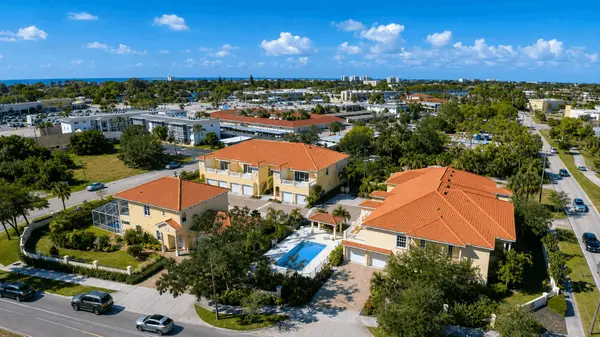
Choosing where to live in Sarasota is about more than finding the right property. It is also about deciding what you want everyday life to look like. A condominium in Downtown Sarasota can put restaurants, arts, entertainment, parks, and the bayfront close to home. A suburban property may provide more interior space, a private yard, garage storage, and a residential setting farther from the activity of the urban core.
Neither lifestyle is automatically better. The right choice depends on your priorities, including walkability, space, maintenance, transportation, amenities, privacy, monthly ownership costs, and how you expect to use your home. Buyers exploring Sarasota real estate can benefit from comparing those tradeoffs before becoming focused on a particular building or neighborhood.
Downtown Sarasota vs. the Suburbs at a Glance
At the broadest level, the choice often comes down to convenience and walkability versus space and privacy. Individual properties vary, but these are useful starting points when comparing the two lifestyles.
| Consideration | Downtown Condo Living | Suburban Living |
|---|---|---|
| Walkability | Often a major advantage | Usually more car-dependent |
| Housing | Primarily condominiums | Broader selection of detached homes, villas, and townhomes |
| Private Outdoor Space | Often balcony or terrace space | Private yards and lanais are more common |
| Exterior Maintenance | Much may be handled through the association | Owner responsibilities may be greater |
| Restaurants and Culture | Many destinations close to home | Often requires driving, depending on the community |
| Parking | Assigned, deeded, garage, or valet arrangements vary | Private garages and driveways are more common |
| Privacy | Shared building and common spaces | Greater separation is often available |
Quick Answers for Sarasota Buyers
What Is the Biggest Advantage of Living Downtown?
Walkability is one of Downtown Sarasota's strongest lifestyle advantages. Depending on the building, residents may be able to walk to restaurants, coffee shops, galleries, theaters, parks, the bayfront, shopping, and other everyday destinations.
What Is the Biggest Advantage of Suburban Living?
Space is often the biggest distinction. Sarasota-area suburban communities generally provide more opportunities for detached homes with garages, private outdoor areas, multiple bedrooms, storage, and separation from neighboring residences.
Do You Need a Car in Downtown Sarasota?
A car can still be useful for beaches, airports, larger shopping trips, medical appointments, and destinations outside downtown. However, living in the urban core can reduce the number of everyday trips that require driving.
Are Sarasota's Suburbs All the Same?
No. Suburban Sarasota includes established neighborhoods, gated communities, golf communities, newer master-planned developments, villa communities, and conventional subdivisions. Areas such as Palmer Ranch and Lakewood Ranch can provide very different ownership experiences even though both are commonly considered alternatives to downtown living.
Is a Downtown Condo Less Maintenance Than a House?
It can involve less direct exterior maintenance because the condominium association typically handles specified common elements and building responsibilities. That does not eliminate maintenance costs. Owners pay association fees and can be affected by reserve requirements, repairs, insurance expenses, and special assessments.
Which Option Is More Affordable?
There is no reliable one-size-fits-all answer. Sarasota has downtown condominiums and suburban homes across wide price ranges. Buyers should compare total ownership costs rather than purchase price alone, including association fees, insurance, taxes, district assessments when applicable, utilities, maintenance, parking, transportation, and expected capital expenses.
Downtown Sarasota Is Built Around Proximity
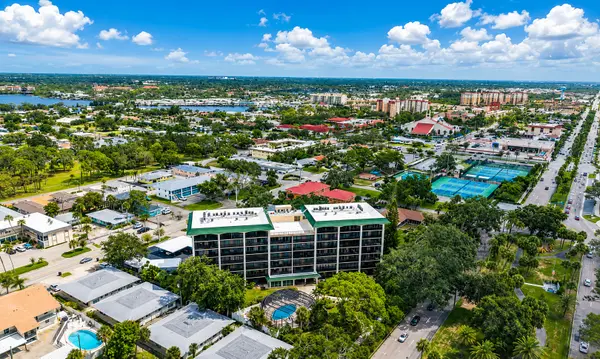
The central appeal of downtown living is having more of Sarasota close to your front door. Restaurants, arts venues, galleries, parks, shopping, professional services, and the bayfront are concentrated within a relatively compact urban area.
That proximity can change daily routines. Instead of getting into a car for every dinner, coffee, evening event, or waterfront walk, some downtown residents can reach those destinations on foot.
For buyers who enjoy being surrounded by activity, that convenience may justify having less private outdoor space or living in a shared residential building.
Suburban Sarasota Gives Buyers More Ways to Spread Out
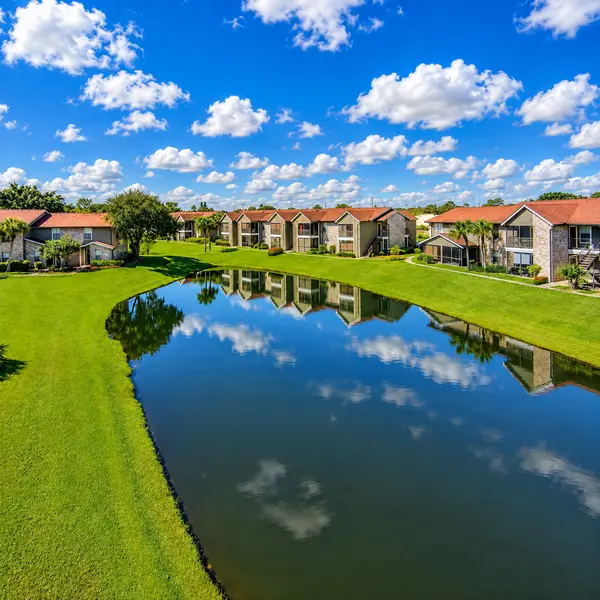
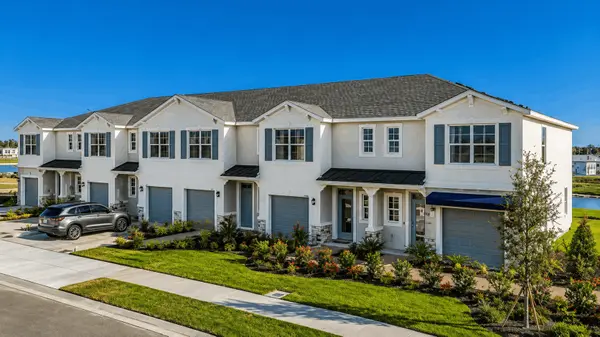
Move away from the urban core and the housing landscape changes. Detached homes become more common, along with private garages, yards, lanais, pools, and neighborhoods designed around residential streets rather than high-rise buildings.
For some buyers, having an additional bedroom, home office, workshop, larger garage, private pool, or fenced outdoor area matters more than being able to walk to a downtown restaurant.
The tradeoff is often transportation. Many suburban neighborhoods are designed around driving, so groceries, restaurants, entertainment, beaches, and downtown activities may require regular car trips.
Condo Convenience Comes With Association Living
A downtown condominium can remove many exterior property responsibilities from an owner's personal to-do list. Depending on the building, the association may handle exterior maintenance, landscaping, common-area upkeep, building systems, security, amenities, and other shared responsibilities.
That arrangement can be attractive to people who travel frequently, maintain another home, or simply do not want to personally manage a yard, roof, pool, and exterior building maintenance.
The other side of association living is shared decision-making. Condominium declarations, rules, budgets, reserves, assessments, leasing restrictions, pet policies, renovation requirements, and board decisions can materially affect ownership. Buyers should understand those obligations before purchasing.
A Suburban Home Gives You More Control, and More Responsibility
Owning a detached home can give an owner greater control over the property, subject to applicable HOA rules, deed restrictions, permitting requirements, and local regulations. Owners may have more freedom to personalize landscaping, outdoor living areas, storage, and other features than they would in a condominium.
Greater control usually comes with greater direct responsibility. Roofs, exterior painting, landscaping, pools, irrigation, pest control, driveways, plumbing, HVAC equipment, and other systems may become the homeowner's responsibility rather than an association expense.
Buyers should compare the actual responsibilities of each property rather than assuming that every condominium is maintenance-free or every suburban home requires the same amount of upkeep.
Amenities Can Look Very Different
Downtown Sarasota condominium buildings can offer amenities that would be expensive or impractical to duplicate at an individual home. Depending on the building, those may include pools, fitness centers, club rooms, concierge services, security, guest suites, rooftop terraces, grilling areas, and structured parking.
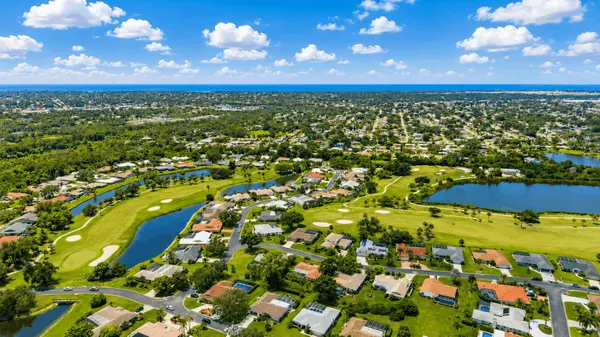
Suburban communities can have their own extensive amenities. Gated and master-planned neighborhoods may include clubhouses, pools, fitness facilities, tennis or pickleball courts, golf, trails, parks, and organized activities.
The important question is not simply which community has the longest amenity list. Buyers should consider which amenities they will actually use and what they cost to maintain through association fees, club dues, or other assessments.
Parking and Storage Can Become Deciding Factors
Parking is one of the practical differences buyers sometimes underestimate when moving from a detached home to a downtown condominium. A condo may include one or more assigned, deeded, or limited-common-element spaces, while guest parking and additional vehicle storage can be restricted.
Storage also varies considerably. Some buildings offer private storage rooms, bicycle storage, or climate-controlled spaces. Others provide relatively little beyond the condominium itself.
A suburban home with a two-car or three-car garage can be more practical for buyers with multiple vehicles, bicycles, tools, recreational equipment, or substantial household storage needs. Buyers should verify exact parking and storage rights rather than relying on assumptions from a listing.
What About Palmer Ranch?
Palmer Ranch provides an established suburban alternative south of Downtown Sarasota. The area includes single-family neighborhoods, villas, condominiums, gated communities, and golf-oriented properties, giving buyers a broad range of housing styles.
For buyers comparing Palmer Ranch with downtown, the decision often centers on space and neighborhood setting versus urban walkability. Palmer Ranch can provide more traditional residential surroundings while keeping buyers within the broader Sarasota area.
Association structures differ substantially among Palmer Ranch communities, so buyers should review the specific HOA or condominium documents, fees, amenities, maintenance responsibilities, and restrictions for the property they are considering.
What About Lakewood Ranch?
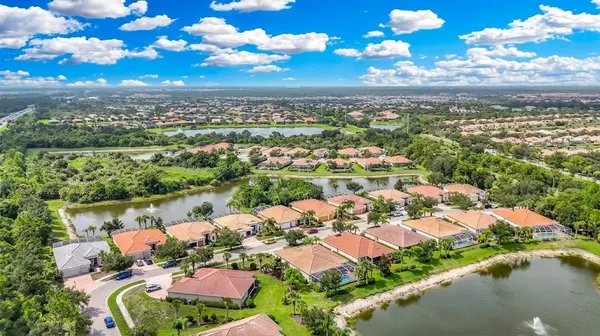
Lakewood Ranch offers another alternative to Downtown Sarasota, particularly for buyers interested in newer construction and a master-planned environment. Its villages include a wide variety of housing, recreational amenities, parks, trails, shopping, dining, and community facilities.
Lakewood Ranch is not one uniform neighborhood. Fees, amenities, home styles, maintenance arrangements, and district assessments can differ from village to village. The community itself notes that HOA fees vary according to the village, amenities, maintenance level, and type of home.
Buyers comparing Lakewood Ranch with downtown should evaluate the complete cost structure for the specific property, including applicable HOA fees and district assessments, rather than comparing listing prices alone.
Condo Fees and HOA Fees Are Only Part of the Cost
A common mistake is comparing a downtown condominium fee with a suburban HOA fee and assuming the lower number represents the less expensive property. The two fees may cover very different expenses.
A condominium fee may pay for substantial portions of building insurance, exterior maintenance, reserves, amenities, landscaping, common utilities, management, security, and other shared expenses. A suburban HOA fee may cover fewer property-level expenses, leaving the homeowner to pay separately for insurance, roof replacement, landscaping, pool care, exterior maintenance, and other costs.
The useful comparison is total cost of ownership. Buyers should evaluate the specific property's taxes, insurance, association fees, district assessments, utilities, maintenance obligations, reserves, expected repairs, parking costs, and transportation needs with the appropriate qualified professionals.
Downtown Condo Buyers Should Pay Close Attention to Association Finances
Florida's condominium inspection and reserve requirements make association due diligence particularly important. Depending on the building, buyers may need to review a Structural Integrity Reserve Study, milestone inspection information, reserve schedules, budgets, financial statements, insurance information, recent repairs, and current or proposed assessments.
A condominium with an attractive purchase price can still carry significant future ownership costs if major building work, insurance changes, reserve contributions, or assessments are involved. Conversely, a higher monthly fee may reflect expenses or reserve contributions that another property handles differently.
Buyers should obtain current association records and have questions involving condominium documents, assessments, ownership rights, contracts, or other legal matters reviewed by a qualified Florida real estate attorney or other appropriate legal professional. Financial and reserve information should be evaluated in the context of the buyer's specific circumstances with the appropriate qualified professionals.
Insurance Matters in Both Settings
Insurance should be investigated early whether the property is a downtown condominium or suburban house. The coverage structure, however, can be very different.
Condominium owners generally need to understand both the association's master insurance coverage and the coverage they need for the individual residence. A detached homeowner is generally responsible for insuring the home directly, subject to the specific policy and any community requirements.
Insurance availability, premiums, deductibles, flood considerations, wind coverage, and policy terms can vary substantially by property. Buyers should obtain property-specific quotes and review coverage with a qualified insurance professional before making a purchasing decision.
Think About How Often You Actually Want to Drive
Transportation is not just about commute time. It affects how you experience Sarasota every day. A downtown resident may walk downstairs for dinner or stroll to an event, while a suburban resident may routinely drive to the same destinations.
The opposite can also be true for other activities. A suburban homeowner may have groceries, recreation, schools, medical facilities, or neighborhood amenities conveniently positioned around the community, while a downtown resident may drive to those particular destinations.
Rather than asking which location has the shorter commute in general, map the places you personally expect to visit each week. That provides a much more useful picture of how each property would affect your routine.
What About Access to Sarasota's Beaches?
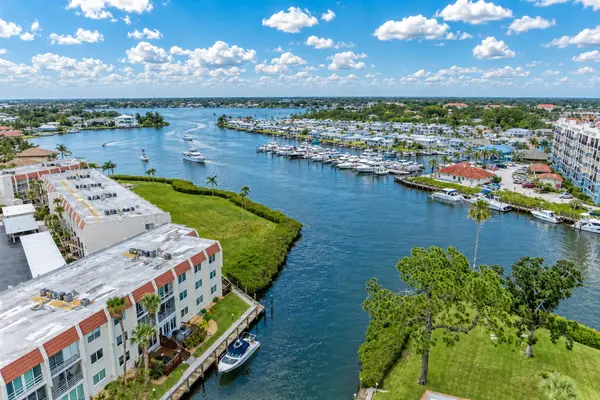
Downtown Sarasota is not a beach community, but its location places residents between several of the area's coastal destinations. Lido Key is west of downtown across the Ringling Causeway, while Siesta Key lies farther south.
Suburban beach access depends heavily on location. A neighborhood in south Sarasota can have a very different drive to Siesta Key than a community east of Interstate 75. Seasonal traffic can also affect travel times.
If frequent beach use is important, buyers should test the actual route from a property at the times they expect to travel rather than relying only on mileage.
Which Lifestyle Works Better for a Second Home?
A downtown condominium can appeal to second-home owners who value a lock-and-leave lifestyle. Building access controls, association-managed exterior maintenance, shared amenities, and proximity to restaurants and entertainment can make shorter stays convenient.
A suburban second home may appeal to buyers who want more space for visiting family, a private pool, garage storage, pets, or a quieter residential setting. The tradeoff may be greater responsibility for landscaping, pool service, exterior maintenance, and property monitoring while the owner is away.
Buyers should also verify leasing rules, occupancy requirements, insurance provisions, HOA or condominium restrictions, and property-management options if the residence will be vacant for extended periods.
Questions to Ask Before Choosing Downtown or the Suburbs
- How important is being able to walk to restaurants, entertainment, parks, and services?
- How much interior living space do I realistically need?
- Do I want a private yard, lanai, or swimming pool?
- How many vehicles and parking spaces do I need?
- How much storage do I require?
- Do I want responsibility for exterior home maintenance?
- Which shared amenities would I actually use?
- How comfortable am I with condominium or HOA rules?
- How often will I travel to the beach, downtown, airport, or other regular destinations?
- What are the complete monthly and annual ownership costs for this specific property?
- Is there a CDD, Stewardship District, or other district assessment associated with the property?
- Will this be a primary residence, seasonal home, or rental property?
What Should Downtown Condo Buyers Review?
- Current condominium fees and what they include
- Association budget and financial statements
- Reserve funding and applicable reserve studies
- Milestone inspection information when applicable
- Existing, pending, or approved special assessments
- Association insurance and individual owner responsibilities
- Leasing restrictions
- Pet policies
- Parking and storage rights
- Renovation requirements and approval procedures
- Building amenities and their operating costs
- Condition of the individual condominium
What Should Suburban Home Buyers Review?
- Roof, HVAC, plumbing, electrical, windows, and major systems
- Homeowners insurance and flood considerations
- HOA fees and what they include
- HOA rules and architectural restrictions
- CDD, Stewardship District, or other applicable assessments
- Pool and landscaping maintenance
- Property taxes
- Renovation and maintenance history
- Community amenities and optional club costs
- School attendance zones when relevant to the buyer
- Drive times to regular destinations
- Overall physical condition of the property
Inspection findings should be evaluated with the appropriate licensed home inspector, contractor, structural engineer, or other qualified professional before making a decision. Buyers should also verify association, district, permitting, school, tax, insurance, and legal information with the appropriate organizations or qualified professionals when those matters are material to the purchase.
So, Is Downtown or Suburban Sarasota Better?
The answer depends on what you want your home to make easier. Downtown Sarasota can make dining, culture, entertainment, parks, and bayfront activities easier to reach without getting into a car for every outing. Condominium ownership can also shift many exterior maintenance responsibilities to an association.
Suburban living can make it easier to have more bedrooms, garage space, private outdoor areas, a pool, pets, and greater separation from neighboring residences. For many buyers, those benefits are worth driving more frequently.
The most useful comparison is not downtown versus the suburbs in the abstract. Compare two or three actual properties and imagine an ordinary Tuesday in each one. Where would you buy groceries? Where would you exercise? How often would you drive? Where would guests park? Who handles maintenance? What would you pay each month? Those answers can make the right lifestyle much clearer.
Explore Downtown Sarasota and Suburban Communities
If you are deciding between a downtown condominium and a suburban home, Hunt Brothers Realty can help you compare properties based on the lifestyle and ownership factors that matter to your search. You can also explore Sarasota-area communities to compare different locations and housing options throughout the Gulf Coast region.
Informational notice: This article provides general real estate information and education only. It is not individualized legal, financial, tax, insurance, lending, inspection, engineering, association, construction, or investment advice. Property costs, association rules, reserves, assessments, insurance, taxes, district fees, school assignments, maintenance obligations, and property conditions vary. Buyers should verify information for the specific property and consult the appropriate qualified professionals before making decisions involving these matters.
Contact Hunt Brothers Realty
46 N. Washington Blvd, Ste 3
Sarasota, FL 34236
Phone: (941) 388-7017
Email: info@huntbrothersrealty.com
Website: HuntBrothersRealty.com
Categories
- All Blogs 1950
- Anna Maria Island 83
- Bird Key 4
- Bradenton 234
- Buying a Home 1020
- Casey Key 2
- Clearwater 9
- Condos & HOA Living 931
- Ellenton 5
- Englewood 9
- First Time Homebuyers 1124
- Foreclosures 3
- Home Selling 1
- Homeownership 1144
- Lakewood Ranch 20
- Lido Key 27
- Longboat Key 78
- Luxury/Waterfront Properties 1085
- Market Updates & Trends 614
- Mortgages & Financing 42
- Move-Up Buyers 20
- Neighborhood Guides 737
- New Construction 32
- Palmetto 3
- Parrish 6
- Port Charlotte 10
- Punta Gorda 15
- Real Estate Investing 1002
- Relocation to Florida 1046
- Safety Harbor 2
- Sarasota 71
- Sarasota - Downtown 157
- Selling a Home 143
- Siesta Key 89
- St. Petersburg 6
- Tierra Verde 5
- Vacation & Second Homes 1193
- Venice 96
- Wellen Park 10
Recent Posts