Selling a Florida Waterfront Home: Dock, Seawall, Permit and Insurance Records to Prepare
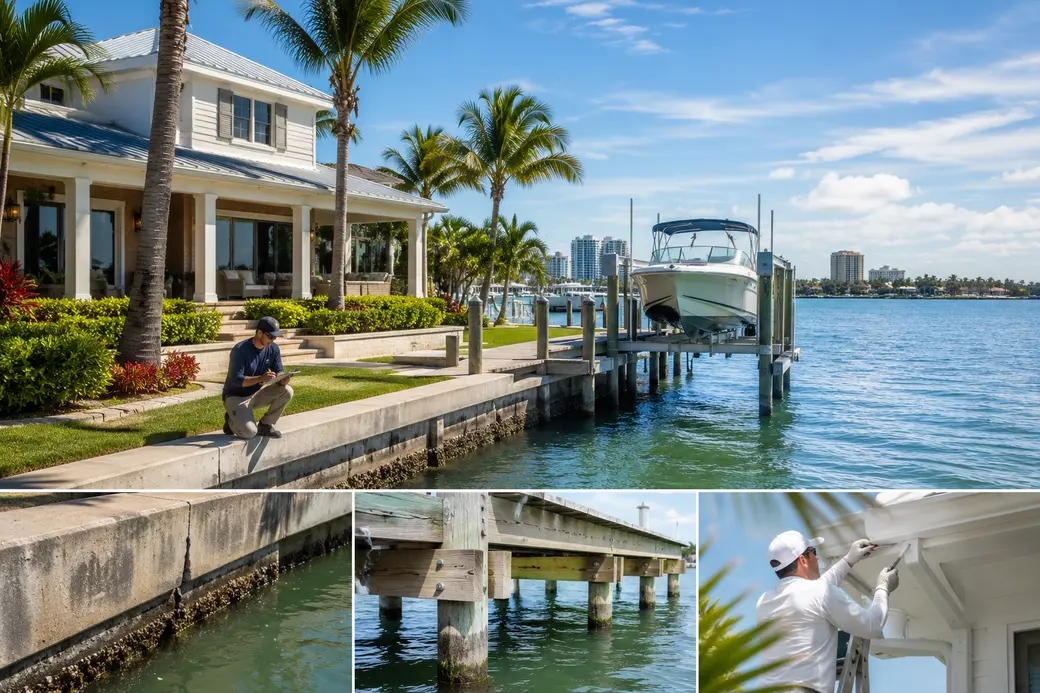
Before listing a Florida waterfront property, assemble the records that explain its dock, seawall, permits, flood history, insurance, repairs and maintenance. Buyers commonly ask for these materials early because waterfront infrastructure can affect inspections, insurance research, financing questions and confidence in the property. A well-organized record package helps answer reasonable due-diligence questions, but it does not guarantee condition, permit compliance, insurance coverage, navigability, future approval or a sale.
For sellers in Sarasota, Manatee County and other Gulf Coast markets, the best starting point is simple: gather what you have, identify what is missing, and let an appropriately qualified professional address questions that require legal, insurance, engineering, inspection or permitting advice.
Quick Answers About Selling a Florida Waterfront Home
What records should a Florida waterfront seller prepare?
Start with available dock, seawall, boat-lift and shoreline records; permits and final approvals; repair invoices; engineering or inspection reports; flood and insurance documents; elevation information; and records of material storm or water-related repairs. Organize the records by structure and date so a buyer can review them without guessing what each document relates to.
Do waterfront records prove that a dock or seawall is in good condition?
No. Records can provide useful history, but they do not establish current condition. A buyer may still choose to obtain an inspection or evaluation from an appropriately qualified marine contractor, engineer, inspector or other specialist.
Should a seller provide flood information before listing?
Yes. Florida requires a seller to provide a flood disclosure to a purchaser of residential real property at or before contract execution. Preparing known flood, claim and assistance information early can make the disclosure process more orderly. Sellers should use the current required form and seek legal guidance for property-specific disclosure questions.
Are old permits enough for waterfront improvements?
Available permits and approvals are important records, but they do not independently confirm that every improvement complies with current requirements or that a future project will be approved. Requirements can depend on the property, the work performed, local jurisdiction, state and federal rules, and other facts.
Will the seller's current insurance policy tell a buyer what coverage will cost?
Not necessarily. A buyer should obtain property-specific insurance information and advice from a qualified insurance professional. Coverage, eligibility, deductibles, underwriting and premium can differ by buyer, insurer, policy and timing.
Why Waterfront Sellers Should Organize Records Before Going Live
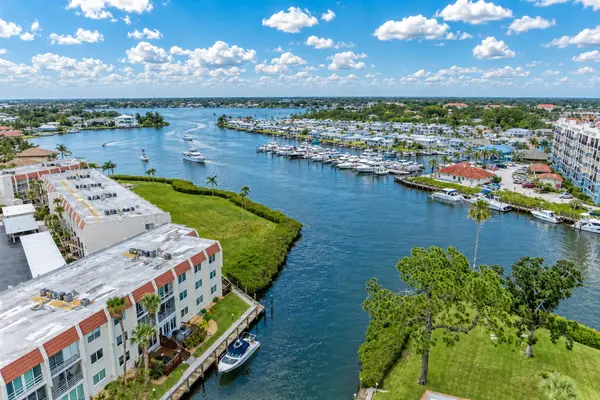
A waterfront property includes more than the residence. Depending on the property, buyers may evaluate the dock, seawall, boat lift, shoreline, outdoor electrical equipment, drainage, flood exposure and insurance considerations alongside the house itself.
An organized seller record package lets the listing process begin with clear, supportable information instead of a last-minute search for invoices or permit numbers. It also helps distinguish documented facts from assumptions.
Use records to describe what is known. Do not use them to promise that a structure is problem-free, properly permitted today, insurable on the same terms for a new owner, suitable for a particular vessel or eligible for future modification.
Build a Waterfront Property Record Folder
Create a digital folder with clear subfolders and keep original documents where possible. A practical structure includes:
- Dock, boat lift and pilings
- Seawall, shoreline and drainage
- Permits, plans and final approvals
- Repairs, maintenance and storm work
- Flood, elevation and insurance
- Disclosures, surveys and association materials
For each document, note the date, the structure or system involved, the contractor or issuing agency, and whether the record is complete or only partial. A simple index can save time when the buyer's agent, inspector or insurance professional asks a focused question.
Document the Dock, Boat Lift and Waterfront Equipment
Gather available documents for private docks, lifts, pilings, decking, railings, shoreline access points and related electrical work. Useful records may include original installation materials, repair invoices, maintenance records, photographs taken before and after work, manuals, equipment specifications and permits or approvals.
What Buyers Commonly Ask About Docks and Lifts
- When were the dock, lift or major components installed or repaired?
- What records exist for permits, plans or approvals?
- What maintenance or storm repairs have been completed?
- What equipment is included in the sale?
- Are there manuals, service records or manufacturer information for the lift?
- Who is responsible for maintenance when the property is part of an association or condominium?
Provide available records accurately. Avoid stating that a dock is suitable for a buyer's boat, that the lift has a certain usable capacity, or that the waterway is navigable for a particular vessel unless the buyer independently verifies those property-specific questions.
For related buyer-side context, Hunt Brothers Realty's guide to buying waterfront property in Florida explains why docks, lifts, water access and maintenance deserve separate due diligence.
Organize Seawall and Shoreline Documentation
A seawall or other shoreline structure can be a major waterfront component. Collect available documents showing its original installation, material, repairs, reinforcement, drainage work, contractor invoices, engineering materials, inspections and permits.
Separate Records From Condition Conclusions
It is reasonable to provide an invoice showing a repair was completed. It is not reasonable to turn that invoice into a current condition guarantee. Visible cracking, movement, separation, soil loss, drainage changes or other concerns may require review by an appropriately qualified professional.
Buyers may look for records because age, material, repair history and ownership responsibility can affect their decision-making. HBR's Florida seawall buyer guide outlines the kinds of questions buyers may bring to a showing or inspection period.
Collect Permits, Plans and Improvement Records
Waterfront work can involve more than a local building permit. Depending on the location and scope, docks, pilings, seawalls, dredging, filling, shoreline work and work on or over waters may involve state, local or federal review. Florida DEP explains that dredging and filling activities are regulated through the Environmental Resource Permitting framework, and that dock pilings and seawalls can be relevant to that analysis.
Gather available permit numbers, permit cards, applications, plans, approvals, final inspections, certificates, surveys and correspondence for significant work. Do not alter, recreate or characterize missing documentation as proof that no permit was needed.
Where Sarasota and Manatee Sellers Can Check Local Records
Sarasota County's permit search allows searches by address, parcel ID, permit number, date range and permit type. Manatee County also provides an online permit-record search. These systems can help locate records, but search results should be reviewed carefully and do not replace advice from the appropriate permitting authority or professional.
Keep a short note with each record explaining what it appears to cover. If you cannot determine whether a record relates to a current structure, identify it as unverified rather than drawing a conclusion.
Prepare Flood, Elevation and Insurance Information
Flood information is a core part of waterfront seller readiness. Florida Statute 689.302 requires a flood disclosure to a purchaser of residential real property at or before the sales contract is executed. The statutory form addresses known flooding that damaged the property during the seller's ownership, flood-related insurance claims and certain flood-damage assistance.
Prepare information you can support, including available flood policies, declarations pages, claim-related records, elevation certificates, flood-map information, mitigation documentation and invoices for material water or storm repairs. FEMA's Flood Map Service Center can help property owners and buyers locate flood-map information, and FEMA's Elevation Certificate FAQ explains the role of elevation documentation.
Insurance Records Need Careful Framing
Florida DFS notes that homeowners insurance does not cover flood damage and that policy terms vary. Share the documents you have, but do not represent the seller's policy as a quote, a coverage promise or a prediction of a buyer's premium. Encourage buyers to work with their own qualified insurance professional early in the process.
Wind-mitigation inspections, roof records and other property documents may also be useful to an insurance professional. Their relevance depends on the individual property and insurer.
Address Seller Disclosures Thoughtfully
Records support disclosure, but they do not replace it. Florida appellate authority discussing Johnson v. Davis describes a seller's duty to disclose known facts materially affecting property value that are not readily observable and are not known to the buyer. That standard is fact-specific. A seller should not rely on a blog article to decide what must be disclosed.
Use your records to help create an accurate, complete conversation with your real estate professional and, where appropriate, a qualified Florida real estate attorney. If the property is partly or wholly seaward of the coastal construction control line, Florida Statute 161.57 may create a separate coastal-properties disclosure consideration. Confirm whether that statute applies to the particular property with qualified counsel or the appropriate authority.
Use a Pre-Listing Review to Find Gaps
Before the property is marketed, review your folder with your listing team. The goal is to identify what is known, what documentation is incomplete, and which questions deserve a professional answer before they become a surprise during a transaction.
- Match permits and invoices to the correct improvement.
- Identify material repairs without overstating their result.
- Separate seller knowledge from contractor, inspector or engineer opinions.
- Confirm which components convey and which are excluded.
- Identify association, marina or condominium records that may be relevant.
- Prepare the required disclosures using current forms and professional guidance.
For continuing seller preparation guidance, visit HBR's Florida Seller Resource Center. For an owner's perspective on maintaining coastal infrastructure, see HBR's Waterfront Home Maintenance in Sarasota.
Talk With Hunt Brothers Realty Before You List
If you are considering selling a waterfront property in Sarasota, Manatee County or elsewhere on Florida's Gulf Coast, Hunt Brothers Realty can help you organize the real estate questions buyers are likely to raise and plan a thoughtful listing strategy. Start with the Seller Resource Center to send our team a question about your sale.
Professional Notice
This article provides general real estate education only. It is not legal, insurance, tax, engineering, inspection, construction, permitting, title, environmental, navigability or other professional advice. Records may support due diligence but do not guarantee condition, permit compliance, insurance availability or coverage, future approvals, navigability, ownership rights or transaction results. Consult appropriately qualified professionals and the relevant government authority for your property and circumstances.
Sources
- Florida Statute 689.302, Disclosure of Flood Risks to Prospective Purchaser
- Florida Statute 161.57, Coastal Properties Disclosure Statement
- Goodman v. Rose Realty West, Inc., discussing Johnson v. Davis
- FEMA Flood Map Service Center
- FEMA Elevation Certificate FAQ
- Florida DFS Flood Disaster FAQs
- Florida DFS Homeowners Insurance Overview
- Florida DFS Mitigation Notices, Inspections and Forms
- Florida DEP ERP e-Permitting
- Florida DEP ERP Dredging and Filling
- Sarasota County Permit Search
- Manatee County Search Permit Records
Categories
- All Blogs 1950
- Anna Maria Island 83
- Bird Key 4
- Bradenton 234
- Buying a Home 1020
- Casey Key 2
- Clearwater 9
- Condos & HOA Living 931
- Ellenton 5
- Englewood 9
- First Time Homebuyers 1124
- Foreclosures 3
- Home Selling 1
- Homeownership 1144
- Lakewood Ranch 20
- Lido Key 27
- Longboat Key 78
- Luxury/Waterfront Properties 1085
- Market Updates & Trends 614
- Mortgages & Financing 42
- Move-Up Buyers 20
- Neighborhood Guides 737
- New Construction 32
- Palmetto 3
- Parrish 6
- Port Charlotte 10
- Punta Gorda 15
- Real Estate Investing 1002
- Relocation to Florida 1046
- Safety Harbor 2
- Sarasota 71
- Sarasota - Downtown 157
- Selling a Home 143
- Siesta Key 89
- St. Petersburg 6
- Tierra Verde 5
- Vacation & Second Homes 1193
- Venice 96
- Wellen Park 10
Recent Posts