Are There Extra Costs to Owning a Home in Florida?

Yes. The cost of owning a home in Florida can extend well beyond principal and interest on a mortgage. Owners may need to budget for property taxes, homeowners insurance, separate flood insurance when applicable, HOA or condominium assessments, Community Development District charges, utilities, routine maintenance, pest control, landscaping, pool care, and major repairs. Coastal, waterfront, condominium, and older properties can introduce additional expenses. The actual cost varies substantially by property, location, condition, association structure, insurance requirements, and financing, so Florida buyers should calculate the total expected ownership cost for the specific home before deciding what is affordable.
Quick Answers About Extra Costs of Owning a Home in Florida
What costs should I budget for besides my Florida mortgage?
Common expenses can include property taxes, homeowners insurance, flood insurance when applicable, HOA or condominium assessments, CDD assessments, utilities, maintenance, landscaping, pest control, pool expenses, and future repairs. The applicable expenses depend on the individual property.
Does homeowners insurance cover flooding in Florida?
Generally, no. The Florida Department of Financial Services explains that homeowners insurance typically does not cover flood damage. Flood coverage can be purchased separately or, in some cases, added through an endorsement, and a lender or insurer may impose property-specific requirements.
Are HOA fees included in a mortgage payment?
HOA and condominium assessments are generally separate ownership expenses, although lenders may consider them when determining a buyer's housing obligations. Buyers should confirm the current assessment, billing schedule, services included, and any additional association charges.
What is a CDD fee in Florida?
A Community Development District, or CDD, is a special-purpose local government that can finance and maintain qualifying infrastructure and facilities. CDD assessments are separate from HOA dues and are often collected through the property tax bill as non-ad valorem assessments.
Can Florida property taxes change after I buy?
Yes. Buyers should not assume that the seller's current property tax bill will equal their future bill. Exemptions, assessed value, ownership changes, local millage rates, and non-ad valorem assessments can affect the amount, so buyers should obtain a property-specific estimate from the appropriate county resources.
Can Florida HOA or condo fees increase?
Yes. Association assessments can change as budgets, insurance, maintenance, reserves, contracts, repairs, and other authorized expenses change. Buyers should also investigate approved, pending, or discussed special assessments rather than looking only at the current regular fee.
Do older Florida homes have additional costs?
They can. Roofs, electrical systems, plumbing, HVAC equipment, windows, drainage, and other components may require additional inspection, maintenance, repair, or replacement. Florida insurers may also request a 4-point or other inspection depending on the home and underwriting requirements.
What is the best way to estimate the real monthly cost?
Build a property-specific budget that includes mortgage principal and interest, estimated taxes, insurance quotes, association and CDD assessments, utilities, routine maintenance, and a reasonable allowance for future repairs. Buyers using financing should review the numbers with their lender and other appropriate professionals before making a purchasing decision.
Why Is the Mortgage Payment Only Part of the Cost?
A mortgage payment does not necessarily show the complete cost of owning a Florida home. Even when a lender escrows property taxes and insurance, other expenses can remain outside the quoted payment.
Two homes with the same purchase price can therefore have substantially different ownership costs. One may have an HOA and CDD, while another has neither. One property may require flood insurance, while another has different insurance needs. A newer home may have different near-term maintenance requirements from an older residence with aging major systems.
For a broader framework, Hunt Brothers Realty's guide to the true cost of buying a home in Florida explains both transaction expenses and ongoing ownership costs.
How Much Should You Budget for Florida Property Taxes?
There is no single statewide percentage that accurately predicts every Florida homeowner's property tax bill. Taxable value, exemptions, local taxing authorities, millage rates, and applicable non-ad valorem assessments all matter.
One of the most important buyer mistakes to avoid is simply copying the seller's current tax amount into a future budget. The seller may have owned the property for years and may have exemptions or assessment limitations that do not transfer to the buyer in the same way.
Florida's Department of Revenue explains that an owner who makes a property a permanent residence may be eligible for a homestead exemption that can reduce taxable value by as much as $50,000, subject to eligibility and applicable limitations. Florida also has the Save Our Homes assessment limitation for qualifying homestead property.
Tax consequences depend on the property and owner. Buyers should use the applicable county property appraiser and tax collector resources to estimate future taxes and consult a qualified tax professional regarding their individual circumstances.
How Much Can Homeowners Insurance Add?
Homeowners insurance can be a significant part of a Florida ownership budget, but there is no responsible statewide premium estimate that applies to every property. The Florida Department of Financial Services identifies factors such as location, amount of coverage, construction type, home age, and mitigation features as relevant to insurance pricing.
Roof condition and age can also be important during insurance underwriting. Older properties may require additional inspections, and the home's construction and wind-mitigation features can affect available coverage or credits.
The practical lesson is to obtain insurance quotes before becoming financially committed to assumptions about the home's monthly cost. The seller's premium should not be treated as a quote for the buyer.
Insurance availability, coverage, deductibles, exclusions, and premiums can vary substantially by property and applicant. Buyers should obtain property-specific quotes and review coverage with a qualified insurance professional before making a purchasing decision.
Is Flood Insurance an Additional Florida Homeownership Cost?
Flood insurance can be an additional expense because standard homeowners insurance generally does not cover flood damage. Florida's Department of Financial Services explains that flood coverage may be available through the National Flood Insurance Program, private insurers, or in some cases an endorsement to another policy.
Florida law does not impose one universal flood-insurance requirement on every homeowner. However, a mortgage lender may require coverage depending on the property, and separate insurance requirements can apply in other circumstances.
A buyer should not assume that being outside a high-risk mapped flood zone means there is no flood risk. Property elevation, drainage, rainfall, storm surge, nearby waterways, and historical conditions can all be relevant to property-specific due diligence.
Buyers should review current flood information for the exact property and discuss appropriate coverage with a qualified insurance professional. Waterfront and coastal buyers should give this step particular attention before finalizing an ownership budget.
How Much Do HOA Fees Add to Florida Homeownership?
HOA fees vary too widely for one statewide number to be useful. Some associations maintain limited common areas, while others operate pools, clubhouses, fitness centers, gates, private roads, landscaping programs, recreational facilities, or other services.
The amount alone also does not tell a buyer whether the fee is high or low for what is provided. An association assessment that includes lawn maintenance or other services may replace expenses the homeowner would otherwise pay directly.
Buyers should verify the current assessment, billing schedule, services included, expenses excluded, recent fee history, association finances, reserve information when relevant, and approved or proposed special assessments.
Hunt Brothers Realty's 2026 guide to Florida HOA fees explains how assessments vary among single-family communities, amenity-oriented neighborhoods, and condominiums.
Are Condominium Fees Different From HOA Fees?
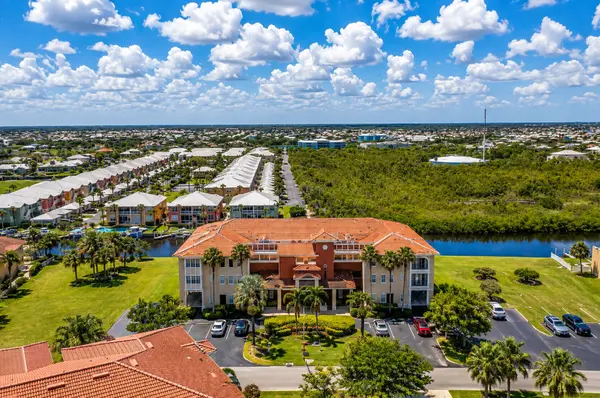
Condominium assessments can fund substantial shared building expenses that may be an individual owner's responsibility in a detached home. Depending on the condominium documents and property, those expenses can include common-element maintenance, association insurance, landscaping, elevators, pools, building systems, management, and reserve contributions.
A higher condominium assessment does not automatically mean the property is more expensive overall, because some costs may be included that a detached homeowner would pay separately. Likewise, a low condominium fee is not automatically financially preferable if the association faces significant maintenance needs or insufficient funding.
Florida condominium buyers should examine the association budget, insurance, available financial records, reserves, applicable structural inspection and reserve information, and any approved or contemplated assessments. Hunt Brothers Realty's Florida condo buyer guide provides a broader due-diligence framework.
What Is a Special Assessment?
A special assessment is an additional association charge for an authorized expense outside the regular assessment structure. Florida DBPR distinguishes condominium regular assessments, which fund common expenses through the annual budget, from special assessments levied for expenses outside that adopted budget.
Depending on the property and association, a special assessment could relate to major repairs, storm damage, roofing, building work, infrastructure, insurance-related expenses, or another authorized project.
Before purchasing in an association, buyers should investigate assessments that have been approved, are pending, or have been discussed in available association records. Questions involving who is legally responsible for an assessment under a purchase contract or governing documents should be reviewed with the appropriate title or closing professional and a qualified Florida real estate attorney.
What Is a CDD Fee and Is It Separate From the HOA?
A Community Development District assessment is separate from an HOA assessment. A Florida CDD is a special-purpose local government established under Chapter 190 of the Florida Statutes that can finance, construct, operate, or maintain qualifying infrastructure and facilities.
CDD assessments may include debt-service and operations or maintenance components. They are often collected through a property's annual tax bill as non-ad valorem assessments, although collection arrangements can vary.
A home can have both an HOA and a CDD, so buyers should not assume that a listing's HOA amount represents every community-related expense. Hunt Brothers Realty's Florida CDD fee guide explains how these districts affect a homeownership budget.
Do CDD Fees Eventually Go Away?
Not necessarily. A debt-service assessment associated with particular district bonds may end when the applicable obligation is satisfied, but CDD operating and maintenance assessments can continue.
Buyers should verify the exact property's current assessment, how it is divided, the applicable debt schedule, and ongoing district obligations rather than relying on a general statement that the CDD will disappear after a certain number of years.
How Much Should Florida Homeowners Budget for Maintenance?
There is no maintenance percentage that accurately predicts every Florida home's future expenses. Maintenance depends on the property's age, size, construction, condition, systems, location, landscaping, amenities, and previous improvements.
Routine ownership can involve HVAC servicing, plumbing repairs, electrical work, exterior painting, roof maintenance, pest control, lawn care, tree maintenance, pressure washing, drainage maintenance, appliance replacement, and periodic repairs to windows, doors, screens, fences, driveways, or other components.
Major components do not fail on a convenient monthly schedule. A realistic budget therefore needs to account for both routine expenses and larger irregular projects. Inspection findings and the known age of major systems can help a buyer identify near-term priorities, but they cannot predict every future repair.
What Extra Costs Can Come With an Older Florida Home?
Older homes can introduce additional inspection, repair, replacement, and insurance considerations. The Florida Department of Financial Services notes that insurers may request a 4-point inspection of an older home covering the roof, plumbing, electrical wiring, and heating or air-conditioning system.
Depending on the property, buyers may also need to investigate older electrical equipment, supply or drain plumbing, roof remaining life, HVAC age, windows and doors, moisture intrusion, previous additions, permits, septic systems, wells, or structural concerns.
These issues do not mean that an older home is automatically a poor purchase. They mean that the home's condition and likely capital expenses should be evaluated before comparing its affordability with a newer property.
Inspection findings should be evaluated with the appropriate licensed inspector, contractor, engineer, electrician, plumber, roofer, septic professional, or other qualified specialist before the buyer makes a property decision.
Does Owning a Pool Add Significant Expenses?
A private pool adds maintenance and equipment responsibilities that a home without a pool does not have. Expenses can include water treatment, cleaning, electricity for pumps, equipment repairs, resurfacing, screen-enclosure maintenance, and eventual replacement of components such as pumps, filters, heaters, or automation systems.
A buyer should have the pool and accessible equipment evaluated as appropriate and obtain current service estimates rather than relying on a generic monthly pool-maintenance number. Heated pools can also add energy expenses depending on the equipment and usage.
What Landscaping and Pest-Control Costs Should Buyers Consider?
Florida landscaping can involve lawn mowing, irrigation, fertilizer, weed control, shrub and tree maintenance, pest treatment, and periodic repairs to irrigation equipment. The actual cost depends on lot size, landscaping design, local conditions, and whether the homeowner or an association is responsible for maintenance.
Pest management can also be part of a homeowner's budget. Termites and other wood-destroying organisms warrant attention in Florida, and insurance should not be assumed to cover damage arising from termites or ordinary maintenance problems.
Buyers should verify existing pest-control or termite agreements, understand whether they transfer, and consult an appropriately licensed pest-control professional when property-specific evaluation is needed.
What Utility Costs Come With a Florida Home?
Florida homeowners may pay electricity, water, sewer, trash, internet, gas where applicable, irrigation-related expenses, and other local utility charges. Air-conditioning can represent a meaningful part of electricity use, particularly during warmer months.
Utility expenses depend on the home's size, insulation, windows, HVAC efficiency, pool equipment, number of occupants, thermostat settings, irrigation, local rates, and usage habits. A seller's past utility bill can provide context but does not guarantee the buyer's future cost.
What Extra Costs Can Come With Waterfront Property?
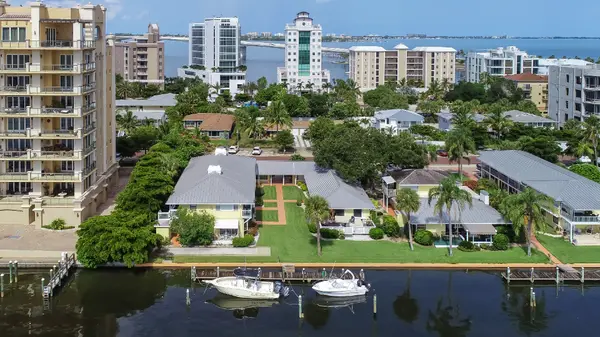
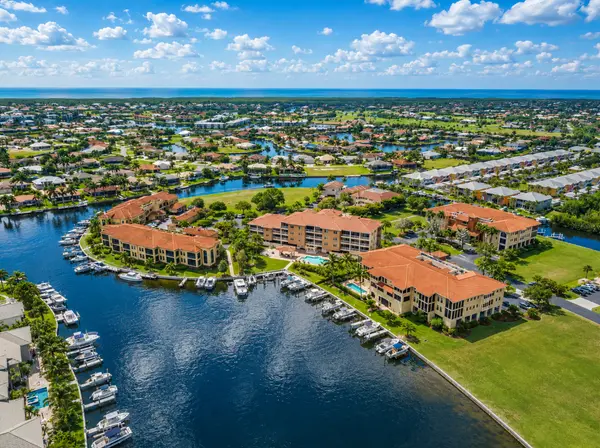
Florida waterfront ownership can involve expenses beyond those of a comparable inland property. Depending on the property, owners may need to plan for seawall maintenance, docks, boat lifts, marine electrical service, pilings, shoreline work, corrosion, flood insurance, permitting, and storm-related maintenance.
Not every waterfront property has all of these expenses, and responsibility can vary. In a condominium or association, a seawall or dock may be a common element, limited common element, individually owned component, leased facility, or governed by another arrangement.
Buyers should verify legal rights, maintenance responsibilities, permits, condition, insurance, and anticipated repairs. Structural or marine conditions should be evaluated by appropriately qualified inspectors, contractors, engineers, marine professionals, surveyors, permitting authorities, or other specialists as the property requires.
Are There Costs Before You Even Own the Home?
Yes. Buyers should distinguish ongoing ownership expenses from transaction expenses needed to purchase the home. Depending on the transaction, a buyer can encounter inspections, appraisal and loan charges, title and settlement expenses, recording charges, mortgage-related taxes, prepaid insurance, prepaid interest, initial escrow funding, and association-related expenses.
Association purchases can also involve application, transfer, administrative, capital contribution, prorated assessment, or other authorized charges depending on the community and transaction.
Hunt Brothers Realty's Florida homebuyer closing-cost guide explains the difference between the down payment, cash needed to close, and property-specific transaction expenses. Financed buyers should rely on their lender's transaction-specific Loan Estimate and Closing Disclosure rather than a generic percentage when making final financial decisions.
Can Your Housing Cost Increase Even With a Fixed-Rate Mortgage?
Yes. A fixed interest rate can stabilize the principal-and-interest portion of a qualifying fixed-rate mortgage, but it does not freeze every expense associated with homeownership.
Property taxes, insurance premiums, HOA or condominium assessments, CDD operating assessments, utilities, maintenance, and repair expenses can change. If taxes and insurance are paid through escrow, changes to those expenses can also change the total amount collected with the monthly mortgage payment.
Buyers should therefore distinguish the mortgage loan payment from the complete housing budget.
How Should You Compare the Cost of Two Florida Homes?
Compare total expected ownership costs rather than purchase price alone. Two similarly priced homes can create very different annual budgets once insurance, taxes, association charges, condition, maintenance, and property features are considered.
A useful comparison can include:
- Mortgage principal and interest
- Estimated future property taxes
- Property-specific homeowners insurance
- Flood insurance when applicable or desired
- HOA or condominium assessments
- CDD assessments
- Known special assessments
- Utilities
- Lawn and landscaping expenses
- Pool expenses
- Pest control
- Routine maintenance
- Expected near-term repairs
- Longer-term major component replacement
- Waterfront, dock, seawall, well, or septic expenses when applicable
This approach can reveal that the home with the lower purchase price is not necessarily the home with the lower total ownership cost.
What Should Florida Buyers Verify Before Making an Offer?
Before relying on a monthly payment estimate, buyers should identify the expenses that apply to the exact property and determine which figures still require professional quotes or document review.
- Estimate future property taxes rather than copying the seller's current bill.
- Obtain a property-specific homeowners insurance quote.
- Review flood risk and obtain a flood insurance quote when appropriate.
- Verify every HOA or condominium assessment.
- Determine exactly what association fees include and exclude.
- Check for CDD or other non-ad valorem assessments.
- Investigate approved, pending, or discussed special assessments.
- Review association financial and reserve information when applicable.
- Inspect the home and identify significant near-term repair needs.
- Verify roof, HVAC, electrical, plumbing, and other major system information.
- Estimate utilities based on the actual property and expected use.
- Budget for landscaping, pool, pest-control, or waterfront expenses when applicable.
- Review financing costs and escrow requirements with the lender.
- Keep an appropriate reserve for repairs and unexpected ownership expenses based on individual circumstances.
What Is the Bottom Line on Extra Florida Homeownership Costs?
The biggest mistake is treating the mortgage payment as the complete cost of owning a Florida home. Taxes, insurance, flood coverage, association charges, CDD assessments, utilities, maintenance, and future repairs can materially change what a property costs each month and over the long term.
There is also no single Florida ownership-cost formula that works for every house. Coastal location, flood exposure, property age, construction, condition, amenities, association structure, insurance requirements, and financing can make two similarly priced homes financially very different.
A stronger buying decision starts with a property-specific budget. Verify the recurring costs, investigate known future expenses, obtain professional quotes where needed, and compare homes based on the complete financial picture rather than the listing price alone.
Plan Your Florida Home Purchase With Hunt Brothers Realty
Hunt Brothers Realty helps buyers evaluate Florida properties beyond the asking price, including association structures, property characteristics, location considerations, and the due-diligence questions that can affect total ownership cost. Start with the true cost of buying a home in Florida, compare Florida HOA fees, learn how CDD fees work, and review Florida buyer closing costs.
If you are comparing homes on Florida's Gulf Coast, contact Hunt Brothers Realty to discuss current properties and the real estate questions that should be investigated before you buy.
This article is provided for general informational and educational purposes only. It is not individualized legal, financial, tax, insurance, lending, inspection, engineering, construction, title, association, flood, survey, permitting, or other professional advice. Taxes, insurance, association assessments, CDD charges, financing expenses, maintenance needs, utilities, flood conditions, and ownership costs vary by property and owner and can change over time. Buyers should verify material costs for the specific property with a licensed real estate professional and the appropriate qualified lender, insurance professional, tax professional or CPA, home inspector, contractor, engineer, title or closing professional, surveyor, association, district, local government or permitting authority, Florida real estate attorney, or other qualified professional before making a purchasing decision.
Sources
- Florida Department of Revenue, Property Tax Exemptions and Additional Benefits
- Florida Department of Financial Services, Homeowners Insurance Overview
- Florida Department of Financial Services, Flood Insurance
- Florida Department of Business and Professional Regulation, Condominium and Cooperative FAQs
- Florida Department of Business and Professional Regulation, Condominium Reserve Threshold
- Hunt Brothers Realty, The True Cost of Buying a Home in Florida
- Hunt Brothers Realty, How Much Are HOA Fees in Florida?
- Hunt Brothers Realty, What Is a CDD Fee in Florida?
- Hunt Brothers Realty, Buying a Home in a Florida HOA
- Hunt Brothers Realty, Florida Homebuyer Closing Costs
Hunt Brothers Realty
46 N. Washington Blvd, Ste 3, Sarasota, FL 34236
Phone: (941) 388-7017
Email: info@huntbrothersrealty.com
Website: HuntBrothersRealty.com
Categories
- All Blogs 2252
- Anna Maria Island 86
- Bird Key 4
- Bradenton 237
- Buying a Home 1303
- Casey Key 2
- Clearwater 12
- Condos & HOA Living 1223
- Ellenton 6
- Englewood 12
- First Time Homebuyers 1415
- Foreclosures 5
- Home Selling 7
- Homeownership 1441
- Lakewood Ranch 25
- Lido Key 28
- Longboat Key 80
- Luxury/Waterfront Properties 1382
- Market Updates & Trends 900
- Mortgages & Financing 66
- Move-Up Buyers 25
- Neighborhood Guides 1016
- New Construction 37
- Palmetto 3
- Parrish 6
- Port Charlotte 12
- Punta Gorda 69
- Real Estate Investing 1297
- Relocation to Florida 1335
- Safety Harbor 3
- Sarasota 94
- Sarasota - Downtown 165
- Selling a Home 146
- Siesta Key 92
- St. Petersburg 8
- Tierra Verde 5
- Vacation & Second Homes 1492
- Venice 209
- Wellen Park 20
Recent Posts