The True Cost of Buying a Home in Florida: What to Budget Beyond the Mortgage
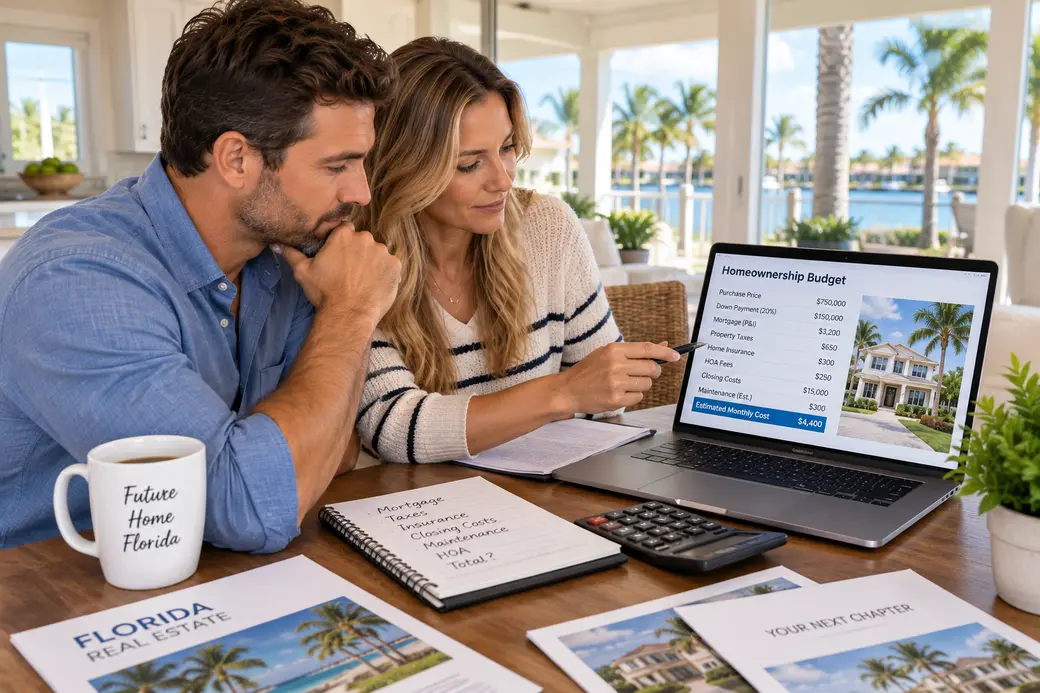
The true cost of buying a home in Florida goes well beyond the mortgage payment. Buyers may need cash for the down payment, closing costs, inspections, appraisal, prepaid insurance, tax and insurance escrows, moving expenses and immediate repairs. After closing, the budget can include property taxes, homeowners insurance, flood insurance when applicable, HOA or condominium fees, maintenance, utilities, pool or landscaping costs and future capital expenses. For coastal and condominium properties, insurance, association assessments and property-specific maintenance can be especially important. A realistic Florida home budget therefore starts with total ownership cost, not simply the amount a lender says you can borrow.
This distinction can materially change which property is affordable. Two Florida homes with the same purchase price and mortgage can have very different monthly and long-term costs because of taxes, insurance, association expenses, condition and location. Buyers who calculate those expenses before making an offer are in a better position to compare homes based on the complete financial picture.
Quick Answers About the True Cost of Buying a Home in Florida
How much should Florida buyers budget for closing costs?
The Consumer Financial Protection Bureau says closing costs typically range from about 2% to 5% of the purchase price, excluding the down payment. That is only a planning estimate. Actual costs depend on the property, mortgage, lender, location and transaction.
Is the down payment part of closing costs?
No. Buyers should generally budget for the down payment separately from closing costs. The total cash needed to close can therefore be substantially greater than the down payment alone.
Should I use the seller's Florida property-tax bill to estimate my taxes?
Not as your only estimate. The seller may have exemptions or assessment limitations that do not transfer to you in the same way. Buyers should obtain a property-specific estimate from the applicable county property appraiser or tax professional.
Does homeowners insurance cover flooding in Florida?
Standard homeowners insurance generally does not cover flood damage. Depending on the property and financing, separate flood insurance may be required or worth considering. Buyers should obtain property-specific guidance from a qualified insurance professional.
Are HOA or condo fees included in the mortgage?
Generally, association assessments are separate ownership expenses, although lenders may consider them when determining mortgage qualification. Buyers should verify the current fee, what it includes, special assessments and association financial information before purchasing.
How much should I keep after closing?
There is no universal amount. Buyers should avoid assuming every available dollar should go toward the down payment. Moving costs, immediate repairs, insurance deductibles, furnishings and unexpected home expenses can arrive soon after closing. A qualified financial or lending professional can help evaluate an appropriate reserve for individual circumstances.
What Florida home expenses can change after I buy?
Even with a fixed-rate mortgage, the total housing budget can change. Property taxes, insurance premiums, association fees, assessments, utilities and maintenance expenses are not necessarily fixed for the life of the loan.
What Does It Really Cost to Buy a Florida Home?
A useful home-buying budget has three layers: cash required before and at closing, recurring ownership expenses and longer-term property costs.
- Upfront costs: down payment, inspections, appraisal, lender charges, title and settlement expenses, prepaid items, escrow funding and moving costs.
- Recurring costs: mortgage principal and interest, property taxes, insurance, association assessments, utilities and routine maintenance.
- Long-term costs: roof, HVAC, appliances, exterior work, renovations, pool equipment, landscaping, waterfront infrastructure and condominium special assessments when applicable.
That framework explains why Hunt Brothers Realty's Sarasota price guide recommends comparing insurance, taxes, association expenses, maintenance and condition along with purchase price.
How Much Cash Do You Need Beyond the Down Payment?
A common budgeting mistake is deciding how much to put down before estimating everything else that requires cash. If a buyer has $100,000 available, for example, putting the entire amount toward a down payment may leave insufficient cash for closing costs, moving expenses and post-closing reserves.
The Consumer Financial Protection Bureau recommends estimating closing costs separately when deciding how much cash is actually available for a down payment. Its general planning range for closing costs is approximately 2% to 5% of the purchase price, not including the down payment.
Hunt Brothers Realty's 2026 down-payment guide also emphasizes budgeting for loan charges, appraisal, inspections, title and settlement expenses, prepaid homeowners insurance, tax and insurance escrows, moving expenses and immediate maintenance.
What Can Be Included in Florida Closing Costs?
Closing costs are not one fee. They are a collection of transaction and financing expenses. The exact items depend on whether the buyer is financing the purchase, the loan selected and how costs are allocated in the contract.
Depending on the transaction, a buyer may encounter costs associated with:
- Mortgage origination and lender charges
- Discount points when selected
- Appraisal
- Credit and other loan-related charges
- Title and settlement services
- Recording and applicable transaction charges
- Prepaid interest
- Prepaid homeowners insurance
- Initial tax and insurance escrow funding when applicable
- Other property, loan or transaction-specific charges
Financed buyers receive a Loan Estimate from their lender that provides transaction-specific estimated loan costs and cash needed to close. Buyers should review that document with their mortgage professional rather than treating a general percentage as the final number.
Are Home Inspections Part of the Closing-Cost Budget?
Inspections are often paid during the transaction rather than on closing day, which means buyers should have cash available before closing. The type and number of inspections depend on the property.
A Florida buyer may consider a general home inspection and, depending on the home, specialized evaluation of components such as:
- Roof
- HVAC
- Electrical systems
- Plumbing
- Pool and equipment
- Pest or wood-destroying organisms
- Septic system
- Well
- Seawall or dock
- Structural concerns when identified
Inspection scope and pricing vary. Buyers should discuss appropriate inspections with qualified inspectors and use contractors, engineers or other specialists when the property or inspection findings call for additional expertise.
How Much Will Florida Property Taxes Really Cost?
Property taxes deserve special attention because the current tax bill shown for a listing may not represent what a new owner will eventually pay. The seller's taxable value may reflect ownership history, exemptions and assessment limitations that apply to that owner.
The Florida Department of Revenue explains that qualifying owners who make a property their permanent residence may be eligible for a homestead exemption that can reduce taxable value by as much as $50,000. Florida also has the Save Our Homes assessment limitation for qualifying homestead property.
Those rules do not mean a buyer should simply subtract $50,000 from the purchase price and calculate a tax bill. Property taxation involves assessed value, taxable value, exemptions, taxing authorities and other property-specific factors.
Buyer takeaway: do not build your long-term budget around the seller's current tax bill. Obtain a buyer-oriented estimate from the applicable county property appraiser and consult a qualified tax professional when you need advice about your individual circumstances, exemptions or tax consequences.
Why Is Homeowners Insurance Such an Important Florida Budget Item?
Insurance can materially change the cost of a Florida home, and it should be investigated before the final days of a transaction. A seller's premium, a neighbor's policy or an online estimate is not a reliable substitute for a quote on the property you intend to purchase.
Hunt Brothers Realty's guide to shopping for Florida homeowners insurance recommends gathering property-specific insurance information once a buyer is seriously considering a home and requesting quotes early after going under contract.
Insurers may consider property characteristics such as the roof, electrical system, plumbing, wind mitigation features, construction, location, occupancy and other underwriting factors. The relevance and effect of those characteristics vary by insurer and property.
Insurance availability, coverage, deductibles and premiums can vary substantially. Buyers should obtain property-specific quotes and review coverage with a qualified insurance professional before making a purchasing decision that depends on estimated insurance costs.
Do Florida Buyers Need to Budget for Flood Insurance?
Flood insurance is separate from standard homeowners coverage and should be evaluated based on the individual property. Standard homeowners insurance generally does not cover flood damage.
For buyers near Florida's Gulf Coast, flood risk should not be reduced to a simple question of whether the home is directly on the beach. Hunt Brothers Realty's coastal home-buying guide recommends investigating the property's current flood-zone information, available elevation information, prior flooding or storm history and property-specific insurance costs.
Flood-insurance requirements can also interact with financing. Buyers should review current flood information and insurance requirements with their lender and qualified insurance professional rather than assuming a particular property does or does not need flood coverage based solely on its distance from the Gulf.
How Much Can HOA Fees Add to the Cost of a Florida Home?
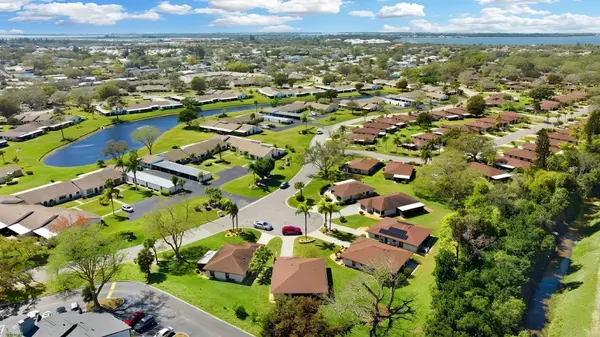
An HOA assessment can materially change the monthly ownership budget. The fee may fund common landscaping, roads, gates, recreational amenities, management or other association responsibilities, but what is included varies by community.
Buyers should not assume the current assessment will remain unchanged indefinitely. Hunt Brothers Realty's guide to Florida HOA fee increases explains why association expenses should be evaluated as part of the total cost of ownership rather than treated as an isolated number.
Depending on the community, buyers may also encounter special assessments or Community Development District assessments. The presence, amount and structure of these expenses are property-specific and should be verified for the exact home under consideration.
Why Can Florida Condo Costs Be Different From Single-Family Home Costs?
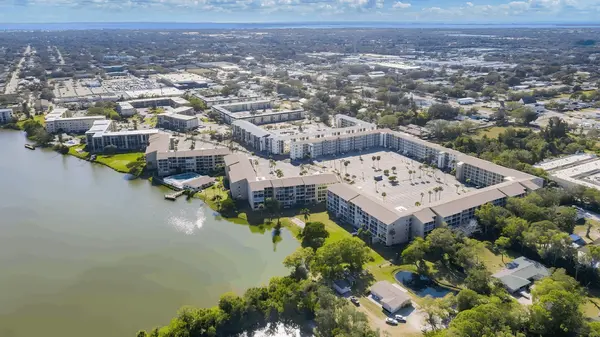
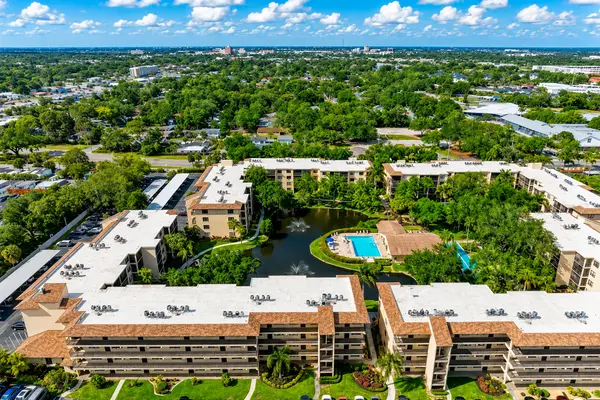
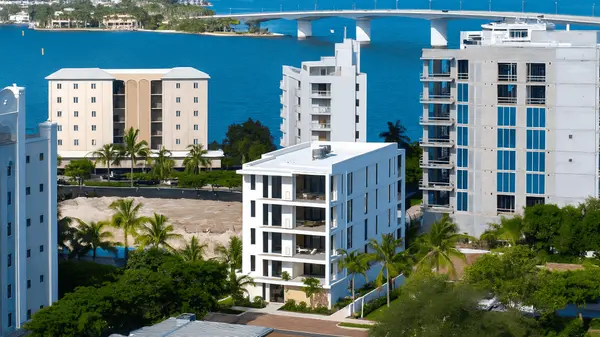
A condominium shifts some expenses from the individual owner to the association, but that does not make those costs disappear. They may instead appear in regular association assessments or special assessments.
Depending on the condominium, assessments may contribute to items such as building insurance, exterior maintenance, common utilities, elevators, pools, landscaping, staffing, reserves and capital projects. What the association pays and what the individual owner pays depends on the condominium documents, insurance structure and current budget.
A lower-priced condominium can therefore have a higher monthly ownership cost than a more expensive property with lower recurring expenses. Current Sarasota market guidance from Hunt Brothers Realty specifically encourages condo buyers to examine association finances, insurance, fees, assessments and building-specific requirements.
Before purchasing a Florida condominium, obtain current association financial information, governing documents, applicable inspection information and assessment information. Questions involving association documents, ownership rights or legal obligations should be reviewed with a qualified Florida real estate attorney when individualized legal guidance is needed.
What Does Mortgage Insurance Add to the Budget?
Some mortgage programs can include mortgage insurance or other program-specific insurance charges. Whether it applies, how much it costs and whether or when it can be removed depend on the mortgage program and borrower circumstances.
This is one reason the lowest possible down payment is not automatically the least expensive option, and the largest possible down payment is not automatically the best option either. Buyers can ask their lender to compare multiple down-payment scenarios and show how each affects interest rate, monthly payment, mortgage insurance, closing costs and remaining cash reserves.
For a broader comparison, see Hunt Brothers Realty's guide to choosing a mortgage. Mortgage eligibility, insurance requirements and loan costs should be reviewed with a qualified mortgage lender or loan professional using the buyer's individual circumstances.
How Much Should Buyers Budget for Home Maintenance?
Maintenance is one of the hardest ownership costs to represent with a universal percentage because Florida properties differ so much. A recently built inland home with association-maintained landscaping creates a different maintenance profile from a 1970s pool home, a Gulf-front condominium or a waterfront house with a seawall and dock.
Potential expenses can include:
- Roof maintenance and eventual replacement
- HVAC service and replacement
- Plumbing and electrical repairs
- Exterior painting and sealing
- Pest control
- Landscaping and irrigation
- Pool cleaning, equipment and resurfacing
- Appliance replacement
- Windows, doors and storm-protection systems
- Driveways, fencing and drainage
Instead of relying only on a generic maintenance percentage, buyers can use the inspection and property records to identify major components, estimate remaining useful life where qualified professionals can do so and obtain contractor estimates for significant known work.
What Extra Costs Can Come With a Florida Pool Home?
A private pool can be an important part of Florida living, but it also creates another group of ownership expenses. Routine cleaning and chemicals are only part of the budget.
Over time, a pool owner may encounter expenses involving pumps, filters, heaters, automation systems, lighting, screens, decking and resurfacing. Electricity and water use can also be affected.
Buyers should have the pool and related equipment evaluated as appropriate during due diligence and obtain qualified estimates when significant repairs appear necessary.
What Additional Costs Can Waterfront Buyers Face?
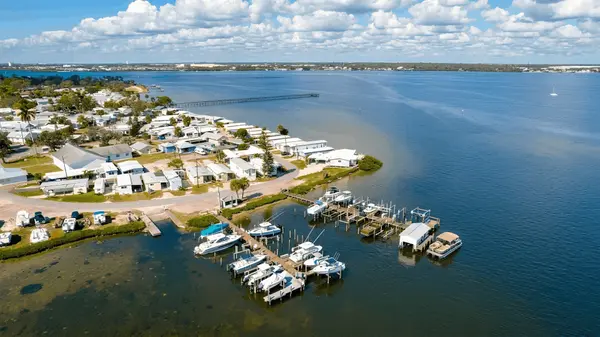
Waterfront ownership can introduce costs that do not exist for an inland home. Depending on the property, these may involve seawalls, docks, boat lifts, pilings, shoreline structures, marine utilities, salt exposure and specialized maintenance.
Insurance and flood considerations can also become more important. Hunt Brothers Realty's Bradenton waterfront home search illustrates the variety of Gulf Coast waterfront property, while the coastal buyer guide explains why buyers should investigate seawalls, docks, flood information, elevation and insurance rather than evaluating the residence alone.
Waterfront structures and coastal conditions should be evaluated by the appropriate inspectors, marine contractors, engineers, surveyors, permitting authorities or other qualified professionals before a buyer relies on their condition or future cost.
What About Utilities and Everyday Ownership Expenses?
Mortgage calculators often leave out many ordinary expenses that begin immediately after move-in. Electricity, water, sewer, trash, internet, lawn service, pest control and other services can add to the monthly budget.
The home's size, insulation, HVAC efficiency, pool, irrigation system and occupancy pattern can affect utility consumption. A buyer relocating from a condominium to a larger single-family home should be particularly careful about assuming that current utility costs will transfer to the new property.
Where available and appropriate, buyers can request historical utility information and investigate current provider rates, while recognizing that future consumption will depend on their own use of the home.
What Move-In Costs Do Buyers Commonly Forget?
Closing is not necessarily the end of the initial spending period. The first several weeks of ownership can produce a surprising number of smaller expenses.
- Moving company or truck rental
- Utility deposits or setup charges
- Locks and security updates
- Window coverings
- Furniture
- Appliances not included with the property
- Paint and minor repairs
- Lawn or pool equipment
- Storm-preparation supplies
- Immediate improvements identified during inspection
The CFPB specifically recommends preserving money for initial home expenses rather than committing every available dollar to the purchase itself.
Why Are Cash Reserves Important After Closing?
A home can create an expense immediately after closing even when the inspection went well. An appliance can fail, an insurance deductible can become relevant after a covered event, or a repair that was optional during negotiations can become more urgent after move-in.
That is why Hunt Brothers Realty's down-payment guidance emphasizes the importance of maintaining financial reserves rather than judging the purchase solely by how large a down payment the buyer can make.
The appropriate reserve is an individual financial decision. Buyers should consider their income stability, other obligations, property condition and expected near-term expenses and consult a qualified financial or lending professional when individualized guidance is needed.
Can a More Expensive Florida Home Actually Cost Less Each Month?
Potentially. Purchase price is only one variable in the ownership equation.
Consider two hypothetical properties. Home A costs less but has higher insurance, a substantial HOA assessment and several aging systems. Home B costs more but has lower recurring association expenses, newer major components and a different insurance profile. Depending on financing and the actual property-specific expenses, the difference in total monthly and near-term cost could be smaller than the purchase prices suggest.
The point is not that buyers should spend more. It is that homes should be compared using a complete budget rather than purchase price alone.
What Should a Florida Buyer Put in a Total Homeownership Budget?
Before making an offer, consider building a property-specific worksheet containing each of the following categories.
- Down payment: Based on the mortgage program and buyer's selected financing strategy.
- Estimated closing costs: Use the lender's current Loan Estimate as the transaction becomes specific.
- Inspections and appraisal: Include specialized inspections when appropriate.
- Property taxes: Estimate taxes for the buyer rather than relying solely on the seller's bill.
- Homeowners insurance: Obtain a quote for the actual property.
- Flood insurance: Investigate property-specific flood exposure and coverage when applicable.
- Mortgage insurance: Include it when required by the selected loan.
- HOA, condo or CDD expenses: Verify current amounts and what they cover.
- Special assessments: Investigate current approved assessments and available information about anticipated projects.
- Utilities: Estimate electricity, water, sewer, internet and other services.
- Routine maintenance: Consider the home's age, size, systems, pool, landscaping and location.
- Immediate repairs: Budget for known post-closing work.
- Moving and furnishing: Include expenses required to make the property functional after closing.
- Cash reserves: Avoid ending the transaction without a plan for unexpected ownership expenses.
How Should First-Time Florida Buyers Approach the Budget?
First-time buyers can be especially vulnerable to focusing on the mortgage because rent provides a familiar single monthly number. Homeownership divides expenses into more categories and introduces maintenance responsibility.
Hunt Brothers Realty's 2026 first-time homebuyer roadmap recommends budgeting for property taxes, homeowners and applicable flood insurance, association expenses, maintenance, repairs, utilities and upgrades rather than stopping at loan approval.
A lender's approval amount and a buyer's comfortable budget are not necessarily the same number. Buyers can decide to purchase below their maximum qualification when doing so better accommodates savings goals, maintenance reserves and other priorities.
What Should Sarasota and Gulf Coast Buyers Pay Particular Attention To?
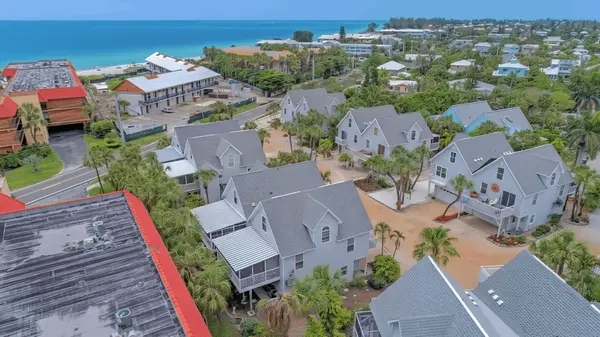
For Sarasota and Florida Gulf Coast buyers, property type and location can dramatically change the cost profile. A downtown condominium, Siesta Key residence, Longboat Key property, mainland pool home and Lakewood Ranch house should not be evaluated with identical assumptions.
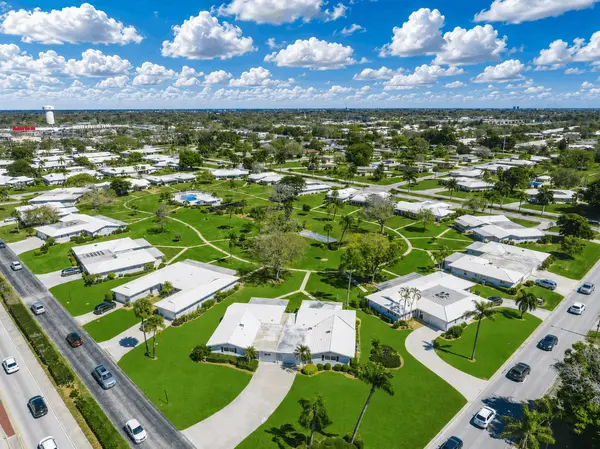
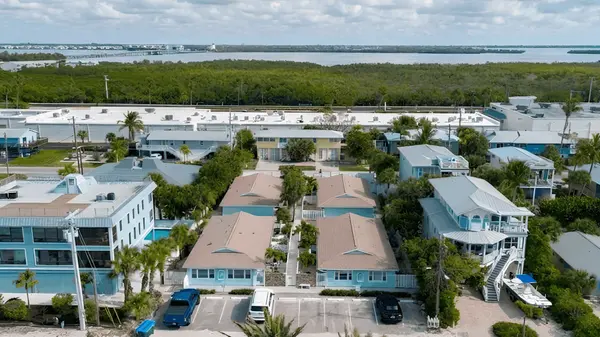
Coastal buyers may place additional emphasis on insurance, flood information, roofs, storm protection and waterfront infrastructure. Condominium buyers may spend more time reviewing association finances, reserves and assessments. Buyers in planned communities may need to account for HOA and CDD assessments. Older homes can require additional attention to major systems and future capital work.
Current Sarasota and Manatee County buyer guidance from Hunt Brothers Realty emphasizes comparing insurance costs, association rules and overall value as buyers evaluate available inventory.
The Affordable Home Is the One That Fits the Complete Budget
The true cost of a Florida home is not the listing price and it is not simply principal and interest. It is the combination of cash required to purchase the property, recurring expenses required to own it and future costs required to maintain it.
That broader calculation can reveal important differences between properties that initially look similar. One home may carry higher insurance. Another may have a substantial association fee. A third may require significant renovations. A fourth may cost more upfront but have newer systems and fewer immediate projects.
A strong Florida buying budget therefore answers two questions: "Can I afford to purchase this home?" and "Can I comfortably afford to own this particular home after closing?"
Plan Your Florida Home Search Around Total Ownership Cost
Hunt Brothers Realty can help buyers compare Florida Gulf Coast properties while considering the property characteristics that affect ownership costs. Buyers can also review the 2026 down-payment guide, learn how mortgage choices affect the home-buying budget, explore when to shop for Florida homeowners insurance, or compare Florida Gulf Coast communities.
Informational notice: This article provides general real estate and educational information and is not individualized financial, mortgage, lending, tax, insurance, legal, inspection, engineering or other professional advice. Purchase costs, loan expenses, taxes, insurance, association assessments, inspections and maintenance vary by buyer, property and transaction. Buyers should obtain property-specific estimates and guidance from the appropriate qualified mortgage lender, insurance professional, tax professional, home inspector, contractor, engineer, title or closing professional, association and Florida real estate attorney when individualized guidance is required.
Sources
- Consumer Financial Protection Bureau, Determine Your Down Payment and Estimate Closing Costs
- Florida Department of Revenue, Property Tax Exemptions and Benefits
- Hunt Brothers Realty, How Much Should You Put Down on a House?
- Hunt Brothers Realty, When Should Florida Home Buyers Shop for Homeowners Insurance?
- Hunt Brothers Realty, Questions to Ask Before Buying a Home Near the Coast
- Hunt Brothers Realty, Can HOA Fees Increase After You Buy a Home in Florida?
- Hunt Brothers Realty, What Type of Mortgage Is Best for Me?
- Hunt Brothers Realty, What Does $500K, $1M, or $2M Buy You in Sarasota?
- Hunt Brothers Realty, A Practical Roadmap for First-Time Homebuyers in 2026
Contact Hunt Brothers Realty
Hunt Brothers Realty
46 N. Washington Blvd, Ste 3
Sarasota, FL 34236
Phone: (941) 388-7017
Email: info@huntbrothersrealty.com
Website: HuntBrothersRealty.com
Categories
- All Blogs 1406
- Anna Maria Island 66
- Bird Key 3
- Bradenton 44
- Buying a Home 562
- Casey Key 2
- Clearwater 5
- Condos & HOA Living 472
- Ellenton 4
- Englewood 5
- First Time Homebuyers 634
- Foreclosures 3
- Homeownership 610
- Lakewood Ranch 15
- Lido Key 24
- Longboat Key 65
- Luxury/Waterfront Properties 548
- Market Updates & Trends 276
- Mortgages & Financing 27
- Move-Up Buyers 20
- Neighborhood Guides 416
- New Construction 21
- Palmetto 2
- Parrish 4
- Port Charlotte 7
- Punta Gorda 11
- Real Estate Investing 481
- Relocation to Florida 532
- Safety Harbor 2
- Sarasota - Downtown 110
- Selling a Home 134
- Siesta Key 87
- St. Petersburg 3
- Tierra Verde 3
- Vacation & Second Homes 665
- Venice 20
- Wellen Park 7
Recent Posts