FEMA Flood Zones Explained for Florida Real Estate
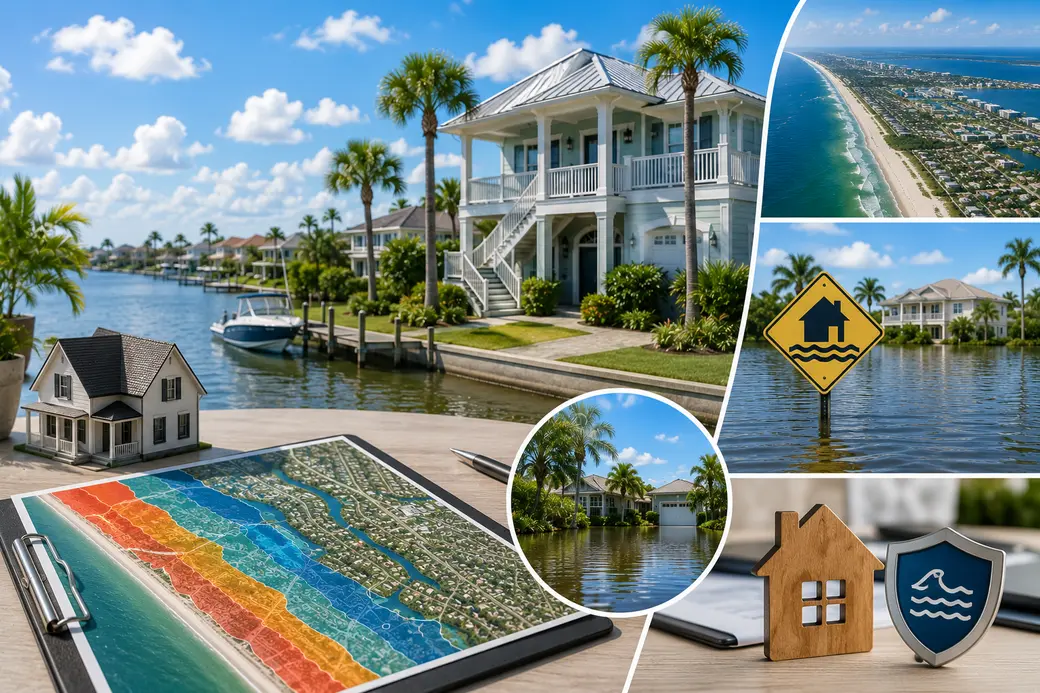
When buying a Florida home, especially near the Gulf Coast, understanding the property's FEMA flood zone should be part of your due diligence.
A flood zone can affect insurance requirements, construction considerations, financing, and how you evaluate the property's overall risk.
But one point is especially important: being outside a high-risk FEMA flood zone does not mean a property cannot flood.
What Is a FEMA Flood Zone?
The National Flood Insurance Program explains that flood zones are geographic areas used to identify levels of flood hazard.
FEMA's Flood Insurance Rate Maps, commonly called FIRMs, show information including:
- Flood zones
- Floodplain boundaries
- Base Flood Elevations in applicable areas
- Special Flood Hazard Areas
- Coastal high-hazard areas
Buyers can research an address using the FEMA Flood Map Service Center.
What Does FEMA Zone AE Mean?
Zone AE is considered a high-risk Special Flood Hazard Area.
It represents an area subject to the 1 percent annual-chance flood, sometimes referred to as the "100-year flood." That phrase can be misleading because it does not mean flooding occurs only once every 100 years.
In Zone AE, FEMA has performed detailed analysis and established a Base Flood Elevation.
If a property is in a high-risk flood zone and has a government-backed mortgage, flood insurance is generally required.
What Does FEMA Zone VE Mean?
Zone VE is particularly important for Florida coastal buyers.
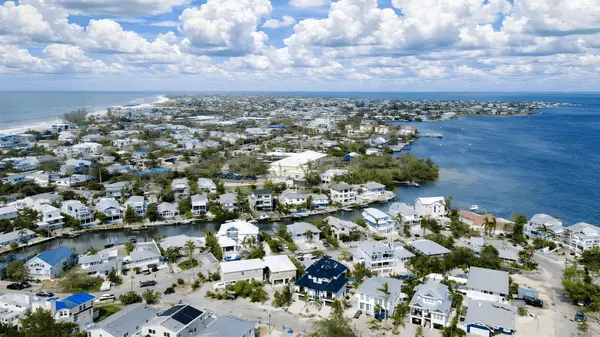
According to FEMA's coastal flood guidance, VE zones are coastal high-hazard areas where waves and fast-moving water can create additional damage during the base flood event.
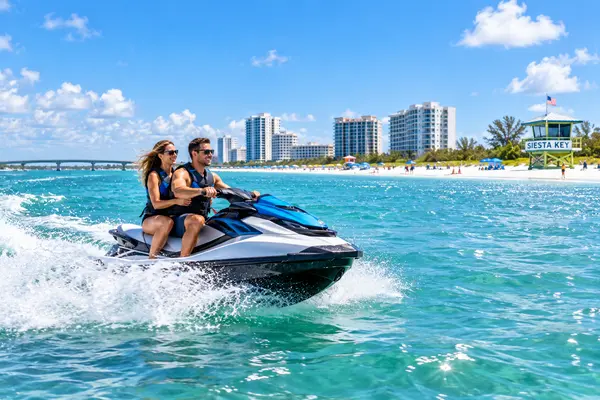
These areas can be especially relevant when evaluating coastal homes in communities such as Siesta Key and Longboat Key.
Zone VE properties can also be subject to stricter building requirements because of coastal wave hazards.
What Does FEMA Zone X Mean?
Zone X generally indicates lower or moderate flood risk compared with A and V zones, but Zone X does not mean zero flood risk.
FEMA uses Zone X for areas outside the Special Flood Hazard Area, including different levels of lower flood hazard depending on whether the area is shaded or unshaded on the flood map.
The National Flood Insurance Program reports that nearly one-third of NFIP flood claims from 2014 through 2024 came from outside current high-risk flood areas.
That is why buyers should evaluate flood insurance even when a lender does not require it.
Which FEMA Flood Zones Are Considered High Risk?
Common Special Flood Hazard Area designations include:
- Zone A
- Zone AE
- Zone AH
- Zone AO
- Zone AR
- Zone A99
- Zone V
- Zone VE
A and V zones represent high-risk areas, while V and VE specifically identify coastal high-hazard areas.
Does Your Flood Zone Determine Your Insurance Premium?
Not by itself.
Under FEMA's current NFIP rating methodology, flood insurance pricing considers multiple property-specific risk factors rather than relying solely on the flood zone.
Factors can include:
- Flood frequency
- Type of flooding
- Distance from a water source
- Property characteristics
- Elevation
- Cost to rebuild
Your flood zone remains important for determining whether the federal mandatory flood-insurance purchase requirement applies.
Does Homeowners Insurance Cover Flooding?
Most standard homeowners insurance does not cover flood damage.
The National Flood Insurance Program explains that separate flood insurance may be needed to protect against flood-related losses.
Buyers should obtain property-specific homeowners and flood insurance quotes early in the purchase process.
What Should Florida Buyers Check Before Purchasing?
Do not stop after finding the flood-zone letter.
Consider investigating:
- Current FEMA flood zone
- Base Flood Elevation when applicable
- Property elevation information
- Available Elevation Certificate
- Flood insurance quotes
- Previous flood or storm damage information
- Local floodplain requirements
- Building permits and improvements
- Lender insurance requirements
For waterfront properties, buyers may have additional considerations involving storm surge, seawalls, docks, and coastal construction.
What Is the Best Way to Check a Florida Property's Flood Zone?
Start with the official FEMA Flood Map Service Center, then investigate property-specific elevation and insurance information.
For buyers considering Sarasota-area communities, Hunt Brothers Realty can help identify the flood, insurance, and property questions worth researching before making an offer.
Hunt Brothers Realty
46 N Washington Blvd, Ste #3
Sarasota, Florida 34236
Phone: (941) 388-7017
Email: info@huntbrothersrealty.com
Categories
- All Blogs 1546
- Anna Maria Island 68
- Bird Key 3
- Bradenton 112
- Buying a Home 687
- Casey Key 2
- Clearwater 5
- Condos & HOA Living 594
- Ellenton 4
- Englewood 5
- First Time Homebuyers 766
- Foreclosures 3
- Homeownership 749
- Lakewood Ranch 15
- Lido Key 24
- Longboat Key 66
- Luxury/Waterfront Properties 686
- Market Updates & Trends 352
- Mortgages & Financing 33
- Move-Up Buyers 20
- Neighborhood Guides 499
- New Construction 27
- Palmetto 2
- Parrish 4
- Port Charlotte 7
- Punta Gorda 11
- Real Estate Investing 620
- Relocation to Florida 670
- Safety Harbor 2
- Sarasota 4
- Sarasota - Downtown 134
- Selling a Home 138
- Siesta Key 87
- St. Petersburg 3
- Tierra Verde 4
- Vacation & Second Homes 802
- Venice 21
- Wellen Park 7
Recent Posts